Nivedita Mukerjee
Education consultancy for parents and schools
3-2-1 TUESDAYS WITH MS NIV
Issue #13 / October 6, 2020
Have you been playing enough? Or for that matter at all lately? Was it outdoors or indoors? Was it a board game or a card game? Was it a virtual game? Was it for learning and education? Did you play with “Smart Materials”? When you play it is for fun. It’s creative. It prepares you to fail and try again. It lets you find new ways of approaching problems. Play is important. Play is necessary. For life and longevity. For having a say in your future. In this week’s issue I share an interesting collection of readings for you – whether you are a student, parent, or educator. Don’t miss the math “carry forward” DIY educational aid in the And Finally section.
Subscribe, share, comment. Feel free to follow me on social media where I post education related content.
Follow Me
Get new content delivered directly to your inbox.
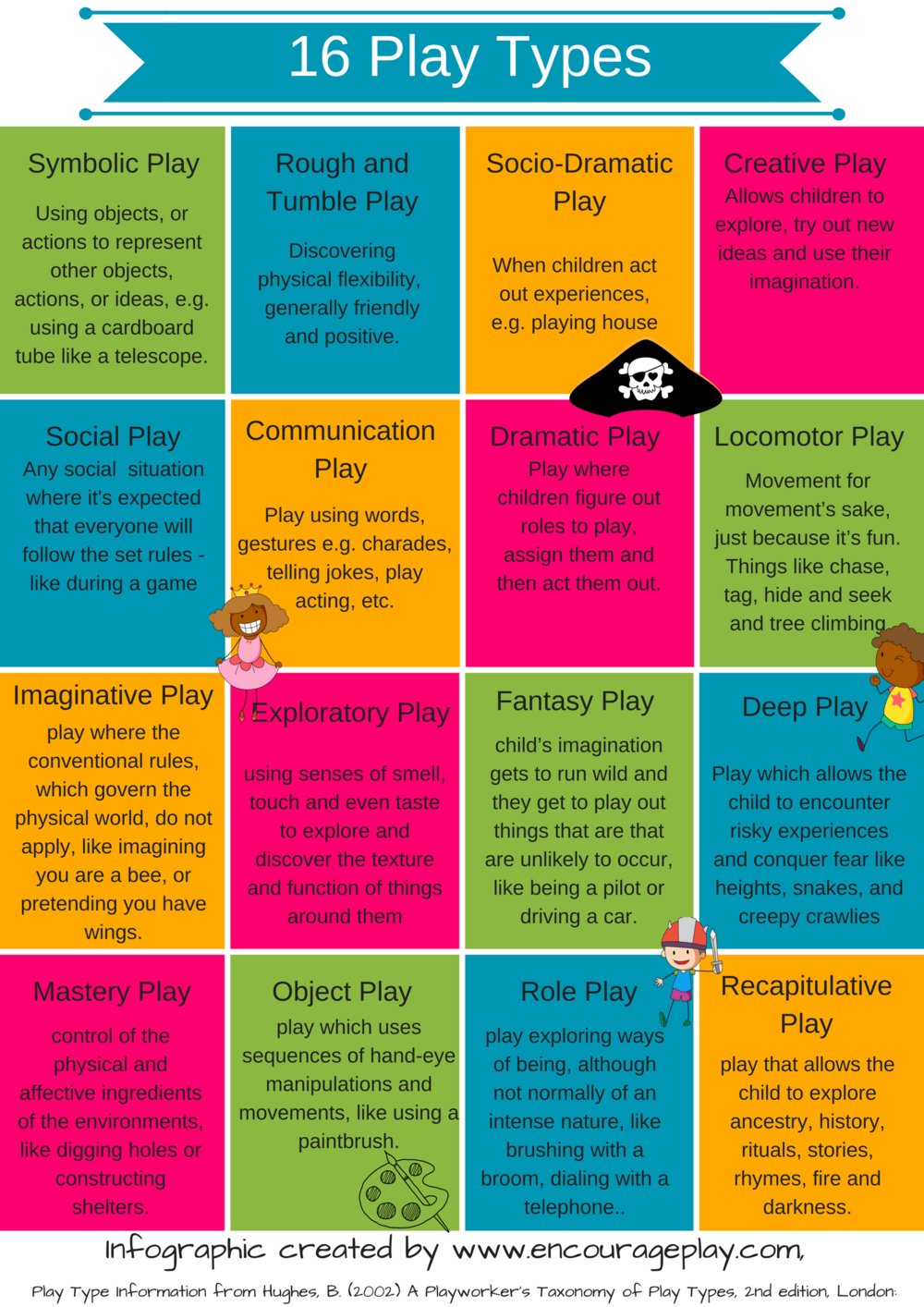
Three Images For The Week
For educator, parent and student. The Holy Trinity of Education.


Two Thoughts For The Week
“Life is more fun if you play games.”
― My Uncle Oswald
“We do not stop playing because we grow old, we grow old because we stop playing!”
―
One Video For The Week
Caterina Mota is a social scientist and a maker. She plays with “smart materials”. Ink that conducts electricity; a window that turns from clear to opaque at the flip of a switch; a jelly that makes music. All these things exist, and Catarina Mota says: It’s time to play with it. Enjoy this talk as she takes you on a tour of surprising and cool new materials, and suggests that the way we’ll figure out what they’re good for is to experiment, tinker and have fun with.
Guest Column
John Mason, Urban Planner, Carter Jonas U.K.

Principles for Play Spaces
Article 31 of the UN Convention on the Rights of the Child states that children have the right to engage in play and recreation. “Play” is what children and young people do when they follow their own ideas and interests, in their own ways and for their own reasons – in other words, what they do when they aren’t being told what to do by adults!
Play areas are a vital component of our urban spaces. They can provide safe and stimulating outdoor environments that can encourage physical and imaginative activity, and develop social skills (and citizenship) through encouraging interaction with other children from a range of backgrounds.
Organised playgrounds first appeared in cities in the late 1800s, driven by reformers who wanted to protect children from the dangers of street play and mould them into healthy, active citizens. Playgrounds today come in a wide variety of shapes and sizes, with designs guided by psychologists, educators and architects.
Following a century of playground design and research, the following elements are critical considerations in making successful play spaces.
- Flexibility: play spaces should provide opportunity for solitary and group activity, and parts which can be constantly adapted and reimagined by their users. This could be as simple as piles of leaves and sticks, or physical equipment without prescriptive uses such as climbing frames. Children should be able to create and adapt their own environments.
- Variety: play spaces should comprise a variety of spaces, levels, planting, textures, and colours. This encourages imagination and creativity, and will provide opportunities for a wide variety of children.
- Accessibility: play spaces should be accessible both in terms of proximity to their intended users, and in offering opportunities to children of differing abilities and ages to encourage social interaction and mixing.
And which factors are not as important?
- Cost: whilst a standard “kit” of equipment such as swings and slides can be cheap to install, maintain and replicate, they offer little in the way of imaginative or creative play, and children can grow quickly bored of them.
- Safety: playgrounds focused on safety can be known as “KFC” playgrounds, standing for Kit, Fence and Carpet. Whilst designers and parents can be worried about the scope for children to get hurt (and the potential for litigation), risk-taking is a vital component of child development, encouraging goal setting, confidence and self-esteem. If environments are too “safe” then children, particularly older ones, rapidly lose interest.
- Aesthetics: this is often of more interest to designers and parents than the children. Junkyard playgrounds comprising old bricks and bits of wood may look “untidy” to adults, but can be highly stimulating, creative and educational environments for children.
More than half of the world’s population lives in urban areas. With increasing numbers of children growing up in cities, their ability to play and spend time outdoors is diminishing. And whilst adults are often worried (understandably) about letting their children out unsupervised, an increasing number of children are suffering from inactivity and obesity. In India it is predicted that 17million children will be obese by 2025[1]. With our cities becoming ever denser and crowded, it has never been more important that educators, parents, designers and municipal governments work together to ensure that children have equitable access to good quality play space.
[1] Krishnaswarmy Sashindran, V and P Dudeja, Obesity in School Children in India https://www.intechopen.com/online-first/obesity-in-school-children-in-india
Parent Speak
Sudeepta Banerjee, Mother of Shenaya Bhattacharjee 12 & Shereen Bhattacharjee 9 and an entrepreneur.
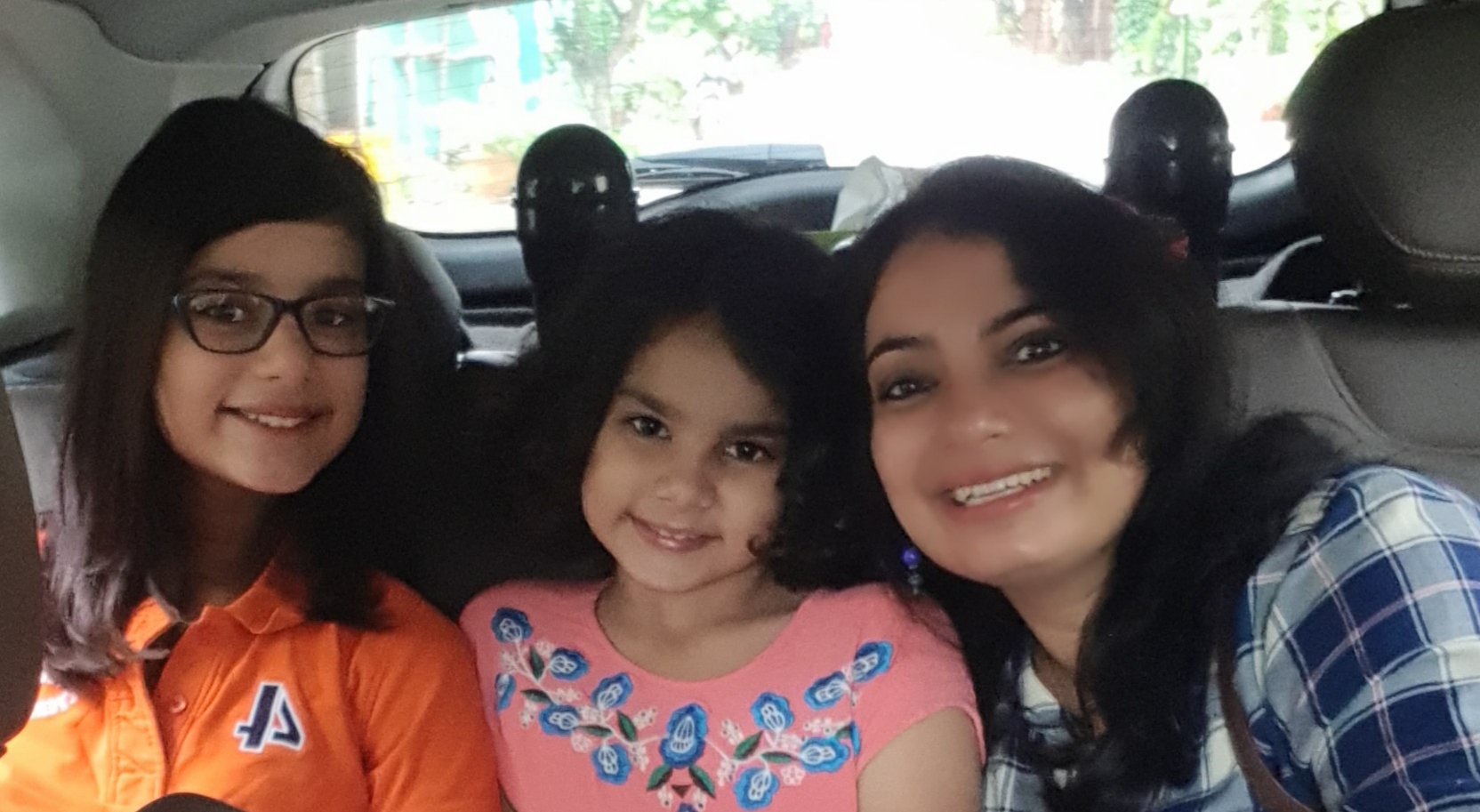
Trust me, just like many moms around the world I have lost my patience several times on my girls because of repetitive questions about when they can start doing everything like before? Then that one statement that most parents including me are really scared of these days, and our kids use it abundantly ‘I am Bored’. One such day after gaining my calm back & while feeling terribly guilty, I dived deep into this problem of kids being bored all the time, means I don’t remember being bored at their age (12 & 9). That’s when I realized that I used to explore as a child. My parents did not have enough resources or time to keep spending on me and plan every hour of my day and that actually helped. I explored, failed multiple times & then achieved success and was so busy in this process that I never felt bored.
This was a great realization for me and now it has been three months of us allowing them to decide what they want to do and how they want to do it. We just hang around to guide them when they need. This has ensured the disappearance of the word ‘bored’ from my house. They are super curious and forever exploring and hence, extremely happy and energized.
Student Voice
Prateek Doshi, student of Grade 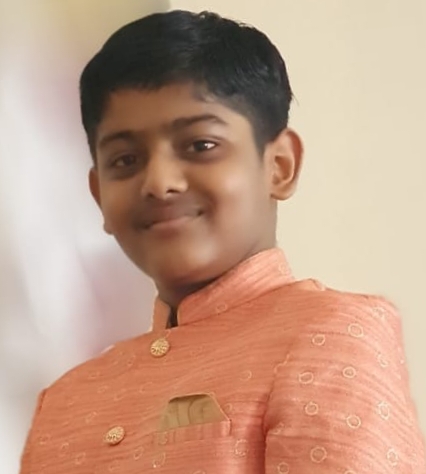 9
9
Virtual Gaming : Blessing or Curse
Everything has pros and cons. According to me, I think that different kinds of virtual games are made for different kinds of people according to their needs and sensitivity.
Virtual gaming has a lot of advantages like we get to experience new things, it is entertaining and even improves our decision making and cognitive skills.
It can also be harmful to us due to the violence or the different kinds of content which some can’t tolerate. Sometimes, it may also lead to cybercrime or excess of addiction which can result in depression and/or anxiety. It may cause a kid to purchase any virtual item for real money which could cause some harm to the financial stability of a family. But this is not much prevalent in India.
So, to conclude, there should be limits/disclaimer every time the game is opened/started for different age groups and people. Parents should also keep a check on their children and how they are socialising/playing their games. They should also set flexible time limits for the games and the time limits should be according to the child.
Showcase

PlayKnow (https://playknow.in/) is a digital intervention in education and the goal is to build a simple technology platform to enable teachers with technological tools and make learning engaging and interesting. That is why we named it: Play Know.
The journey of PlayKnow started in 2013 with a single App called Mixup
https://play.google.com/store/apps/details?id=com.playknow.mixup.ui
Now we have many apps and an integrated platform supporting learning with Videos and activities.We have used PlayKnow Apps in One billion literates foundation, Building Blocks and a school for Tribal in Karumandurai. The teachers can create contextual content and create activities for their lessons like MCQ, Fill in the blanks, Match the following.Today’s digital native students are thrilled and enthusiastic to use digital mediums, PlayKnow apps leverage this to make learning interesting.
Since these digital apps are non-judgmental and satisfies the curiosity of the digital natives, the students have no inhibition to experiment and try multiple times, which is fundamental to learning.The PlayKnow apps have rich UI and are self-paced so each student learns at his own pace. The App gives applause and credits and motivates the students.
Like Microsoft’s new catch phrase ‘Invent with Purpose’, from the initial design we were conscious to make sure the Apps work offline to seamlessly work where there is no Internet and use technology to solve a problem. With lot of advancement in technology like Chatbots, AI etc.., we believe there is lot more exciting ahead in this journey.
Mahadevan is a Software professional and a consultant for various organisations. He is a technology volunteer for onebillionliterates.org besides other nonprofits.
And Finally
Here’s a “carry forward” resource for early year numeracy with Sonal Chawda. A DIY video that is Fun and Easy-Peasy 🙂
3-2-1 Tuesdays with Ms Niv is a newsletter for you to subscribe and enjoy your learning journey with me. Most of you would have been too busy to track trends in education, ponder on most relevant thoughts or deliberate on career choice, parenting or pedagogy. Find it all here. This week, it consists of: 3 images, 2 thoughts and 1 video.
For whom? Students, educators and parents
When? Every Tuesday
Where? my blog post, register with your e-mail id, it is free.
If you want to contribute an article, are organising an event, have a product that you think can be reviewed and/or featured in this news letter, please feel free to write to me at : niveditamukerjee10@gmail.com
Please like, subscribe, share, comment. See you next week.


 Nivedita Mukerjee
All the articles were interesting!
All the world is a play ground and all the men and women merely players. Every day, every hour our game may take a different turn. Sometimes we play to win, sometimes we lose and many a times our life is spent in finding out the rules of the game. There are games going on everywhere.. sometimes games within games and sometimes games around games!
LikeLiked by 1 person