Nivedita Mukerjee
Education consultancy for parents and schools
3-2-1 TUESDAYS WITH MS NIV
Issue #18 / November 10, 2020
Inclusion is in the air and not just in America. There comes an inflection point when it is not just a good to have credo in a school or work place but when it is imperative to have empathy with fellow beings. When we seek solace, we seek support and feel the strength in equity, diversity and inclusion. This is the time for us to embrace it more than ever. The pandemic has shown that we are vulnerable no matter how strong we are and we seek and value our connection with friends, family, workplace, nature, community workers for our well-being. We are connected. And we need to enjoy and protect the entire web of life to live well.
This week I have for you a mom writing about bringing up a child with special abilities, a special educator with a belief in the special abilities of every child, a heart warming story of a concert pianist who was born deaf and with autism. Hope you enjoy this news letter as much as I did putting it together for you.
Please share your thoughts and subscribe to get this newsletter every week in your mail box.
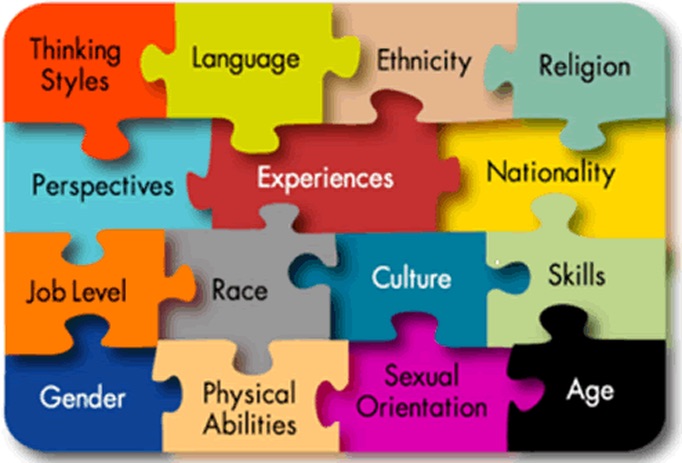
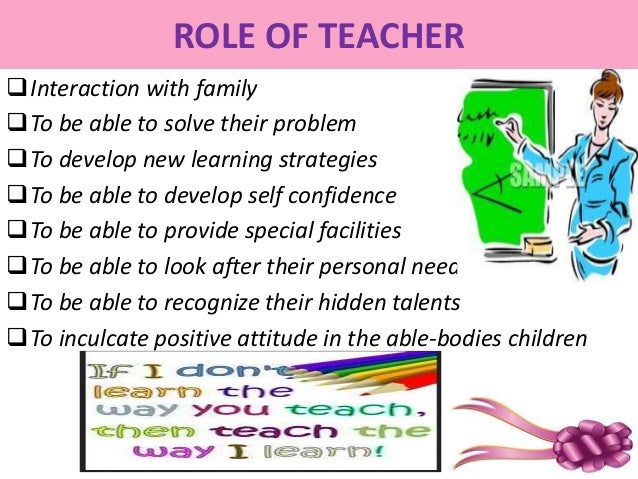
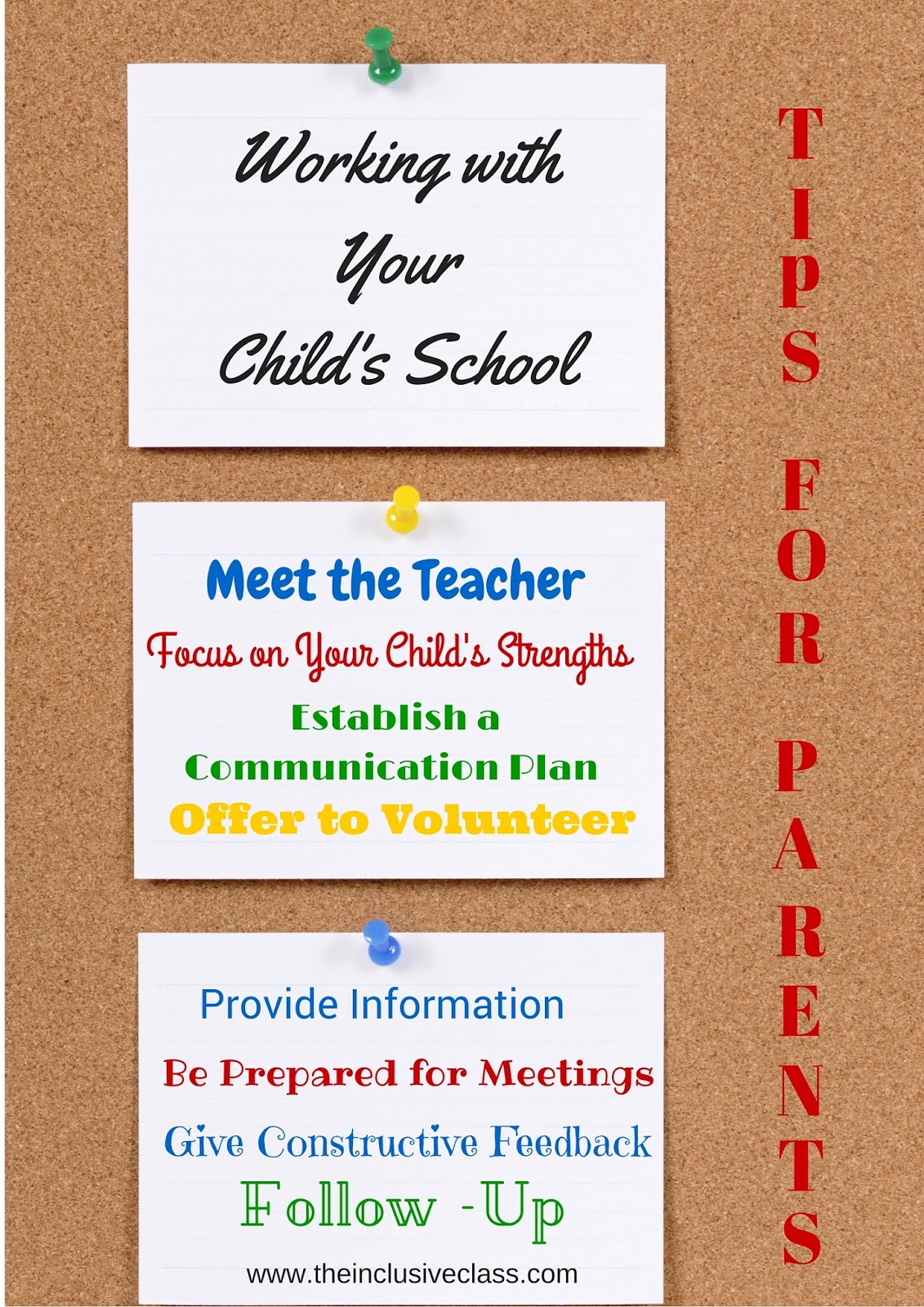
Three Images For The Week
For educator, parent and student. The Holy Trinity of Education
Two Thoughts For The Week
“Courage is the most important of all the virtues because without courage, you can’t practice any other virtue consistently.”
― Maya Angelou
“Have no fear of perfection – you’ll never reach it.”
― Salvador Dali
One Video For The Week
Born three and a half months prematurely, Derek Paravicini is blind and has severe autism. But with perfect pitch, innate talent and a lot of practice, he became a concert pianist by the age of 10. Here, his longtime piano teacher, Adam Ockelford, explains his student’s unique relationship to music, while Paravicini shows how he has ripped up the “Chopsticks” rulebook.
Guest Column
Swimming in an Inclusive Pool of Diversity
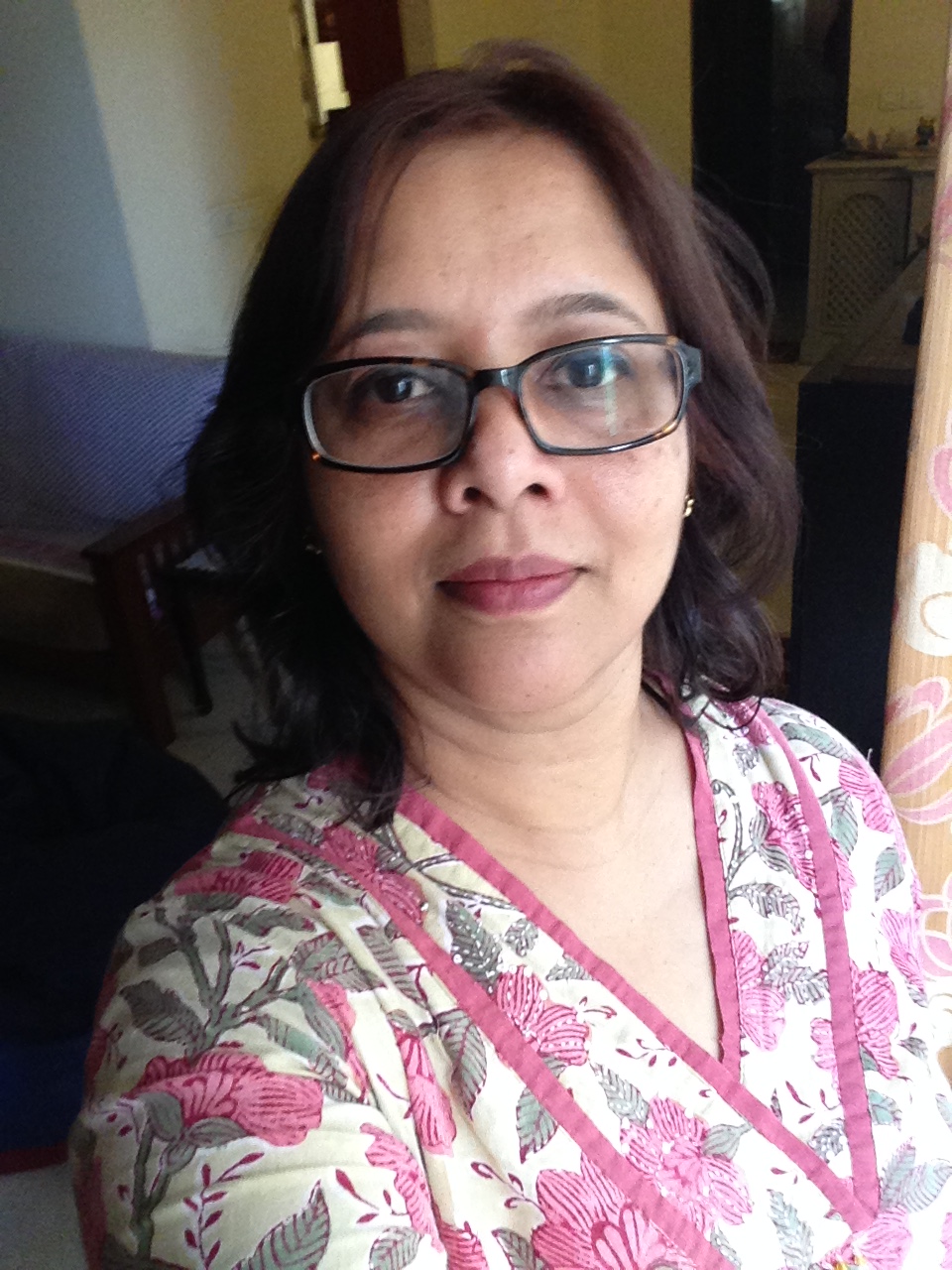
Anita Eipe
The more we are aware of the diversity that exists in our communities, the more we realise the disparities in the equitable access to resources. With the current pandemic situation, parents are confined to their homes and are intimately involved in their children’s lives. Without house help and with schools closed, parents and their children find themselves in a situation that is strange in many ways. Some are surprised pleasantly, and some are not. Some wish for more and some wish for different. Many realise that our education system lacks tolerance and is very low on empathy and inclusion.
It is important to understand the term Inclusion in education, before discussing it. Inclusive environment is a term which expresses commitment to educate each child, to the maximum extent appropriate. It means, making learning accessible to every child, equitably. Inclusion also means an environment free of discrimination, be it social, religious, economical, physical or in any other form.
Now that we understand what an Inclusive learning environment should be, we also realise that our schools are far from inclusive. But do we dare to believe it is possible? If yes, then what would the inclusive school look like?
Let’s go visit a swimming pool. When we walk in there, we see this large rectangular pool filled with cool blue water. It is shallow on one end and deep on the other. The depth gradually increasing as we move from the shallow to the deep end. Then we see steps on all four sides of the pool. There are railings or a ledge that one can grasp onto on all four sides of the pool. Look around the pool and we see many floater and tubes kept readily available for anyone who may need them. Most pools also have a lifeguard or two around always. This to me is a perfect model of an inclusive environment.
How is it that a swimming pool can compare to an Inclusive learning environment? At a pool, everyone comes to learn to swim. Everyone learns at a different pace. Everyone has a personal goal with the common goal to learn to swim. Some are in the beginner’s stage and need the support of a coach or a friend and during that time they stay in the shallow end. Some have learnt and need to practice, so continue to stay at the shallow end but swim along the breath of the pool. As they get more confident, they continue to swim the breaths but get further towards the middle of the pool. And then there are those who have learnt, are confident and now work on improving their style and speed. These swimmers swim the lengths. Everyone has their own style of getting into the pool. Some take the steps in and some slip in over the edge and some dive in. Each choosing what works best for them.
Now I see the swimming pool as a model of an inclusive learning environment that has the scope to include so many diversities. What makes it possible? Is it maybe that the focus is on enjoying the learning? Yes even the swimmers doing their lengths can be seen goofing around with their friends sometimes. Would this be possible in schools if we shifted from being result oriented to focusing on making learning joyful? Some would be great at academics and would pursue that line of career? Some would discover they were great at innovative and creative thinking and pursue maybe research or entrepreneurship? Some would discover their abilities to work well with people and end up being team leaders or teachers? The possibilities are endless. The best would be the dignity and self-worth with which everyone would pursue their life’s career and challenge themselves to live to their potential.
Now what I forgot to mention is that baby pool we find near the main pool. It is shallow and meant for those who are not ready for the big pool. The baby pool represents the special needs center that all schools must have. This is where a child receives individualized attention to get ready for the main class. Some may get over their fear of water or the crowds and get into the main pool some day just as some children who initially struggled get to join the main stream class because of effective early intervention programs. There are also those who may continue to stay in the baby pool. They will learn to paddle and keep their head above water. Learn they will, even though it may be limited.
This is the inclusion model. With the right attitude and the desire for it, inclusion is possible. If we have a ready model in one field, we can replicate it another. When we make every student a successful learner, schools will churn out confident and happy individuals and our world will be a happy place with more to celebrate and less to worry about!
Inclusion is only possible when we move our focus from the result to the joy of the journey of learning and living.
Anita Eipe is a special educator by profession and the Managing Trustee of Samatha Learning Center (www.samathalearning.com) Bangalore. She offers schools support to make inclusion possible for them. Samatha works on the principle that everyone can learn and everyone has an ability which has value. Anita believes in being the change she wants to see.
Parent speak
My take on inclusion
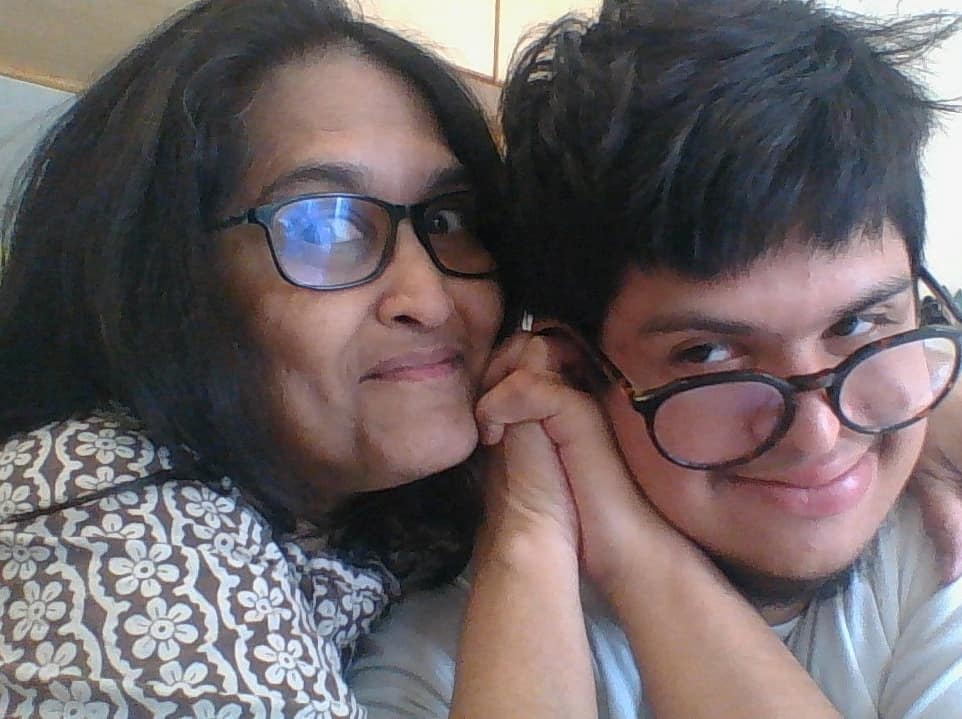
Moushumi Das, mom of 2 boys and an educator
Inclusion apparently is an amazing concept but rare in our country. And life gave me an opportunity to raise two children with different needs, one regular and the other with special abilities.
One went to a special school and the other in a regular one. Both learned from each other and so did I. Accepting a younger sibling with special needs is what my older one learnt early in life. And the younger one felt proud of an older sibling who was fun to be with.
The entire process was to unlearn and relearn. Accepting that milestones will be slow but sure to come gave an immense pleasure without pressure. As a teacher teaching in a regular school I met parents who compared their children with each other. Tra la la – I never had to! Each one of them were different in their own ways. Can share an amazing example: Aniket, my elder eats to live, just fills in when hungry – no complain. But Jijo lives to eat – no fish? No chicken? Ohhh…. Eating but no fun.
In all the schools that Jijo went to, we had a great time pitching in with ideas, games, birthday parties, annual programmes. And Aniket felt that it was important for his friends to meet Jijo and get to know him. Result? Absolute fun and fantastic inclusion.
As a parent I made it a point to take Jijo out in supermarkets, movie halls, walk in the parks, travel by train, aircraft, bank, post office, police station, roadtrips and the like. And I saw how the child adapted himself in all kinds of surroundings.
Inclusion begins in family and then flows out in the society. Despite several hurdles, one thing I have learnt is that each individual is different. And everyone needs to be treated with love and respect. As for me – variety is the spice of life and I enjoy every moment!!
Student Voice

Inclusion or Diversity from a student?
Kashvi Goil, student of Grade 7
Inclusion in a general classroom is an education in which students with and without differences learn together. Inclusion secures opportunities for students with disabilities as they might not find a classroom to study with students with and without differences together.
Now if we talk about Diversity, diversity also means to group a diverse group of people with different cultural backgrounds, personalities, athletic abilities, religious beliefs, genders, sexualities, appearances, etc.
Now why is student inclusion and diversity important?
The answer is, so that the students learn more about different cultures and abilities of other students and feel more comfortable and confident to interact with wider ranges of people. Student diversity is also important as, if students interact with a diverse group of students they will be able to appreciate and celebrate the differences between them as each difference makes each person unique in their own way, rather than acting discriminatory towards a different group of people.
What do you think of having friends with different abilities
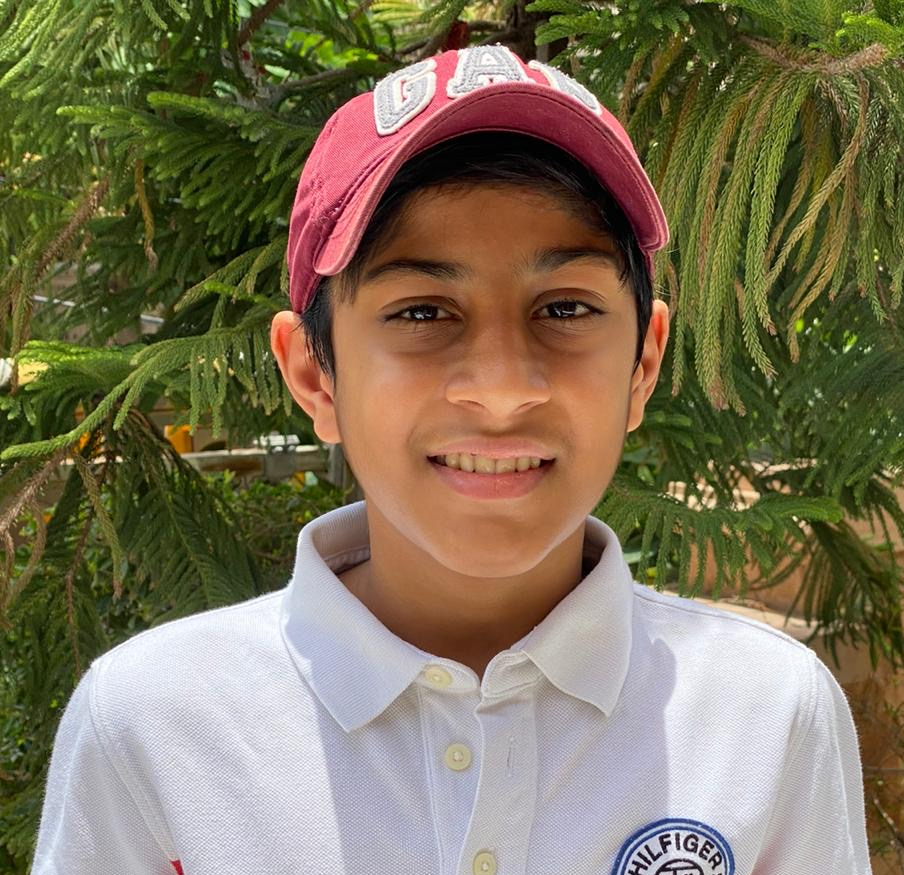
Aryaman Jain, student of grade 7
Friends are like stars, you don’t always see them but you know they are always there. They are exceptional in some things but are poor in some. But having friends with different abilities is a very fortunate thing to have. If you are stuck in a thing, you can ring them at any time and they will be ready to answer all your queries. Friends having different abilities can teach you the things in which you are poor. Which would help us in succeeding in our lives. Even if they have something poor in them which is good in us we can help them in that field. This type of friendship makes our personality more kind and helpful. Not only friends but even having family with different potentials would make our character and nature towards people more pleasant. In our school the sports day is held on the basis of inclusivity. Like if my friend is not good in sports but good in art then he/she can help the team to gain points by making a beautiful flag or banner. This is why having friends with different qualities help.
Showcase

Scribe Vibe – A social media content writing company.
We have been into content writing for more than 10 years now. We provide integrated social media one off solutions to our clients. In the last two year we have specially focused on social media content. We create posts for you in Linked-In, Facebook, Instagram. We also help you create content for your tweets. They are made for you after understanding your requirements, purpose and business.
For a sound, positive and a powerful social media image we specialize in writing blogs viz-a-viz your areas of interest and your work. For startups and other business, we make and maintain websites with respect to content and write their newsletters as well. We are industry agnostic. In the last two years we have had clients from education, media industry, startups, retail, construction etc.
We are process oriented and do a thorough client requirement analysis, before we partner with the client.
You can visit us at http://www.scribevibe.in and connect with us at +91 8860086265 or simply write to us at info@scribevibe.in
And Finally…

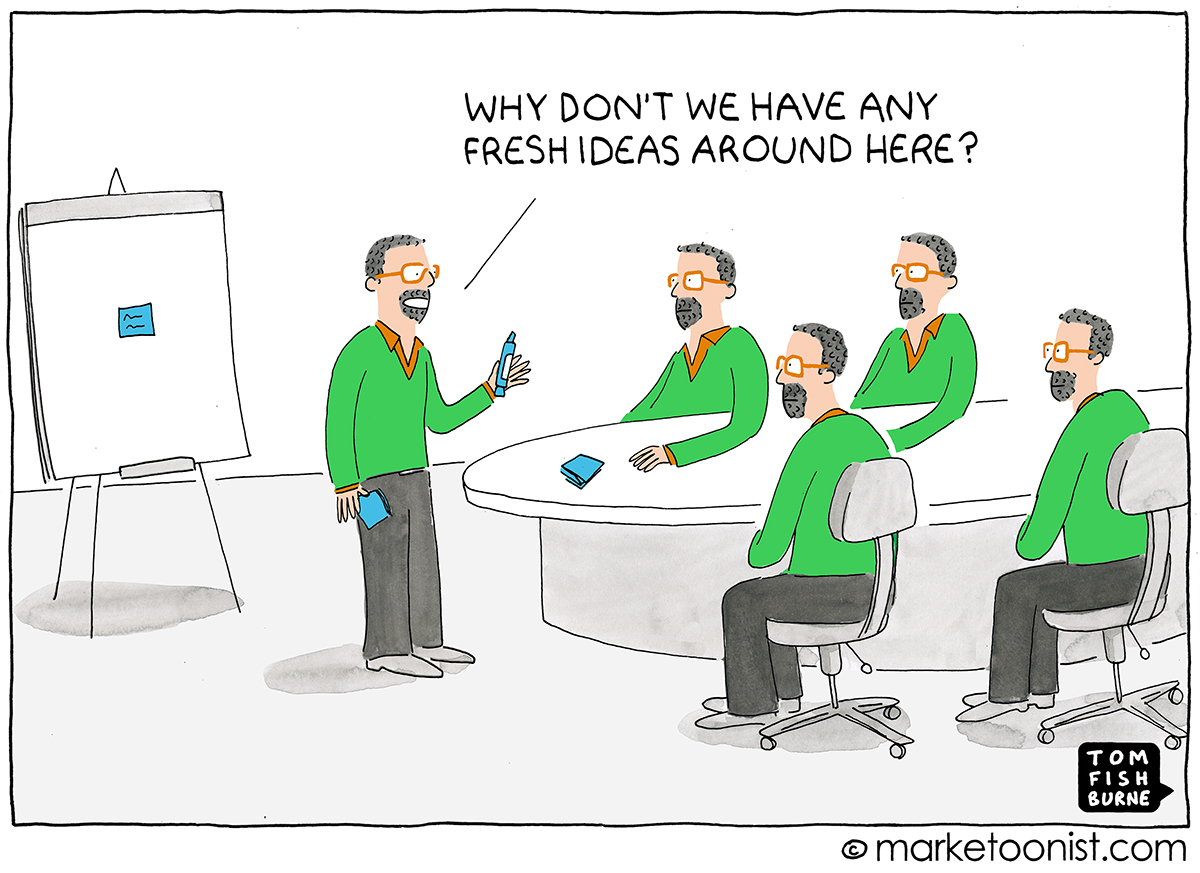
3-2-1 Tuesdays with Ms Niv is a newsletter for you to subscribe and enjoy your learning journey with me. Most of you would have been too busy to track trends in education, ponder on most relevant thoughts or deliberate on career choice, parenting or pedagogy. Find it all here. This week, it consists of: 3 images, 2 thoughts and 1 video.
For whom? Students, educators and parents
When? Every Tuesday
Where? my blog post, register with your e-mail id, it is free.
If you want to contribute an article, are organising an event, have a product that you think can be reviewed and/or featured in this news letter, please feel free to write to me at : niveditamukerjee10@gmail.com
Please like, subscribe, share, comment. See you next week.
This Newsletter is supported by :


 Nivedita Mukerjee