Nivedita Mukerjee
Education consultancy for parents and schools
3-2-1 TUESDAYS WITH MS NIV
Issue # 37 / March 23rd, 2021
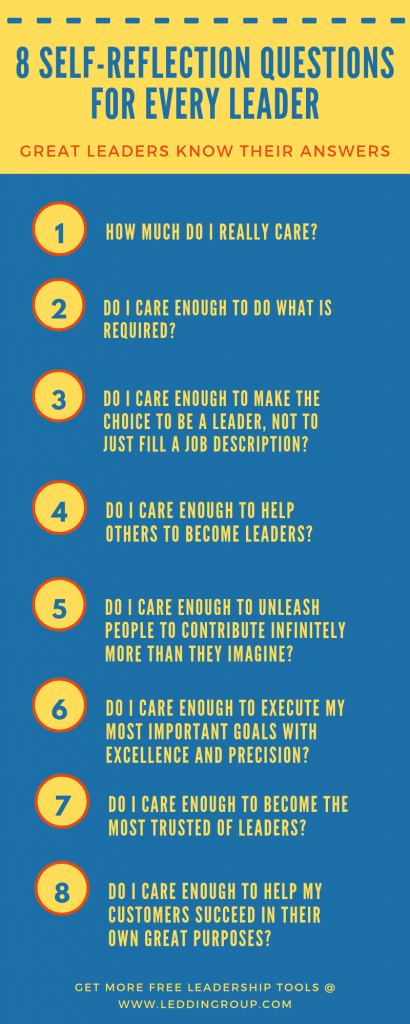
It is the end of the academic year in most schools in India. March of 2021. It is also the end of a year like the teachers (and students) have never seen before. Education has been one of the sectors that have been impacted most in the unprecedented year of pandemic. We will carry forward a lot of learnings from this year. A good time to have a deep dive into what would be some of the things we valued most, some that we learned, some that we were frustrated about. A time for reflections. Here are some templates that school leadership, students, and teachers might find useful.March is also the month for acknowledging and supporting fellow human beings with the extra chromosome, those with Down’s Syndrome. Don’t miss the guest column by Dr. Nandini and her colleague Dr. Priya from the Center for Child Development and Disabilities, CCDD, and the ted talk incredibly inspiring Karen Gaffney.
Read and subscribe this weekly newsletter.
Three Images For The Week


Two Thoughts For The Week
“Do what you have to do until you can do what you want to do.” – Oprah Winfrey
“Many of life’s failures are people who did not realize how close they were to success when they gave up.” – Thomas A. Edison
One Video For The Week
Karen Gaffney left the Rose City and the World in awe with a captivating talk that explored the history, current state and progress of Down Syndrome. Her idea? Inclusion. Further, we must refine our vocabulary and eradicate “the R word” as the word “retard” has no place in our daily language. Karen is the President of a non-profit organization dedicated to championing the journey to full inclusion in families, schools, the workplace, and the community for people with developmental disabilities. She graduated from St. Mary’s Academy in Portland, Oregon, and earned a two-year Associate of Science degree from Portland Community College. Karen has also been awarded an honorary Doctor of Humane Letters degree from the University of Portland on May 5th, 2013, for her work in raising awareness regarding the abilities of people who have Down syndrome. She is a fearless open-water swimmer having successfully swam the English Channel, escaped Alcatraz (16 times) and conquered Lake Tahoe in 59-degree water. Karen swims to raise funds and awareness of what people with Down syndrome can do. http://www.karengaffneyfoundation.com/
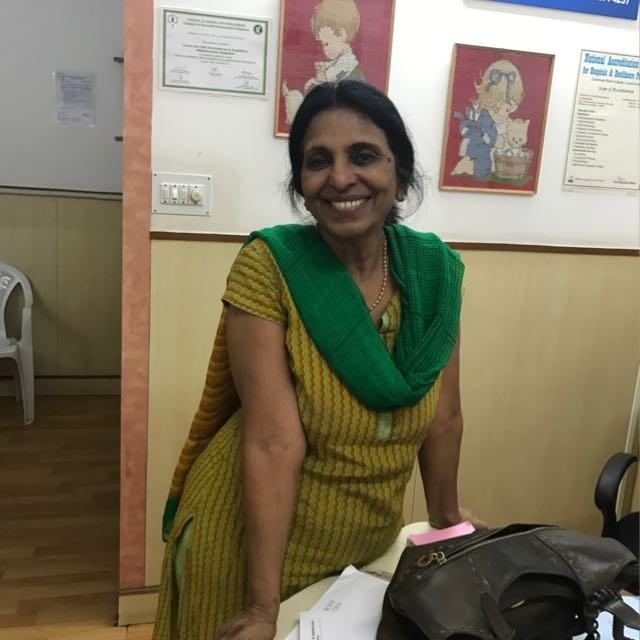
Guest column :
March 21 st every year is observed as World Down Syndrome Day. Down syndrome was discovered as early as 1866 and thereafter, many advances have been made in the understanding and management of the disease.
With early antenatal diagnosis, the incidence of Down syndrome has decreased, with the current incidence of 1 in 850-900 live-births in India. The clinical presentation is variable, across the spectrum. However, children do face issues across all age groups. Currently, with the advanced medical management by specialists across all elds, there has been an increase in the life-span of children with Down syndrome. However, a lot more focus needs to be given with respect to improving their quality of life beyond the medical perspective.
Each child needs an individualised care plan to help improve their quality of life, and to optimise their potential. Let us pledge to understand them better , nurture their abilities and make it an inclusive society to accept them as one among us.
DR NANDINI MUNDKUR, MD DIRECTOR CCDD FOUNDER SANGAMITRA CO-FOUNDER TOTSGUIDE
EARLY INTERVENTION IN DOWN SYNDROME
Children with Downs syndrome are frequently referred for Physiotherapy as almost all of them suer from motor developmental delay. Their physical development is characterised by:
- Moderate to Severe Hypotonia
- Increased joint mobility leading to poor joint stability
3. Abdominal weakness
4. Prominent extensor posturing (overusing upper back) leading to poor flexor patterns (forward bending) 5. Short neck leading to poor neck mobility and stability
6. Poor core strength leading to wide based sitting, standing and walking
When the diagnosis of the child is confirmed clinically, parents have to be advised regarding the clinical picture of these babies. Cautious handling due to poor joint stability especially of the atlanto- axial joint instability needs to be informed to the parents.
| Although it is natural to have delayed milestones, early intervention can make a phenomenal dierence in the quality and pace of motor development to make way for other aspects of development to hasten too. |
Early intervention in Downs syndrome involves a combination of motor, sensory, oro-motor, visual and cognitive interventions.
Children with Down Syndrome often present with persistent chewing diculties due to low tone in the cheek muscles and poor tongue control. They need oro-motor interventions to facilitate good chewing and swallowing of food. Oro-motor interventions will also help the babies control oral behaviours like drooling, mouthing of objects and frequent tongue protruding behaviours. They would need prolonged speech therapy to improve clarity of speech.
Down syndrome is often accompanied by gastrointestinal disease, occurring mainly in early infancy and frequently requiring therapy. Early diagnosis of gastroesophageal reux in these babies can prevent respiratory problems, nutritional deciencies in childhood and growth retardation.
Positional and mobility based interventions help in managing the symptoms of GERD in babies and help them in prevention of pain, heartburn and frequent vomiting.
Early and consistent interventions can help babies with Down Syndrome attain optimal levels of functioning and improve their quality of life drastically.
Dr. Priya Kuberan, MPT Neurosciences Consultant Physiotherapist CCDD, Bangalore
For more on this please click on http://www.totsguide.com
And Finally…
Dear reader,
I have been a research scientist, a journalist and an educator for over 3 decades. I read and I write. With this weekly newsletter, I intend to share what I read, learn and experience while I engage with students, parents and teams of teachers across K-12 schools, higher education institutions and ed-tech organisations.
3-2-1 Tuesdays with Ms Niv is a newsletter for you to subscribe and enjoy your learning journey with me. This week, it consists of: 3 images, 2 thoughts and 1 video.
If you have created any material, virtual or physical that you think can be reviewed and/or featured in this news letter, please feel free to write to me at : niveditamukerjee10@gmail.com
Showcase:
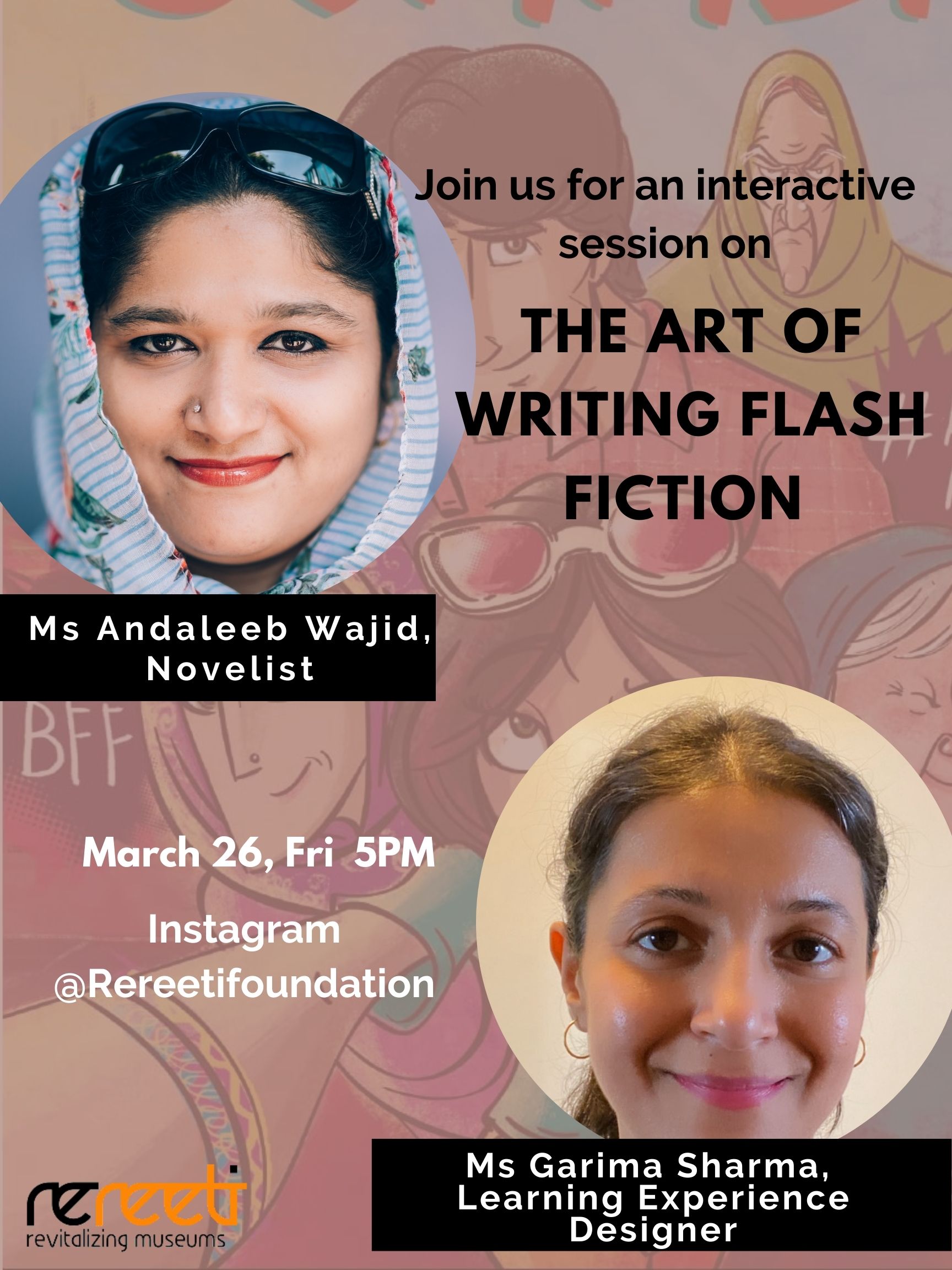
This Newsletter is supported by:


 Nivedita Mukerjee
The points to ponder over are such powerful tools for a leader in any field . Do I care enough …..? Impactful right ?
What did the year 2020 teach us ? How much did we learn from the Pandemic that shook the world with its fury ?
And I loved Karen Gaffney’s talk . Inclusion .. that’s the magic word for all of humanity . We have our own perceptions of what is Normal ! Anything beyond this is not normal !
Dr Nandini Mundkur .. one of the best in her field . Our association goes back a long way . Our dads were colleagues and after their retirement they were neighbours .And then the significant other is fellow paediatrician ❤️Totally in awe of the work she does !
And thank you Ms Niv .. as always I look forward to Tuesday . And Oprah Winfrey was spot on with this thought “Do what you have to do until you can do what you want to do.” So true !
LikeLiked by 1 person