Nivedita Mukerjee
Education consultancy for parents and schools
3-2-1 TUESDAYS WITH MS NIV
Issue #180, 19th December 2023
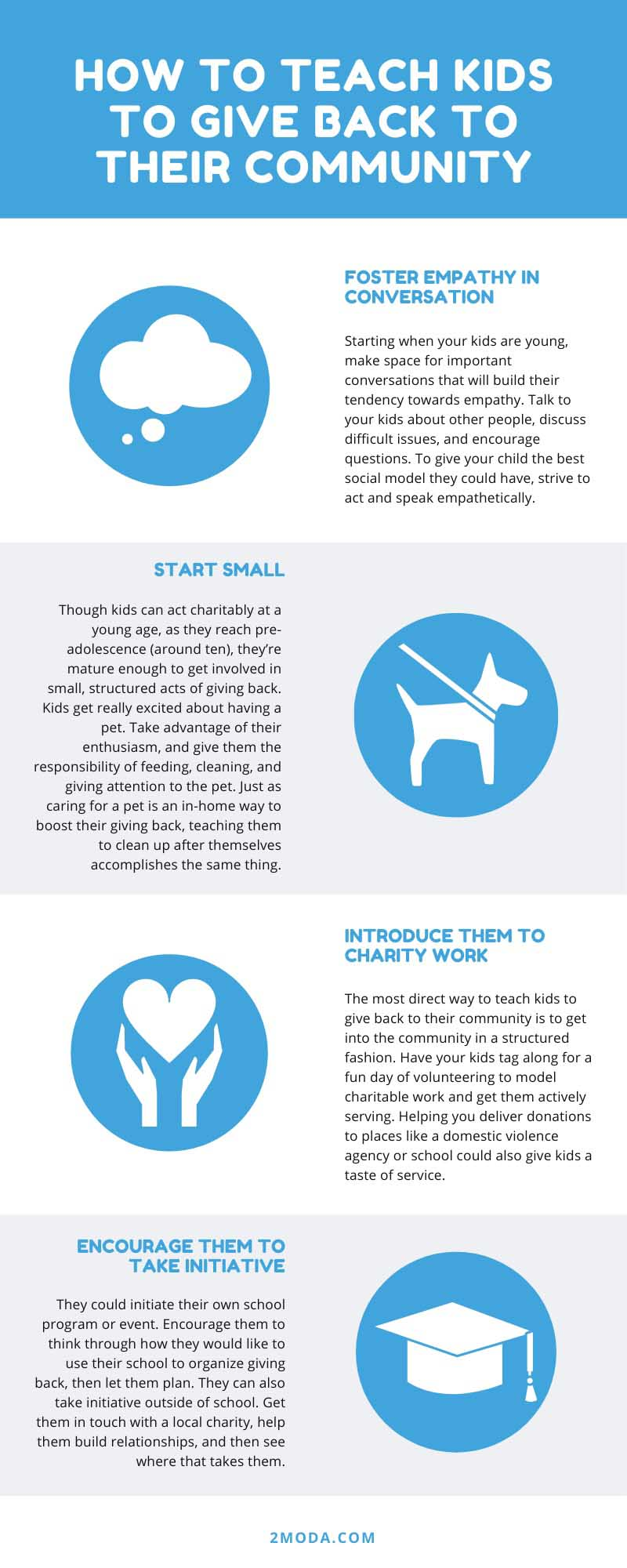
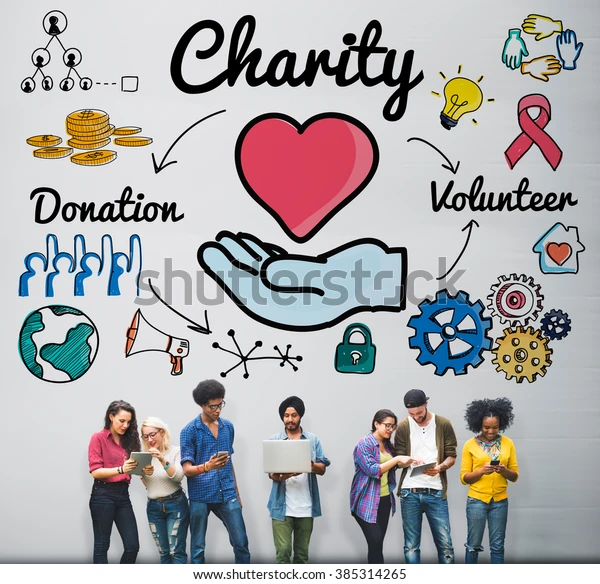
Philanthropy is a love market. What do you think? What comes to your mind when you think of philanthropy? or giving? When you grow up you can do – the student, when you grow rich you can do – the youth, when you have extra you can do – the vast majority, when you retire you can do – many middle-aged, When you grow older – you can do philanthropy… What do you think of the act of giving? What role do you as parents, and/or educators play in sharing your thoughts and teaching about philanthropy? It is the end of the year, it is Christmas, and it is time to think anew and share how you look at yourself as a giver, and how you role model for your students and children the act of giving.
This is a free-to-subscribe newsletter. So, if you like my content, please subscribe to it by putting in your email ID here.
Three images of the week

Two Thoughts of the Week
“I have found that among its other benefits, giving liberates the soul of the giver.”
- Maya Angelou
“No one has ever become poor from giving.
- Anne Frank
One Video of the Week
Generosity is proven to make people happier. Imagine the difference we could make if we all increased our annual donations by just 1%. Ami Campbell, co-author of the book “Love Let Go: Generosity For The Real World,” educates us about the personal and global benefits of generosity. Ami Campbell champions generosity.
Co-Author of Love Let Go: Radical Generosity for the Real World, her writing has appeared in Philanthropy Daily, RELEVANT magazine, The Christian Century, and the Harvard Business School Alumni Bulletin. She is a consultant and stewardship educator who helps people rediscover their giving selves. This talk was given at a TEDx event using the TED conference format but independently organized by a local community.
Guest Expert of the Week:
Reading with Ms. Meenu
Reading proficiency with Phonemes:
Phonemic Awareness:
Phonemic awareness is critical for students to become proficient readers. Students need to develop an awareness of individual phonemes and how they connect to graphemes and their written representations. It can be taught in short and frequent sessions. We need to get to the phoneme level quickly and briskly. Students develop an awareness of the external units before the internal units. We should connect our phonemic awareness instruction with letters. Science consciously evolves and so must we.
· Phonemic awareness is a critical component of reading instruction.
· Phonemic awareness and letter knowledge are reliable predictors of future literacy performance.
· The most common source of reading difficulties is poor phonemic awareness.
· It is the conscious awareness of phonemes (individual speech sounds) in spoken words.
· Blending and segmenting are the most critical phonemic awareness skills because they are necessary for reading and spelling.
There are 44 phonemes of English, which can be categorized into vowel and consonant phonemes. We can discuss these phonemes by their place and manner of articulation. As educators, we should plan our language lesson plan strategically.
Happy Reading!
Meenu Gera, Consulting home and school librarian and reading guide.
And Finally…

Dear reader,
I have been a research scientist, a journalist, and an educator for over 3 decades. I read and, I write. With this weekly newsletter, I share what I read, learn, and, experience. At the same time, I engage with students, parents, and teams of teachers across K-12 schools, higher education institutions, and ed-tech organizations.
3-2-1 Tuesdays with Ms. Niv is a newsletter you can subscribe to and enjoy your learning journey with me.
This newsletter is supported by:


 Nivedita Mukerjee