Nivedita Mukerjee
Education consultancy for parents and schools
3-2-1 TUESDAYS WITH MS NIV
Issue #184, 16th January 2024
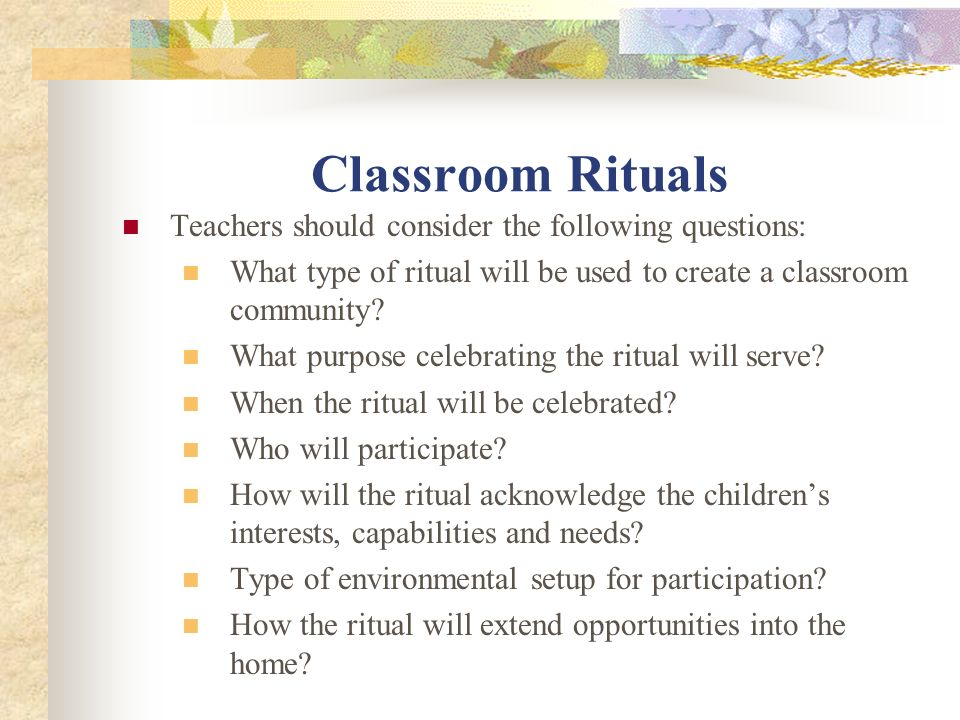
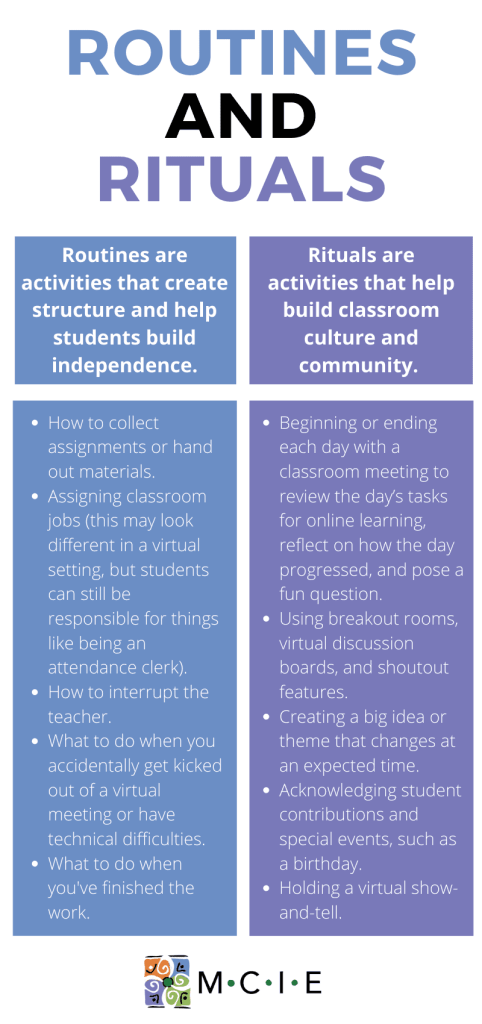
We have been having holidays, festivals, celebrations, and thus rituals. The start of the new year has brought my thoughts to – What is a ritual? Do you recognize the rituals you have in your classroom? in your school? in your family? or in the society you live in? Are they elevating your energy and bringing together the people you are practicing your ritual with and leading to a positive outcome? or are these rituals taking away from your intended outcome? How does having a ritual in a group help in psychological anchoring in a changing world? Do rituals unite or divide?
What is the benefit of routine and ritual in individual, family, community, and nation’s journey? Do we need to create some, review others, reject some, respect others’ rituals, or judge them? What are your thoughts about rituals? Perhaps time to think, and discuss with your friends/family/fellow educators and your classroom students. Here are some ideas to get you started.
This is a free-to-subscribe newsletter. So, if you like my content, please subscribe to it by putting in your email ID here.
Three images of the week

Two Thoughts of the Week
One Video of the Week
What is a ritual, and what is its impact in today’s society? “What isn’t a ritual?” asks Michael Norton in this fascinating talk about the role that ritual continues to play in our lives.
Guest Expert of the Week
Reading with Ms. Meenu
Neurological Impress Method to enhance the reading levels:
This method was introduced by Heckelman in 1969 and research has found it to be effective in developing fluency. Don’t be alarmed by the technical name. The Neurological Impress Method is simply alarmed by the technical name. The Neurological Impress Method is simply a form of paired reading where the teacher and student read the text aloud at the same time. The teacher should read slightly faster and louder than the student typically reads, while student and teacher track the text with a finger. During small group time, as I listen to individual students read, I might say, “Now let’s read this next page together. Try to keep your voice with mine.” It is very useful for students who need a little boost in their reading rate and prosody.
Advantage of Whole-Group Reading:
· There are many ways to address fluency in your whole-group instruction.
· You can:
· Read aloud a text, modeling appropriate pacing and prosody, while students follow along with a finger on their own copy.
· Do close reading, where you pause at words you want students to read and they read the word.
· Do choral reading, where you and students read aloud in unison.
· Do echo reading, where you read a short section of the text first (a phrase or sentence) and students repeat it. I find that beginning readers, especially, benefit from this.
All of these techniques are great ways to scaffold instruction, which is necessary when we read more complex text.
Happy Reading!
Meenu Gera, Consulting home and school librarian and reading guide.
And Finally…

Dear reader,
I have been a research scientist, a journalist, and an educator for over 3 decades. I read and, I write. With this weekly newsletter, I share what I read, learn, and, experience. At the same time, I engage with students, parents, and teams of teachers across K-12 schools, higher education institutions, and ed-tech organizations.
3-2-1 Tuesdays with Ms. Niv is a newsletter you can subscribe to and enjoy your learning journey with me.
This newsletter is supported by:


 Nivedita Mukerjee