Nivedita Mukerjee
Education consultancy for parents and schools
3-2-1 TUESDAYS WITH MS NIV

Issue #192, 12th March 2024
- How can design thinking be integrated into the educational curriculum to foster creative problem-solving skills among students?
- What specific strategies can educators employ to cultivate empathy and human-centered design principles within the classroom environment?
- How might design thinking methodologies be adapted to accommodate diverse learning styles and abilities in the classroom setting?
- What role can prototyping and iteration play in the educational context, and how can they be effectively incorporated into lesson plans to enhance student engagement and learning outcomes?
- In what ways can design thinking be utilized to address systemic challenges within the education system itself, such as curriculum development, resource allocation, and educational equity?
If you are new to design thinking or are wondering how you can bring design thinking to education as a teacher or parent, here are some ideas to get you started.
This is a free-to-subscribe newsletter. So, if you like my content, please subscribe to it by putting in your email ID here.
Three images of the week
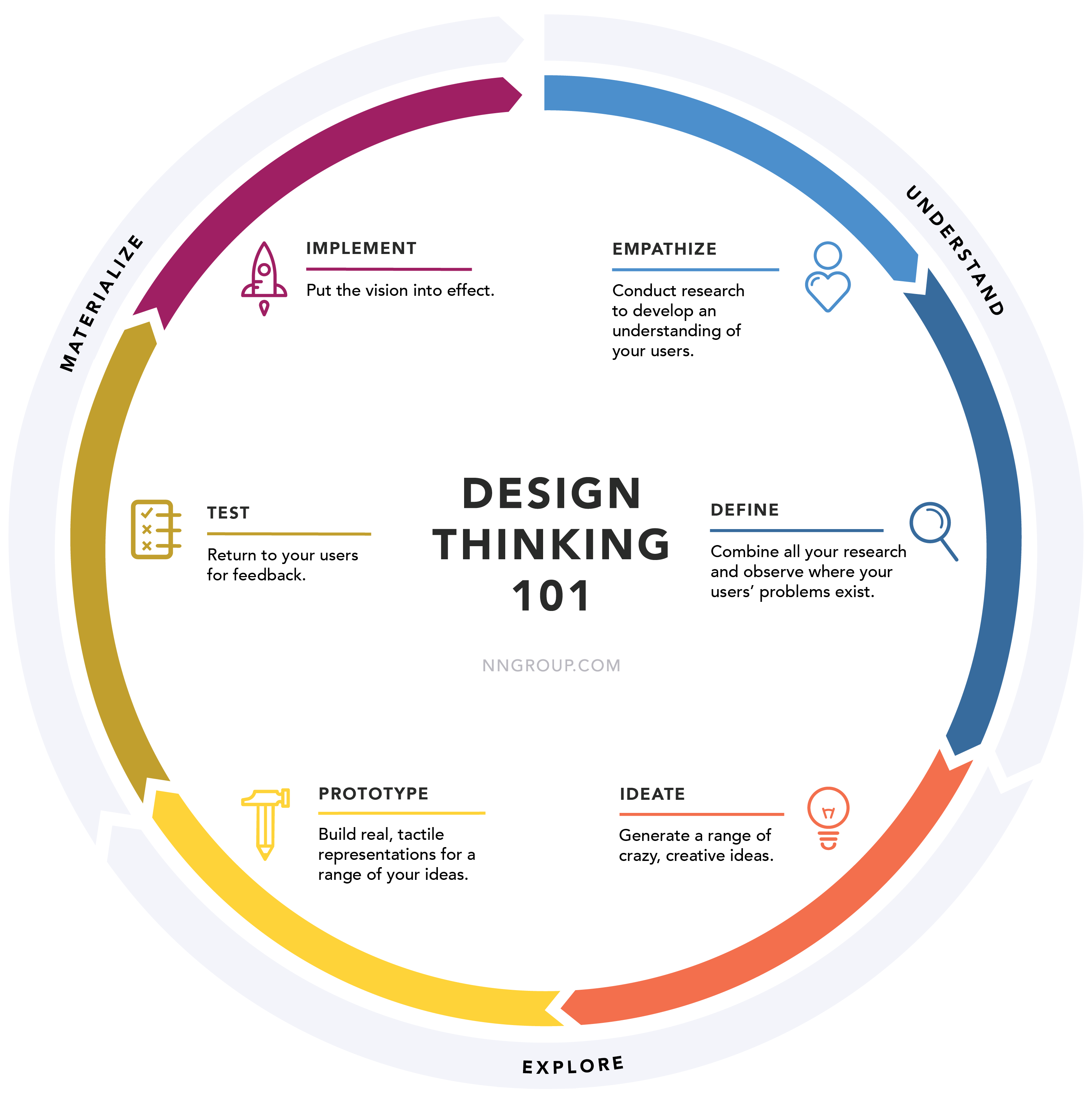

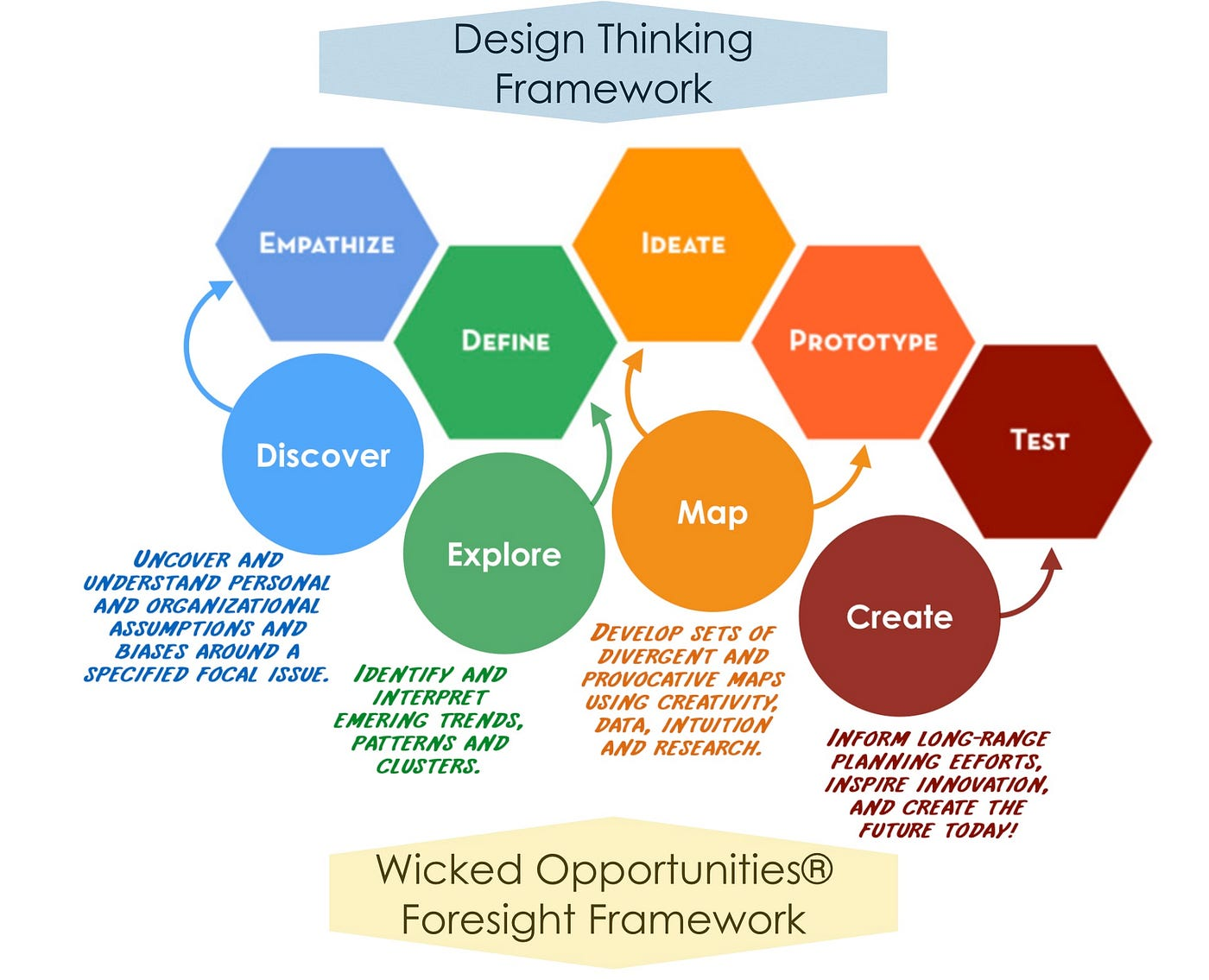
Two Thoughts of the Week
“We must design for the way people behave,
not for how we would wish them to behave.”
― Donald A. Norman, Living With Complexity
“If you show somebody a piece of your work and you ask them ‘What do you think?’, they will probably say it’s okay because they don’t want to offend you.
Next time, instead of asking if it’s right, ask them what’s wrong.
They may not say what you want to hear, but the chances are they will give you a truthful criticism.”
― Paul Arden
One Video of the Week
A school in India founded on design thinking principles encourages students to be active agents in their own learning.
Riverside School GRADES PK-12 | AHMEDABAD, India
Guest Expert of the Week
Reading with Ms. Meenu
Today’s topic is clearly for STEAM OR STEM educators.
What is Design thinking?
Design thinking isn’t a subject, topic, or class. It’s more a way of solving problems that encourages positive risk-taking and creativity. And when you start looking for examples of design thinking, you’ll see it all over the place.
In the nonprofit world, program designers use design thinking to develop solutions for the populations they serve. Engineers use design thinking to create tangible products, meanwhile, authors have a more abstract approach as they work through the publishing cycle (which mirrors the design thinking cycle almost identically).
To understand design thinking, it helps to imagine it as the foundation and frame of a building. What type of building you create, what materials you use, how you decorate, and where you build it is all tied to your unique personality. Want to build a house and decorate it with gold-colored macaroni art? Go for it. It’s yours.
The same works for the experiment launching in class. Throw away all the ideas of where, what, and how you will create your model; it should be self-sufficient.
Meenu Gera
Consulting home and school librarian and reading guide.
Dear reader,
I have been a research scientist, a journalist, and an educator for over 3 decades. I read and, I write. With this weekly newsletter, I share what I read, learn, and, experience. At the same time, I engage with students, parents, and teams of teachers across K-12 schools, higher education institutions, and ed-tech organizations.
3-2-1 Tuesdays with Ms. Niv is a newsletter you can subscribe to and enjoy your learning journey with me.
And Finally…

This newsletter is supported by:


 Nivedita Mukerjee