Nivedita Mukerjee
Education consultancy for parents and schools
3-2-1 TUESDAYS WITH MS NIV
Issue #215, 20th August 2024
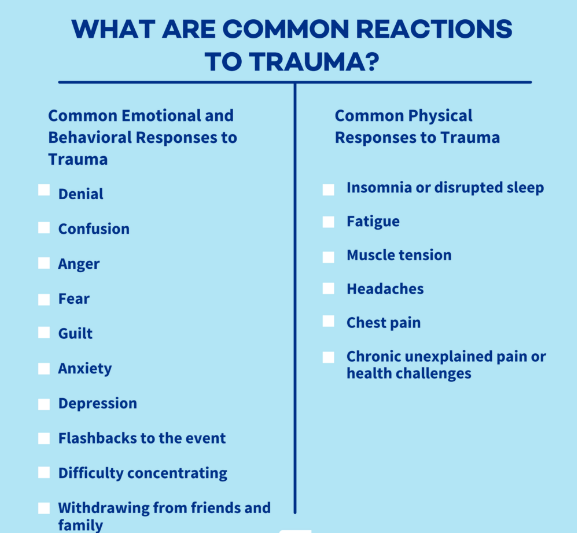
It is normal to feel overwhelmed by traumatic news. I find my students overwhelmed by the stream of extremely traumatic news with disturbing words and pictures.Talking time to reflect on these questions can help you process your emotions and develop a plan for coping. Discussing these questions might help you to get to know your kids, your students from a psychological perspective.
How am I feeling right now? (Acknowledging your emotions) What do I need at this moment to feel safe and supported? Is this news directly affecting me or my loved ones? If so, what immediate actions do I need to take? Am I consuming too much information about this traumatic event? Should I limit my exposure to news and social media? Who can I talk to about my feelings and concerns? What healthy coping mechanisms have worked for me in the past when dealing with stress or difficult news? Are there any positive actions I can take in response to this news, even if they’re small? How can I maintain a sense of routine and normalcy in my daily life while processing this information? Am I judging my own reactions too harshly? (Remember, there’s no “right” way to feel) What are some things I’m grateful for, despite this difficult news? How can I practice self-care during this time? Do I need professional help to process this trauma?
This is a free-to-subscribe newsletter. So, if you like my content, please subscribe to it by putting in your email ID here.
Three images of the week


Two Thoughts of the Week
“Trauma is a fact of life. It does not, however, have to be a life sentence.” – Peter A. Levine, Waking the Tiger: Healing Trauma (1997)
“Trauma changes you. Healing is about creating a new version of yourself, the one that is stronger, wiser, and more compassionate.” – Michele Rosenthal, Your Life After Trauma: Powerful Practices to Reclaim Your Identity (2015)
One Video of the Week
Re-thinking how we relate to and build relationships with students who have social-emotional needs, as well as connect with students who may have experienced trauma in their lives. Dr. Fox is a passionate educator with 17 years of experience in public education. She began her career as a special education teacher in the Nanuet School District and went on to complete a Master’s Degree in Educational Administration from Fordham University. Upon completion of that degree, she expanded her role by taking on the position of Committee on Special Education/Preschool Special Education Chairperson.
Dr. Fox then moved into the role of Assistant Superintendent for several years before becoming the Deputy Superintendent, the position she currently holds in Nanuet. Dr. Fox completed her doctoral studies in Educational Leadership, Management, and Policy at Seton Hall University. Her doctoral research has been published numerous times in professional journals and was most recently cited during testimony on standardized testing to the New Jersey Joint Committee on Public Schools.
Reading with Ms. Meenu: Tip of the week
Reading with Ms. Meenu
WORD GARDENS: If you’ve played around with magnetic poetry, then you’ve already got the idea of a word garden. Imagine the words on stones, blocks of scrap wood, painted jar lids or other materials placed in a corner of your playground, a gravel bed or any available place. The words might be painted, etched or written on the stones with chalk or a marker, providing many options for wordplay and learning. Like magnetic poetry, students enjoy moving these words around but word gardens invite participation far beyond the physical task. Your students can leave messages, create poetry, start a discussion, make a joke and just about everything else you can do with words. Deciding which words go together allows students to generate ideas, but they also delight in finding poetry, humor and thoughts from the words that are serendipitously next to each other, creating found poetry.

Keep Reading!
Meenu Gera
Consulting home and school librarian and reading guide.
Building a Career Path: Career Counseling for a BSc Graduate
Ashish’s father approached us to see if we could help his son, Ashish, build a career roadmap. Ashish graduated with a BSc in Agricultural Science in 2024 but was unsure what to do next. He had been advised to prepare for civil service and banking exams.
Our career expert at Fermata recommended starting with a career assessment. Following this, a career counseling session was conducted to understand better Ashish’s skill set, interests, academic achievements, and more. While Ashish had strong subject knowledge, he lacked awareness of employability skills. The expert guided how to build his brand as an agricultural consultant and develop his proficiency in MS Excel.
Since Ashish was also interested in preparing for state civil services, this career path was kept open as an option. With the career guidance provided, Ashish has been able to set short-term goals and has already begun taking steps to achieve them.
Case study provided by:Team Fermata, www.fermataco.com
Dear reader,
I have been a research scientist, a journalist, and an educator for over 3 decades. I read and, I write. With this weekly newsletter, I share what I read, learn, and, experience. At the same time, I engage with students, parents, and teams of teachers across K-12 schools, higher education institutions, and ed-tech organizations.
3-2-1 Tuesdays with Ms. Niv is a newsletter you can subscribe to and enjoy your learning journey with me.
And Finally…

 Nivedita Mukerjee