Nivedita Mukerjee
Education consultancy for parents and schools
3-2-1 TUESDAYS WITH MS NIV
Issue #240, 11th Feb 2025
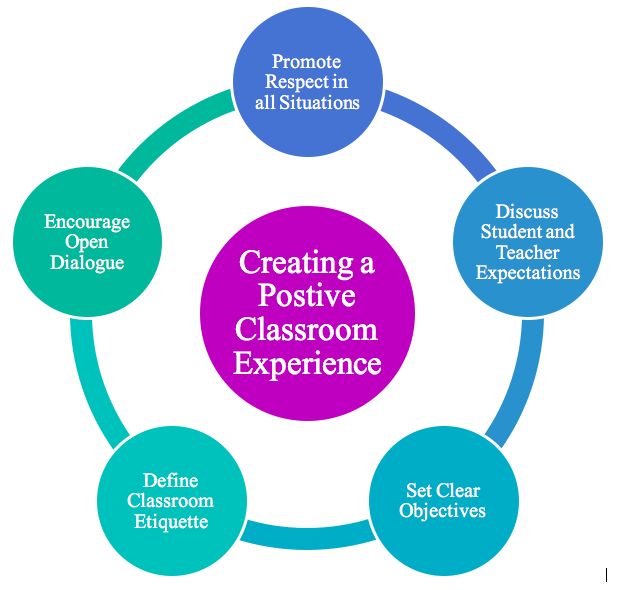
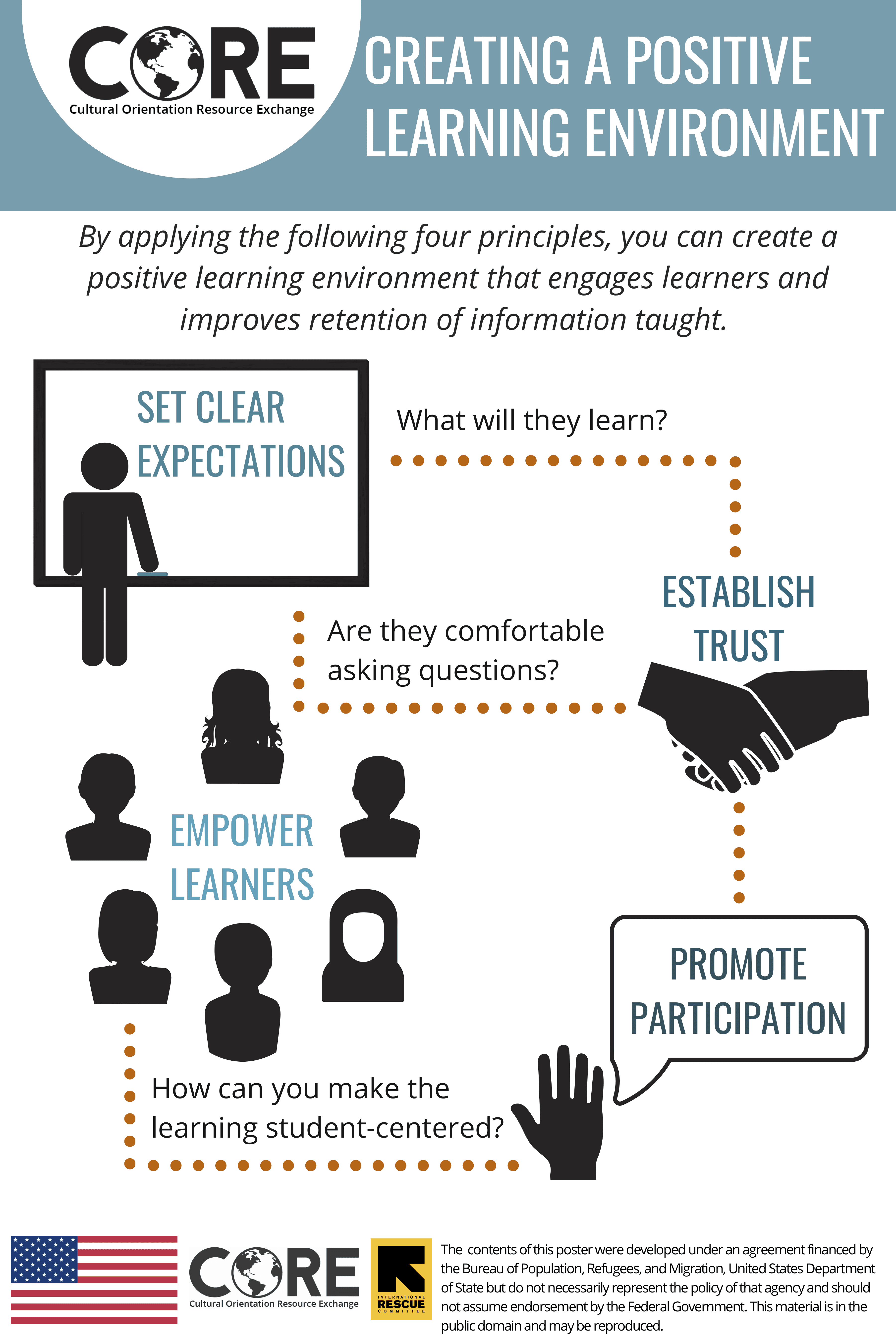
Positive learning environments. Ask these three questions as an educator. Consider these questions as a parent. Reflect on these questions as a student when you are creating or entering one.
“Do I see students actively engaging in discussions? Do they feel comfortable enough to ask questions? Or are they passive and hesitant to join?”
Does the physical classroom space showcase current student work? Does it give accessible learning materials? Or does it feel impersonal and restrictive?
“How do teachers respond to student questions and mistakes? Do they use supportive language and treat errors as learning opportunities? Or do they react with frustration or dismissiveness?”
This is a free newsletter. If you like my content, please subscribe by entering your email ID here.
Three Images of the Week

Two Thoughts of the Week
If you feel your school is failing you, the question is why. Is it a lack of parental involvement, large classes, school violence, poor learning environment? Are there any standards to determine where problems are? Are there tutoring or mentoring programs? If the school is still failing after 3 years then what are your options?
John G. Rowland
In an effort to create a culture within my classroom where students feel safe sharing the intimacies of their own silences, I have four core principles posted on the board that sits in the front of my class, which every student signs at the beginning of the year: read critically, write consciously, speak clearly, tell your truth.
Clint Smith
One Video of the Week
In this talk, Gregory Chahrozian delves into the profound impact of teachers and explores how their character and qualities have the potential to shape students’ lives. Through personal experiences and thought-provoking stories, he reveals the untold insights about the transformative power of educators that goes far beyond what they teach.
Gregory Chahrozian joined the American University of Armenia as an adjunct lecturer in the Fall of 2020. Gregory holds a Master’s Degree in Teaching and a Bachelor’s Degree in Science from The University of Sydney. He majored in Microbiology and Genetics and Science Education. He has spent the last twenty years teaching Secondary education students. During that time, his leadership roles included Head of Curriculum and Head of Science Faculty. He is keen to share his educational experience and be part of the education revolution here in Armenia, focusing on Curriculum and Assessment development. He recently repatriated to Armenia from Australia.
Reading with Ms. Meenu: Tip of the week
Asking Follow-Up Questions after a good read:
Coming up with good questions to start a conversation is important but doesn’t guarantee that a group will pursue a topic in depth. For extended discussion to occur, the groups need to know how to listen carefully to comments made by others and ask open-ended questions that will get students to explain their ideas in greater detail. Let’s help them to understand what follow-up questions are and how to improve their performance in using them. We recommend you use this lesson several times during a literature circle cycle since learning how to ask good follow up questions is probably one of the most difficult and most fundamental discussion skills students need to master.
· Make sure that students wait for the questioner to write the follow-up question down before answering.
· Emphasize that most of the time in a discussion, students answer too quickly; if they stopped to think for a few seconds, their answers would be more thorough and clearer.
· Watch for students who are asking yes or no questions. Point these out and help those students rephrase them as open-ended questions.
After students have practiced, ask them to look back at the starter questions and find the one that seemed best at generating follow-up questions. Then have them figure out why this was the case. Realizing how the starter question ties directly into follow ups is important. It is also a good idea to have students reflect on how easy or difficult it was for them to think of good follow ups. Asking follow-ups requires focus, good listening and quick thinking. All of these take practice.
Happy Reading!
Meenu Gera, Consulting home and school librarian and reading guide.
Career assessment, guidance, and placement strategies:
A New Career at 45: How Sheila Found Her Calling in Teaching
Sheila at 45, felt lost about her career direction. She had tried multiple jobs, with her most recent role being a home tutor for school students. While she enjoyed the work, she wanted to formalize it into a structured career. Seeking guidance, she reached out to us for career counseling.
Through our discussions, she gained clarity that a full-time teaching position in a school would be the right path for her. However, she wanted to ensure she had the necessary skills to excel in the role. We recommended our Know Your Teacher (KYT – Teacher Development) assessment, designed to evaluate 10 essential teaching competencies based on global standards. These competencies include – Presentation Skills, Student Facilitation, Continuous Learning, Curriculum Planning & Scheduling, Research Skills, Creativity, Positive Feedback, Work Coordination, Democratic Decision Making, and Requirement Analysis.
Her assessment report highlighted areas of improvement, and she willingly enrolled in our Life Skills Toolkit for Teachers program. This toolkit equipped her with the 10 essential life skills defined by the WHO, helping her enhance her teaching effectiveness.
As career counselors, we empower individuals to make informed career decisions at any stage of life. While we strive to provide the best guidance, success ultimately depends on the client’s willingness to take action. Sheila exemplified this by following our step-by-step guidance with the dedication of a lifelong learner. Today, she is thriving in her role as an educator.
Case study provided by: Team Fermata, www.fermataco.com
Showcase:
Thrive Beyond School – A unique project for very young children in STEAM education, Hyderabad, Andhra Pradesh
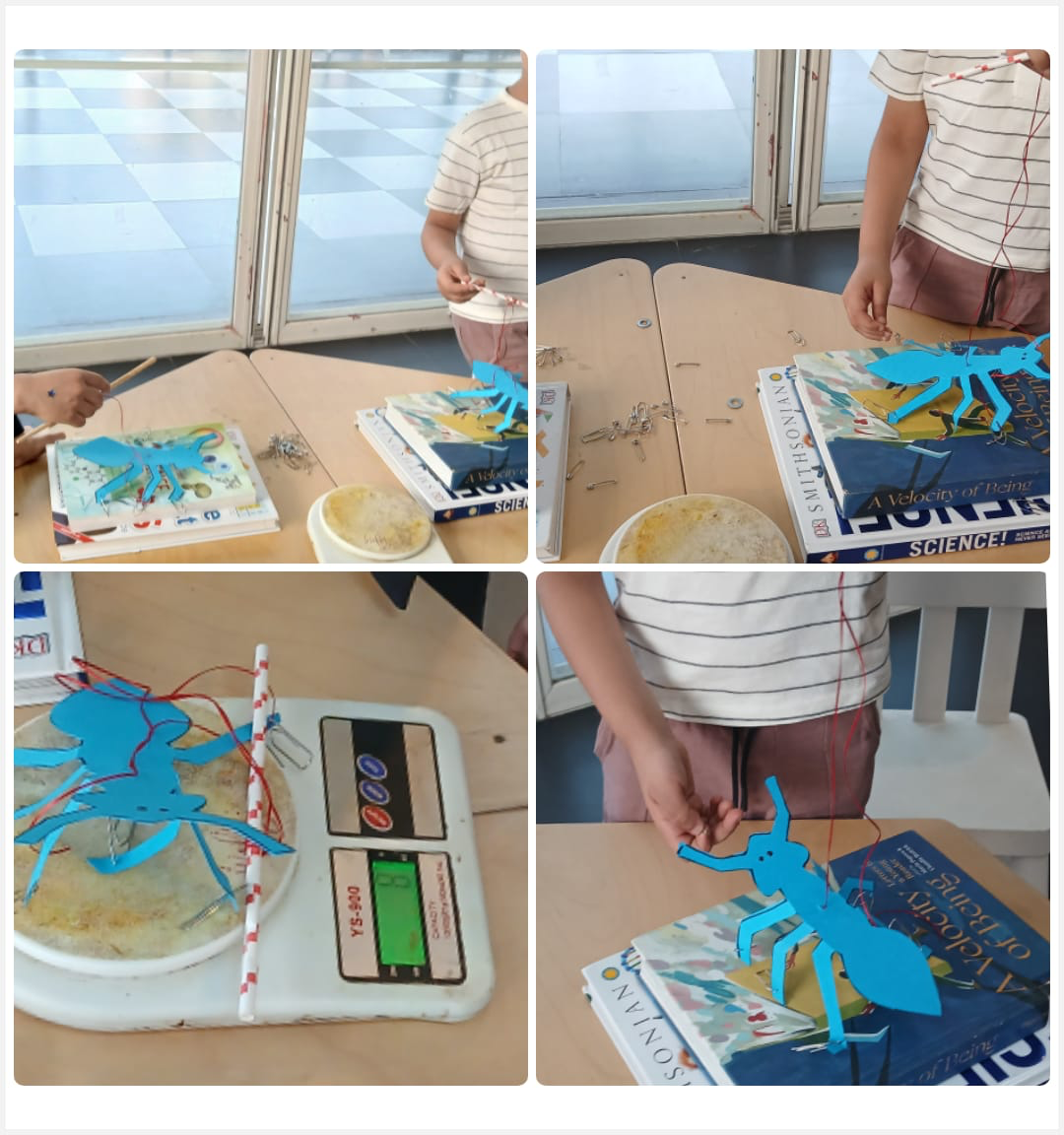
Children explored the strength of ants through an engaging “Ant Strength Test,” where they measured how much weight a paper ant could lift before collapsing. For example, a paper ant weighing 9 grams managed to lift 4 clips before breaking. Through this experiment, they learned about strength-to-weight ratios and discovered that real ants can carry 50 times their body weight! This hands-on activity encouraged scientific thinking, measurement skills, and problem-solving
Samyuktha,Neev,Mayra,Tashi & Havishka: 6.5 years old, Tara & Arnav:5.5 years old
Dear reader,
I work with the school leadership team as an advisor. I collaborate with teachers as a pedagogical trainer. I help parents as a parenting counselor. I engage one-on-one with students as a personal guide and mentor. This weekly newsletter shares what I read, learn, and experience.
3-2-1 Tuesdays with Ms. Niv is a newsletter you can subscribe to and enjoy your learning journey with me.
 Nivedita Mukerjee