Nivedita Mukerjee
Education consultancy for parents and schools
3-2-1 TUESDAYS WITH MS NIV
Issue #245, 18th March 2025
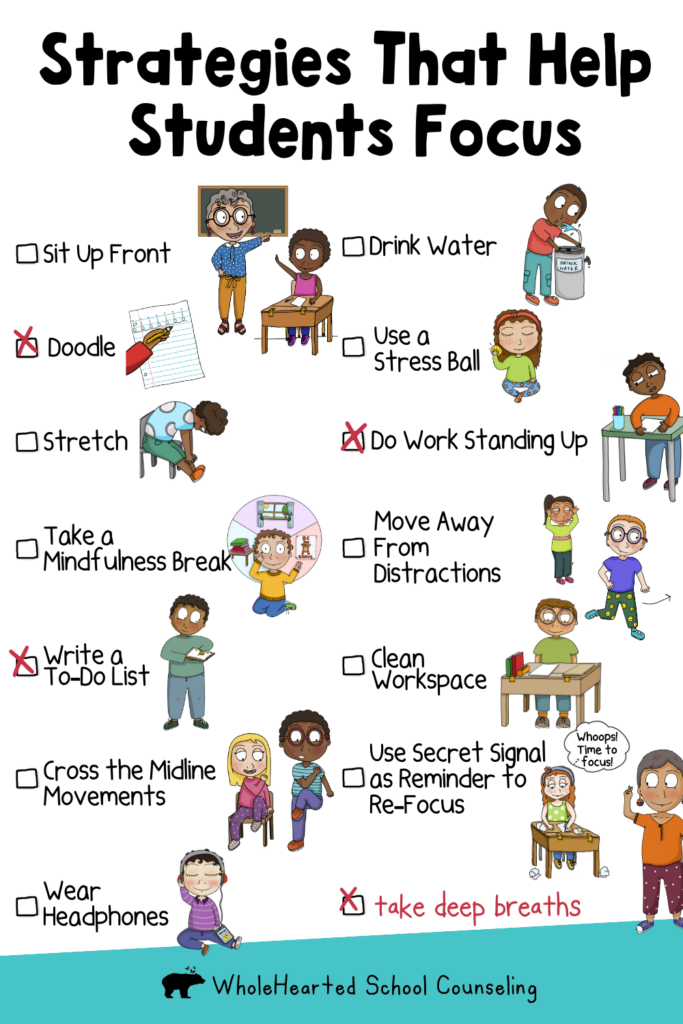
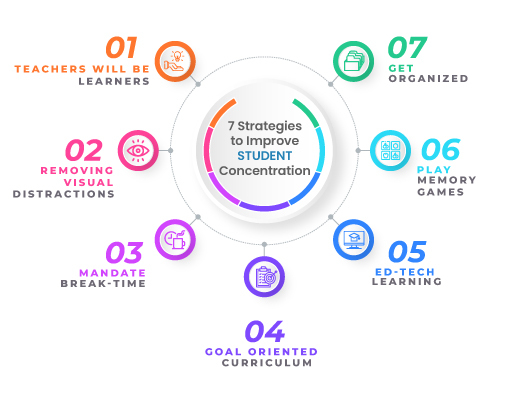
Exams are ongoing and ensuing. Focus is key. Here are some tips that you can use as a student. As a parent and educator, you can discuss with your child or students. You can support them to succeed to the best of their potential.
This is a free newsletter. If you like my content, please subscribe by entering your email ID here.
Three Images of the Week

Two Thoughts of the Week
Action is the foundational key to all success. – Pablo Picasso
The bad news is time flies. The good news is you’re the pilot. – Michael Altshuler
One Video of the Week
If you dread doing homework and settling down to study, you are not alone. In her talk, Kiki shares 3 study techniques that will not just reduce your study time, but also make it more enjoyable. Kiki is an 8th-grade student at Lord Byng Secondary School in Vancouver. She loves to paddleboard and often lies down on it in the middle of the lake to gaze up at the sky. She imagines herself as a surfer when the waves come in. Kiki also enjoys reading, playing the piano and guitar, and taking care of her pet goldfish and turtle.
Reading with Ms. Meenu: Tip of the week
Savoring Powerful Language:
What hooks readers on books for a lifetime? Characters we care about, plots and places we can believe in, ideas that matter to us as human beings. All these are crucial parts of the formula. But what comes first, for many of us is language: We need vivid words, a unique voice, images we can see, taste, feel, smell. We want language that picks us up and puts us down in a whole other place.
If any of us reflect on our own internal responses to books you really love, we may share our sense that distinctive “language and words” is a nonnegotiable component of excellence in literature. One of the forms of literary response that we rarely mention might be called savoring when we simply marinate ourselves in, wonder at and reread amazing feats of language. We also notice this hunger for great language in the negative. For those of us who have been avid readers for many years, encountering a book with lackluster language constitutes a prima facie case for abandonment. Life is too short to read books with no voice. As educators the lesson on any text should be pure simplicity and pure delight. You just find a passage, maybe a page or two with great language and read it aloud to your class. And the conversation right after the read-aloud should be natural, informal and brief i.e. “How did that language strike you”? is as good a prompt as any. We mainly want to send kids into their literature circle discussions with great language ringing in their ears.
When you have these readers from their literature circle meeting you can create a bookend to the opening read-aloud. Simply ask the designated student from each group to read the chosen passage aloud. The students will have to focus carefully on the speaker, since most won’t have copies of the book to follow along. After each reading, allow for a minute to sink in time, and then invite comments from listeners. “What did you think? Did that work for you? What made that language special? Did it remind you of any other authors and their style or voice? This is how us as educators can work on their powerful language skills.
Happy Reading!
Meenu Gera, Consulting home and school librarian and reading guide.
Career assessment, guidance, and placement strategies:
Choosing a Unique Research Topic
Ideating and finalising a research topic is a journey in itself. When Aaryan embarked on this process, his research guide facilitated it by assessing Aaryan on different problem statements and global issues. However, Aaryan had a clear objective in mind.
As a teenager, he is frequently exposed to discussions about mental health, particularly among his peers. While he recognizes that many researchers were already exploring this area, his keen interest lay in an overlooked group – cab drivers in Bangalore. Determined to make a meaningful contribution, Aaryan chose to focus on the mental health challenges faced by cab drivers, a topic that resonated deeply with him.
Now passionately working on this aspirational research, Aaryan is committed to conducting primary research by interviewing 50 cab drivers. His enthusiasm and dedication remind us why we do what we do – guiding students who are eager to create a positive impact on their communities through research. Working with students like Aaryan is both an honor and an inspiration.
Case study provided by: Team Fermata, www.fermataco.com
Showcase:
Thrive Beyond School – A unique project for very young children in STEAM education, Hyderabad, Andhra Pradesh

Students had a hands-on experience making Gujiya while exploring science, math, and tradition. They observed its shape, measured ingredients, and practiced counting while folding the dough. Mixing flour, ghee, and water helped them understand how gluten gives the dough structure. They also learned about khoya and its role in sweets. While frying, they noticed bubbling oil, the golden color change, and how the texture became crispy. This fun activity helped them connect learning with a delicious treat!
Dear reader,
I work with the school leadership team as an advisor and collaborate with teachers as a pedagogical trainer. I also help parents as a parenting counselor and regularly engage one-on-one with students as a personal guide and mentor. This weekly newsletter shares what I read, learn, and experience.
3-2-1 Tuesdays with Ms. Niv is a newsletter you can subscribe to and enjoy your learning journey with me.
 Nivedita Mukerjee