Nivedita Mukerjee
Education consultancy for parents and schools
3-2-1 TUESDAYS WITH MS NIV
Issue #249, 15th April 2025
When you read something from the perspective of another person, you step out of your own head and step into someone else’s and get to imagine you were somewhere else, seeing something else, doing what the person is doing and feeling what that person is feeling.
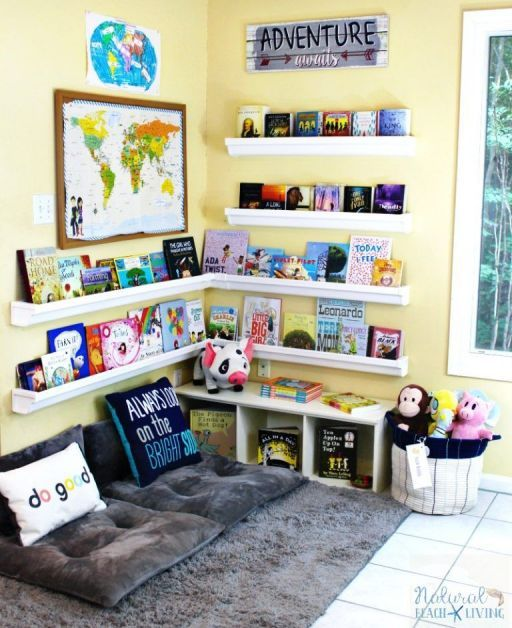
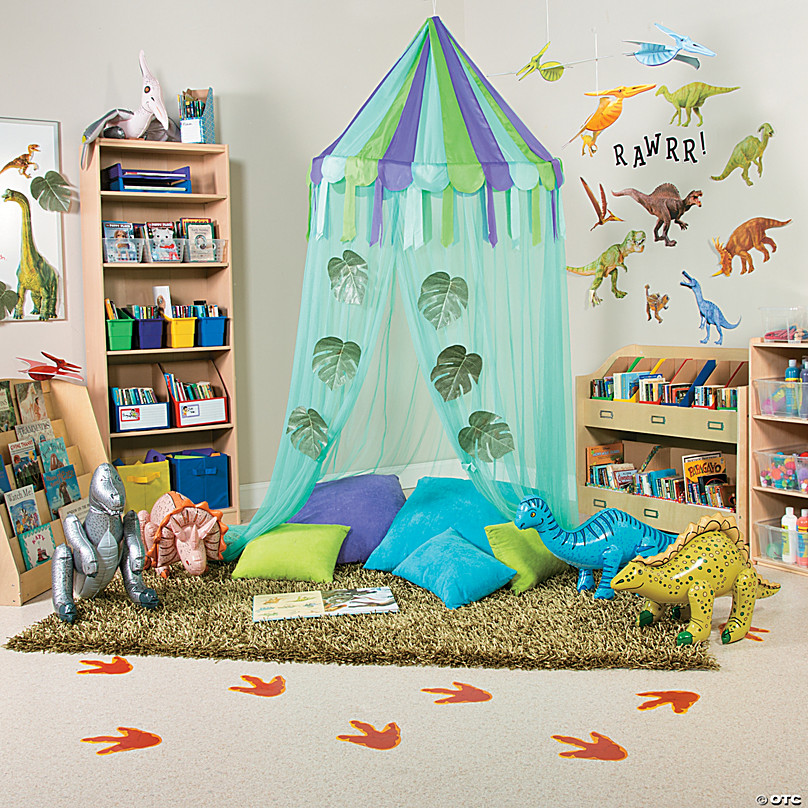
What does it do to your brain? How does it help your brain to live, laugh and connect? Here are some ideas of setting up reading corner in your classrooms where the child’s brain can find imagination and connections in their very busy childhood. What about a reading corner at home for yourself, as an educator or administrator, or parent?
I think it is a great way of providing a space for mental well-being of both children and adults. Try it.
This is a free newsletter. If you like my content, please subscribe by entering your email ID here.
Three Images of the Week

Two Thoughts of the Week
“There is more treasure in books than in all the pirate’s loot on Treasure Island.” ― Walt Disney
“You can find magic wherever you look. Sit back and relax all you need is a book!” ― Dr.Seuss
One Video of the Week
Speaking is already in our genes. But reading is not. Until about 100 years ago most people didn’t do it all. When we read fiction especially, we create new pathways in our brain. Reading 30 pages of fiction every night gets the pathways thicker and thicker. Our brain needs a workout just like our body. Rita Carter is a writer, broadcaster and journalist who specializes in the workings of the human brain. Her books include the first layman’s guide to neuroscience: Mapping the Mind, which has been translated into 14 languages. For seven years she presented London’s nightly news programme, “Thames News”, and has written for magazines and newspapers throughout the world, including the London Times, Telegraph, Guardian and New Scientist. She has a deep interest in bringing art and science together and is a Patron at the influential London-based Foundation “Art and Mind”.
She has won many awards for her work, including, on three occasions, the Medical Journalists Association award for excellence and she holds an Honorary PhD in Brain science from Leuven University – one of Europe’s oldest academic institutions.
Reading with Ms. Meenu: Tip of the week
Move Literacy Outdoors:
April is Earth month so let’s discuss literacy outdoors as it can happen anytime and anywhere. When Kindergarten students register for their Kindergarten classroom it’s a wonderful opportunity to teach them literacy outdoors. Just start with T for Trowel, D is for Dirt and N is for nest and so on. Once you start with a couple of examples your students would jump right into it and start observing things around them. This way the class walks from post to post, chanting the words aloud and during the course of this literacy based walk they practice alphabetic order. And you will create an outdoor literacy experience that invites your students to consider purpose, audience and discovery. And they will also begin to see that they can take their emerging literacy skills wherever they go.
If you’re wondering what literacy might look like outside the classroom, it’s everywhere. The very first word a young child may learn to read is STOP, a useful directive encountered at crosswalks and streets everywhere. Supermarkets use signage to direct us to items on our shopping lists and once we find them other signs identify the product and price.
Why move Literacy Outdoors?
During pandemic every educator struggled and was compelled to think nimbly and that’s when a lot of our classes moved outdoors. A tough challenge at first, but once new routines were established and curricular adaptations made – think sensory paths, nature journals and phonics treasure hunts – educators discovered unanticipated benefits. During a recent focus group discussion, a teacher actually shared that after having her class outdoors everyone in her class is calm and more settled back in the classroom after being outside for a lesson. Another teacher observed that her students were better able to focus on learning when she balances outdoor and indoor experiences. Also, a science teacher described how twice-weekly nature journal writing has been transformative for her students and their ability to make specific observations is transferring into all of their writing. So for the month of April try to encourage your students to read outdoors!
Happy Reading!
Meenu Gera, Consulting home and school librarian and reading guide.
Showcase:
Thrive Beyond School – A unique project for very young children in STEAM education, Hyderabad, Andhra Pradesh

In this fun and colorful STEAM activity, children explored important ideas through hands-on learning. They identified, described, and compared 2D shapes, learning about sides, corners, and symmetry. Using vibrant Holi colors, they enjoyed mixing shades and designing creative patterns with shape stencils.
They also searched for shapes in real-life objects and nature, building their observation skills. While creating their artwork, they used planning and design skills, just like real engineers. This engaging activity showed children how Science, Technology, Engineering, Art, and Math can come together in fun and meaningful ways.
Neev,Mayra& Tashi:6.8 years old
Samyuktha :7 years old
Tara & Arnav: 5.8 years old
Dear reader,
I work with the school leadership team as an advisor and collaborate with teachers as a pedagogical trainer. I also help parents as a parenting counselor and regularly engage one-on-one with students as a personal guide and mentor. This weekly newsletter shares what I read, learn, and experience.
3-2-1 Tuesdays with Ms. Niv is a newsletter you can subscribe to and enjoy your learning journey with me.
 Nivedita Mukerjee