Nivedita Mukerjee
Education consultancy for parents and schools
3-2-1 TUESDAYS WITH MS NIV
Issue #251, 29th April 2025
If you want to know what society is going to be 20 years hence or even 10 years hence, ask an experienced preschool teacher – said Clifford Stoll in his Ted talk featured in the issue today, in 2008. What do you think? I would agree! I love spending time with preschool teachers, even as I am getting older and humbler, as an educator.
Over the last three decades, I have taught various subjects. I started with teaching communication and news journalism to post-graduates and under graduates. After that, I moved on to teaching life sciences and genetics to highschoolers. This was followed by learning about early childhood years, primary years and middle years with International Baccalaureate while setting up a chain of IB schools. Moral of the story? Most difficult, most enjoyable and most insightful have been the times with preschoolers, preschool teachers, and preschool curriculum.
Let me know what you found out from the preschool educator. Ask them what they think society is going to be like in a few years from now.
This is a free newsletter. If you like my content, please subscribe by entering your email address here.
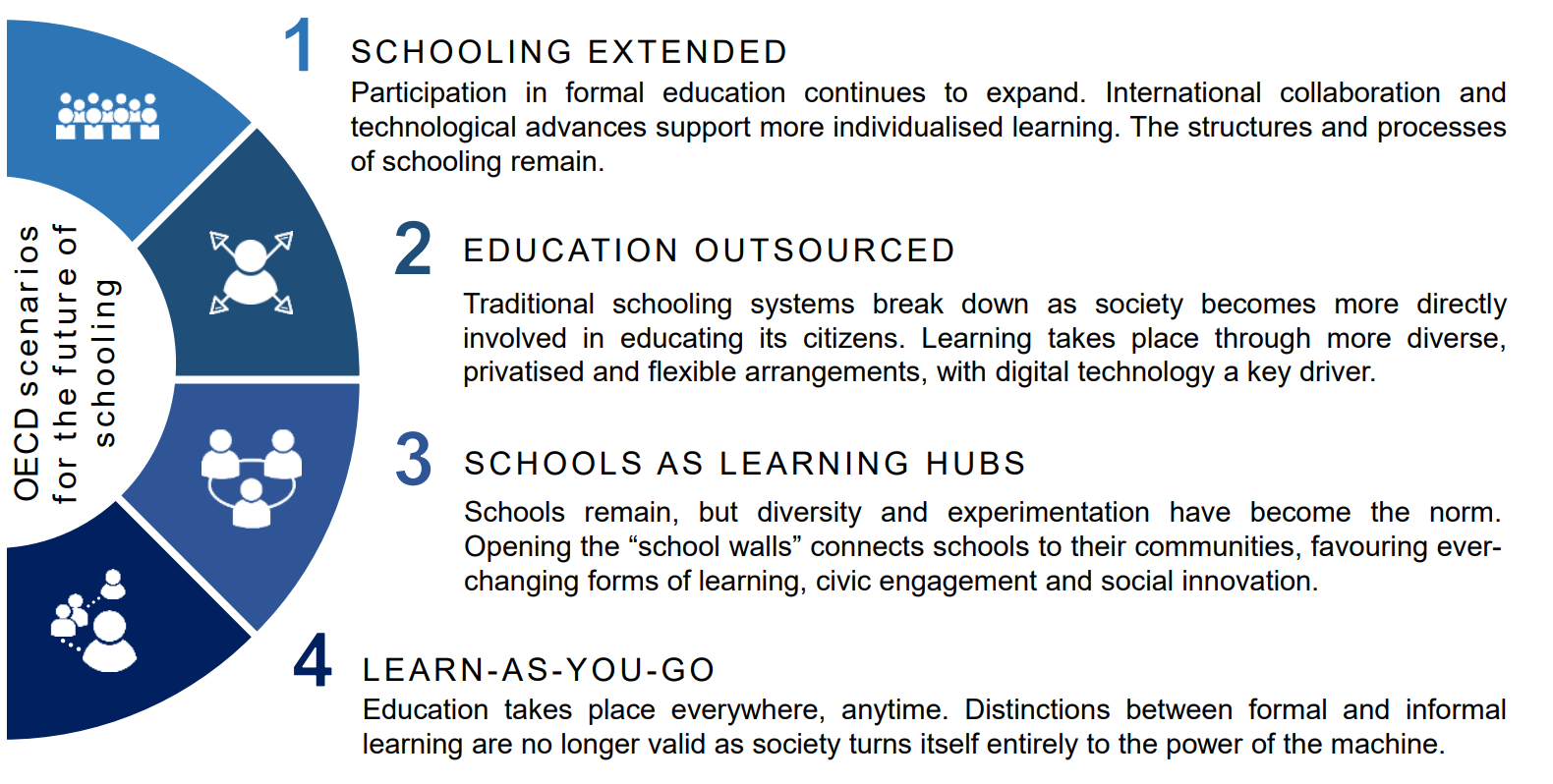
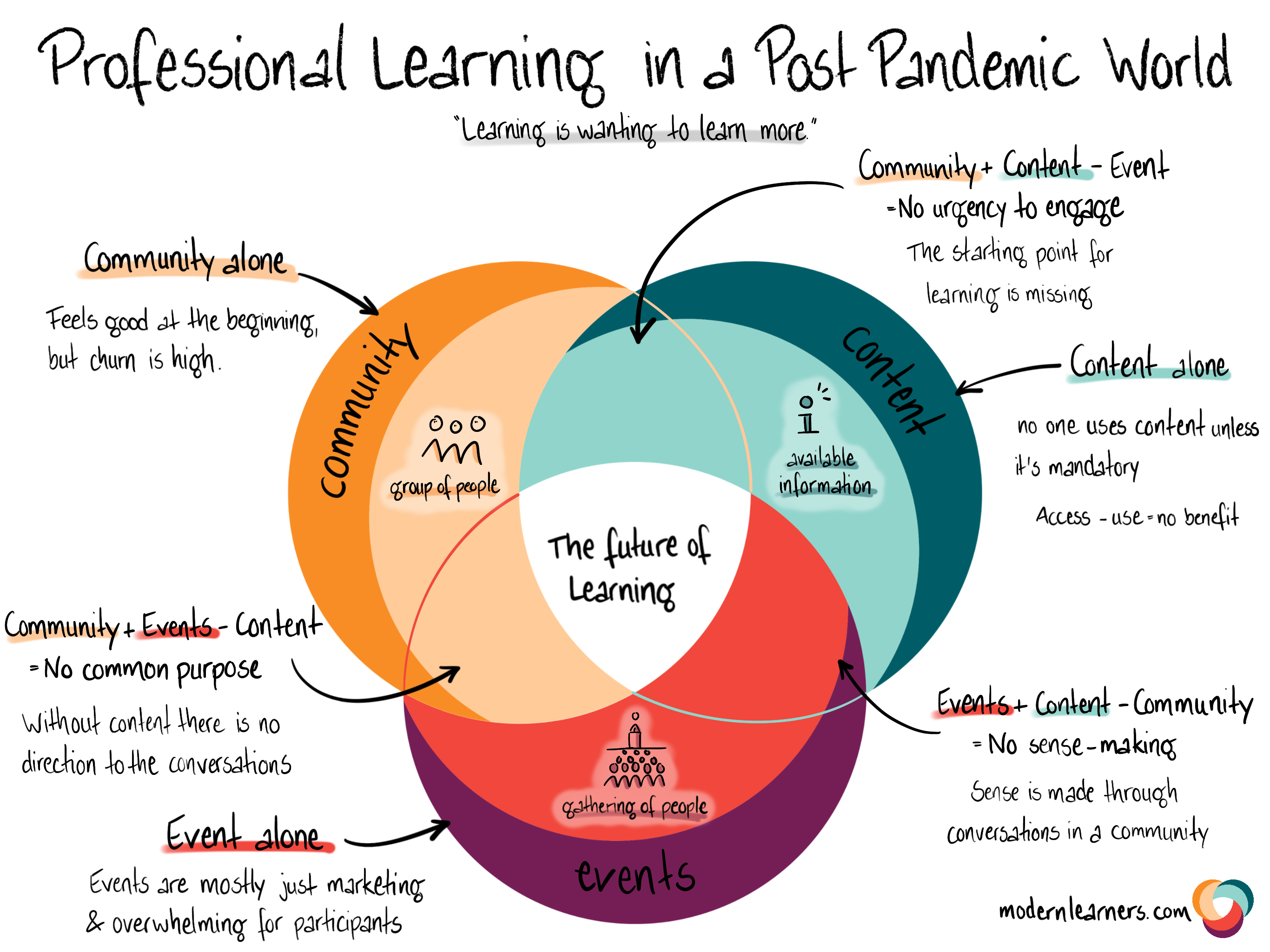
Three Images of the Week

Two Thoughts of the Week
“Learn as if you were not reaching your goal and as though you were scared of missing it.” — Attributed to Confucius
“People learn something every day, and a lot of times it’s that what they learned the day before was wrong.” — Bill Vaughan
One Video of the Week
Clifford Stoll could talk about the atmosphere of Jupiter. Or hunting KGB hackers. Or Klein bottles, computers in classrooms, the future. But he’s not going to. Which is fine, because it would be criminal to confine a man with interests as multifarious as Stoll’s to give a talk on any one topic. Instead, he simply captivates his audience with a wildly energetic sprinkling of anecdotes, observations, asides — and even a science experiment. After all, by his own definition, he’s a scientist: “Once I do something, I want to do something else.”
Reading with Ms. Meenu: Tip of the week
Storywalks: With the continuation of last week’s topic, Storywalks is just another way of engaging readers/writers to this ingenious literacy activity. You could encounter StoryWalks by other names such as poetry walks where students can look around various rhyming words and create their own poems, book walks where class can discuss the novel study done collaboratively or even song walks and so on.
What is a StoryWalk? Picture this: It’s spring and everyone is eager to get outside. Your students pick up their clipboards and pencils and head out to the park next to the school. In front of a big tree is the cover of a book, “Mama Built a Little Nest” and page one is visible a few paces away, enticing students to walk along a path that will reveal page by page the ways that different birds build their nests. It’s easy to imagine how this book would compel readers to look carefully at the trees and shrubs around them to see whether they could find any nests.
What is a StoryWalk? Invented by Anne Ferguson with the Kellogg-Hubbard Library in Vermont. It is simple but ingenious – invite readers to walk along a path with staked pages of an engagement related to the setting . Like Mama built a Little Nest whose exploration of birds and their nests matches up perfectly with a walk near trees, the best walk books deepen the reader’s understanding of the place. The cafeteria hallways are a perfect place to offer a powerful message about these StoryWalks.
Why are these StoryWalks important to do? What makes a good Story Walk book? Stay tuned for our newsletter next week and will discuss deeper on this thought. Until then…
Keep reading!
Meenu Gera, Consulting home and school librarian and reading guide.
Showcase:
Thrive Beyond School – A unique STEAM education project for very young learners.
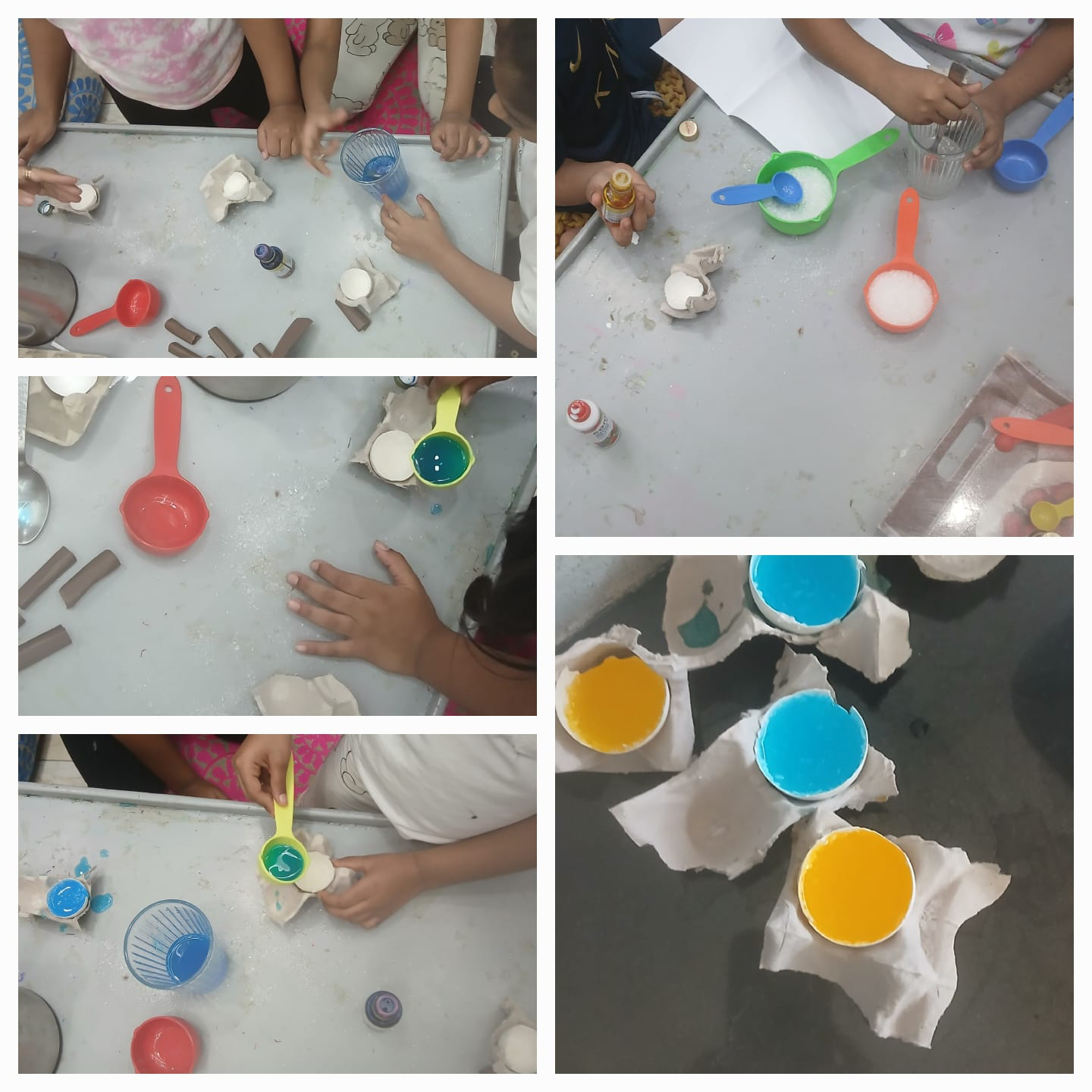
In this STEAM activity, students learned about crystals through a fun and hands-on experiment.
The lesson started with a magical story about how crystals form deep underground when hot magma cools down. This helped spark their curiosity and made the science easy to understand. They learned that crystals form when certain materials come together and harden, especially inside rocks called geodes.
Using eggshells, warm water, food coloring, and Epsom salt, they created their own crystal geodes. As the water dried, they observed crystals forming and talked about what they saw. They learned that things like heat and the amount of salt can change how big and fast the crystals grow.
This activity helped them explore science through stories, art, and observation in a fun and simple way. Samyuktha & Havishka :7 years old Neev & Mayra: 6.8 years old
Tara:5.8 years old
And Finally… against all odds
Dear reader,
I work with the school leadership team as an advisor and collaborate with teachers as a pedagogical trainer. I also help parents as a parenting counselor and regularly engage one-on-one with students as a personal guide and mentor. This weekly newsletter shares what I read, learn, and experience.
3-2-1 Tuesdays with Ms. Niv is a newsletter you can subscribe to and enjoy your learning journey with me.
 Nivedita Mukerjee