Nivedita Mukerjee
Education consultancy for parents and schools
3-2-1 with Ms Niv: Unlocking Student Potential

Issue #256, 3rd June 2025
When children with potential fail, is it their fault? Their teacher’s or their parent’s? What could possibly be holding them back from their potential? Does high potential always translate to high achievement? What could be some of the reasons that come between potential and achievement?
Mismatched Learning Environment The teaching methods, pace, or classroom structure may not align with how the child learns best.
Emotional and Social Factors Anxiety, low self-esteem, peer pressure, or social difficulties can significantly impact academic performance. A child who fears failure might avoid challenging tasks, while another might underperform due to family stress, bullying or feeling socially isolated.
Unidentified Learning Differences Conditions like ADHD, dyslexia, and processing disorders often go unrecognized. Intelligent children may develop coping strategies that mask their struggles.
Lack of Appropriate Challenge and Engagement When schoolwork is too easy, gifted children may become bored. They may also become disengaged. These children can develop poor study habits since they’ve never had to work hard. Conversely, if suddenly faced with challenging material without proper preparation, they may encounter academic difficulty for the first time. They may lack the resilience or strategies to push through.
Perfectionism and Fear of Failure Many high-potential children develop perfectionist tendencies that become paralyzing. They may avoid taking risks, procrastinate on assignments, or become so focused on producing perfect work that they fail to complete tasks. This perfectionism often stems from always being praised for being “smart” rather than for effort and growth.
Let us give it some thought. And don’t miss the TED talk in this issue by the gifted child with ADHD diagnosis.
This is a free newsletter. If you like my content, please subscribe by entering your email address here.
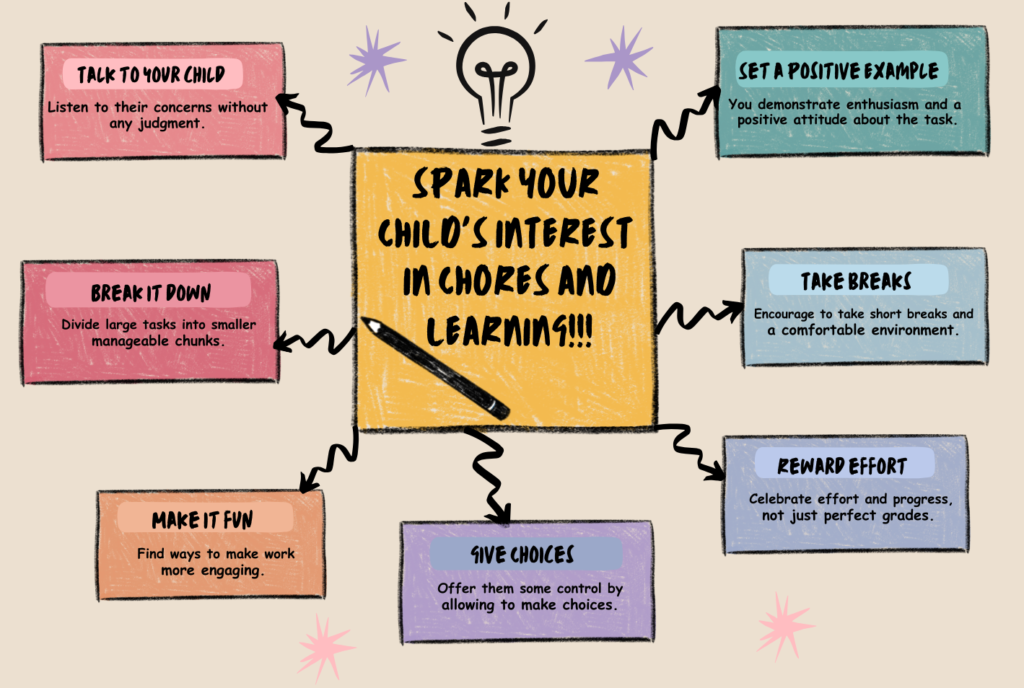
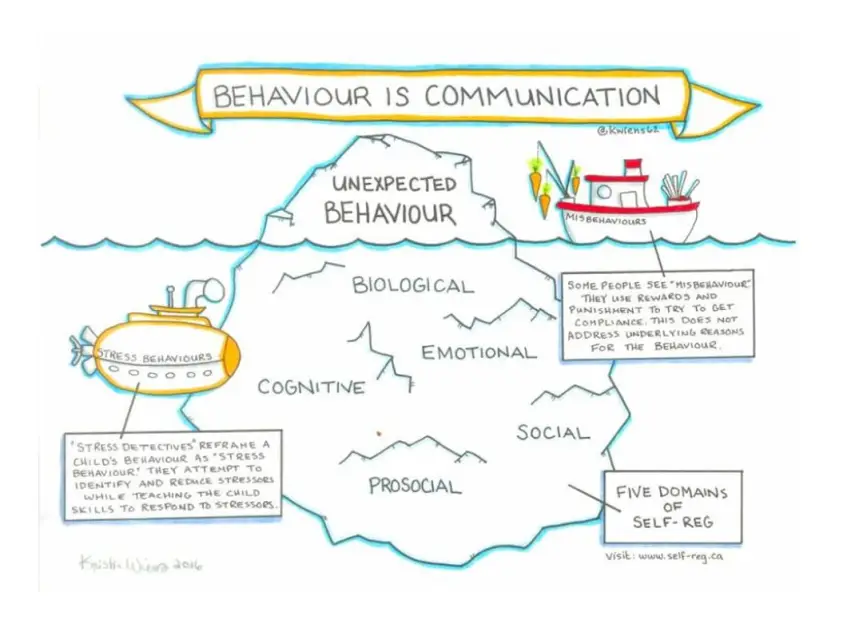
Three Images of the Week

Two Thoughts of the Week
“Presuming that a nonspeaking child has nothing to say is like presuming that an adult without a car has nowhere to go.”
― Ellen Notbohm, Ten Things Every Child with Autism Wishes You Knew
“Embrace the unique way your child is blooming — even if it’s not in the garden you imagined.”
― Jenn Soehnlin, Embracing This Special Life
One Video of the Week
Jessica McCabe tell us the story of her life. Once a gifted child with bright future, who later lives a life of a constant failures, because one thing – her ADHD diagnosis. Until one thing changed everything and she realized, that she is not alone. Her Youtube channel HowtoADHD is dedicated to help not only people with ADHD, but also their parents, partners a teachers and to remind them, that they are not alone. Jessica is the author of popular YouTube series How to ADHD focused on educating and supporting ADHD brains around the world.
Reading with Ms. Meenu: Tip of the week
Word Gardens:
What is a Word Garden?
If you’ve played around with magnetic poetry, then you’ve already got the idea of a word garden. Imagine the words on stones, blocks of scrap wood, painted jar lids, or other materials placed in a corner of your playground, a bed of gravel, or any available space. The words might be painted, etched, or written on the stones with chalk or a marker – the result provides many options for wordplay and learning. Like magnetic poetry, students enjoy moving these words around, but word gardens invite participation far beyond the physical task. Your students can leave messages, create poetry, start a discussion, make a joke and just about everything else you can do with words. Deciding which words go together allows students to generate ideas, but they also delight in finding poetry, humor and thoughts from the words that are serendipitously next to each other, creating found poetry.
Logistics: How to make a Word Garden
The beauty of a word garden is that once you have a space, you can launch one simply by finding smooth stones, pieces of wood (sanded), metal jar lids, other smooth surfaces and a box of chalk. Because chalk is a temporary medium, it offers the benefit of allowing students to think of new words. You might keep a master list of words related to your curriculum and invite students to add more. And if it rains, they will be practicing spelling and handwriting by rewriting their favorite words! An added benefit of chalk is that it is erasable and forgiving of mistakes. Other mediums work too and are more permanent; some schools use permanent markers and others have used paint. Jar lids with a coat of paint can provide colorful backdrops for words written with bright colored markers.
We will continue further on more components of Word Gardens in upcoming weeks. Until then… Happy reading!
Happy Reading!
Meenu Gera
Consulting home and school librarian reading guide
Career assessment, guidance, and placement strategies:
Navigating the College Application Journey: 5 Ways Parents Can Empower Their Grade 12 Child
Grade 12 is a whirlwind of emotions, academic pressure, and big decisions, especially regarding college applications. You naturally want to help as a parent, but finding the right balance between support and overstepping can be tricky. This post offers five key tips on empowering your child to navigate this exciting yet sometimes stressful process with confidence and ownership.
- Foster Ownership: It’s Their College List
It’s easy to get caught up in our own aspirations for our children but remember: your child is the one who will be attending college, not you. Encourage them to take the lead in researching institutions and developing their college list.
- Guide Towards a Realistic & Balanced List
While fostering ownership is crucial, providing guidance on creating a realistic list is equally important. A well-rounded college list typically includes a mix of ‘reach,’ ‘target,’ and ‘safety’ colleges.
- Brainstorm Course and Major Choices Together
Encourage your child to think about their passions, strengths, and what subjects genuinely excite them. The goal here is to help them identify areas of study that spark their curiosity.
- Navigating the ‘Course vs. College Name’ Conundrum
For some students, the specific course or program they want to study is paramount, while for others, the prestige or reputation of the college holds more weight. This can be a point of discussion and gentle guidance.
- Be Present: The Power of Silent, Available, and Mindful Support
The college application process is emotionally charged. Your child will experience moments of excitement, frustration, anxiety, and perhaps even rejection. Your emotional support is invaluable.
The career counselors at Fermat specialize in Profile Building and College Essays. More about us on www.fermataco.com
In Conversation with Nivedita
He leads one of the best-known day schools in India. A school that is known for its amazing confluence of an International curriculum, local context, and sustainable design. A school that is decades old and yet, at the frontiers in not just digital learning for its own school community but in supporting other schools as well – modeling it themselves while leading and handholding other institutions.
In the historical town of Jodhpur that is steeped in heritage and culture, there is a quiet revolution going on in school education. At the helm of it is Vaibhav Doshi. An engineer by education and an educator by passion. Vaibhav, along with his sister Archita Tatia are the torch bearers who are showing by doing and sharing their vision and learning with the community of schools and school leadership teams. True to the name of the school, they are the Alma Mater. https://www.almamater.education/
Dear reader,
I work with the school leadership team as an advisor and collaborate with teachers as a pedagogical trainer. I also help parents as a parenting counselor and regularly engage one-on-one with students as a personal guide and mentor. This weekly newsletter shares what I read, learn, and experience.
3-2-1 Tuesdays with Ms. Niv is a newsletter you can subscribe to and enjoy your learning journey with me.
 Nivedita Mukerjee