Nivedita Mukerjee
Education consultancy for parents and schools
3-2-1 Tuesdays with Ms Niv

Issue #264, 29th July 2025
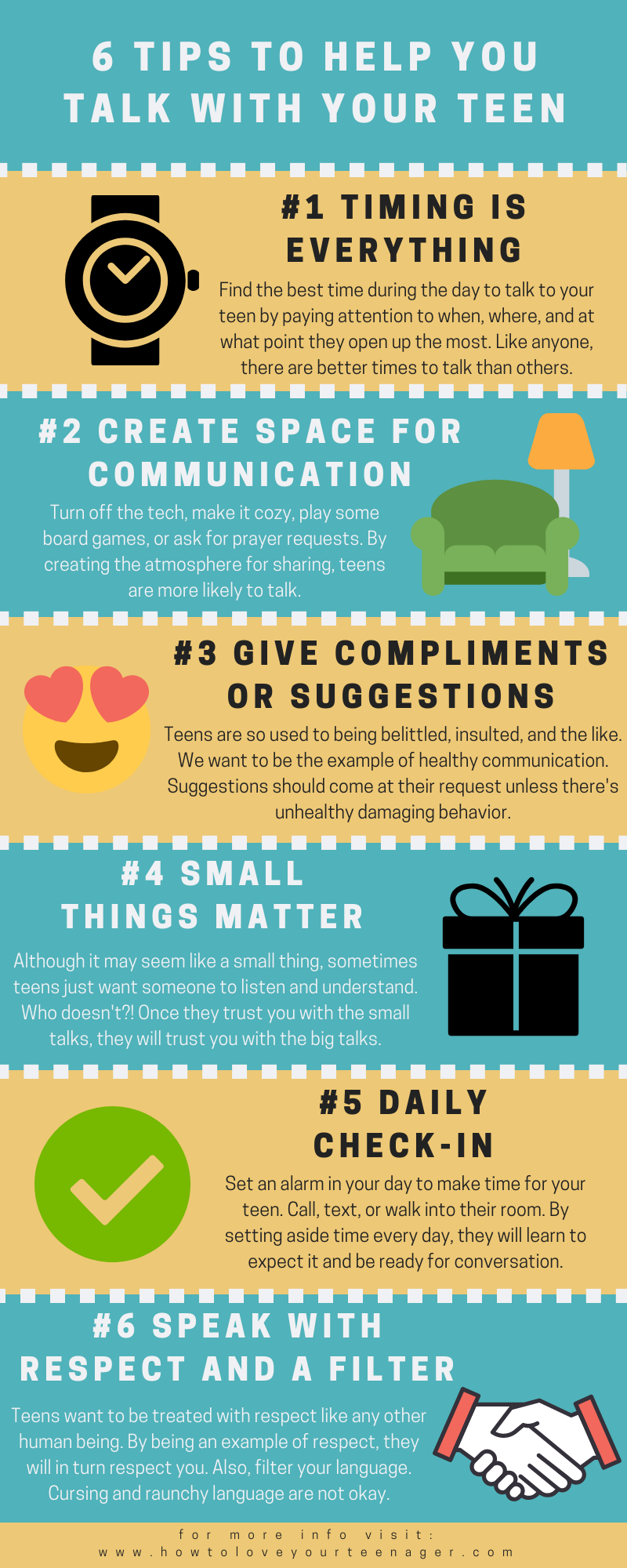
“Help me understand what happened” or “What were you thinking in that moment?” This approach keeps communication channels open and helps teens feel heard, making them more receptive to guidance and less likely to shut down or become defensive. Focus on connection before correction. When your teenager makes a mistake or you need to address a behavior, lead with understanding rather than immediate consequences.
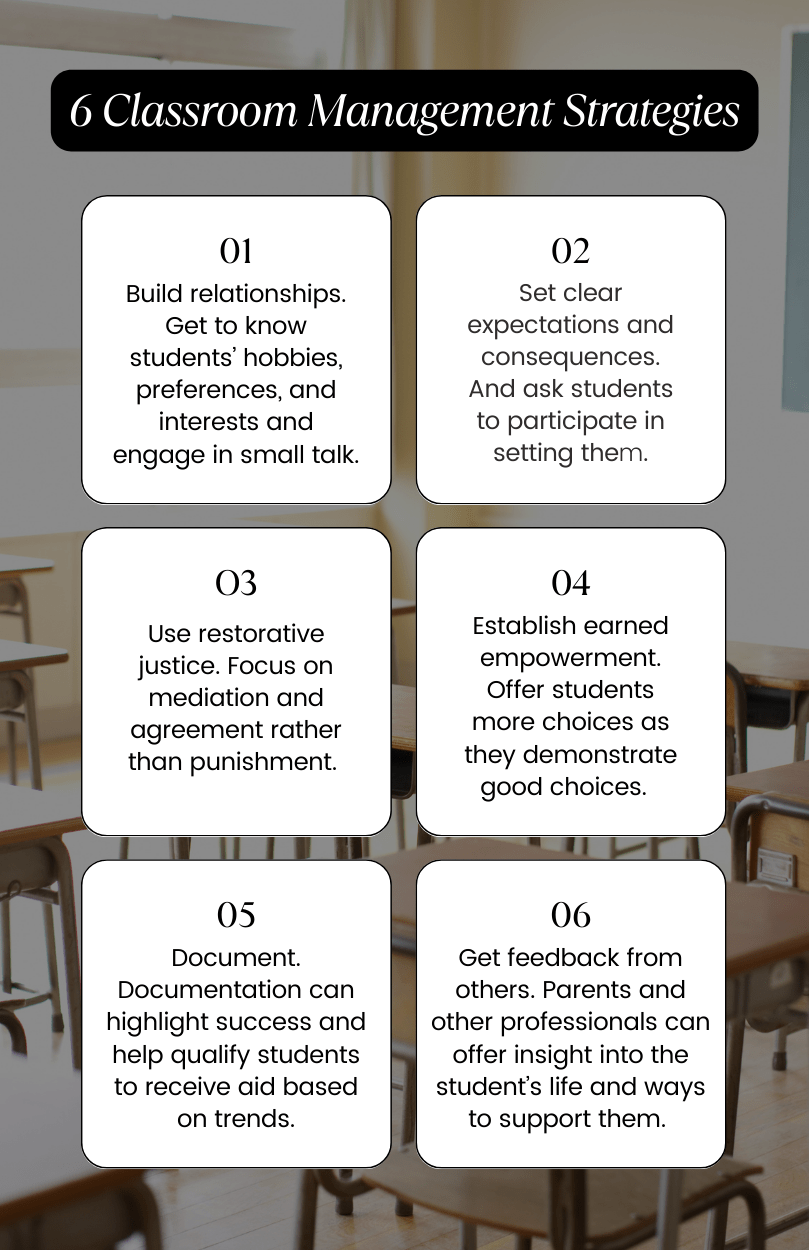
Give teenagers meaningful choices whenever possible, even in small ways. Whether it’s choosing between two essay topics, selecting their seat for a group project, or deciding how to demonstrate their understanding of a concept, having agency helps teens feel respected and invested in their learning. This sense of autonomy often translates into better engagement and fewer power struggles in the classroom.
Yes, teenage is difficult for children, parents and teachers. Try working as a team together and collaborate, instead of compete.
This is a free newsletter. If you like my content, please subscribe by entering your email address here.
Three Images of the Week

Two Thoughts of the Week
“The youth need to be enabled to become job generators from job seekers.” A. P. J. Abdul Kalam
“Being a teen can be tough. Just try to surround yourself with really good friends that really have your back, and also be a really good friend to those who really care about you. If you’re not sure about certain things, talk to your friends that you trust and your family.”Victoria Justice
One Video of the Week
School counselor and child and mental health advocate Ruth Oelrich theorizes that just as a child develops from a young child to an adolescent, the way the parent communicates with the child must change over time. Creating a parental mindset shift from one of guiding the child to collaborating with the teen increases the ability to connect with the adolescent and guide them as they transition into young adults. Ms. Oelrich shares ideas and strategies for parents to better understand what it is an adolescent needs and how to unlock the lines of communication to better foster understanding and connection with your teen. Ruth Oelrich, a native of Davenport, IA, has spent the last 20 years working in the field of education as both an educator and school counselor. She received her MSE degree from the University of Wisconsin – Platteville in 2002. She has worked with youth in inner-city and rural communities, in public, private, and charter school systems. She specializes in Attachment Theory, Suicide Prevention, Adverse Childhood Experiences, and Adolescent Mental Health. She has volunteered her time as a Crisis Response Counselor for both the YWCA Domestic Violence Program and the American Red Cross. She believes in leading a life of simplicity, calmness, and passion and strives to instill the belief in her students.
Reading with Ms. Meenu: Tip of the week
Literacy Lever: Connecting
Roads to reading are personal. As a parent/educator in the thick of leveraging resources for your child’s benefit, you will often cross paths with others who may alter your course. They may share an idea, information which might spark your child’s interest or skills in unexpected ways or step up to support you when your time, energy or resources flag.
Teachers: Educators will facilitate vital literacy skills as always, but they can be just as valuable in identifying issues that require additional support and directing you to other professionals who can better meet your child’s needs. So, try to connect with teachers and go side by side with them.
Librarians: A good children’s librarian can help you find your next favorite read, but that’s not all librarians are becoming a vital part for families who need support in cultivating key early literacy skills through talking, reading, writing, singing and playing. They are responding by showing parents how to make the most of story time through asking questions and engaging kids in dialogue and play around stories. Always recognize libraries and librarians themselves as resources beyond the books on their shelves, and you may access a range of learning experiences for your child and activity ideas for yourself.
Happy Reading!
Meenu Gera, Consulting home and school librarian reading guide.
Career assessment, guidance, and placement strategies:
Do you know the Aviation Capital of the World?
5 reasons for Montreal, Canada, being referred to as the Aviation Capital of the world:
- Home to Major International Aviation Organizations: Like the
- Headquarters to the International Civil Aviation Organization, ICAO
- Headquarters to the International Air Transport Association, IATA
- World Anti-Doping Agency, WADA
- Thriving Aerospace Industry: Montreal has one of the largest aerospace clusters globally.
- Research and Innovation: Montreal is a hub for R&D in aerospace, with collaborations among companies, governments, and universities.
- Educational Leadership: Montreal offers specialized programs in aviation, aerospace engineering, and air transport management, producing highly skilled graduates.
- Strategic Location and Infrastructure: As a North American gateway, Montreal efficiently connects Europe and America.
Top 4 Aviation Colleges in Canada
- University of Waterloo
- Seneca Polytechnic
- British Columbia Institute of Technology
- Mount Royal University
Top 8 Aviation Colleges
- Embry-Riddle Aeronautical University, USA
- Purdue University, USA
- Massachusetts Institute of Technology, MIT, USA
- University of Oxford, UK
- Delft University of Technology, Netherlands
- Stanford University, USA
- RMIT University, Australia
- Cranfield University, UK
Fermata Career Solutions inspires young individuals aged 13 to 30 to unlock their potential through focused and customised career and college counseling. With expertise in University Readiness, CareerGym, and Master Parenting, the experts empower you to pursue your dreams and shape your future with confidence. More about us on www.fermataco.com
Showcase: Thrive Beyond School – A unique STEAM education project for very young learners.

Neev & Mayra 6 year 11 months old children built and tested two types of model fish a round balloon fish and a long straw fish to investigate how different shapes respond to water pressure. The children discovered that the round fish got squished more easily, while the long fish stayed strong and flexible, just like the real oarfish that lives deep in the ocean. They recorded their observations using recording sheet and reflected on which shape would survive better under high pressure. They were able to share about why deep-sea fish are long and skinny, what happens when these fish are brought to the surface, and how submarines deal with pressure. To wrap up, everyone created their own colorful ribbon fish and took part in a fun quiz to share what they had learned. This hands-on activity helped them to understand how body shape and design help sea creatures adapt to extreme underwater environments
Dear reader,
I work with the school leadership team as an advisor and collaborate with teachers as a pedagogical trainer. I also help parents as a parenting counselor and regularly engage one-on-one with students as a personal guide and mentor. This weekly newsletter shares what I read, learn, and experience.
3-2-1 Tuesdays with Ms. Niv is a newsletter you can subscribe to and enjoy your learning journey with me.
 Nivedita Mukerjee