Nivedita Mukerjee
Education consultancy for parents and schools
3-2-1 Tuesdays with Ms Niv

Issue #274, 7th October 2025
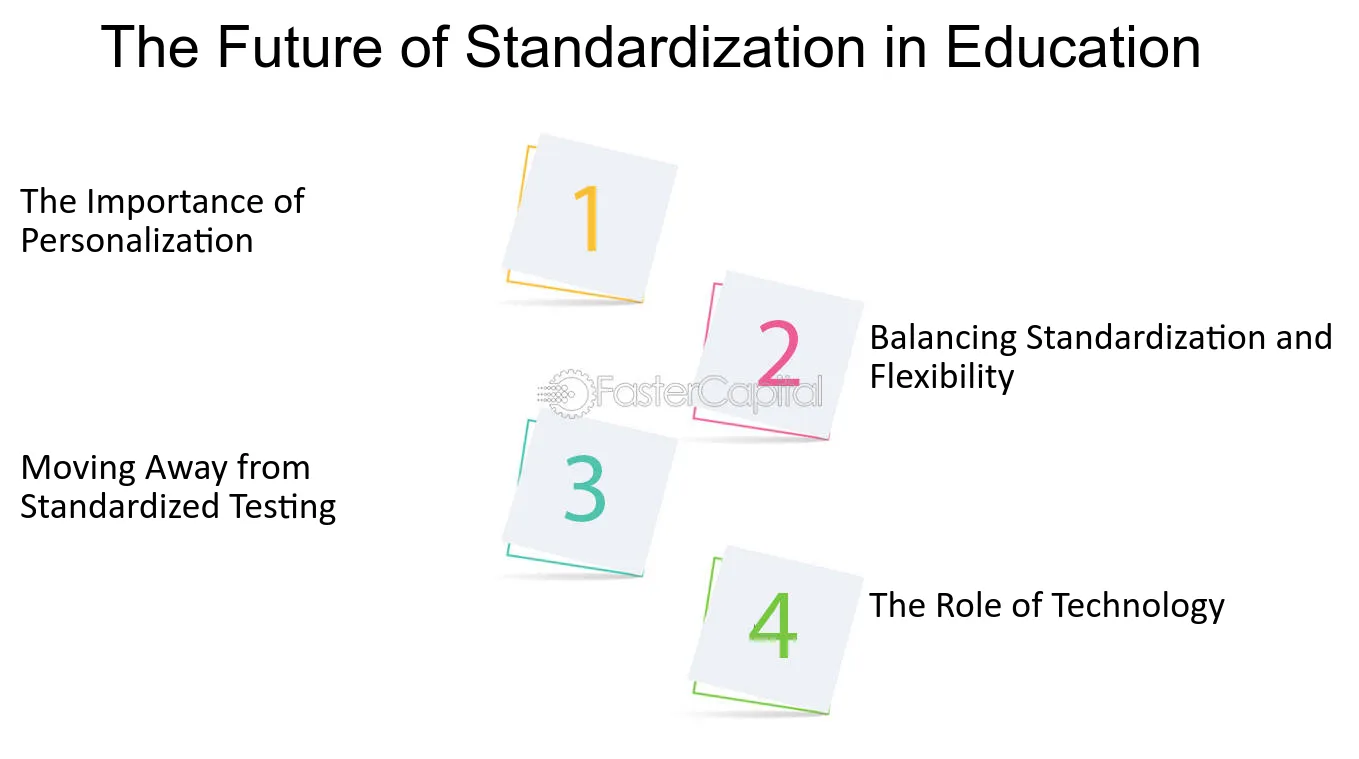
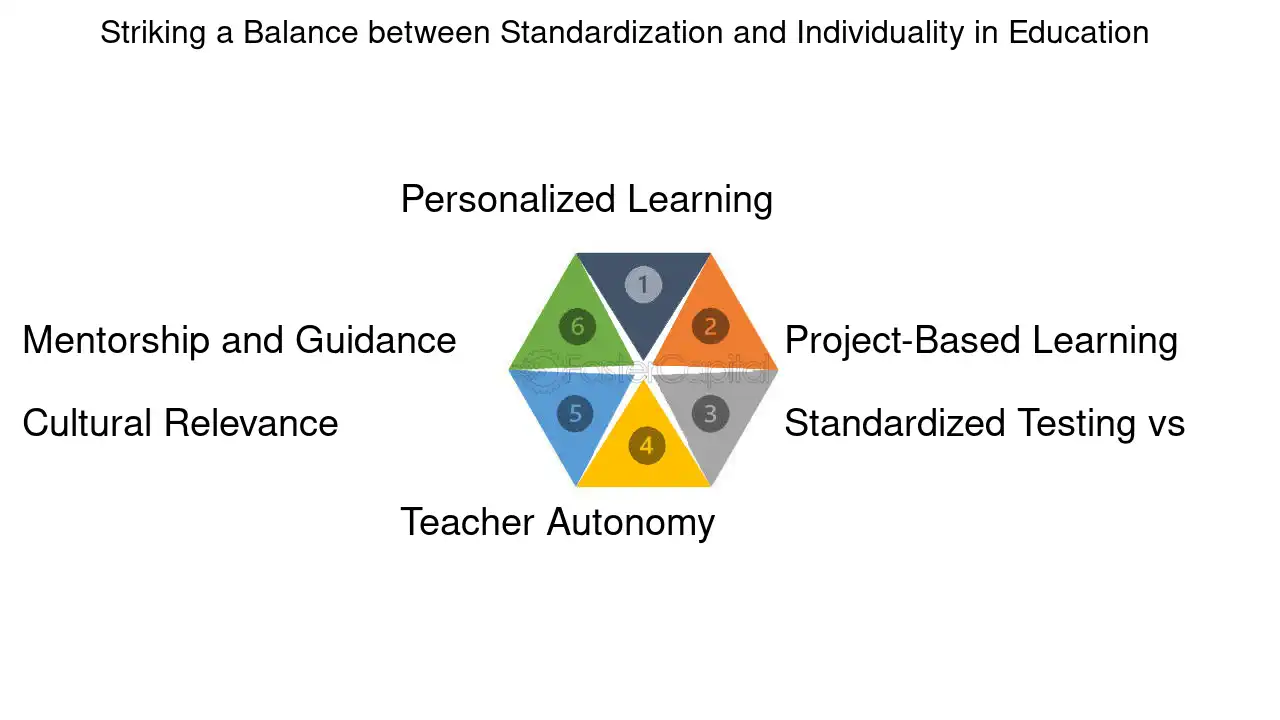
What matters more — ensuring every child meets the same benchmark, or allowing each child to learn in their own way and at their own pace?
How can we balance standardised assessments with personalised learning experiences that value creativity, curiosity, and individuality?
In preparing students for the future, should education aim to produce consistent competencies or nurture unique capabilities?
What are your thoughts? How are you managing the balance of standardisation and personalisation as an educator and/or parent?
This is a free newsletter. If you like my content, please subscribe by entering your email address here.
Three Images of the Week

Two Thoughts of the Week
The answer is not to standardize education, but to personalize and customize it to the needs of each child and community. There is no alternative. There never was.
Ken Robinson
Standardized personalization=universal right to meaningful learning. Personalized standardization=flexible access to mandated learning.
Andy Hargreaves
One Video of the Week
Personalization… discovering one’s drive. Personalization… evolving on a life-long journey of discovery. Personalization… challenging self to exceed internal expectations. Personalization… digging deeper, finding new capacity, overcoming self to redefine success. Personalization… vanquishing fear, conquering hesitation, and overcoming failures. Superintendent/CEO, Hilliard City Schools (2013-Present) Superintendent/CEO, Loveland City Schools (2010-2013) Superintendent, East Knox Local Schools (2005-2010) Building Principal, Tri-Village Jr/Sr High School (2000-2005) Adjunct Professor, Ohio Dominican University (2013 – Present) Conference Presenter, National School Board Association Annual Conference (2015, Nashville & 2016, Boston) Google Educators Summit – Keynote Presenter – 2012 Appointed by Ohio Governor John Kasich, Member, Ohio Digital Learning Task Force (2012) Appointed by Senate President Keith Faber, Member, Ohio Testing and Assessment Committee (2015) Appointed by Ohio Governor Robert Taft, Member, Advisory Council for Ohio Core Graduation Requirement (2007) 2013 International Society for Technology in Education (ISTE) Ohio Administrator of the Year
Reading with Ms. Meenu: Tip of the week
Yes You Can : Five Touchstones for Parents Who Dare to Teach
Reading is taught, not caught. This phrase has been in circulation for decades, but it bears repeating with each new generation of parents, and it has never been more fully supported by compelling evidence. Learning to read is a complex, unnatural, years-long odyssey, and parents should bear no illusions that their kids will pick it up merely by watching other people read or being surrounded by books. We already got a glimpse of how fascinating the twists and turns that lead to literacy are, how influential parents are in helping kids navigate them, and how early in life that power is in evidence. We would be discussing these principles any parent can remember and apply with ease during long, busy days with young children. Some of the five you may know instinctively. Others may have never crossed your mind. All deserve to be hallmarks of the way we approach raising readers. These touchstones are research-backed and parent approved. These principles will make your child a strong, fluent, and independent reader.
Principle # 1
It’s What You Say – and How You Say It
Spurring literacy development, like teaching of any kind, is about creating shared meaning between you and your little one. And that requires meeting them where they are, capturing their attention, engaging in back and forth exchanges and also providing the stimulation that helps them to their next level.
Parent’s actions such as asking questions vs giving directives, introducing novel vocabulary and arranging words and phrases in advanced ways all affect a child’s language development. But parent responsiveness plays a major role as well, for example how reliably and enthusiastically you respond to your child’s speech and actions. Reciprocal and dynamic interactions….. provide what nothing else in the world can offer experiences that are individualized to the child’s unique personality style, that build on his or her own interests, capabilities, and initiative, that shape the child’s self awareness and that stimulate the child’s growth and development. So we must have the awareness to let a child’s age or language ability affect the content and tenor of our speech. Studies provide evidence that infants and young toddlers, for example, benefit from conversations about the here and now with us pointing and gesturing to label objects in our immediate surroundings or on the pages of books we’re reading together. So set aside ten minute a day of mindful communication, focusing on your baby, your words and the interplay between them. Over time the focused practice will create habits that spill over into other conversations, too.
Happy Reading!
Meenu Gera, Consulting home and school librarian, reading guide
I Think, I Wonder, I Ask
Standardization vs. Contextualization in Education: Finding the Balance
In my previous blog on school bells, I reflected on how even the sounds that structure our school day carry remnants of the industrial model of education. Another enduring feature of that model is the drive to standardize- content, pedagogy and assessment. Standardization promises comparability, efficiency, and accountability. Yet within a classroom, the diverse needs, interests and backgrounds of students call for contextualization.
As a researcher, I once resisted every trace of standardization. But now, as a practitioner, I find myself constantly negotiating this tension. I must respond to the systemic demands for uniformity while addressing the unique needs of students. The negotiation is less about rejecting standardization entirely and more about finding balance.
So, what can we do as educators in our own contexts? In content, we can work with mandated topics yet create multiple entry points- through local case studies, students’ lived expereinces, or contrasting perspectives. This makes learning culturally and socially relevant, In pedagogy, differentiated approaches based on learning needs and interests allow students to engage meaningfully within the curriculum. In assessment, we can go beyond standardized tests by blending formative checks, portfolios, projects, reflective journals, and peer reviews, while still aligning them with grade level standards. These steps do not discard standards; rather they keep them responsive to learners.
Such shifts take time. The first step is a conscious recognition of the forces shaping our daily classroom choices. Standardization and contextualization are not opposites to be fought over, but forces to be balanced. I believe that what happens in classrooms can, over time, redefine what entire systems value.
Three questions for you…
- Which standardized practices in your classroom no longer serve your students’ needs or interests?
- Within standardized content and practices, in what ways can you bring students’ contexts into learning
- If you imagine your students ten years from now, which contextualized experiences would you want them to remember- and how might that guide your choices today?
–Dr Shreelakshmi Subbaswami, Alumni and Academic Director, Vijaya School Hassan, Karnataka
Dear reader,
I work with the school leadership team as an advisor and collaborate with teachers as a pedagogical trainer. I also help parents as a parenting counselor and regularly engage one-on-one with students as a personal guide and mentor. This weekly newsletter shares what I read, learn, and experience.
3-2-1 Tuesdays with Ms. Niv is a newsletter you can subscribe to and enjoy your learning journey with me
 Nivedita Mukerjee