Nivedita Mukerjee
Education consultancy for parents and schools
3-2-1 Tuesdays with Ms Niv
Issue #285, 16th December 2025
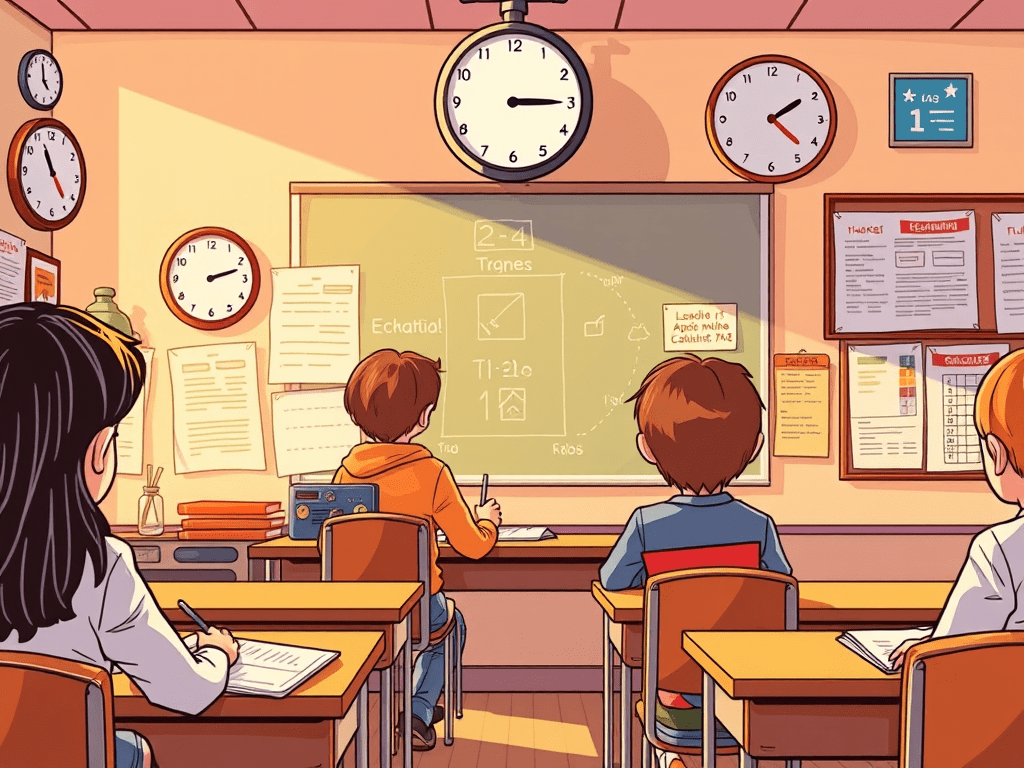
Recipe to kill motivation has 6 key ingredients.
- Expected reward
- Expected evaluation
- Restricted choice
- Restricted time
- Surveillance
- Competition
Do you have any or all of these in your classroom? home environment for your students/children? this is not based on hunches or anecdotal evidences but empirical data and are cross cultural, cross time, cross age groups. Go ahead and continue reading this newsletter.
This is a free newsletter. If you like my content, please subscribe by entering your email address here.
Three Images of the Week
Two Thoughts of the Week
“Brains, like hearts, go where they are appreciated.”
–Robert McNamara, Fmr. American Secretary of Defense
“There is more hunger for love and appreciation in this world than for bread.”
–Mother Teresa, Roman Catholic Religious Sister and Missionary
One Video of the Week
“Cultivating Intrinsic Motivation and Creativity in the Classroom” | Beth Hennessey
Beth Hennessey is a professor of psychology at Wellesley College, and she studies the powerful link between intrinsic task motivation and creativity performance. Hennessey frequently teaches a seminar on the psychology of creativity, a course on research methods in educational psychology, and a class on the psychology of teaching, learning, and motivation. Teaching is what makes her “tick.” She studies it, writes about it, and does it fueled by her own unending intrinsic motivation.
Reading with Ms. Meenu: Tip of the week
Word Wisdom:
As adults, we know that the professional world judges spelling mistakes severely. Errors in job applications and resumes tend to bias recruiters against candidates and harm career advancement, studies show. What we may not fully appreciate is that the consequences of spelling woes emerge in elementary school, long before students enter the workforce.
Here are a few things you need to know now about how spelling impacts children and how you can impact their spelling.
Spelling is integral to developing into a reader and writer. Spelling is the glue that sticks words in memory, renders them instantly recognizable in print, and makes reading them quicker and more fluent. Research studies suggest that the more accurate and stable your memory of a word’s spelling, the faster you’ll read the word. Spelling knowledge has been directly linked to sight-word reading, reading fluency, and even third grade reading achievement scores. And evidence suggests that explicit spelling instruction improves students’ spelling as you would expect, while also supporting better phonological awareness and reading skills.
Spelling errors negatively bias teacher assessments in schools, even when that’s not for the focus of their grading. Appearances matter so much that it’s hard for teachers to separate the content of student writing (the knowledge it displays, arguments it makes, and quality of supporting evidence) from its presentation (handwriting, spelling and grammar). Teachers struggle to fairly and validly view the substance of work that has spelling issues. Thus, students who struggle with spelling are at risk of receiving lower grades in other subjects and having their competency overlooked.
Through the years, you’ll observe volumes of authentic writing in the lists, letters and stories kids pen at home. They are great fodder to identify the words your child wants to use, those they struggle with and what you should teach next. (If you’re ready to assess their spelling chops and they haven’t written anything at home lately, suggest they draw up a birthday or present wish list or write to a friend.
Free from the confines of rigid school schedules, you have more time as parents to instruct your child on the spellings of individual words, when and how they’re needed. By doing this parents can make a huge difference.
Happy Reading!
Meenu Gera
Consulting home and school librarian reading guide.
I Think, I Wonder, I Ask
–Dr Shreelakshmi Subbaswami, Academic Director, Vijaya School Hassan, Karnataka
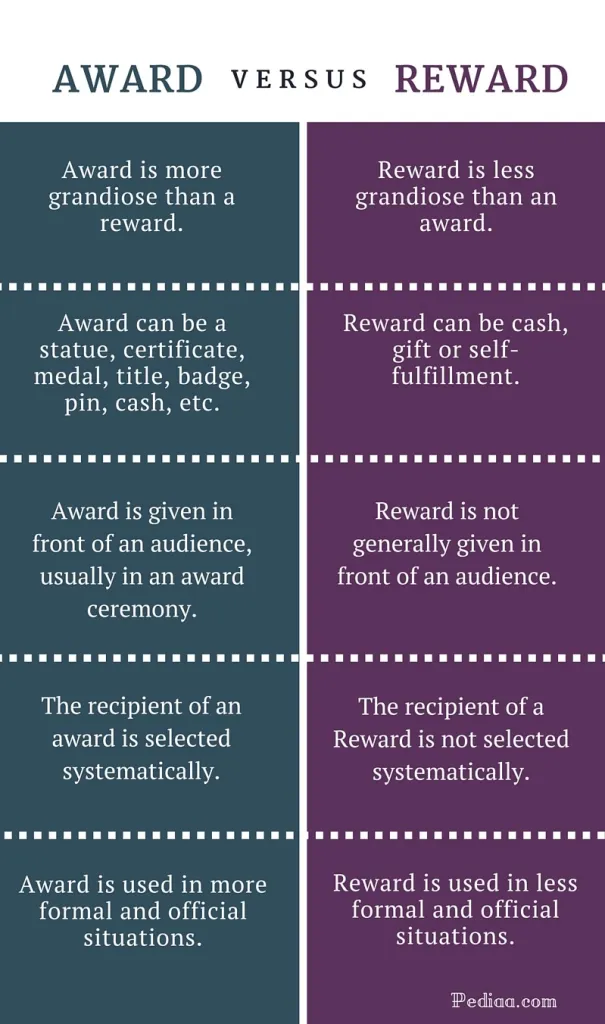
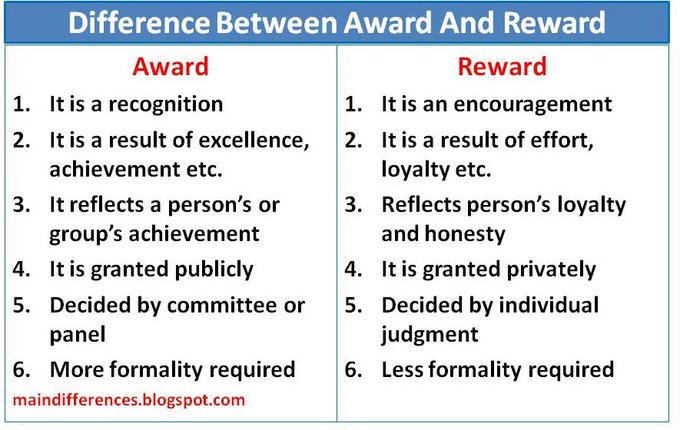
Awards and Rewards- for Efforts or Outcomes?
This time of the year, schools are filled with competitions and announcements. For some children, it is a moment of joy and recognition. For others, it feels heavy-sometimes even intimidating. I have seen both…
Competitions do motivate some learners, yes. But for many, especially in the schooling years, they introduce pressure much earlier than confidence. At an age when children are still building their sense of self, these moments can shape how they see learning, success, and themselves.
This is where we, as educators, can pause and reflect. Are our reward systems inviting children to grow, or are they pushing them to perform? And more importantly, what exactly are we rewarding?
Too often, we celebrate outcomes rather than efforts. We say, “Good job” or “You are a good students” without naming what the child actually did well. Slowly, children begin to associate approval with results, not with the process of learning. In some classrooms, rewards even start to resemble bargaining: “Finish this and you will get that…”. Learning then becomes transactional, not meaningful.
I have seen something else work. When a teacher says, “I noticed you stayed with the task even when it was difficult”, the child engages better. When we say, “You found your own strategy-tell me how,” confidence grows. High-fives, eye contact, genuine curiosity, and asking how and why- these moments reward the now, the efforts.
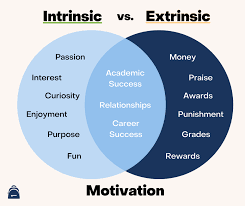
As schools, we need reward and award systems that build motivation, self-regulation, and identify- that make learning joyful, relevant and self-driven.
Three questions for you…
- What behaviours and efforts do you consistently reward in your classroom?
- Which tasks truly need external rewards- and which thrive on interest and intrinsic motivation?
- How can you make efforts visible, even when outcomes fall short?
Career assessment, guidance, and placement strategies:
Summer Programs at RV University
Step Beyond Textbooks to experience interdisciplinary learning at RV Summer School for Grades 11 and 12. Meet the University Official on Jan 10th College Fair at Capstone High School, Hoskote, Bangalore, to know more about the summer programs offered by the University:
- School of Liberal Arts and Sciences
- School of Design and Innovation
- School of Business
- School of Economics and Public Policy
- School of Law
- School of Films, Media and Creative Arts
Fermata Career Solutions inspires young individuals aged 13 to 30 to unlock their potential through focused and customised career and college counseling. With expertise in University Readiness, CareerGym, and Master Parenting, the experts empower you to pursue your dreams and shape your future with confidence. More about us on www.fermataco.com
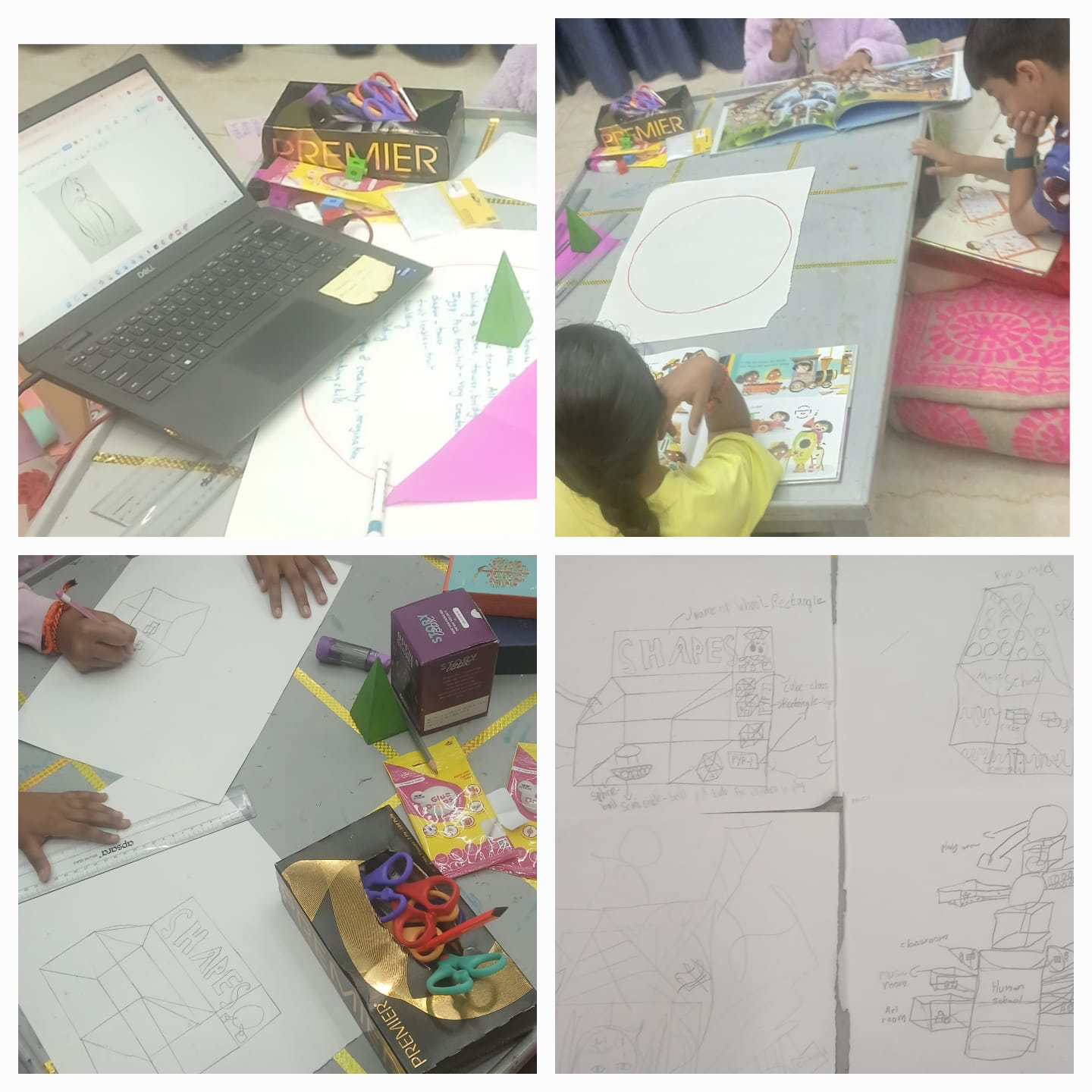
Showcase: Thrive Beyond School – A unique STEAM education project for very young learners.
– Pooja Khatter, facilitator, Thrive
The session began with an engaging book exploration to introduce the concept. The children read and observed Boxitects, The Shape of the World, Iggy Peck, Architect, and Someone Builds the Dream. Following the reading, they shared their understanding of the stories and confidently connected the ideas to the concept they were about to explore.
The children then observed two visuals—a 2D drawing of a cat and a 3D cat craft model. They identified that the 2D drawing could not stand, while the 3D model could stand on the table and looked more realistic. Mayra clearly explained that 2D has two dimensions—width and height—while 3D includes width, height, and length. Tashi made a meaningful connection to prior learning by sharing that a net can be folded to form a 3D shape.
When asked which shapes could be used to build the body of a cat, the children confidently named the sphere, cylinder, cuboid, and cube. The session concluded with the children stepping into the role of architects as they designed a school layout on paper, as a planning activity before moving on to 3D model construction.
Havishka: 7 years 7 months
Neev, Mayra & Tashi: 7 years 3 months
Dear reader,
I work with the school leadership team as an advisor and collaborate with teachers as a pedagogical trainer. I also help parents as a parenting counselor and regularly engage one-on-one with students as a personal guide and mentor. This weekly newsletter shares what I read, learn, and experience.
3-2-1 Tuesdays with Ms. Niv is a newsletter you can subscribe to and enjoy your learning journey with me.
 Nivedita Mukerjee