Nivedita Mukerjee
Education consultancy for parents and schools
3-2-1 Tuesdays with Ms Niv

Issue #287, 30th December 2025
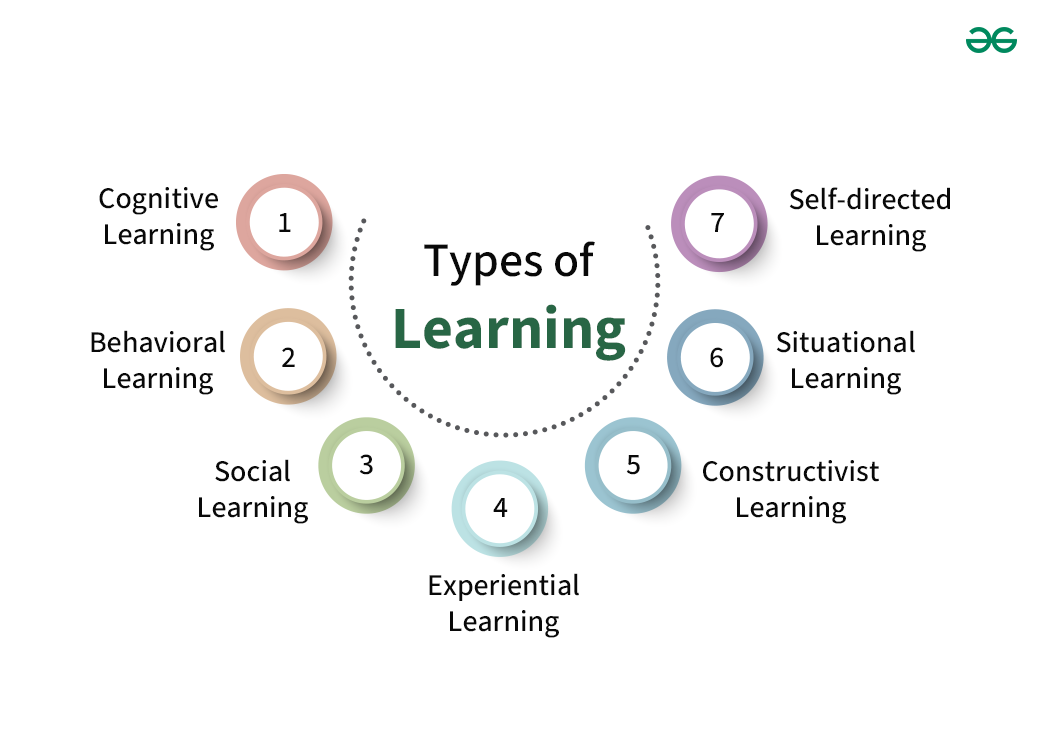
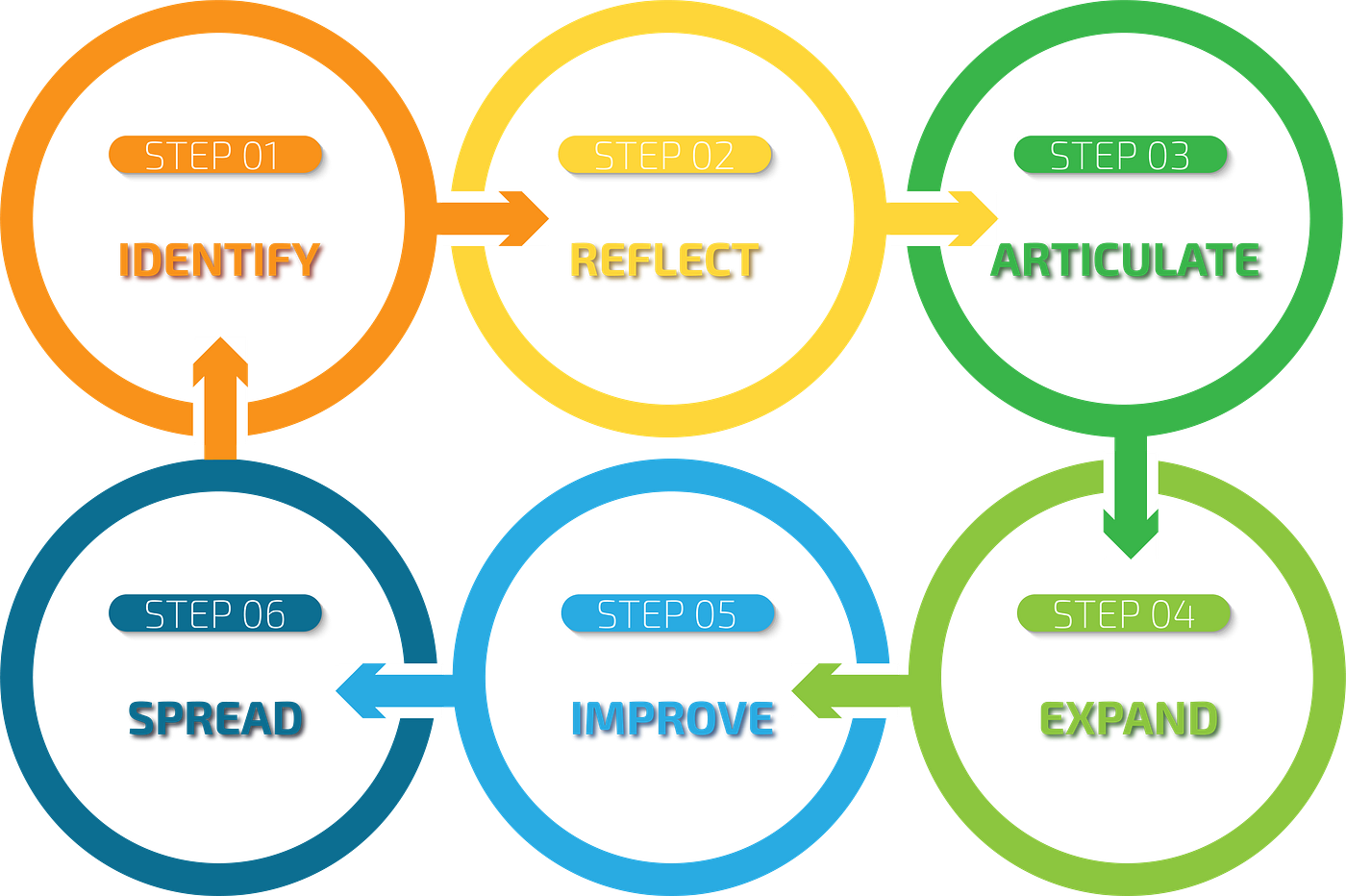
What have I learned this year? What have you learned this year? What has your child/student learned this year – which is not from a video/social media/power point slide/worksheet/written text ONLY? and how much have you retained from that for using next year? What experiences have you gained last year in school/home that you will take with you to next year?
Happy New Year. May we all learn and grow more and better in the next year.
This is a free newsletter. If you like my content, please subscribe by entering your email address here
Three Images of the Week

Two Thoughts of the Week
“Some things are so important that you have to learn about them on your own.”
― Paulo Coelho, The Valkyries
“Comfort and luxury may come with owning a high-end car, yet it’s the occasional travel in a crowded bus that truly imparts priceless virtues of patience and humility, unattainable by wealth alone”
― Shabira Banu Hussain Sumbhaniya
One Video of the Week
Educational revolutionary and educator of gifted & talented students, Adrienne Alexander, makes an informed, entertaining, and passionate case for including experiential learning throughout the school curriculum as a fundamental element, distinct from an optional reward. Adrienne Alexander has worked in education in New Zealand and Australia for nearly 30 years, focusing on gifted education since 2014. Much of this work has been in the private sector working for, and then running, Extension Education which provided experiential learning opportunities for gifted children in Brisbane and on the Sunshine Coast. Adrienne has since been snapped up by Education Queensland and is now teaching a specialised program for gifted children in Brisbane. She continues her passion for immersive experiential learning experiences in her current position as she believes that experiential learning increases student motivation and deepens student understanding of classroom concepts.
Reading with Ms. Meenu: Tip of the week
Strategies on How to support strong spelling at Home: Encourage Writing: Although spelling bee contestants spell aloud to demonstrate their mastery, your child’s earliest attempts will likely be on paper. Nurture their writing by always having paper and crayons or colored pencils on hand for them to scribble away long before they can write letters we’d recognize. It’s a joy to behold the creations that a stack of index cards and a pencil in the back seat of the car can inspire.Children as young as 2 or 3 years old demonstrate some knowledge of writing, even if they have no idea yet that it connects with spoken language. Pretend-writing grocery lists, restaurant menus, signs and so on as part of play at home is a precursor to spelling, too. One day you may notice that those scribbles are running from left to right and top to bottom on the page. Another day some conventional looking letters may start popping up amid the slashes and squiggles. You can ask them what their writing says and even transcribe a traditional version of it below their scribbles. Way to write! What does this say? I see. I would write it this way: The dog is happy (Point to each word as you say it.) Bonus: You get a record of funny stories to revisit and share as they grow.
Applaud Early Spelling:The early quality of your child’s spelling reflects things in their phonemic awareness, letter knowledge and the associations they make between the two. With reading, the letters are given to them and they have to sift through their knowledge of a limited set of sounds to approximate a pronunciation. With spelling, they’re hearing a word, segmenting the sounds and settling on one letter sequence from numerous possible combinations. and writing those with their own spellings is OK. Giving kids the freedom to invent their own spellings doesn’t interfere with their ability to learn conventional spellings later. In fact, researchers say the exact opposite is true: “Allowing children to engage in the analytical process of invented spelling, followed by appropriate feedback by parents/teacher has been found to facilitate learning to read and spell, not hamper the process”.
Happy Reading!
Meenu Gera, Consulting home and school librarian reading guide.
I Think, I Wonder, I Ask
–Dr Shreelakshmi Subbaswami, Academic Director, Vijaya School Hassan, Karnataka
Assemblies or Arrivals? How Do We Really Begin a School Day
Not just on the timetable, but in the bodies, minds and emotions of children and educators. For most of us, the answer is predictable. The bell rings. Children gather in rows and columns. A prayer is recited, an anthem is sung in chorus, and instructions are announced. Then, they disperse into classrooms. It feels orderly, familiar and largely unquestioned. If we pause and look closely, this ritual mirrors more of an industrial workflow than a learning space meant for children.
For older students, a structured assembly may hold some relevance. But for younger children, it sits oddly against their natural rhythms. Early years children are not wired to stand silently in large groups. They arrive bursting with stories, emotions, energy, and the need to connect. Morning is the richest time to listen- to their experiences, their feelings, their worlds outside school. Instead, we often ask them to suppress all of that before learning even begins.
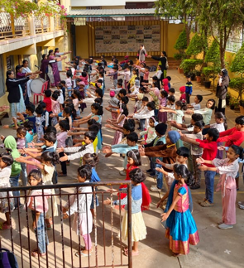
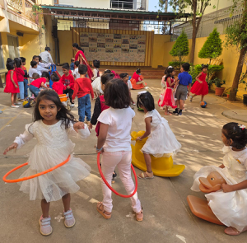
Recently, our early years team made a courageous shift. Assemblies were replaced with play. The silence replaced into movement, laughter, conversation. It was unsettling for adults. The loss of control, the sounds, the unpredictability felt uncomfortable. But something else emerged evidently: joy, social connection and readiness to learn. Teachers tuned in immediately because the children were tuned in first.
After all, if our intent is to learn with joy, our mornings must reflect that belief.
Three questions for you…
– What are the real components of your assembly?
– How do you create time and space for children to interact and arrive as themselves?
– And which long-held practices are ready to replace- with what, and why?
Dear reader,
I work with the school leadership team as an advisor and collaborate with teachers as a pedagogical trainer for whole school development. I also help parents as a parenting counselor and regularly engage one-on-one with students as a personal guide and mentor. This weekly newsletter shares what I read, learn, and experience.
3-2-1 Tuesdays with Ms. Niv is a newsletter you can subscribe to and enjoy your learning journey with me.
 Nivedita Mukerjee