Nivedita Mukerjee
Education consultancy for parents and schools
3-2-1 Tuesdays with Ms Niv

Issue #288, 6th January 2026
When will I use it in real life?
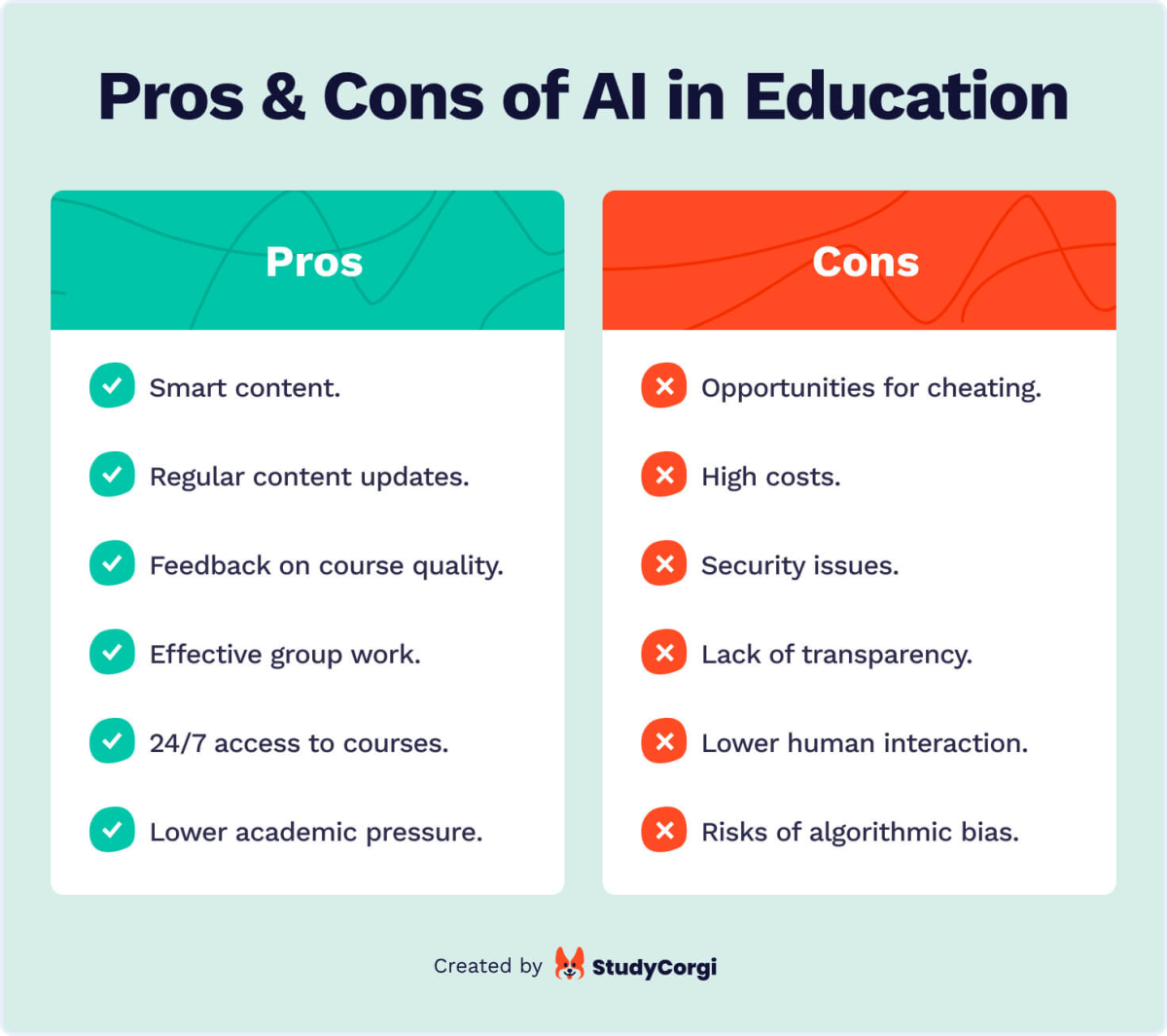
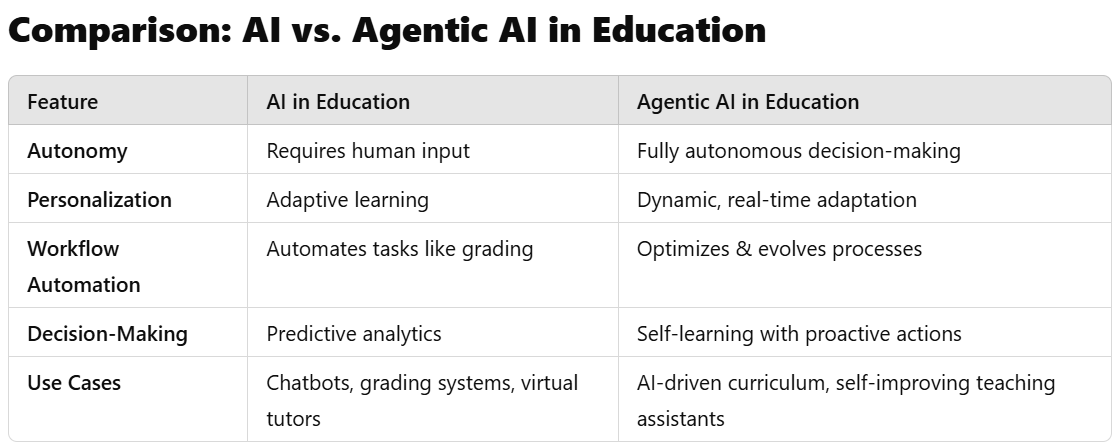
Have you faced this question as an educator? as a parent? It is time to come up with concrete answers to this question in the age of Generative AI. What are we teaching? Why does the student need to learn this? When and how will the student use it? Are we teaching for now, which is changing every day, or for the future which no one knows the shape of?
This is a free newsletter. If you like my content, please subscribe by entering your email address here.
Three Images of the Week

Two Thoughts of the Week
“The reasonable conclusion is that there needs to be a split between assignments on which using AI is encouraged and assignments on which using AI can’t possibly help.“
“A.I. will force us humans to double down on those talents and skills that only humans possess. The most important thing about A.I. may be that it shows us what it can’t do, and so reveals who we are and what we have to offer.”
One Video of the Week
The emergence of ChatGPT in November of 2022 took the world by storm: particularly the world of education. With this technology able to generate complex pieces of writing, solve advanced math equations, generate code, and more with the push of a button, educators across the country have entered a state of panic. How are educators supposed to teach students when they have this technology at their literal fingertips? For too long, the field of education has been teetering at the precipice of serious change, and the widespread accessibility of generative AI may just be the catalyst education needs in order to progress in tandem with the rest of the world. But first, educators need to reevaluate their answer to the tough question: why do we teach? Natasha Berg, M.Ed. works as the Multimedia and Technology Integration Specialist at a local high school in South Dakota. She has spent her career learning about and developing her skills in education and educational technology. Berg believes that new and emerging technology should be integrated into classrooms as it fully prepares students to enter the 21st century workforce and helps make learning accessible to students of all abilities.
Reading with Ms. Meenu: Tip of the week
As we keep continuing on Word Wisdom here are some more strategies to build a strong spelling base for your children.
Look for the Knowledge they Demonstrate: Parent’s assessments of a kid’s spelling usually amounts to deeming an attempt right or wrong. But that black and white thinking doesn’t serve kids. To teach, we have to learn to see shades of gray. In this context, that means looking at misspellings with an eye for what kids know about sounds, letters and the relationships between them. For example, ask yourself what’s right within a misspelling. Does the writing show conventional letters? Is the initial sound of the word represented (eg. spelling cat with K-T)? Are all the sounds represented? Are some letters in the proper sequence? This kind of analysis of kids’ spelling is your window into their knowledge base.
And while it’s convenient to envision learners progressing through set phases – say; from spelling phonetically to applying spelling patterns to taking word meaning and word origin into consideration – they don’t. The process is much messier. You’ll need to make your assessments word by word because kids show some knowledge of letter sequences before they learn how letters and sounds connect. They spell some words flawlessly from the start because of the experiences they’ve had and attention they’ve paid to them. All kinds of factors play a role in their learning, from the complexity of the word to the number of exposures they’ve had to it and what lessons they’ve received in relevant letter sequences and spelling patterns.
Understand that the journey isn’t linear, try to grasp where your child is with the particular words they are trying to spell and you’ll get a better sense of how you can help. Praise and support every step on the path and the rest will come.
Happy Reading!
Meenu Gera, Consulting home and school librarian reading guide.
I Think, I Wonder, I Ask
–Dr Shreelakshmi Subbaswami, Academic Director, Vijaya School Hassan, Karnataka
Before You Plan Lessons, Plan Yourself!
The start of a new year gives us educators a rare pause just before the end of the academic year- a moment to plan for ourselves before we plan for our children.
We often speak about planning for children, but how often do we plan for ourselves? As educators, we do not enter school as professionals alone. We bring our whole personalities- our experiences, emotions, curiosities, and uncertainties. I believe, for us, the calendar year must become an important marker for personal learning goals: books we wish to read, skills we want to learn, and assumptions we want to unlearn, places we hope to visit, conversations we want to be part of, and experiences that challenge/ enrich us. The nourishment of the head, hand and heart is not just essential, it’s a necessity for educators. So, this new year, consider having time for reflection, for renewal, and for experiences that help reconnect with why we teach.
As we step into this new year, let excitement- not exhaustion lead us. Let new perspectives, people, ideas, spaces, and stories enter our classrooms through us. When we educators choose to enrich our own lives, we unknowingly enrich the lives of our students.
Three questions for you…
– What excites you about this year- personally and professionally?
– What experiences do you want to intentionally plan for this year?
– What skills do you want to deepen- and what are you ready to unlearn?
Showcase: Thrive Beyond School – A unique STEAM education project for very young learners.
– Pooja Khatter, facilitator, Thrive
Neev and Mayra (7 years 4 months) explored place value through a series of engaging, hands-on activities. They began by using a building block mat to represent place value and solve given sums. The concept of regrouping and decomposition was introduced through “trading” in place value, which they applied while solving trading sums, with Neev taking a little extra time to complete the task.
The children compared three-digit numbers using place value and confidently used greater than and less than symbols. They also explored number patterns involving +10 and +100, completing the activity independently.
The session concluded with a fun roller-coaster rounding activity to introduce rounding to the nearest ten, supported by an anchor chart. Overall, the students strengthened their understanding of place value through a variety of meaningful learning experiences.

Dear reader,
I work with the school leadership team as an advisor and collaborate with teachers as a pedagogical trainer for whole school development. I also help parents as a parenting counselor and regularly engage one-on-one with students as a personal guide and mentor. This weekly newsletter shares what I read, learn, and experience.
3-2-1 Tuesdays with Ms. Niv is a newsletter you can subscribe to and enjoy your learning journey with me.
 Nivedita Mukerjee