Nivedita Mukerjee
Education consultancy for parents and schools
3-2-1 Tuesdays with Ms Niv
Issue #289, 13th January 2026
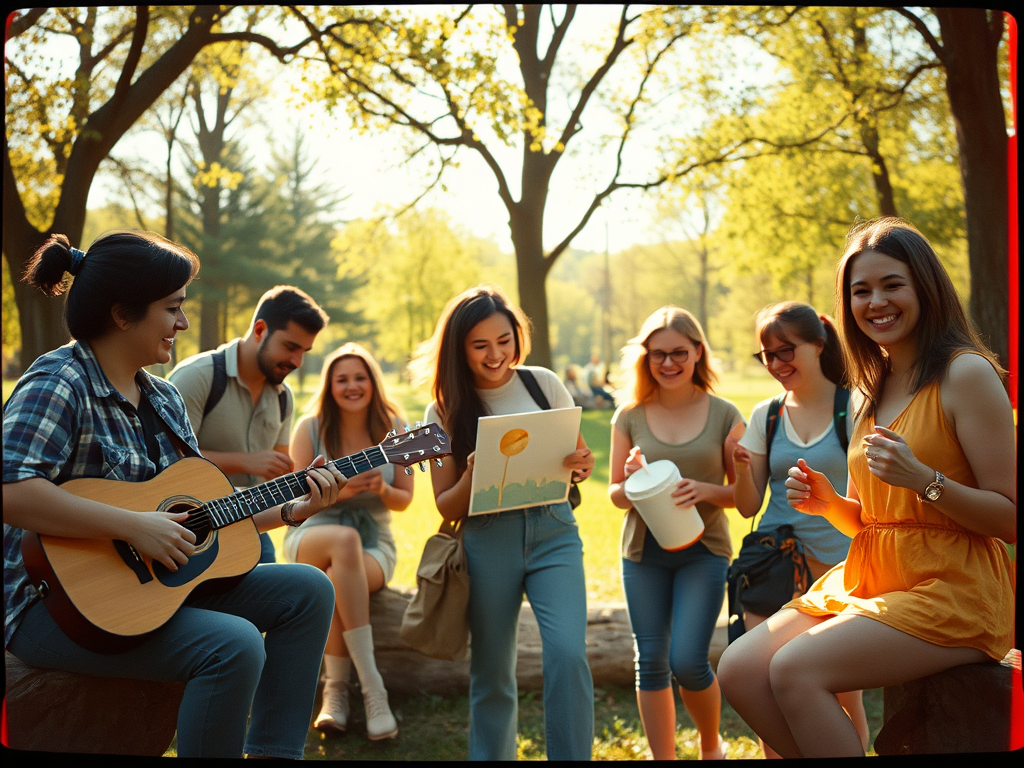
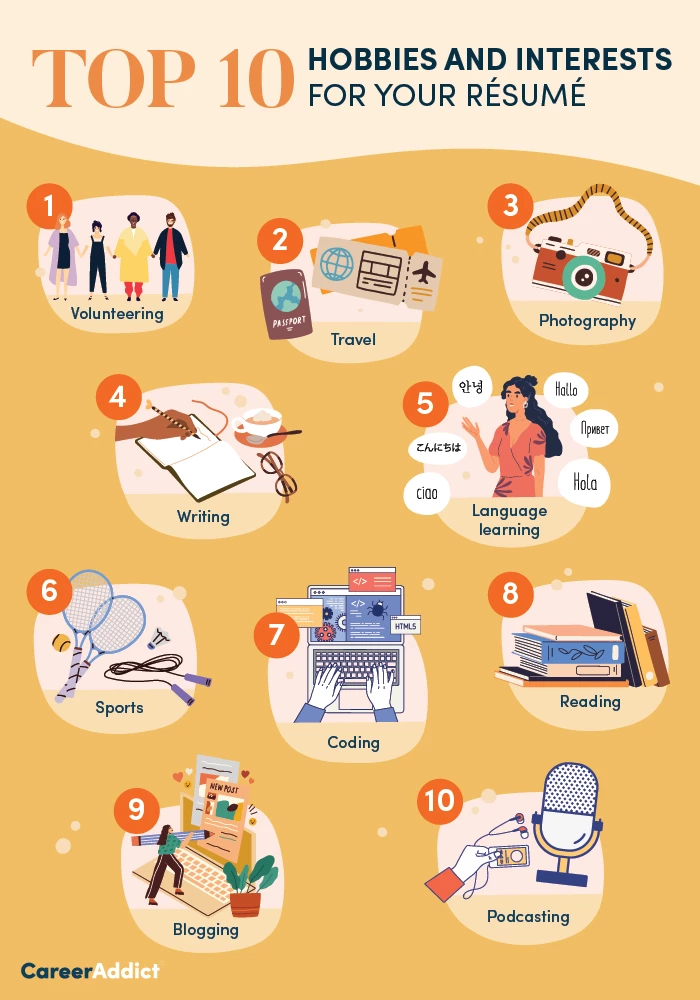
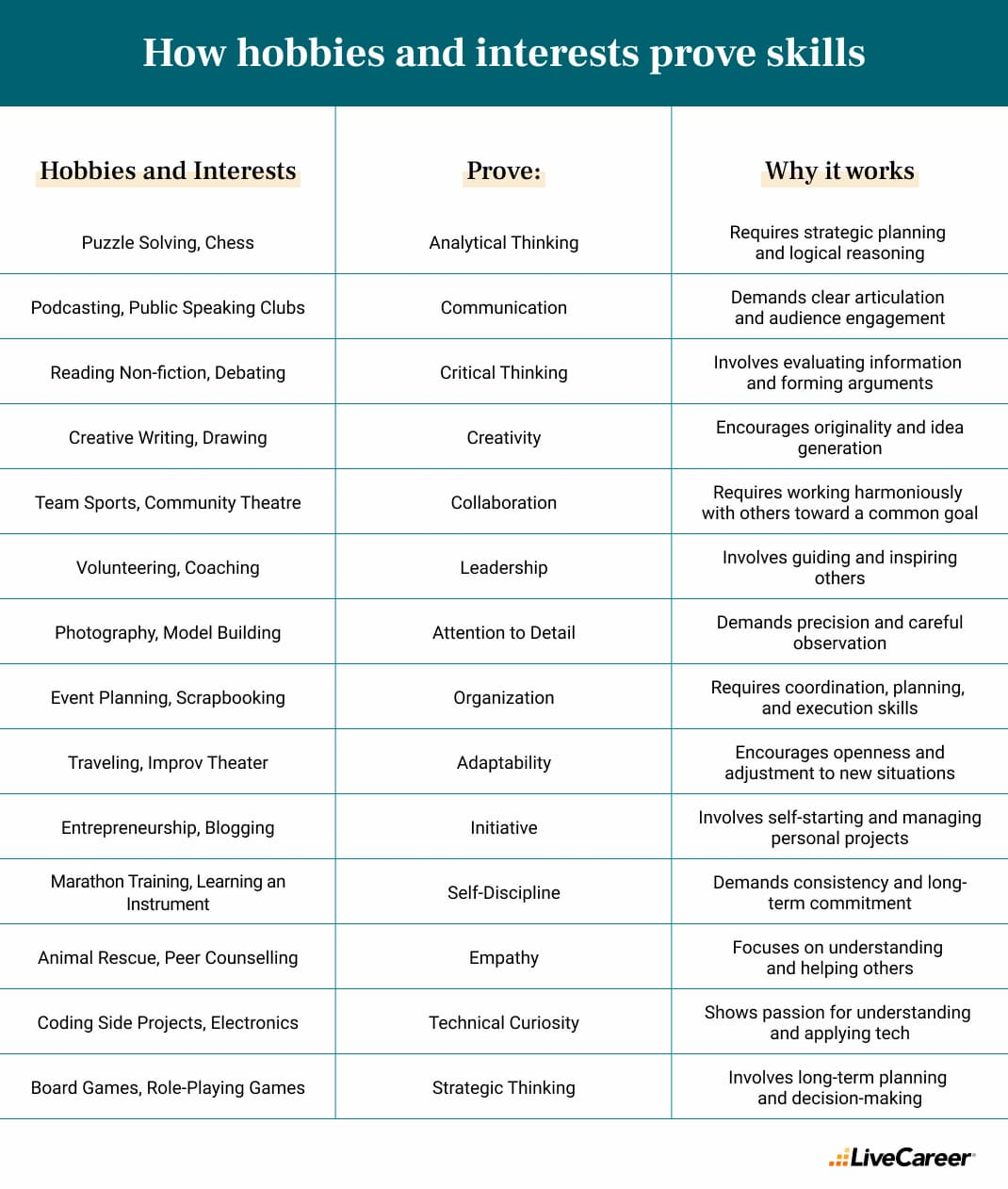
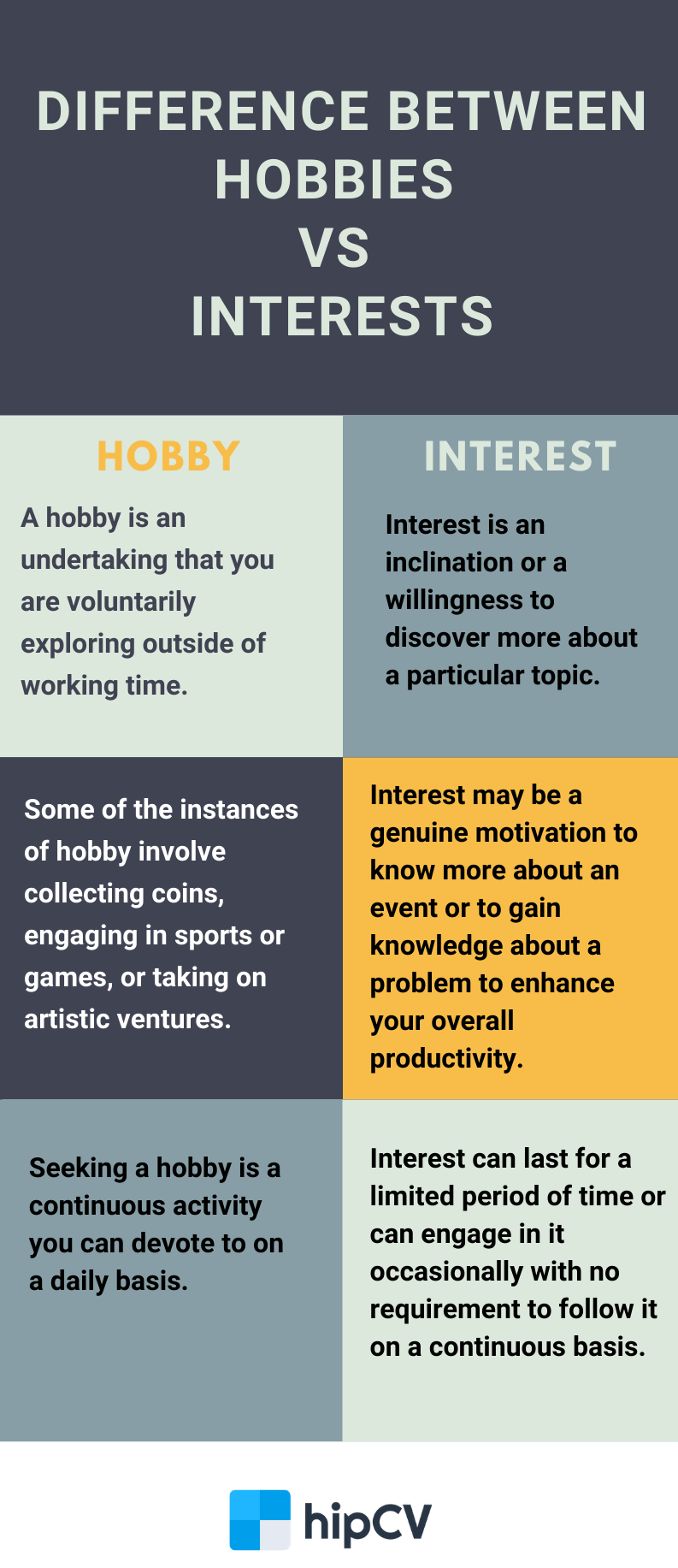
“Above average time spent on leisure activities, positively impacted people’s careers” the 2020 scientific study in the journal of vocational behaviour says so. Go ahead parents, educators and students, pick up that guitar, that ball, that writer’s pen, that paint brush, those hiking boots, those books…. that are waiting for you to find time, find leisure, find opportunity from what your “career” is. Bring your whole self to your career and hobby, and enjoy life with enriched moments.
This is a free newsletter. If you like my content, please subscribe by entering your email address here.
Three Images of the Week
Two Thoughts of the Week
“Music was never just a hobby for me. I’d pick up a guitar every day to work on whatever I was writing at the time. I would put my ideas in songs the way some people might put them in diaries or journals. “Tracy Chapman
“When you meet someone, ask about what hobby they have, not what they do. People always ask me about cooking, but I prefer to talk about tennis or boxing.” Wolfgang Puck
One Video of the Week
The Remarkable Impact of Hobbies on Career | Karen McFarlane Holman, Ph.D. |
We are masters of feeling guilty every time we get distracted by our hobbies when we feel like we should be working. But what if our hobbies are actually enhancing our careers? Bolstered by a recent scientific study, scientist and punk rocker Karen McFarlane Holman proposes a way for us to quickly dispel guilt and identify our strengths that we may not have recognized before. Karen McFarlane Holman, Ph.D. is a chemistry professor at Willamette University and is the Founder and Director of Science Rockstar Kids, a unique online program that offers interactive online science explorations for elementary school-aged children.
As a recipient of the Carnegie Foundation Professor of the Year award, Karen has been inspiring and empowering tens of thousands of budding scientists for 30 years through her classroom and online teaching, science camps for girls in Saudi Arabia, laboratory research mentorship, a scientific TEDx talk, and 26 book chapters and articles. As Founder and CEO of Punk Rock Professor, LLC, her current mission is to use creativity and connection in a variety of accessible platforms to inspire kids and adults to follow their curiosity of the world around us. Karen’s dedication to empowering unheard voices extends into music as a punk rocker, having performed on hundreds of stages for over three decades. She still plays in two actively performing bands, City of Pieces and Hot Sheets.
She is a podcaster, longtime radio programmer, and is the Founder of KMUZ-FM, the first community radio station in Salem, Oregon.
Reading with Ms. Meenu: Tip of the week
Happy New Year Readers!
As conversations about artificial intelligence become more common, researchers worry that increased reliance on AI would
weaken essential human cognitive skills such as critical thinking, memory, and deep concentration. While these concerns are worrisome, the question is not whether technology exists, but how we choose to engage with it.
Rather than replacing human thinking, we must intentionally strengthen it. This means creating spaces and habits that encourage reflection, curiosity, and sustained attention—skills that develop through active mental engagement. One powerful and accessible way to do this is through reading. Reading, especially when done thoughtfully and with discussion, exercises the brain in ways that quick digital interactions often do not. It requires focus, imagination, interpretation, and emotional understanding.
Why Talking About Stories Matters
At the library, reading is more than just turning pages—it’s about sharing ideas, asking questions, and making connections. One of the most powerful ways to support children’s reading development is through discussion while reading stories together.
When adults and children talk about a story as it unfolds, children understand it more deeply. Simple questions like “What do you think will happen next?” or “Why do you think the character feels that way?” help children make sense of the story and remember it better. These conversations turn reading into an active experience.
Story discussions also help build vocabulary and language skills. Talking about pictures, characters, and events introduces new words in a meaningful way. When adults explain unfamiliar words or expand on a child’s response, they are helping children grow as confident communicators—skills that support reading and writing later on.
Discussing stories helps children understand emotions, develop empathy, and see the world from different perspectives. When children connect a story to their own experiences, reading becomes more engaging and enjoyable.
Perhaps most importantly, discussion makes reading social. Sharing thoughts about a book builds connections between children and caregivers and creates a positive association with reading. At storytime or at home, these shared moments help children see reading as something fun, meaningful, and worth returning to again and again.
Next time when you read together, don’t worry about stopping to talk—those conversations are where the real learning happens.
Happy Reading!
Meenu Gera, Consulting home and school librarian reading guide.
I Think, I Wonder, I Ask
–Dr Shreelakshmi Subbaswami, Academic Director, Vijaya School Hassan, Karnataka
What Do You Do After School? On Weekends?
Recently, while engaging in conversations with students, parents, and educators, I asked a simple question: What are your hobbies? Most educators and parents struggled to answer, often responding with, “Oh, we don’t have time.” Only a handful of students could name something they genuinely enjoy— not for grades, not for medals, but purely for the joy of doing it.
What was particularly interesting was the parents’ response to after-school activities. Many parents spoke about enrolling their children in online maths or science classes. Some mentioned dance, drawing, or sports—but often with an underlying expectation of certificates, competitions, or measurable achievements. Rarely was the intention about joy, exploration, or emotional release. Students, on the other hand, shared a different reality. “We don’t have time,” some said. Others spoke about constantly moving from one class to another, juggling expectations and packed schedules. It made me pause and ask: how did we reach a place where hobbies feel like a luxury—or worse, a distraction?
I believe developing a mindset that values hobbies during the foundational years matters deeply. Hobbies may change with age—and that is natural. But having something that adds flavour to life, nurtures curiosity, and offers joy can shape resilience, creativity, and bring balance well into adulthood.
Three questions for you…
- What hobby did you once love—and when did you stop making time for it?
- What message are we sending children when every activity must yield an outcome?
- How can schools and families protect unstructured, joyful time?
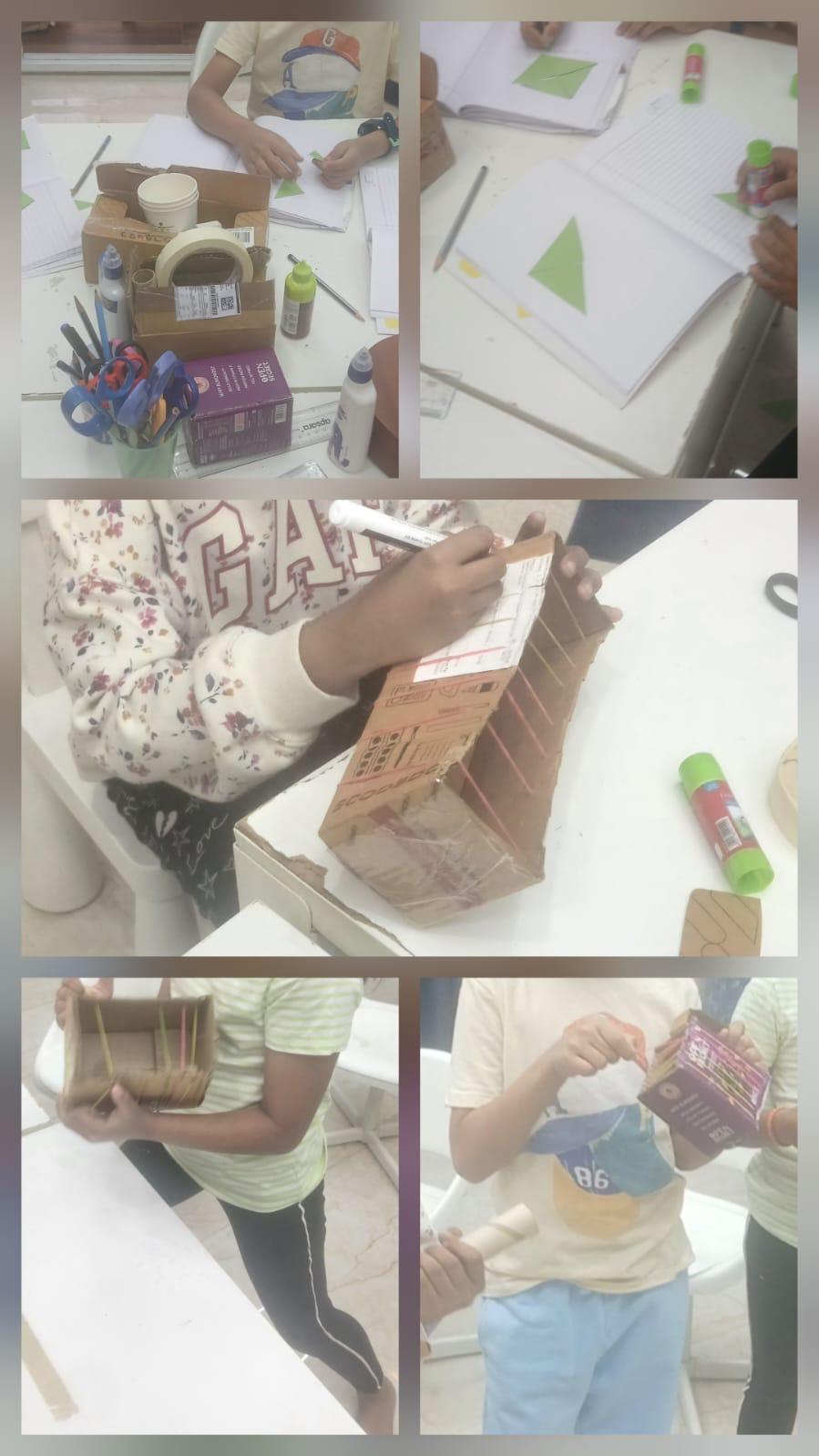
Showcase: Thrive Beyond School – A unique STEAM education project for very young learners.
– Pooja Khatter, facilitator, Thrive
During the class, children learned that math is connected to music and the world around them. They understood that longer and shorter strings make different sounds, with shorter strings making higher sounds and longer strings making lower sounds. Through number patterns and clapping, they learned that numbers can form patterns just like musical rhythms. While exploring shapes, they understood that shapes have different sides and help us measure and understand size and length. They also learned that four triangles can be joined together to make a square. By creating their own sound patterns, children discovered that numbers, shapes, and music are all connected, making math fun and meaningful. Neev,Mayra & Havishka: 7.5 years old
Dear reader,
I work with the school leadership team as an advisor and collaborate with teachers as a pedagogical trainer for whole school development. I also help parents as a parenting counselor and regularly engage one-on-one with students as a personal guide and mentor. This weekly newsletter shares what I read, learn, and experience.
3-2-1 Tuesdays with Ms. Niv is a newsletter you can subscribe to and enjoy your learning journey with me.
 Nivedita Mukerjee