Nivedita Mukerjee
Education consultancy for parents and schools
3-2-1 Tuesdays with Ms Niv

Issue #290, 20th January 2026
Am I consistently getting enough sleep and arriving prepared? Do I have a dedicated time and place for homework and studying? Am I balancing school with breaks and activities I enjoy? Yes/No questions for a student;
Have I established predictable classroom procedures that students understand?Am I managing my time so I’m not constantly overwhelmed?Do I build in regular moments to check student understanding and adjust accordingly? Yes/No questions for a teacher.
Do I build in regular moments to check student understanding and adjust accordingly?Am I staying informed and connected without being overbearing?Are we making time for both responsibilities and family connection? Yes/No questions for a parent.
Its a brand new year, and here’s a checklist of 3 questions for you. A quick check if your routine is helpful to you in your role as a student/teacher/parent. Did it help?
This is a free newsletter. If you like my content, please subscribe by entering your email address here.
Three Images of the Week
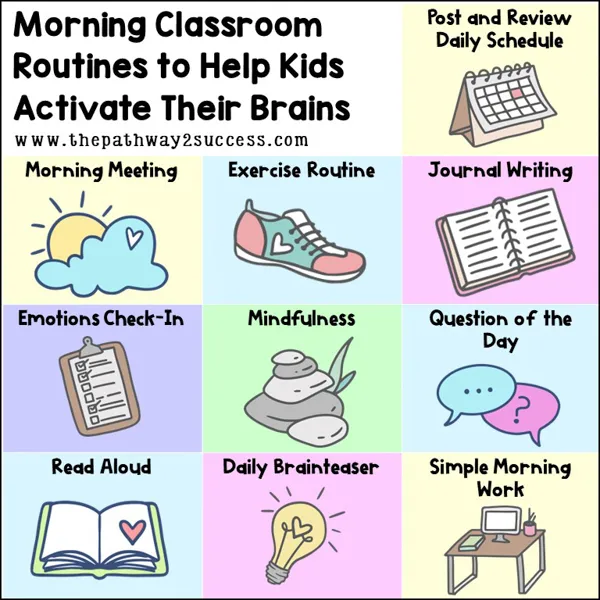
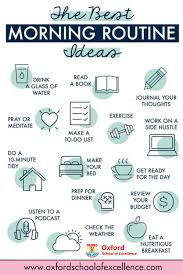
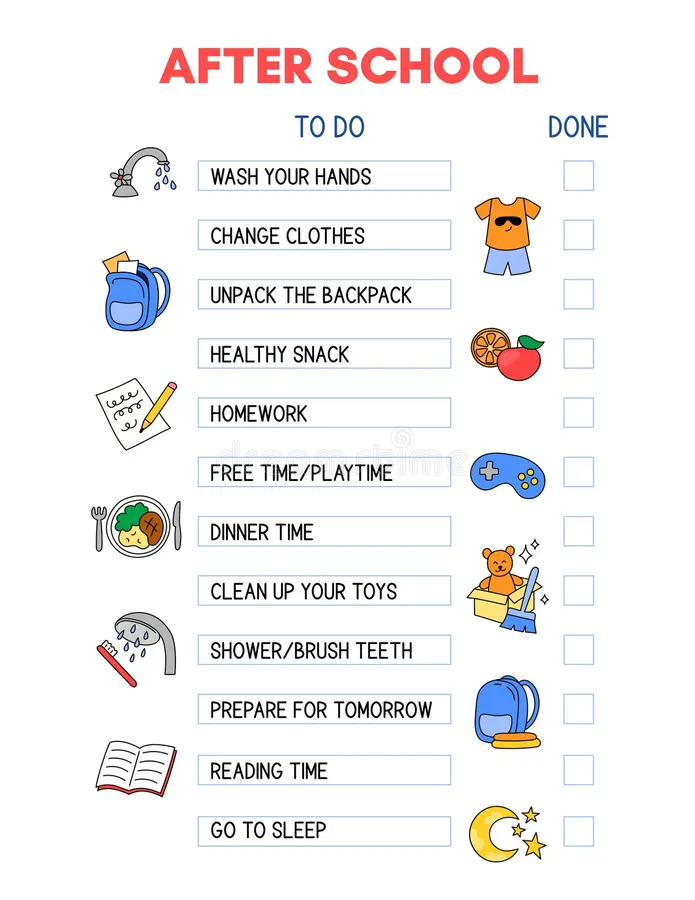
Two Thoughts of the Week
“The secret of your future is hidden in your daily routine.” Mike Murdock
“When I trained for ‘Creed,’ I had about a year in advance to know what I was doing before. So I lived like a fighter, you know? I went through the workout routine, the diet, training with real boxers, training with real trainers, did the whole thing.” Michael B. Jordan
One Video of the Week
Is there something you’ve always meant to do, wanted to do, but just … haven’t? Matt Cutts suggests: Try it for 30 days. This short, lighthearted talk offers a neat way to think about setting and achieving goals. Talk by Matt Cutts.
Reading with Ms. Meenu: Tip of the week
Reading Routine vs. No Routine: Why a Simple Reading Schedule Can Change EverythingIf you’re a parent who wants to read more with your child—but it keeps slipping through the cracks—you’re not alone. Most families aren’t skipping reading because they don’t care. It’s usually because the day gets messy: dinner runs late, homework takes over, screens sneak in, and everyone’s tired. Here’s the good news: you don’t need a perfect “Pinterest” routine. You just need something predictable enough that your child starts expecting it—like brushing teeth.Let’s break down what’s different when families have a reading routine vs. when reading is random and “only when we can.”What counts as a reading routine?A reading routine is simply:A consistent time or trigger (after bath, after dinner, right after daycare, before bed, etc.)Most days of the weekShort and doablePositive (no pressure to “teach” or quiz)A routine isn’t about being strict—it’s about making reading automatic. Parents with a reading routine: what it looks like at home. When reading is part of the day, kids often:1) Hear more words (without you trying) :Consistent reading naturally increases how much language kids absorb—new vocabulary, sentence structure, and storytelling patterns. Over time, that adds up.2) Build attention and comprehension more steadily:Routine reading gives kids repeated practice sitting with a story, following a sequence, and making sense of what’s happening.3) Feel calmer (especially at bedtime):Reading can become a “wind-down cue.” If your child knows, “After pajamas we read,” bedtime often becomes less of a negotiation.4) Associate books with comfort and connection:Routine reading becomes “our thing.” Kids remember the closeness more than the lesson.5) Ask for reading on their own:This is magic. When reading is consistent, many kids start requesting it—because it’s familiar and enjoyable.Parents without a reading schedule: what tends to happenWhen reading is occasional, families often see these patterns:1) Reading gets bumped easily:It competes with screens, chores, and late nights. And because there’s no set time, it’s easy to postpone: “We’ll do it tomorrow.”2) It can feel like a chore:Instead of being a cozy habit, reading becomes something you feel guilty about—like another item on the to-do list.3) Kids aren’t sure what to expect:If reading happens randomly, children don’t build that “this is part of my day” expectation. So, they’re less likely to request it.4) It often happens only when kids are already overtired:Then reading gets associated with meltdowns or rushing—which makes everyone less excited next time.The truth: consistency beats durationA lot of parents think reading “counts” only if it’s 20–30 minutes.But most families do better with something like:5–10 minutes4–6 days/weekSame trigger every timeSo even if you skipped one day don’t get disappointed just re-start the reading routine the next day.
Happy Reading!
Meenu GeraConsulting home and school librarian reading guide
Dear reader,
I work with the school leadership team as an advisor and collaborate with teachers as a pedagogical trainer for whole school development. I also help parents as a parenting counselor and regularly engage one-on-one with students as a personal guide and mentor. This weekly newsletter shares what I read, learn, and experience.
3-2-1 Tuesdays with Ms. Niv is a newsletter you can subscribe to and enjoy your learning journey with me.
 Nivedita Mukerjee