Nivedita Mukerjee
Education consultancy for parents and schools
3-2-1 Tuesdays with Ms Niv

Issue #291, 27th January 2026
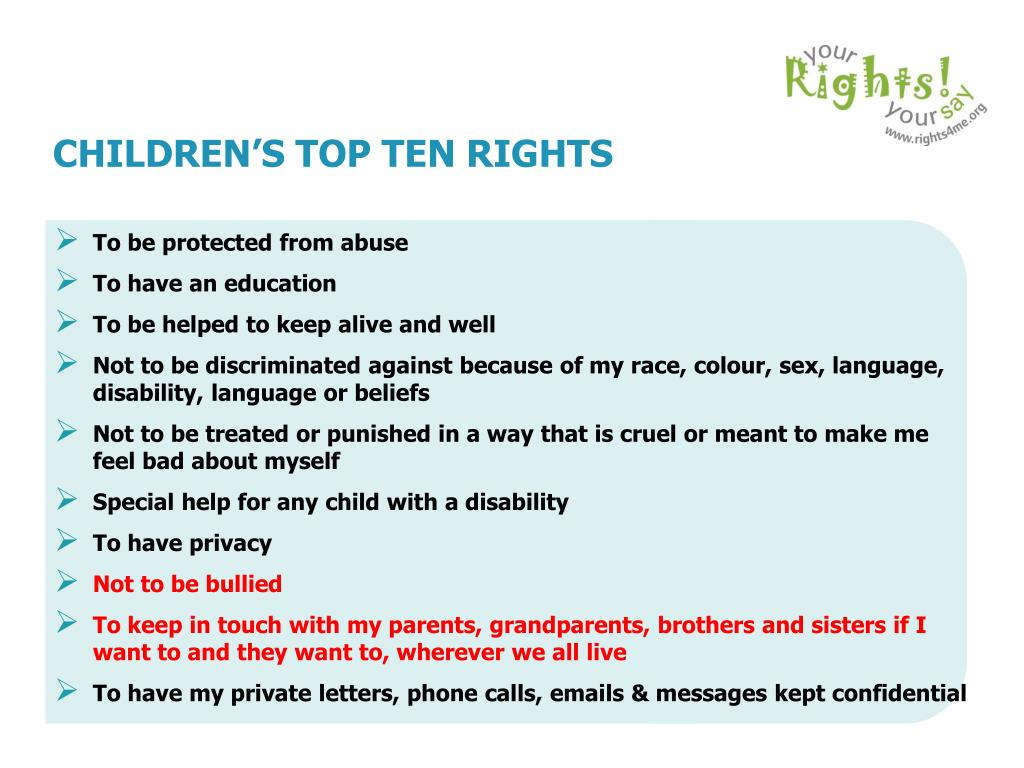
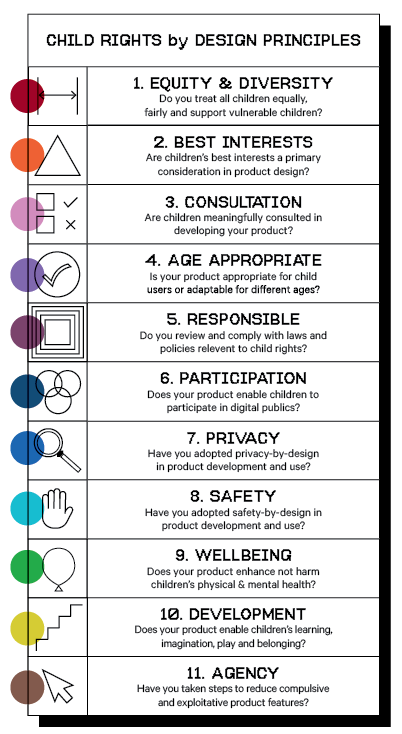
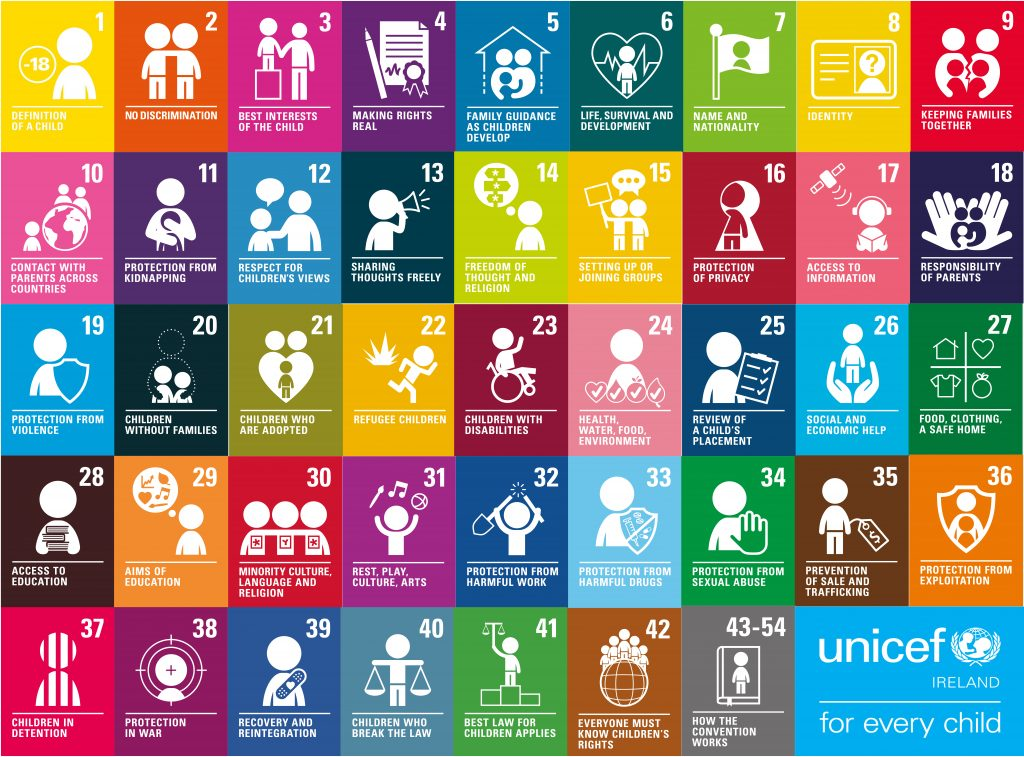
“Can every child in our school freely express their thoughts, concerns, and experiences without fear?”
“What barriers exist—visible or invisible—that prevent any child from fully accessing education, safety, and dignity here?”
“If I were a vulnerable child in this school—one who is struggling, different, or without strong adult advocates—how would my daily experience feel?”
Happy Republic Day fellow educators. Here are 3 questions for us to reflect as we celebrate the 77th year of our large and unique democracy.
This is a free newsletter. If you like my content, please subscribe by entering your email address here.
Three Images of the Week
Two Thoughts of the Week
“It takes a whole village to raise a child.”
African Proverb
“There is no trust more sacred than the one the world holds with children. There is no duty more important than ensuring that their rights are respected, that their welfare is protected, that their lives are free from fear and want and that they grow up in peace.”
Kofi A. Annan, UN Secretary-General
One Video of the Week
Movement for Children’s rights and to bring positive changes in the society through her hard work and determination with the help of UNICEF. Sandhya Kiran Saroj is a young and dynamic student, an aspiring doctor and the Prime Minister of Young Advocates for Social Harmony (YASH), a Children’s Parliament that aims to implement Sustainable Development Goals. YASH aims at effectively executing the rights provided to children in India. She is aligned to YASH’s goal of creating a pilot group of empowered advocates from vulnerable communities of neighborhoods in Delhi and Suburban Mumbai for active engagement in local, global & child rights earth rights issues. She hopes to bring about positive changes in the system and in our society through her work and is grateful for the support of UNICEF and PRATYeK.
Reading with Ms. Meenu: Tip of the week
Reading Strategies for Young Adults: Building Skills for Deeper Understanding and Lifelong Learning
Reading is a critical skill for young adults, supporting academic success, personal growth, and independent thinking. As texts become more complex in middle school, high school, and beyond, young readers benefit from intentional strategies that help them engage deeply, understand meaning, and stay motivated. Effective reading strategies empower young adults to move beyond surface-level reading and become confident, thoughtful readers.
One important strategy is active reading. Encouraging young adults to annotate texts—by highlighting key ideas, jotting notes in the margins, or recording questions—helps them stay focused and process information more deeply. Pausing to summarize sections in their own words strengthens comprehension and memory.
Another essential approach is purpose-driven reading. Before beginning a text, young readers should ask: Why am I reading this?Whether the goal is to analyze an argument, understand a theme, or gather information, having a clear purpose guides attention and improves retention. Previewing headings, introductions, and conclusions also helps readers anticipate content and structure.
Building vocabulary through context is especially important at this stage. Young adults encounter increasingly sophisticated language, and learning to infer meaning from context, word parts, or surrounding sentences supports fluency without interrupting reading flow.
Discussion and reflection play a powerful role in comprehension. Talking about what they read—through book clubs, classroom discussions, or informal conversations—allows young adults to test ideas, hear different perspectives, and refine their understanding. Reflection questions such as What surprised me?, What connections can I make?, or Do I agree with the author? encourage critical thinking.
Finally, choice and consistency matter. When young adults have access to reading materials that reflect their interests, identities, and goals, reading becomes more engaging and meaningful. Establishing a regular reading routine—whether for school, pleasure, or personal growth—helps build stamina and confidence over time.
By combining purposeful strategies with supportive environments at home, school, and in libraries, young adults can develop strong reading habits that foster comprehension, critical thinking, and a lasting love of learning. Here is a list of some YA novels trending these days.
- The Hate You Give by Angie Thomas.
- A Good Girl’s Guide to Murder by Holly Jackson
- One of us is Lying by Karen M. McManus
- The Inheritance Games by Jennifer Lynn Barnes
- Children of Blood and Bone by Tomi Adeyemi
- The Raven Boys series by Maggie Stiefvater
Happy Reading!
Meenu Gera Consulting home and school librarian reading guide
Career assessment, guidance, and placement strategies:
Summer Immersion Program, Flame University
As quoted on the website, ‘ The FLAME University Summer Immersion Program (FUSIP) 2026 offers an opportunity for high school students to gain a first-hand understanding of liberal education. The curriculum is interdisciplinary and delivered in a framework that embraces the spirit of liberal education at FLAME University – an essence that places special emphasis on critical thinking, experiential learning, and engagement with diverse ideas and perspectives while inculcating the values of leadership, teamwork, and effective communication.’
Here’s a list of engaging, fulfilling, and learner-centric programs offered by Flame University:
- Entrepreneurship Lab
- Media Literacy
- Acting Basics
- Hit the Road – A Financial Adventure
- The exciting world of Data Visualization
- Cracking the Code: An Exploration into the Key Ideas in Computer Science
- Rise of the Machines: Artificial Intelligence and Generative AI
- Marketing Essentials
- Climate Change and Pandemics – Converging Threats
- Philosophy in Everyday Life
- Introduction to Literary and Cultural Studies
- The Fast and Fun Way to Learn German
- Calligraphy
- The Psychology of Colour
- ThinkLab
- Film Appreciation and Film Making
- Rural Immersion
- Dance Mystique
To know more, please visit: https://www.flame.edu.in/academics/summer-immersion-program/courses-offered
Fermata Career Solutions inspires young individuals aged 13 to 30 to unlock their potential through focused and customised career and college counseling. With expertise in University Readiness, CareerGym, and Master Parenting, the experts empower you to pursue your dreams and shape your future with confidence. More about us on www.fermataco.com
Showcase: Thrive Beyond School – A unique STEAM education project for very young learners.
– Pooja Khatter, facilitator, Thrive
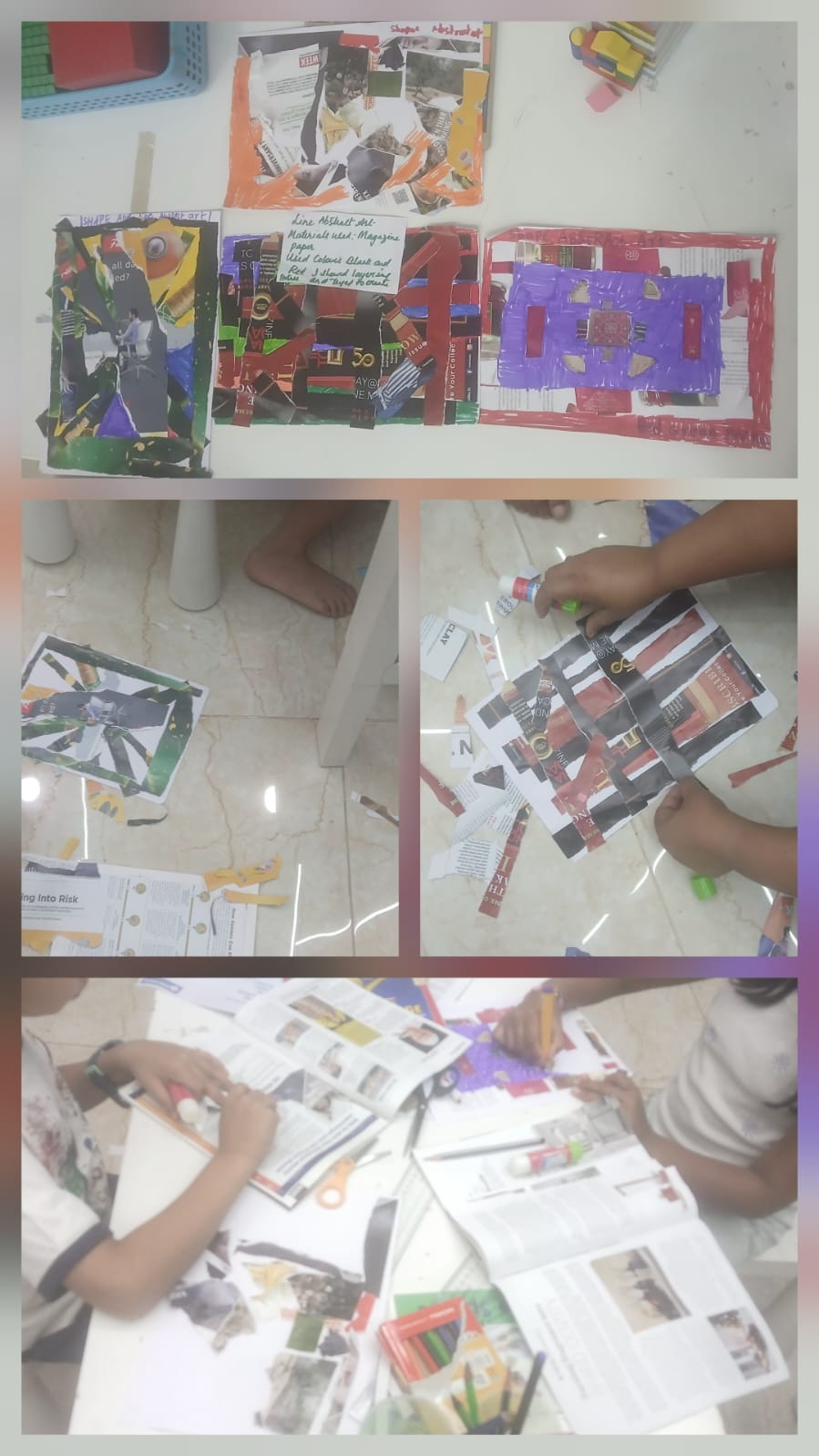
The class started with a discussion on classification. The children shared what classification meant to them in their own words. Mayra said it means segregating, Samyuktha said sorting, and Neev said grouping. Later, the children sorted pictures using their own ideas. Samyuktha grouped animals, Neev sorted by colours, and Mayra grouped food items, showing their understanding of classification.
Abstract art was then introduced using learning resources and real abstract artwork displayed on the wall. The children understood that abstract art is about making patterns and not drawing real-life scenes. They created their own abstract classification artwork using shapes, lines, colours, and patterns. The children used old magazines to create their artwork and showed creativity and interest throughout the activity. Samyuktha: 7.9 years old. Neev & Mayra: 7.5 years old
Dear reader,
I work with the school leadership team as an advisor and collaborate with teachers as a pedagogical trainer. I also help parents as a parenting counselor and regularly engage one-on-one with students as a personal guide and mentor. This weekly newsletter shares what I read, learn, and experience.
3-2-1 Tuesdays with Ms. Niv is a newsletter you can subscribe to and enjoy your learning journey with me.
 Nivedita Mukerjee