Nivedita Mukerjee
Education consultancy for parents and schools
3-2-1 Tuesdays with Ms. Niv
Issue #300, 31st March 2026
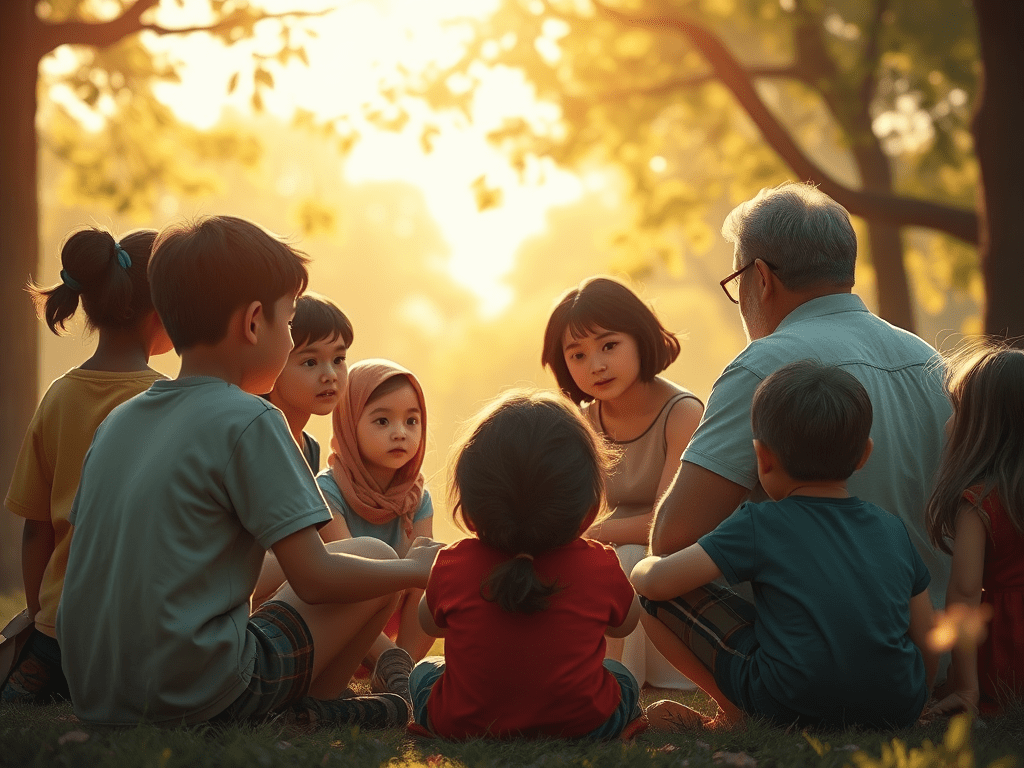
Most vulnerable members of our society are at utmost risk and are suffering. Educators, parents, please teach empathy, love, care even more as war rages around us. Fear of loss, of scarcity, of hopelessness, of uncertainty can be overwhelming for adults, and most definitely for children.
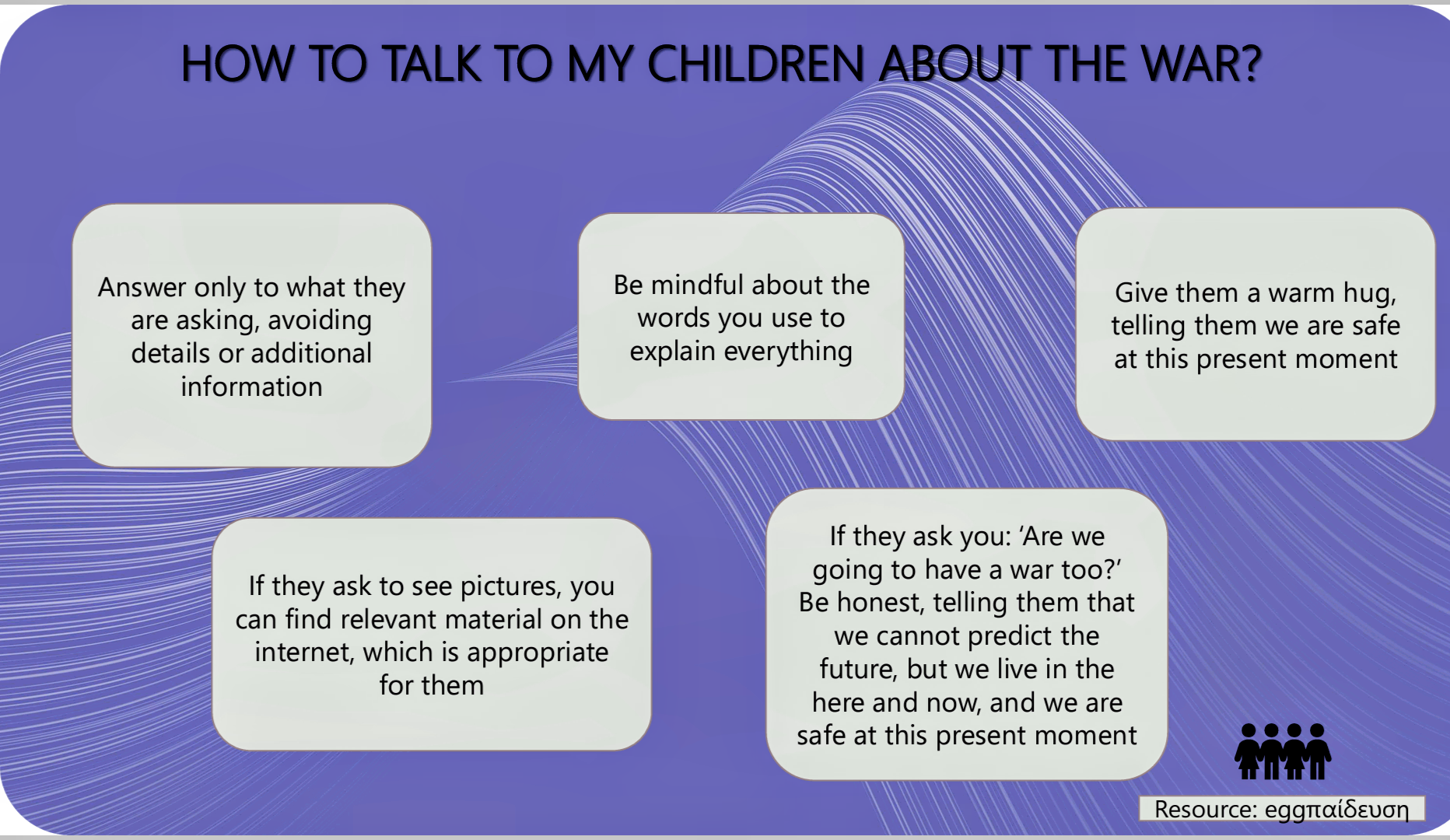
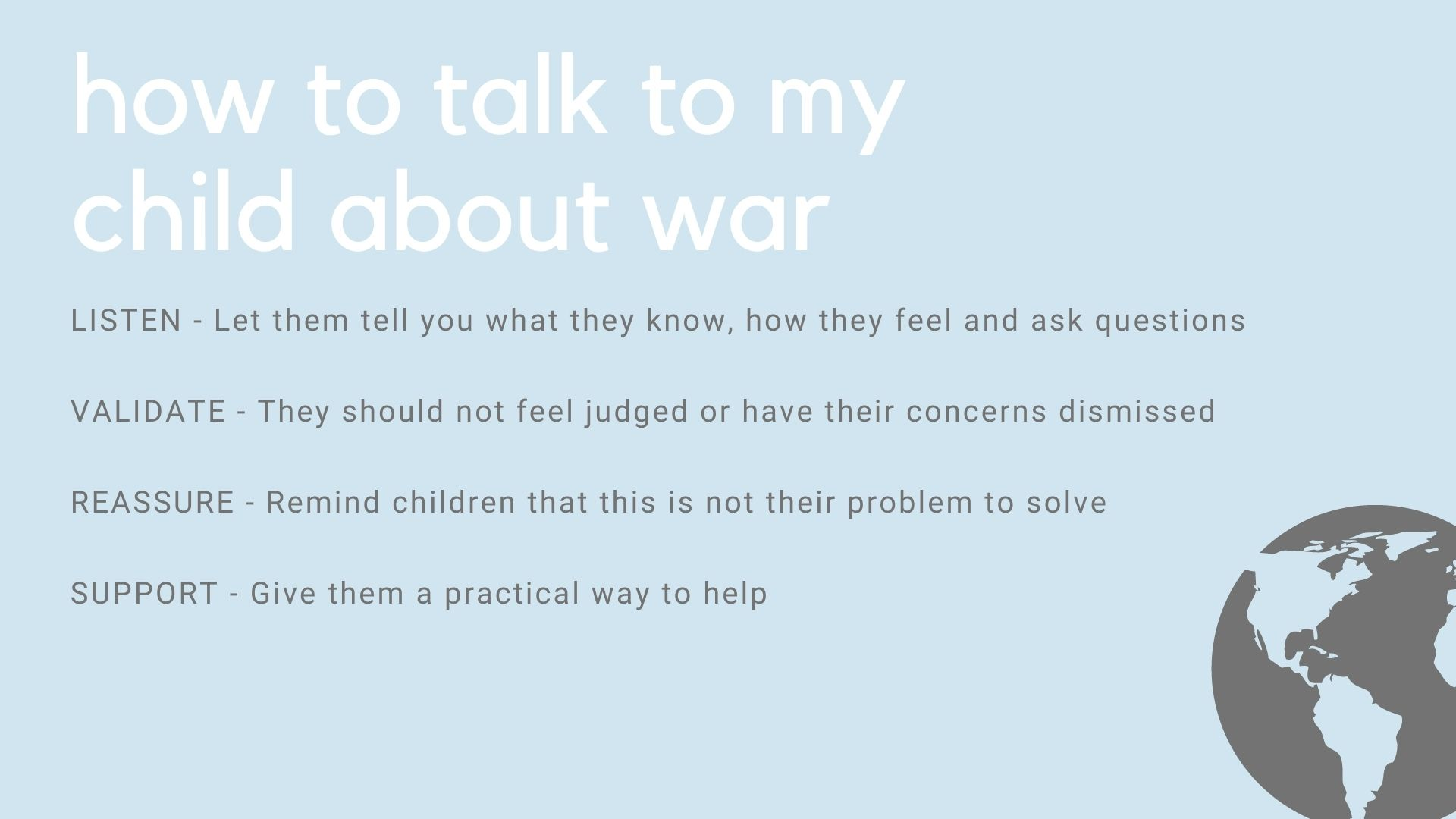
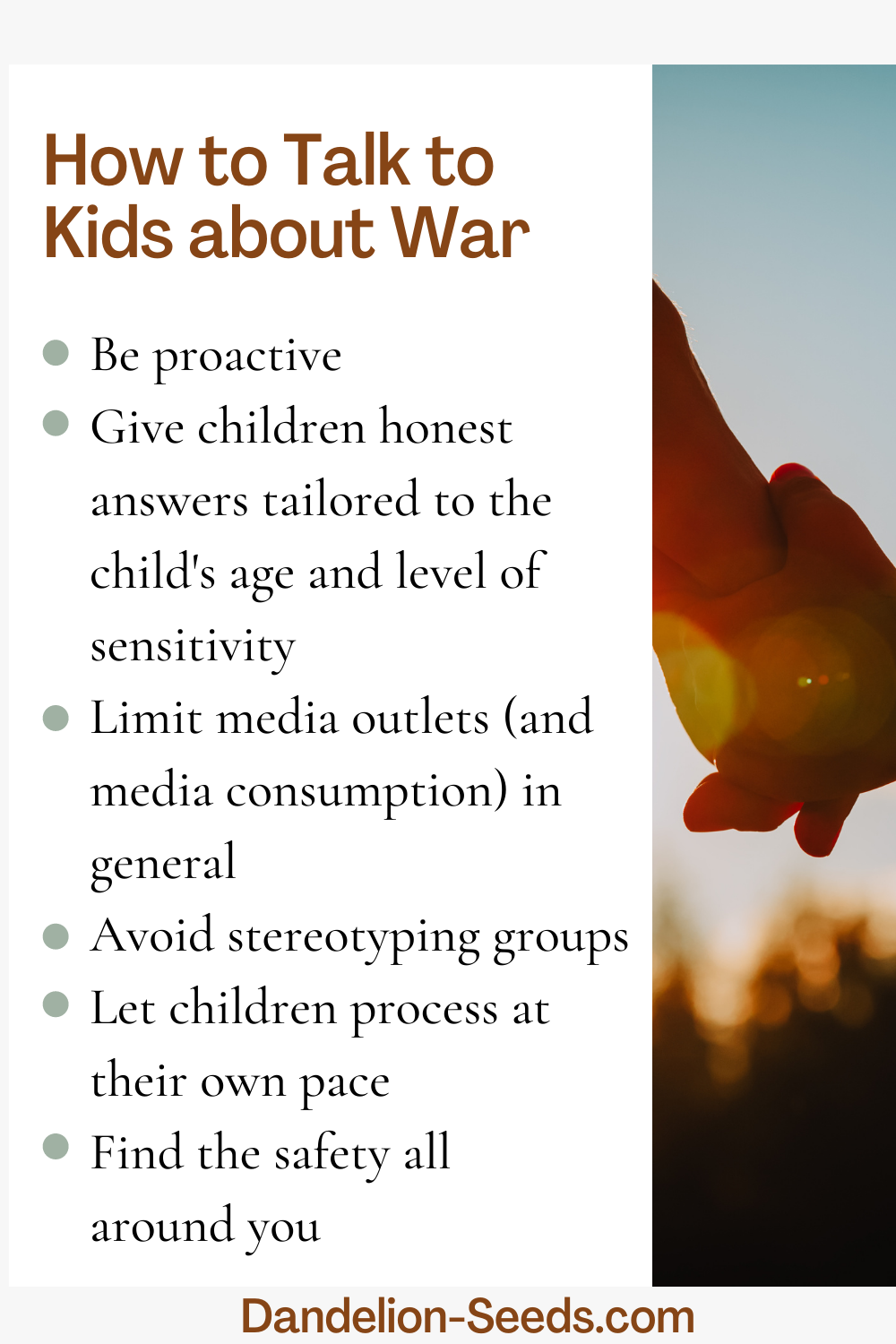
How to talk about war with children? how to discuss hope with students?
This is a free newsletter for parents, educators, and students. If you like my content, please subscribe by entering your email address here.
Three Images of the Week
Two Thoughts of the Week
“War is only an invention, not a biological necessity.” – Margaret Mead (Anthropologist, 1901 – 1978, USA)
“War is an invention of the human mind. The human mind can invent peace.” – Norman Cousins (Journalist, writer, activist, 1915 – 1990, USA)
One Video of the Week
War and Children – The Impact of Wars on The Future of Tomorrow Ms Akanksha Sharma is a passionate educator with over five years of teaching experience across edtech platforms, NGOs, and traditional schools. Whether online or offline, her mission has always been to make learning engaging, inclusive, and meaningful. Known for her creative approach in the classroom, she thrives on connecting with students and adapting to their individual needs.
A devoted reader and writer, Aakanksha channels her curiosity into reflection and growth. She brings thoughtful insight and energy to every conversation, committed to lifelong learning and impactful dialogue.
Reading with Ms. Meenu: Tip of the week
Start Reading to Infants
Have you ever read to your three months old infant? Well, that doesn’t sound realistic. A three-month-old baby can’t understand words in the same way older children do, nor can they focus on a storyline. So why reading aloud in infancy is so valuable.
Researchers have proved that babies can speak, listen and absorb the sounds, rhythms and warmth of words and language. Reading brings is all at once. It creates a nurturing connection and creates development from the very beginning. Let’s make reading a miracle and a pillar of parenthood. Starting with reading little board books over and over would feel like comfort and a deep bond.
When parents read to their babies, those rhythms and lullabies become the power of words in a child’s ears. This is how words nourish love and care. When the infant hears the rise and fall of the voices and notices facial expressions, these early experiences help them strengthen their language development, listening skills and even emotional bonding.
Reading to infants does not need to be formal or lengthy. A few minutes at a time is enough. Parents can choose a book with simple pictures and rhythmic text. Repetitive text makes it more fun for them!
At this age, keep your focus more towards enjoying the interaction rather than finishing the whole book. These early reading routines may seem small, but they play an important role in their cognitive development.
Reading to a three-month-old baby is not early at all. In fact, it is one of the most beautiful ways to start building your child’s relationship with words, stories, language and especially with YOU.
Start reading today!
For more information please visit: placealibrary.ca
Happy Reading!
– Meenu Gera Consulting home and school librarian, a reading guide
I Think, I Wonder, I Ask
–Dr. Shreelakshmi Subbaswami, Academic Director, Vijaya School, Hassan, Karnataka
Do Our Schools Truly Belong to Our Children?
We often say school is a child’s second home. But what makes it feel like one?
Belonging is built through people, spaces, routines, and the curriculum we design. It shows up in the small things. In what children see on the walls, in whose stories are told, in how they are spoken to, and how they speak to each other.
The curriculum carries a huge responsibility. How much of it connects to the child’s world? Do children see themselves in what they learn, or are they constantly trying to fit into something that was never designed for them?
The spaces also play a major role. When we walk through a school, what do we really notice? Clean corridors and closed doors, or children’s thinking, questions, and expressions? Do the spaces reflect who our students are—their contexts, their interests, their aspirations, languages?
Belonging is not accidental, it requires conscious design because students are at the heart of the school system. The real work lies in creating a school where children can truly see themselves.
Three questions for you…
- What might we need to unlearn to make belonging more authentic?
- How does our curriculum reflect the lived realities and aspirations of our students?
- In what ways do our people, routines, and rituals nurture a sense of belonging?
From the Principal’s Desk
– Suchismita Ray Gupta, Head of School, Capstone High, Hoskote, Karnataka
Journey of our Crochet Club: Celebrating the Joy of Making
“Literacy is not the end of education or even the beginning. By education, I mean an all-round drawing out of the best in the child and man; body, mind, and spirit.” — Mahatma Gandhi
It all started with something simple—the ‘Crochet & Knitting’ club. There is a quiet joy in seeing a child wear a muffler or cap they’ve made with their own hands. When I visited, the room was alive, buzzing with chatter, laughter, and talk of small entrepreneurial crochet projects over summer. It was heart warming to watch Ms. Bhagya Rekha, the main facilitator of the club, beaming at her students’ progress. This warmth spreads quickly. Ms. Yamini, our primary coordinator, mentioned how students rush through lunch just to sit together and crochet toy animals. Even teachers have asked if they can have a Saturday workshop!
It got me thinking – what is it that is hooking the students and teachers to this craft? I realised that in an age of declining attention spans and endless screens, this craft offers a sanctuary of mindfulness and gives a sense of agency and purpose.
Vocational skills like knitting, sewing, baking, carpentery are not just hobbies but can plant the seeds of self-reliance and entrepreneurship too. As Gandhiji reminded us, true education is about drawing out the best in body, mind, and spirit in every child. Let us carry that spirit forward by supporting our children in these small beginnings, so they can build futures filled with purpose and self‑reliance.
Showcase: Thrive Beyond School – A unique STEAM education project for very young learners.
– Pooja Khatter, facilitator, Thrive, Hyderabad
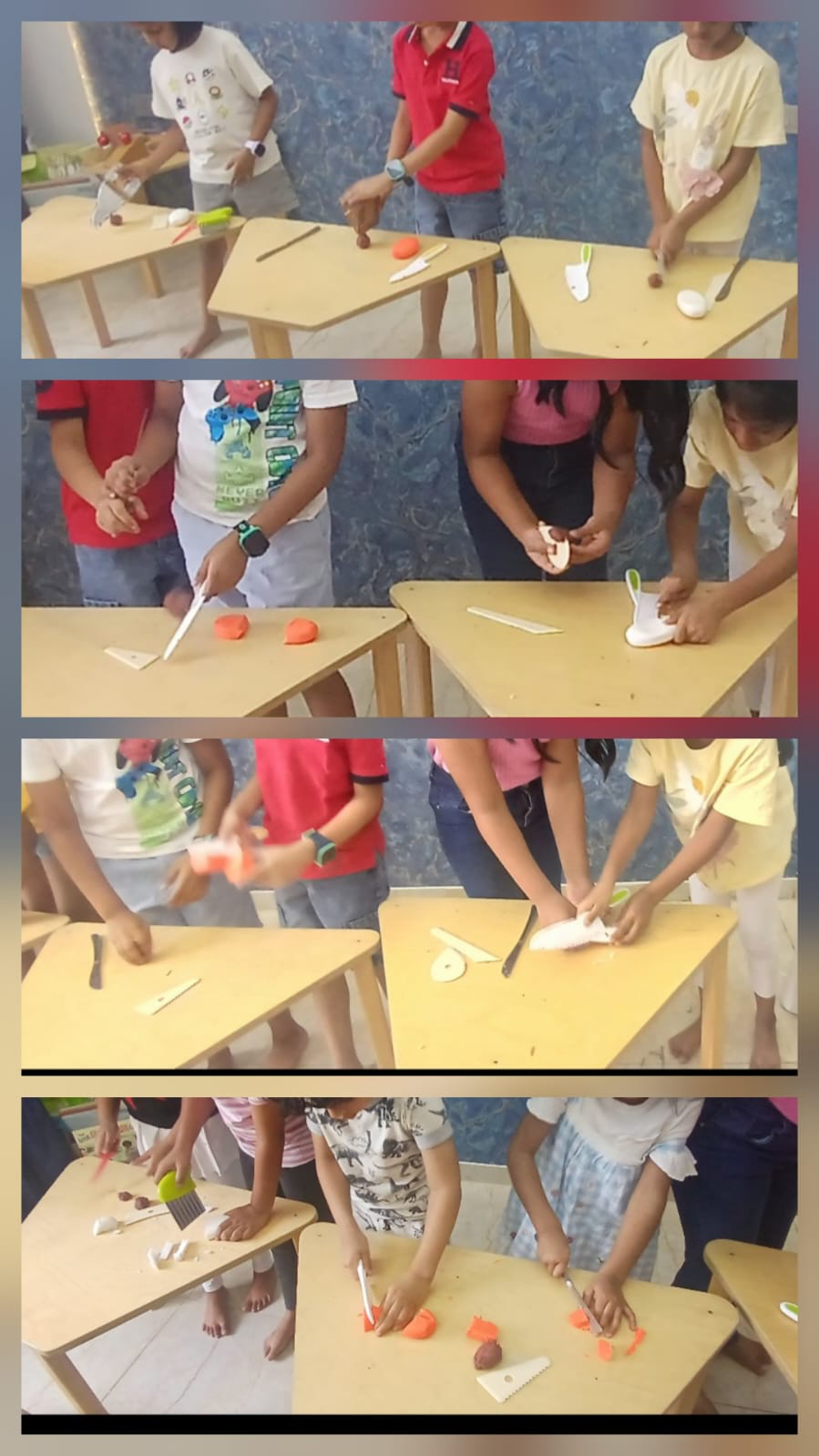
Exploring Wedges The class began by recalling simple machines like pulleys, wheels, axles, levers, and inclined planes, and children shared that all use effort and load.
Through discussion, they learned that a wedge is a simple machine used to split objects. During the demonstration, they observed that the clay moved apart when force was applied downward. They also noticed that a cylindrical stick did not split the clay easily, while a spatula split it well due to its sharp, thin edge.
In the activity, children compared wedges and found that the thin wedge was easier to push and split faster, while the thick wedge needed more effort. They described the feeling as easy and smooth with a thin wedge and hard with a thick wedge.
They connected their learning to real-life examples like knives, axes, teeth, and door stoppers. By the end, children were able to identify wedges and draw them, showing their understanding. Maira:6 years old Tara:6.9 months old Neev,Tashi,Yuvaan & Mayra: 7.7 years old.
Dear reader,
I work with the school leadership team as an advisor and collaborate with teachers as a pedagogical trainer. I also help parents as a parenting counselor and regularly engage one-on-one with students as a personal guide and mentor. This weekly newsletter shares what I read, learn, and experience.
3-2-1 Tuesdays with Ms. Niv is a newsletter you can subscribe to and enjoy your learning journey with me.
 Nivedita Mukerjee