Nivedita Mukerjee
Education consultancy for parents and schools
3-2-1 Tuesdays with Ms. Niv

Issue #301, 7th April 2026
Self-reflection is the ability of humans to examine their own thoughts and feelings. It includes the willingness to learn about their fundamental nature, purpose, and essence. Now, how often are we able to do that through the academic year? As the academic year 25-26 comes to a close, we need to plan for the next year of learning. Taking a deliberate pause to reflect on our teaching-learning practice is very meaningful. This applies whether as teacher-students in school or parent-child at home.
This is a free newsletter for parents, educators, and students. If you like my content, please subscribe by entering your email address here.
Three Images of the Week
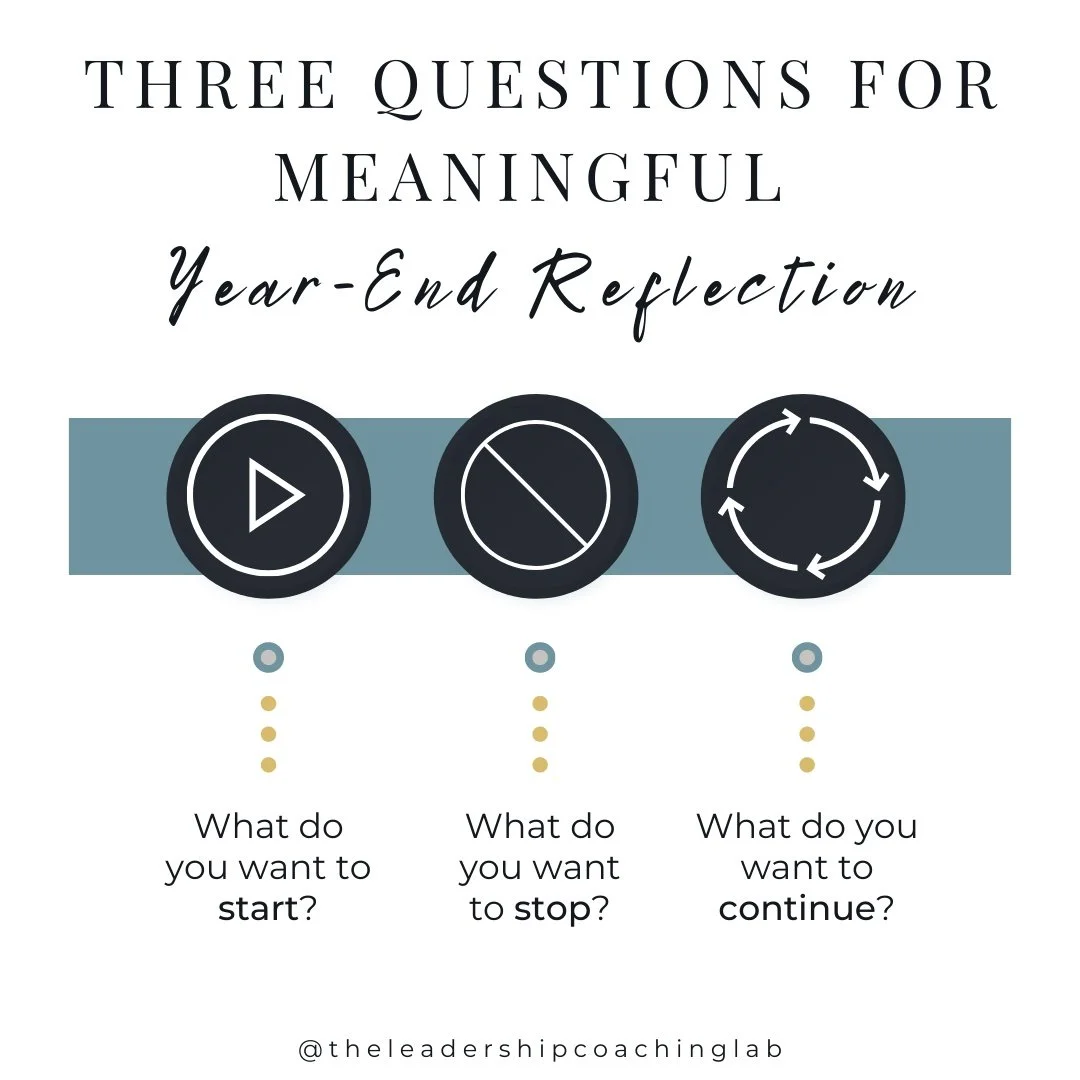
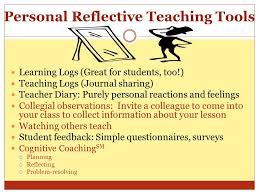
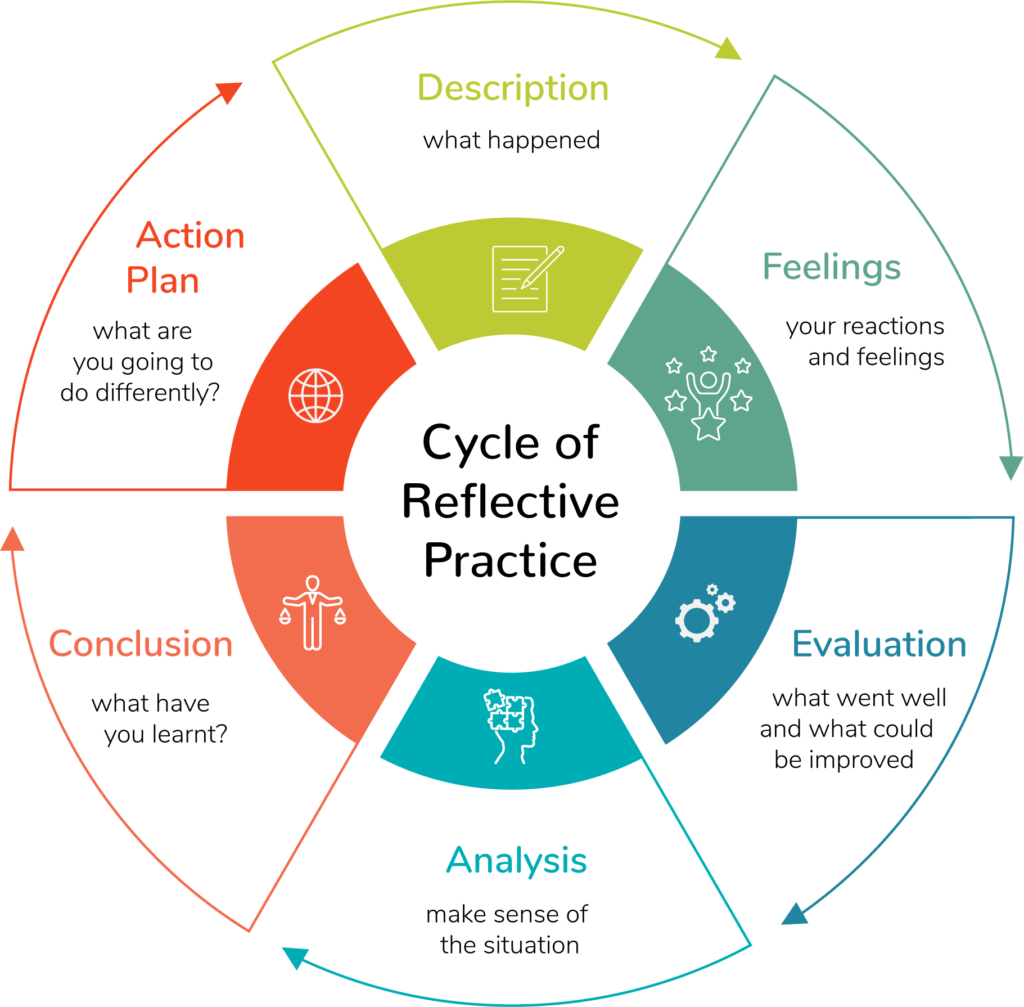
Two Thoughts of the Week
“In any subject, if you don’t feel that you don’t know enough, you don’t know enough.
Nassim Nicholas Taleb, The Bed of Procrustes: Philosophical and Practical Aphorisms
“Where is the wisdom we have lost in knowledge?
Where is the knowledge we have lost in information?”
T.S. Eliot, The Rock
One Video of the Week
James is a young man with wisdom beyond his years. When he isn’t looking at the broader picture, he is concerned with the day to day doings and habits of each one of us. In his thought-provoking speech he will talk about the value of self-reflection and how to break our auto-pilot governed lives for a deeper understanding of life.
Having grown up in a multicultural
environment and being ever-willing to
broaden his horizons, James is a person
with wisdom beyond his years. When he
isn’t looking at the broader picture, he is
concerned with the day to day doings and
habits of each one of us. In his speech he
will talk about the value of self-reflection
and how to break our auto-pilot governed
lives for a deeper understanding of life, and
will outline 4 life principles he has picked up
through hard-earned experience.
Reading with Ms. Meenu: Tip of the week
Culture of Reading Graphic Novels Vs. Reading Fiction Novels
The trend of reading Graphic Novels attracts readers more often as they are more visual, expressive and fast-paced, while a traditional novel is usually seen as text heavy, lengthy and time consuming.
These days culture of reading Graphic Novels attract readers quickly through:
· Visual storytelling
· Quicker engagement
· Great support for reluctant readers
· Strong appeal to younger audiences
Traditional novel reading is becoming less popular because it is just text heavy. But for avid readers it brings:
· Deeper focus
· Extended Imagination through text alone
· Detailed inner thoughts and descriptions
· Longer attention and sustained reading habits
How can we shift this culture of reading towards deeper and extended focused reading.
In this modern world of touch screens and phones we realize that these gadgets have affected us with less attention spans and minimum content reading. Many educators, parents and library professionals have noticed a decline in traditional reading habits. Even though both reading approaches encourage students to read, it is important to slowly transition their reading habits towards text heavy books. Following steps should make it an easy transition towards reading deeply.
Stay with the same Genre:
Move from graphic novels to prose books but try to stay with the same genre and theme of interest. A reader who likes fantasy, mystery, sports or friendship stories in graphic form would more likely try to read that same topic because it motivates them.
Use middle-step books:
It is recommended not to jump straight from highly visual books to dense classic novels. Introduce children to illustrated chapter books, short-chapter book series or novels in verse. This practice works the best when they are in junior grades.This gradual increase works better to keep them engaged.
Pair the two formats:
Read a graphic version and a prose version of the same story or read them side by side. This process would help them compare plot, characters and details while building comfort with longer passage of text.
Build Stamina:
Start with simple reading routines as:
· 15 minutes of graphic novel reading
· Then 10 minutes of prose reading
· Slowly increase the prose portion each week
It is highly recommended not to replace graphic novels; we use them as a bridge to text rich novels by matching interests, increasing text gradually and building confidence step by step.
Happy Reading!
– Meenu Gera Consulting home and school librarian, a reading guide; For more information please visit: placealibrary.ca
I Think, I Wonder, I Ask
–Dr. Shreelakshmi Subbaswami, Academic Director, Vijaya School, Hassan, Karnataka
Teachers in Reflection: Owning Their Learning Journey
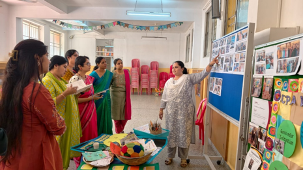
As we approach the close of an academic year, much of a teacher’s time goes into finalizing reports, documenting work, and planning for the year ahead. Yet, what truly supports a teacher’s growth is creating time and space for reflection.
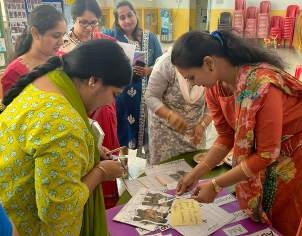
This year, we chose to make that reflection visible. We brought in a simple and familiar practice—Show and Tell—but this time, it was for teachers. One by one, teachers shared their teaching-learning journeys. They spoke about the strategies they tried, the outcomes they observed, the challenges they faced, and how they adapted. From class teachers to co-teachers, coordinators to admission counsellors, everyone was part of the process. There was a sense of authenticity in the room. Teachers spoke openly about what worked and what did not. There was vulnerability, but also pride in their effort and growth. Through this process, we began to see a shared language around curriculum and pedagogy emerge. It also helped us identify common gaps and areas to strengthen.
Interestingly, these conversations extended beyond classrooms. When the administrative team engaged in these reflections, there was a deeper understanding of the academic journey. It brought in a sense of alignment, continuity, and purpose, where each part of the system could see and appreciate the other.
This experience reaffirmed that teachers, like students, learn best through collaboration. When teachers reflect, discuss, and listen together, learning deepens. What began as an end-of-year activity became a starting point—helping us move forward with greater clarity and purpose.
Three questions for you…
- What practices in your school foster teachers’ learning and reflection?
- How often do we create intentional spaces for teachers to reflect and share their journeys?
- In what ways reflection can become a continuous culture rather than an end-of-year ritual?
From the Principal’s Desk
– Suchismita Ray Gupta, Head of School, Capstone High, Hoskote, Karnataka
Solving the Problem of Maria: Why We Misunderstand the Middle Schooler
Whenever I think of the teens in my life—as both a teacher and a mother—I am reminded of my favorite song from The Sound of Music: “How Do You Solve a Problem Like Maria?”
She climbs a tree and scrapes her knee, her dress has got a tear She waltzes on her way to Mass and whistles on the stair…
Over my years of experience, I’ve found that many educators consider middle schoolers the most difficult age group to teach. I have often had colleagues request not to be allocated middle school classes, or even express dread when given a substitution in one.
When I inquire about the reasons, the responses are usually consistent:
- “They don’t respect teachers!”
- “They have no respect for rules and lack discipline.”
- “They sulk and scowl whenever they are corrected.”
While discussing this with my own teenage children, I once commented, “It is such a joy to be around preschool and primary students—they love their teachers so much! It’s just not the same with the older ones.” I said it mostly to see how they would react. They vehemently opposed the assertion. They told me, “We love our teachers—if we form a bond with them, we would go a long way. I still keep in touch with my favorite teachers even after they’ve left the school!”
That exchange stayed with me. Having taught students across all age groups—primary, middle, secondary, and higher secondary—and raising two teenagers of my own, I have developed the following observations and inferences.Sometimes, the struggles parents and teachers face when dealing with teens arise because we focus too much on outward behavior and too little on the reasons behind it.
Teenagers are often uncomfortable in their own skin, navigating rapid growth spurts and the physical shifts of puberty. On the cognitive front, the development of the prefrontal cortex, the part of the brain responsible for planning, decision-making, and inhibitory control—is still in its nascent stage. All these factors contribute to make this stage uniquely turbulent.The behaviors that earn teenagers a reputation for being difficult, angsty, or lacking empathy are often simply the awkwardness of a child learning to inhabit a changing self. It is rarely an intentional ploy to cause pain to the loving adults in their lives.
As parents and teachers, our challenge is not to “solve” the problem of Maria or any middle schooler—but to meet them with empathy and understanding. As the adults in their world, we must approach them with empathy and a non-judgmental perspective. Only then can we build a connection of trust—a bridge we can use to gently nudge them toward making the right choices for themselves.
Showcase: Thrive Beyond School – A unique STEAM education project for very young learners.
– Pooja Khatter, facilitator, Thrive, Hyderabad
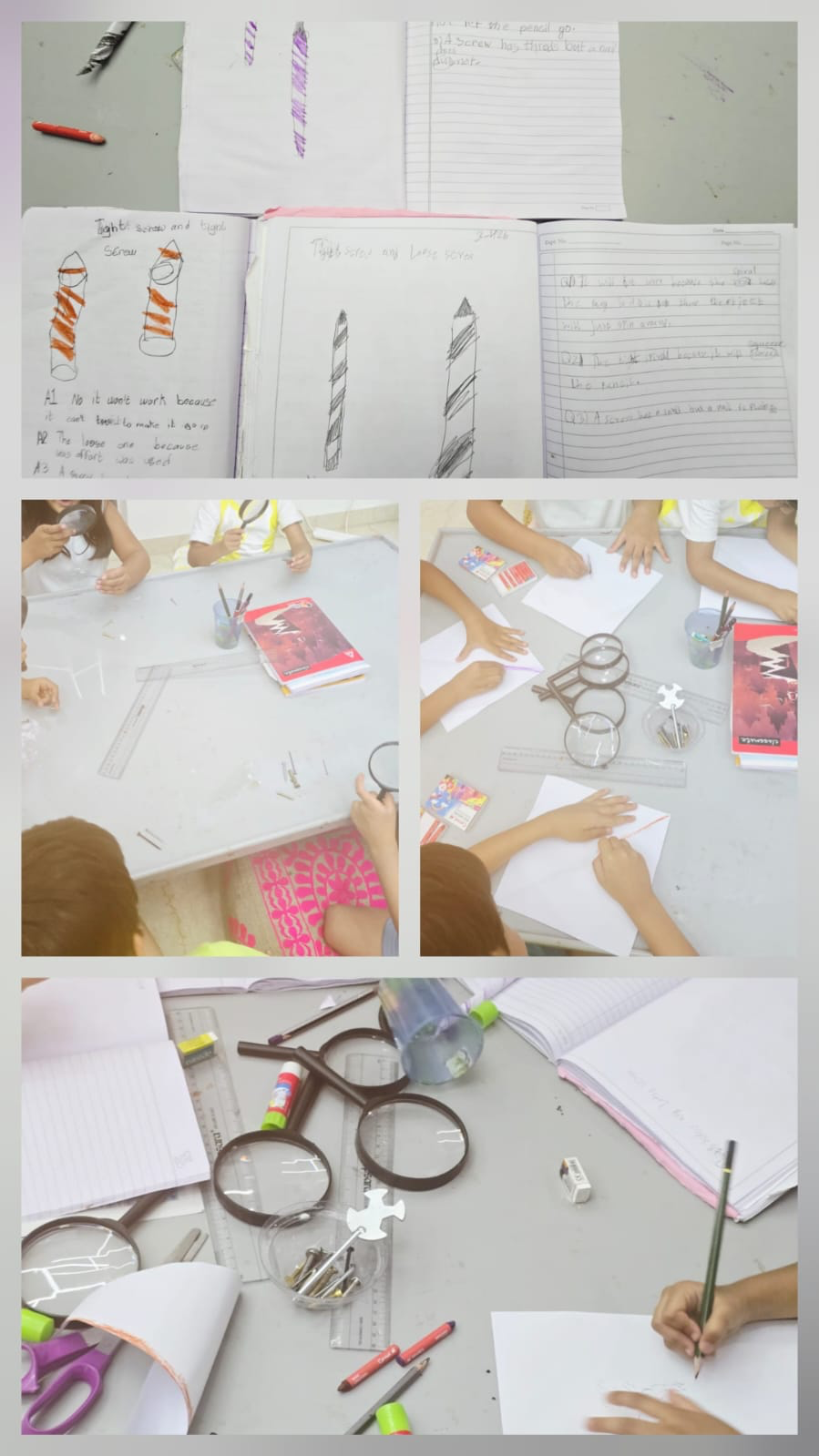
Understanding Screws The class began with an engaging challenge where the facilitator showed a tightly closed jar and asked the children how it could be opened. They suggested turning the cap, using effort, and rotating it. One child demonstrated opening it by twisting. When asked, “What did you do?”, the children shared that turning and rotating helped to open the jar.
The facilitator then showed the threads on the bottle cap and asked what would happen if there were no threads. The children said that the cap would not stay in place and would slip. They understood that threads help to hold the cap tightly.
Next, the facilitator introduced a real screw and explained that it is like a tiny staircase wrapped around a stick. The children observed different screws and nails with a magnifying glass and noticed that screws have threads while nails do not.
During the activity, the children wrapped triangular paper around pencils to make spirals. They created both tight and loose spirals and observed how they worked. They compared their models and shared their observations.
In their notebooks, the children wrote:
A screw will not work without twisting.
The tight spiral worked better because it held the pencil firmly.
The loose spiral slipped and did not hold well.
A screw has threads, but a nail does not.
When comparing screws and nails, the children shared that screws hold things better because they have threads and need to be twisted, while nails can be hammered but may come out easily.
The children were actively involved, shared their ideas confidently, and showed a good understanding of how screws work.
Rudra & Krisha: 4 years old Tara:6.9 years old Neev:7. 7 years old Samyuktha:8 years old
Dear reader,
I work with the school leadership team as an advisor and collaborate with teachers as a pedagogical trainer. I also help parents as a parenting counselor and regularly engage one-on-one with students as a personal guide and mentor. This weekly newsletter shares what I read, learn, and experience.
3-2-1 Tuesdays with Ms. Niv is a newsletter you can subscribe to and enjoy your learning journey with me.
 Nivedita Mukerjee