Nivedita Mukerjee
Education consultancy for parents and schools
3-2-1 Tuesdays with Ms Niv

Issue #270, 9th September 2025
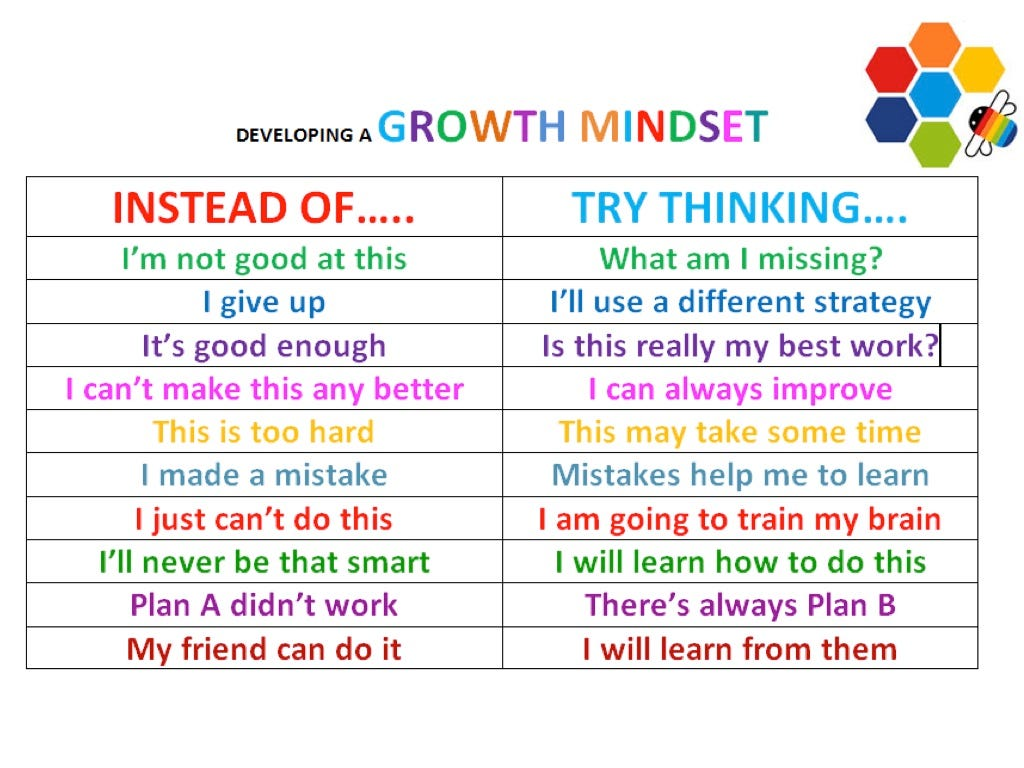
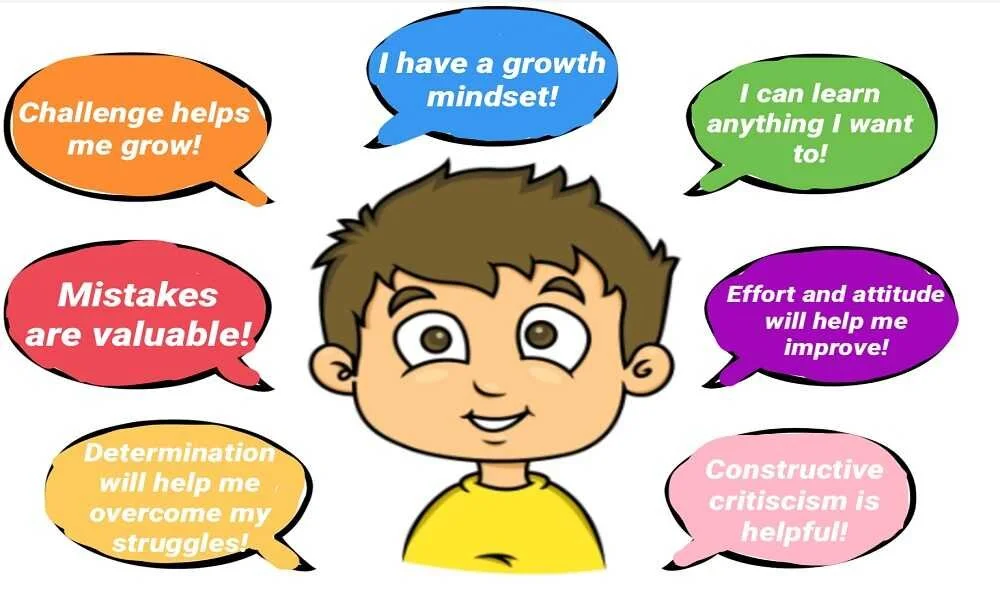
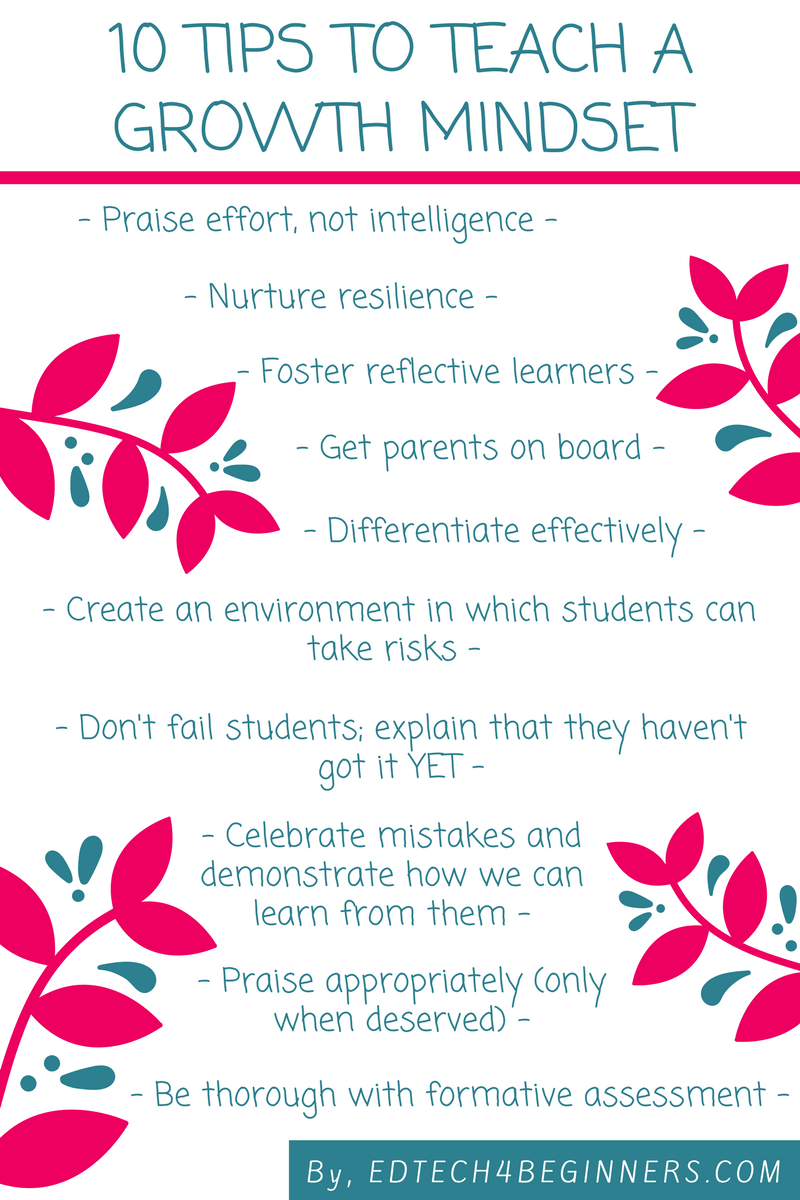
Are we raising kids for ‘now’ instead of ‘yet’? the power of ‘not as yet’ v/s F (Failed) or ‘needs improvement’ is life alterning for students as it calls for a shift of mindset. Have you experienced it as a teacher or parent? have you tried it in your conversations with the child or in in your class report card? Let us praise wisely, reward for efforts, strategy and progress, get smarter over time tackling challenges beyound their comfort zones. For 21st century challenges are anything but known or easy. That’s the world our children and students going to enter and live in. Effort and difficulty must make us feel smarter, as that is when we make new neurons and brain connections. Struggle should not make us or our children feel dumb. Let us together create spaces filled with ‘yet’.
This is a free newsletter. If you like my content, please subscribe by entering your email address here.
Three Images of the Week
Two Thoughts of the Week
“You have brains in your head. You have feet in your shoes. You can steer yourself in any direction you choose.” – Dr. Seuss
“It does not matter how slowly you go as long as you do not stop.” – Confucius
One Video of the Week
Carol S. Dweck is a leading researcher in the field of motivation and is the Lewis and Virginia Eaton Professor of Psychology at Stanford. Her research focuses on why students succeed and how to foster their success. More specifically, her work has demonstrated the role of mindsets in success and has shown how praise for intelligence can undermine students’ motivation and learning. She has also held professorships at and Columbia and Harvard Universities, has lectured to education, business, and sports groups all over the world, and has been elected to the American Academy of Arts and Sciences and the National Academy of Sciences.
She recently won the Distinguished Scientific Contribution Award from the American Psychological Association, one of the highest awards in Psychology, as well as six other lifetime achievement awards. Last Spring, the White House held an conference on her work and both President Obama and Michelle Obama refer to her work in their speeches on education. Her work has been prominently featured in such publications as The New Yorker, Newsweek, Time, The New York Times, and The London Times, and the Manchester Guardian, with recent feature stories on her work in the San Francisco Chronicle and the Washington Post, and she has appeared on such shows as Today, Good Morning America, NPR’s Morning Edition, and 20/20.
Her bestselling book Mindset (published by Random House) has been widely acclaimed and has been translated into over 20 languages.
Reading with Ms. Meenu: Tip of the week
Phrase Making and Sentence Building from 2 to 3 years
By the time kids reach 24 months, their vocabularies have doubled in size, and they begin pairing words to create two-word phrases and sentences, such as want ball. They may say up to three hundred words and understand even more. They are watching, copying what their playmates are doing and may even (gasp!) share their toys a bit. At this point, your little one’s conceptual understanding may be taking off.
In choosing and sharing books, keep in mind that while there’s a time and place for longer children’s literature, you shouldn’t overlook the power of five-minute stories read on a regular basis. It’s not the length of the story but the cumulative impact of engaging with you and with print and oral language that enriches a child’s life and skills. Many of us learn to love short, colorful books because they can be read in a minute. Knowing that you can make an impact in a minimal amount of time gives many parent the nudge they need to read to their child in the moment, versus putting it off in the hope of finding the “perfect” time. Once you get started, you can always do repeated reading of the same books (toddlers love and benefit from repetition) or read multiple short stories.
Book behavior, Print Awareness and Writing:
· Enjoys looking at books independently
· Pretends to rea familiar books
· Recalls book characters and straightforward storylines
· Recognizes logos in the environment (e.g., McDonald’s)
· Identifies a letter or letters in their own name
· Points to and discusses pictures in books
· Scribbles with intentional circles and dots
Happy Reading!
- Meenu Gera, Consulting home and school librarian reading guide
Career assessment, guidance, and placement strategies:
If you’re a student currently in Grade 11 and planning to apply to universities abroad, you’re at a critical point in your academic journey. With around 10 months before applications open, this is your window to showcase who you are beyond your grades. College admissions teams are not just looking for academic scores—they’re looking for potential, personality, and purpose.
Here are 8 things students can do to strengthen their profile for college admissions:
- Make a list of all co-curricular activities the student has participated in since Grade 9.
- Categorize these activities into hobbies and skills to better understand areas of interest and development.
- Identify the purpose of each activity—whether it stems from interest, showcases leadership, reflects passion, or highlights academic achievement.
- Focus on long-term engagement, as consistency and sustained involvement demonstrate commitment and depth.
- Pursue meaningful activities, such as:
- Learning a skill (e.g., baking, writing)
- Nurturing a talent (e.g., music, art, sports)
- Completing online courses to deepen academic goals
- Giving back to the community through volunteering or service
- Learning a skill (e.g., baking, writing)
- Shortlist key activities—especially if the list is long—that showcase academic interest, leadership, and community service. Aim to develop these over the next 25 weeks.
- Create a LinkedIn profile to begin building a personal brand and professional presence online.
- Demonstrate key traits that universities value, such as problem-solving, risk-taking, leadership, perseverance, and consistency.
Building your profile is not about doing “more”—it’s about doing things that matter, and doing them with purpose and consistency. You already have a story—now is the time to sharpen it and show the world who you are and who you’re becoming.
Fermata Career Solutions inspires young individuals aged 13 to 30 to unlock their potential through focused and customised career and college counseling. With expertise in University Readiness, CareerGym, and Master Parenting, the experts empower you to pursue your dreams and shape your future with confidence. More about us on http://www.fermata.com
I Think, I Wonder, I Ask
When Translation Sparks Bigger Questions: Reflections from a Reading Session
Continuing my reflections on Booker Prize- winning literature and the relevance of Heart Lamp to students from last week’s blog, this week my thoughts return to a moment that surprised me during a discussion at my school on Deepa Bhasti’s approach to its translation.
As we explored the book, we observed how Deepa’s translation did more than carry words across languages- she carried worlds. Unlike many translators who smoothen cultural edges for “global” readers, Deepa preserved the rhythm, nuance and texture of the original Kannada stories. Her choice not to italicize Kannada words was striking.
After the reading, a student asked, “Does using Kannada or any local language words in English essays make us less global?” A simple question opened the door to a rich discussion on translation, authenticity and how we perceive the “other”. That question grew into a larger reflection: Why do we learn languages- especially foreign ones? Is it only to fit into the global economy, to grow businesses, or to become market-ready global citizens? Or can languages be bridges of connection, shaping how we perceive and understand new people, places and cultures? Do we compare and rank what we encounter, or can we approach differences with humility- connecting across them and enriching our own lives in the process?
For me, this was the moment when a reading session became more than reading- it became a mirror, a provocation, a hook for deeper dialogue. For students, such moments urge them to question and shape the kind of global citizens they wish to become. For adults, they remind us to pause and reflect on how we live in a diverse world. And for educators, they are a call to reimagine education- not merely as preparation for jobs and economies, but as preparation for life with people and planet.
Three questions for you…
How does reading literature from another culture change the way you see your own?
How can we design learning experiences that honor students’ cultural roots while also preparing them to engage meaningfully with the wider world?
When we encounter differences- in language, culture or even nature- do we compare to decide what’s “better”? or do we seek connection and mutual respect?
- Dr Shreelakshmi Subbaswami, Alumni and Academic Director, Vijaya School Hassan, Karnataka
Dear reader,
I work with the school leadership team as an advisor and collaborate with teachers as a pedagogical trainer. I also help parents as a parenting counselor and regularly engage one-on-one with students as a personal guide and mentor. This weekly newsletter shares what I read, learn, and experience.
3-2-1 Tuesdays with Ms. Niv is a newsletter you can subscribe to and enjoy your learning journey with me.
 Nivedita Mukerjee