Nivedita Mukerjee
Education consultancy for parents and schools
3-2-1 TUESDAYS WITH MS NIV
Issue #199, 30th April 2024
How does a positive teacher-student relationship impact academic performance?What are some strategies for fostering trust and rapport between teachers and students?How can teachers effectively communicate with students to understand their individual needs and challenges?What role does empathy play in the teacher-student relationship, and how can it be cultivated?How can teachers create a supportive learning environment that encourages student engagement and participation?
This is a free-to-subscribe newsletter. So, if you like my content, please subscribe to it by putting in your email ID here.
Three images of the week


Two Thoughts of the Week
“Teachers who put relationship first don’t just have students for one year. They have students who view them as their teacher for life.” Educator Justin Tarte
“A teacher affects eternity; he can never tell where his influence stops.”Henry Adams
One Video of the Week
Robert Clapperton shares why generative AI will set education back 2500 years, and why that’s a good thing. Robert presents an optimistic perspective, suggesting that AI can revolutionize education by creating a digital extension of teachers. Robert Clapperton is an Assistant Professor in the School of Professional Communications at Ryerson University. Robert earned his PhD in English Language and Literature with a Graduate Diploma in Cognitive Science at the University of Waterloo. He specializes in computational linguistics with an emphasis on the critical application of natural language processing in education. Robert’s teaching focuses on the digital enterprise and communication research methods. Robert is a co-founder and inventor of Ametros Learning, a natural language understanding experiential learning platform focused on the teaching and practicing communication, critical thinking, and emotional intelligence. The platform is currently used by universities, corporations, and professional associations across North America.
Guest Expert of the Week
Reading with Ms. Meenu
Kid-Appealing Content:
When we look for kid-appealing content, we should always think about the three categories we use in our classrooms. Why should we consider a particular book for our students to read?
Sometimes we read to laugh, other times we read to learn and many times we read to ponder. In Read to Laugh department, you can’t beat any book by Mo Willems.
Knowing how important it is to read aloud nonfiction texts, we should always look out for those that will draw in them. Selecting engaging nonfiction read-alouds is the key to reading to learn. Some types of nonfiction books that work well as Read Aloud are those that are structured in such a way that you can read a page or two a day. Pink is for Blobfish: Discovering the World’s Perfect Pink Animals is perfect for enjoying a bit at a time.
Books we can ponder upon should always be chosen that can address thought-provoking topics and are told from a child’s perspective. For example, Millo in Drum Dream Girl: How One Girl’s courage changed Music.
Always promote your new arrivals and do little sessions about the synopsis of those books. It’s always helpful for emergent readers.
Happy Reading!
Meenu Gera
Consulting home and school librarian and reading guide.
Dear reader,
I have been a research scientist, a journalist, and an educator for over 3 decades. I read and, I write. With this weekly newsletter, I share what I read, learn, and, experience. At the same time, I engage with students, parents, and teams of teachers across K-12 schools, higher education institutions, and ed-tech organizations.
3-2-1 Tuesdays with Ms. Niv is a newsletter you can subscribe to and enjoy your learning journey with me.
And Finally…

This newsletter is supported by:


3-2-1 TUESDAYS WITH MS NIV
Issue #198, 23rd April 2024
What thoughts do you wish to create? Does language craft reality? Does learning a second language help us to think differently? Why do schools want students to learn second and third languages? What should be the basis of choosing one language subject over the other? What were your second and/or third language choices as a parent or educator and how have they come to bear over the years for you? What would be your advice to your student/child?
This is a free-to-subscribe newsletter. So, if you like my content, please subscribe to it by putting in your email ID here.
Three images of the week


Two Thoughts of the Week
A different language is a different vision of life. – Federico Fellini
To learn a language is to have one more window from which to look at the world. – Chinese Proverb
One Video of the Week
There are about 7,000 languages spoken around the world — and they all have different sounds, vocabularies and structures. But do they shape the way we think? Cognitive scientist Lera Boroditsky shares examples of language — from an Aboriginal community in Australia that uses cardinal directions instead of left and right to the multiple words for blue in Russian — that suggest the answer is a resounding yes. “The beauty of linguistic diversity is that it reveals to us just how ingenious and how flexible the human mind is,” Boroditsky says. “Human minds have invented not one cognitive universe, but 7,000.”
Guest Expert of the Week
Reading with Ms. Meenu
Reading Decodable Texts:
It is more important for students to blend and sound out a decodable book than learning to look at a picture and guess the word in a predictable/repetitive text. After all, we should allow students time to practice the phonics skills they are learning, and decodable texts enable that. Decodable books provide beginners with practice in applying the grapheme-phoneme relations that they have learned to decode words and to build their sight vocabularies.
It is great to see the look on a kindergartner’s face when he/she shares the news saying MS. I AM ACTUALLY READING THE WORDS!” The joy and excitement are always overflowing. By reading decodable texts they feel confident and successful. By this time they had discovered a skill that they didn’t even know they had.
Happy Reading!
Meenu Gera
Consulting home and school librarian and reading guide.
Dear reader,
I have been a research scientist, a journalist, and an educator for over 3 decades. I read and, I write. With this weekly newsletter, I share what I read, learn, and, experience. At the same time, I engage with students, parents, and teams of teachers across K-12 schools, higher education institutions, and ed-tech organizations.
3-2-1 Tuesdays with Ms. Niv is a newsletter you can subscribe to and enjoy your learning journey with me.
And Finally…

This newsletter is supported by:


3-2-1 TUESDAYS WITH MS NIV
Issue #197, 16th April 2024
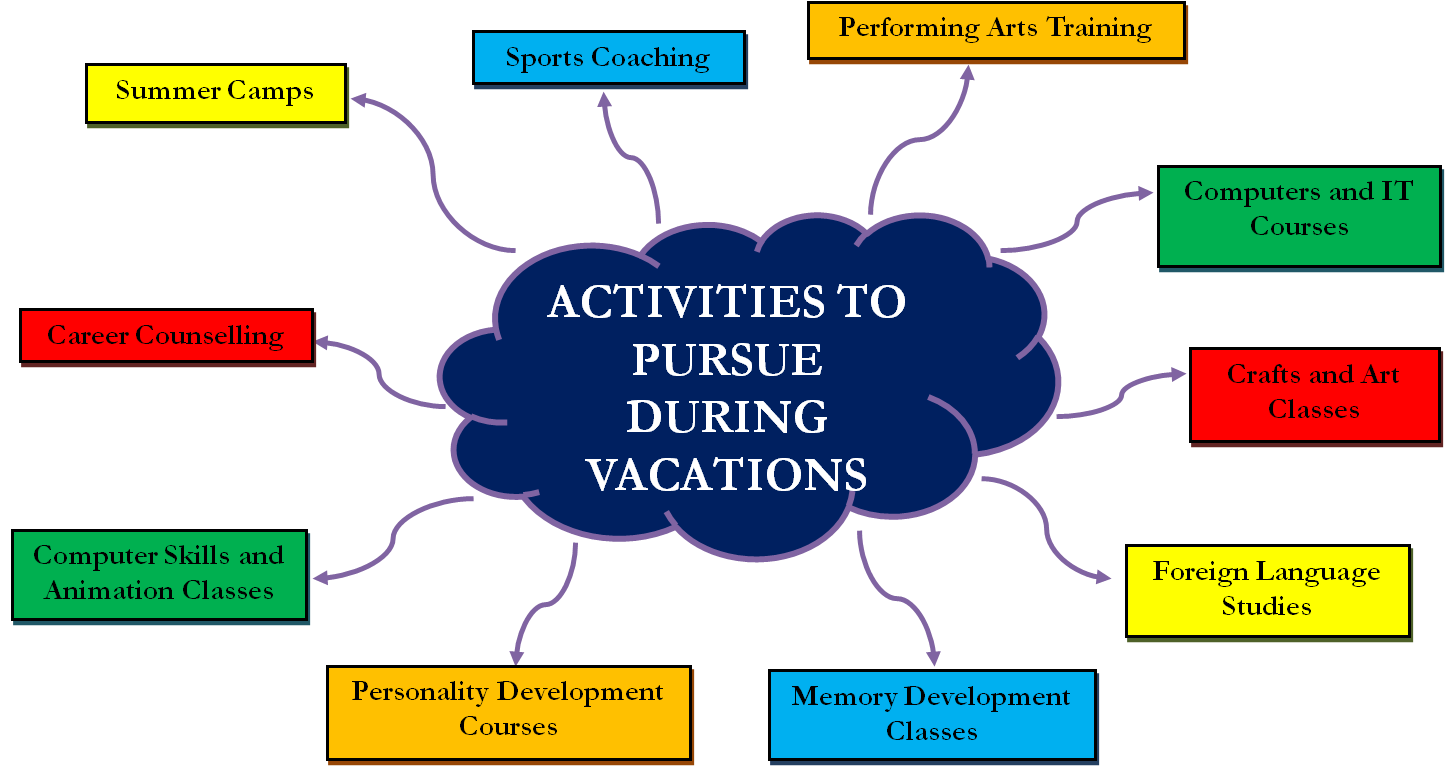
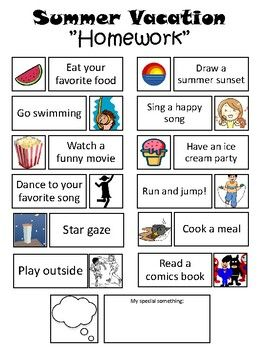
Making reading a summer habit can cultivate students’ lifelong love of books and reading. This love of reading is linked to better educational and career outcomes. Would you agree? Parents and teachers? What about other activities during the upcoming summer break? What are your plans with your children?
This is a free-to-subscribe newsletter. So, if you like my content, please subscribe to it by putting in your email ID here.
Three images of the week

Two Thoughts of the Week
“This was my only and my constant comfort. When I think of it, the picture always rises in my mind, of a summer evening, the boys at play in the churchyard, and I sitting on my bed, reading as if for life.”
— Charles Dickens, David Copperfield
“‘Come with me,’ Mom says.
To the library.
Books and summertime
go together.”
— Lisa Schroeder, I Heart You, You Haunt Me
One Video of the Week
After a childhood speech impediment left him struggling to read, Jordan learned strategies from world-leading speed readers to dramatically enhance his reading ability. Jordan now helps others unleash their potential to learn anything faster. Because he knew that spending hours reading books and watching seminars was not as effective as it could be.
Guest Expert of the Week
Reading with Ms. Meenu
Strategies for Read Aloud:
Read aloud is the ideal venue to consistently showcase and reflect on the strategies proficient readers use. These are the strategies to be used while reading:
· Make meaningful connections.
· Predict.
· Ask questions.
· Visualize
· Infer
· Determine Importance
If you make strategic reading and thinking about your thinking the norm, students will rise to the occasion. It’s been noticed that learners are more engaged in Read aloud when they are challenged to process text at a deeper level. The expectation is that everyone can listen and dig into the text to try to elevate their understanding through the questions. Interactions and discussions are encouraged within children
Happy Reading!
Meenu Gera
Consulting home and school librarian and reading guide.
Dear reader,
I have been a research scientist, a journalist, and an educator for over 3 decades. I read and, I write. With this weekly newsletter, I share what I read, learn, and, experience. At the same time, I engage with students, parents, and teams of teachers across K-12 schools, higher education institutions, and ed-tech organizations.
3-2-1 Tuesdays with Ms. Niv is a newsletter you can subscribe to and enjoy your learning journey with me.
This newsletter is supported by:
3-2-1 TUESDAYS WITH MS NIV
Issue #196, 9th April 2024
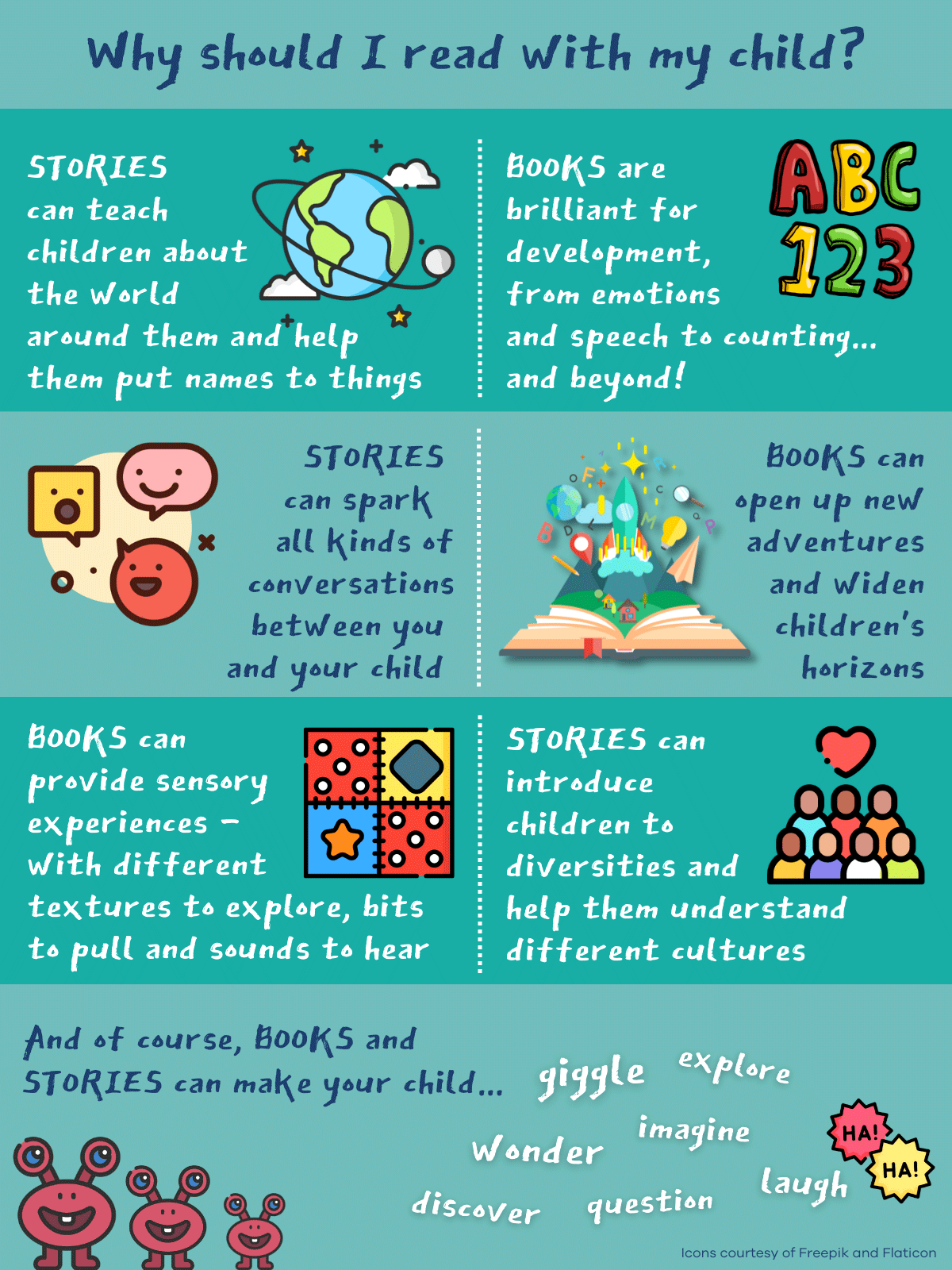
Which book have you read recently? Which book are you reading now? Why do you read and how can you help your child be a reader? Summer is upon us and a good time to visit a bookstore or borrow some from the school or community library for yourself and your child.
This is a free-to-subscribe newsletter. So, if you like my content, please subscribe to it by putting in your email ID here.
Three images of the week
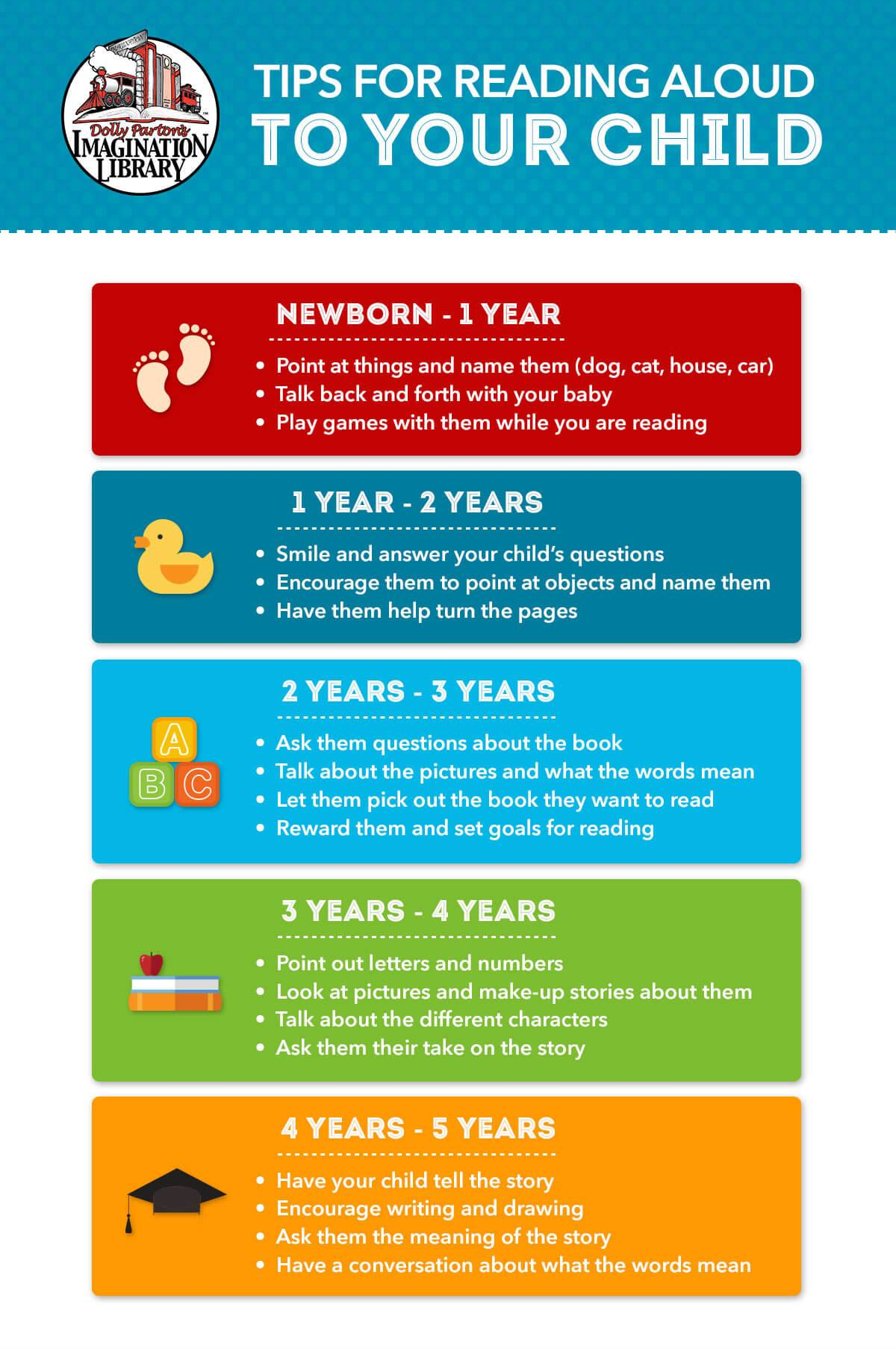
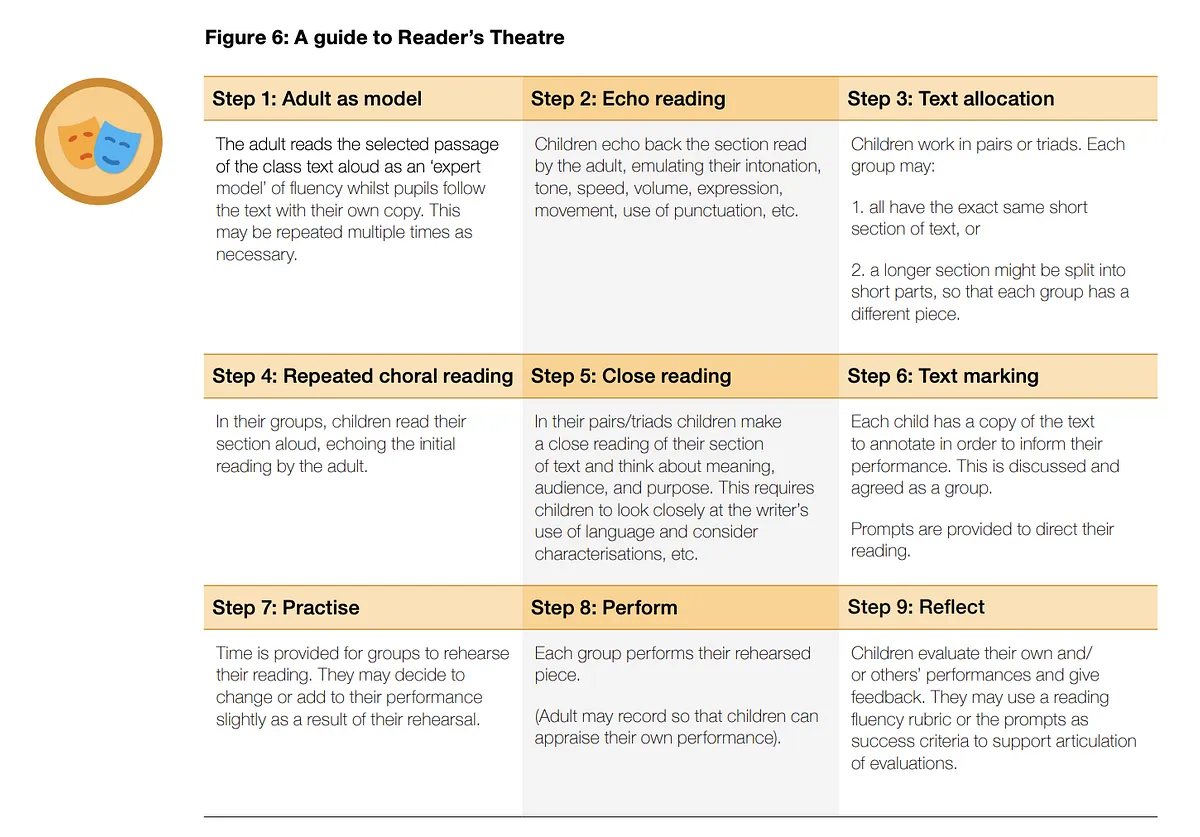
Two Thoughts of the Week
“I wouldn’t be a songwriter if it wasn’t for books that I loved as a kid. I think that when you can escape into a book it trains your imagination to think big and to think that more can exist than what you see.” – Taylor Swift
“Any book that helps a child to form a habit of reading, to make reading one of his deep and continuing needs, is good for him.”―Maya Angelou
One Video of the Week
Why not surround yourself with books, sit down quietly and enjoy the words, the pictures, and how they fit together so beautifully?
Learn from a 11 years old girl about reading. Born in Beijing and growing up in Su Zhou, Shang Qu is an avid reader who has read hundreds of books about science, history, literature…… She is a creative thinker who always gets excited when facing challenging problems; she is a lover of classical music who can play the piano and has just started studying the violin.
She is also a sports amateur who loves tennis the best and is now working to improve her tennis skills. In general, she is a dreamer who has the passion to explore and discover the world around her.
Guest Expert of the Week
Reading with Ms. Meenu
Imagining Ourselves into Books:
The red-aloud experience is a welcoming learning event for all the readers. Whether a child is still striving to make sense of the printed word or is a word caller who can read the words but is not deeply comprehending yet, you can offer support. As you read and encourage children to converse with you or with each other, your insights, questions, and prompts call their attention to the goal of reading comprehension. Today we always focus on building lessons around what skillful readers do. We should teach thinking strategies that help learners understand whenever they read, listen, or view. Always keep the following thinking strategies that follow to help your learners comprehend:
· Make Meaningful Connections
· Predict and prove
· Question your way through a Text
· Visualize using senses and Feelings
· Retell to demonstrate Understanding
During effective read-aloud always guide your students in a way so that eventually they can imagine themselves in any story.
Happy Reading!
Meenu Gera
Consulting home and school librarian and reading guide.
Dear reader,
I have been a research scientist, a journalist, and an educator for over 3 decades. I read and, I write. With this weekly newsletter, I share what I read, learn, and, experience. At the same time, I engage with students, parents, and teams of teachers across K-12 schools, higher education institutions, and ed-tech organizations.
3-2-1 Tuesdays with Ms. Niv is a newsletter you can subscribe to and enjoy your learning journey with me
And Finally…

This newsletter is supported by:
3-2-1 TUESDAYS WITH MS NIV
Issue #195, 2nd April 2024
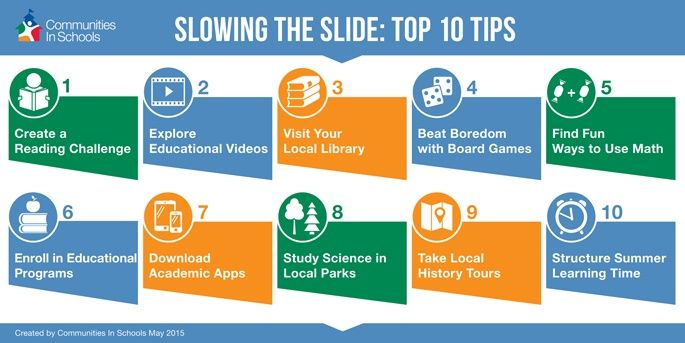
Summer learning loss. Summer slide. Summer gap.
What is it? Does it impact your school-going child? How can schools and parents collaborate to stop the slide? here are some statistics and some tips to beat the Summer Slide.
This is a free-to-subscribe newsletter. So, if you like my content, please subscribe to it by putting in your email ID here.
Three images of the week
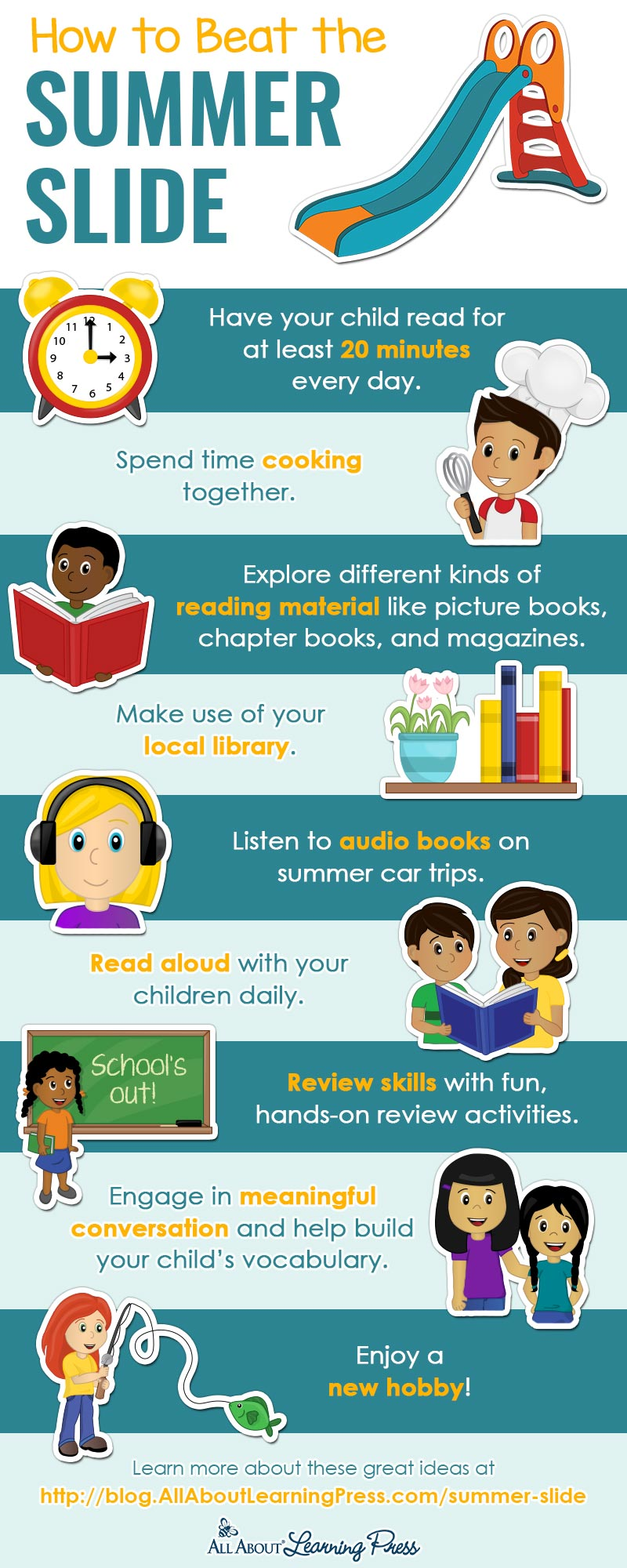
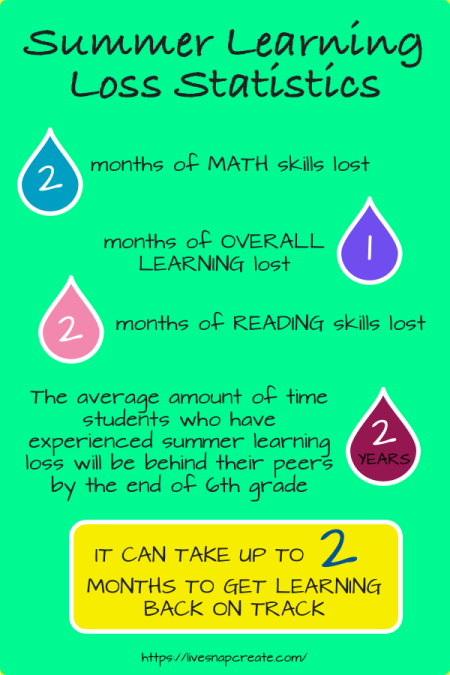
Two Thoughts of the Week
“Intellectual growth should commence at birth and cease only at death.”
― Albert Einstein
“Think before you speak. Read before you think.” — Fran Lebowitz
One Video of the Week
Summer slide for students explained. The gap widens between students of lower income and middle-income families.
Guest Expert of the Week
Reading with Ms. Meenu
Secrets to Successful Read-Aloud Experiences:
What do librarians look for when they are searching for books? How do they choose a suitable book on a particular topic? First and foremost, I always think about the children that come to my library. Every individual is unique in every class and as a whole has a distinct personality. Every child has his/her own choices. Here is the criteria to consider when selecting books:
· Rich Language
· Engaging, Diverse Characters
· Fascinating illustrations
· Thought-Provoking Themes
· Kid-Appealing content
· Original Premise
· Unique Perspective
· Horizon-Broadening Subjects
Rich Language:
When children are immersed in texts with rich language, they begin to use that language in their conversations and eventually in their writing. We have to always introduce our kids to all parts of a book that includes a foreword, introduction and glossary at the end of the book and lead it to further discussion about the wonderful world of words.
Happy Reading!
Meenu Gera
Consulting home and school librarian and reading guide.
Dear reader,
I have been a research scientist, a journalist, and an educator for over 3 decades. I read and, I write. With this weekly newsletter, I share what I read, learn, and, experience. At the same time, I engage with students, parents, and teams of teachers across K-12 schools, higher education institutions, and ed-tech organizations.
3-2-1 Tuesdays with Ms. Niv is a newsletter you can subscribe to and enjoy your learning journey with me
And Finally…

This newsletter is supported by:
3-2-1 TUESDAYS WITH MS NIV
Issue #194, 26th March 2024
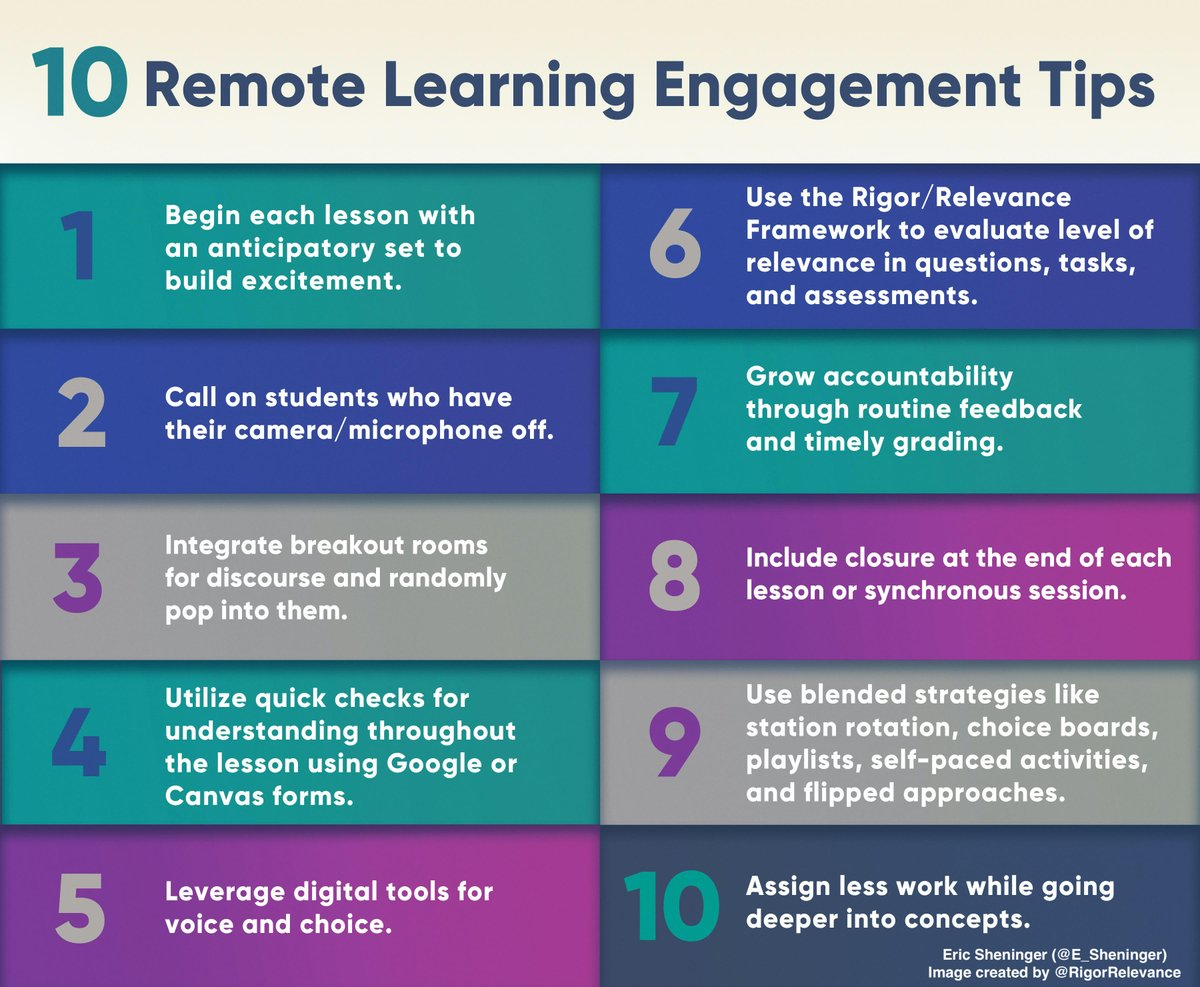
We all want success for our students and children. Right? Teachers and parents? So when you are working with your child and/or student, do you think of developing success or selecting success? How are these two different and how do they impact our approach in the classroom? What does developing success look like? what impact does selecting success have on the student?
This is a free-to-subscribe newsletter. So, if you like my content, please subscribe to it by putting in your email ID here.
Three images of the week


Two Thoughts of the Week
“When I was a kid, there was no collaboration; it’s you with a camera bossing your friends around. But as an adult, filmmaking is all about appreciating the talents of the people you surround yourself with and knowing you could never have made any of these films by yourself.”
– Steven Spielberg
“Your corn is ripe today; mine will be so tomorrow. ‘Tis profitable for us both, that I should labour with you today, and that you should aid me tomorrow. I have no kindness for you, and know you have as little for me. I will not, therefore, take any pains upon your account; and should I labour with you upon my own account, in expectation of a return, I know I should be disappointed, and that I should in vain depend upon your gratitude. Here then I leave you to labour alone; You treat me in the same manner. The seasons change; and both of us lose our harvests for want of mutual confidence and security.”
― David Hume
One Video of the Week
The controversial class rank system has come up in discussion many times. However, hearing a student’s perspective on the subject is rare. High school senior Bhavana Kolla shares her thoughts on the effects of the class rank system with regard to collaboration and mental health. She will talk about what schools should do to in order to foster a healthy, cooperative environment and to bring back the collaboration that used to exist. For someone who wants to understand the growing pressures of society on the younger generation, this talk is the perfect way to uncover what the current generation truly faces. Bio: Bhavana Kolla is a senior at South Fayette High School. She is a member of the marching band, student government, and library club. Bhavana is also heavily involved in the school’s fundraising events. Additionally, she is an avid dancer and has been involved in the art form for over ten years.
Bhavana also has a love for volunteering and travelling. Being involved in the school has been a passion for Bhavana the past four years, and she hopes to advocate for the mental health of students across the country through this talk. Bhavana Kolla is a senior at South Fayette High School. She is a member of the marching band, student government, and library club. Bhavana is also heavily involved in the fundraising events the school holds. Additionally, she is an avid dancer and has been involved in the art form for over 10 years.
Bhavana also has a love for volunteering and travelling. Being involved in the school has been a passion for Bhavana the past four years, and she hopes to advocate for the mental health of students across the country through this talk.
Guest Expert of the Week
Reading with Ms. Meenu
Collaborative Conversations:
Before we begin talking about collaborative conversations and questioning, it is important to reiterate loudly and clearly that there are many times I read aloud just for FUN! During my read-aloud I don’t stop to ask questions because it would interrupt the action in the story. Collaborative conversation is all about effective questioning techniques.
Effective questioning techniques:
· Notice and name the strategies and conversational norms students are using.
· Ask open-ended thinking questions.
· Respond to answers without non-judgemental comments.
· Scaffold students who are having difficulty articulating their thinking.
· Alert students to important events in the text.
Tips for facilitating collaborative conversations:
· Set expectations for the kid’s comment.
· Don’t spoil an engaging read aloud by asking too many questions.
· If the read-aloud warrants a lot of collaborative discussion, read it in two or three settings.
· Pay attention to your student’s level of engagement.
· Provide ample opportunity for students to have peer-to-peer conversations.
· Post the language of a collaborative conversation somewhere near your read-aloud area.

Happy Reading!
Meenu Gera
Consulting home and school librarian and reading guide.
Dear reader,
I have been a research scientist, a journalist, and an educator for over 3 decades. I read and, I write. With this weekly newsletter, I share what I read, learn, and, experience. At the same time, I engage with students, parents, and teams of teachers across K-12 schools, higher education institutions, and ed-tech organizations.
3-2-1 Tuesdays with Ms. Niv is a newsletter you can subscribe to and enjoy your learning journey with me.
And Finally…

This newsletter is supported by:
3-2-1 TUESDAYS WITH MS NIV
Issue #193, 19th March 2024
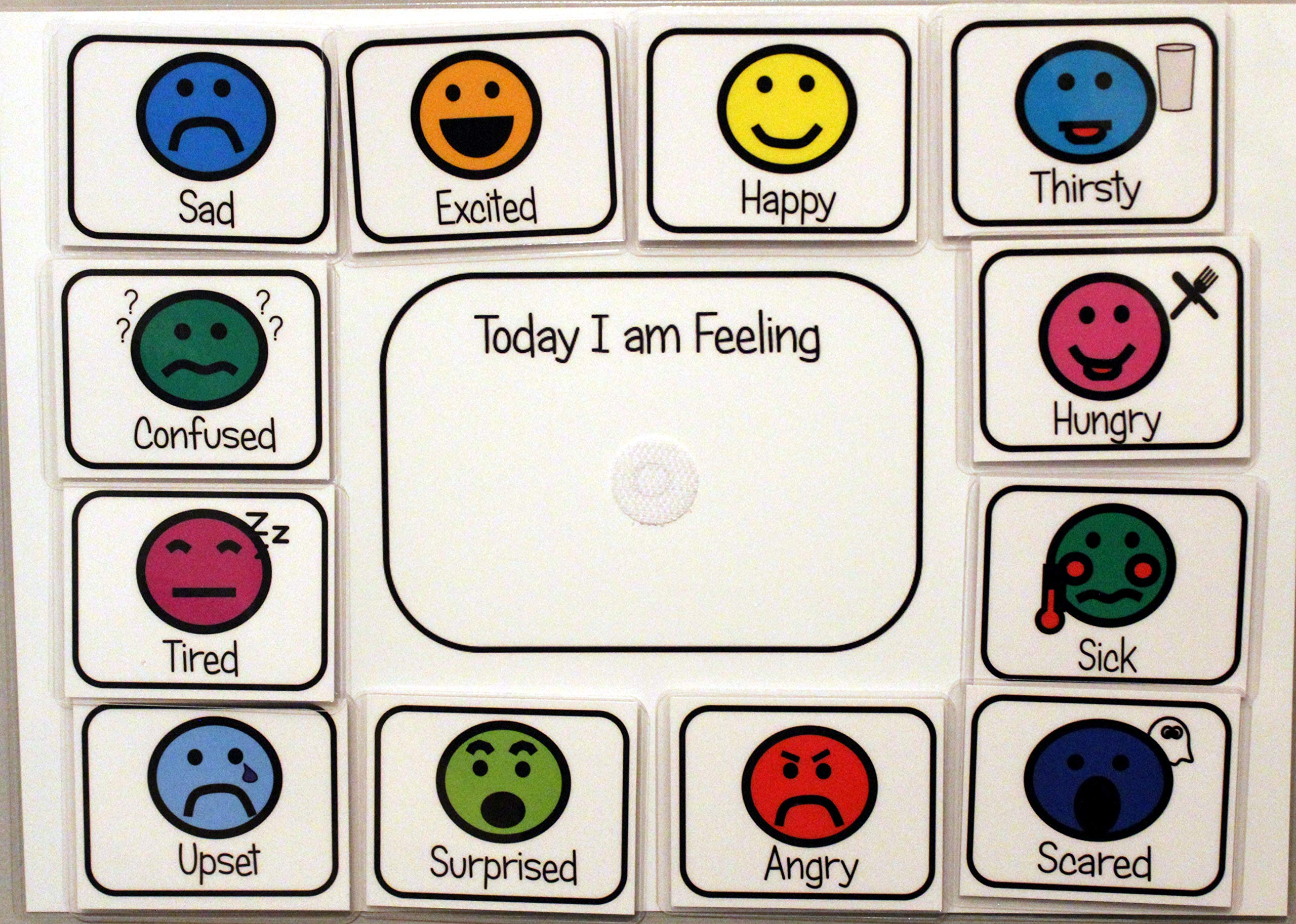
What is Emotional Intelligence (EI) and why is it important?
How can one assess and develop their Emotional Intelligence?
What are the practical implications of Emotional Intelligence in everyday life?
If you have wondered about these questions as a student, teacher, or parent – then this issue is for you. Like it? you can subscribe to this kind of content.
This is a free-to-subscribe newsletter. So, if you like my content, please subscribe to it by putting in your email ID here.
Three images of the week


Two Thoughts of the Week
“The best and most beautiful things in the world cannot be seen or even touched. They must be felt with the heart”
― Helen Keller
“One ought to hold on to one’s heart; for if one lets it go, one soon loses control of the head too.”
― Friedrich Nietzsche
One Video of the Week
Sometimes emotions don’t make sense, and sometimes being emotional doesn’t mean you’re emotionally intelligent. Growing up, rationality often came before emotions for Ramona, but as she grew older and realized that she had never actively learned how to deal with her emotions and that she wasn’t the only one who lacked this skill, she knew she had to change something.
In her talk, Ramona guides us through her experiences and shows us 6 steps to become more emotionally intelligent.
Through several personal experiences as well as her volunteer experience at a local soccer club and for the student organization AIESEC, she started thinking about the topic of emotional intelligence and how it affects everyone’s lives and the way we deal with our problems.
Guest Expert of the Week
Reading with Ms. Meenu
Vocabulary Enhancement through read-aloud:
If you compare our past generations, you may notice that children’s vocabulary knowledge is not as rich as it was in the past. Their bank of known words seems to be shrinking. In my opinion it is because adults are not always taking the time to talk, discuss and expand their children’s vocabularies. In the grocery store, everyone is on their own electric devices. So, children aren’t hearing a conversation like the following that I used to have with my son in the grocery store, “Hey look! That’s an apple. Apples grow on trees. People use apples to make the apple sauce you like for breakfast. What colors of apples do you see? And so on.
Effective instructional sequence for teaching vocabulary:
· Read the text.
· Review the story context for the word.
· Provide a kid-friendly definition of the word.
· Have your kid say the word.
· Provide examples of the word used in contexts different from the story context.
· Engage your children in activities to get them to interact with the words.
Happy Reading!
Meenu Gera
Consulting home and school librarian and reading guide.
Dear reader,
I have been a research scientist, a journalist, and an educator for over 3 decades. I read and, I write. With this weekly newsletter, I share what I read, learn, and, experience. At the same time, I engage with students, parents, and teams of teachers across K-12 schools, higher education institutions, and ed-tech organizations.
3-2-1 Tuesdays with Ms. Niv is a newsletter you can subscribe to and enjoy your learning journey with me.
And Finally…

This newsletter is supported by:
3-2-1 TUESDAYS WITH MS NIV
Issue #192, 12th March 2024
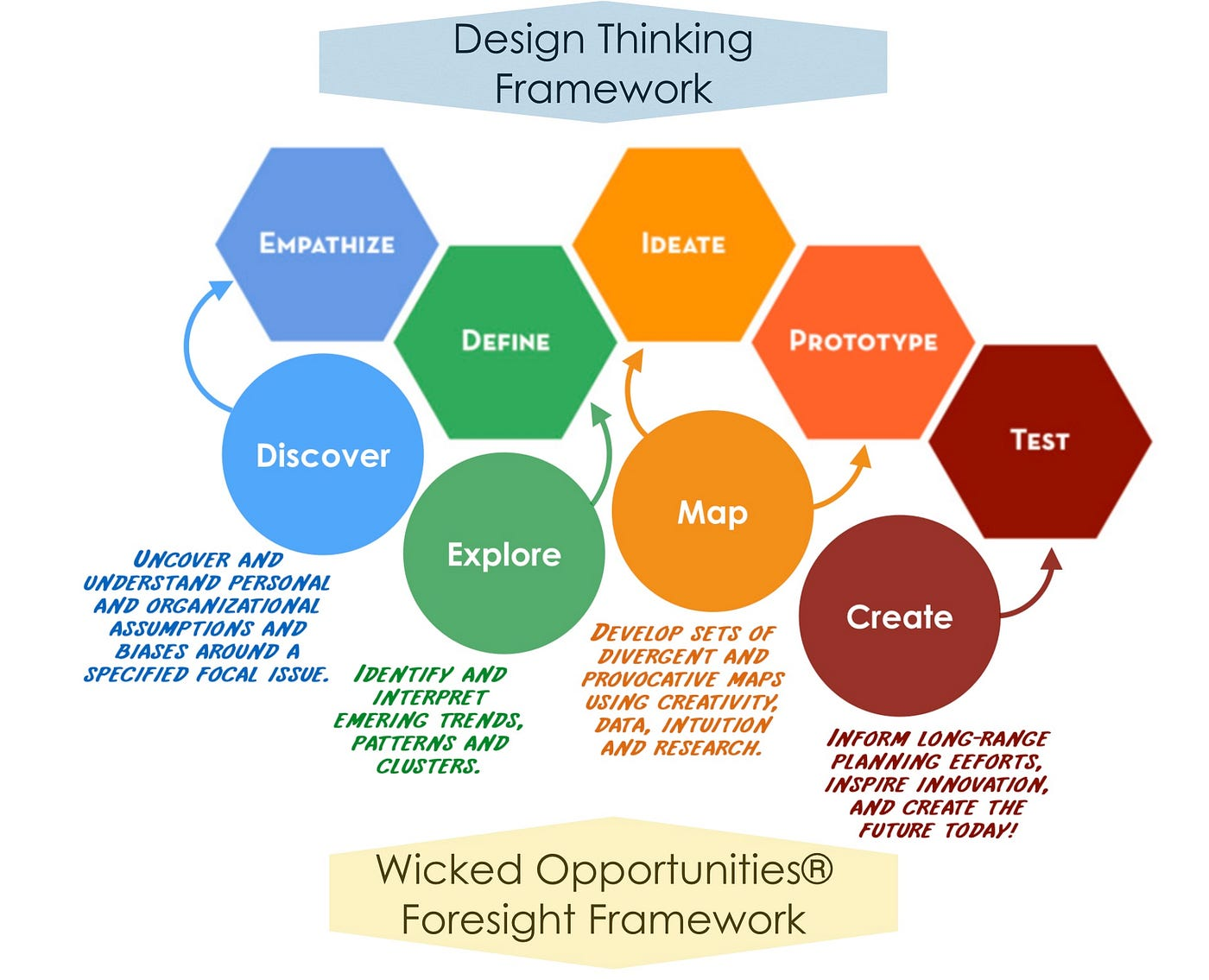
- How can design thinking be integrated into the educational curriculum to foster creative problem-solving skills among students?
- What specific strategies can educators employ to cultivate empathy and human-centered design principles within the classroom environment?
- How might design thinking methodologies be adapted to accommodate diverse learning styles and abilities in the classroom setting?
- What role can prototyping and iteration play in the educational context, and how can they be effectively incorporated into lesson plans to enhance student engagement and learning outcomes?
- In what ways can design thinking be utilized to address systemic challenges within the education system itself, such as curriculum development, resource allocation, and educational equity?
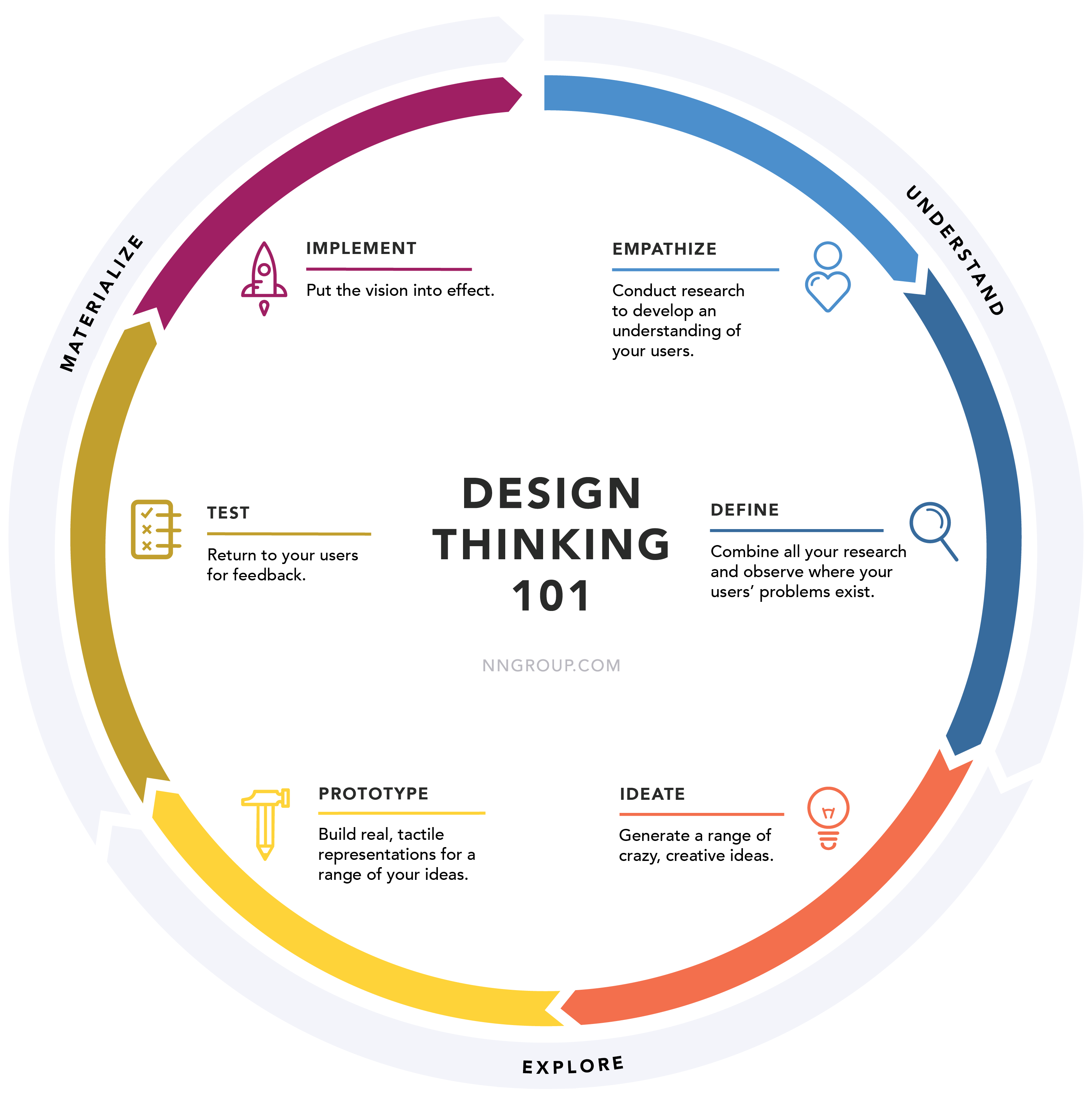
If you are new to design thinking or are wondering how you can bring design thinking to education as a teacher or parent, here are some ideas to get you started.
This is a free-to-subscribe newsletter. So, if you like my content, please subscribe to it by putting in your email ID here.
Three images of the week

Two Thoughts of the Week
“We must design for the way people behave,
not for how we would wish them to behave.”
― Donald A. Norman, Living With Complexity
“If you show somebody a piece of your work and you ask them ‘What do you think?’, they will probably say it’s okay because they don’t want to offend you.
Next time, instead of asking if it’s right, ask them what’s wrong.
They may not say what you want to hear, but the chances are they will give you a truthful criticism.”
― Paul Arden
One Video of the Week
A school in India founded on design thinking principles encourages students to be active agents in their own learning.
Riverside School GRADES PK-12 | AHMEDABAD, India
Guest Expert of the Week
Reading with Ms. Meenu
Today’s topic is clearly for STEAM OR STEM educators.
What is Design thinking?
Design thinking isn’t a subject, topic, or class. It’s more a way of solving problems that encourages positive risk-taking and creativity. And when you start looking for examples of design thinking, you’ll see it all over the place.
In the nonprofit world, program designers use design thinking to develop solutions for the populations they serve. Engineers use design thinking to create tangible products, meanwhile, authors have a more abstract approach as they work through the publishing cycle (which mirrors the design thinking cycle almost identically).
To understand design thinking, it helps to imagine it as the foundation and frame of a building. What type of building you create, what materials you use, how you decorate, and where you build it is all tied to your unique personality. Want to build a house and decorate it with gold-colored macaroni art? Go for it. It’s yours.
The same works for the experiment launching in class. Throw away all the ideas of where, what, and how you will create your model; it should be self-sufficient.
Meenu Gera
Consulting home and school librarian and reading guide.
Dear reader,
I have been a research scientist, a journalist, and an educator for over 3 decades. I read and, I write. With this weekly newsletter, I share what I read, learn, and, experience. At the same time, I engage with students, parents, and teams of teachers across K-12 schools, higher education institutions, and ed-tech organizations.
3-2-1 Tuesdays with Ms. Niv is a newsletter you can subscribe to and enjoy your learning journey with me.
And Finally…

This newsletter is supported by:
3-2-1 TUESDAYS WITH MS NIV
Issue #191, 5th March 2024
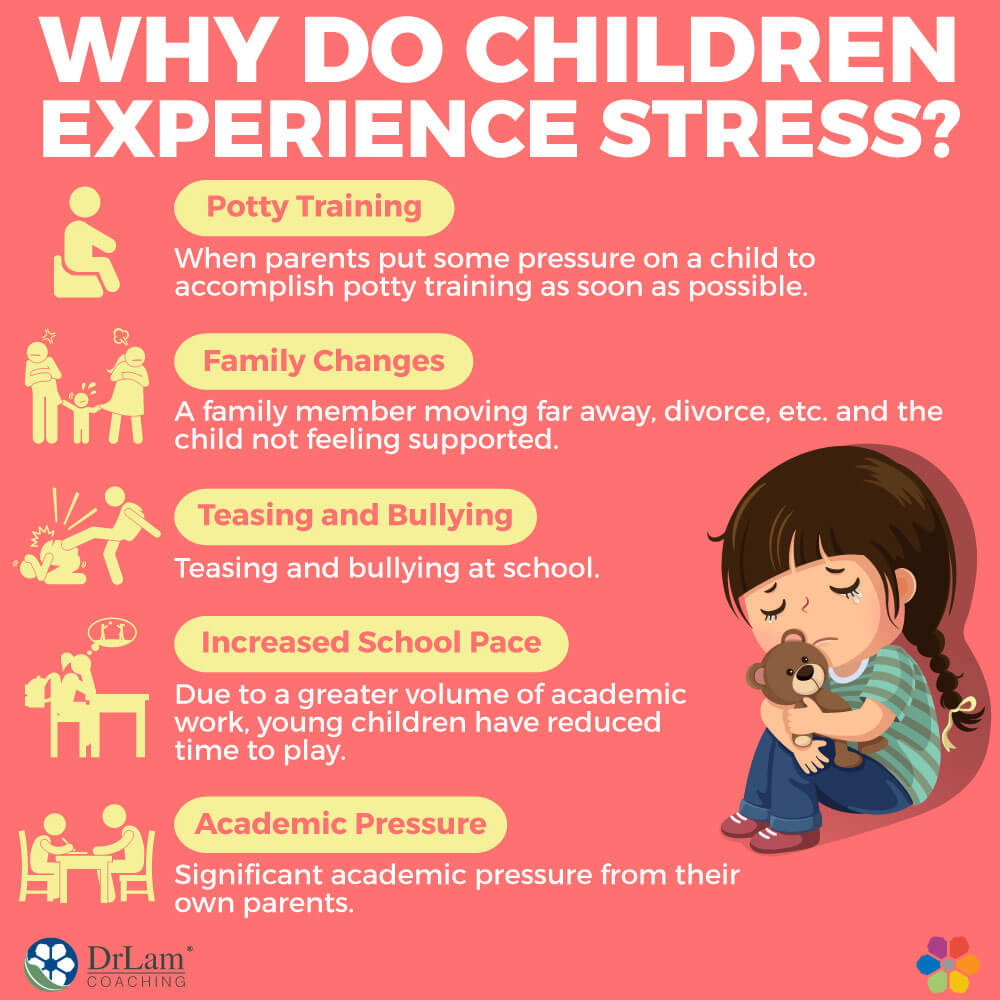
When demand exceeds supply, we experience stress. Right? March is exam time, March is school budget time, March is tax filing time…Ides of March. Best known as the time when Julius Caesar was assassinated. But in school term, as an educator, I have experienced the Ides of March when students and teachers fall sick. When exam stress reigns high over both students and teachers. When parents are stressed because their children are stressed out for the final exam term prep and/or it is the time when transfer orders come for parents who are in transferable jobs. So here are some ways to identify, align, and deal with your stress and stressors.
This is a free-to-subscribe newsletter. So, if you like my content, please subscribe to it by putting in your email ID here.
Three images of the week


Two Thoughts of the Week
“No need to hurry. No need to sparkle. No need to be anybody but oneself.” —Virginia Woolf
“Stress is an ignorant state. It believes that everything is an emergency. Nothing is that important.” —Natalie Goldberg
One Video of the Week
Guest Expert of the Week
Reading with Ms. Meenu
Building a Foundation for Future Learning:
Picture books and reading routines are the foundation of Literacy. Unfortunately, some of our students come to us unlucky in literacy. In other words, they have not been raised by able adults, for one reason or another, to provide the literacy-rich environment essential for future school success. We know that “parents who frequently engage in shared reading experiences and frequently teach about alphabetic knowledge have children with the most reading success after a few years of elementary school. Consequently, we need to fill future learning as children accumulate familiar books, stories, songs, and poems to draw when reading, writing, thinking, and talking about texts.
When read-aloud becomes a priority, you gain endless opportunities to forge connections among all the learning your children experience throughout their day, week, and year. Read-aloud experiences provide children with a shared frame of reference – a path for taking their understanding forward in company with each other. So reading aloud should be a vital part of every child’s life while growing up.
Happy Reading!
Meenu Gera
Consulting home and school librarian and reading guide.
Dear reader,
I have been a research scientist, a journalist, and an educator for over 3 decades. I read and, I write. With this weekly newsletter, I share what I read, learn, and, experience. At the same time, I engage with students, parents, and teams of teachers across K-12 schools, higher education institutions, and ed-tech organizations.
3-2-1 Tuesdays with Ms. Niv is a newsletter you can subscribe to and enjoy your learning journey with me.
And Finally…

This newsletter is supported by:
3-2-1 TUESDAYS WITH MS NIV
Issue #190, 27th February 2024
Empathy. Problem Solving. Courage. How does one discuss these without getting mired in complex philosophical and emotional conundrums? Well, picture books, illustrations, and children’s read-aloud are some very accessible ways of bringing these into conversations with children and adults alike. Have you tried it? These skills are required now and most definitely for the future of work. Shall we rediscover the picture books together, with our students and children, our families and colleagues?
This is a free-to-subscribe newsletter. So, if you like my content, please subscribe to it by putting in your email ID here.
Three images of the week


Two Thoughts of the Week
“A picture book is a small door to the enormous world of the visual arts, and they’re often the first art a young person sees.” Tomie dePaola
“Telling stories with visuals is an ancient art. We’ve been drawing pictures on cave walls for centuries. It’s like what they say about the perfect picture book. The art and the text stand alone, but together, they create something even better. Kids who need to can grab those graphic elements and find their way into the story. ” Deborah Wiles
One Video of the Week
Priyanka makes the case that we can make the world a better place if we remove the unspoken age restriction on children’s books. She believes that since the values and skills we are teaching through children’s picture books, like empathy, communication, and problem-solving, are essential for a successful and happy life, we should use them to guide adults too.
This talk was given at a local TEDx event, produced independently of the TED Conferences. Priyanka is a writer, entrepreneur, and mother. She is the founder of ‘Sam and Mi’, a publishing house for children’s books focused on skills of empathy, problem-solving, and communication. She is also the founder of an agritech app that helps farmers in India minimize their risk.
She previously founded the UK-based education network ‘Connect2Teach’. She is a Northwestern University and University of Cambridge alumni. A Fellow of the Royal Society of Arts, in recognition of her contribution to the education sector.
She has previously worked with corporates such as Tata Group, KPMG Boxwood, and Towers Perrin in India, the UK, and the US. She is well-networked within Government machinery for her work in the education and entrepreneurial fields. She currently lives in India with her husband, two daughters, and their four dogs.
Guest Expert of the Week
Reading with Ms. Meenu
Celebrates the Written (and illustrated) word:
Think about the activities that make you happy. Surely, we focus more time and expend increased energy on preferred activities than on those we dread. Therefore, if we elevate the written word by enthusiastically celebrating all text-related events, whether smaller or larger, we can catch some of those readers who are vulnerable or disengaged. For example, in any classroom, we should not only celebrate the kid’s birthday, but we should also applaud book birthdays. This is just one simple way to elevate the written word.
To draw readers into the joyful read-aloud experience you want to begin with books that are fun, humorous, and engaging. Every teacher has a go-to series to launch our read aloud for example Mo Williams’s Elephant and Piggie series.
Making the author and illustrator come alive for your students is another way to honor the hard work and dedication that goes into writing and/or illustrating a picture book. Fun picture books always raise joyful, engaged, and interested readers.
Happy Reading!
Meenu Gera
Consulting home and school librarian and reading guide.
Dear reader,
I have been a research scientist, a journalist, and an educator for over 3 decades. I read and, I write. With this weekly newsletter, I share what I read, learn, and, experience. At the same time, I engage with students, parents, and teams of teachers across K-12 schools, higher education institutions, and ed-tech organizations.
3-2-1 Tuesdays with Ms. Niv is a newsletter you can subscribe to and enjoy your learning journey with me.
This newsletter is supported by:
 Nivedita Mukerjee