Nivedita Mukerjee
Education consultancy for parents and schools
3-2-1 TUESDAYS WITH MS NIV
Issue #189, 20th February 2024
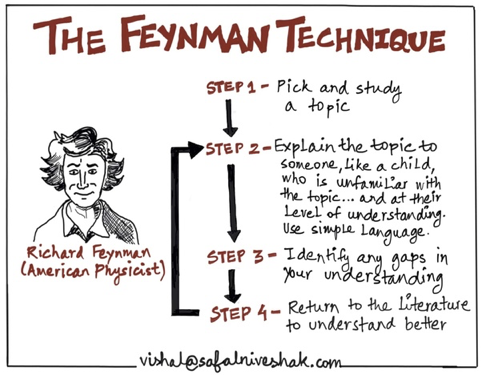
How well does your recall work? How much time does it take to commit a new learning to memory? What are your ‘go-to’ methods for learning something new? Do you know what works for you, your student, or your child? Here are a few study methods and tips for continuing to learn lifelong. While brain development is maximum until age 5 the 21st century demands new skills to be learned every so often right? To learn faster and retain more has become a life skill.
This is a free-to-subscribe newsletter. So, if you like my content, please subscribe to it by putting in your email ID here.
Three images of the week


Two Thoughts of the Week
“Take care of all your memories. For you cannot relive them. ” Bob Dylan
“I think the brain is essentially a computer and consciousness is like a computer program. It will cease to run when the computer is turned off. Theoretically, it could be re-created on a neural network, but that would be very difficult, as it would require all one’s memories.” Stephen Hawking
One Video of the Week
Sharing the secrets to productive learning, backed by neuroscience. Dr Lila Landowski explains the methods that can be used to allow us to learn faster. Dr Lila Landowski is a multi-award-winning neuroscientist and lecturer who expertly arms people with an understanding of how their brain works to help them make better life choices. She is also a Director of the Australian Society for Medical Research, a Director of Epilepsy Tasmania, and a regular guest expert science communicator for the ABC.
Guest Expert of the Week
Reading with Ms. Meenu
Reading to Comprehension:
Teaching students to generate and answer their questions about the text encourages them to process it more actively. Questions can range from literal to inferential. We should start with literal questions, writing who, what, where, when, why, and how on the board. Then, after reading a page or two of the text ask questions like “Who can think of a when question? Generating questions takes lots of practice. If students struggle with it, take things to the sentence level by showing them how to flip a statement into a question.
For example: “Frog live at the pond.”
Then model how to flip that statement into a question “Where do frogs live”.
By generating further comprehension tasks allows them to think beyond.
Here is an example of a title “Frog and Toad, A Lost Button.”
Who: Frog and Toad,
Where: meadow, woods
When: Afternoon,
What: Toad lost his button,
How: The Frog helps him find it.
It is recommended to practice these tools while reading.
These strategies have been suggested in the professional resource “7 Mighty Moves” by Lindsay Kemeny.
Happy Reading!
Meenu Gera
Consulting home and school librarian and reading guide.
And Finally…

Dear reader,
I have been a research scientist, a journalist, and an educator for over 3 decades. I read and, I write. With this weekly newsletter, I share what I read, learn, and, experience. At the same time, I engage with students, parents, and teams of teachers across K-12 schools, higher education institutions, and ed-tech organizations.
3-2-1 Tuesdays with Ms. Niv is a newsletter you can subscribe to and enjoy your learning journey with me.
This newsletter is supported by:


3-2-1 TUESDAYS WITH MS NIV
Issue #188, 11th February 2024
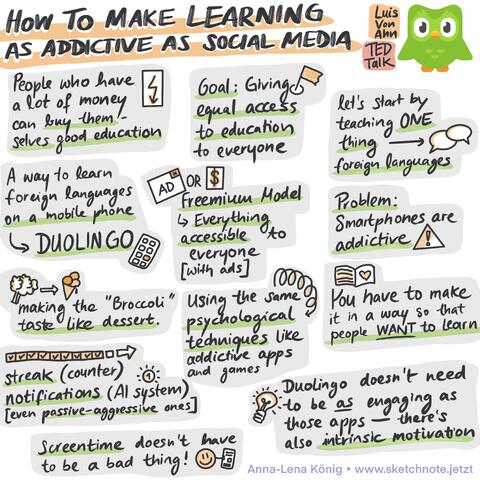
Can we hack learning and motivation for our students and ourselves as algorithms and AI do in social media? Which aspects of social media can we use in classrooms to motivate our students and make it sticky and ‘addictive’? Streaks, passive-aggressive notifications, fun? bolstering the last bit of internal motivation perhaps…Screen time will not be a bad thing if this is learned on a phone or a tablet right?
This is a free-to-subscribe newsletter. So, if you like my content, please subscribe to it by putting in your email ID here.
Three images of the week

Two Thoughts of the Week
“A wise man can learn more from a foolish question than a fool can learn from a wise answer.” – Bruce Lee
“The more I learn, the more I realize how much I don’t know. And when I think I know something, I learn something else and realize I was wrong.” – Unknown
One Video of the Week
When technologist Luis von Ahn was building the popular language-learning platform Duolingo, he faced a big problem: Could an app designed to teach you something ever compete with addictive platforms like Instagram and TikTok? He explains how Duolingo harnesses the psychological techniques of social media and mobile games to get you excited to learn — all while spreading access to education across the world.
Guest Expert of the Week
Reading with Ms. Meenu
Read Aloud = JOY!
When you love books as much as I do, you must share them with anyone who will listen. Over the years, I’ve observed the positive effects of read-aloud experiences on children’s attitudes and achievements. Before we go any further, I want to make sure that you clearly understand my stance on the read-aloud experience. First and foremost a read-aloud should be a joyful celebration for all. For you, for your students, and indirectly for the author and illustrator who toiled over each word and every image on and between the book’s covers.
A picture book is a piece of art created to be cherished and applauded. Right from the start, you should simply READ ALOUD – no questions, no stopping, no after-reading conversations. When your students are having a bad day – read aloud. If you need a break from a tough topic in Math – read aloud. When you just want to have fun with your kids – read aloud. Enjoy the book and the experience!
Happy Reading!
Meenu Gera, Consulting home and school librarian and reading guide.
And Finally…

Dear reader,
I have been a research scientist, a journalist, and an educator for over 3 decades. I read and, I write. With this weekly newsletter, I share what I read, learn, and, experience. At the same time, I engage with students, parents, and teams of teachers across K-12 schools, higher education institutions, and ed-tech organizations.
3-2-1 Tuesdays with Ms. Niv is a newsletter you can subscribe to and enjoy your learning journey with me.
This newsletter is supported by:
3-2-1 TUESDAYS WITH MS NIV
Issue #187, 6th February 2024
Luck is defined as success or failure apparently caused by chance. So what role does it play in our lives? why do we say best of luck before exams? why do we wish good luck before travel? how does luck come into play in getting through a college placement or a job interview?
What is your point of view on the role of luck? how do you use the word ‘lucky’ or ‘unlucky’ in your own context, in the context of your students, in conversation with your children and family members?
This is a free-to-subscribe newsletter. So, if you like my content, please subscribe to it by putting in your email ID here.
Three images of the week


Two Thoughts of the Week
“What lies behind us and what lies before us are tiny matters compared to what lies within us.” – Ralph Waldo Emerson
“It’s not the mountain we conquer, but ourselves.” – Sir Edmund Hillary
One Video of the Week
Luck is rarely a lightning strike, isolated and dramatic — it’s much more like the wind, blowing constantly. Catching more of it is easy but not obvious.
In this insightful talk, Stanford engineering school professor Tina Seelig shares three unexpected ways to increase your luck — and your ability to see and seize opportunities.
Guest Expert of the Week
Reading with Ms. Meenu
Strategies for Developing Vocabulary
Implement an Instructional Routine for Vocabulary:
It is one of the greatest tools to improve literacy skills. It has to be consistent, time-framed, and effective. We all know that vocabulary can be increased by reading various texts, topics, and genres.
1. Introducing a new word every day.
2. Introducing the word’s pronunciation.
3. Introduce the word’s meaning.
4. Illustrate the word with examples (and non-examples, when helpful).
5. At the end check the student’s understanding.
1. Pronunciation:
· Display the word and have the students repeat it.
· Have students tap, clap, or pound the syllables of the word. OR
· Have students put their hands under the chin and say the word.
· Learning syllables of the word is FUN!
2. Present a student-friendly definition:
· Tell students the definition or have them read it with you.
3. Illustrate the word with examples:
· Concrete examples (act it out or use an object)
· Visual examples
· Verbal examples
4. Check students understanding, using one of these options:
· Ask deep-processing questions.
· Have students discern between non-examples and examples.
· Have students compare the word to other words.
Happy Reading!
Meenu Gera, Consulting home and school librarian and reading guide.
And Finally…

Dear reader,
I have been a research scientist, a journalist, and an educator for over 3 decades. I read and, I write. With this weekly newsletter, I share what I read, learn, and, experience. At the same time, I engage with students, parents, and teams of teachers across K-12 schools, higher education institutions, and ed-tech organizations.
3-2-1 Tuesdays with Ms. Niv is a newsletter you can subscribe to and enjoy your learning journey with me.
This newsletter is supported by:
3-2-1 TUESDAYS WITH MS NIV
Issue #186, 30th January 2024
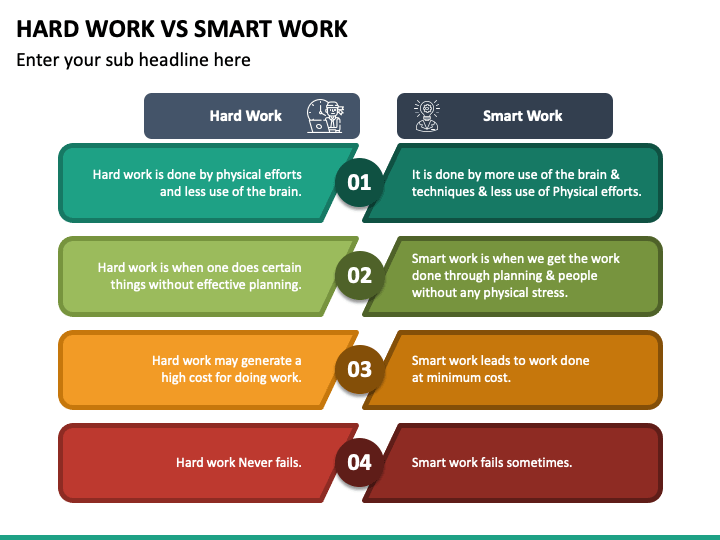
Play is hard work, and so is learning. Why is it so difficult to understand for parents and students that learning to play and learning to learn are both hard. Play is not a party, and neither is learning. The only party is the party. So if you are teaching in a school that has play-based pedagogy, or you are sending your child to a school with play-based pedagogy, it is still hard work. Not rote, not chalk and talk would mean teachers are putting in so much more effort to make it fun and engaging for students, ensuring that concepts are well entrenched, checking whether each individual child is learning at their pace, and more.
National Education Policy, National Curriculum Framework, Cambridge curriculum, International Baccalaureate, CBSE, ICSE, and State boards, all provide syllabus content and guidelines while the school works on a curriculum based on that along with a pedagogy that is best suited to their school vision, teacher training, and student needs. Many roads lead to being a successful student, hard work being an essential element of this journey.
Sure, go ahead and use Generative AI for smart work but continue alongside real efforts and hard work to build the life skill of persevering through the challenges of life and learning.
This is a free-to-subscribe newsletter. So, if you like my content, please subscribe to it by putting in your email ID here.
Three images of the week

Two Thoughts of the Week
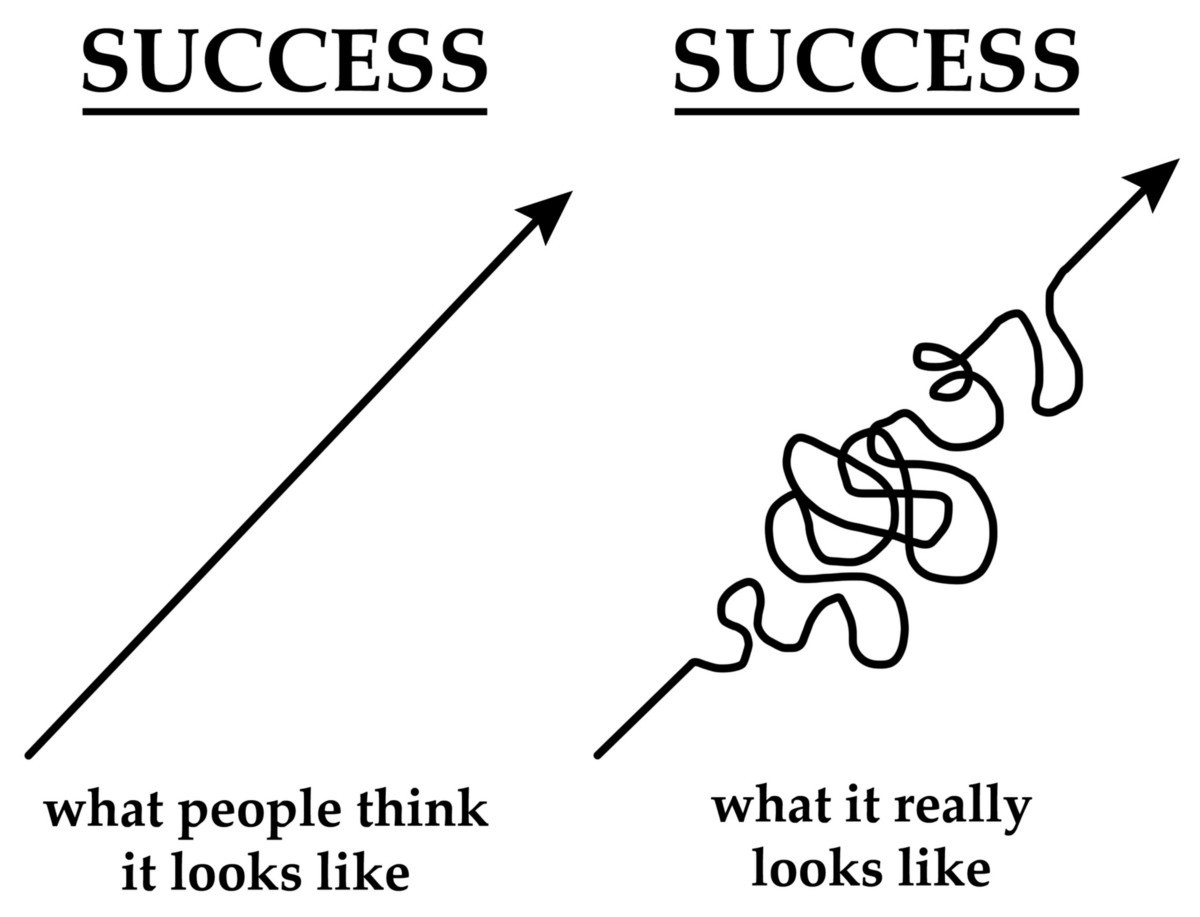
“Successful people are not gifted; they just work hard, then succeed on purpose.” —G.K. Nielson
“Success is no accident. It is hard work, perseverance, learning, studying, sacrifice, and most of all, love of what you are doing or learning to do.” —Pelé
One Video of the Week
Jerry Lee’s TEDx talk, “The Luckiest Man,” tells the story of his journey from growing up in a low-income household to earning $200,000 per year at age 24. Jerry discusses three moments in his life that he considers to be his luckiest and explains that his success was not achieved through shortcuts. He emphasizes the importance of investing time and effort into one’s goals.
The talk includes anecdotes about Jerry’s experiences in college, including applying for work-study jobs and internships. Jerry is the COO & Co-Founder of Wonsulting and an ex-Senior Strategy & Operations Manager at Google & used to lead Product Strategy at Lucid. After graduating from Babson, Jerry was hired as the youngest analyst in his organization by being promoted multiple times in his first 2 years. After he left Google, he was the youngest person to lead a strategy team at Lucid.
Jerry started Wonsulting to help millions around the world land their dream jobs. Through his work, he’s spoken at 250+ events & amassed 1.3+ Million followers across LinkedIn, TikTok & Instagram and has reached 200M+ jobseekers globally. In addition, his work has been featured on Forbes, Newsweek, Business Insider, Yahoo! News, LinkedIn & elected as the 2020 LinkedIn Top Voice for Tech & Forbes 30 under 30.
Guest Expert of the Week
Reading with Ms. Meenu
Wide Range of Reading Opportunities:
The more students read the more they learn. They learn about our world, consider new perspectives, and gain insights. We want our proficient readers to spend time reading a variety of texts independently, we can provide learning opportunities through read-aloud, shared reading, and audiobooks. Technology, such as audiobooks, allows older students who continue to struggle to access grade-level content and sophisticated vocabulary.
We can scaffold complex text for students by using structured shared reading strategies such as echo reading, choral reading, and buddy reading, allowing them to examine texts more closely and joyfully with teacher support. They allow students to practice decoding and fluency skills read for meaning, connect background knowledge and new information, and improve their vocabulary.
Happy Reading!
Meenu Gera, Consulting home and school librarian and reading guide.
And Finally…

Dear reader,
I have been a research scientist, a journalist, and an educator for over 3 decades. I read and, I write. With this weekly newsletter, I share what I read, learn, and, experience. At the same time, I engage with students, parents, and teams of teachers across K-12 schools, higher education institutions, and ed-tech organizations.
3-2-1 Tuesdays with Ms. Niv is a newsletter you can subscribe to and enjoy your learning journey with me.
This newsletter is supported by:
3-2-1 TUESDAYS WITH MS NIV
Issue #185, 23rd January 2024
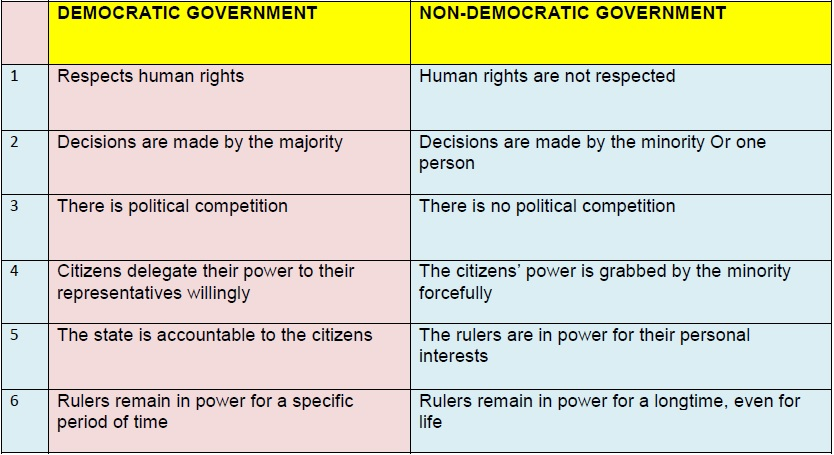
This year, India marks the 75th Republic Day on 26th January 2024. How do you think we have done so far? What do you think of our education system dear teachers, students, and parents? How do you see us going forward? What do our students need? What does the future of India need? What do you understand by Democracy – at home, in school, and in the country? Is there a place for conflict, struggle, and change? after all, we are one of the largest democracies and democracy is a verb, not a noun.
It does not exist unless we participate, discuss, and do. Let us enjoy our democracy and never take it for granted. Happy Republic Day.
This is a free-to-subscribe newsletter. So, if you like my content, please subscribe to it by putting in your email ID here.
Three images of the week


Two Thoughts of the Week
“A government of laws, and not of men.”
—John Adams
“Prosperity or egalitarianism—you have to choose. I favor freedom—you never achieve real equality anyway: you simply sacrifice prosperity for an illusion.”
—Mario Vargas Llosa
One Video of the Week
Today, Hungary is in the gray zone between a dictatorship and a democracy,” says activist Tessza Udvarhelyi. “This did not happen overnight.” In a rousing talk, she reminds us just how close any country can come to authoritarianism — and offers on-the-ground lessons for how to keep democracy alive through focus, determination and imagination.
Guest Expert of the Week
Reading with Ms. Meenu
Give Rich Read-Alouds
Rich read-alouds are essential in building comprehension. Select complex texts above a student’s current grade level to build oral language skills, as well as their knowledge and vocabulary introduce them to new books, favorite books, classic literature, and high-quality informational texts in a variety of genres and by a variety of authors. Students need to experience different genres of books that represent a variety of subject backgrounds. Choosing texts with rich ideas and sophisticated themes can help students build world and word knowledge to support future reading.
Reading at home: Tips for Parents
1. Find a consistent time to read.
2. Sit next to your child and give your undivided attention.
3. Use a pencil to point to the words. You can point above the words while the child uses a finger to point below them.
4. If your child struggles to read a word, point to the part she or he misses the sound. Then have your child re-blend the word.
Happy Reading!
Meenu Gera, Consulting home and school librarian and reading guide.
And Finally…

Dear reader,
I have been a research scientist, a journalist, and an educator for over 3 decades. I read and, I write. With this weekly newsletter, I share what I read, learn, and, experience. At the same time, I engage with students, parents, and teams of teachers across K-12 schools, higher education institutions, and ed-tech organizations.
3-2-1 Tuesdays with Ms. Niv is a newsletter you can subscribe to and enjoy your learning journey with me.
This newsletter is supported by:
3-2-1 TUESDAYS WITH MS NIV
Issue #184, 16th January 2024
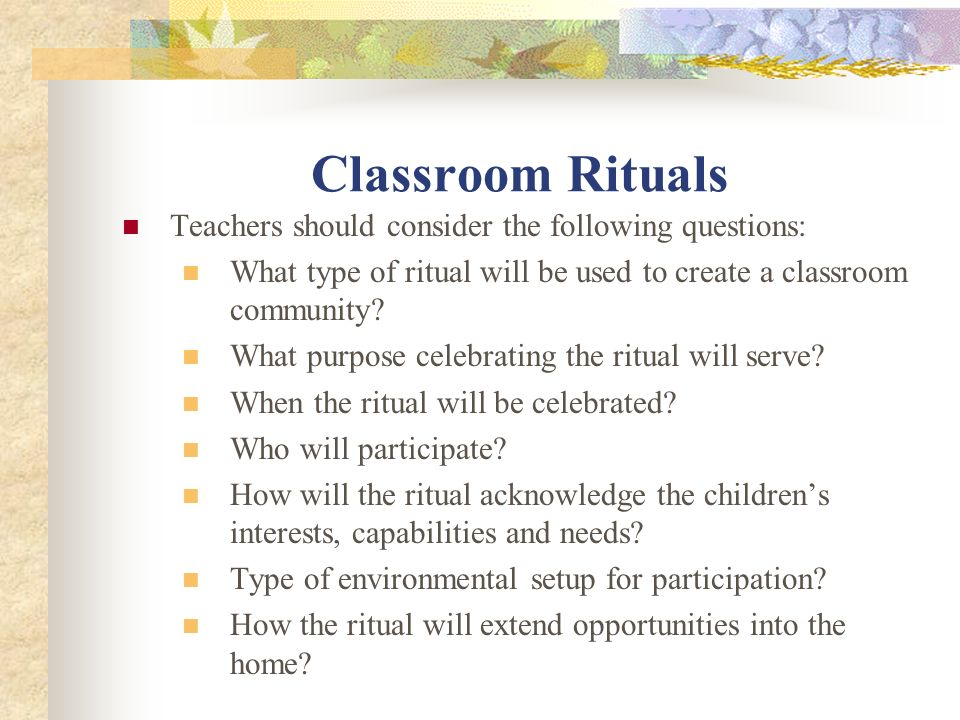
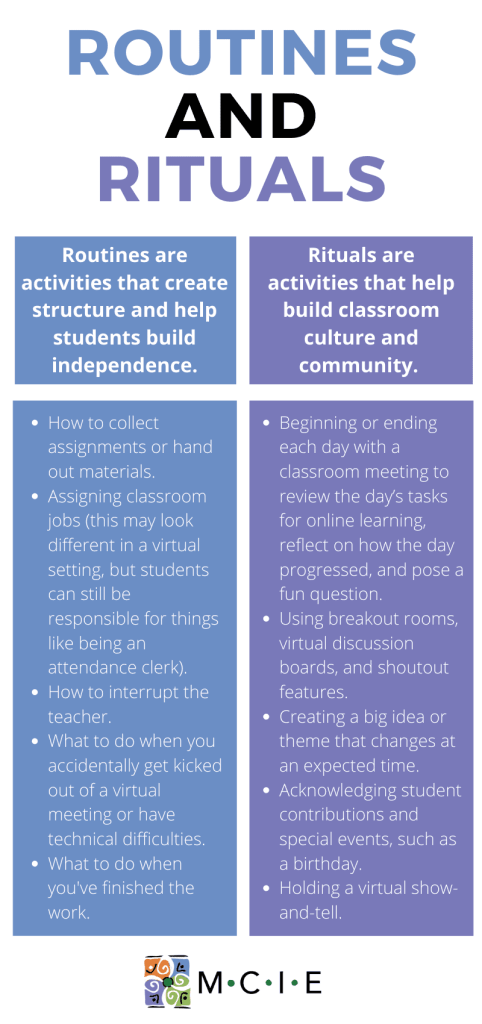
We have been having holidays, festivals, celebrations, and thus rituals. The start of the new year has brought my thoughts to – What is a ritual? Do you recognize the rituals you have in your classroom? in your school? in your family? or in the society you live in? Are they elevating your energy and bringing together the people you are practicing your ritual with and leading to a positive outcome? or are these rituals taking away from your intended outcome? How does having a ritual in a group help in psychological anchoring in a changing world? Do rituals unite or divide?
What is the benefit of routine and ritual in individual, family, community, and nation’s journey? Do we need to create some, review others, reject some, respect others’ rituals, or judge them? What are your thoughts about rituals? Perhaps time to think, and discuss with your friends/family/fellow educators and your classroom students. Here are some ideas to get you started.
This is a free-to-subscribe newsletter. So, if you like my content, please subscribe to it by putting in your email ID here.
Three images of the week

Two Thoughts of the Week
One Video of the Week
What is a ritual, and what is its impact in today’s society? “What isn’t a ritual?” asks Michael Norton in this fascinating talk about the role that ritual continues to play in our lives.
Guest Expert of the Week
Reading with Ms. Meenu
Neurological Impress Method to enhance the reading levels:
This method was introduced by Heckelman in 1969 and research has found it to be effective in developing fluency. Don’t be alarmed by the technical name. The Neurological Impress Method is simply alarmed by the technical name. The Neurological Impress Method is simply a form of paired reading where the teacher and student read the text aloud at the same time. The teacher should read slightly faster and louder than the student typically reads, while student and teacher track the text with a finger. During small group time, as I listen to individual students read, I might say, “Now let’s read this next page together. Try to keep your voice with mine.” It is very useful for students who need a little boost in their reading rate and prosody.
Advantage of Whole-Group Reading:
· There are many ways to address fluency in your whole-group instruction.
· You can:
· Read aloud a text, modeling appropriate pacing and prosody, while students follow along with a finger on their own copy.
· Do close reading, where you pause at words you want students to read and they read the word.
· Do choral reading, where you and students read aloud in unison.
· Do echo reading, where you read a short section of the text first (a phrase or sentence) and students repeat it. I find that beginning readers, especially, benefit from this.
All of these techniques are great ways to scaffold instruction, which is necessary when we read more complex text.
Happy Reading!
Meenu Gera, Consulting home and school librarian and reading guide.
And Finally…

Dear reader,
I have been a research scientist, a journalist, and an educator for over 3 decades. I read and, I write. With this weekly newsletter, I share what I read, learn, and, experience. At the same time, I engage with students, parents, and teams of teachers across K-12 schools, higher education institutions, and ed-tech organizations.
3-2-1 Tuesdays with Ms. Niv is a newsletter you can subscribe to and enjoy your learning journey with me.
This newsletter is supported by:
3-2-1 TUESDAYS WITH MS NIV
Issue #183, 9th January 2024
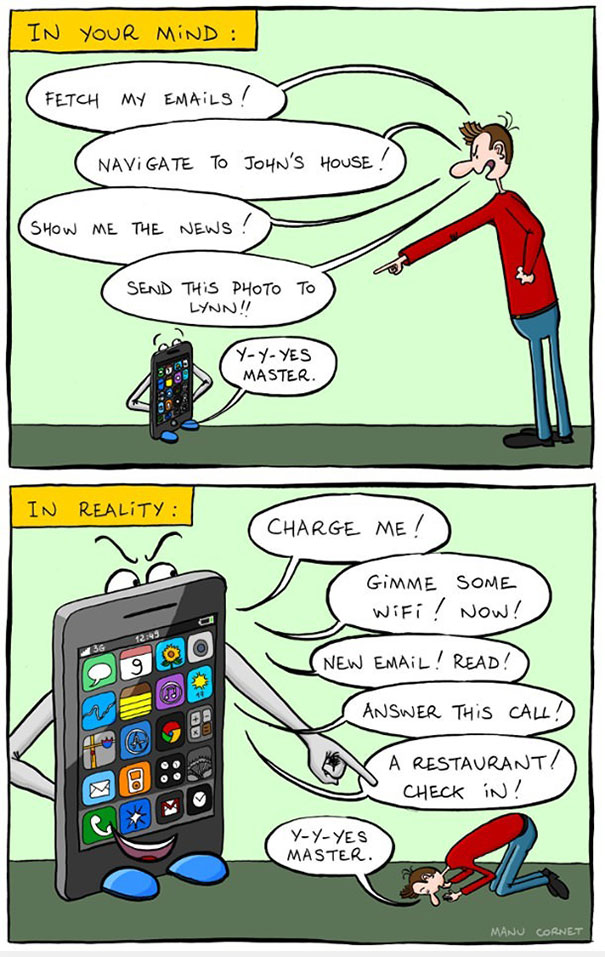
How is your, your child’s/ your student’s relationship to their cell phone? is it a tool, a device, or an attachment you/they can’t do without. Do you/they use it for learning something? finding something? connecting with someone? getting the work done? or is it the first and the last thing you/they look at when you/they go to sleep and wake up? Do you/they go for a walk anytime without your cell phone? or have an uninterrupted conversation without notification pinging your/their attention? When does it become an addiction that comes in your way of functioning instead of being an aid?
It is 2024, a brand new year has just begun. Let us do a reality check on our relationship with the phone.
This is a free-to-subscribe newsletter. So, if you like my content, please subscribe to it by putting in your email ID here.
Three images of the week


Two Thoughts of the Week
“Technology can be our best friend, and technology can also be the biggest party pooper of our lives. It interrupts our own story, interrupts our ability to have a thought or a daydream, to imagine something wonderful, because we’re too busy bridging the walk from the cafeteria back to the office on the cell phone.”- Steven Spielberg
“Would I buy a cell phone for my 12-year-old?… No. I should have closer control over my child than that. He really shouldn’t be in places where he needs to contact me by cell. ” – Stephen Baker
One Video of the Week
Tanner has a comedic and uncanny way of noticing everyday events. He draws people in while entertaining them about his personal experiences pertaining to social interactions and common cell phone usage amongst the youth of today. Tanner Welton is a grade 8 student from the Langley, British Columbia. He enjoys public speaking, hockey, drama the outdoors and socializing with friends. He is a very social kid who takes a keen interest in people. He is very personable and charismatic. He notices the more subtle ways people interact and loves to evaluate these relationships and share stories.
He is empathic and caring towards others and notices when others feel sad, lonely or not accepted in groups. He wants all to be accepted and cared for and strives for fairness and understanding in the world. He has learned to be resilient as he faces his own daily challenges and is learning to overcome obstacles and see the light in his future.
Guest Expert of the Week
Reading with Ms. Meenu
Transition Out of Decodables:
Decodable texts are like training wheels: Kids need them for only a short time. The goal is to transition away from them as soon as the child is ready. They are just a stepping stone for sure. Once students have a strong phonics base and no guessing habit, move them into authentic texts (i.e. trade books).
The percentage of decodable words in books should vary so you can gradually transition your students to trade books. Some books are highly decodable, containing at least 90 percent of words with sound-spelling correspondences that the students have learned. Other books are less decodable, containing closer to 75-80 percent. Having a range enables students to gradually move from books with a higher decodability percentage to books with a lower decodability percentage and then to authentic text. It ensures a smooth transition and gives me confidence that each student is ready to attack more difficult texts without relying on cueing strategies.
What to look for in a decodable book series:
· The series follows a logical scope and sequence that progresses from simple to complex phonics skills.
· Each book has plenty of words that follow the target skill.
· Each book has a limited number of irregular words.
· Each book’s language and storyline make sense.
Happy Reading!
Meenu Gera, Consulting home and school librarian and reading guide.
And Finally…
Dear reader,
I have been a research scientist, a journalist, and an educator for over 3 decades. I read and, I write. With this weekly newsletter, I share what I read, learn, and, experience. At the same time, I engage with students, parents, and teams of teachers across K-12 schools, higher education institutions, and ed-tech organizations.
3-2-1 Tuesdays with Ms. Niv is a newsletter you can subscribe to and enjoy your learning journey with me.
This newsletter is supported by:
3-2-1 TUESDAYS WITH MS NIV
Issue #182, 2nd January 2024
You can wish the universe to conspire with you to achieve or goals, your wish to be fulfilled. Nothing wrong with that. But it would remain in the realm of positive thinking and may not move into possibility until there is an action plan attached to it.
Happy New Year dear educators, students, and parents. Have a super 2024, manifesting your wishes by setting goals and creating action plans for achieving the same. Here are a few tips that might nudge you along the way.
This is a free-to-subscribe newsletter. So, if you like my content, please subscribe to it by putting in your email ID here.
Three images of the week


Two Thoughts of the Week
“When it is obvious that the goals cannot be reached, don’t adjust the goals, adjust the action steps.”Confucius
“Action expresses priorities. “Mahatma Gandhi
One Video of the Week
Amara Leggett is an accomplished 16-year-old who has already graduated from both New Albany High School and Columbus State Community College.
Her talk centers around how to form a plan that allows you to do what at first seemed unthinkable, which for her meant graduating from high school and college simultaneously. Amara is an accomplished 16 year old – she has already graduated from both New Albany High School and Columbus State Community College. She will discuss how to form a plan that allows you to do what at first seemed unthinkable, which for her meant graduating from high school and college simultaneously.
Guest Expert of the Week
Reading with Ms. Meenu
Use Decodable Texts Instead of Predictable Texts with Beginning Readers:
Predictable texts are widely used by beginning readers. But I suggest replacing them with decodable texts. I’m not talking about beautiful authentic books such as The Napping House and Chicka Chicka Boom Boom. I’m talking about those contrived, early readers with repetitive language such as “We cleaned the garage. We cleaned the house. We cleaned the garage. We cleaned the house. We cleaned the school and so forth. Those books are written from the standpoint that reading is a natural process, and the best way to teach it is by encouraging students to memorize words and use pictures to identify words. But that is not how reading works. The only way for beginning readers to get through those texts is by memorizing the patterns or using the three cueing strategies I discouraged in Move 3. But that is not reading! It is memorizing and guessing. It gives the illusion of reading but creates damaging habits that can be tough to break.
Three Purposes of Decodable Texts:
1. Support readers in word identification.
2. Allow readers to apply what they’ve learned from your phonics lessons.
3. Direct the reader’s attention to the letters and sounds.
Happy Reading!
Meenu Gera, Consulting home and school librarian and reading guide.
And Finally…

Dear reader,
I have been a research scientist, a journalist, and an educator for over 3 decades. I read and, I write. With this weekly newsletter, I share what I read, learn, and, experience. At the same time, I engage with students, parents, and teams of teachers across K-12 schools, higher education institutions, and ed-tech organizations.
3-2-1 Tuesdays with Ms. Niv is a newsletter you can subscribe to and enjoy your learning journey with me.
This newsletter is supported by:
3-2-1 TUESDAYS WITH MS NIV
Issue #181, 26th December 2023
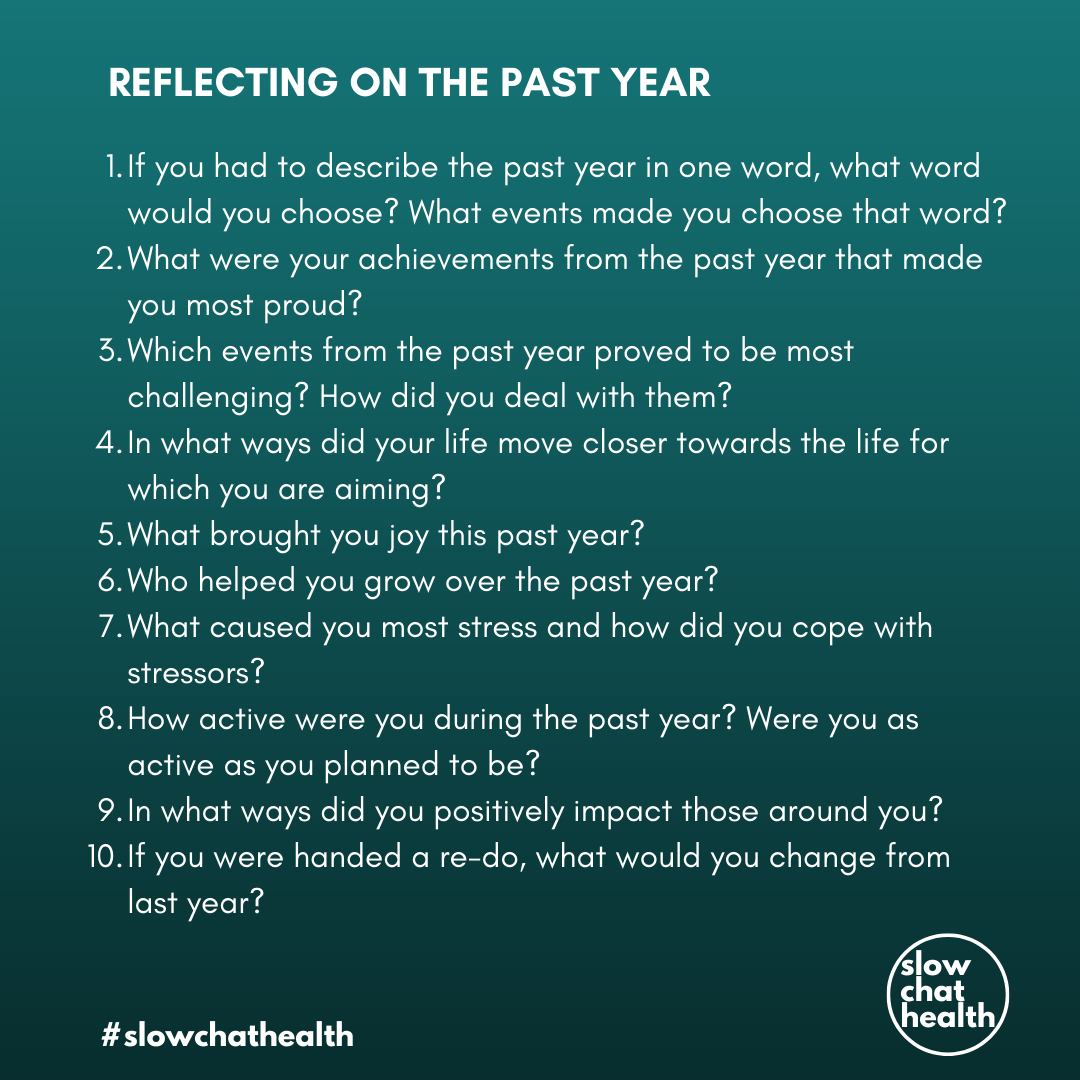
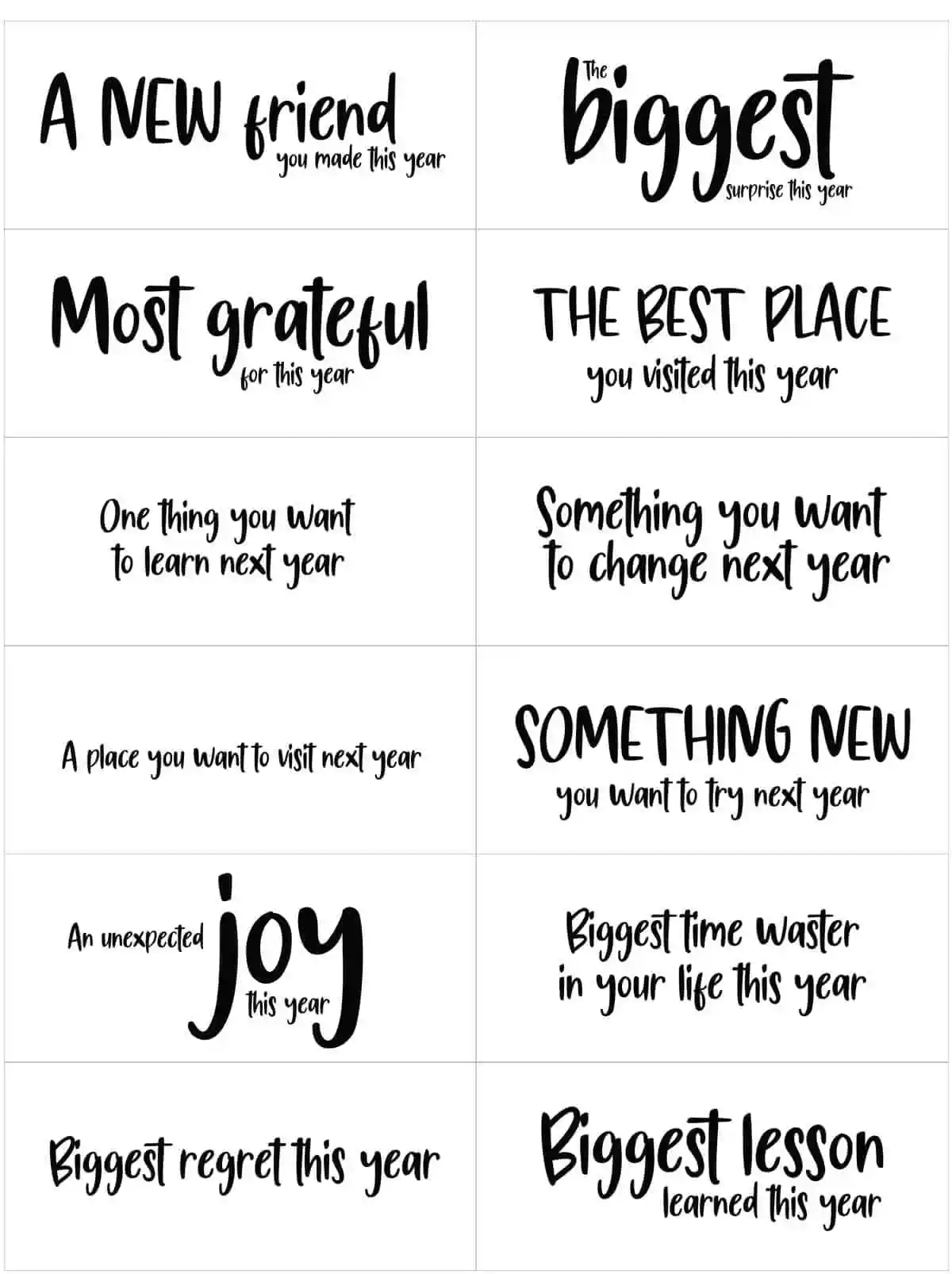
Reflecting on the year gone by. Looking forward to the year coming ahead. Picking out the aspects of our teaching-learning-living moments we enjoyed with our children/students. Activities that we want to do more of with our students and fellow teachers. Activities that gave us the energy. Actions that we did to give others around us positive strokes and inspiration to carry on with joy and vigor. What comes to your mind when you think of it? Want a structure for yourself your family or your students? here are a few ideas. Hope you find them interesting and useful.
This is a free-to-subscribe newsletter. So, if you like my content, please subscribe to it by putting in your email ID here.
Three images of the week

Two Thoughts of the Week
We do not learn from experience… we learn from reflecting on experience.
John Dewey
It is always important to know when something has reached its end. Closing circles, shutting doors, finishing chapters, it doesn’t matter what we call it; what matters is to leave in the past those moments in life that are over.
Paulo Coelho
One Video of the Week
In this talk, recorded at TEDxEustis in January 2019, Dr. Julie Hasson shares her research into the impact of “The Teachers We Remember.” Her engaging talk details the experiences of students with teachers who impacted their lives and reveals ways techniques that teachers can utilize to have a greater impact on current students. Dr. Julie Hasson is the Nina B. Hollis Endowed Chair in Education at Florida Southern College. In addition to teaching graduate students, Julie is engaged in qualitative research exploring the lasting impact teachers make on students’ lives. She founded the Chalk and Chances project, an online community committed to celebrating and elevating the teaching profession.
As a a former teacher and school principal, Julie is passionate about making schools better places for teachers to teach and students to learn. Julie speaks to groups across the country about her research. She is also the author of Unmapped Potential: An Educator’s Guide to Lasting Change.
Guest Expert of the Week
Reading with Ms. Meenu
Explicit and Systematic Phonics Instructions:
A truly systematic approach to phonics means teaching all of the major letter-sound correspondences in a clear, sequential well-thought-out order. Students have to infer the words while they read. Any approach that is not systematic or explicit encourages us to teach phonics incidentally.
Habits of Teachers who practice Explicit and Systematic phonics Instruction.
What they do:
· Follow a clear sequence of phonics skills, progressing from simple to complex.
· Leave nothing to chance.
· Use a program that connects and unifies skills.
· Establish routines.
· Follow a step-by-step procedure.
· Gradually release responsibility using the “I Do, We Do, You Do” approach.
· Break down critical content into manageable chunks.
· Teach Interactively, giving students frequent opportunities to respond.
· Give students meaningful and judicious practice opportunities.
What they don’t do:
· Only teach concepts as they come up.
· Expect students to discover basic phonics concepts on their own.
· Work without a reliable scope and sequence.
· Work without established routines.
· Give phonics activities instead of providing solid instruction.
Happy Reading!
Meenu Gera, Consulting home and school librarian and reading guide.
And Finally…

Dear reader,
I have been a research scientist, a journalist, and an educator for over 3 decades. I read and, I write. With this weekly newsletter, I share what I read, learn, and, experience. At the same time, I engage with students, parents, and teams of teachers across K-12 schools, higher education institutions, and ed-tech organizations.
3-2-1 Tuesdays with Ms. Niv is a newsletter you can subscribe to and enjoy your learning journey with me.
This newsletter is supported by:
3-2-1 TUESDAYS WITH MS NIV
Issue #180, 19th December 2023
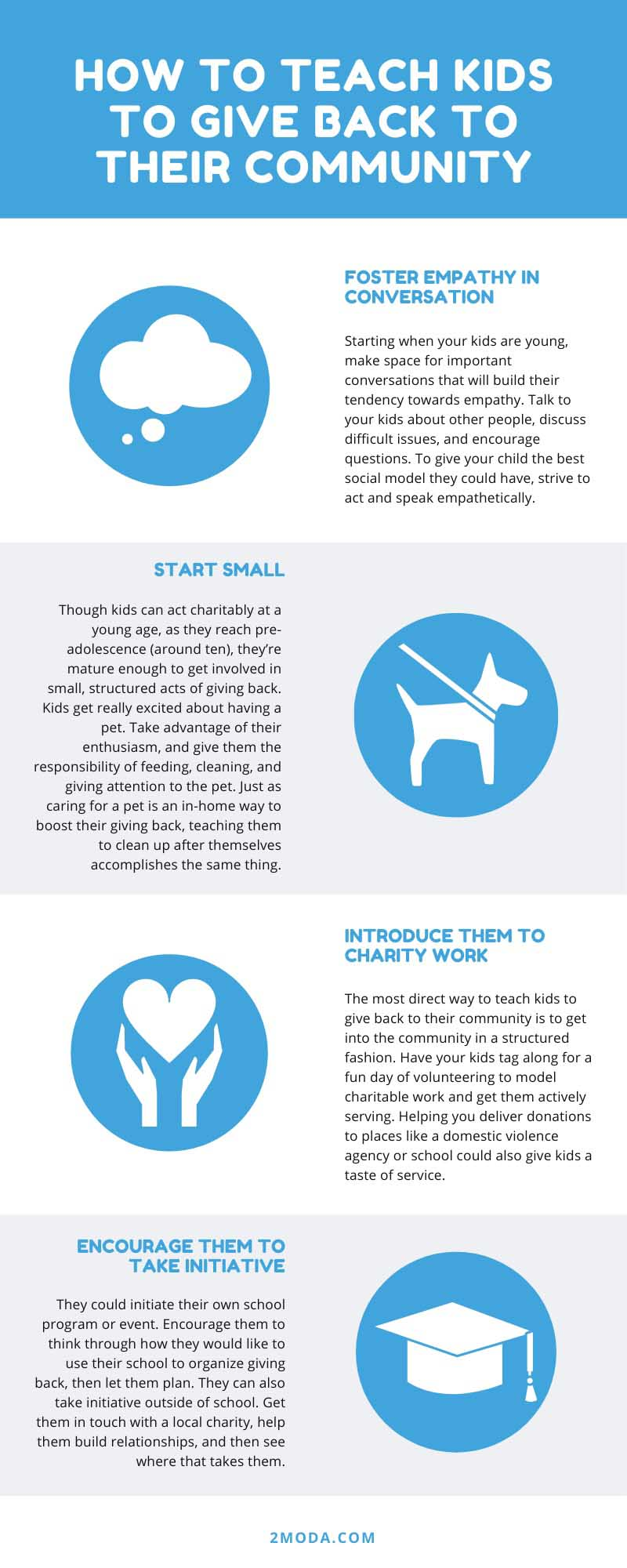
Philanthropy is a love market. What do you think? What comes to your mind when you think of philanthropy? or giving? When you grow up you can do – the student, when you grow rich you can do – the youth, when you have extra you can do – the vast majority, when you retire you can do – many middle-aged, When you grow older – you can do philanthropy… What do you think of the act of giving? What role do you as parents, and/or educators play in sharing your thoughts and teaching about philanthropy? It is the end of the year, it is Christmas, and it is time to think anew and share how you look at yourself as a giver, and how you role model for your students and children the act of giving.
This is a free-to-subscribe newsletter. So, if you like my content, please subscribe to it by putting in your email ID here.
Three images of the week


Two Thoughts of the Week
“I have found that among its other benefits, giving liberates the soul of the giver.”
- Maya Angelou
“No one has ever become poor from giving.
- Anne Frank
One Video of the Week
Generosity is proven to make people happier. Imagine the difference we could make if we all increased our annual donations by just 1%. Ami Campbell, co-author of the book “Love Let Go: Generosity For The Real World,” educates us about the personal and global benefits of generosity. Ami Campbell champions generosity.
Co-Author of Love Let Go: Radical Generosity for the Real World, her writing has appeared in Philanthropy Daily, RELEVANT magazine, The Christian Century, and the Harvard Business School Alumni Bulletin. She is a consultant and stewardship educator who helps people rediscover their giving selves. This talk was given at a TEDx event using the TED conference format but independently organized by a local community.
Guest Expert of the Week:
Reading with Ms. Meenu
Reading proficiency with Phonemes:
Phonemic Awareness:
Phonemic awareness is critical for students to become proficient readers. Students need to develop an awareness of individual phonemes and how they connect to graphemes and their written representations. It can be taught in short and frequent sessions. We need to get to the phoneme level quickly and briskly. Students develop an awareness of the external units before the internal units. We should connect our phonemic awareness instruction with letters. Science consciously evolves and so must we.
· Phonemic awareness is a critical component of reading instruction.
· Phonemic awareness and letter knowledge are reliable predictors of future literacy performance.
· The most common source of reading difficulties is poor phonemic awareness.
· It is the conscious awareness of phonemes (individual speech sounds) in spoken words.
· Blending and segmenting are the most critical phonemic awareness skills because they are necessary for reading and spelling.
There are 44 phonemes of English, which can be categorized into vowel and consonant phonemes. We can discuss these phonemes by their place and manner of articulation. As educators, we should plan our language lesson plan strategically.
Happy Reading!
Meenu Gera, Consulting home and school librarian and reading guide.
And Finally…

Dear reader,
I have been a research scientist, a journalist, and an educator for over 3 decades. I read and, I write. With this weekly newsletter, I share what I read, learn, and, experience. At the same time, I engage with students, parents, and teams of teachers across K-12 schools, higher education institutions, and ed-tech organizations.
3-2-1 Tuesdays with Ms. Niv is a newsletter you can subscribe to and enjoy your learning journey with me.
This newsletter is supported by:
 Nivedita Mukerjee