Nivedita Mukerjee
Education consultancy for parents and schools
3-2-1 TUESDAYS WITH MS NIV
Issue #179, 12th December 2023
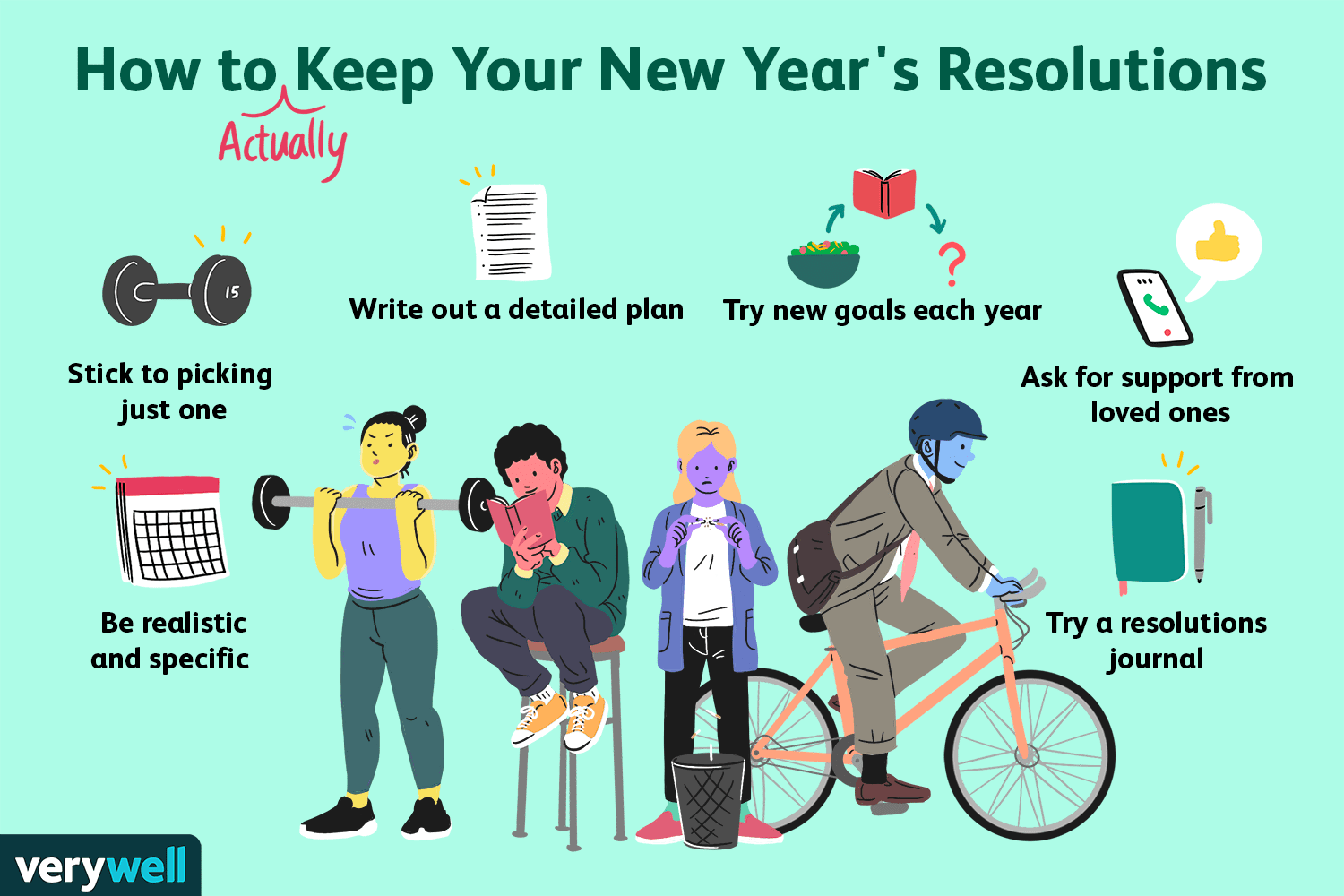
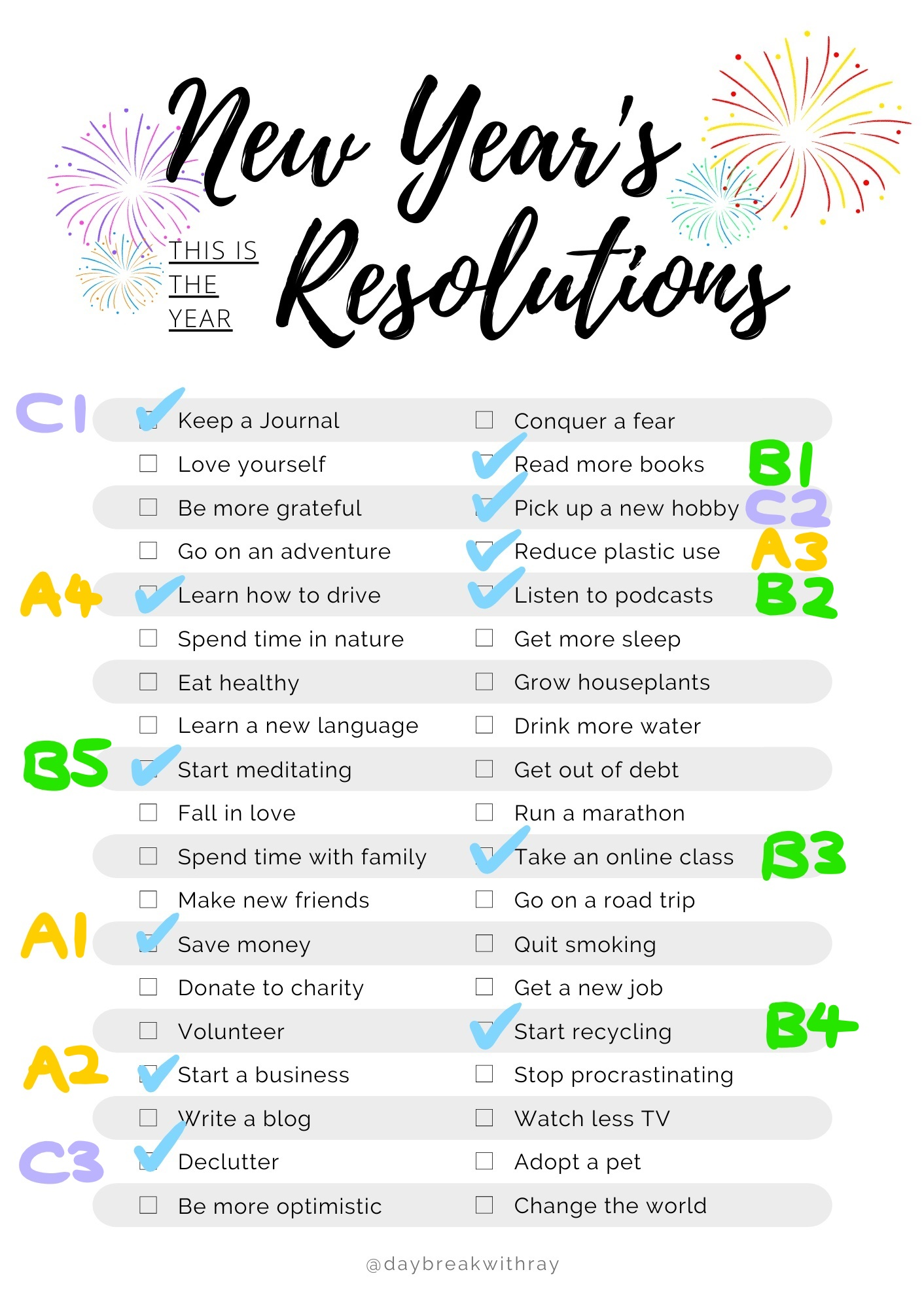
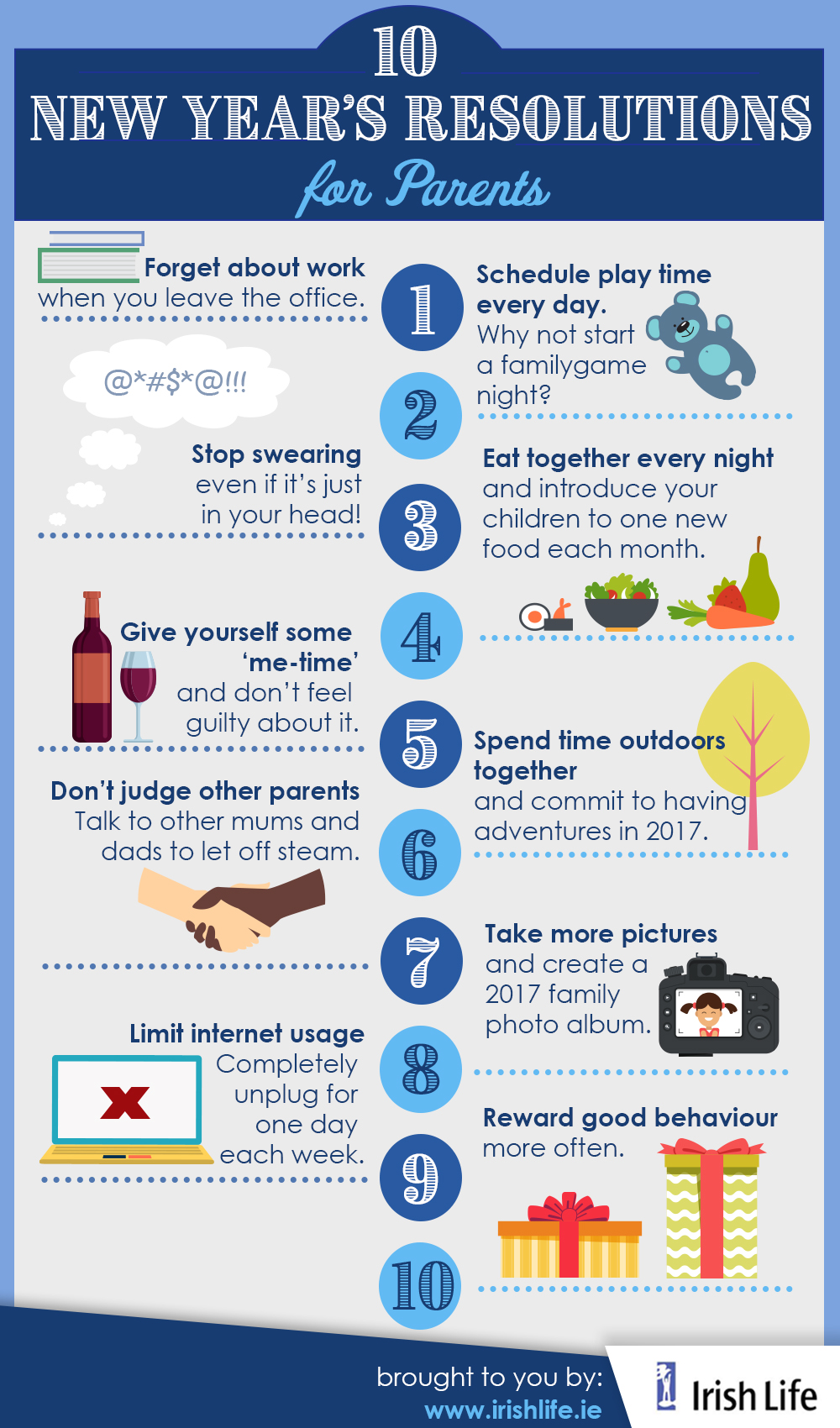
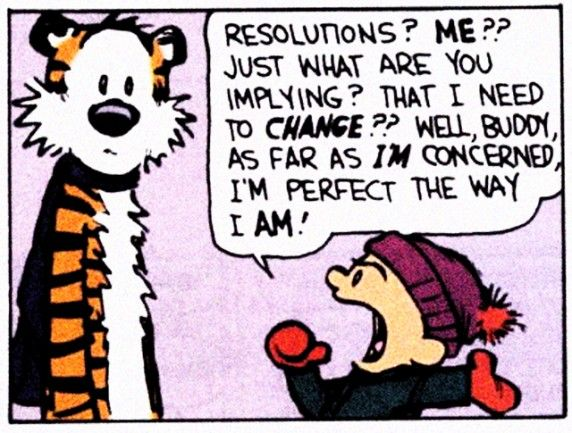
A resolution is made for something that needs to be improved. Something you are doing and want to do more of. Something you do not do and realize that you need to start soon. Your birthday, a new month, a new year – great times to think afresh and start/improve on some aspect of your life. Had a discussion with your students/child lately? Good time to start now if you haven’t already been thinking before the schools close for the holidays. How to make them? How to keep them? Which ones are worthy to be included? Parents, this makes for a good discussion in the family and a great opportunity for role-modeling as well as getting insight into your child’s thought process.
Resolutions that are systematic, have accountability built in them, and are a two-way street have more chances of being followed through. Check out the video in today’s issue for some great tips.
This is a free-to-subscribe newsletter. So, if you like my content, please subscribe to it by putting in your email ID here.
Three images of the week
Two Thoughts of the Week
“Wishes are possibilities. Dare to make a wish.”
― Lailah Gifty Akita, Think Great: Be Great!
“There is nothing magical about the flip of the calendar, but it represents a clean break, a new hope, and a blank canvas.”
― Jason Soroski
One Video of the Week
Austin Yoder, College Class of 2011 | Austin is studied Chinese and Philosophy. When he isn’t in school, he’s busy traveling the world, drinking tea, freelancing, and trying to game the system. Check out his website on AustinYoder.com.
Guest Expert of the Week:
Reading with Ms. Meenu.
Science of Reading:
Sometimes educators think the science of reading refers to a specific curriculum, program, or method. But the term refers to a large body of high-quality research on reading. It encompasses thousands of studies or as literacy expert Louisa Moats put it “ The science of reading is not an ideology, a philosophy, a political agenda, a one size fits all approach to a program of instruction or a specific component of instruction. It is the emerging consensus from many related disciplines, based on literally thousands of studies, supported by hundreds of millions of research dollars conducted worldwide in many languages.
Skilled Reading:
Skilled reading is a fluent execution and coordination of word recognition and text comprehension. Many strands are woven into skilled reading i.e. Language comprehension which increases strategically and word recognition, which increases automatically.
Language Comprehension
· Background Knowledge
(facts and concepts)
· Vocabulary
(precision and links)
· Language Structure
(syntax and semantics)
· Verbal Reasoning
(inference and metaphor)
· Literacy Knowledge
(print concepts and genres)
Word Recognition
· Phonological Awareness
(syllables, phonemes)
· Decoding
(alphabetic principle, spelling-sound correspondences)
· Sight Recognition
(of familiar words)
Happy Reading!
Meenu Gera, Consulting home and school librarian and reading guide.
And Finally…
Dear reader,
I have been a research scientist, a journalist, and an educator for over 3 decades. I read and, I write. With this weekly newsletter, I share what I read, learn, and, experience. At the same time, I engage with students, parents, and teams of teachers across K-12 schools, higher education institutions, and ed-tech organizations.
3-2-1 Tuesdays with Ms. Niv is a newsletter you can subscribe to and enjoy your learning journey with me.
This newsletter is supported by the following :


3-2-1 TUESDAYS WITH MS NIV
Issue #178, 5th December 2023
How do you interact with the media around you? How do your students consume media? How do you interpret, deconstruct, and fact-check the media you, your students, your children, and your colleagues consume and share with each other? Is it part of your curriculum? does it form a part of your dinner table discussion? Media literacy connects school and the daily life of our students. If you are not already bringing media into your curriculum resources, every day, this is a good time to start. If you are doing it sometimes, then it is time to bring it in all the time.
Here are some thoughts that you might find useful as a parent and/or an educator for your child and/or students.
This is a free-to-subscribe newsletter. So, if you like my content, please subscribe to it by putting in your email ID here.
Three images of the week


Two Thoughts of the Week
“When people talk to me about the digital divide, I think of it not so much about who has access to what technology as about who knows how to create and express themselves in the new language of the screen. If students aren’t taught the language of sound and images, shouldn’t they be considered as illiterate as if they left college without being able to read and write?” George Lucas
“Computing is not about computers anymore.” It is about living. Nicholas Negroponte
One Video of the Week
Quijada is the executive director of the Media Literacy Project. With more than a decade of experience as a media literacy trainer, and 20 years as a community organizer, she has a deep passion for media justice. Quijada presents nationally and internationally on the impact of media on culture, politics, and technology. She has co-founded various organizations in Albuquerque, including Young Women United, a reproductive justice organization by and for young women of color.
Quijada is particularly interested in media as a tool for self-determination and movement building.
Guest Expert of the Week:
Reading with Ms. Meenu.
Book Clubs:
Book clubs are an important part of connecting readers with each other and emergent readers. Book clubs promote adding context for the importance of questioning and inferring to comprehend text and having great conversations about books. Book clubs can be a connection between young library readers and adult public library readers. Readers can focus on many aspects of reading.
What do book clubs do?
· How readers figure out the unknown word level, plot level, idea level, character level, etc.
· Predictions with text support, how readers use prior knowledge plus text to get smarter, and how the reader writes the book.
· Reading content focuses on questioning and how do questions help us read better?
· What types of questions help us understand?
· What different purposes do questions serve?
· Reading content focuses on inferring and how to make predictions about text and confirm or contradict predictions as you read.
In a Teacher Librarian’s role book clubs play an important role and create a community of avid readers. Young adult readers participate in buddy reading activities and encourage junior readers to be part of it. Educators have seen many positive results of running Book Clubs in their libraries or local bookshops to inspire young readers into a reading environment.
Happy Reading!
Meenu Gera, Consulting home and school librarian and reading guide.
And Finally…

Dear reader,
I have been a research scientist, a journalist, and an educator for over 3 decades. I read and, I write. With this weekly newsletter, I share what I read, learn, and, experience. At the same time, I engage with students, parents, and teams of teachers across K-12 schools, higher education institutions, and ed-tech organizations.
3-2-1 Tuesdays with Ms. Niv is a newsletter you can subscribe to and enjoy your learning journey with me.
This newsletter is supported by the following :
3-2-1 TUESDAYS WITH MS NIV
Issue #177, 28th November 2023
Alright, the last month of the year is coming upon us and it is time to rack up our own Kind-o-meter and help it flow to our community whether you are a parent, student, or teacher. How do you do it? if you have it in your heart show it. If you are unsure, here are some tips and yes, lists of ways to do it! Get-Set-be kind!
This is a free-to-subscribe newsletter. So, if you like my content, please go ahead and subscribe to it by putting in your email ID here:
Three images of the week
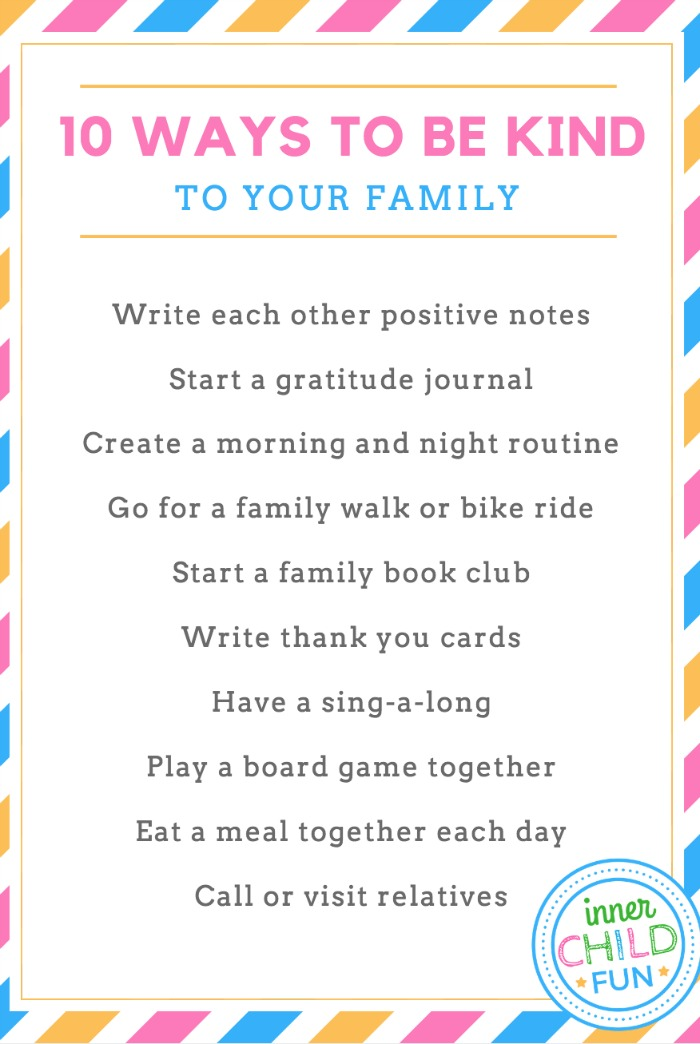

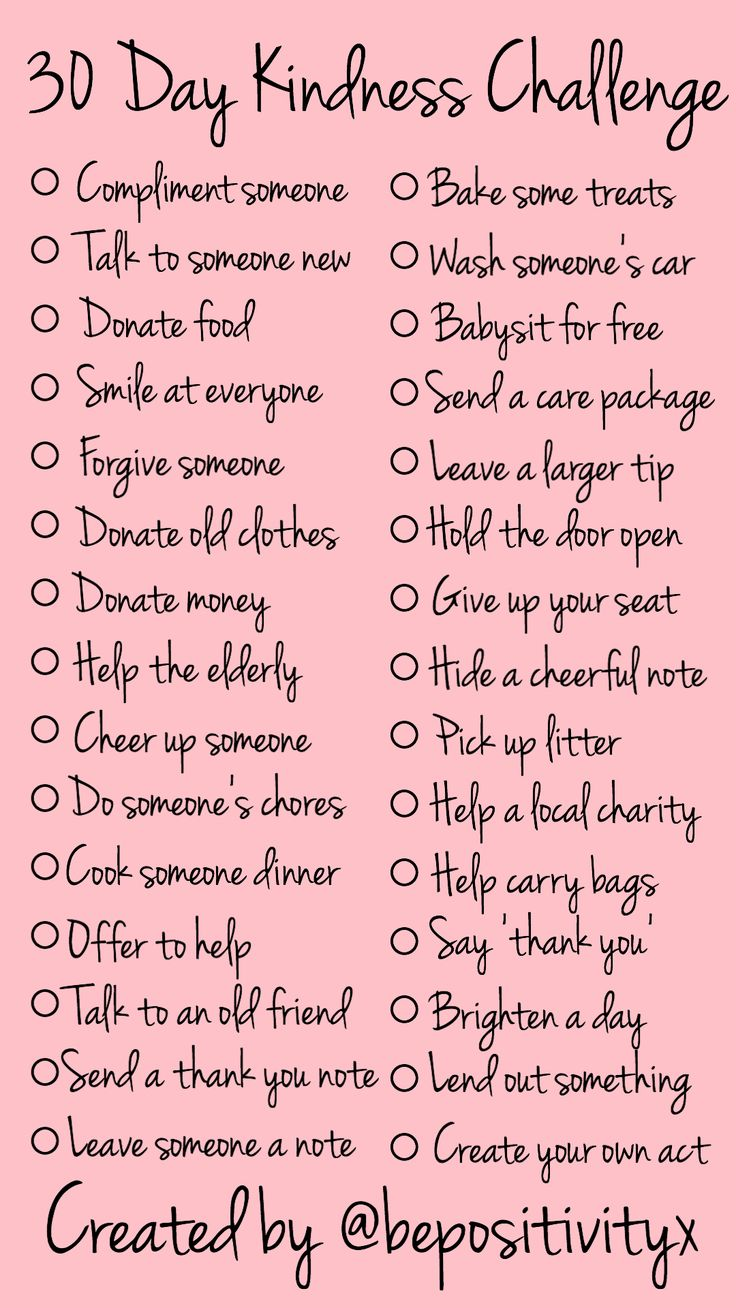
Two Thoughts of the Week
“You cannot do kindness too soon, for you never know how soon it will be too late.” —Ralph Waldo Emerson
“Be kind whenever possible. It is always possible.” —The 14th Dalai Lama.
One Video of the Week
Kindness is a common language we all speak. It doesn’t cost anything and means everything. And the sooner we start practicing it, the better we get at it. Whether you are 7 or 77, you will appreciate words and gestures when conveyed with kindness.
Cindy is a kindness ambassador at her school. At just 7 years of age, she is well known at her school for being the most caring, helpful, and kind student – an accolade she cherishes. She speaks English, French, Mandarin and Spanish.
She also loves to sing and recently won a gold prize at the KPU International Music Festival.
Guest Expert of the Week:
Reading with Ms. Meenu.
Role of a Novel Study:
· Word Analysis, Fluency, and Systematic Vocabulary Development. While novel study students apply their knowledge of word origins to determine the meaning of new words encountered in reading materials as Novels. And then use those words accurately in reading.
· Reading Comprehension (Focus on Informational Materials) Novel study helps students to read and understand grade level appropriate material. They analyze the organizational patterns, arguments, and positions advanced.
· Literary Response and Analysis. During various novel study sessions students read and respond to historically or culturally significant works of literature that reflect and enhance their studies of history and social science. They conduct in-depth analyses of recurrent patterns and themes.
· Writing strategies. Novel study helps students write coherent and focused essays that convey well-defined perspectives and tightly reasoned arguments. The writing demonstrates the student’s awareness of the audience and purpose. Students progress through the stages of the writing process as needed.
· Writing Applications (Genres and their Characteristics) Students combine the rhetorical strategies of narration, exposition, persuasion, and description to produce texts of at least 1500 words each.
A novel study needs significant time to think, read, and develop writing for various purposes. It is encouraged to start a novel study with a group of emergent readers.
Happy Reading!
Meenu Gera, Consulting home and school librarian and reading guide.
Dear reader,
I have been a research scientist, a journalist, and an educator for over 3 decades. I read and, I write. With this weekly newsletter, I share what I read, learn, and, experience. At the same time, I engage with students, parents, and teams of teachers across K-12 schools, higher education institutions, and ed-tech organizations.
3-2-1 Tuesdays with Ms. Niv is a newsletter you can subscribe to and enjoy your learning journey with me.
This newsletter is supported by the following :
3-2-1 TUESDAYS WITH MS NIV
Issue #176, 21st November 2023
Discussion is a conversation that can define who we are, who we know, and how we connect. It is how we love, connect, get back together, or walk away from a person or group. How do we do that? Some of us establish connections, some of us are good at it, some of us suck! how do we talk to each other, people we know, or strangers. Here are some tips for you that you might be already using or would like to give a try with your teacher, parent, or student.
This is a free-to-subscribe newsletter. So, if you like my content, please go ahead and subscribe to it by putting in your email ID here:
Three images of the week


Two Thoughts of the Week
“Don’t raise your voice, improve your argument.”
[Address at the Nelson Mandela Foundation in Houghton, Johannesburg, South Africa, 23 November 2004]”
― Desmond Tutu
“In one case out of a hundred a point is excessively discussed because it is obscure; in the ninety-nine remaining it is obscure because it is excessively discussed.”
― Edgar Allen Poe
One Video of the Week
“We mustn’t speak to strangers.” Malavika Varadan, challenges this societal norm, by presenting 7 ways to make conversation with anyone. RJ extraordinaire, Malavika Varadan, creates waves quite literally with her morning show, Breakfast No.1 on City 101.6.
An avid fitness enthusiast, positivity ninja, and drama queen, she has chiseled a benchmark in the radio industry.
Guest Expert of the Week:
Reading with Ms. Meenu.
Carving a Niche: Graphic Novels in Literacy
There is a graphic novel for virtually every learner in every literacy class. From students who just like to look at pictures to those who are prepared for a heady academic challenge, interests can be enriched by reading a graphic novel.
Using graphic novels and comics in the classroom produces effective learning opportunities over various subjects and benefits students from hesitant readers to gifted students. Studies of comics in the classroom go back to the 1940s at least. Still, over the last decade, librarians have fervently led the way in making the case for graphic novels as exciting and proper reading material for adolescents. Many public libraries now have graphic novel sections or carry graphic novels in their stacks.
With the growing understanding of the importance of critical literacy, visual literacy, and other types of literacy that were once considered alternate, more attention has been paid to graphic novels.
As teachers, we’re always looking for a new way to help our students engage with texts and graphic novels play a huge part in that.
Happy Reading!
Meenu Gera, Consulting home and school librarian and reading guide.
Dear reader,
I have been a research scientist, a journalist, and an educator for over 3 decades. I read and, I write. With this weekly newsletter, I share what I read, learn, and, experience. At the same time, I engage with students, parents, and teams of teachers across K-12 schools, higher education institutions, and ed-tech organizations.
3-2-1 Tuesdays with Ms. Niv is a newsletter you can subscribe to and enjoy your learning journey with me.
This newsletter is supported by the following :
3-2-1 TUESDAYS WITH MS NIV
Issue #175, 14th November 2023
Happy Children’s Day. This is celebrated each year on November 14, in India. It is a celebration dedicated to honoring and cherishing the well-being of children. What do we understand by well-being? especially when it comes to children? Parents and educators, institution owners and policymakers? What do children themselves understand by their own state of well-being? What is the single most important parenting strategy according to you?
This is a free-to-subscribe newsletter. So, if you like my content, please go ahead and subscribe to it by putting in your email ID here:
Three images of the week


Two Thoughts of the Week
Every child comes with the message that God is not yet discouraged of man. — Rabindranath Tagore
Let us sacrifice our today so that our children can have a better tomorrow. — APJ Abdul Kalam (former Indian President)
One Video of the Week
Everyone loses their temper from time to time — but the stakes are dizzyingly high when the focus of your fury is your own child. Clinical psychologist and renowned parenting whisperer Becky Kennedy is here to help. Not only does she have practical advice to help parents manage the guilt and shame of their not-so-great moments but she also models the types of conversations you can have to be a better parent. (Hint: this works in all other relationships too.) Bottom line? It’s never too late to reconnect.
Guest Expert of the Week
Reading with Ms. Meenu.
Reading makes us do strong brainstorming.
We all seem to think that brainstorming should be easy. We’ve all experienced meetings or readings when ideas pin-ponged back and forth and sometimes, we frantically scribbled notes and sketched partial concepts on a whiteboard. If you’re an introvert who’s been part of a brainstorming session, you may have sat quietly and it’s the same thing that happens with students.
We as educators should avoid traditional brainstorming.
· Encourage your students to be more prone to groupthink.
· Have students brainstorm in isolation first. Give them time.
· Have a firm rule that there are no dumb ideas in the brainstorming phase.
· Experiment with group structure.
· Be clear about the specific topic of a Brainstorm.
· Don’t use a timer.
The best brainstorming happens when students engage in divergent thinking. Divergent thinking is a process of seeing multiple options and viewing solutions in a different way. Divergent thinking is what happens when you find connections between things that initially seem disconnected. It’s also what happens when you find unconventional uses for a specific item.
Keep Brainstorming!
Meenu Gera, Consulting home and school librarian and reading guide.
Dear reader,
I have been a research scientist, a journalist, and an educator for over 3 decades. I read and, I write. With this weekly newsletter, I share what I read, learn, and, experience. At the same time, I engage with students, parents, and teams of teachers across K-12 schools, higher education institutions, and ed-tech organizations.
3-2-1 Tuesdays with Ms. Niv is a newsletter you can subscribe to and enjoy your learning journey with me.
This newsletter is supported by the following :
3-2-1 TUESDAYS WITH MS NIV
Issue #174, 7th November 2023
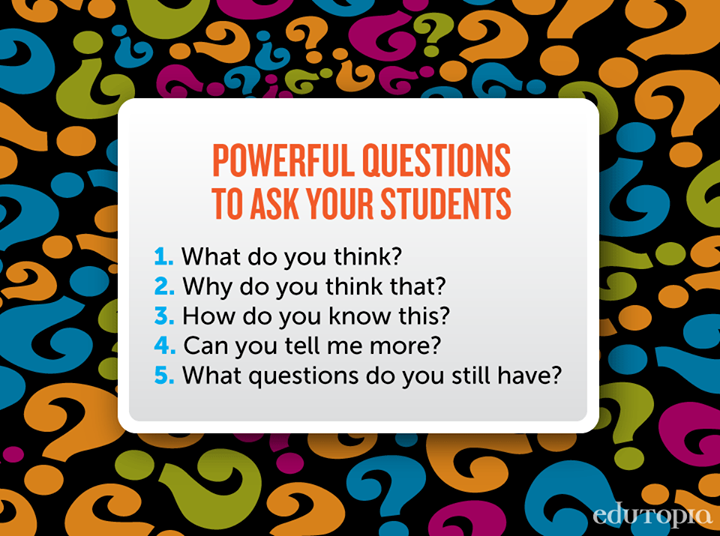
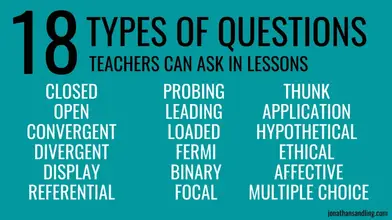
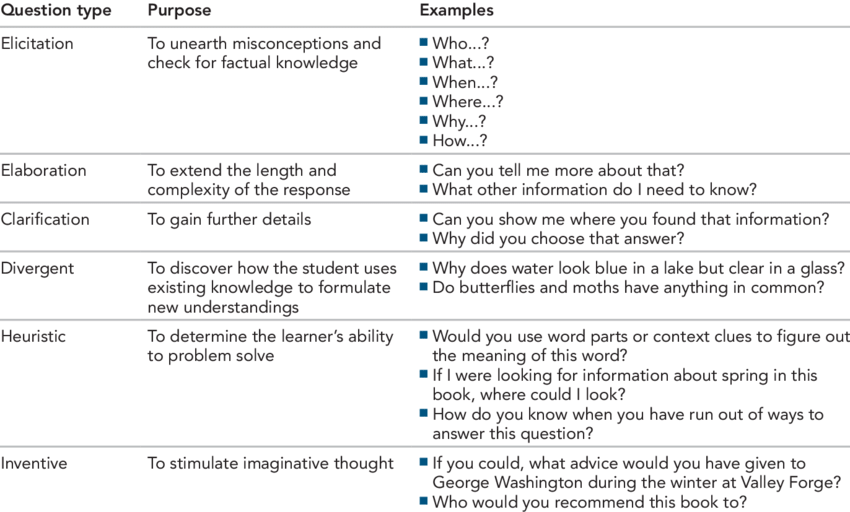
When do we ask most questions? Who do we ask most questions? When do we stop doing that? Why do we stop asking questions the older we get? What is the importance of asking questions to those who are younger than us, to those who are our peers, to those who are older than us? What kind of questions are good questions? Which questions lead to great conversations? How do we ask so we listen?
Here are some kinds of questions for you, for me, for us all.
This is a free-to-subscribe newsletter. So, if you like my content, please go ahead and subscribe to it by putting in your email ID here:
Three images of the week
Two Thoughts of the Week
“A prudent question is one half of wisdom.” – Francis Bacon
“The one who knows all the answers has not been asked all the questions.” – Confucius
One Video of the Week
Why should we ask questions? Educator Karen Maeyens explores the power of asking questions as keys that open endless possibilities and allow us to overcome old paradigms. From improving your personal relationships to the invention of the Polaroid Camera and the foundation of a renowned University in Latin America, Karen talks about the benefits of asking questions and wonders how we can keep a curious spirit ignited. What will your next question be?
Director of Continuous Learning department and facilitator training at Universidad Francisco Marroquín in Guatemala City. She speaks Flemish, English, Spanish, German, French and is passionate about filmmaking and photography. She holds a BA in English and German Philology from Ghent University in Belgium, a Masters in Austrian Economics from Universidad Rey Juan Carlos in Madrid but ever since she became mother of three girls she has been diving into the field of education.
Guest Expert of the Week: Reading with Ms. Meenu.
The bravest thing to do is ask a question.
I believe learning has a lot to do with wondering, inferring, and questioning.
As an educator, I always explain that some of the best inventions began with a “stupid” question about combining two seemingly different ideas. A vague, half-baked idea often sparks the innovation that shakes the status quo.
It takes a certain amount of bravery to ask questions especially when those questions seem silly or challenge the presuppositions of the crowd.
Question Everything: Make this your mantra! If a question is respectful, allow students to question their world. This applies to analyzing mathematical processes, thinking through social issues, making sense of a text, or analyzing the natural world for cause and effect.
Every lesson should include students asking questions to you as teachers, to one another or to themselves and the boldest of students will ask questions of the world through social media and personal interviews.
Every student should embrace inquiry. And that’s the journey of curiosity, reading, and lifelong learning.
Happy Reading!
Meenu Gera, Consulting home and school librarian and reading guide.
Dear reader,
I have been a research scientist, a journalist, and an educator for over 3 decades. I read and, I write. With this weekly newsletter, I share what I read, learn, and, experience. At the same time, I engage with students, parents, and teams of teachers across K-12 schools, higher education institutions, and ed-tech organizations.
3-2-1 Tuesdays with Ms. Niv is a newsletter you can subscribe to and enjoy your learning journey with me.
This newsletter is supported by the following :
3-2-1 TUESDAYS WITH MS NIV
Issue #173, 31st October 2023
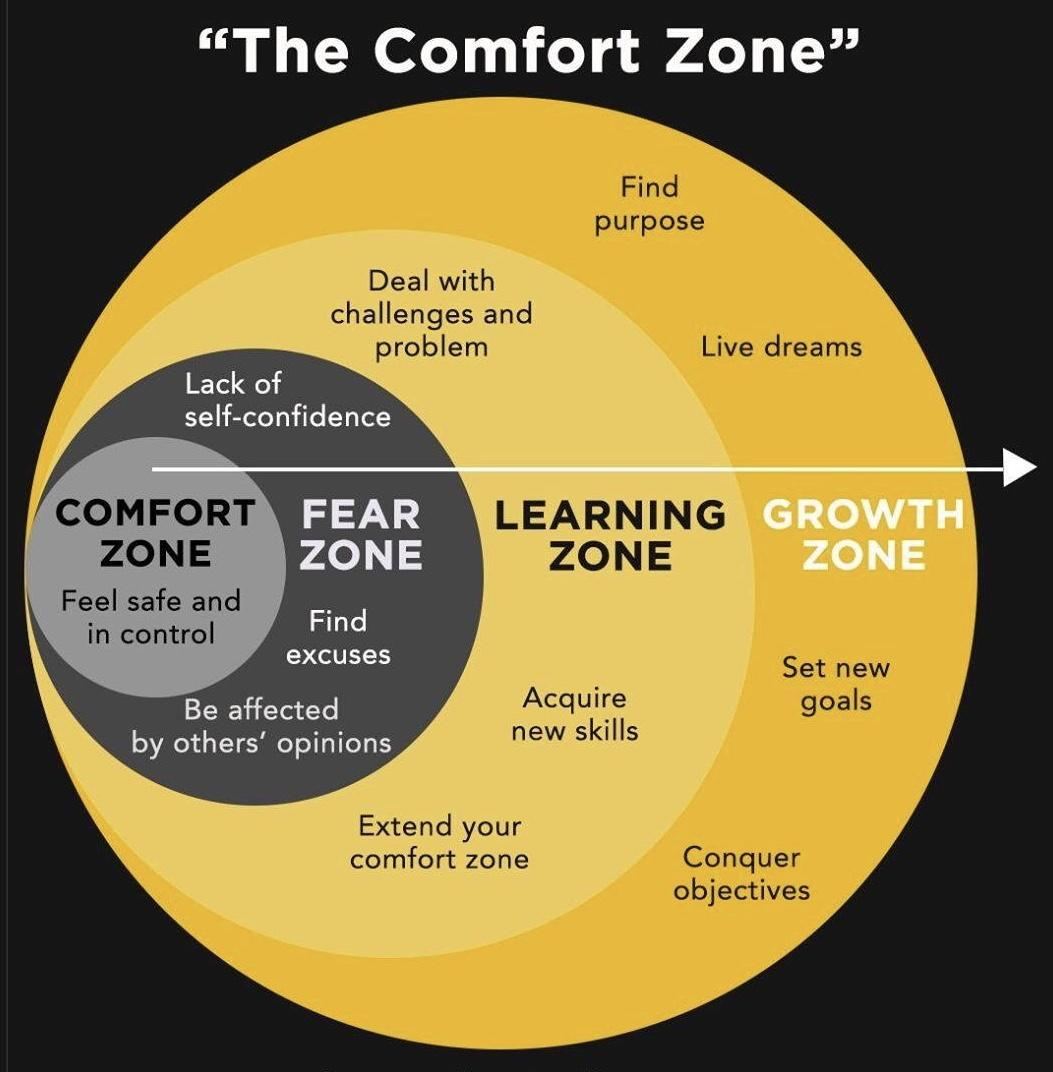
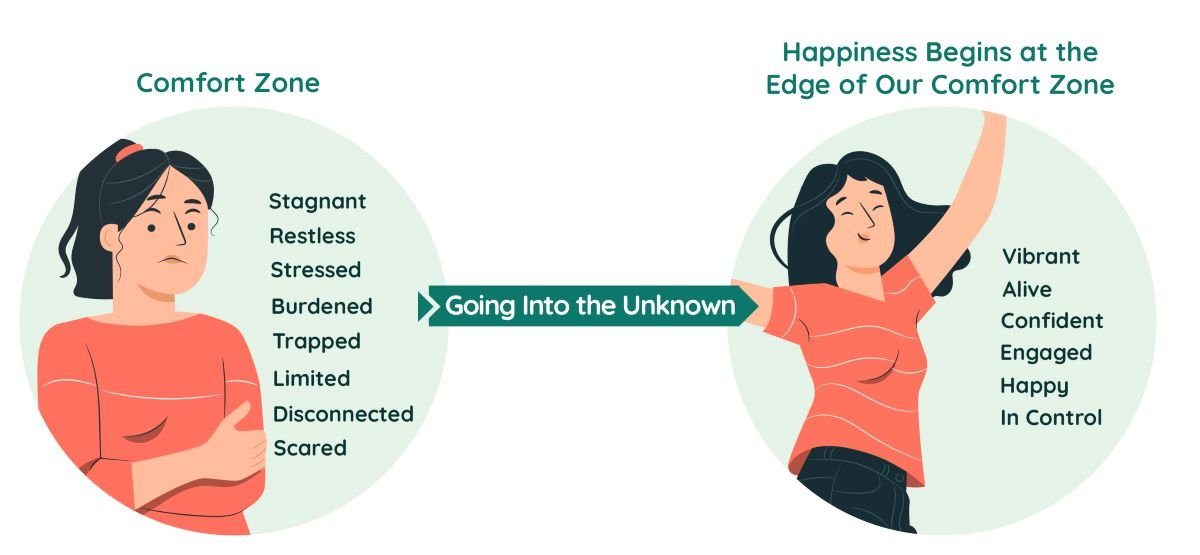
What if I don’t make friends in a new school? What if I don’t get help when I am learning a complex skill? What if I fail in what I am trying to do? Let me not learn/not go/not do/not get out of my comfort zone! Is all that anxiety, stress, constraint, and challenge even worth it?
When were you last uncomfortable? Had butterflies fluttered in your stomach? Did you cope with the new situation? Did you fail and learn? Did you succeed and feel motivated?
Life happens outside our comfort zones. Here’s why.
This is a free-to-subscribe newsletter. So, if you like my content, please go ahead and subscribe to it by putting in your email ID here:
Three images of the week

Two Thoughts of the Week
“The further you get away from yourself, the more challenging it is. Not to be in your comfort zone is great fun.” ― Benedict Cumberbatch
“All growth starts at the end of your comfort zone.” – Tony Robbins
One Video of the Week
Can getting out of your comfort zone improve your overall life? Natalie’s year abroad in Italy taught her that uncomfortable situations can take you into an area of optimal anxiety. Are you ready to take an uncomfortable step to change your life? Natalie Berger was born and raised in Vail, Colorado. She is 17 years old and a junior at Battle Mountain High School. Once a competitive mogul skier, she has since turned her attention to volleyball and lacrosse. She enjoys skiing, hiking, camping, traveling, and being in the mountains.
Guest Expert of the Week: Reading with Ms. Meenu.
Reading with Ms. Meenu
Connecting to Characters: What Can They Teach Us?
Trusting yourself and working hard are central to my goals for children, my choices for early read-aloud highlight characters who demonstrate their own characteristics. For early readers it is important to describe characters, settings, and significant events in the story, using key details. We want children to make connections to characters within, between, and among texts and contemplate what they might learn from them. As educators, we start this process early, but readers need more. I want children to go deeper into character studies by learning to:
· Make connections to characters within, between, and among texts to help them make predictions and better understand universal character behaviors and traits.
· Infer big ideas by paying attention to what characters say and do.
· Consider how they can become better human beings – better citizens of the world by studying closely what characters say and do when they encounter challenges or simply live their lives.
These are the evidence of understanding and independent learning.
Happy Reading!
Meenu Gera, Consulting home and school librarian and reading guide.
Dear reader,
I have been a research scientist, a journalist, and an educator for over 3 decades. I read and, I write. With this weekly newsletter, I share what I read, learn, and, experience. At the same time, I engage with students, parents, and teams of teachers across K-12 schools, higher education institutions, and ed-tech organizations.
3-2-1 Tuesdays with Ms. Niv is a newsletter you can subscribe to and enjoy your learning journey with me.
This newsletter is supported by the following :
3-2-1 TUESDAYS WITH MS NIV
Issue #172, 24th October 2023
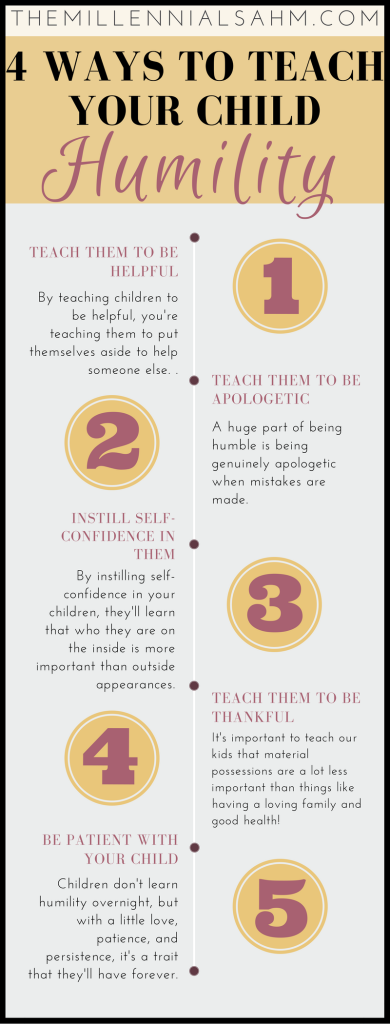
How often do you think of yourself? Do you feel important? How does integrity connect with honesty? How often do you think honesty leads to humility? What is a humble person like? How does it make us align our actions with our beliefs? Discussing some of these questions in today’s issue of my newsletter.
This is a free-to-subscribe newsletter. So, if you like my content, please go ahead and subscribe to it by putting in your email ID here:
Three images of the week:


Two Thoughts of the Week:
“A true genius admits that he/she knows nothing.”
― Albert Einstein
“There is nothing noble in being superior to your fellow man; true nobility is being superior to your former self.”
― Ernest Hemingway
One Video of the Week
Humility, integrity and hypocrisy are words people use a lot without really understanding what they mean. In this brief talk, Joe Sabini provides a simple way to understand each concept and explain how they relate. Joe Sabini has lived in Reno, Nevada, for his whole life. After graduating from Reno High School, he went on to attend the University of Nevada, Reno. He is currently pursuing his undergraduate degree in the College of Business. Joe brings humor and thoughtfulness to all aspects of his life. He is presently found as the Lighting Designer for a local Creative Team at Grace Church Reno and assists in media and networking needs. In his free time, he finds passion in music and live productions and has performed all over the United States, including Carnegie Hall. He looks forward to traveling frequently to Australia and other parts of the world on trips with the Love Does Team.
Guest Expert of the Week: Reading with Ms. Meenu.
Reading with Ms. Meenu
Wonder Boxes: I can ask questions Anywhere, Anytime, About Anything!
Every child has a wonder box as they wonder and ask questions all the time. When we read, we get answers to so many questions.
Young children are natural question-askers. They have to learn how to adapt to a complex and changing environment. But whether they continue to ask questions… depends in large part on how adults respond to them.
I work to respond to children in ways that honor who they are now and who they will become. That means I respect their questions, encourage them to ask more, and work hard to show them how to go about figuring out the answers.
Asking questions drives our non-fiction genre study and the thinking strategy of determining importance will help children as they work to figure out the answers to the questions that matter most.
After all, “Learning is a consequence of thinking… Far from thinking coming after knowledge, knowledge comes on the coattails of thinking…. knowledge does not just sit there. It functions richly in people’s lives so they can learn about and deal with the world”.
Happy Reading!
Meenu Gera, Consulting home and school librarian and reading guide.
Dear reader,
I have been a research scientist, a journalist, and an educator for over 3 decades. I read and, I write. With this weekly newsletter, I share what I read, learn, and, experience. At the same time, I engage with students, parents, and teams of teachers across K-12 schools, higher education institutions, and ed-tech organizations.
3-2-1 Tuesdays with Ms. Niv is a newsletter you can subscribe to and enjoy your learning journey with me.
This newsletter is supported by the following :
3-2-1 TUESDAYS WITH MS NIV
Issue #171, 17th October 2023
Can you look back 5 years into your social media and be cool with what you posted about yourself? If you fast forward 5 years and still be alright with what you posted today? the picture, the comment, the re-post? Whether it is personal information or professional information, digital footprints are increasingly a resource for friends, family, recruiters, and who knows who else… to check on you. Not to scare or embarrass but to be aware is a good thing to discuss with your children, and your students and reflect yourself as well. Do you think digital reputations matter? do you think it can impact your student’s reputation if yes then here are some ways to look at it and build it up positively.
This is a free-to-subscribe newsletter. So, if you like my content, please go ahead and subscribe to it by putting in your email ID here:
Three images of the week:


Two Thoughts of the Week:
“Character is much easier kept than recovered.”
― Thomas Paine
“If I take care of my character, my reputation will take care of itself.”
― D.L. Moody
One Video of the Week:
Digital education and social media expert Nicola Osborne encourages us to tread carefully on social media and consider what our digital footprint might reveal about us. Nicola leads EDINA’s work in Digital Education which includes working with the University of Edinburgh, and with partner organisations and researchers across the UK, to develop new projects and innovative ideas, some of which go on to become fully-fledged projects or services. She is also actively engaged in research in this area with work particularly focusing on social media and digital tracks and traces, particularly in relation to higher education teaching and learning. She is also interested in privacy, ethics, and information security around social media and digital platforms. In October 2015 she was included in Jisc’s 50 most influential higher education (HE) professionals using social media in recognition of her previous and ongoing work in this area.
Guest Expert of the Week: Reading with Ms. Meenu.
Reading aloud is one of the most important things I do. Reading aloud motivates kids to want to learn to read, extends their oral language, and gives them opportunities to connect new information to what they already know. Reading aloud offers teachers opportunities to
· Model thinking strategies, fluent reading, and reading behaviors.
· Build background knowledge of different types of text.
· Build community.
· Enhance vocabulary and
· Share with kids our love of reading and learning.
My first read-aloud is almost always a songbook, poem, or Rhyme. The reasons for choosing these as read aloud because:
· They’re fun!
· Children are instantly engaged and motivated to learn to read the words.
· Repeated reading increases phonemic awareness.
· The words and tunes are easy to learn. Children read along right away.
It is recommended to encourage your children to visit a local library. Children love to take these books, poems, and songs home to share with parents and siblings. And it’s a fun way even for parents to connect with their children.
Happy Reading!
Meenu Gera, consulting home and school librarian and reading guide.
Dear reader,
I have been a research scientist, a journalist, and an educator for over 3 decades. I read and, I write. With this weekly newsletter, I share what I read, learn, and, experience. At the same time, I engage with students, parents, and teams of teachers across K-12 schools, higher education institutions, and ed-tech organizations.
3-2-1 Tuesdays with Ms. Niv is a newsletter you can subscribe to and enjoy your learning journey with me.
This newsletter is supported by the following :
3-2-1 TUESDAYS WITH MS NIV
Issue #170, 10th October 2023
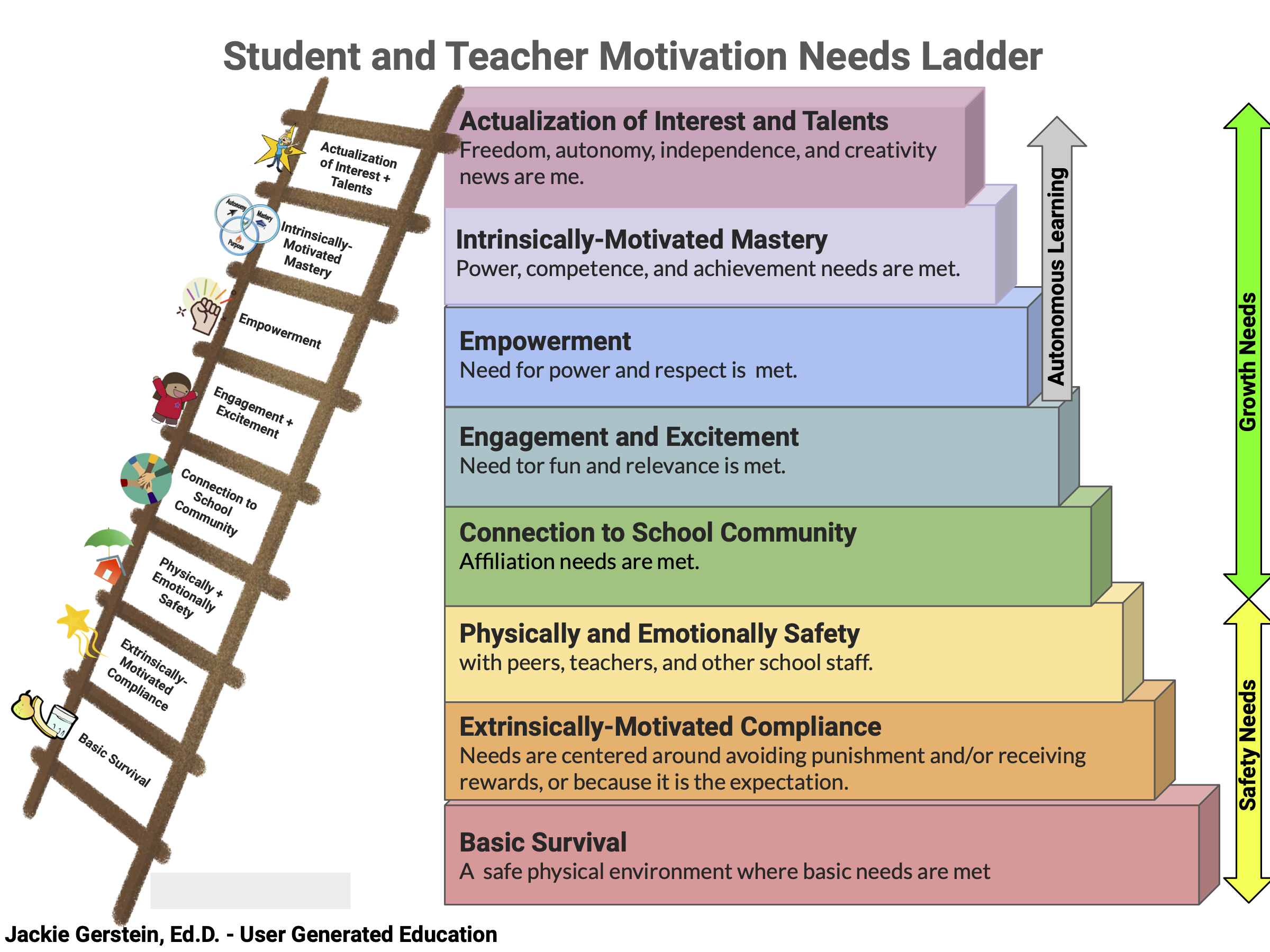
If you are good at taking school tests, are you outstanding in your college years? if you are good at college tests, are you great at your job behavior? If you are good in your job, are you likely to do good in your personal life? What makes us good in one area and not so good in the other area which has obvious linkages? The usual criteria of intellectual capability and interpersonal behavior are major parts of testing for college admissions or recruitment for jobs. How does it pan out for entrepreneurship? in personal lives? in areas that we look for mastery? what motivates us in one area and fails to motivate us in the other areas of our lives? what is motivation after all? how do we motivate our children, our students, and ourselves and stay motivated?
This is a free-to-subscribe newsletter. So, if you like my content, please go ahead and subscribe to it by putting in your email ID here:
Three images of the week:


Two Thoughts of the Week:
“The man who does not read books has no advantage over the one who cannot read them.” — Mark Twain
“You are braver than you believe, stronger than you seem, and smarter than you think.” — A. A Milne
One Video of the Week:
In his TEDx talk, Behrouz will share his innovative approach to leveraging the power of intrinsic motivation to open new doors for those on both sides of any recruitment process. Behrouz is passionate about helping people find the path to success that best fits their inner motivations. He is the founder of both BeMo and SortSmart, leader in revolutionizing recruitment and admissions processes local universities
Guest Expert of the Week: Reading with Ms. Meenu.
Motivation for Reading:
We know more about the power of the read-aloud and the discussions that ensue, the value of student choice, the importance of creating literate environments that are purposeful, accessible, and organized, and the significance of teacher attitudes and expectations.
When we as parents/teachers read aloud a favorite book to our children, we are doing more than reading a good story. We are showing our love and enthusiasm for reading and learning, we are sharing our thoughts inviting children to join us and we are encouraging and expecting students to do the same in their reading. Our message is clear: We love reading. We all know you will, too. Let me show you how.
Children know we are not going to ask them to do something beyond their capabilities. We all want them to succeed and offer recommendations that are just within their reach. And because they trust us to know them well, they respond in ways that sometimes surprise us all. Success begets motivation!
Happy Reading!
Meenu Gera, consulting home and school librarian and reading guide.
Dear reader,
I have been a research scientist, a journalist, and an educator for over 3 decades. I read and, I write. With this weekly newsletter, I share what I read, learn, and, experience. At the same time, I engage with students, parents, and teams of teachers across K-12 schools, higher education institutions, and ed-tech organizations.
3-2-1 Tuesdays with Ms. Niv is a newsletter you can subscribe to and enjoy your learning journey with me.
This newsletter is supported by the following :
 Nivedita Mukerjee