Nivedita Mukerjee
Education consultancy for parents and schools
3-2-1 TUESDAYS WITH MS NIV
Issue #149, 16th May 2023
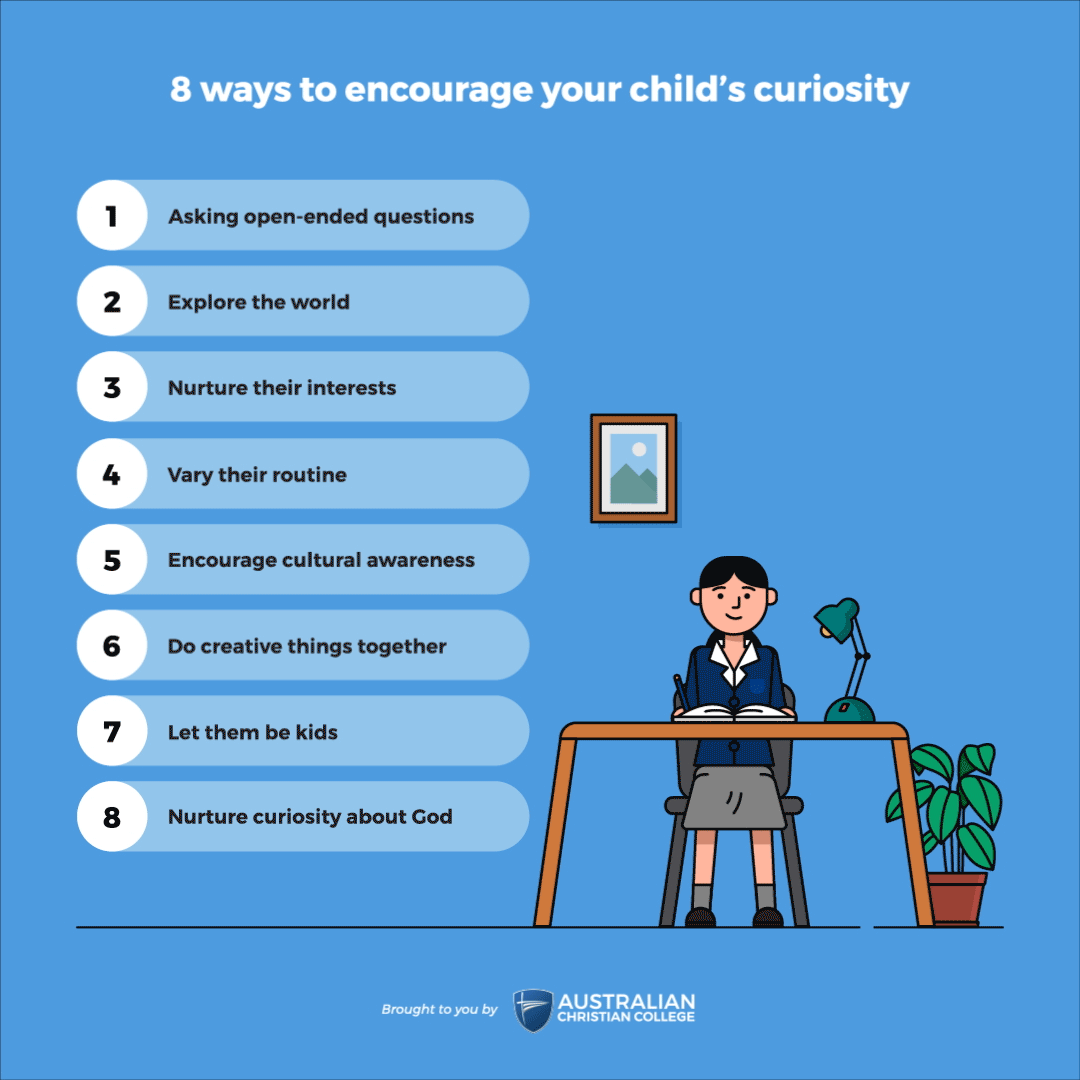
Curiosity, Creativity, Communication, Collaboration. The BIG 4 of today’s young learners is waiting to be delved deeper, stronger, and more thoroughly than ever. In my 4 newsletters consecutively, starting from this one – you will find suggestions, ideas, and philosophy of why we need it and most importantly how we can, as parents and educators nurture the BIG 4 systematically and by design.
This week it is about Curiosity.
Summer break and academic year 2023-24, is upon us. We have to make up for the lost time of pandemic years most definitely this year as we know how much we have struggled to cope – as parents, teachers, and students, on the lost time. Ready? subscribe now to my weekly newsletter on education. It is free and it is bite-size 🙂
Three Images of the Week


Two Thoughts of the Week
“The mind is not a vessel to be filled, but a fire to be kindled.”
― Plutarch
“Study hard what interests you the most in the most undisciplined, irreverent and original manner possible.”
― Richard Feynmann
One Video of the Week
Curiosity is what keeps us growing, inventing, and discovering for the future. It is what leads to exploration and learning. In this talk, Ray talks about the benefits of being curious and shares three tips on how to introduce curiosity into our lives. Ray is a 4th grader who enjoys reading and playing with the Rubik’s cube. In his spare time, he likes to draw and research things on the internet. Ray was very inspired by the selfless dedication of frontline health workers during the pandemic and would like to give back by being an epidemiologist in the future.
Dear reader,
I have been a research scientist, a journalist, and an educator for over 3 decades. I read and, I write. With this weekly newsletter, I share what I read, learn, and, experience. At the same time, I engage with students, parents, and teams of teachers across K-12 schools, higher education institutions, and ed-tech organizations.
3-2-1 Tuesdays with Ms. Niv is a newsletter to subscribe to and enjoy your learning journey with me.
And Finally…

This newsletter is supported by the following :
3-2-1 TUESDAYS WITH MS NIV
Issue #148, 9th May 2023
Should I leave this subject and choose another one? this job or the other one? stay in this city or move to another? break up or compromise? Hard choices. Dessert or salad? also a hard choice. How do we make choices? what makes them hard? What could be the way to make the right choice? here are some thoughts and tips. The best one is Dr. Chang’s talk in this issue’s video. Don’t miss it. I go to it time and again when faced with a hard choice. Let me know if it helped you with your hard choice.
Three Images of the Week


Two Thoughts of the Week
“We all have a choice. We can create transformational action that will safeguard the living conditions for future generations. Or we can continue with our business as usual and fail.”
Greta Thunburg
“The strongest principle of growth lies in human choice.”
George Eliot
One Video of the Week
Here’s a talk that could literally change your life. Which career should I pursue? Should I break up — or get married?! Where should I live? Big decisions like these can be agonizingly difficult. But that’s because we think about them the wrong way, says philosopher Ruth Chang. She offers a powerful new framework for shaping who we truly are.
Dear reader,
I have been a research scientist, a journalist, and an educator for over 3 decades. I read and, I write. With this weekly newsletter, I share what I read, learn, and, experience. At the same time, I engage with students, parents, and teams of teachers across K-12 schools, higher education institutions, and ed-tech organizations.
3-2-1 Tuesdays with Ms. Niv is a newsletter to subscribe to and enjoy your learning journey with me.
And Finally…

This newsletter is supported by the following :
3-2-1 TUESDAYS WITH MS NIV
Issue #147, 2nd May 2023
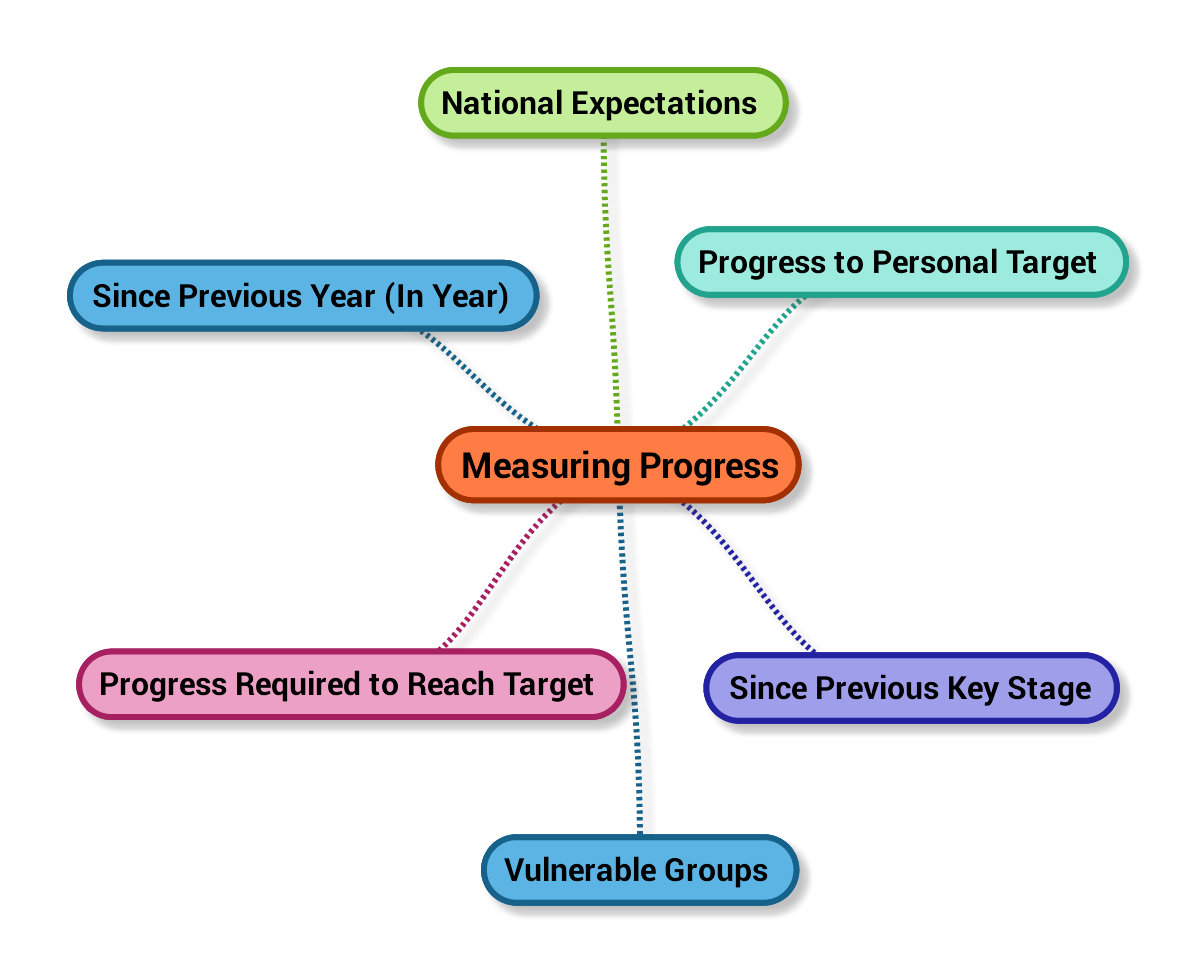
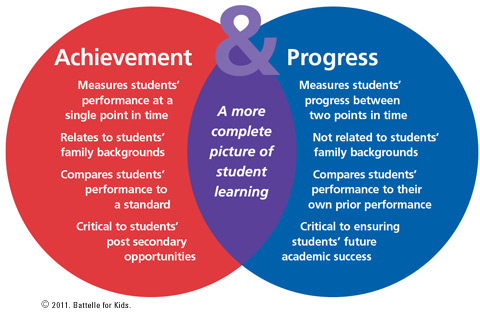
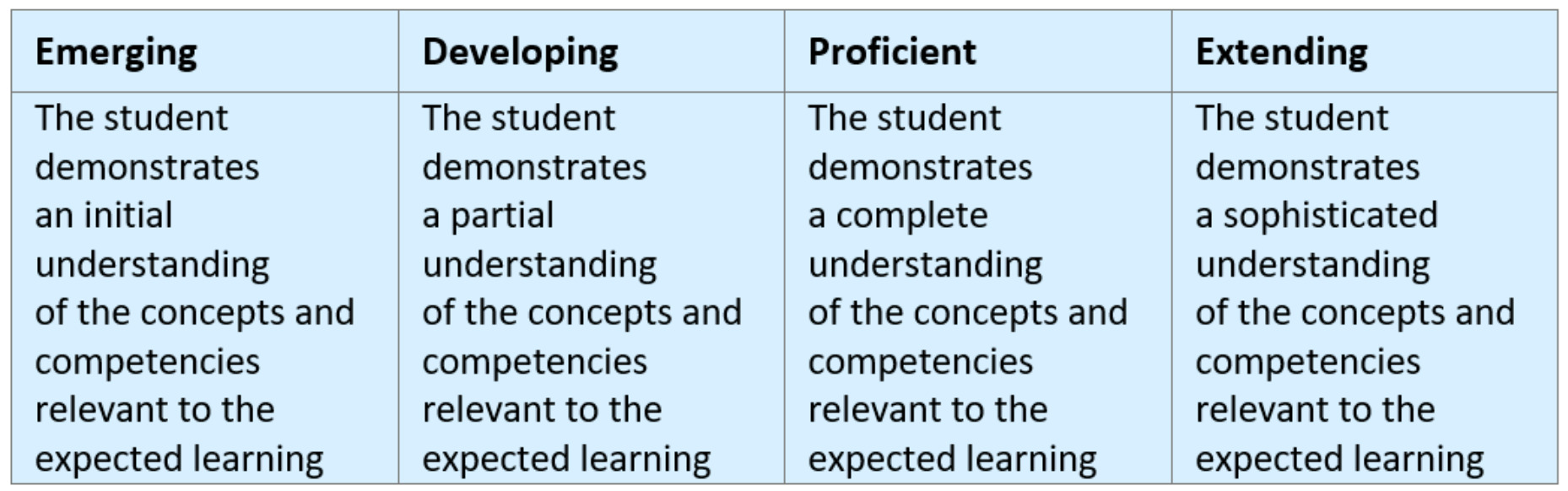
We are trying to control learning. How? Why I ask? When do you think we are controlling learning? We use progress reports, assessment grades, and standard tests…. all interchangeably for an incredibly complex process called ‘learning’. Something we start very early and something we ought to continue till almost forever given the world we are in today. We, as parents and teachers and also as students. Feedback, guidance, data, learning journey… are we depersonalizing learning, something which is so individual, so ongoing?
Three Images of the Week
Two Thoughts of the Week
“The purpose of education is to make good human beings with skill and expertise… Enlightened human beings can be created by teachers.” – A.P.J. Abdul Kalam.
“Assessment should be formative, ongoing, and reflective, and should provide feedback that supports student learning and growth.” – Grant Wiggins
One Video of the Week
Reshan Richards is an educator, researcher, and app designer. His 12+ years of experience in schools as a math teacher and technology integrator intersected with his research on screencasting and formative assessment to inspire the creation of Explain Everything for iPad. His lifelong goal is to uncover how emerging technologies can be used to capture and mediate discourse that data-driven approaches are not capable of measuring. Reshan is the Director of Educational Technology at an independent PK-12 school in NJ and a doctoral researcher at Teachers College, Columbia University. He is the founder of Constructivist Toolkit, LLC, a company that started as a blog but is now responsible for various Ed Tech projects including Explain Everything.
He is an Apple Distinguished Educator and a card-carrying member of Mensa. Reshan has his Ed.M from Harvard University in Learning and Teaching and his B.A. in Music from Columbia
Dear reader,
I have been a research scientist, a journalist, and an educator for over 3 decades. I read and, I write. With this weekly newsletter, I share what I read, learn, and, experience. At the same time, I engage with students, parents, and teams of teachers across K-12 schools, higher education institutions, and ed-tech organizations.
3-2-1 Tuesdays with Ms. Niv is a newsletter to subscribe to and enjoy your learning journey with me.
Showcase of the week:
ReReeti Foundation’s digital exhibition Un.Divided Identities: Lesser-known Stories of the Partition has been selected as a finalist for the Best Use of Digital – International category at the Museums + Heritage Awards.
Dubbed ‘the Oscars of the museums’ world’, these prestigious awards celebrate exceptional achievements in the museums and heritage sector.
As a part of ReReeti’s Advisory Board, I am happy to share this delightful news with you!
And Finally…
This newsletter is supported by the following :
3-2-1 TUESDAYS WITH MS NIV
Issue #145, 25th April 2023
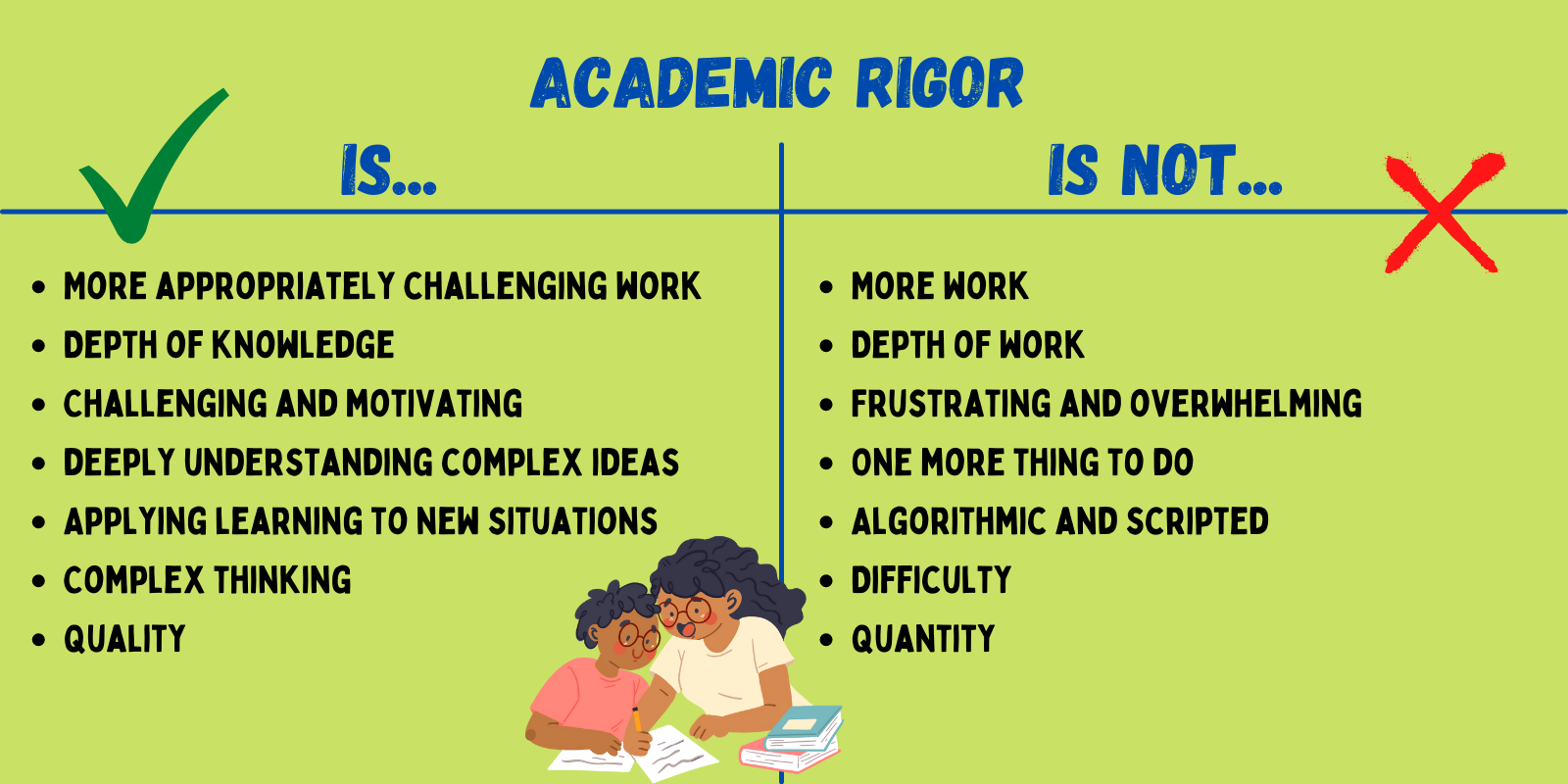
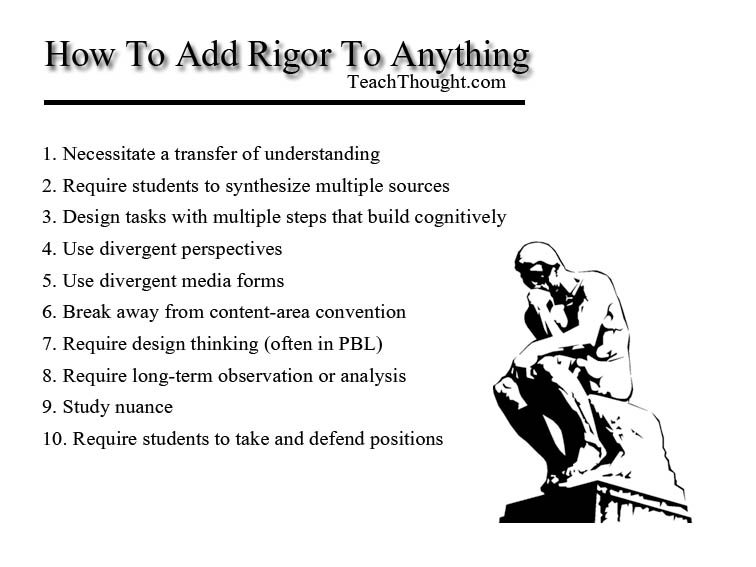
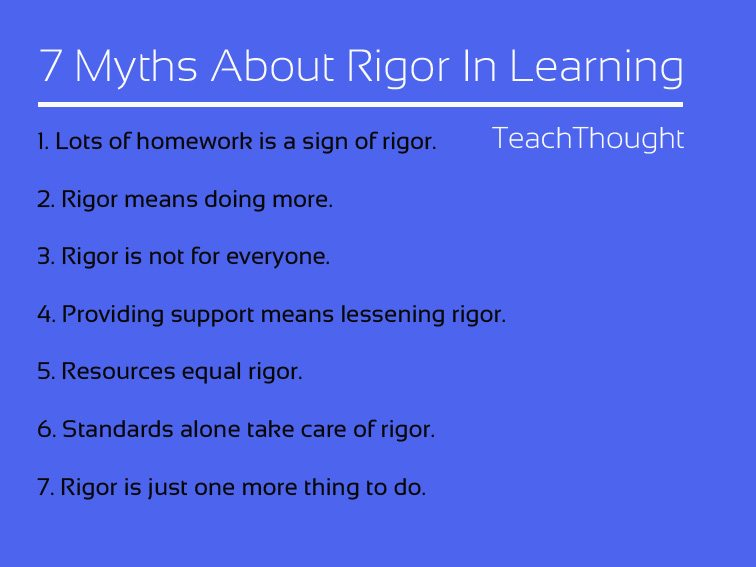
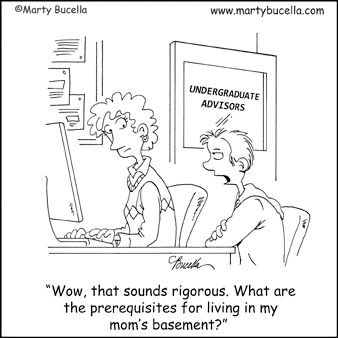
How much rigor is enough? When is it boring and when is it stressful? Can the low challenge be stressful as well? can ‘boring’ become a bane? In education and generally in life? Understanding academic rigor for parents, educators, and students is key in today’s day and age as all of us, not just students will need to keep learning skills and subjects on an ongoing basis, world is a school forever now. What do you think?
Three Images of the Week
Two Thoughts of the Week
“Learning is not attained by chance, it must be sought for with ardor and attended to with diligence.” – Abigail Adams
“The will to win, the desire to succeed, the urge to reach your full potential… these are the keys that will unlock the door to personal excellence.” – Confucius
One Video of the Week
How can you increase rigor in your classroom? Here are 5–one for each day of the week. Great tips for educators here.
Dear reader,
I have been a research scientist, a journalist, and an educator for over 3 decades. I read and, I write. With this weekly newsletter, I share what I read, learn, and, experience. At the same time, I engage with students, parents, and teams of teachers across K-12 schools, higher education institutions, and ed-tech organizations.
3-2-1 Tuesdays with Ms. Niv is a newsletter to subscribe to and enjoy your learning journey with me.
Showcase of the week:
As a part of their Un-Divided Identities project, ReReeti Foundation is offering The Un. Divided Identities Workshop – a 1.5-hour session curated for school students to create awareness about the lesser-known parts of the important history of the 1947 Partition. The workshop will introduce children to an alternative narrative of the 1947 Partition, one that is derived from poetry and memory. It is ideal for school students in Grades 8th to Grade 12th. If you want your child to attend this workshop, complete the registration form below.
Date: 29th April
Time: 4 PM
Venue: Zoom
Language: English
Fee: Rs. 500 (Early bird price)
Registration form: https://forms.gle/2mNghVwqbNUw3gBr9
And Finally…
This newsletter is supported by the following :


3-2-1 TUESDAYS WITH MS NIV
Issue #145, 18th April 2023
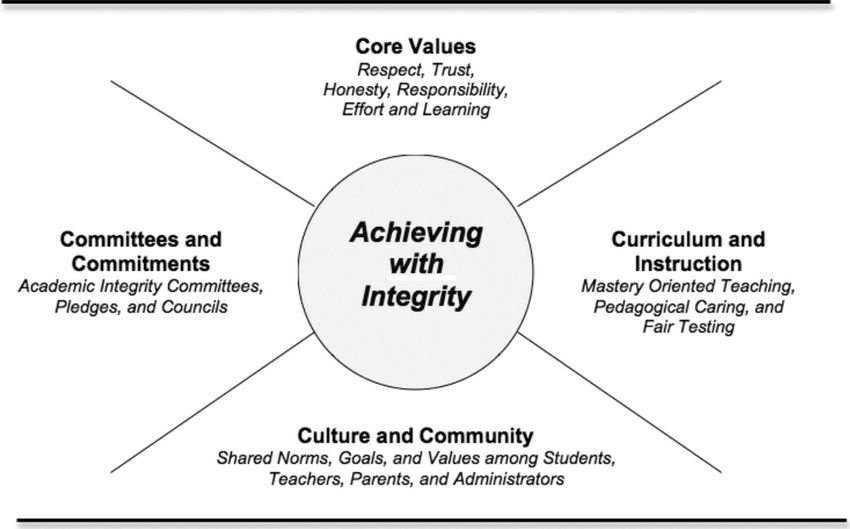
Integrity. Ethics. Honesty – leads to happiness. Cheating – unethical practice – dishonesty, take away happiness. What do you think? Can you teach it as family values? can you learn it in school? can you practice it even when the stakes are high? What happens to your psyche when you choose immoral behavior? How does one feel during and after cheating?
Here are some curated thoughts and ideas for you to ponder upon for yourselves as teachers, parents, and students.
Three Images of the Week


Two Thoughts of the Week
“Integrity is the essence of a sound education.” – Stanford University
“Integrity is doing what is right, even when it is difficult.” – Unknown
One Video of the Week
An Associate Professor of Philosophy at the College of Charleston with an interest in applying ancient ethical standards to modern day life, Jennifer discusses how cheating can alter your happiness.
Dear reader,
I have been a research scientist, a journalist, and an educator for over 3 decades. I read and, I write. With this weekly newsletter, I share what I read, learn, and, experience. At the same time, I engage with students, parents, and teams of teachers across K-12 schools, higher education institutions, and ed-tech organizations.
3-2-1 Tuesdays with Ms. Niv is a newsletter to subscribe to and enjoy your learning journey with me.
Showcase of the week:
As a part of their Un-Divided Identities project, ReReeti Foundation is offering The Un. Divided Identities Workshop – a 1.5-hour session curated for school students to create awareness about the lesser-known parts of the important history of the 1947 Partition. The workshop will introduce children to an alternative narrative of the 1947 Partition, one that is derived from poetry and memory. It is ideal for school students in Grades 8th to Grade 12th. If you want your child to attend this workshop, complete the registration form below. One of the two dates mentioned below can be chosen, at your convenience.
Date: 29th April
Time: 4 PM
Venue: Zoom
Language: English
Fee: Rs. 500 (Early bird price)
Registration form: https://forms.gle/2mNghVwqbNUw3gBr9
And Finally…

This newsletter is supported by the following :
3-2-1 TUESDAYS WITH MS NIV
Issue #144, 11th April 2023
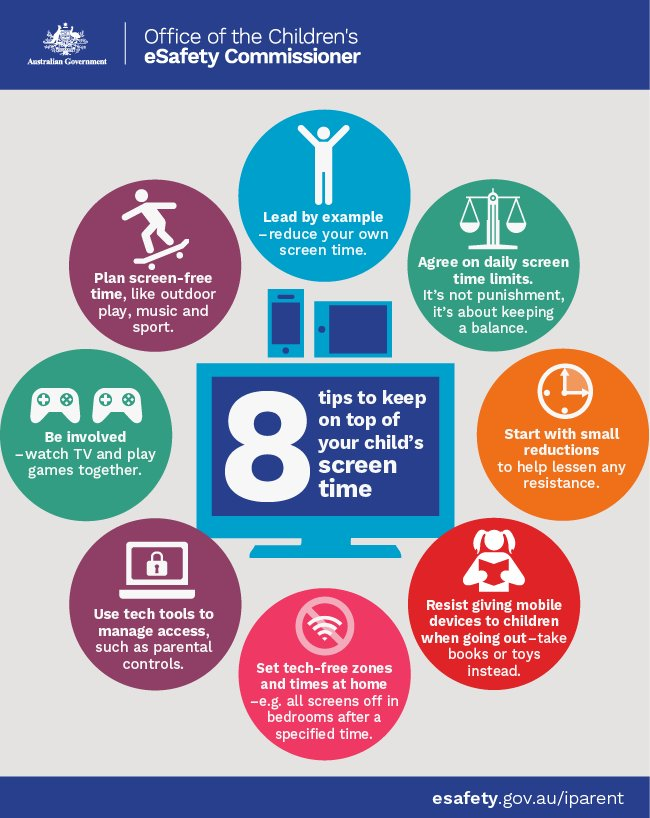
Screen time! how much is enough. Can we make a rule? can we assign the time, place and type of content that is good/enough/too much? How do we find the ‘Goldilocks perfect’ for ourselves as teachers/parents, our students/children?
Here are some suggestions to moderate and find your ‘ Good Enough’. How can you look up enough and reclaim your life.
Three Images of the Week


Two Thoughts of the Week
“Technology can be our best friend, and technology can also be the biggest party pooper of our lives.” – Steven Spielberg
“Technology is a useful servant but a dangerous master.” – Christian Lous Lange
One Video of the Week
As humans we have a need for deep connection with one another and this connection is hard to achieve when our attention is divided by the use of mobile devices. This talk examines the physical, social and emotional effects of being tethered to our devices and how true belongingness requires us to put our phones down and look up! Associate Professor, Communication & Theater, Point Loma Nazarene University Dr. Melissa Newman joined the Communication & Theatre Department in 2015. She has served as a communication professor for the past 14 years at schools in Texas, Nebraska, and California. Newman is personally committed to the mission of PLNU as one who shapes, instructs, and mentors students in a “learning community where grace is foundational, truth is pursued and holiness is a way of life.” She loves teaching, advising students, and mentoring them as they pursue their vocational calling. In 2004, she was awarded the Academic Advisor of the Year at Dallas Baptist University for her excellence and dedication to serving students. As a communication scholar, Newman is interested in how people use messages to create meaning, interpersonally and within organizations, and how the social influence of communication affects all aspects of public and private life. For her dissertation, she conducted in-depth interviews with Christian young adults across the U.S. to explore how they used Facebook for religious and/or spiritual purposes and if they perceived any satisfaction from doing so. She has also written on the importance of media literacy as it relates to young adult Instagram use and the messages mothers send their children regarding parasocial relationships with Disney princesses. Prior to working in higher education, Newman worked as a national event planner for two major national ministry conventions, served as an international sales representative for a publishing company, and worked in marketing for a sports news network.
Dear reader,
I have been a research scientist, a journalist, and an educator for over 3 decades. I read and, I write. With this weekly newsletter, I share what I read, learn, and, experience. At the same time, I engage with students, parents, and teams of teachers across K-12 schools, higher education institutions, and ed-tech organizations.
3-2-1 Tuesdays with Ms. Niv is a newsletter to subscribe to and enjoy your learning journey with me.
And Finally…

This newsletter is supported by:
3-2-1 TUESDAYS WITH MS NIV
Issue #143, 4th April 2023
Do you ever feel like your students are just regurgitating content back to you and you are just marching ahead through your syllabus content, trying to get it done? Would you love to design deeper learning experiences in your classroom and are not always sure how? here are some ideas for creating deeper learning, something that both teachers and students can make use of.
Three Images of the Week
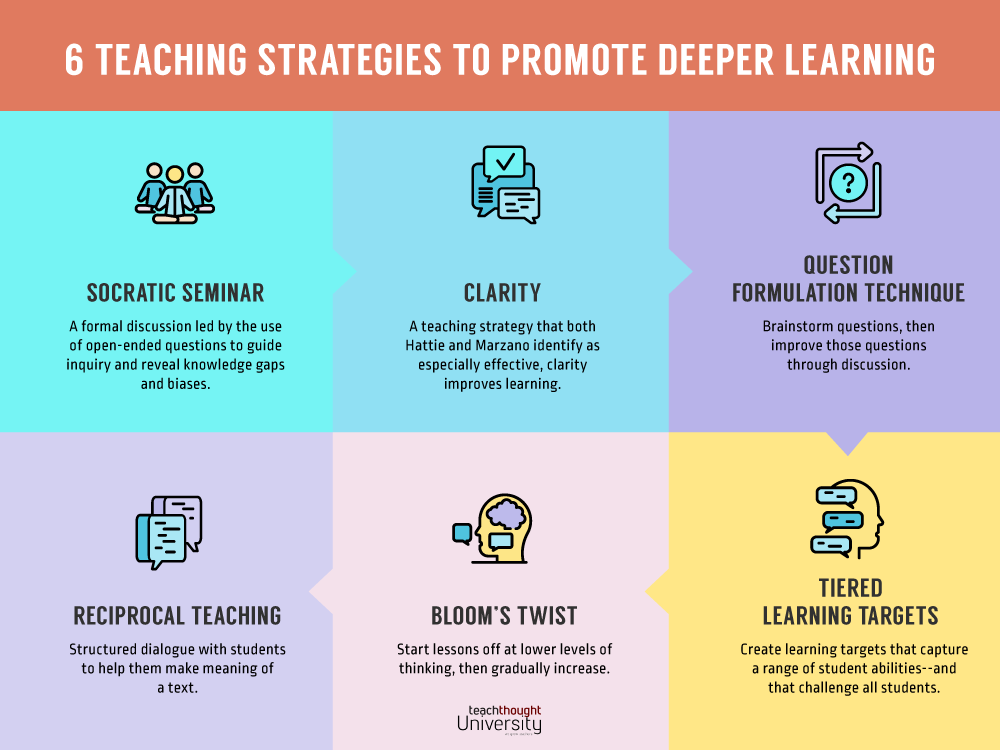
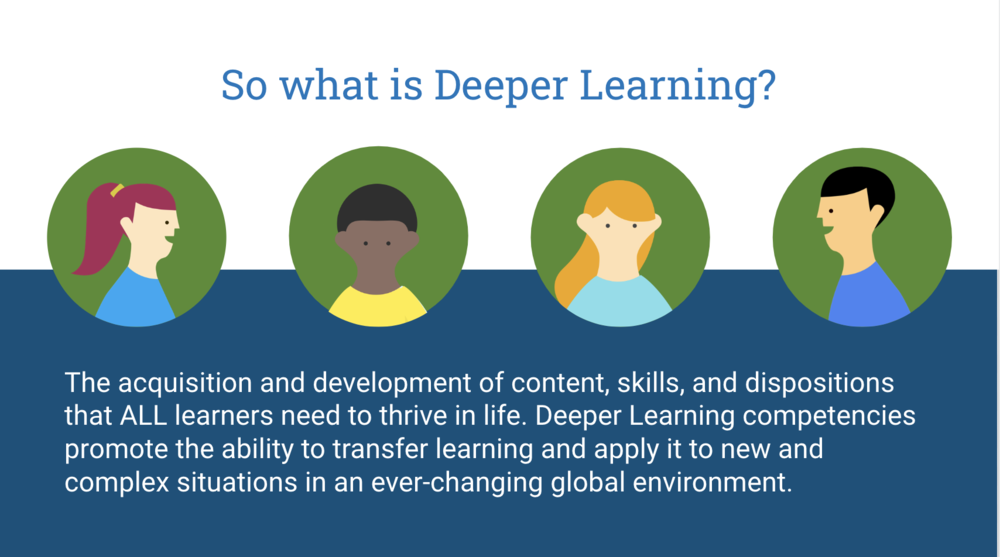
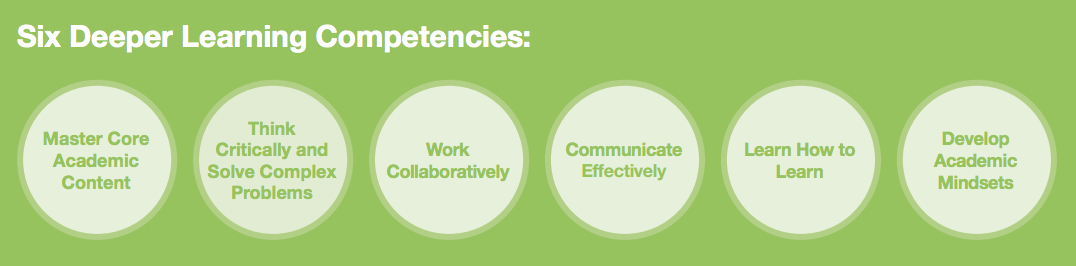
Two Thoughts of the Week
“Recipes tell you nothing. Learning techniques is the key.”
— Tom Colicchio
“Study without desire spoils the memory, and it retains nothing that it takes in.”
— Leonardo da Vinci
One Video of the Week
The complex issues we face today require a key set of problem-solving skills. How can schools best prepare students to be ready to take on these challenges? How can they help ensure students have the “deeper learning” skills of critical thinking, collaboration, communication, and metacognition, as well as the content knowledge they need? Presented by Marc Chun, Education Program Officer at the Hewlett Foundation.
Dear reader,
I have been a research scientist, a journalist, and an educator for over 3 decades. I read and, I write. With this weekly newsletter, I share what I read, learn, and, experience. At the same time, I engage with students, parents, and teams of teachers across K-12 schools, higher education institutions, and ed-tech organizations.
3-2-1 Tuesdays with Ms. Niv is a newsletter to subscribe to and enjoy your learning journey with me.
And Finally…
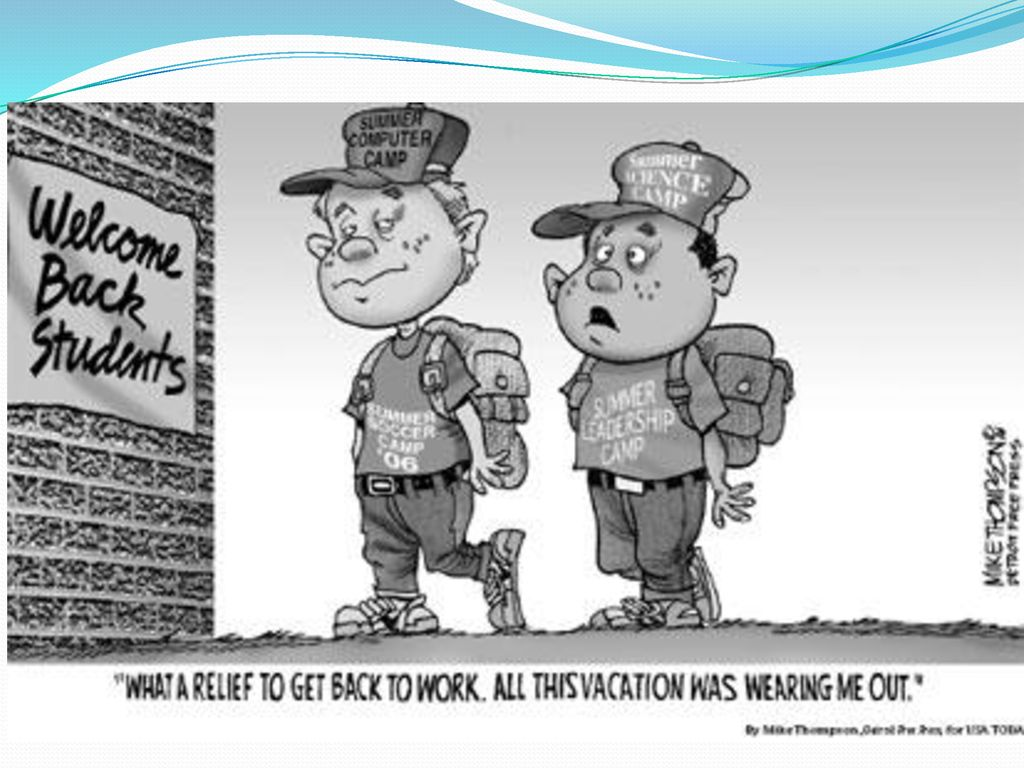
This newsletter is supported by:
3-2-1 TUESDAYS WITH MS NIV
Issue #142, 28th March 2023
” There are several types of AI that can be used for teaching and learning, including:
- Intelligent Tutoring Systems (ITS): These are AI-powered systems that provide personalized instruction and feedback to learners based on their individual needs and progress. ITS can help students to learn at their own pace and level, while also providing teachers with valuable data and insights into their students’ learning.
- Natural Language Processing (NLP): NLP technology can be used to develop chatbots and virtual assistants that can answer student questions and provide feedback on assignments. NLP can also be used to analyze and evaluate student writing, providing feedback on grammar, syntax, and style.
- Machine Learning (ML): ML algorithms can be used to analyze student data and behavior patterns, providing insights into how students learn and what teaching strategies are most effective. ML can also be used to develop predictive models to identify at-risk students and provide targeted interventions to help them succeed.
- Computer Vision (CV): CV technology can be used to develop intelligent assessment tools that automatically grade assignments and provide student feedback. CV can also be used to create immersive learning experiences, such as virtual reality simulations.
- Personalization algorithms: AI can be used to personalize the learning experience for individual students by adapting content and assessments to their needs and preferences. This can be done through recommendation systems that suggest relevant learning materials and activities based on the student’s previous performance and interests.
These are just a few examples of the many AI technologies that can be used for teaching and learning. The possibilities are endless, and new AI applications for education are being developed all the time.”
Thus spake CHAT- GPT to the prompt of ways to use AI for teaching learning… What do you think? Have you been using it yet? would you be using it in the coming academic year? if yes, in what ways, if no, why not. Would love to know your thoughts.
You can subscribe to my free weekly newsletter by putting in your email here.
Three Images of the Week


Two Thoughts of the Week
“AI is not going to replace teachers, but teachers who use AI will replace those who don’t.” – Wei Zhang
“AI will provide teachers with more time to do what they do best: inspire creativity and encourage critical thinking.” – Mike Elgan
One Video of the Week
Effect of Artificial Intelligence on Education | Adrien Dubois | TEDxCanadianIntlSchool
Dear reader,
I have been a research scientist, a journalist, and an educator for over 3 decades. I read and, I write. With this weekly newsletter, I share what I read, learn, and, experience. At the same time, I engage with students, parents, and teams of teachers across K-12 schools, higher education institutions, and ed-tech organizations.
3-2-1 Tuesdays with Ms. Niv is a newsletter to subscribe to and enjoy your learning journey with me.
And Finally…

3-2-1 TUESDAYS WITH MS NIV
Issue #141, 21st March 2023
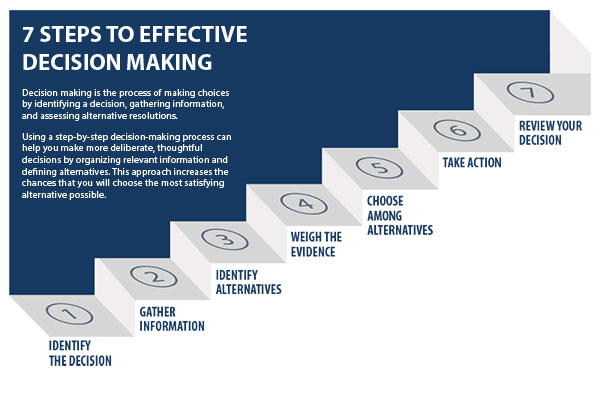
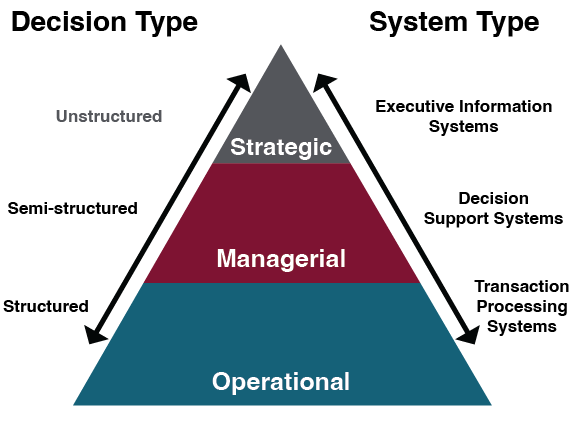
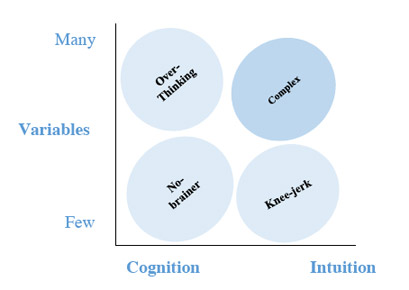
FOMO yes… no one is spared from it in smaller or larger proportions, some times-most times-all times… Fear Of Missing Out. But FOBO? Fear Of Best Option – how about that? over thinking, over analysing, considering a million what ifs – from which summer camp to choose for my child, which school to choose for my child, whether we should go on vacation to a new place or to meet family this summer, which flavour of icecreams to choose or even which toppings on pizza… in today’s time, most of us are spoilt for choices! how to make better decisions, how to make them fast and minimise these 4 letter situations – FOMOs and FOBOs? honestly, decision making is a stressful process and having to continuously make them for trivial to significant things – matters which can have a short lived impact or a long term consequence – here are some tips and a cool video to help you – well – decide 🙂
In the meantime, don’t wait to subscribe to my weekly free news letter, just put your email here and it will reach you every Tuesday.
Three Images of the Week
Two Thoughts of the Week
“Whenever you see a successful business, someone once made a courageous decision.”
― Peter F. Drucker
“Good and evil both increase at compound interest. That is why the little decisions you and I make every day are of such infinite importance.”
— C.S. Lewis
One Video of the Week
In a world of endless reviews and options, it’s easy to become paralyzed by indecision. Investor and writer Patrick McGinnis shares the dangers of “FOBO” — the fear of better options — and how to overcome it.
Dear reader,
I have been a research scientist, a journalist, and an educator for over 3 decades. I read and, I write. With this weekly newsletter, I share what I read, learn, and, experience. At the same time, I engage with students, parents, and teams of teachers across K-12 schools, higher education institutions, and ed-tech organizations.
3-2-1 Tuesdays with Ms. Niv is a newsletter to subscribe to and enjoy your learning journey with me.
And Finally…

This newsletter is supported by the following:
3-2-1 TUESDAYS WITH MS NIV
Issue #140, 14th March 2023
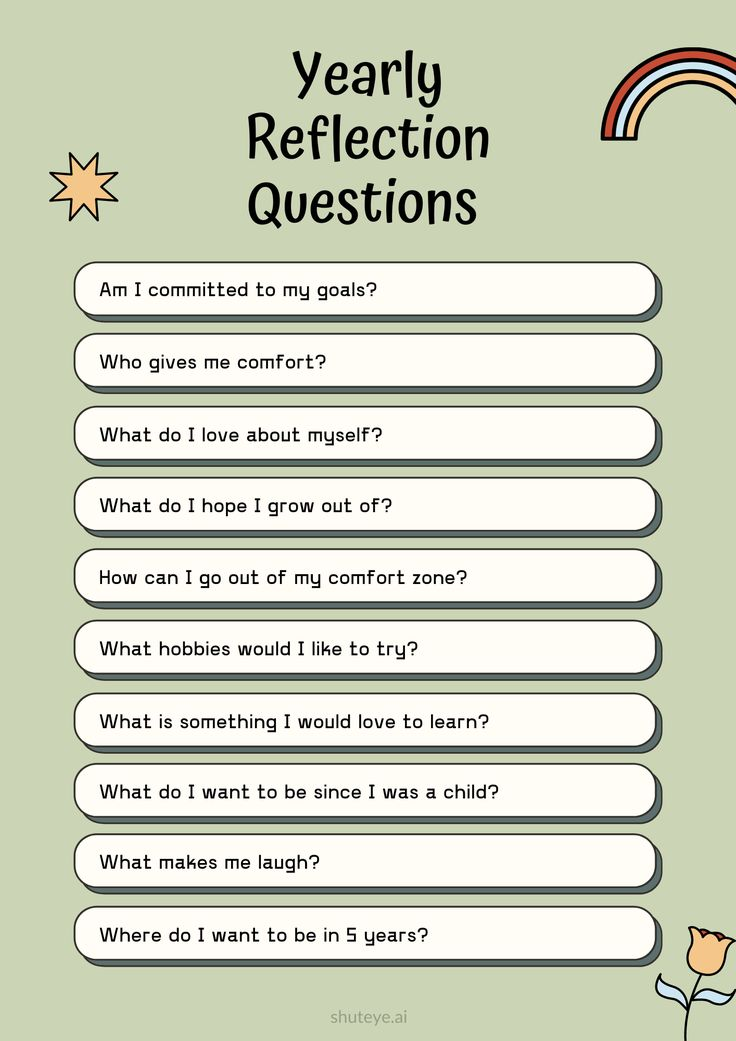
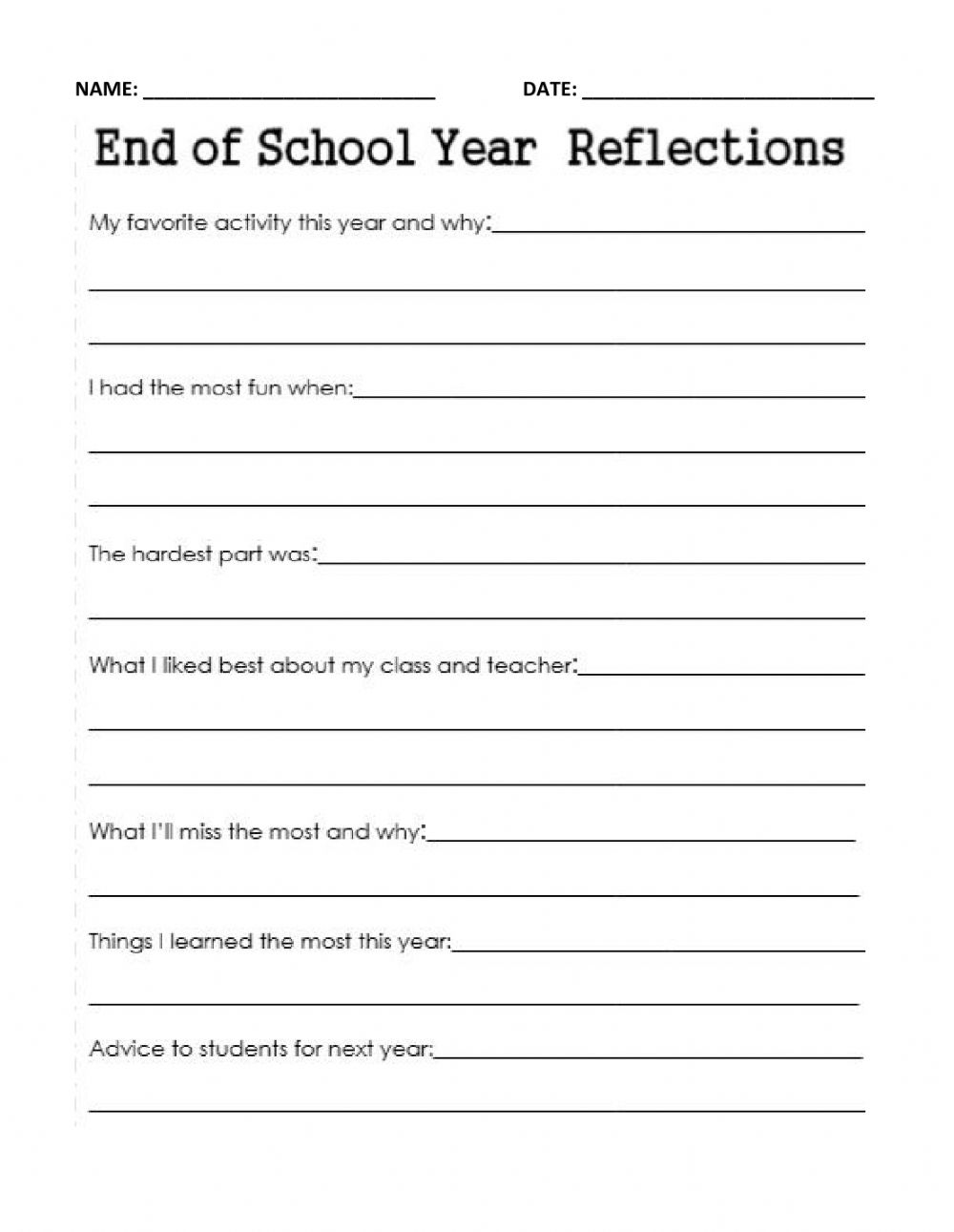
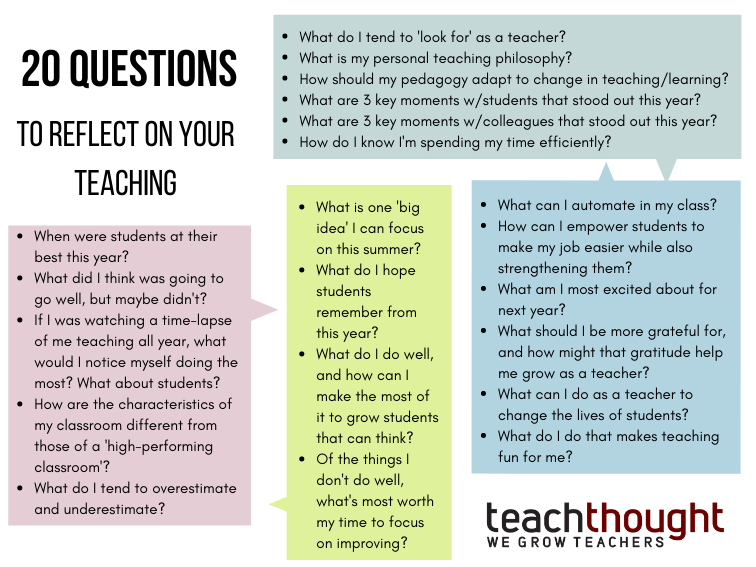
Time to reflect. I have been facilitating reflection sessions for this academic year of 2022-23 with teachers, leadership teams of educational institutions, and students. I specifically look forward to this part of the academic year for I learn many aspects of the teams and team leaders, as they also learn much about themselves and their peers in the process. A significant process to become a better version of oneself.
Have you started it yet? the annual end of the academic year process of reviewing, reflecting, and rejuvenating the teaching-learning practice. Here are some suggested ways for students and teachers to structure their reflections for this year.
Enjoying my weekly newsletters? please subscribe here with your mail id. It is free.
Three Images of the Week
Two Thoughts of the Week
We do not learn from experience… we learn from reflecting on experience.
John Dewey
I hope that in this year to come, you will make mistakes. Because if you are making mistakes, then you are making new things, trying new things, learning, living, pushing yourself, changing yourself, and changing your world. You’re doing things you’ve never done before, and more importantly, doing Something.
Neil Gaiman
One Video of the Week
Maria sees her secret to improvement and success as being reflective. Although self-reflection requires patience and introspection and is sometimes uncomfortable, it can be productive and serve as a concrete way of attaining one’s full potential. Maria is a grade eleven student in her first year of the IB DP program. Originally from Russia, Maria grew up in Tashkent, but moves periodically between Virginia, USA and Tashkent.
She identifies as an ethnic Russian-Korean, part of the group of Koreans that were resettled in Central Asia during the 1920’s-30s. She loves to golf, read fantasy fiction novels, and watch anime. In her free time, she likes to sleep, and write her own fiction stories. As a teenager, suddenly, on the brink of being thrown into a world of adulthood and leaving home, she recognizes the simultaneously scary and anxious experience for both herself and her friends. For that reason, she finds one of the best ways of coping with and facing new challenges to be the small quiet, contemplative moments of momentary self-reflection on long car rides, and solitary golf games.
She hopes to share her passion for the limitless possibilities of continuous improvement through self-reflection with her friends and audience.
Dear reader,
I have been a research scientist, a journalist, and an educator for over 3 decades. I read and, I write. With this weekly newsletter, I share what I read, learn, and, experience. At the same time, I engage with students, parents, and teams of teachers across K-12 schools, higher education institutions, and ed-tech organizations.
3-2-1 Tuesdays with Ms. Niv is a newsletter to subscribe to and enjoy your learning journey with me.
And Finally…
This newsletter is supported by the following:
 Nivedita Mukerjee