Nivedita Mukerjee
Education consultancy for parents and schools
3-2-1 TUESDAYS WITH MS NIV
Issue #139, 7th March 2023
How do you prepare, learn, and revise for performing well in exams or a match or stage or …. basically, when it really counts?
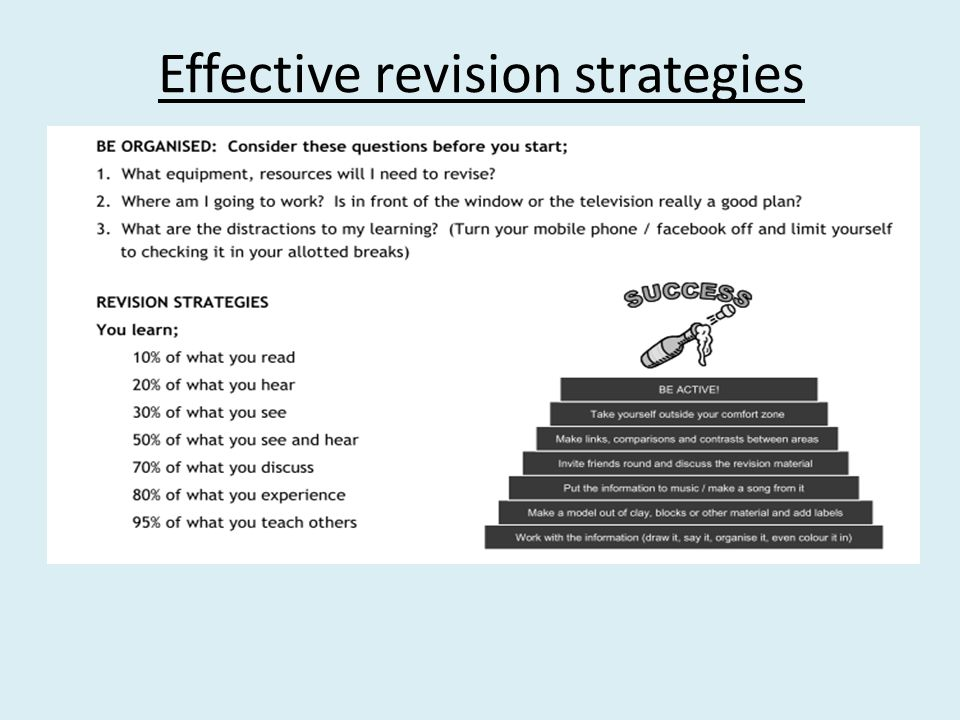
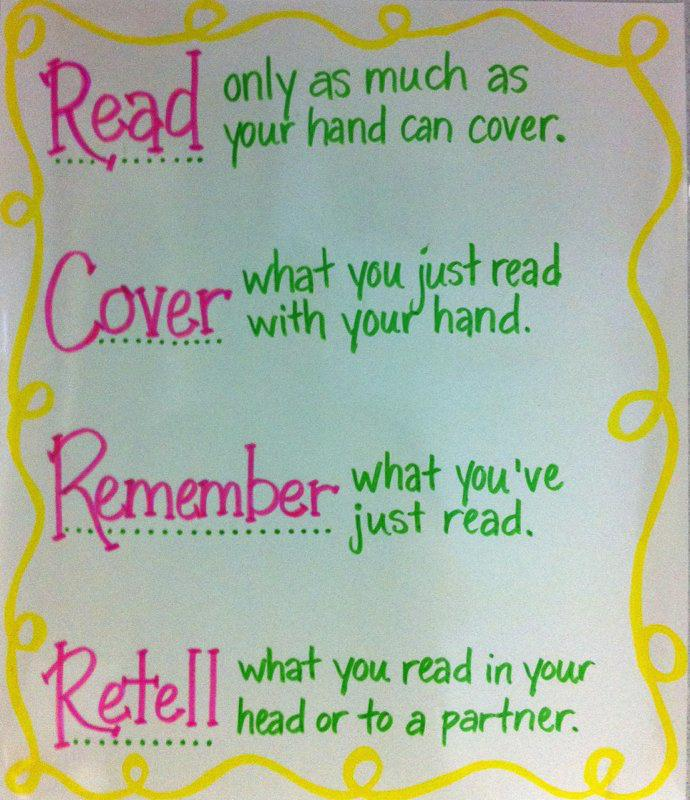
Last week I shared about exam stress for students, parents, and teachers, being exam season now. I got feedback that most of us stress because of inadequate preparation and anticipation of not being able to recall and reproduce what we have learned and practiced. Here are some tips for revision and a very useful, well-researched talk on this matter in the video section of the newsletter. Don’t miss it.
If you like receiving this information and tips, please subscribe to my free newsletter here and you will get it in your mail every Tuesday.
Three Images of the Week

Two Thoughts of the Week
I would rather have one article a day of this sort; and, these ten or twenty lines might readily represent a whole day’s hard work in the way of concentrated, intense thinking and revision, polish of style, and weighing of words. Joseph Pulitzer
“By the time I am nearing the end of a story, the first part will have been reread and altered and corrected at least one hundred and fifty times. I am suspicious of both facility and speed. Good writing is essentially rewriting.” Roald Dahl
One Video of the Week
How to study to maximize performance
This talk is not just for students, says Robert Bjork. Today, learning is a requisite skill for both students and adults given the reality of a quickly changing, ever-evolving world. In their informative, research-based talk, Elizabeth and Robert Bjork offer invaluable study skills for everyone who wants to maximize performance when it really counts.
Dear reader,
I have been a research scientist, a journalist, and an educator for over 3 decades. I read and, I write. With this weekly newsletter, I share what I read, learn, and, experience. At the same time, I engage with students, parents, and teams of teachers across K-12 schools, higher education institutions, and ed-tech organizations.
3-2-1 Tuesdays with Ms. Niv is a newsletter to subscribe to and enjoy your learning journey with me.
And Finally…
This newsletter is supported by the following:


3-2-1 TUESDAYS WITH MS NIV
Issue #138, 28th February 2023
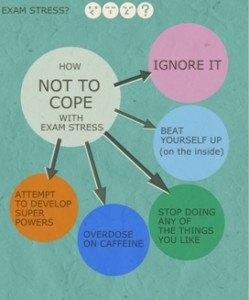
Teachers are stressed about their students’ exams. Parents are stressed about their children’s exams and students are stressed about their own exams, ongoing and ensuing. Exam season starts in March and goes on for the next couple of months taking the joy out of the season of spring and summer for most if not all our exam-age students, their parents, and their teachers. What is the point of stressing every year, year after year? exams and assessments are a part of student life. We need to learn how to deal with stress. In particular exam stress. Here are a few tips for students and parents as well. Don’t miss out on the tips for what to not do when stressed as well.
Three Images of the Week
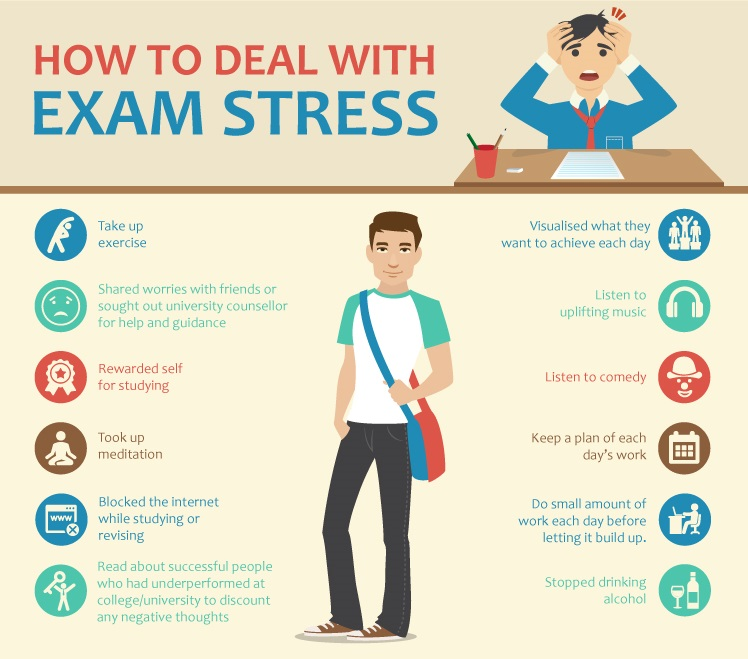
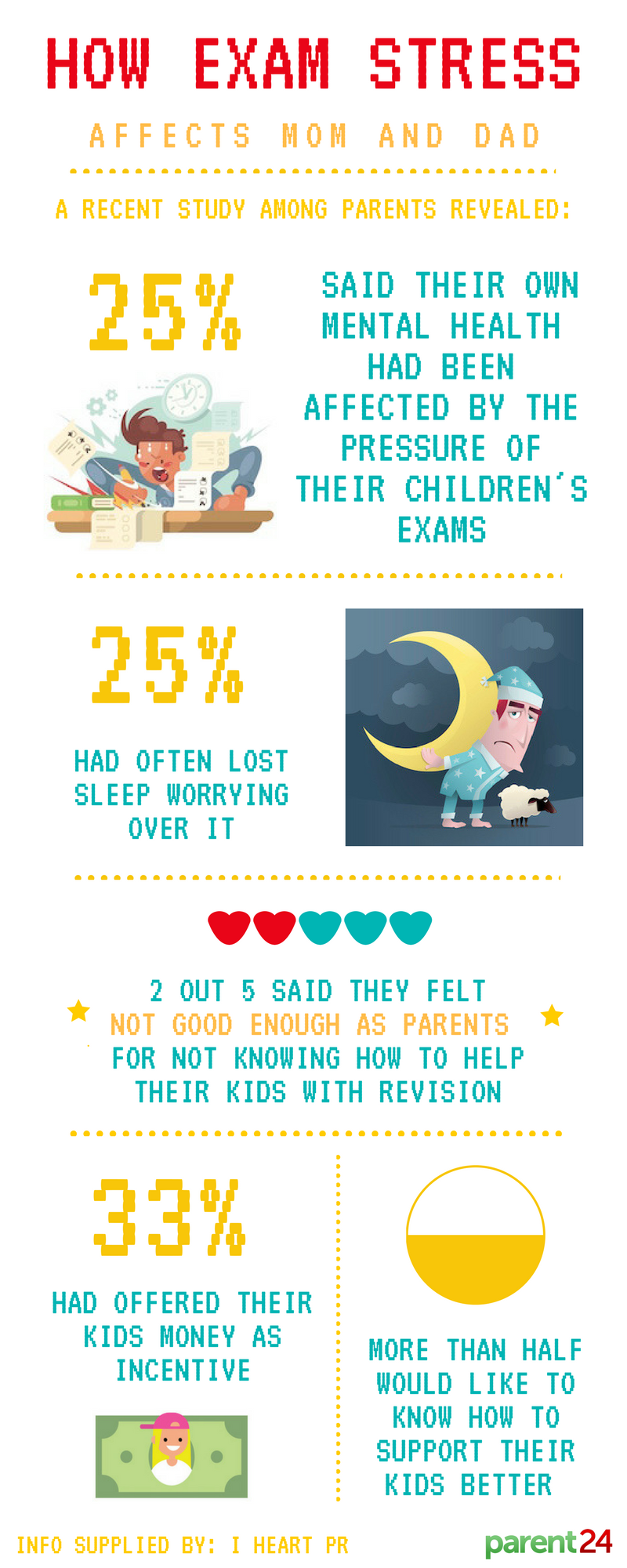
Two Thoughts of the Week
“Don’t say you don’t have enough time. You have the same amount of hours per day that were given to… Michelangelo, Mother Teresa, Leonardo Di Vinci… and Albert Einstein.” – H. Jackson Brown Jr.
“My advice is, never do tomorrow what you can do today. Procrastination is the thief of time.” – Charles Dickens ‘David Copperfield’
One Video of the Week
Learning is hard work and can be a stressful endeavor at any age. As leaders, educators, and parents, understanding positive strategies to help learners balance life and how to embrace new knowledge will yield positive results.Dustin Miller, Ph.D. is the principal at Dublin Jerome High School. He has held positions in education, including the middle school principal, high school assistant principal, and English teacher. Dr. Miller obtained his Ph.D. in Educational Policy and Leadership from The Ohio State University. He has served as the Ohio Association of Secondary School Administrators (OASSA) president and was on its board for many years. He has also held an appointment as the treasurer on the board of the Ohio Capital Conference Academic League. Dr. Miller teaches graduate courses at The Ohio State University and Miami University on school law, data-driven decision-making, ethics, and research methods. He has presented at the University Council on Educational Administration Conference, the American Educational Research Association Conference, and the Battelle for Kids Conference.
Dear reader,
I have been a research scientist, a journalist, and an educator for over 3 decades. I read and, I write. With this weekly newsletter, I share what I read, learn, and, experience. At the same time, I engage with students, parents, and teams of teachers across K-12 schools, higher education institutions, and ed-tech organizations.
3-2-1 Tuesdays with Ms. Niv is a newsletter to subscribe to and enjoy your learning journey with me.
And Finally…

This newsletter is supported by the following:
3-2-1 TUESDAYS WITH MS NIV
Issue #137, 21st February 2023
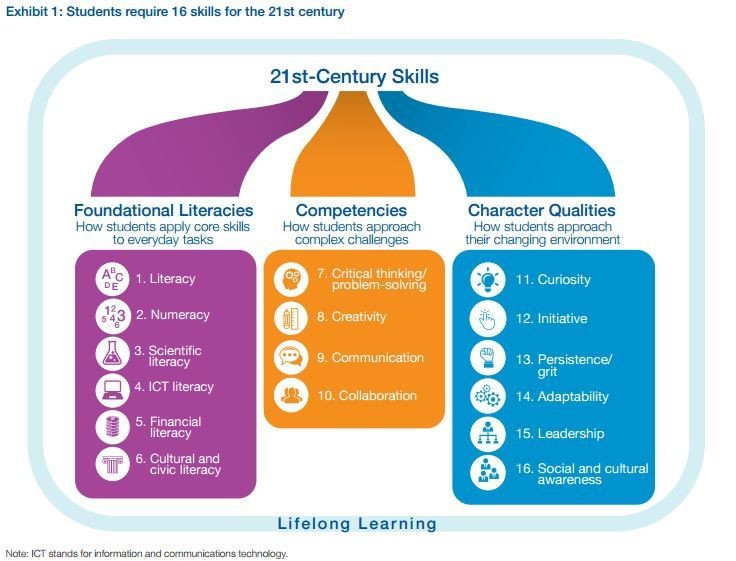
Do you have what it takes to not just survive but thrive in the 21st Century? There is a lot of buzz around 21st-century skills. Now, whose job it is to impart them? School or parents or allied education specialists? Can we hand over this critical job of learning and imparting critical thinking skills to one stakeholder in our child/student’s life? What do you think? What have you done as an educator and/or parent? here are some thoughts for educators and parents to consider and act upon. As of yesterday 🙂
Three Images of the Week


Two Thoughts of the Week
“The 21st century is the century of knowledge. Knowledge, science and education will have the power and strength to embrace the entire universe.”
- Narendra Modi
“The illiterate of the 21st century will not be those who cannot read and write, but those who cannot learn, unlearn, and relearn.”
- Alvin Toffler
One Video of the Week
Changing Role of a Teacher in 21st Century | Dawn Taylor
She inspired everyone to follow the changing ideologies of the world in the field of Education system. She stimulated the thought of turning Educators into “Activators of Learning”. Dawn Taylor is an International Education Consultant and has over 20 years of experience in the field of education.
She is currently working with over 19 schools in India to build a vision for their future and drive forward school improvement. Her vision and focus on scalability and workable solutions aim to start preparing over 30,000 students this year with the skills they require for life.
She is leading over 1,000 teachers in a skills-based revolution within our classrooms, a revolution that is prioritizing the teaching of 21st-century skills. She has trained over 13,000 students in India alone on the development of metacognitive skills: inspiring and activating an army of independent, self-assured learners.
Dear reader,
I have been a research scientist, a journalist, and an educator for over 3 decades. I read and, I write. With this weekly newsletter, I share what I read, learn, and, experience. At the same time, I engage with students, parents, and teams of teachers across K-12 schools, higher education institutions, and ed-tech organizations.
3-2-1 Tuesdays with Ms. Niv is a newsletter for you to subscribe to and enjoy your learning journey with me.
Guest author:
Face The Future – Think Critically!
What is critical thinking?
In the New Vision of Education (2015) report, the World Economic Forum (WEF) defined critical thinking as “the ability to identify, analyse, and evaluate situations, ideas, and information in order to formulate responses to problems”. Critical thinking, defined as such, was one of the ten 21st Century skills the report identified as being imperative for the students of today to master to be able to Face the Future with any degree of competence and confidence.
But what does all that mean? What exactly is critical thinking? How would one (1)identify, (2)analyse, and (3)evaluate? What would those entail? What are the tangible and concrete actions one would have to take? And most importantly, how would you teach all of that to a child or teenager?
To put it simply, thinking critically means thinking beyond the obvious or the superficial. Thinking critically forces you to move beyond being a passive recipient and forces you to become an active participant. When you observe the things happening around you, when you are presented with data or content, when an opinion or thought is shared with you; instead of merely accepting it, you have to process it, break it down and extract meaning or intent from it.
Imagine if an alien species with much better technology than us lands on Earth, gives us a gadget that is supposed to solve all our problems, and flies off into outer-space again. How amazing would that be? A non-critical thinker would start using the gadget as instructed – and for awhile, things would be great as all the problems of humanity magically vanished. But a critical thinker would do more than start using the gadget. They might for example start thinking about what constitutes the object in terms of its mechanisms and if it can be reproduced. They might start thinking about how it works and why it has the effects that it does. They might start thinking about what side-effects it might produce or unintended consequences it might set off. They might start thinking about why the aliens left the gadget with us in the first place and what the aliens’ motives might be.
Why is critical thinking important?
So why is any of that important? Why not just use the alien gadget and enjoy a problem-free world? It sure seems like a lot of unnecessary effort and a whole lot of bother.
Well, we’d want to know, wouldn’t we, if the alien species gave us that gadget as a precursor to a full scale invasion because it emitted rays that could brainwash us to submission while it innocently seemed to solve all our problems? Or if some alien element was being released into the atmosphere which would eventually terraform our Earth into something unliveable for us and only conducive for them? Maybe there is no reason to be cynical – maybe the aliens were truly altruistic and only had good intent. Then we’d want to know, wouldn’t we, how to repair or reproduce the gadget should it suddenly break down and turning it off and on again does not solve the problem?
While this seems way too far off in the future and more the plot of a B-grade science fiction movie than real life, the core of the argument is relevant to our world and our lives today. We need to think critically so we are not taken for fools, so we are not taken by surprise, and so we understand better.
We might not have alien gadgets but we are surrounded by man-made gadgets, all of which promise to make some aspects of our lives better. And as we move into the future, more and more gadgets will be introduced to our lives. We should critically think about those gadgets the same way we would an alien gadget for all the same reasons.
Another feature of the advancement of technology is the constant barrage of information and news from the internet and social media. Critical thinking allows us to decipher this information and its value to us. How much of it is fake? How much of it is manipulative? How much of it is skewed?
Being able to think critically allows us to identify the cause of problems at their root so we can eliminate them rather than constantly looking for quick fixes. Being able to think critically allows us to spot loopholes and gaps so we can avoid potential problems in the first place.
But beyond all that, we need to develop the skill of critical thinking because it’s the smart and the right thing to do. It’s an important human skill to have. It’s really that simple. Being able to think critically, and exercising that ability regularly, makes us better at being human. And being better at being human as we Face the Future is always important, especially as we move into a world with better machines, better robots, and better everything-that-is-not-human.
How is critical thinking manifested?
Well, that’s great, you might exclaim. You’ve convinced me that critical thinking is important, you might concede. But what should I do to become a critical thinker, you might ask.
It’s not that hard really. The first step of course is awareness of the idea of critical thinking itself and the need for it. Once that awareness is achieved, the next few steps, hopefully, become seamless.
The next step is practice. Start thinking critically of everything around you – every situation, every piece of information, every idea. Ask as many questions about everything until you fully understand every aspect of it – ask until there are no more questions left to ask.
Ask questions like what it might imply, what hidden subtext there might be, who was involved and if they have any underlining motive or agenda. Ask questions like what the impetus was, why it turned out a certain way, and what possible consequences there might be. Ask questions like whose point of view was presented, is it comprehensive, and if you agree or disagree with it and why.
Question assumptions, question logic, question perspectives. Identify connections, identify inconsistencies, identify gaps. Determine relevance, determine significance, determine consequence.
As with the acquisition of any skill, this will be hard at first but constant practice will make it a habit and lead to mastery. And with mastery, you will find that the questions come naturally and you will no longer have to question yourself if you’ve asked all the possible questions that can be asked.
When presented with a problem, you will find that as a critical thinker, you are able to analyse it and break it down to identify the underlining causes of the problem. As a critical thinker, you are able to use logical reasoning to address the problem and begin the process of finding a solution. As a critical thinker, you are able to evaluate the consequences of the solution and its varying effects.
How can we help children and teenagers develop critical thinking?
There are many things we can do to help children and teenagers become better critical thinkers. And it doesn’t have to be tedious or boring for either them or us. Fundamentally, we have to engage them, ask them questions, talk to them, and complicate their lives.
I know this seems counter-intuitive in our bid to help them. But the fact is, children are often times ignored or largely condescended to. We tend to ask them ‘easy’ questions and make things as simple as possible for them because we assume that is all they can handle. But we aren’t doing them any favour by doing that – in fact we’re doing the opposite – we’re retarding their ability to think critically to Face the Future.
Here are some ideas of ways we can engage them:
- Post-reading or post-watching activities
Reading and watching television shows and movies are fundamentally passive activities. But these can be turned into active pursuits that encourage and develop critical thinking.
Encourage post-reading and post-watching activities. Depending on what was read or watched, ask children to analyse the characters and the plot. Answer questions like:
– why did the character do this?
– what was her/his motive or purpose?
– why did the writer/director present the character in this particular way?
– what was she/he trying to achieve?
– why did this event occur?
– how could it have been prevented?
- Solving the ‘big’ issues
Current affairs and the news are generally considered ‘boring’ by most kids – ‘adult stuff’ best to be ignored for as long as possible. After all, they’re probably too young to understand it anyways.
This mindset can and must be changed in a bid to help kids with their critical thinking development. Introduce them to what’s happening in the world around them whether it be climate change, poverty, or injustice.
But don’t stop there. Give them projects related to it in which they have to consider things like:
– why does the problem exist?
– who benefits from it and would not want it to change?
– what would it take to solve it?
– who would need to get involved?
– what are the consequences of doing nothing?
- Games!
Tabletop games and online games are an amazing way to spend time as a family as well as get kids to develop critical thinking skills. One game we suggest Is CABAL – A CRITICAL THINKING GAME.
You and your fellow game players are all heads of separate cabals on the planet Crackerjack. You manipulate the unsuspecting aliens of the planet as well as the heads of the other cabals to do your bidding to amass the most amount of influence. CABAL is a game that strengthens the Human Skill of critical thinking as players not only have to pay attention to their own objectives, but also to the objectives of their competitors!
(www.crackerjack.today/cabal)
Written by:
Fuzzie
CHIEF CRACKERJACK
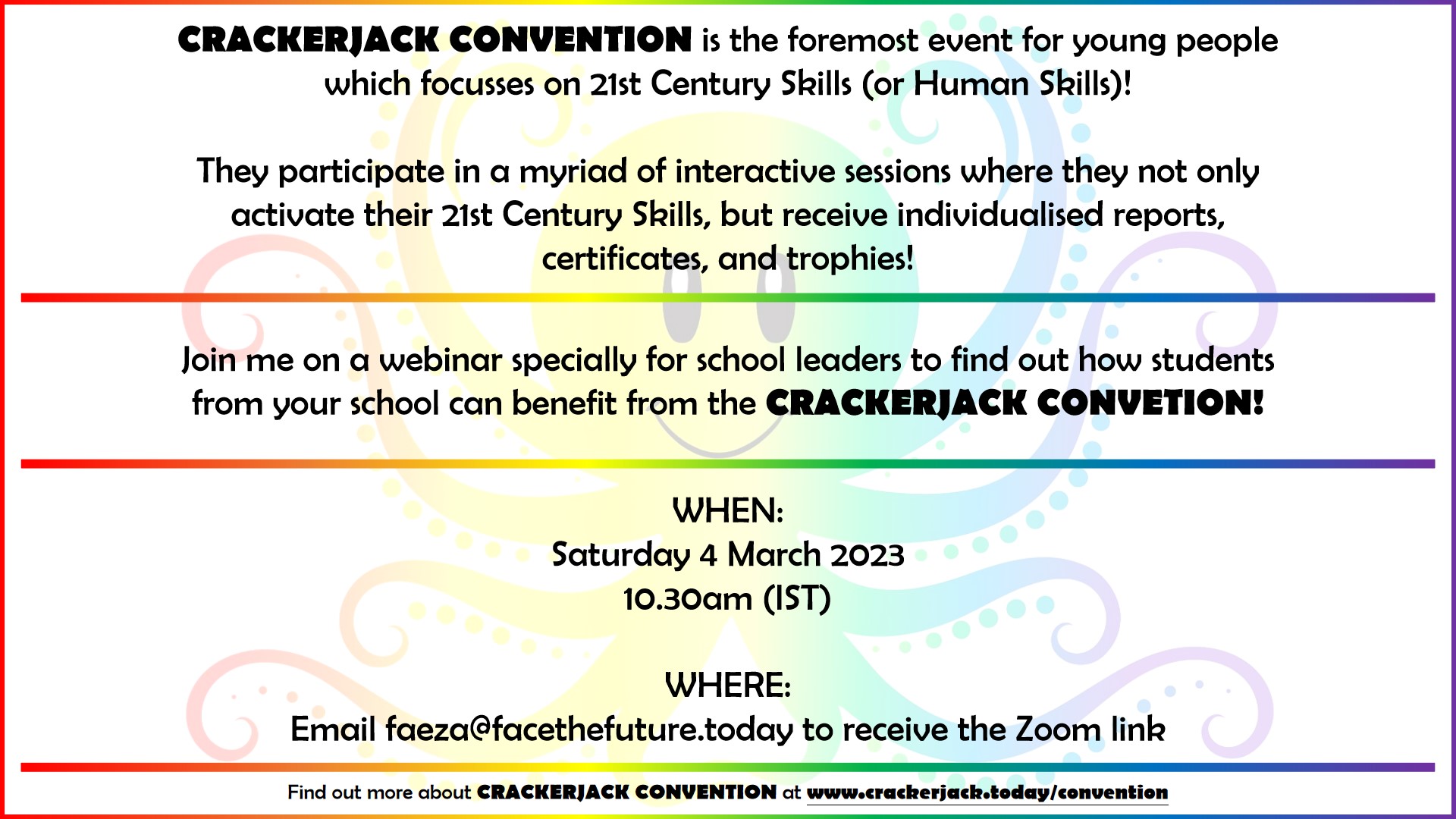
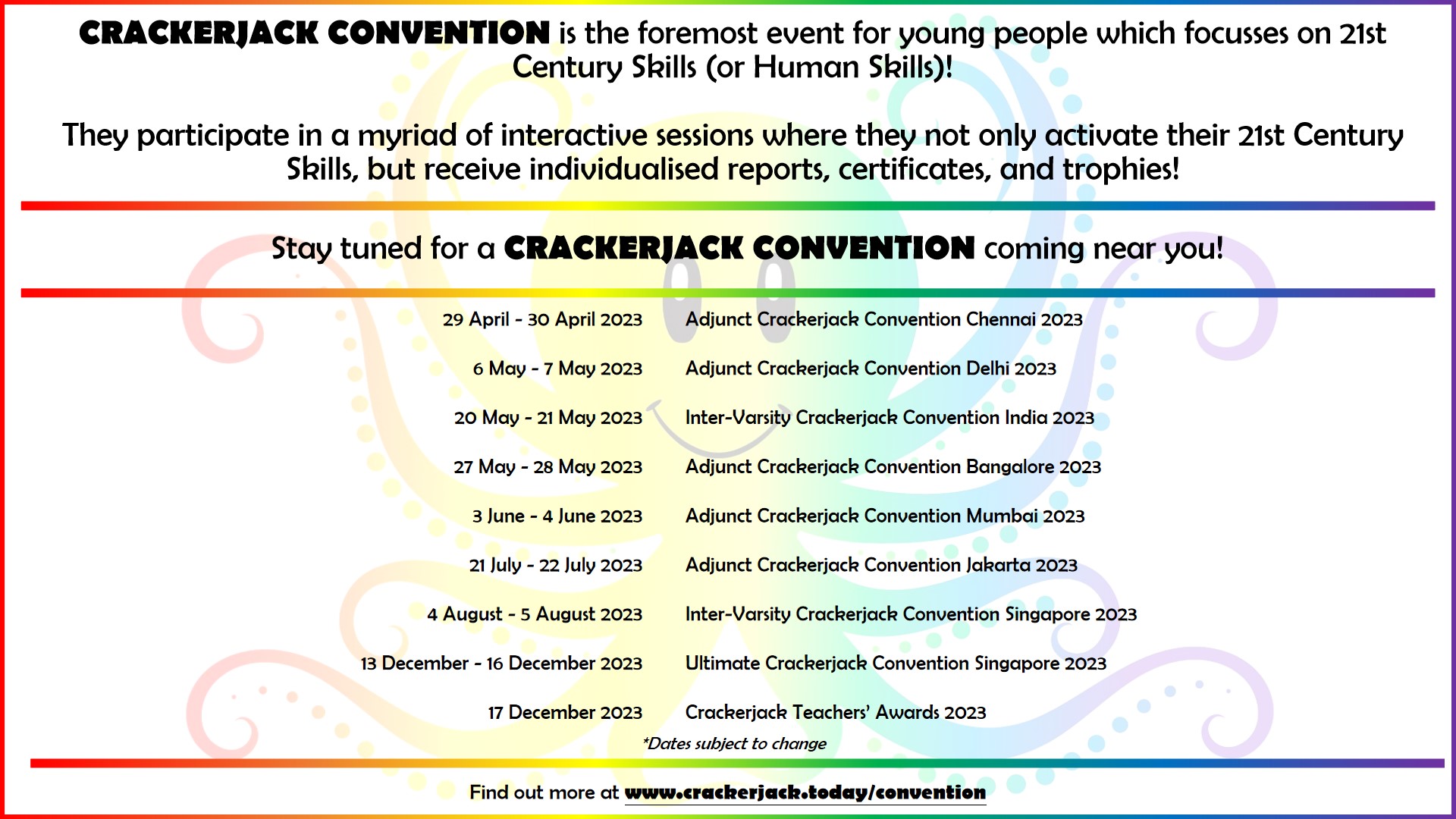
Fuzzie, a former educator, runs an annual event called the CRACKERJACK CONVENTION, where young people interact in fun tasks to activate and get evaluated on their 21st Century Skills, like Critical Thinking.
Showcase of the week
And Finally…

This newsletter is supported by the following:
3-2-1 TUESDAYS WITH MS NIV
Issue #136, 14th February 2023
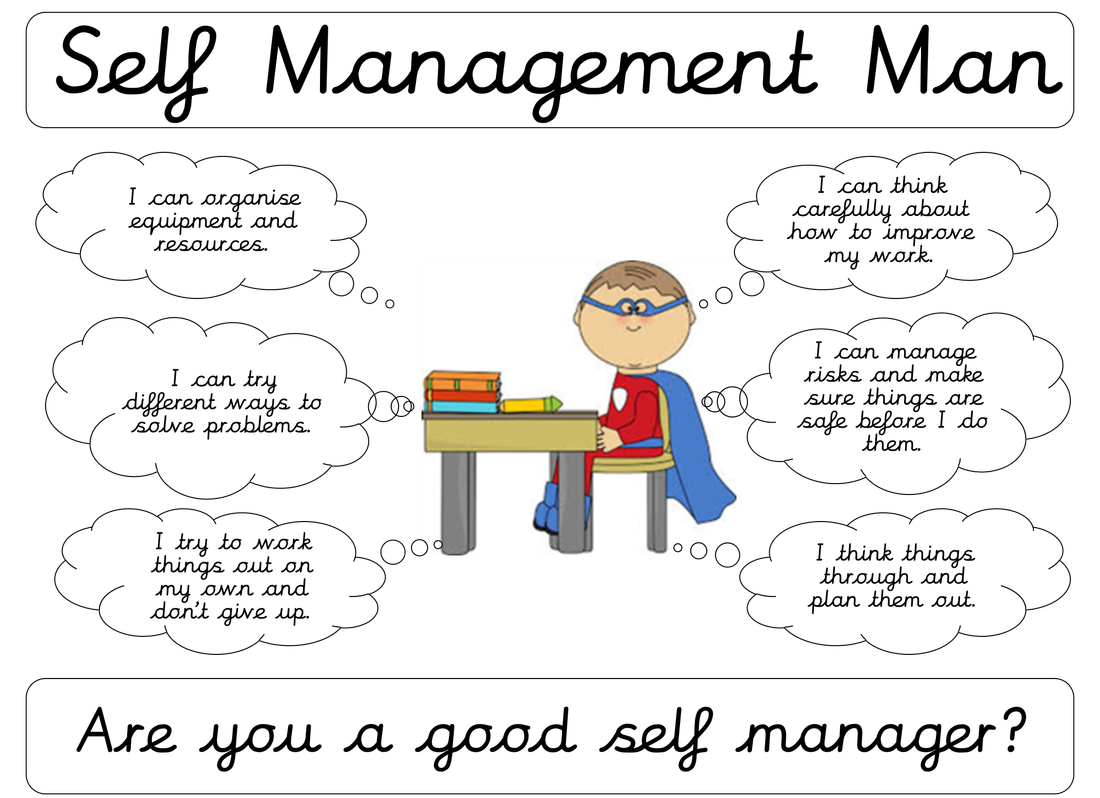
What is your kryptonite? In the world of Superman, there is an alien material that has the property of depriving Superman of his powers. For eg. for those of us who want to control snacking, watching TV at night is kryptonite. For those of us who like to spend time learning new things, having friends who want to party every evening might be kryptonite. Kryptonite’s power is detrimental. If it can stop Superman’s powers, it can stop you, your student, or your child from living out your/their vision.
So, what is your child/student’s kryptonite? What weakens their resolve, strategy, and commitment? What can be done about it? Here are some strategies to teach self-management and learning how to learn and keep at it as lifelong learners.
Three Images of the Week


Two Thoughts of the Week
The highest possible stage in moral culture is recognizing that we ought to control our thoughts.” Charles Darwin
“Self-control – what lies in our power to do, it lies in our power not to do.” Aristotle
One Video of the Week
Motivation, self-regulation, and learning how to learn
Heidi is a passionate advocate for excellent education for younger children. She believes in an education that preserves the integrity of childhood, capitalizes on children’s natural curiosity, and respects them as competent learners. While what children learn is essential, equally important is how they learn. Heidi Ashton is an international educator with many years of experience. She is the PYP Coordinator at International Preparatory School in Mapou. She is Canadian by birth but has spent most of her adult life living overseas, having previously worked in Asia, Europe, and North America.
Dear reader,
I have been a research scientist, a journalist, and an educator for over 3 decades. I read and, I write. With this weekly newsletter, I share what I read, learn, and, experience. At the same time, I engage with students, parents, and teams of teachers across K-12 schools, higher education institutions, and ed-tech organizations.
3-2-1 Tuesdays with Ms. Niv is a newsletter for you to subscribe to and enjoy your learning journey with me.
And Finally…

This newsletter is supported by the following:
3-2-1 TUESDAYS WITH MS NIV
Issue #135, 7th February 2023
It is the season of Love 🙂 Valentine’s day is not to be missed for the marketing is on overdrive after 2 years of pandemic-induced distancings andseparations. As an educator and teacher trainer, loving students and teachers and teaching them to love learning, by teaching what they love are what I love. Here are many ways to love learning and learners, try some of them out for yourselves whether you are a student, teacher, or parent.
Love my newsletter? Share it with others you love and subscribe by putting your email down here.
Three Images of the Week


Two Thoughts of the Week
“Anyone who stops learning is old, whether at twenty or eighty. Anyone who keeps learning stays young.”
― Henry Ford
“Intellectual growth should commence at birth and cease only at death.”
― Albert Einstein
One Video of the Week
An avid learner and enthusiastic teacher, Sam Lau talks about his experience with the advent of Massive Open Online Courses and how education has shaped his goals and mindset. He challenges his listeners to make the most out of every opportunity by looking for ways to learn and teach.
Sam Lau is a Whitney High School graduate and a current first-year at UC Berkeley studying computer science and education. In his search for new things to learn and teach, Sam hopes to continue growing both as a student and an educator.
He is currently a TA for an introductory computer science course at Cal and is bringing a popular computer science course from Berkeley to Cerritos this summer. Sam enjoys biking, eating, and learning new things!
Dear reader,
I have been a research scientist, a journalist, and an educator for over 3 decades. I read and, I write. With this weekly newsletter, I share what I read, learn, and, experience. At the same time, I engage with students, parents, and teams of teachers across K-12 schools, higher education institutions, and ed-tech organizations.
3-2-1 Tuesdays with Ms. Niv is a newsletter for you to subscribe to and enjoy your learning journey with me.
And Finally…

This newsletter is supported by the following:
3-2-1 TUESDAYS WITH MS NIV
Issue #134, 31st January 2023
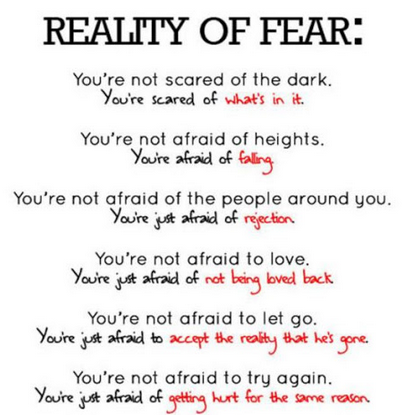
Fear. What is the worse that can happen? What are your worst fears? Have you overcome any of your fears? Have you helped your student or child overcome their fear of any particular thing as a parent or teacher? What was your method of doing so? Here are some thoughts and tips on understanding and overcoming your fears and helping others around you to do so as well. Check them out. Don’t miss the three-step process suggested in the video of the day. If you enjoy what you are finding in my weekly newsletter for parents, educators and students, please go ahead and subscribe by putting in your email here.
Three Images of the Week
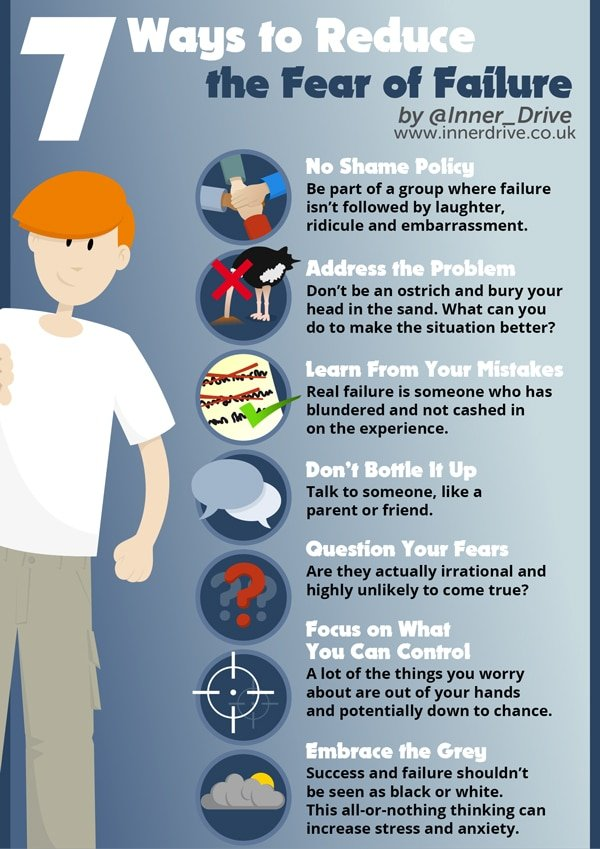

Two Thoughts of the Week
“Inaction breeds doubt and fear. Action breeds confidence and courage. If you want to conquer fear, do not sit at home and think about it. Go out and get busy.”
–Dale Carnegie
“You gain strength, courage, and confidence by every experience in which you really stop to look fear in the face. You are able to say to yourself, ‘I have lived through this horror. I can take the next thing that comes along.’ You must do the thing you think you cannot do.”
–Eleanor Roosevelt
One Video of the Week
Often called “The New Einstein,” Olympia LePoint is best known for her role as an award-winning rocket scientist, science entertainer, and educator driving to help people overcome fear.
As an internationally-recognized science leader, LePoint helped launch NASA’s Endeavour, Discovery, Columbia, and Atlantis Space Shuttles. She successfully helped launch 28 Space Shuttle Missions into Space. She won The 2004 Boeing Company Professional Excellence Award and The 2003 Engineer of the Year “Modern Day Technology Leader” Award.
Mathaphobia: How You Can Overcome Your Math Fears and Become a Rocket Scientist is her debut self-help, an educational book designed to empower adults and help students ace STEM (Science, Technology, Engineering, Math) education.
As CEO of OL Consulting Corporation, LePoint publishes educational books and executive produces Science TV shows. With her extensive experience as a math professor, LePoint educates in person and through the media. As a top-five graduate, LePoint holds a Bachelor of Science Degree in Mathematics, and a Master of Science Degree in Applied Mathematics from California State University Northridge.
LePoint advises for educational PBS TV programming with Wind Dancer Films, coaches through keynote speeches and workshops, and is a media personality for TV, Radio, News Publications, and Social Media outlets.
Dear reader,
I have been a research scientist, a journalist, and an educator for over 3 decades. I read and, I write. With this weekly newsletter, I share what I read, learn, and, experience. At the same time, I engage with students, parents, and teams of teachers across K-12 schools, higher education institutions, and ed-tech organizations.
3-2-1 Tuesdays with Ms. Niv is a newsletter for you to subscribe to and enjoy your learning journey with me.
And Finally…

This newsletter is supported by the following:
3-2-1 TUESDAYS WITH MS NIV
Issue #133, 24th January 2023
What is your idea of choice? Is it an innate human desire? Do you like to make your own choices? Does your success or failure depend on what choices you make? Are your choices always individual? When our choices are directed or limited by any other person – eg. parents or teachers for students, how does it impact the outcome? Ready to think? How about sharing some of your experiences of yourself and that of your child/student with me and other readers.
Three Images of the Week
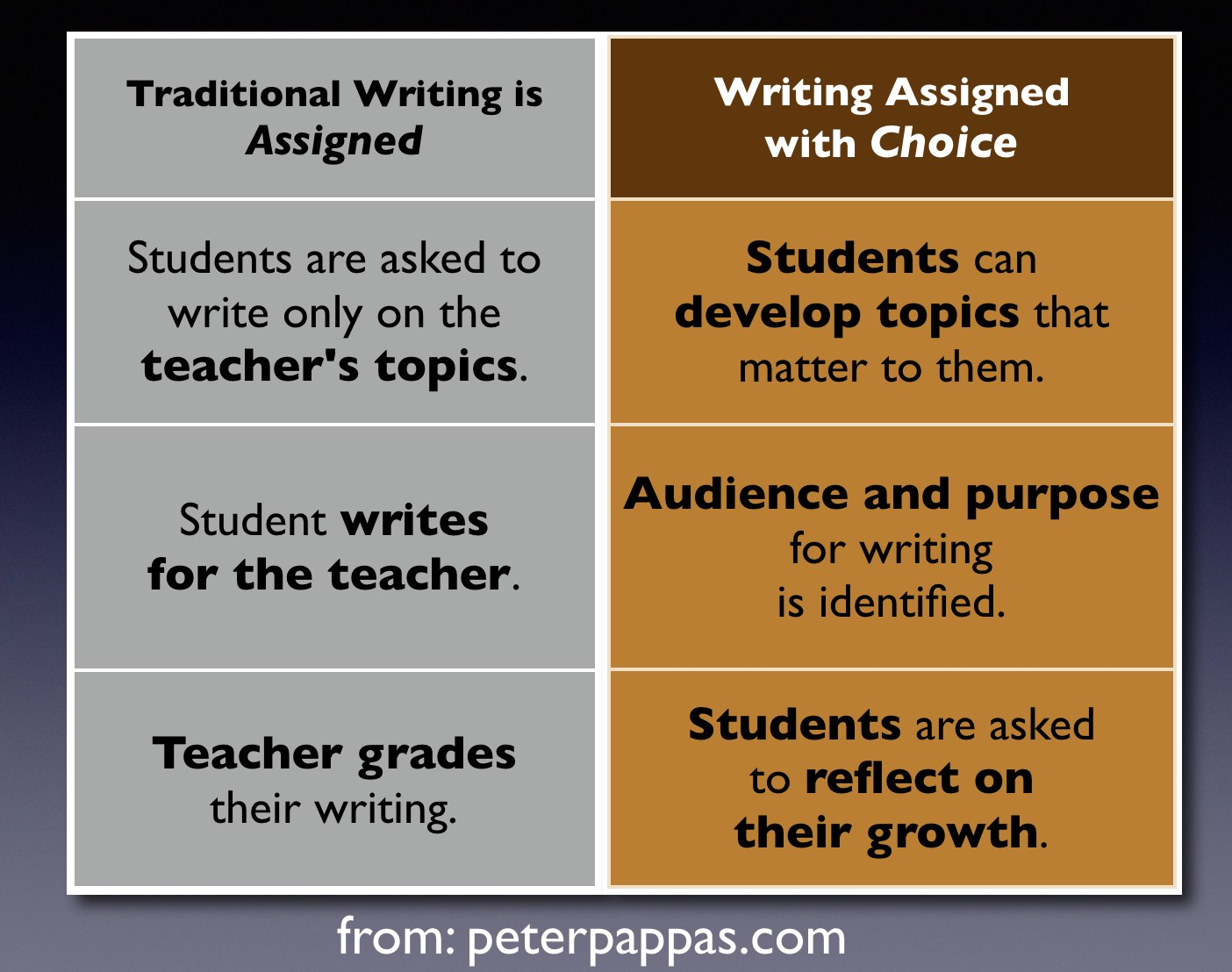
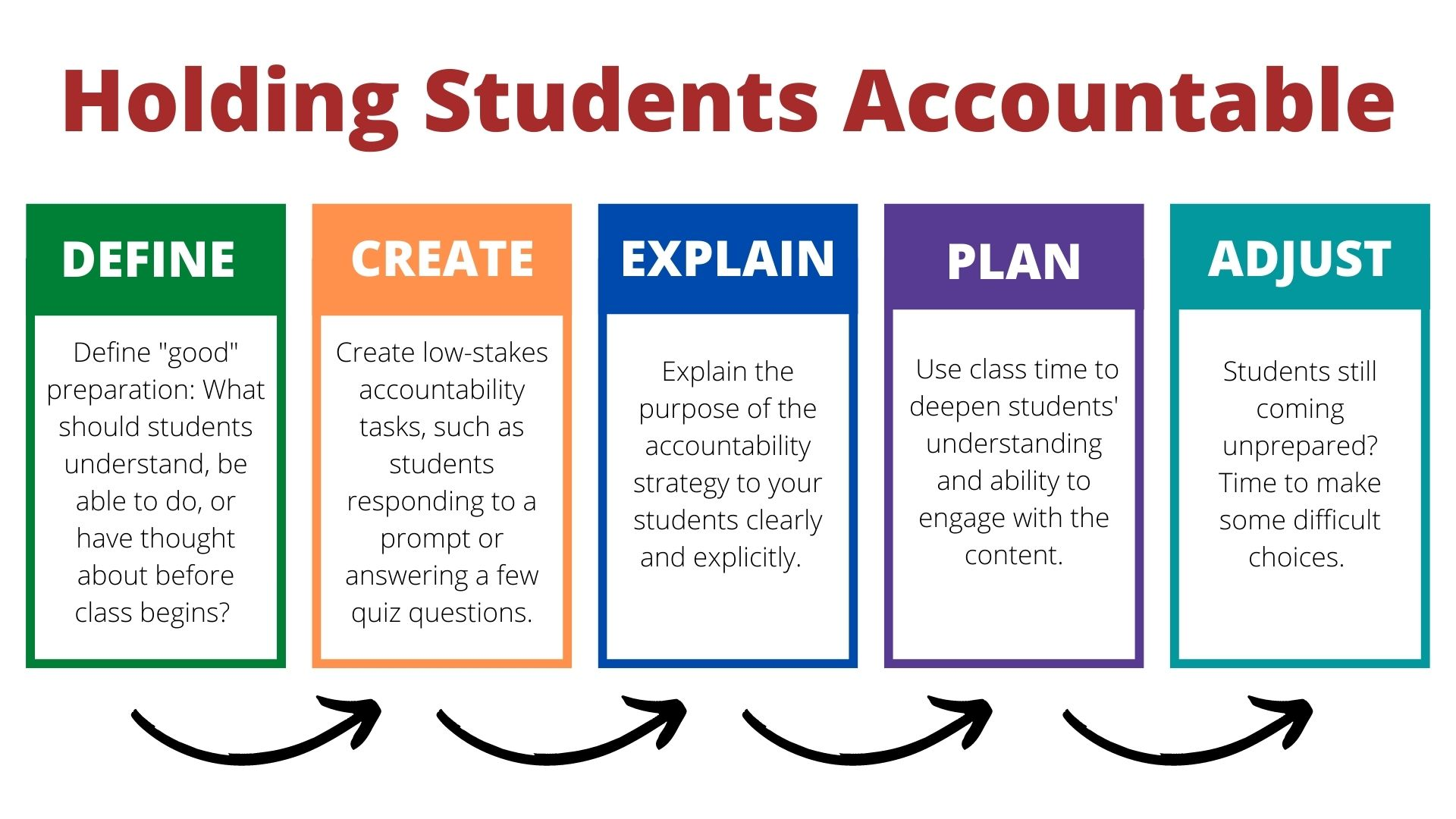

Two Thoughts of the Week
“Would you tell me, please, which way I ought to go from here?’
‘That depends a good deal on where you want to get to,’ said the Cat.
‘I don’t much care where -‘ said Alice.
‘Then it doesn’t matter which way you go,’ said the Cat.
‘- so long as I get SOMEWHERE,’ Alice added as an explanation.
‘Oh, you’re sure to do that,’ said the Cat, ‘if you only walk long enough.”
― Lewis Carroll, Alice in Wonderland
“It is our choices, Harry, that show what we truly are, far more than our abilities.”
― J.K. Rowling, Harry Potter and the Chamber of Secrets
One Video of the Week
Sheena Iyengar studies how we make choices — and how we feel about the choices we make. At TEDGlobal, she talks about both trivial choices (Coke v. Pepsi) and profound ones, and shares her groundbreaking research that has uncovered some surprising attitudes about our decisions.
Dear reader,
I have been a research scientist, a journalist, and an educator for over 3 decades. I read and, I write. With this weekly newsletter, I share what I read, learn, and, experience. At the same time, I engage with students, parents, and teams of teachers across K-12 schools, higher education institutions, and ed-tech organizations.
3-2-1 Tuesdays with Ms. Niv is a newsletter for you to subscribe to and enjoy your learning journey with me.
And Finally…

This newsletter is supported by the following:
3-2-1 TUESDAYS WITH MS NIV
Issue #132, 17th January 2023
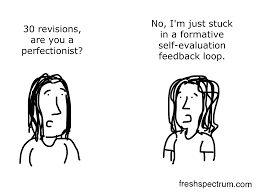
Feedback – to give, is as tricky as it is to receive. Feedback from a teacher to student, from a parent to child, and from a student to teacher? from child to parent? from peers and to peers? from supervisor to juniors or juniors to a supervisor? is it one way… is it two ways… is it always to be evidence-based? is it feelings based? is it to be discussed and formative? or just given and summative? What are your thoughts and experiences on feedback, I would love to hear them? As an educator, administrator, school advisor, and parent counselor I have worked through the feedback processes over the years and would like to learn from your experiences and thoughts.
Please comment, share and subscribe to the newsletter by your email here.
Three Images of the Week

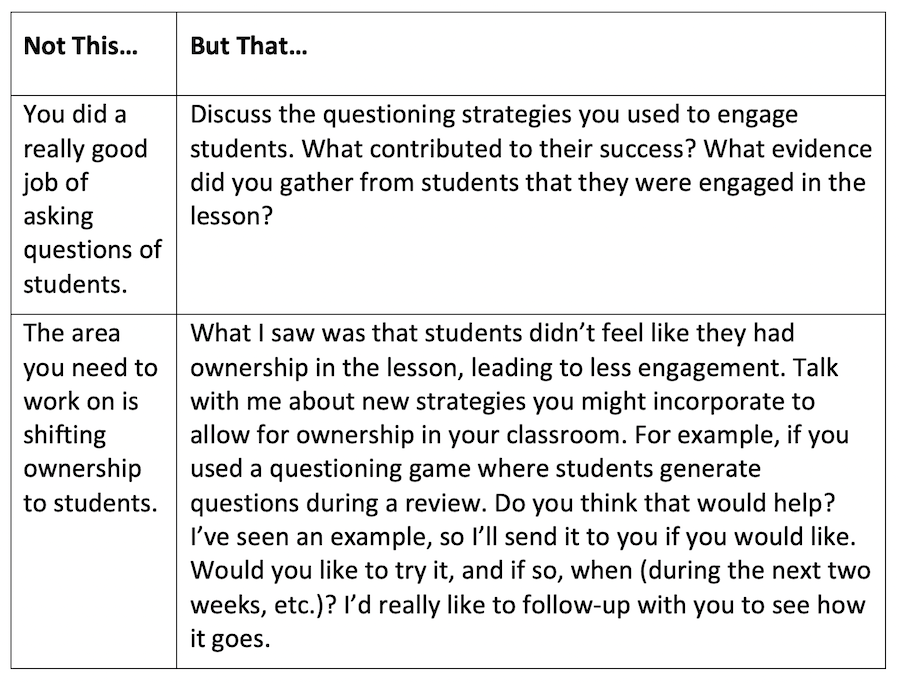

Two Thoughts of the Week
“Feedback is the Breakfast of Champions”
– Ken Blanchard
“Continuous improvement is better than delayed perfection”
– Mark Twain
One Video of the Week
Effective Feedback Without Marking
Nick Coles is a primary school teacher based in Peterborough. The school he works in recently made the national press when they decided to ‘scrap marking’ and instead focus on developing a more child-centered form of verbal feedback. The decision was taken by the school due to the fact that the process of marking had often become a demoralizing task for the teachers and an unhelpful form of feedback for pupils. Conferencing was introduced as the alternative – every child would spend 1:1 time with their teacher discussing their work. The process has proved successful so far and has been met with a positive reception from pupils who feel that they now better understand their learning.
Dear reader,
I have been a research scientist, a journalist, and an educator for over 3 decades. I read and, I write. With this weekly newsletter, I share what I read, learn, and, experience. At the same time, I engage with students, parents, and teams of teachers across K-12 schools, higher education institutions, and ed-tech organizations.
3-2-1 Tuesdays with Ms. Niv is a newsletter for you to subscribe to and enjoy your learning journey with me.
And Finally…
This newsletter is supported by the following:
3-2-1 TUESDAYS WITH MS NIV
Issue #131, 10th January 2023
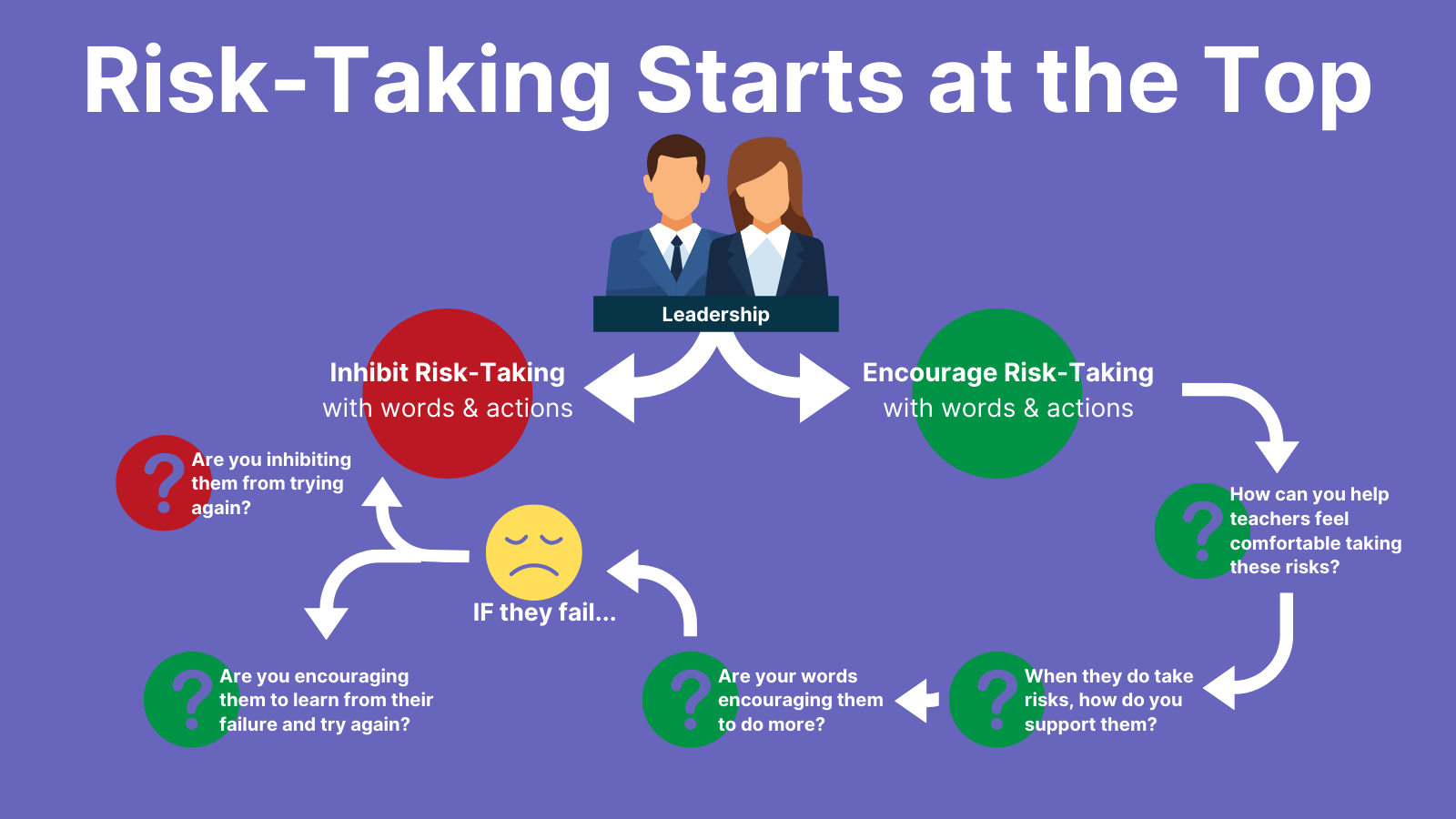
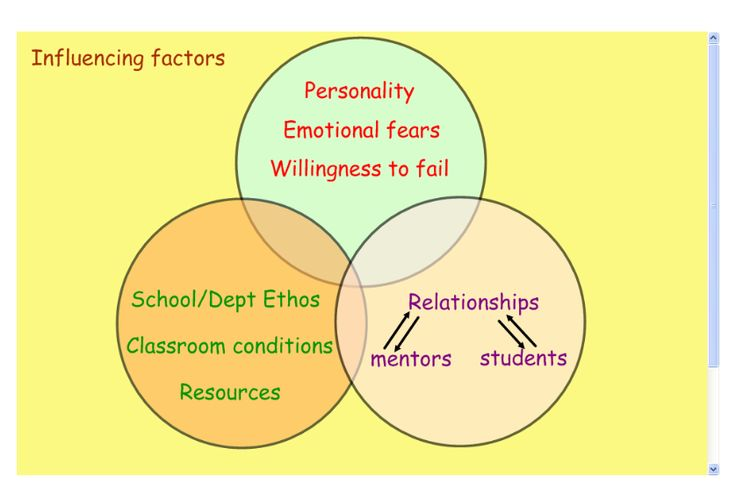
Do you know what is your comfort zone? Your students’? your child’s? How often do you step out of it? help and encourage your student/child to move out of their comfort zone? shift gear to move into the learning zone? take a chance, risk failing while trying, feel the unease, a bit of panic perhaps? Remember the popular 2020 Hindi song by Sukhwinder Singh… “Darr ke aagey jeet hai…”
Psychologist Lev Vygotsky’s much-talked-about theory of sociocultural cognitive development, ZPD – Zone of Proximal Development – when you move just a bit out of your comfort zone, when you are just a bit short on resources, just a bit short of help that you need to step, just a bit nervous to try… learning begins. Comfort is not a bad thing. The point of learning and education is to expand the comfort zone continually, all through, being a lifelong learner.
Here are some thoughts and tips. Go ahead, take a chance this new year and navigate from comfort to learning. Join me in my learning journey, we can do it together. Subscribe and comment on this weekly newsletter on various aspects of learning. Of being a parent, student, and teacher.
Three Images of the Week

Two Thoughts of the Week
“Don’t be too timid and squeamish about your actions. All life is an experiment. The more experiments you make the better.”
― Ralph Waldo Emerson
“Life is either a daring adventure or nothing at all.”
― Helen Keller
One Video of the Week
What risk would you take to learn, grow, or change something in your world? In 2012, Victor embarked upon an unconventional journey to design his Masters through twelve experiences in twelve months – an endeavor he and his friends entitled The Leap Year Project. His discoveries led him to explore new forms of higher education through an initiative called Experience Institute. But, more importantly, it helped him grapple with the roles that comfort, learning, and panic play throughout our lives.
Dear reader,
I have been a research scientist, a journalist, and an educator for over 3 decades. I read and, I write. With this weekly newsletter, I share what I read, learn, and, experience. At the same time, I engage with students, parents, and teams of teachers across K-12 schools, higher education institutions, and ed-tech organizations.
3-2-1 Tuesdays with Ms. Niv is a newsletter for you to subscribe to and enjoy your learning journey with me.
And Finally…

This newsletter is supported by the following:
3-2-1 TUESDAYS WITH MS NIV
Issue #130, 3rd January 2023
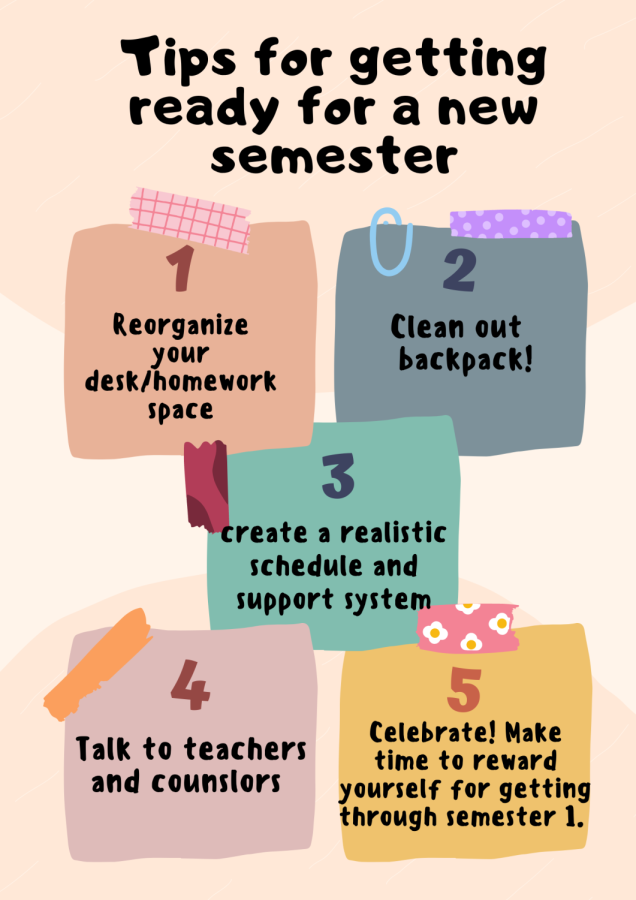
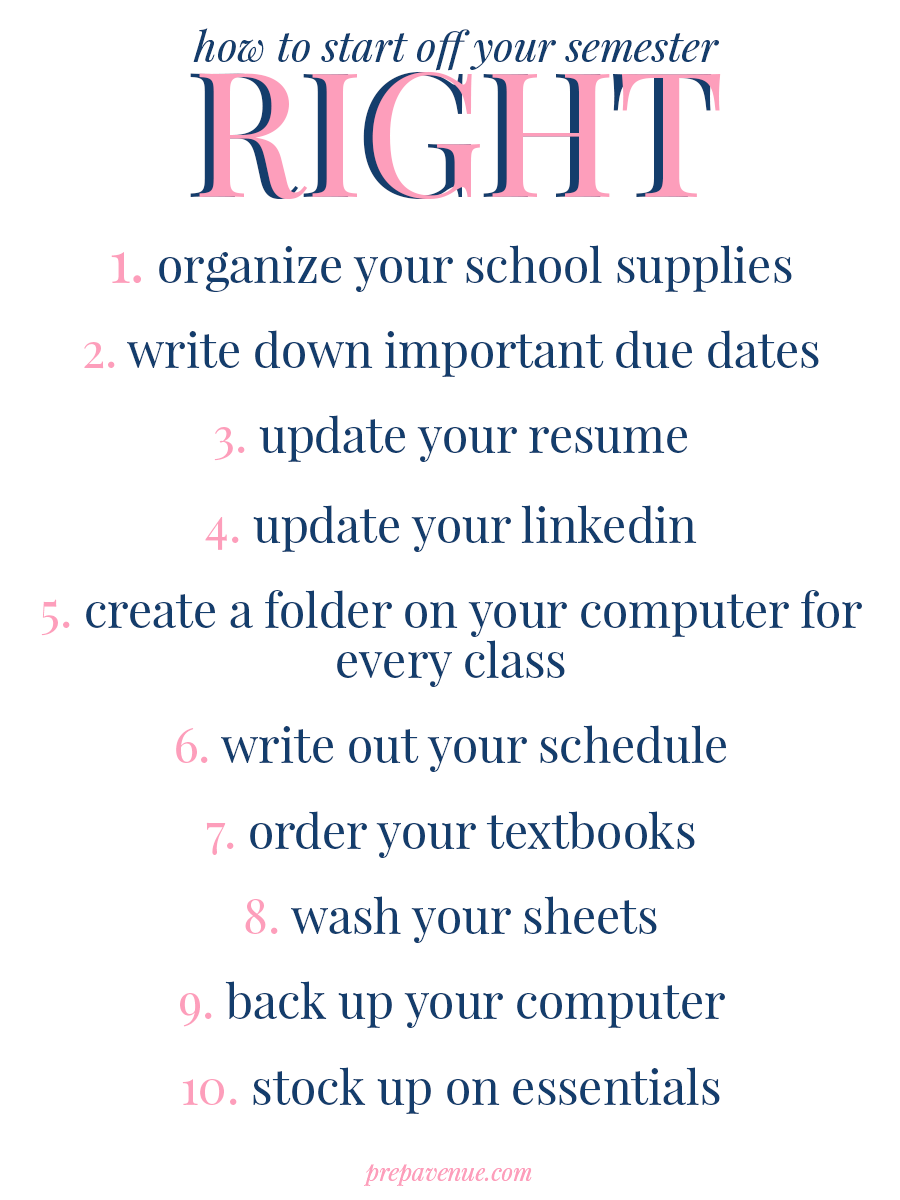
Life is the story we tell ourselves. Right? Meaning, balance, and joy are what I wish for myself, my family, my friends, and my greater circle of readers. If you are looking for a fresh start as a student, teacher, or parent, here are a few tips that might be helpful for you. Don’t miss the powerful story in the video of today’s issue for managing the transition in life. Check out the Lifequake matrix he has worked out and shares in the video quite evocatively. It might come in handy for you or anyone you know.
Enjoy this newsletter? go ahead and subscribe to continue your fun learning journey with me.
Three Images of the Week

Two Thoughts of the Week
“Every day is a new opportunity to begin again. Every day is your birthday.” —Dalai Lama
“You’re off to great places! Today is your day! Your mountain is waiting, So get on your way!” —Dr. Seuss
One Video of the Week
Bruce Feiler, the author of seven New York Times best-sellers, has long explored the stories that give our lives meaning. Galvanized by a personal crisis, he crisscrossed the United States, collecting the life stories of hundreds of Americans who’d been through major life changes, or “lifequakes” as he calls them. In this timely, uplifting talk, he offers powerful, detailed strategies to rebuild our lives in times of uncertainty and transform them into periods of growth and renewal. BRUCE FEILER is the author of seven New York Times best-sellers; the presenter of two prime-time series on American television; and the inspiration for the drama Council of Dad on NBC. Bruce’s two TED Talks have been viewed more than two million times. Employing a firsthand approach to his work, Bruce is known for living the experiences he writes about. His work combines timeless wisdom with timely knowledge turned into practical, positive messages that allow people to live with more meaning, passion, and joy. His new book, Life is in the transitions: Mastering Change at any age, describes his journey across America, collecting hundreds of life stories, and exploring how we can navigate the growing number of life transitions with greater purpose and skill. The book was a Top 10 New York Times bestseller.
Dear reader,
I have been a research scientist, a journalist, and an educator for over 3 decades. I read and, I write. With this weekly newsletter, I share what I read, learn, and, experience. At the same time, I engage with students, parents, and teams of teachers across K-12 schools, higher education institutions, and ed-tech organizations.
3-2-1 Tuesdays with Ms. Niv is a newsletter for you to subscribe to and enjoy your learning journey with me.
And Finally…
This newsletter is supported by the following:
 Nivedita Mukerjee