Nivedita Mukerjee
Education consultancy for parents and schools
3-2-1 TUESDAYS WITH MS NIV
Issue # 29 / January 26, 2021
Censor Harry Potter series. Censor James and the Giant Peach. Censor …….Books, stories, speeches, dresses, races, religion, gender… the list goes on, often offend certain sections of society. Everything can find opposition and every matter can be found offensive. How do we ensure that we are politically correct at all time and in all ways? What are our rights and responsibilities in the free world? People’s sentiments should inspire dialogues instead of hatred says Trisha in the talk in today’s issue.
How do we bring up children in an inclusive, tolerant society which allows for freedom of expression. An education that enriches tomorrow’s citizens freedom of mind. A civilisation of live and let debate.
Happy 72nd Republic day India!

Three Images For The Week


Two Thoughts For The Week
“Freedom is not worth having if it does not include the freedom to make mistakes” – Mahatma Gandhi
“Education is the most powerful weapon which you can use to change the world” – Nelson Mandela
One Video For The Week
Freedom Of Speech and Offense, how often do they exist hand-in-hand? Trisha Unnikrishnan tackles this question through this speech, delving into the differences between speaking up against a person and speaking up against a belief.
https://www.ted.com/talks/trisha_unnikrishnan_does_freedom_of_speech_give_us_the_right_to_offend
This is a weekly newsletter on education. Once a week, curated by me from amongst the articles, videos and long form articles that I read. Most of you would have been too busy to track trends in education, ponder on most relevant thoughts or deliberate on career choice, parenting or pedagogy. Find it all here.
For whom? Students, educators and parents
When? Every Tuesday
Where? my blog post, register with your e-mail id, it is free.
I have been a research scientist, a journalist and an educator for over 3 decades. I read and I write. With this weekly newsletter, I intend to share what I read, learn and experience while I engage with students, parents and teams of teachers across K-12 schools, higher education institutions and ed-tech organisations.
3-2-1 Tuesdays with Ms Niv is a newsletter for you to subscribe and enjoy your learning journey with me. This week, it consists of: 3 images, 2 thoughts and 1 video.
If you have created any material, virtual or physical that you think can be reviewed and/or featured in this news letter, please feel free to write to me at : niveditamukerjee10@gmail.com
And Finally….
This weekly newsletter is supported by:

3-2-1 TUESDAYS WITH MS NIV
Issue # 28 / January 19, 2021
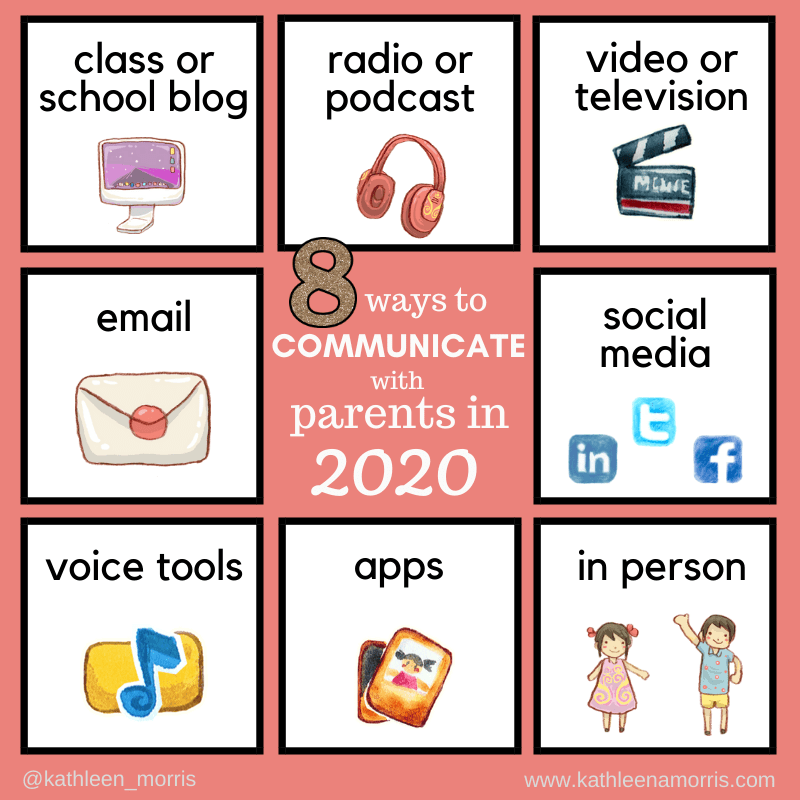
Do you listen in a conversation? or are you formulating a response even as you listen. Do you talk with pauses? giving time for your students to process the information. Do you pronounce all the syllables when you are talking to someone who has less fluency in the language you are communicating? Are you waiting to be amazed by the person with who you are communicating? There are 10 ways to have better communication, says Celeste Headlee in the ted talk that I have shared in today’s issue of the newsletter. Enjoy. And subscribe 
Three Images For The Week


Two Thoughts For The Week
“YOU NEVER KNOW WHEN A MOMENT AND A FEW SINCERE WORDS CAN HAVE AN IMPACT ON A LIFE” ~ ZIG ZIGLAR
“THE MOST IMPORTANT THING IN COMMUNICATION IS HEARING WHAT ISN’T SAID” ~ PETER DRUCKER
One Video For The Week
When your job hinges on how well you talk to people, you learn a lot about how to have conversations — and that most of us don’t converse very well. Celeste Headlee has worked as a radio host for decades, and she knows the ingredients of a great conversation: Honesty, brevity, clarity and a healthy amount of listening. In this insightful talk, she shares 10 useful rules for having better conversations. “Go out, talk to people, listen to people,” she says. “And, most importantly, be prepared to be amazed.”
This is a weekly newsletter on education. Once a week, curated by me from amongst the articles, videos and long form articles that I read. Most of you would have been too busy to track trends in education, ponder on most relevant thoughts or deliberate on career choice, parenting or pedagogy. Find it all here.
For whom? Students, educators and parents
When? Every Tuesday
Where? my blog post, register with your e-mail id, it is free.
I have been a research scientist, a journalist and an educator for over 3 decades. I read and I write. With this weekly newsletter, I intend to share what I read, learn and experience while I engage with students, parents and teams of teachers across K-12 schools, higher education institutions and ed-tech organisations.
3-2-1 Tuesdays with Ms Niv is a newsletter for you to subscribe and enjoy your learning journey with me. This week, it consists of: 3 images, 2 thoughts and 1 video.
If you have created any material, virtual or physical that you think can be reviewed and/or featured in this news letter, please feel free to write to me at : niveditamukerjee10@gmail.com
And Finally….

This weekly newsletter is supported by:
3-2-1 TUESDAYS WITH MS NIV
Issue # 27 / January 12, 2021
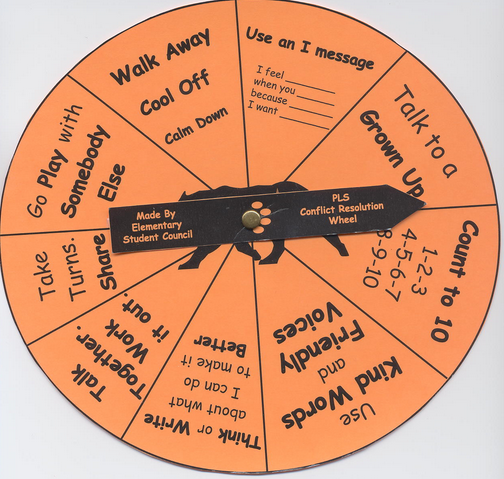
How to solve a problem like Maria… remember that iconic song from one of the most favourite movies of all times, The Sound of Music? Well, over the years parents and teachers have been working with their children together to not just teach them new knowledge but also to learn life skills. A big one being conflict resolution, making and maintaining friends. As the pandemic continues to rage, one thing that our children miss most is their friends. As do we, as grown-ups. Here are some tips to make and maintain friends and also to resolve conflict amongst all ages, as and when they arise. Conflict between parents and children are now more often and intense with most of us living, working, studying at home for over a year now. Find some tips in Dorothy’s talk in the video of the week in this issue to help you mediate.
Please subscribe to my weekly newsletter with your email and enjoy reading it. Don’t miss young Saanvi’s essay in the student voice section on a sweet tale of friendship.
Three Images For The Week


Two Thoughts For The Week
“A true friend is someone who is there for you when he’d rather be anywhere else.” – Len Wein
“The truth is, everyone is going to hurt you. You just got to find the ones worth suffering for.”
― Bob Marley
One Video For The Week
Anybody can help resolve a conflict, says project manager Dorothy Walker. With three simple steps, she shares how you can use positive energy to solve conflicts between friends, coworkers, strangers, kids and beyond.
Dorothy Walker, PMP, is a certified Project Manager at Wells Fargo as well as mediator and facilitator. She is an advocate of conflict resolution and believes that everyone is capable of using positive energy to face challenges and resolve disputes in a more collaborative environment. Walker received her PhD in 2015, writing her dissertation on the effects of energy transference on interpersonal conflicts. She is also a painter, writer and poet, and is currently working with her husband on a book about relationships.
Student voice :
 Eternal Friendship, by Saanvi Singhal of Grade 5.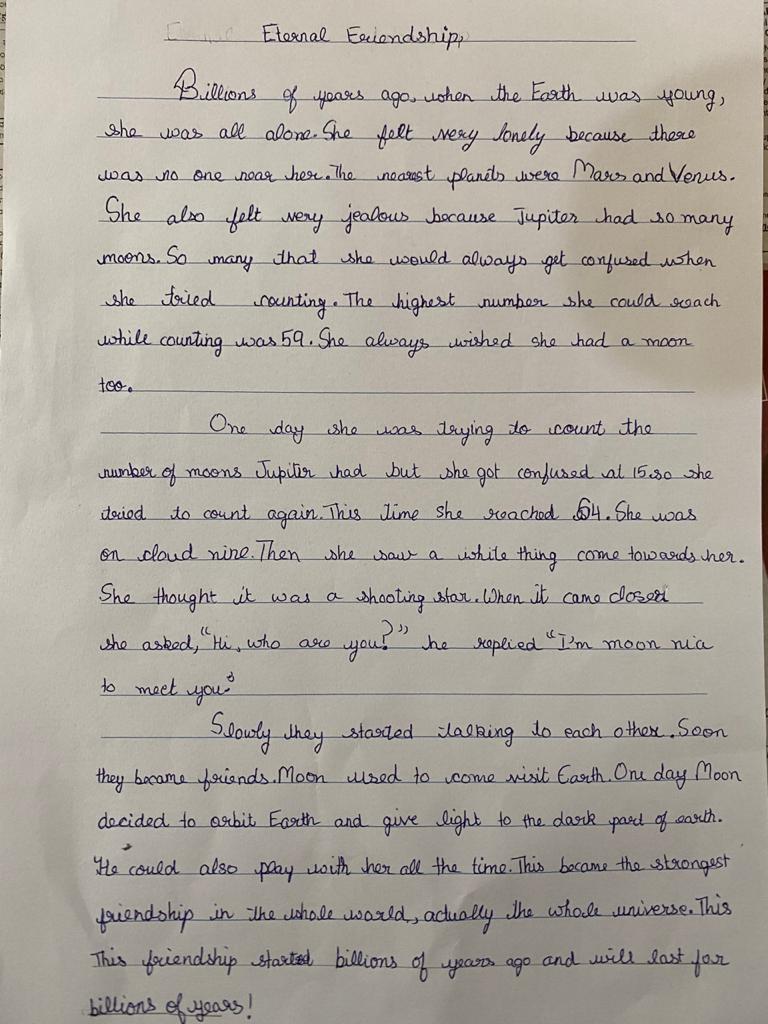
Showcase:
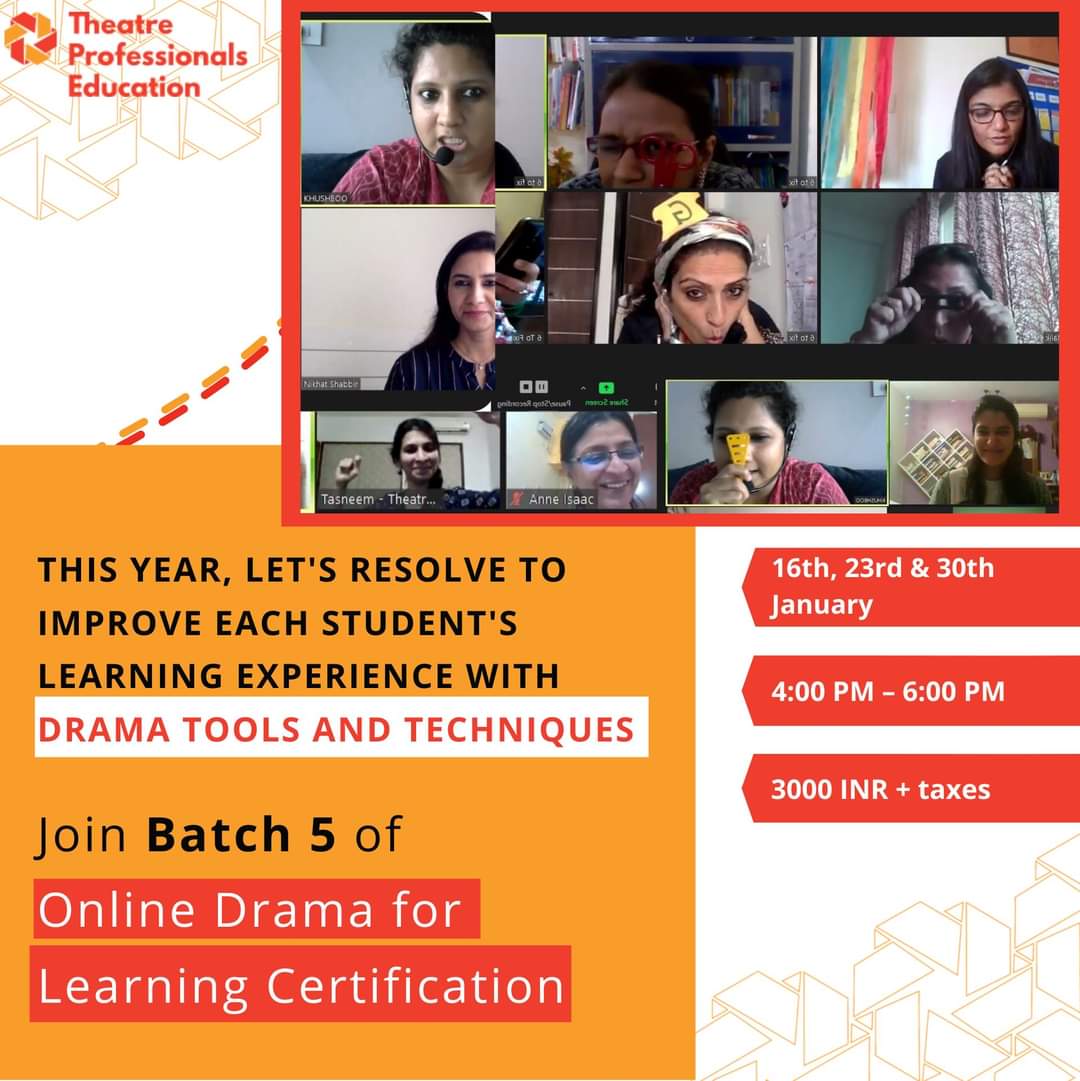
Join our first workshop series for this year- Online Drama for Learning Certification- BATCH 5.
Register here- http://bit.ly/3hmr8GM
Invest your time for three consecutive Saturdays beginning January 16th, 4-6pm to equip yourself with essential drama tools. Help your students embrace socio-emotional development through drama-based learning. Hurry! Last few seats remain.
This is a weekly newsletter on education. Once a week, curated by me from amongst the articles, videos and long form articles that I read. Most of you would have been too busy to track trends in education, ponder on most relevant thoughts or deliberate on career choice, parenting or pedagogy. Find it all here.
For whom? Students, educators and parents
When? Every Tuesday
Where? my blog post, register with your e-mail id, it is free.
I have been a research scientist, a journalist and an educator for over 3 decades. I read and I write. With this weekly newsletter, I intend to share what I read, learn and experience while I engage with students, parents and teams of teachers across K-12 schools, higher education institutions and ed-tech organisations.
3-2-1 Tuesdays with Ms Niv is a newsletter for you to subscribe and enjoy your learning journey with me. This week, it consists of: 3 images, 2 thoughts and 1 video.
If you have created any material, virtual or physical that you think can be reviewed and/or featured in this news letter, please feel free to write to me at : niveditamukerjee10@gmail.com
And Finally….

This weekly newsletter is supported by:
3-2-1 TUESDAYS WITH MS NIV
Issue # 26 / January 5, 2021
Google will give you a thousand answers to your questions, but a librarian will give you the right one 🙂 What do you think? Here’s an entertaining Ted talk by a librarian of the role of today’s library and also my guest columnist this week shares her thoughts of running a community library and the role it plays. Here we are in a brand new year. I am planning to use the continuing non-commute-to-work time for adding some more reading time to my routine. What about you?
Three Images For The Week
For Teachers, parents and students. The holy trinity of education.


Two Thoughts For The Week
When in doubt go to the library.– J.K. Rowling
The only thing that you absolutely have to know, is the location of the library.– Albert Einstein
One Video For The Week
What do you think when you hear the word library? Are libraries obsolete in the 21st century digital age? Find out how libraries have transformed over the years and what this librarian believes to be the future of community libraries everywhere.
Readers advisory, reference service, programs and events – the librarians still do this and so much more.
Guest column:

Why do we still need a library ?
Let us understand the origin of library. Libraries were set up as part of reform movements in the late nineteenth century. The goal was to create a special collection of books for children to give a sense of a hopeful future. Public authorities wanted to introduce the joy of reading as well as foster literacy skills of children. The positive connection between literature and children came into formation somewhere around the 1890s (specifically, 1895) when the first set of children libraries was set up. Post the 1890s, public and private children libraries were set up along with primary and secondary institutions and the surge of children’s book publishing houses.
Library plays a huge role in building communities. Libraries aren’t just about books and information; they can also be special centers which have developed from specific community needs. There are myriad communities across the country that are made up of individuals and families for whom English isn’t their first language and this can sometimes be a barrier in daily life. However, the majority of public libraries help integrate non-English speakers into society by providing books in other languages, hiring librarians who are multilingual or offering bilingual book clubs. Libraries offer a whole host of programs like storytelling to book club to summer reading programs for young children and teenagers.
Neutrality and social responsibility are key values of libraries and the actual Librarians always try to provide balanced collections, in which the readers are free to pick and to build their own point of view. This neutrality is part of the unwritten contract between the readers and the librarians. Readers go to libraries to find a broader range of points of view than she can find by herself. To assume this social responsibility, which is to ensure that they provide a fair overlook on its topics, librarians must have the full choice to shape their collections.
Libraries have long been at the front lines of providing people with access to new formats for reading and new technology, whether when switching from scrolls to the familiar book format, to newer trends in e-reading.
Many people believe libraries to be a thing of the past due to the digital revolution and the rise of a gadget enamored society. The role of libraries as community centers is often undervalued leading to shrinking budgets and sometimes even closure. However, the increase of technologically mediated life is perhaps the reason why public libraries are important institutions for bringing together communities and providing a safe place in which individuals can gather to interact, learn and explore.
There is no doubt: the era of printed books as the one and only media format for information and knowledge transfer is over. We are witnessing the triumph of digital media and e-books distributed via Internet. Libraries are highly challenged by new models of access to digital content. Publishers and distributors provide access via licenses. They don’t sell the material anymore: Licensing has replaced ownership in many cases. Some publishers even refuse to offer digital content to libraries; others have created licensing restrictions which put the traditional role of libraries in modern societies at risk.
Indeed the reflection goes much beyond the merely technical issues to question the very role of libraries towards the society and ask what the shift from printed books to electronic books might actually change with regard to this fundamental mission.
Libraries have always been thought of as a kind of “temple of books” … a place you can go to for peace and quiet, a place to read and think. They are intricate part of the fabric that pulls a community together. But if they are to be relevant in the future they will have to make space for themselves in the digital community as well.
Bhakti Shah
Showcase:

This is a weekly newsletter on education. Once a week, curated by me from amongst the articles, videos and long form articles that I read. Most of you would have been too busy to track trends in education, ponder on most relevant thoughts or deliberate on career choice, parenting or pedagogy. Find it all here.
For whom? Students, educators and parents
When? Every Tuesday
Where? my blog post, register with your e-mail id, it is free.
I have been a research scientist, a journalist and an educator for over 3 decades. I read and I write. With this weekly newsletter, I intend to share what I read, learn and experience while I engage with students, parents and teams of teachers across K-12 schools, higher education institutions and ed-tech organisations.
3-2-1 Tuesdays with Ms Niv is a newsletter for you to subscribe and enjoy your learning journey with me. This week, it consists of: 3 images, 2 thoughts and 1 video.
If you have created any material, virtual or physical that you think can be reviewed and/or featured in this news letter, please feel free to write to me at : niveditamukerjee10@gmail.com
And Finally….

This weekly newsletter is supported by:
3-2-1 TUESDAYS WITH MS NIV
Issue # 25 / December 29, 2020
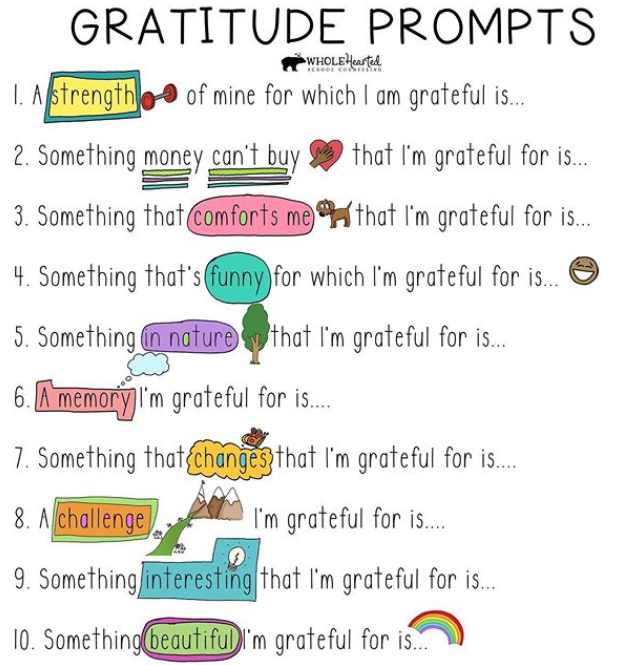
Gratitude can take us from feeling sorry for ourselves to the feeling of joy. The year 2020 has made almost all of us reflect on what are the various aspects of our lives we take for granted… going to school, hanging out with friends, celebrating family events, a hug… and what thus we can be grateful for every day. As the year mercifully comes to an end, let us bring some more gratitude in our lives and teach it, show it, model it to our children and students. You will find many tips in today’s newsletter.
I thank each of you who have subscribed and shared this newsletter in the past months. It has made my efforts of putting it together every week very worthwhile and, rewarding. Thanks for generously contributing your articles, thoughts and comments. Keep them coming.
Wish you all a very joyous 2021.
Three Images For The Week
For Teachers, parents and students. The holy trinity of education.

![13 Most Popular Gratitude Exercises & Activities [2019 Update]](https://positivepsychology.com/wp-content/uploads/7-Ways-to-Foster-Gratitude-in-Children.png)
Two Thoughts For The Week
“The roots of all goodness lie in the soil of appreciation for goodness.” —Dalai Lama
“Be thankful for what you have; you will end up having more. If you concentrate on what you don’t have, you will never, ever have enough.” —Oprah Winfrey
One Video For The Week
What are you grateful for in your life? Take a moment, slow down, and think of three things that you are thankful for. Share it with someone.
Showcase:

This is a weekly newsletter on education. Once a week, curated by me from amongst the articles, videos and long form articles that I read. Most of you would have been too busy to track trends in education, ponder on most relevant thoughts or deliberate on career choice, parenting or pedagogy. Find it all here.
For whom? Students, educators and parents
When? Every Tuesday
Where? my blog post, register with your e-mail id, it is free.
I have been a research scientist, a journalist and an educator for over 3 decades. I read and I write. With this weekly newsletter, I intend to share what I read, learn and experience while I engage with students, parents and teams of teachers across K-12 schools, higher education institutions and ed-tech organisations.
3-2-1 Tuesdays with Ms Niv is a newsletter for you to subscribe and enjoy your learning journey with me. This week, it consists of: 3 images, 2 thoughts and 1 video.
If you have created any material, virtual or physical that you think can be reviewed and/or featured in this news letter, please feel free to write to me at : niveditamukerjee10@gmail.com
And Finally….

This weekly newsletter is supported by:
3-2-1 TUESDAYS WITH MS NIV
Issue # 24 / December 22, 2020
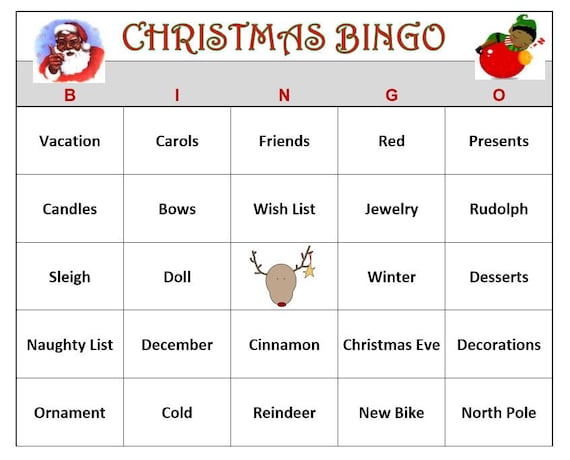
When you look for it, you will find it. Joy. How do you know where to find Joy? It is the season for it and yet it is the year of the pandemic. Well, there is hope around the corner but even as we look out for hope, we might find joy lurking around us, find out how with Ingrid’s talk – Aesthetics of Joy – in this week’s newsletter. Have you subscribed yet? Just enter your email id here.
Three Images For The Week
For Teachers, parents and students. The holy trinity of education.


Two Thoughts For The Week
“Then the Grinch thought of something he hadn’t before! What if Christmas, he thought, doesn’t come from a store. What if Christmas…perhaps…means a little bit more!”
― Dr. Seuss, How the Grinch Stole Christmas!
“How many observe Christ’s birthday! How few, His precepts!”
― Benjamin Franklin
One Video For The Week
Cherry blossoms and rainbows, bubbles and googly eyes: Why do some things seem to create such universal joy? In this captivating talk, Ingrid Fetell Lee reveals the surprisingly tangible roots of joy and shows how we all can find — and create — more of it in the world around us.
Ingrid Fetell Lee has devoted ten years to answering the question: “How do tangible things create intangible joy?” Drawing on research from the fields of neuroscience and psychology, her book, Joyful, and her website “The Aesthetics of Joy” explore the powerful connection between our surroundings and our emotions, and empower people to find more joy in daily life through design.
Joyful, her first book, was selected as a Next Big Idea Club pick and named a best book of 2018 by Real Simple, Elle, and Inc.
Teaching During the Pandemic Survey
This pandemic has impacted our lives in many ways, often immeasurable! One group that would see a long-lasting impact of this abrupt interruption to our lives is the school-aged children and their teachers! We are ReReeti Foundation for the Museums want to reach out to school teachers to understand how we can support them during this time. Teachers, please fill this short survey to help us help you! https://forms.gle/qfA1bmmqYWjSupjX6
Showcase: Got your Christmas gift sorted yet? Here’s a great one. Check this out.
This is a weekly newsletter on education. Once a week, curated by me from amongst the articles, videos and long form articles that I read. Most of you would have been too busy to track trends in education, ponder on most relevant thoughts or deliberate on career choice, parenting or pedagogy. Find it all here.
For whom? Students, educators and parents
When? Every Tuesday
Where? my blog post, register with your e-mail id, it is free.
I have been a research scientist, a journalist and an educator for over 3 decades. I read and I write. With this weekly newsletter, I intend to share what I read, learn and experience while I engage with students, parents and teams of teachers across K-12 schools, higher education institutions and ed-tech organisations.
3-2-1 Tuesdays with Ms Niv is a newsletter for you to subscribe and enjoy your learning journey with me. This week, it consists of: 3 images, 2 thoughts and 1 video.
If you have created any material, virtual or physical that you think can be reviewed and/or featured in this news letter, please feel free to write to me at : niveditamukerjee10@gmail.com
And Finally….

“CALVIN:
This whole Santa Claus thing just doesn’t make sense. Why all the secrecy? Why all the mystery?
If the guy exists why doesn’t he ever show himself and prove it?
And if he doesn’t exist what’s the meaning of all this?
HOBBES:
I dunno. Isn’t this a religious holiday?
CALVIN:
Yeah, but actually, I’ve got the same questions about God.”
― Bill Watterson
This weekly newsletter is supported by:
3-2-1 Tuesdays with Ms Niv
Issue # 23 / December 15 , 2020
Opportunities are unequally distributed. Performance and opportunities are connected. Social disparities result in unequal societies. How do we move on from providing equity to providing excellence despite it all?
Time for reflection. Especially in the current situation of school closures and difference in access to quality education. Data has shown that similar investments have resulted in different output in quality. How much a country spends is not as important as how that money is spent… Check out today’s issue to get some pointers. Many paradigms are being challenged in quality and equity.
How do you pay the teachers compared to other high paying jobs?
How does the media talk about the teachers?
How have our leaders convinced the citizens to value education, future of their children and society?
Placing value that all children are capable of success? Without segregating? Can parents and teachers both expect that each of their effort will result in personalising education with clear and ambitious standards? Recruiting, training, improving standard of teachers is key. An environment where teachers can grow. That enables them to figure out how they can deliver what the children need?
Three Images For The Week

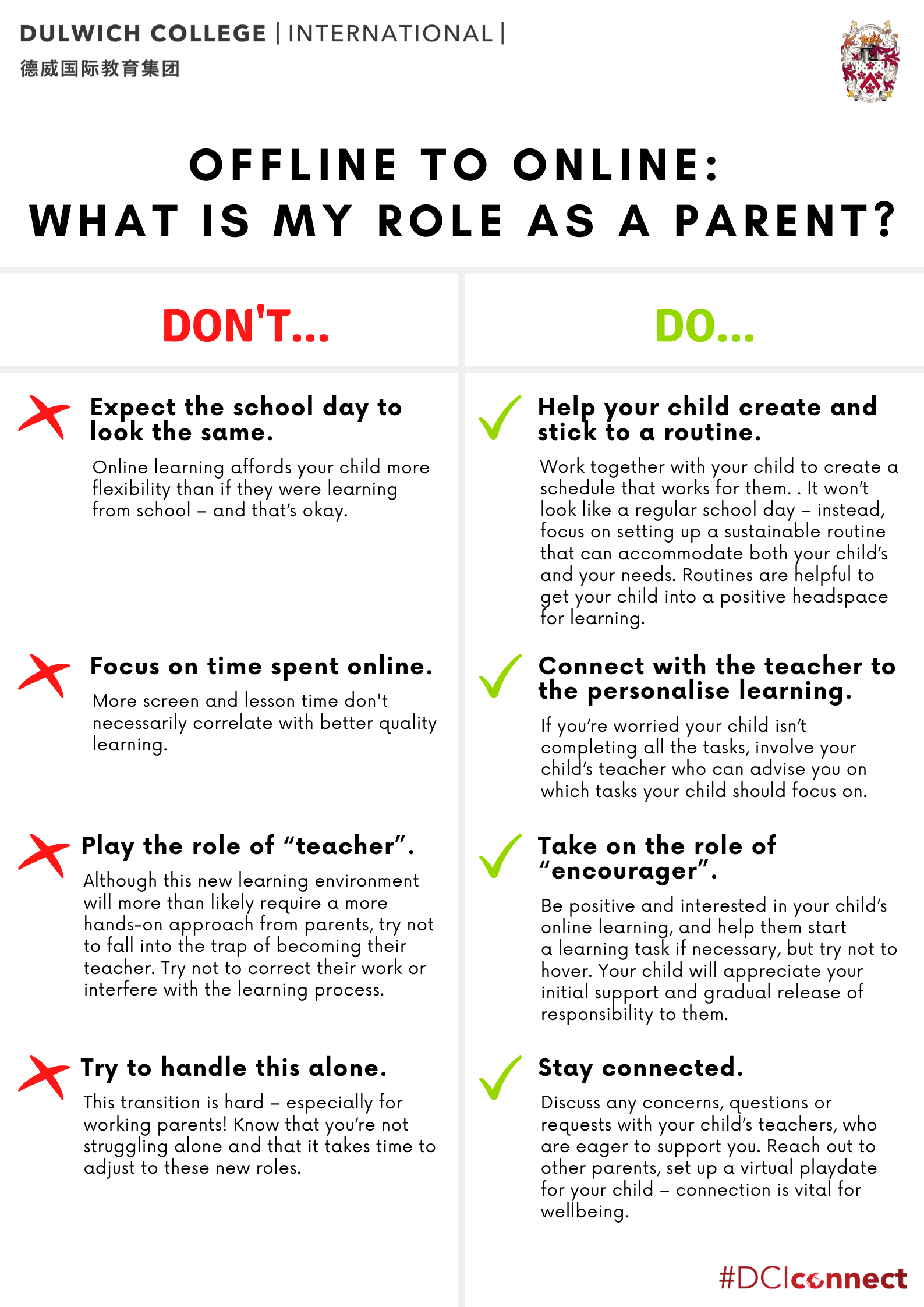
Two Thoughts For The Week
One Video For The Week
How can we measure what makes a school system work? Andreas Schleicher walks us through the PISA test, a global measurement that ranks countries against one another — then uses that same data to help schools improve. Watch to find out where your country stacks up, and learn the single factor that makes some systems outperform others.
Guest column :
ACADEMIC ASSESSMENT IN COVID TIMES: UNRESOLVED QUESTIONS
We in India are already deeply mired into figuring out our lives and daily activities amidst multiple ‘Lockdowns’ and ‘Unlock’ directives. School level education has been the topic of serious debate and it has spilled across media channels, virtual platforms, and even the MHRD is facing a tough time trying to satisfy all parties. However the dust has settled and questions of cancellation of school fees, teachers’ plight, the novelty of online classes, and everything encountered at the initial stages has been dealt with. Even the two national boards, and the different state boards have published results taken partially prior to the first lockdown period.
So, when the virtual classroom is the new normal in our daily lives and schools are gearing up to take online assessments through all kinds of virtual methods, as per the adaptability of each school’s internal system, there are yet some unanswered questions that need immediate attention.
First, the switchover from pen and paper to online assessment is completely a smooth transition if we are only doing it for the Primary and Middle section students. But what is the correct way to assess students of senior section, namely of classes 9 to 12, which will be similar to the method of assessment that will be followed during the board exams, in this new and changed situation?
Second, there is no standardisation of these various online tests taken by different schools according to their structural fit. Hence how fair is it to take the scores of these tests as a clear assessment of the student’s merit?
Third, when in the middle of an academic session, teachers are rushing through Board batch syllabi, what is the clear cut directives regarding the method of assessments to be adopted and the common platforms which can be used to conduct the said assessments? Although the two national Boards have hinted vaguely that alternative and divergent methods of assessments are to be encouraged, there is no agreement on the pattern and type of tests to be adopted across schools.
Fourth, students from underprivileged backgrounds, who are unable to access the online classes are also not able to take any interim assessments given by schools. This is a dangerous marginalisation taking place which goes against the basic tenet of “Equality” as envisaged in our Constitution.
Fifth, what about students with special needs? What is the directive regarding their assessments? What about students in the NIOS stream? The 10th and 12th NIOS exams which were supposed to have taken place on 17th July 2020, as announced by the government, have been cancelled. The question arises regarding the fate of these candidates who could not appear for their exams. What happens to them and the next batch waiting in the wings?
It is perhaps not a time to wring our hands and keep mulling over the situation. It’s high time that the Education department thinks quickly and acts fast. Otherwise in a domino effect all batches of students of the next three years will be severely affected.
Showcase: Got your Christmas gift sorted yet? Here’s a great one. Check this out.
_____________________________________________________________________________________________________
This is a weekly newsletter on education. Once a week, curated by me from amongst the articles, videos and long form articles that I read. Most of you would have been too busy to track trends in education, ponder on most relevant thoughts or deliberate on career choice, parenting or pedagogy. Find it all here.
For whom? Students, educators and parents
When? Every Tuesday
Where? my blog post, register with your e-mail id, it is free.
I have been a research scientist, a journalist and an educator for over 3 decades. I read and I write. With this weekly newsletter, I intend to share what I read, learn and experience while I engage with students, parents and teams of teachers across K-12 schools, higher education institutions and ed-tech organisations.
3-2-1 Tuesdays with Ms Niv is a newsletter for you to subscribe and enjoy your learning journey with me. This week, it consists of: 3 images, 2 thoughts and 1 video.
If you have created any material, virtual or physical that you think can be reviewed and/or featured in this news letter, please feel free to write to me at : niveditamukerjee10@gmail.com
This weekly newsletter is supported by:


3-2-1 TUESDAYS WITH MS NIV
Issue #22 / December 8, 2020
Have you incorporated brain breaks in your virtual sessions? Drink of water, yoga poses, quick song, a cartoon picture…
Many students find it very hard to sit for long time in the classroom, more so in a virtual classroom. Have you suggested what parents can do to provide some kind of flexible seating for their child’s study area? Besides the academic tools for learning, considering use of social tools seriously can help children work better, focus more and persevere through their learning journey. Check out today’s news letter for tips on home learning from an educator and parent and listen to the TedTalk of this very cool Principal who managed to do this with ingenuity.
Three Images For The Week
For educator, parent and student. The Holy Trinity of Education

Two Thoughts For The Week
“The principle goal of education in the schools should be creating men and women who are capable of doing new things, not simply repeating what other generations have done; men and women who are creative, inventive and discoverers, who can be critical and verify, and not accept, everything they are offered.”
―
“To understand a child we have to watch him at play, study him in his different moods; we cannot project upon him our own prejudices, hopes and fears, or mould him to fit the pattern of our desires. If we are constantly judging the child according to our personal likes and dislikes, we are bound to create barriers and hindrances in our relationship with him and in his relationships with the world. Unfortunately, most of us desire to shape the child in a way that is gratifying to our own vanities and idiosyncrasies; we find varying degrees of comfort and satisfaction in exclusive ownership and domination.”
―
One Video For The Week
To get young kids to thrive in school, we need to do more than teach them how to read and write — we need to teach them how to manage their emotions, says educator Olympia Della Flora. In this practical talk, she shares creative tactics she used to help struggling, sometimes disruptive students — things like stopping for brain breaks, singing songs and even doing yoga poses — all with her existing budget and resources. “Small changes make huge differences, and it’s possible to start right now … You simply need smarter ways to think about using what you have, where you have it,” she says.
Olympia Della Flora wants schools to think differently about educating students — by helping them manage their emotions.
She believes that it takes a village to improve schools and has found ways to engage multiple stakeholders in this work including students, staff, parents and community members. She believes that schools should seek ways to address and support the whole child when it comes to learning, addressing not only academics but also social and emotional outcomes.
What can you pick from this talk for your online classes? How can you identify your students feelings and then find appropriate coping strategies for those? Do share.
Guest Column
Noel Almeida, Education Specialist and Improvement Scientist
Schooling from home
“Technique is what teachers use until the real teacher arrives” – Parker Palmer
I have always felt called to teach and have had the privilege to teach many times in my life including home-schooling our daughter (Z) for a couple of years. So when the Covid lockdown kicked in, I thought to myself “I’ve got this. I’ve been there, done more than that”. I was wrong. As online classes and lockdown conspired to leave Z and us with many challenges. It was and continues to be hard to get a rhythm going, keep on top of what was taught so as to help beyond contact hours, and manage the emotional wellbeing of a teenager in lockdown.
Locked up teenager.
As online classes started our 15 year old – let’s call her Z – was locked down at home. I also have a job that requires me to work very closely with national leaders of education in India, and they listed similar challenges being faced by teachers. In discussions with top thinkers in EdTech including Prof Liz Kolb we arrived at a few guiding principles that should help if you are a teacher or a parent turned teacher.
PRINCIPLE 1: WHEN IN A HURRY GO SLOW
The tendency at the start and even now is that we must offer immediately all that school offered. This is simply not useful. In trying to do it all we overreach or get overwhelmed. The shift to teaching remotely or via digital means is a new and complex skill. As with any skill, first focus on mastering the essential moves. The essential moves here are understanding how your children respond to screen time and the hyper-focus required in a class, knowing how much content they can take in at one sitting, being able to deliver byte sized content that meets the “optimal” time, planning offline and online activities linked to the online content, and sensing and responding to emotional signals. Take your time to practice these every day while going slow on tech – you don’t need to master the most sophisticated learning management system. You need to learn by trying each of these steps what works and what doesn’t and that takes time.
PRINCIPLE 2: TAKE JUST ONE STEP AT A TIME
Rather than try to attempt the latest and greatest, look at the tools you and your child are familiar with. Even something as simple as a word processor, or video calls on whatsapp or zoom sessions that are recorded or even email can be useful in sharing concepts, getting “in person” time with the child, illustrating something via a doodle or a video or submitting an assignment (via a photo of work that is handwritten). Stick to what you have previously used in the “analog” days and increment by the littlest bit that is needed. This avoids overwhelm. When you are overwhelmed, your child picks it up and could get stressed.
PRINCIPLE 3: KEEP THE CHILD AT THE CENTER
As you progress through the day notice how your plans land on the child in terms of “demands” .. on their time and emotional energies. Plan a schedule that does not overwhelm on any particular day. For example when planning assignments spread them out so – that on one day there are perhaps assignments for just one subject. With digital comes the opportunity to also choose home-specific activities that the child and home care for, rather than a one-size-fits-all set of activities to bring a topic alive.
PRINCIPLE 4: GO ASYNC
The focus that online classes demand is intense. I know from our experience of digital learning at scale that the average time spent uninterrupted on a content is at the very extreme 10 minutes. So chunk it down and make a recording so children can access the content whenever they want and wherever they feel comfortable to study.
PRINCIPLE 5: KEEP IT LIGHT
Children are coping with the stress of such transmission as much as adults are. Keep the emotional state of the child in mind at all times. Are they experiencing stressors of one kind or another due to their home setting, or the absence of “in person” friends? Find ways for them to enjoy fun times as they would in school through the week or better yet through the day.
PRINCIPLE 6: USE TECH TO OFFER OPTIONS
The digital world offers many more options to make a topic engaging or to extend the concept beyond the textbook to the real world. A video with a set of engaging questions on a topic such as microorganisms can be far more powerful than a dry text. If you have the ambition there are even virtual manipulative kits (see the National Library of Virtual Manipulatives for mathematics available here) that allow a child to explore a concept in ways that only an expensive lab would allow.
And as my gym instructor says.. “above all.. love”.. for yourself, for the child, and for the subject to bring all three fully alive. May the force be with you.
Also published here .
Showcase
Our 2-day #entrepreneurship bootcamp is back on popular demand! ✨
After a great response from our first bootcamp in November, we’re relaunching the program.
Learn about
– Principles of #Entrepreneurship
– Problem Solving
– #Creativity
– Story telling
Designed by #IITMadras #alumni entrepreneurs to give you real-life experience of entrepreneurship!
✨LIMITED SEATS!!✨ Register now to ensure your seat!
Registration link: https://rzp.io/l/schooltostartup

And Finally…
3-2-1 Tuesdays with Ms Niv is a newsletter for you to subscribe and enjoy your learning journey with me. Most of you would have been too busy to track trends in education, ponder on most relevant thoughts or deliberate on career choice, parenting or pedagogy. Find it all here. This week, it consists of: 3 images, 2 thoughts and 1 video.
If you want to contribute an article, are organising an event, have a product that you think can be reviewed and/or featured in this news letter, please feel free to write to me at : niveditamukerjee10@gmail.com
This Newsletter is supported by :
3-2-1 TUESDAYS WITH MS NIV
Issue #21 / December 1, 2020
Are you a teacher struggling with online teaching? A parent figuring out home schooling? A student finding it difficult to cope with effective note taking? Here are some tips for you in this week’s newsletter. Don’t miss listening to Eduardo Briceño in the video of the week as he shares how each one of us can improve if we are able to differentiate our actions between when we are in the learning zone and when in the performance zone. How can we balance the two for achieving our goals and being the best we can be in almost anything that we set out for.
Read, enjoy, share and subscribe.
Three Images For The Week
For educator, parent and student. The Holy Trinity of Education
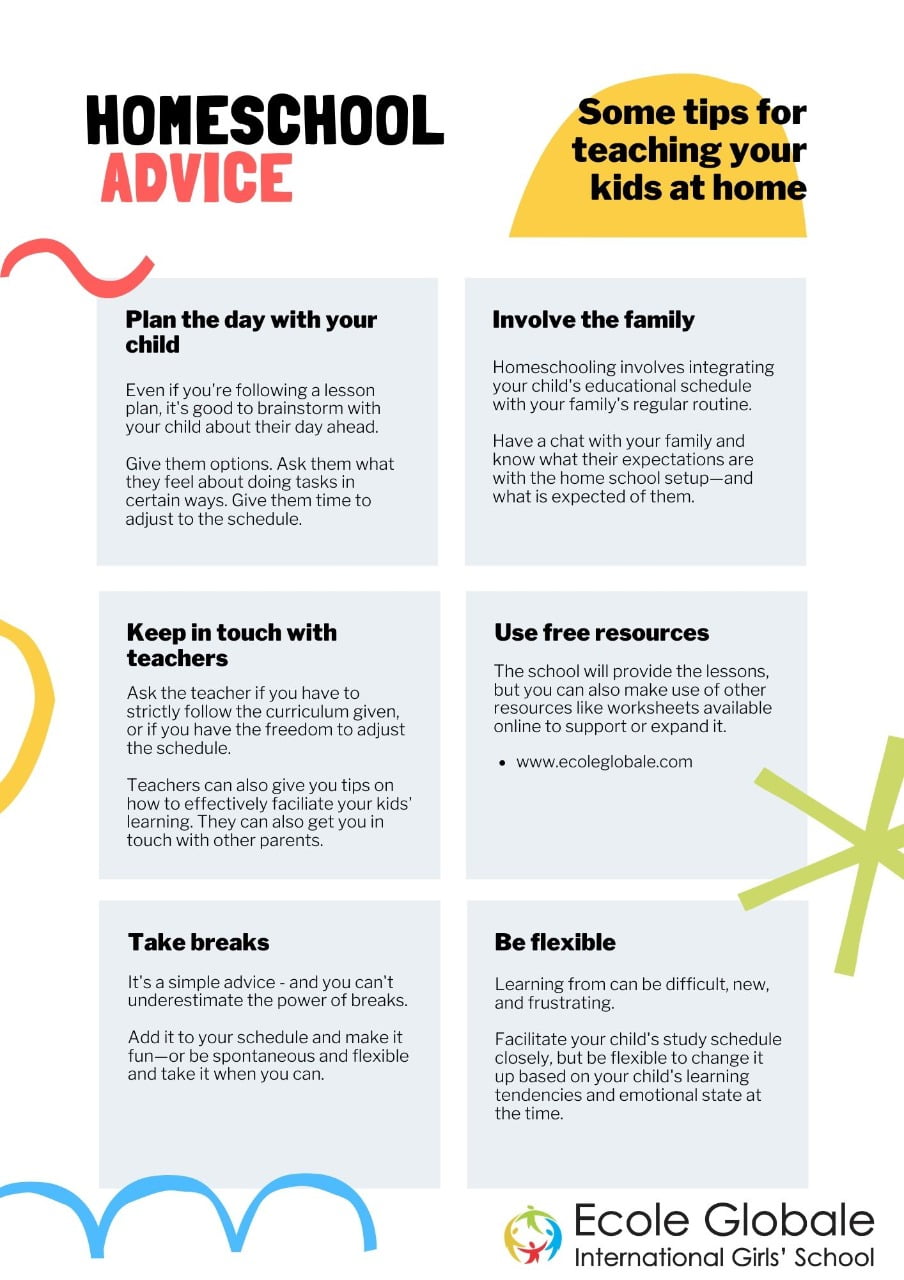
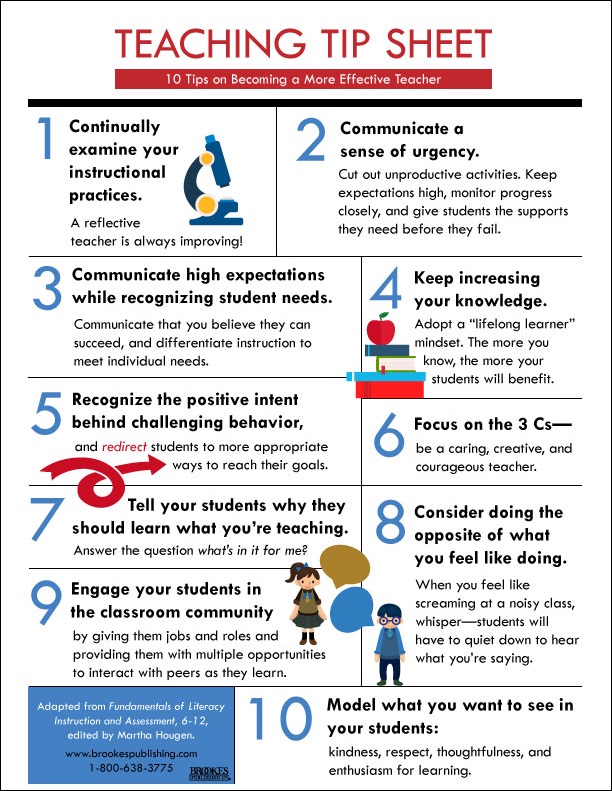
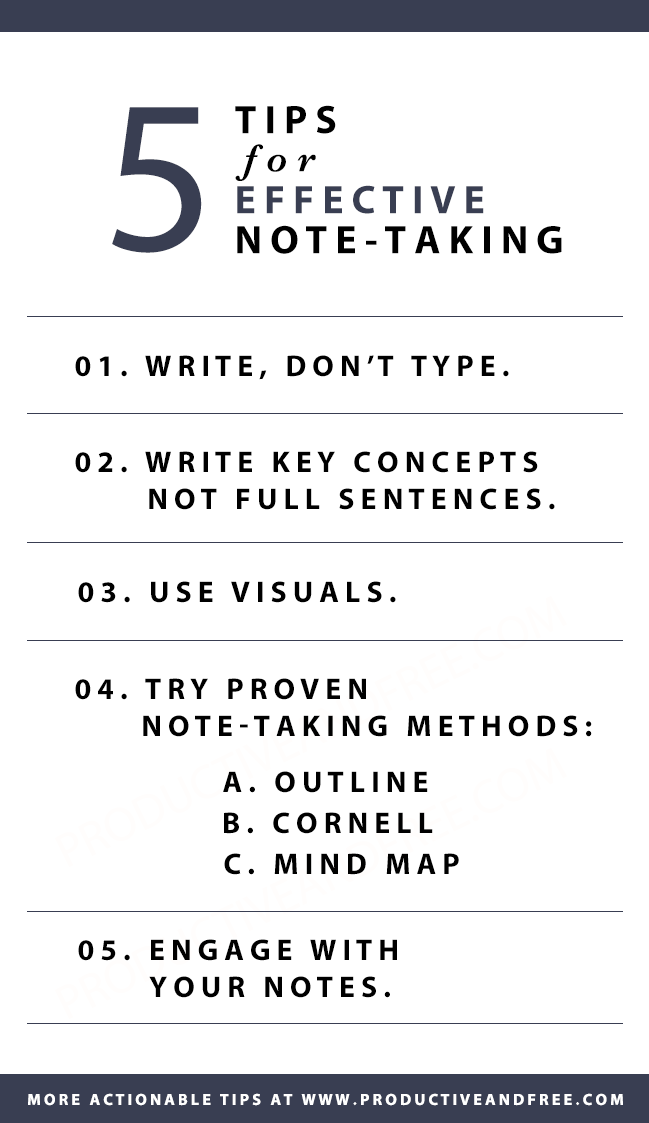
Two Thoughts For The Week
“Study without desire spoils the memory, and it retains nothing that it takes in.”
— Leonardo da Vinci
“If you think education is expensive, try estimating the cost of ignorance.”
— Howard Gardner
One Video For The Week
Working hard but not improving? You’re not alone. Eduardo Briceño reveals a simple way to think about getting better at the things you do, whether that’s work, parenting or creative hobbies. And he shares some useful techniques so you can keep learning and always feel like you’re moving forward.
Eduardo Briceño is a learner, leader, speaker and writer devoted to enabling a more learning-oriented world.
Guest Column
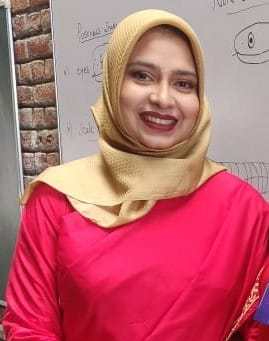
Nigar Rao, Educator.
Online teaching during covid-19 – An Essential Escapade!
‘Essential’ and ‘Escapade’ are oxymorons. One is for bare necessity and the other is used while talking of an adventure, which in our society is looked upon as luxury. However, both of these words have become terms used in conjunction for online teaching during this pandemic. These times, while cannot be called the best phase of our lives, it has come in with its very unique pros and cons. Being a part of the education sector, we teachers are honour bound to hold and raise the flags of optimism and adaptability. There seems no doubt that one side of this transition to online teaching is often perceived as an imposition, we know that in many ways it is paving the ways for a future we intended for.
In a country like ours where the internet infrastructure is reportedly not ready for the paradigm shift to online learning forced on us by the situation, it becomes a duty of all the educationists to put our heads together and analyse – if online teaching is actually a boon or a bane in the Indian context!
There has been a plethora of arguments both in favour and against online teaching, but the fact of the matter is that we do not have an alternative . Also, the fact check brings us face to face with the history of mankind standing tall to deadlier pandemics and holocausts than we are facing today when through it all the continuity of education was shielded. There’s no looking back on the point that learning should go on.
Pushing education to the back seat or not considering it as a priority is not quite the option. I would like to establish that education is the barest necessity of mankind. As John Dewey said.. Education is not way a preparation for life, rather education is life itself. Taking into consideration all glitches at the delivery end, hitches in reception and the poor internet infrastructure, it won’t be an anomaly to say that we have progressed towards the 21st century learning and teaching skills – skills we’ve been talking and dreaming about since more than a decade. Eureka! Here comes the good news. We have already moved on the way to inclusiveness with reference to technology. Changed content, different pedagogies, crisp lesson plans and altogether a new approach to teach is all that we have already achieved in a matter of six months. I am sure now that the silver lining is clearly visible, and when I say that this draconic dark cloud of Covid-19 has given a tangible hope to teaching fraternity, it definitely lays a solid claim. The shift from chalk and blackboard to screen and keyboard, teacher reincarnated as a real facilitator, teaching with whatever they had, however they could make it to work, has ultimately shown us the tremendous calibre of our educators and hence a promising future in reality.
Showcase
And Finally…

3-2-1 Tuesdays with Ms Niv is a newsletter for you to subscribe and enjoy your learning journey with me. Most of you would have been too busy to track trends in education, ponder on most relevant thoughts or deliberate on career choice, parenting or pedagogy. Find it all here. This week, it consists of: 3 images, 2 thoughts and 1 video.
If you want to contribute an article, are organising an event, have a product that you think can be reviewed and/or featured in this news letter, please feel free to write to me at : niveditamukerjee10@gmail.com
This Newsletter is supported by :
3-2-1 TUESDAYS WITH MS NIV
Issue #20 / November 24, 2020
Have you ever lost sense of time while doing something? Chatting with a friend, playing a game, singing a tune… you must have then managed the 4 key factors of achieving Flow – Focus, Freedom, Feedback and Four percent challenge. This issue of 3-2-1 with Ms Niv is about engaging your self fully, enjoying yourself, crafting a learning environment for your students to be active learners – no matter what, and achieving satisfaction and happiness.
Read, enjoy, share and subscribe.
Three Images For The Week
For educator, parent and student. The Holy Trinity of Education


Two Thoughts For The Week
I am not a teacher, but an awakener.
– Robert Frost
They may forget what you said but they will not forget how you made them feel.
– Carl Buechner
One Video For The Week
Have you been in the zone – where time stands still and yet it flies? While playing, making music, reading, writing, learning? if yes, then you must have experienced a state of ‘Flow’. What is ‘Flow’ and how can you create it for yourself or your learners? Mihaly Csikszentmihalyi (pronounced Me-High Chick-Sent-Me-High) the legendary psychologist is known for his famous investigations of “optimal experience” when one experiences a genuinely satisfying state. In his book Flow, he demonstrates how it can be attained and not left to chance. How do you get into that zone which is somewhere between boredom and anxiety?
What are the factors that generate Flow? While you are studying? While you are teaching? While you are cleaning your home? Writing an email?
Focus (when there is no distracting thought or multitasking)
Freedom (when there is no self-scrutiny)
Feedback (constant flow of information in some form to let you know you are closer to your goal)
Guest Column

A LEARNER’S QUEST FOR AN IB CLASSROOM
Let’s ask ourselves an honest question, “Are IB classes really “UNIQUE”? Or it’s just hype created for an educational board because of its foreign origin and/or for the reason that students from elite backgrounds take admission in IB. What could be the reason for considering IB classes as unique?
I went on board in an imaginary time machine and revisited all the classes I had been experiencing in my career as an IB educator and administrator in the distant past. While enjoying my journey in the time machine, I found few compelling reasons for IB classes being distinct from other educational boards. Interestingly, educators in IB classroom not only focus on “LEARNING” being imparted BUT they ponder upon questions like:
- How is learning imparted within the four walls of the classroom – here I refer to the methodology – Is the methodology chalk and talk OR Sage on the Stage – “I know it all attitude” Or Meddler in the middle – driven by inquiry and passion for learning?
- Has the classroom learning led to “STUDENT AGENCY & SENSE OF OWNERSHIP” OR to an attitude of “DEPENDENCE” among learners which manifests itself in various forms and at varied times during learners life within and beyond school.
- Has learning translated into lifelong skills and knowledge for finding novel solutions to problems in familiar or unfamiliar settings OR it is confined to few concepts or problems being discussed/solved within the class?
- Has the learning in class led to empathetic human beings who love to work in groups and respect other individuals having diverse and even sometimes conflicting opinions OR to self-egotistical monsters who believe in “I’M RIGHT EVERY TIME”?
The reason that IB classes are breeding grounds for learners who develop skills of thinking, research, communication and self management along with social skills sets these classes apart. IB classrooms enable learners to imbibe the attributes of water that easily adapts itself and takes the shape of any vessel in which it is poured.
During my investigation, I also asked myself whether learners are enjoying their learning?
As we all know, neurons (carrying memories of classes, teachers, school and sometimes content) in the learners’ mind might become weaker and eventually memory may fade over the passage of time. However as we know, memories are not about EVENTS but about FEELINGS (which learners experience during the time spent in class). I was sure that the concepts and skills learnt in IB classes will never be forgotten as I observed the inquisitive, deeply immersed, thrilled and fully glowing faces of innocent minds in IB classes.
After quenching the quest for uniqueness of IB classes, I programmed my time machine back to the present times and arrived at the destination as a proud IB educator and a parent, observing and smiling at my little cute daughter, who is also an IB PYP student.
Happy Learning!
Abhinav Awasthi is the DP coordinator at Ebenezer International School Bangalore and has been associated with the IB since 2007. IB has given wings to his passion. He cherishes the dream of being an IB educator. Therefore, the article is an attempt to motivate learners and parents to embrace the IB.
Showcase
And Finally…
3-2-1 Tuesdays with Ms Niv is a newsletter for you to subscribe and enjoy your learning journey with me. Most of you would have been too busy to track trends in education, ponder on most relevant thoughts or deliberate on career choice, parenting or pedagogy. Find it all here. This week, it consists of: 3 images, 2 thoughts and 1 video.
For whom? Students, educators and parents
When? Every Tuesday
Where? my blog post, register with your e-mail id, it is free.
If you want to contribute an article, are organising an event, have a product that you think can be reviewed and/or featured in this news letter, please feel free to write to me at : niveditamukerjee10@gmail.com
Please like, subscribe, share, comment. See you next week.
This Newsletter is supported by :
 Nivedita Mukerjee