Nivedita Mukerjee
Education consultancy for parents and schools
3-2-1 Tuesdays with Ms Niv

Issue #280, 11th November 2025
What if someone told you that each of us are not reacting to the world but are responding to our predictions of the world from our past experiences. Check out the ted talk in this issue if this has piqued your curiosity.
How would you enhance your home or classroom environments? How would you improve your interactions and exposures to indoor and outdoor experiences for our children or students? If our goal is to interact with the world around us with curiosity and a spectrum of empathetic emotions, instead of judgment and exclusion, how can we design for it instead of leaving it to chance?
This is a free newsletter. If you like my content, please subscribe by entering your email address here.
Three Images of the Week

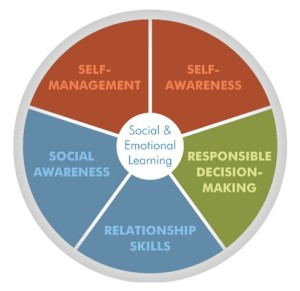

Two Thoughts of the Week
“In between every action and reaction, there is a space. Usually the space is extremely small because we react so quickly, but take notice of that space and expand it. Be aware in that space that you have a choice to make. You can choose how to respond, and choose wisely, because the next step you take will teach your child how to handle anger and could either strengthen or damage your relationship.”
― Rebecca Eanes, The Newbie’s Guide to Positive Parenting
“Absence of emotion is not maturity,” she said, “though it’s easy to mistake. Part of maturity is learning to deprioritize emotion, prevent it from taking the reins. But a large part is perspective, long-term decision making.”
― Mishell Baker, Phantom Pains
One Video of the Week
Can you look at someone’s face and know what they’re feeling? Does everyone experience happiness, sadness and anxiety the same way? What are emotions anyway? For the past 25 years, psychology professor Lisa Feldman Barrett has mapped facial expressions, scanned brains and analyzed hundreds of physiology studies to understand what emotions really are. She shares the results of her exhaustive research — and explains how we may have more control over our emotions than we think.
Reading with Ms. Meenu: Tip of the week
Letter Knowledge:
As experienced readers, it’s easy for us to forget that letters are just arbitrary marks on paper. The collection of dots, lines and circles could mean anything. It’s a process to learn to distinguish letters from pictures. It’s also a challenge to remember which letter is which. After all, b and d, for example, are quite similar-looking.
In one of my absolute favorite picture books, An Inconvenient Alphabet, Beth Anderson explores the arbitrariness of our letters in genius fashion as she recounts the true story of Ben Franklin and Noah Webster’s shared belief that English has letters with too many sounds.
Kids need to know about letters and discern the speech sounds within words. But that’s not all; they also need to be able to reliably recall which letters make which sounds so they can decode the print they see.
That’s why the best initial reading instruction in English directly teaches kids the links between letters and sounds, also known as phonics. It’s a basic fact of English that the sounds of the language are represented by the letters of the alphabet. Grasping the connection between the symbols and sounds is a necessary step that puts children well on their way to reading. Memorizing whole words one by one, not so much.
The teaching routine for parents is straightforward: Point to a letter and ask, What sound? If the child gets it right, say, Great work matching the letter to its sound. If they get it wrong, give them a correction. You can make the activity playful by passing a fake microphone back and forth or asking the question in a silly voice — whatever engages the child.
Happy Reading!
Meenu Gera
Consulting home and school librarian reading guide
I Think, I Wonder, I Ask
–Dr Shreelakshmi Subbaswami, Academic Director, Vijaya School Hassan, Karnataka
The Power of Small Shifts: Rethinking Classroom Observations
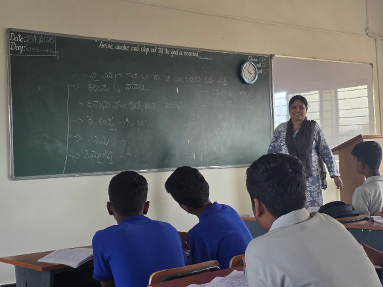
As a researcher in education, classroom observations were a big part of my work. Most often, I observed as a non-participant—watching to understand what was happening and why, connecting classroom snapshots to educational theory. Early on, I noticed how the very word observation created anxiety. Years of industry-model schooling had conditioned us to see it as evaluation, not support.
When we began our own observation rounds, the purpose was made clear- to connect, impact, and mentor. Each one could help the other grow. Over time, I began to see a constant cycle of observation and reflection: how can our efforts be both effective and efficient within a 40-minute class? How can we make the most of every minute without overwhelming either the teacher or the learner?
During one such round, a Kannada class stood out. The teacher led a story discussion with thoughtful questions, writing key responses on the board. Yet, engagement was uneven — a few participated while others observed passively. Her focus on the board limited her movement, and students’ thinking stayed anchored to her questions.
After class, we reflected: how could students hold the tool for thinking themselves, rather than wait for the teacher? Together, we co-created a simple thinking template for group work. The very next session was transformational — all students engaged, analyzed the text deeply, discussed ideas freely, and even wrote well. The class shifted from a teacher-led, board-facing activity to a lively circle of shared thinking and writing.
This experience reaffirmed for me that real impact doesn’t always come from grand strategies, but from small, intentional, and doable changes. When observation is rooted in trust rather than audit, change feels both possible and sustainable.
Three questions for you…
How can we make classroom observations feel like support, not supervision?
What is one small change you can make that might shift the way you teach or lead?
Which observation—by a student, colleague, or family—has helped you improve?

Dear reader,
I work with the school leadership team as an advisor and collaborate with teachers as a pedagogical trainer. I also help parents as a parenting counselor and regularly engage one-on-one with students as a personal guide and mentor. This weekly newsletter shares what I read, learn, and experience.
3-2-1 Tuesdays with Ms. Niv is a newsletter you can subscribe to and enjoy your learning journey with me.
3-2-1 Tuesdays with Ms Niv

Issue #279, 4th November 2025
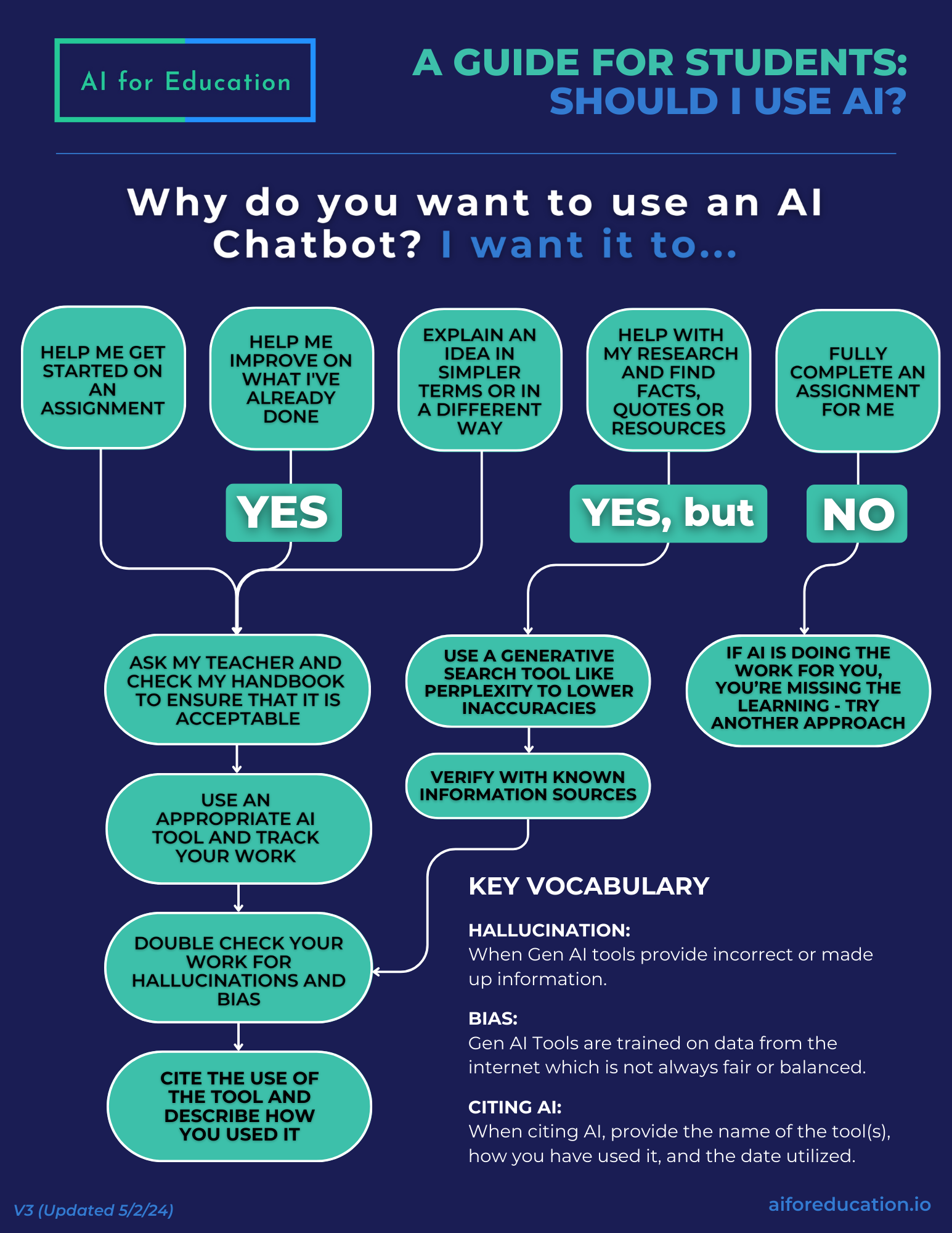
Be intentional about when and why you’re using AI or it will take us as educators and students on the path of:
Reduced critical thinking
Memory atrophy
Decreased problem-solving ability
Writing skill deterioration
Loss of research skills
Weakened creativity
To use AI without these downsides, consider these:
- Use it as a thinking partner, not a replacement for thinking
- Verify important information independently
- Try solving problems yourself first, then use AI to check your work or get unstuck
- Practice skills you care about regularly, even when AI could do them faster
The key is treating AI as a tool that augments your abilities rather than replaces them. What specific concerns do you have about your AI usage?
This is a free newsletter. If you like my content, please subscribe by entering your email address here.
Three Images of the Week

Two Thoughts of the Week
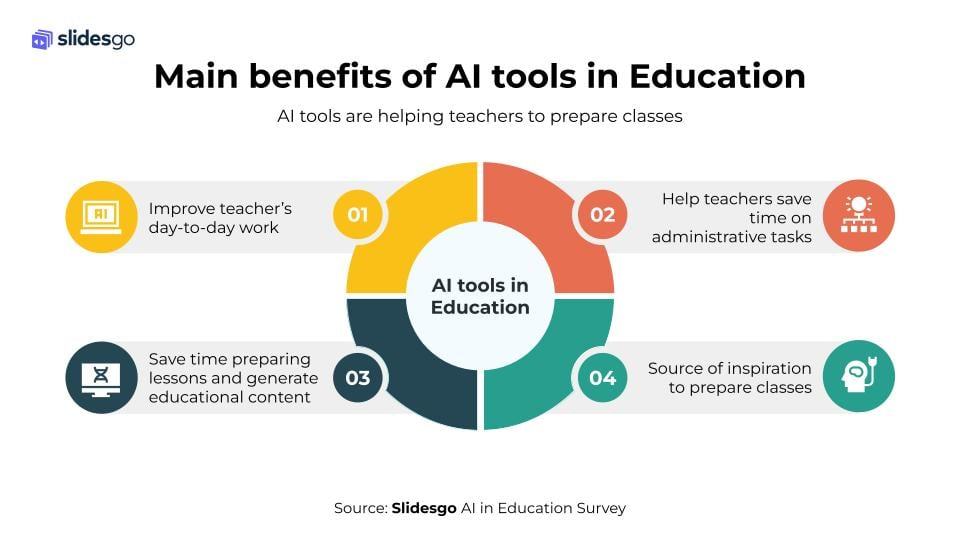
“In the end, if using AI tools cuts your planning time from 30 minutes to 18 minutes—or your grading time from 40 minutes to 22—that extra time it creates is yours. Use it however you wish. Plan out that cool lesson you’ve always wanted to do. Or go home early. The choice is yours. I know this type of decision feels pretty foreign to us—deciding what to do with extra time. Whether we use it to do something amazing for our students or preserve our mental health, everyone wins.”
― Matt Miller
“If you’re a college student preparing for life in an A.I. world, you need to ask yourself: Which classes will give me the skills that machines will not replicate, making me more distinctly human?” New York Times
One Video of the Week
TEDAI Vienna Panel – Protecting human intent in a space of generative AI sameness & infinite outputs
As AI becomes deeply embedded in our creative and decision-making tools, it doesn’t just assist us: it starts to shape what we create, how we think, and even what we value. The promise of generative technology is abundance, but the hidden cost is often convergence / where outputs blur together, and intent is quietly overwritten by default suggestions. How do we prevent the erosion of originality and intention? In this conversation, Microsoft researcher Advait Sarkar unpacks how AI systems subtly influence our intentions and actions, from spreadsheets to copilots, and why friction might be essential to preserve critical thought. Designer and data storyteller Pau Garcia brings a cultural and emotional lens, showing how immersive, sensory storytelling can restore meaning, agency, and surprise in a world increasingly optimized for efficiency. Design is the only instrument we have for reclaiming agency in spaces dominated by automation. Guided by Ioana Teleanu, the three panelists explore what it means to treat AI as a design material – something we can mold intentionally, rather than passively consume – and how to design systems that resist homogenization, encourage human divergence, and protect the fragile spark of intent in an age of infinite outputs.
Reading with Ms. Meenu: Tip of the week
Print Awareness:
Books are a handy tool for teaching an abstract concept – that the lines and curves kids see printed on paper, on products and on signs mean something. Reading together with children presents a great opportunity to bring their attention to letters, words, and the conventions around how they are used. With just over voices and pointer fingers, we can teach the names and roles of key book features (such as author and title) and the direction we read English text (left to right, top to bottom). And its important that we do so with preschool aged children because researchers have found evidence for a causal relationship between their increased contact with print (from teachers, verbal and nonverbal references to text during shared reading four times weekly, for thirty weeks) and their reading, spelling, and comprehension skills two years later.
Teaching about print really is as easy as saying phrases like the following as you lift the cover, turn the pages, and point to relevant print features (no planning or preparation required):
- Look at the words here on the book’s cover. (Point to the words.)
- This is the title of the book. (Point to the book’s title). It says Little Leaders : Bold Women in Black History. What is the title of the book?
- The person who wrote the book is called the author. These words are the author’s name. (Point to the author’s name.) It says Vashti Harrison.
- This is where the bunny is talking. The bunny’s words are in this bubble. (Point to speech bubble.)
In time, you can check your child’s knowledge with questions and requests like: Where do I start reading? Show me the author’s name. Point to the last line.
Also keep in mind that you don’t have to have a book in hand to draw attention to print. There’s a lot of competition for attention on a picture book page — colors, illustrations and even flaps, mirrors, and lift up tabs. You might find better success teaching some elements of print in isolation. Show some love to the solo word or letter on a sheet of paper, a name on a sign or a saying on a graphic tee. There are plenty of chances to bring letters to life by noticing, pointing out, and discussing their features and meaning with kids.
Happy Reading!
Meenu Gera Consulting home and school librarian reading guide
I Think, I Wonder, I Ask
When Did Textbooks Become the Sole Source of Knowledge?
–Dr Shreelakshmi Subbaswami, Alumni and Academic Director, Vijaya School Hassan, Karnataka
This is the time of the year when textbook publishers start flooding schools with samples, promises, and glossy covers. As an academic head, I often find myself overwhelmed—yet deeply aware that I must act as a gatekeeper of what my students will read.
In many schools, the textbook rules as the unquestioned source of knowledge—deciding what to teach, how to teach, and even when to teach. Teachers, unfortunately, are often reduced to implementers, not designers of learning.
Over time, I’ve come across textbooks from even well-known publishing houses with conceptual and factual errors, uninspiring pedagogy, and layouts far from student-friendly. Yet, they continue to dominate classrooms unchallenged.
Today, many publishers market “complete packages”—textbooks bundled with ready-made lesson plans that promise efficiency and convenience. But efficiency at what cost? Such systems stifle teacher thought and reduce educators to content deliverers rather than co-creators of curriculum.
The moment a teacher begins to ask, What is truly worth teaching? What aligns with the essence of my discipline? What fits my pedagogical philosophy?—transformation begins. A transformed teacher seeks knowledge not in one prescribed text but across multiple perspectives—from reference books, lived experiences, community knowledge, and the dynamic world around learners.
Three questions for you…
- Who owns the classroom—the experiences or the textbook?
- What divergent resources—from the community, environment, library, digital spaces—can enrich our classrooms beyond the textbook?
- What challenges might teachers face when there is no single prescribed text, and how can schools support them through collaboration and resource sharing?
Showcase: Thrive Beyond School – A unique STEAM education project for very young learners.
– Pooja Khatter, facilitator, Thrive
In the Survival through Adaptation activity, children learned how animals stay safe using different defense mechanisms like venom, camouflage, and speed. They watched pictures and videos of animals such as the cobra, Gila Monster, and mouse deer to see how each one protects itself from danger. Then, each child made their own animal shelter using twigs, leaves, clay, and paper plates. While building, they used creativity and problem-solving to make their shelters strong and realistic. Through this activity, children understood how animals use their body features and surroundings to survive in the wild.
Samyuktha: 7 years 6 months old
Neev & Mayra: 7 years 2 months old
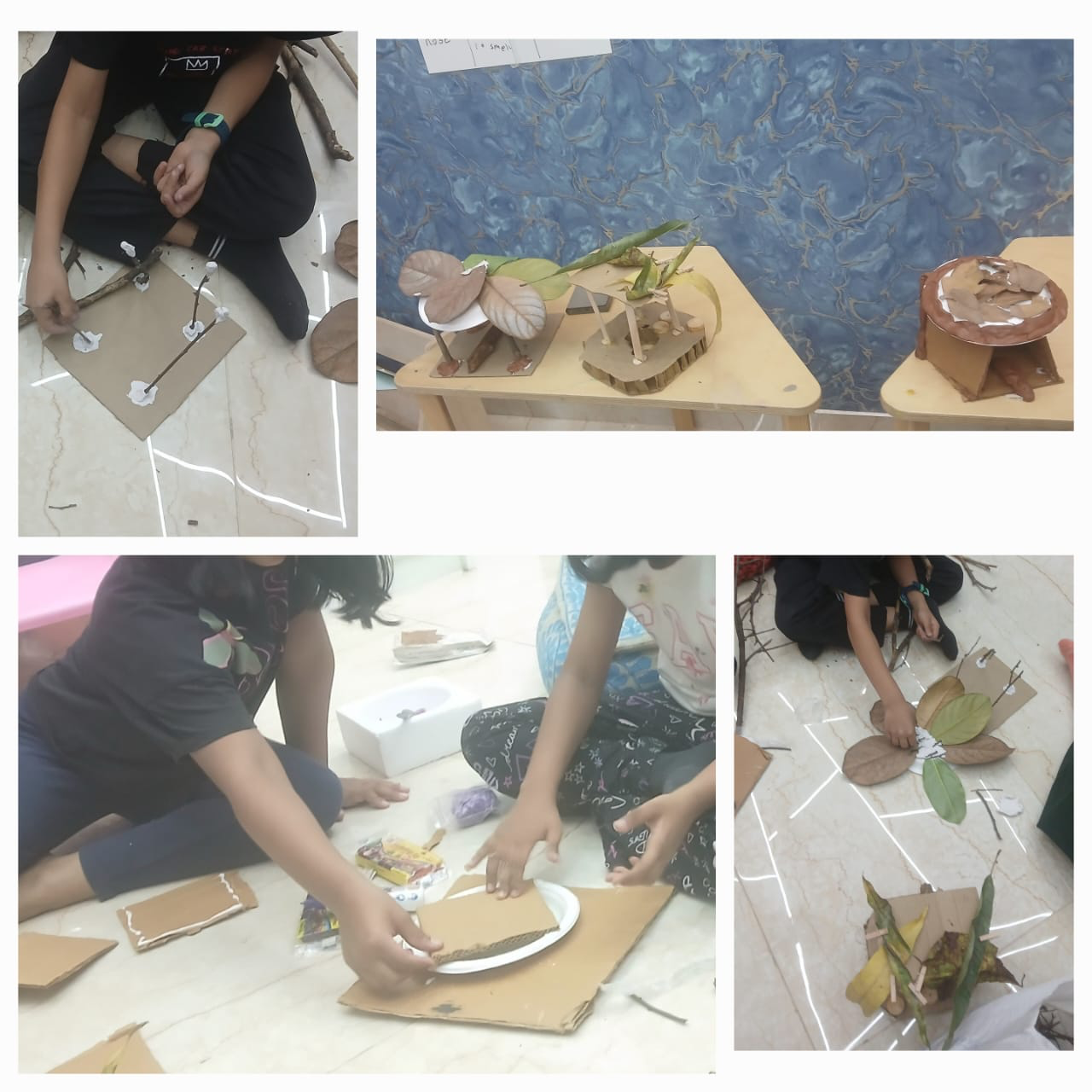
Career assessment, guidance, and placement strategies:
Summer Programs in India
The new-age universities in India are not only offering industry-ready undergraduate programs but are also engaging teenagers through hands-on summer programs. Today, we are highlighting two exciting summer programs offered by Plaksha University.
Programs in Engineering and Problem-Solving:
- Young Technology Scholars
- Young Data Scientist
Venue: Residential at Plaksha campus
Duration: 2 weeks
Month: June
Eligibility: Grade 9 -12
Benefits:
Get hands-on experience by solving real-world problems
Develop practical skills to complete complex tasks
Collaborate with like-minded and motivated peer groups
Understand the expectations of the university
Experience the beautiful campus
Build essential Life Skills through a residential experience
Fermata Career Solutions inspires young individuals aged 13 to 30 to unlock their potential through focused and customised career and college counseling. With expertise in University Readiness, CareerGym, and Master Parenting, the experts empower you to pursue your dreams and shape your future with confidence. More about us on www.fermataco.com
Dear reader,
I work with the school leadership team as an advisor and collaborate with teachers as a pedagogical trainer. I also help parents as a parenting counselor and regularly engage one-on-one with students as a personal guide and mentor. This weekly newsletter shares what I read, learn, and experience.
3-2-1 Tuesdays with Ms. Niv is a newsletter you can subscribe to and enjoy your learning journey with me.
3-2-1 Tuesdays with Ms Niv

Issue #278, 28th October 2025
You missed this.
You did this wrong.
You got this much out of this much as score.
Your performance could be better.
OR This is what you missed, this is what could be possible responses, this is how you can improve your score, tell me how you can improve your performance next time.
Think about your feedback as a parent/educator and what it does to your child’s/student’s agency and ownership of their learning and/or behaviour.
This is a free newsletter. If you like my content, please subscribe by entering your email address here.
Three Images of the Week


Two Thoughts of the Week
“Tell me and I forget. Teach me and I remember. Involve me and I learn.” – Benjamin Franklin
“Student agency is that energy that students get when they take charge of their learning and hold themselves responsible for their accomplishments.― Kelly a Flores, Supporting the Success of Adult and Online Students: Proven Practices in Higher Education
One Video of the Week
Building Student Identity and Agency Dr. Dominique Smith is the Chief of Educational Services and Teacher Relations at Health Sciences High and Middle College (HSHMC) located in San Diego, CA. Dr. Smith has helped transform HSHMC to become a restorative school with his efforts in building relationships with students and hearing student voice. His focuses on school wide mind shifts to restorative practices and school equity have taken him across the world to help schools make change.
Dr. Smith has published books with authors Douglas Fisher and Nancy Frey, “Better than Carrots and Sticks” and “Building Equity, Policies and Practices to Empower All Learners,” and “Engagement by Design”.
Reading with Ms. Meenu: Tip of the week
Oral Language:
Oral Language is one of the pillars to get strong reading skills.
Spoken words are the precursor of all precursors to reading. When learning to read, a child can’t make sense of a word in print that they haven’t heard before in life. So parents must carry on conversations from the beginning to build up their kid’s word banks. Research provides evidence that the better children’s vocabularies at kindergarten entry, the better their reading comprehension in third grade, and the better their third grade reading skills, the better their high school graduation rates. Whatever your child’s age, they’ll benefit from more conversation with you.
For optimal brain development, aim for 40 conversational turns per hour when you’re with your little one. It counts as a turn whenever you greet one of your baby’s coos, babbles, words or sentences with a verbal response (or they verbally respond to your words) within 5 seconds. It’s tough to get an exact count, of course, without feedback from a “talk pedometer” like those used by researchers. Just know that most parents speak a lot less than they should and a lot less than they think they do. The lesson here is give your child the best shot at better vocabulary by taking every conversational turn you can.
The central truth every parent must grasp is this: Oral language skills are required for reading. Just as kids crawl before they walk, they talk before they read. And before they talk, babies listen, grunt and coo. We must facilitate and encourage it all.
We talk to our kids for all kinds of reasons in the moment to soothe, to encourage, to entertain, to direct. And there’s power in every word we speak, including the impromptu conversations we have while giving baths, making meals, and playing at home. Delivering a kind of fortified talk that’s extra nourishing to their long term brain, language and social development.
Happy Reading!
Meenu Gera, Consulting home and school librarian, reading guide
I Think, I Wonder, I Ask
–Dr Shreelakshmi Subbaswami, Academic Head, Vijaya School Hassan, Karnataka
Student Agency through a Cultural Lens
If student agency — voice, choice, and ownership is vital for meaningful learning, then understanding it through a cultural lens becomes essential.
We often notice in classrooms that reverence for authority is seen as a virtue. When a student questions an idea, it is often dismissed as over smart or irrelevant. When a learner seeks choice, it is mistaken for entitlement. Respect for teachers, elders, and systems is deeply woven into our social fabric. Yet, somewhere along the way, respect has blurred into compliance, and curiosity began to be perceived as disobedience.
In my discussions with school leaders and researchers around the world, many have shared that bringing student agency into schools is challenging in contexts where the macro-culture rewards obedience, conformity, and discourages questioning. The challenge deepens because teachers themselves emerge from the same cultural background, carrying inherited beliefs about respect, discipline, and hierarchy into their classrooms.
Thus, the macro culture interacts constantly with the micro culture of schools. Together, they determine whether student agency is nourished or neglected.
I believe being cognizant of this interplay is the first step towards change. To move forward, we must make peace with discomfort. Reimagining student agency demands not reform alone, but courage, humility, and continuous dialogue.
Three Questions for You
How can schools align family, community, and classroom practices to create a culture where agency is shared and sustained?
In what tangible ways — through physical spaces, materials, or classroom arrangements — does school reflect or restrict student voice and participation?
In what intangible ways — through language, traditions, expectations, or teacher–student interactions — does your culture nurture or silence agency?
Showcase: Thrive Beyond School – A unique STEAM education project for very young learners.
– Pooja Khatter, facilitator, Thrive
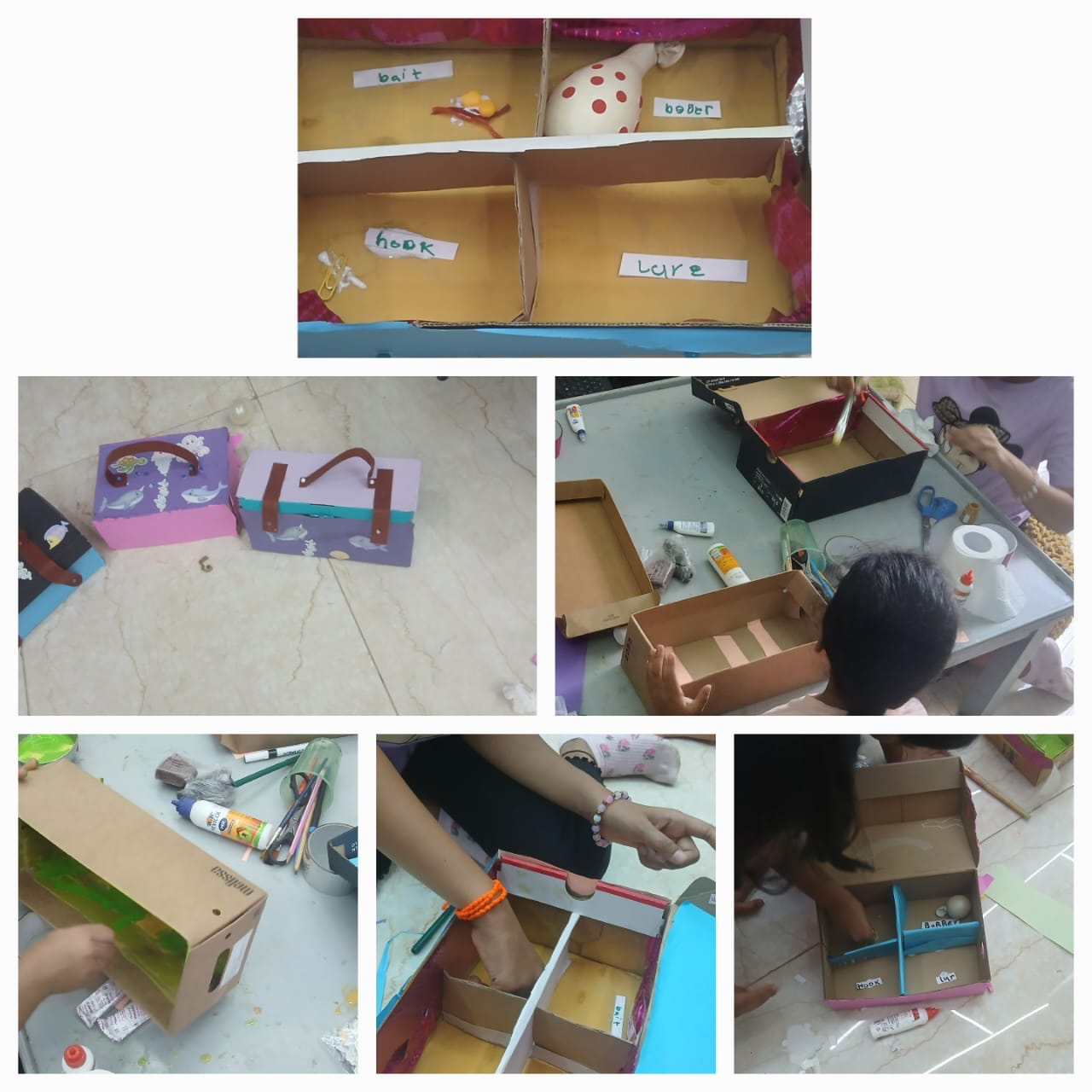
The children learned that a tackle box helps keep fishing tools safe and organized. Working in pairs or on their own, they decorated their own tackle boxes using recycled materials. They used cartons, paints, color sheets, stickers, and strips to create compartments for items like bait, lures, bobbers, and hooks.
This hands-on project encouraged planning, sorting, labeling, and spatial thinking, helping children think like real engineers while having fun organizing their gear. Samyuktha & Havishka : 7 years 2 months old Tashi :7 years old. Tara : 6 years 11 months old
Dear reader,
I work with the school leadership team as an advisor and collaborate with teachers as a pedagogical trainer. I also help parents as a parenting counselor and regularly engage one-on-one with students as a personal guide and mentor. This weekly newsletter shares what I read, learn, and experience.
3-2-1 Tuesdays with Ms. Niv is a newsletter you can subscribe to and enjoy your learning journey with me.
3-2-1 Tuesdays with Ms Niv

Issue #276, 21st October 2025
This holiday season, go ahead and make generosity infectious. In schools, homes and streets. Share acts of kindness you received and show to your peers, children and family how to be generous. For that is one thing common in all religions, cultures and festival. Generosity is being human.
Try being generous to your house staff, your school staff, your peers, your family members. Can you think of ways to be generous with your emotion, creativity and courage? In communication and in deeds?
Happy Diwali!
This is a free newsletter. If you like my content, please subscribe by entering your email address here.
Three Images of the Week


Two Thoughts of the Week
“Real generosity toward the future lies in giving all to the present.” Albert Camus
“No one has yet realized the wealth of sympathy, the kindness and generosity hidden in the soul of a child. The effort of every true education should be to unlock that treasure.” Emma Goldman
One Video of the Week
What would happen to humanity if generosity went viral? Sharing transformative stories from around the world, head of TED Chris Anderson outlines why the time has come for the internet to realize its power to supercharge small acts of kindness, changing lives at a scale never experienced before. Learn how to cultivate a generous mindset — with or without giving money — and get inspired with tools to amplify your impact. “Be brave. Give what you can, and then be absolutely amazed at what happens next,” Anderson says.
Reading with Ms. Meenu: Tip of the week
Humans have been reading at least since the late fourth millennium BCE, when pictographic script was first etched into clay tablets with the original stylus, a writing tool sharp enough to leave an impression. An explicit reading instruction in English — directly teaching the links between letters and sounds — has been going on since the sixteenth century. But it’s just been in the last several decades that we’ve had the benefit of rigorous experiments, massive data sets, and parent’s critical role in sustaining them. Perhaps this new knowledge can push us from literacy for the elite to literacy for all.
Early reading subject areas should be known to all of us to teach kids with love and lightness in daily life. It includes oral language, speech-sound awareness, and letter knowledge skills that research shows are critically important for later reading skills. Plus we’ll cover the simple work of familiarizing kids with books and how print works, as well as the more advanced work of matching letters to sounds.
These abilities more likely tend to show up in preschool and kindergarten screenings, they apply to a much wider age span and that could be from birth to 116, given a remarkable story of a woman named Mary Walker born in 1848.
Walker’s dream of literacy, beautifully told in Rita Lorraine Hubbard’s picture book The Oldest Student: How Mary Walker Learned to Read, was deferred through slavery and sharecropping, through the lives of two husbands and three sons, and the administrations of twenty six presidents of the United States. She learned at last at 116 years old, and read until her death at age 121 on December 1, 1969.
She studied the alphabet until her eyes watered. Hubbard wrote “She memorized the sounds each letter made and practiced writing her name so many times that her fingers cramped.. She studied and studied until books and pages and letters and words swirled in her head while she slept. One fine day Mary’s hard work paid off. She could read!
Literacy is still deferred for too long for too many, for lack of a strong foundation. There are teachers in higher grades who struggle to teach various strategies to teachers to help their teenage students who can’t read to make sense in science, math and social studies. Question arises who will be there to help these students when they struggle after they graduate or drop out.
Would-be readers of any age must master the basics. There are areas of study that just cannot be skipped. There are many strategies learners of any age can visit, revisit and master to become more successful readers, plus ways parents can build and reinforce each.
One should always practice reading until it has been mastered to become a proficient reader.
Happy Reading!
Meenu Gera, Consulting home and school librarian, reading guide
I Think, I Wonder, I Ask
–Dr Shreelakshmi Subbaswami, Alumni and Academic Director, Vijaya School Hassan, Karnataka
The Invisible Stakeholder
As a researcher and an educator, my instinct has always been to question the systems, programs, processes, and norms that we often take for granted in education. One such question that recently struck me deeply was- Whom are we really building schools and colleges for?
We assume the answer is obvious — for students. However, when we look closely, evidence of student agency is remarkably scarce. The irony is that students, the very reason our institutions exist, have the least say in decisions that shape their lives. Adults decide the curriculum, teaching methods, assessment practices, infrastructure, and even how their day looks- much of it inherited and rarely questioned.
Even the much-criticized industrial model of education had one redeeming feature: it understood the consumer! Industries invest heavily in consumer research, constantly redesigning products to suit user needs. Education, however, often skips that step entirely! We design for students, not with them…
Developmental psychology tells us that when learners have voice and choice, they not only engage more deeply but also take ownership of their growth. In contrast, when systems overregulate, learning becomes compliance rather than curiosity. Student agency is not just an appealing concept; it is a vital condition for meaningful learning and growth.
As educators, we must confront an uncomfortable truth: every time we design learning without listening to learners, we risk building institutions that look successful on paper but leave students feeling unseen, unheard, and disempowered within.

Showcase: Thrive Beyond School – A unique STEAM education project for very young learners.
– Pooja Khatter, facilitator, Thrive

During the activity, students understood that clouds are made up of tiny water droplets formed when warm water vapor cools down. They learned that condensation happens when warm air meets a cold surface, changing vapor into liquid droplets. Students also understood that small particles like dust help water vapor come together to form clouds. By relating the experiment to the water cycle, they realized the roles of evaporation, condensation, and precipitation in nature. They used scientific words such as water vapor, condensation, and evaporation correctly while recording their observations and drawing what they saw. Through this experiment, students gained a clear understanding that the sun’s heat causes water to evaporate, and when the air cools, clouds are formed. Neev,Mayra & Tashi 7 years 1 month old Samyuktha & Havishka 7 years 6 months old
Career assessment, guidance, and placement strategies:
Navigating the College Application Journey: 5 Ways Parents Can Empower Their Grade 12 Child
Grade 12 is a whirlwind of emotions, academic pressure, and big decisions, especially regarding college applications. You naturally want to help as a parent, but finding the right balance between support and overstepping can be tricky. This post offers five key tips on empowering your child to navigate this exciting yet sometimes stressful process with confidence and ownership.
- Foster Ownership: It’s Their College List
It’s easy to get caught up in our own aspirations for our children but remember: your child is the one who will be attending college, not you. Encourage them to take the lead in researching institutions and developing their college list.
- Guide Towards a Realistic & Balanced List
While fostering ownership is crucial, providing guidance on creating a realistic list is equally important. A well-rounded college list typically includes a mix of ‘reach,’ ‘target,’ and ‘safety’ colleges.
- Brainstorm Course and Major Choices Together
Encourage your child to think about their passions, strengths, and what subjects genuinely excite them. The goal here is to help them identify areas of study that spark their curiosity.
- Navigating the ‘Course vs. College Name’ Conundrum
For some students, the specific course or program they want to study is paramount, while for others, the prestige or reputation of the college holds more weight. This can be a point of discussion and gentle guidance.
- Be Present: The Power of Silent, Available, and Mindful Support
The college application process is emotionally charged. Your child will experience moments of excitement, frustration, anxiety, and perhaps even rejection. Your emotional support is invaluable.
The career counselors at Fermat specialize in Profile Building and College Essays.
Fermata Career Solutions inspires young individuals aged 13 to 30 to unlock their potential through focused and customised career and college counseling. With expertise in University Readiness, CareerGym, and Master Parenting, the experts empower you to pursue your dreams and shape your future with confidence. More about us on http://www.fermata.com
Dear reader,
I work with the school leadership team as an advisor and collaborate with teachers as a pedagogical trainer. I also help parents as a parenting counselor and regularly engage one-on-one with students as a personal guide and mentor. This weekly newsletter shares what I read, learn, and experience.
3-2-1 Tuesdays with Ms. Niv is a newsletter you can subscribe to and enjoy your learning journey with me.
3-2-1 Tuesdays with Ms Niv
Issue #275, 14th October 2025
Schools and current education system can be quite the pressure cooker for teacher and students. Thus parents and community as well. The many holidays and celebrations are ongoing and ensuing and the children are not quite looking forward to going back to school, books and test. What can be done to make learning journeys more joyful? Something that our children have to do for all their lives given the changing scenarios they are facing year on year? Go ahead and listen to Ms. Freitag’s talk included in this issue of newsletter.
This is a free newsletter. If you like my content, please subscribe by entering your email address here.
Three Images of the Week


Two Thoughts of the Week
“Every child can learn. Just not on the same day or in the same way.”
– George Evans
“In learning you will teach, and in teaching you will learn.”
– Phil Collins
One Video of the Week
The struggle is real – teaching and learning can be challenging from either perspective. How to use CRSSP strategies to make teaching and learning more engaging. Dedicating her adult life to inspiring her students with discovering their strengths and inspiring personal growth, not only as learners, but as people. Wholeheartedly believing learning can, and should be, both rigorous and fun. Michele started her educational career as a speech/language pathologist and 18 years teaching 3rd grade. For the past 16 years, she has been a well known and respected gifted/talented/enrichment specialist at the elementary school level, challenging students in grades K – 4. During the height of COVID, she spent one year back in the classroom, teaching 4th grade. Michele is involved with Odyssey of the Mind program. She has helped hundreds of students in grades K – 12 improve their creative problem solving skills. For several years, Michele also served as the Director for Camp Invention, a summertime STEM camp. Currently, Michele teaches watercolor painting classes, is an avid crafter, and is very active in her church community.
Reading with Ms. Meenu: Tip of the week
Principle # 2
The More Personal the Lesson, the Better
Helping your child learn to read requires making decision after decision. Which letters or words to teach? Which song to sing or story to tell? When making the calls, err on the side of making the lessons themselves personally meaningful for your child. Sometimes it’s as straightforward as teaching the child to write letters in their name first, making up songs and stories featuring their pets, choosing vocabulary words from their favorite books. Sometimes it’s as deep as practicing fluency by reading aloud texts that affirm and sustain a child’s cultural heritage or community.
To help conceptualize this, researchers have defined three levels of personal relevance, from mere association to usefulness to identification. When a reading lesson centers on a passage about the student’s sport of choice (say, soccer), that’s making a personal association.If you can make it clear how the lesson itself is useful for advancing a goal the child is after (like joining wordplay with older siblings), even better. But if you can make the activity resonate with the child’s sense of self, you’re really cooking with grease. This is what’s going on when a little one named Anna sees the letter A and says, That’s my letter! She’s owning it – and identifying with it. It matters to her and she learns it quickly.
The power of personal meaning also helps explain why parents so often find that something that worked like a charm with one child falls flat with another kid. Kid’s associations, judgements of usefulness and identities vary widely, even when they grow up under the same roof. Locking in on what makes your individual learner tick and facilitating resonant experiences just for them is golden.
Luckily, you have a built-in feedback mechanism for determining what’s working: for your child. Even infants express preferences. A little one might reach for the same book with bold illustrations or lift up flaps over and over again. You may also find that what gives the lesson meaning is you – your demeanor, your engagement, and your responsiveness can be tremendous motivators.
Keep reading and making personal connections to your child’s life! That matters!
Happy Reading!
Meenu Gera, Consulting home and school librarian, reading guide
I Think, I Wonder, I Ask
–Dr Shreelakshmi Subbaswami, Alumni and Academic Director, Vijaya School Hassan, Karnataka
How Art Helps Us to Build Self-Awareness: An Experiment
As educators, we often speak about helping students “know themselves”- their strengths, weaknesses, values, and voices. Yet, if we pause and ask, how do students truly come to know themselves? The answers often circle back to someone else’s opinion- a teacher’s observation, a parent’s feedback, a report card, or a peer comment. Much of a student’s self understanding is mediated through the eyes of others, while very few processes nurture the self’s (student’s) voice: What do I see in myself? How do I learn? What matters to me?
For student leaders, their self- knowledge is even more vital. Leadership begins with self-awareness- the ability to recognize one’s emotions, reactions, and influence on others. Yet, most tools available in schools are evaluative, often judgmental, and rarely reflective. I began to wonder: what if students could explore themselves through a medium that was less evaluative, less fearful, yet deeply revealing?
With my experience in pottery and mosaic work, I curated a session for our student council members to use art as a tool- a mirror for the self and a pathway to understanding the leader within. I wanted to explore how each one could uncover what lies within- their patience, emotions, adaptability, and ways of connecting with others. The focus was not on skill-building but on reflection. Between moments of shaping clay and arranging mosaic tiles, we paused to ask:
- How do I approach something new?
- How do I respond when things don’t go as planned?
- How do I work when others’ styles differ from mine?
Students opened up without fear of judgement. Their strengths, challenges, and leadership qualities- patience, empathy, collaboration- surfaced naturally; as they moulded clay, they also moulded confidence, courage and compassion- essential elements of the leaders they are becoming.
As an educator, I reaffirmed something through this experiment: when we shift from judgement to understanding, learning feels safer, reflection replaces comparison, and growth becomes an inward journey rather than an outward race.
Three questions for you…
- What tools beyond feedback and marks help students see themselves?
- How can art-based reflection be built into teaching?
- How can we model self-reflection as educators ourselves?


Showcase: Thrive Beyond School – A unique STEAM education project for very young learners.
– Pooja Khatter, facilitator, Thrive
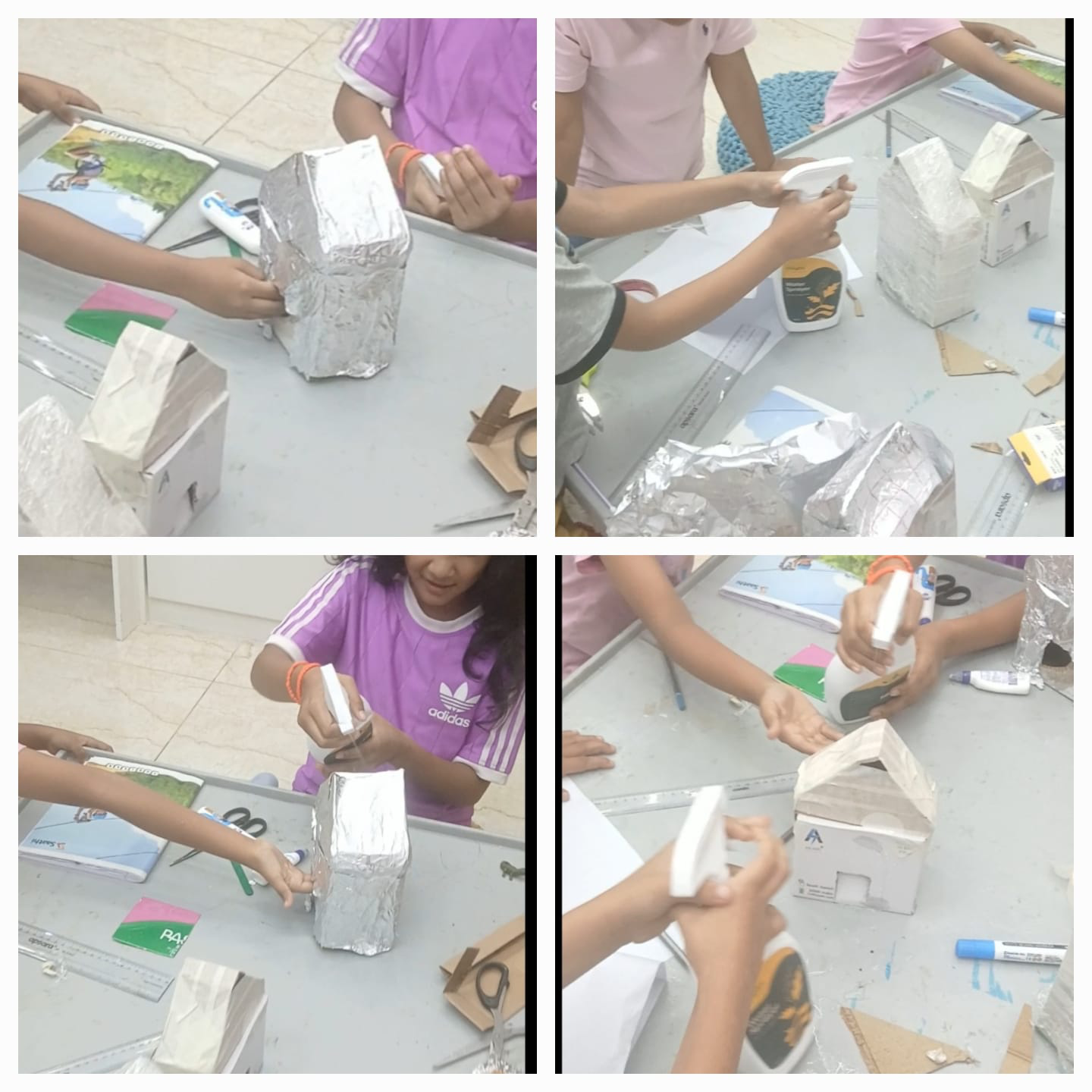
Our young scientists participated in an exciting hands-on activity where they designed and built their own monsoon-proof houses. Through teamwork and experimentation, the children explored how different materials reacted to water and discovered which ones were best for keeping homes dry and strong during heavy rain. This fun and engaging project helped them understand the importance of using waterproof and sturdy materials while also encouraging observation, problem-solving, and creative thinking.
Career assessment, guidance, and placement strategies:
Liberal Arts Colleges & Universities in India: How do they Benefit Students?
Liberal Arts colleges/universities are steadily growing in India, offering students a broad interdisciplinary approach to learning.
The benefits of a liberal arts education are both wide-ranging and deeply focused:
- Focus on skill-building, not just the major – skills like critical thinking, communication, creativity, problem-solving, global perspective and more. The essence is that skills are equally crucial for employability as the core subject expertise.
- This education emphasizes studying a range of subjects in the humanities, social sciences, natural sciences, and the arts, helping students understand the world from multiple perspectives.
- This education benefits the students who are still undecided on their major and/or career goals.
- This education benefits career-oriented students to build interdisciplinary connections and apply knowledge creatively across different fields.
- For parents, this means their children are not limited to one career path. Liberal arts graduates can work in diverse fields like business, policy, technology, education, design, and more.
A liberal arts education is not about producing specialists but well-rounded thinkers and responsible citizens. Top institutions focusing on this education are:
- Flame University
- Ashoka University
- Krea University
- Shiv Nadar University
- Ahmedabad University
- Azim Premji University
- OP Jindal Global University
- Symbiosis School of LIberal Arts
- And more
In today’s fast-changing world, success depends not just on what you know, but on how you think, adapt, and communicate. Liberal arts education prepares students for this reality by helping them connect ideas across disciplines and approach challenges with creativity and confidence.
Fermata Career Solutions inspires young individuals aged 13 to 30 to unlock their potential through focused and customised career and college counseling. With expertise in University Readiness, CareerGym, and Master Parenting, the experts empower you to pursue your dreams and shape your future with confidence. More about us on http://www.fermata.com
Dear reader,
I work with the school leadership team as an advisor and collaborate with teachers as a pedagogical trainer. I also help parents as a parenting counselor and regularly engage one-on-one with students as a personal guide and mentor. This weekly newsletter shares what I read, learn, and experience.
3-2-1 Tuesdays with Ms. Niv is a newsletter you can subscribe to and enjoy your learning journey with me.
3-2-1 Tuesdays with Ms Niv
Issue #274, 7th October 2025
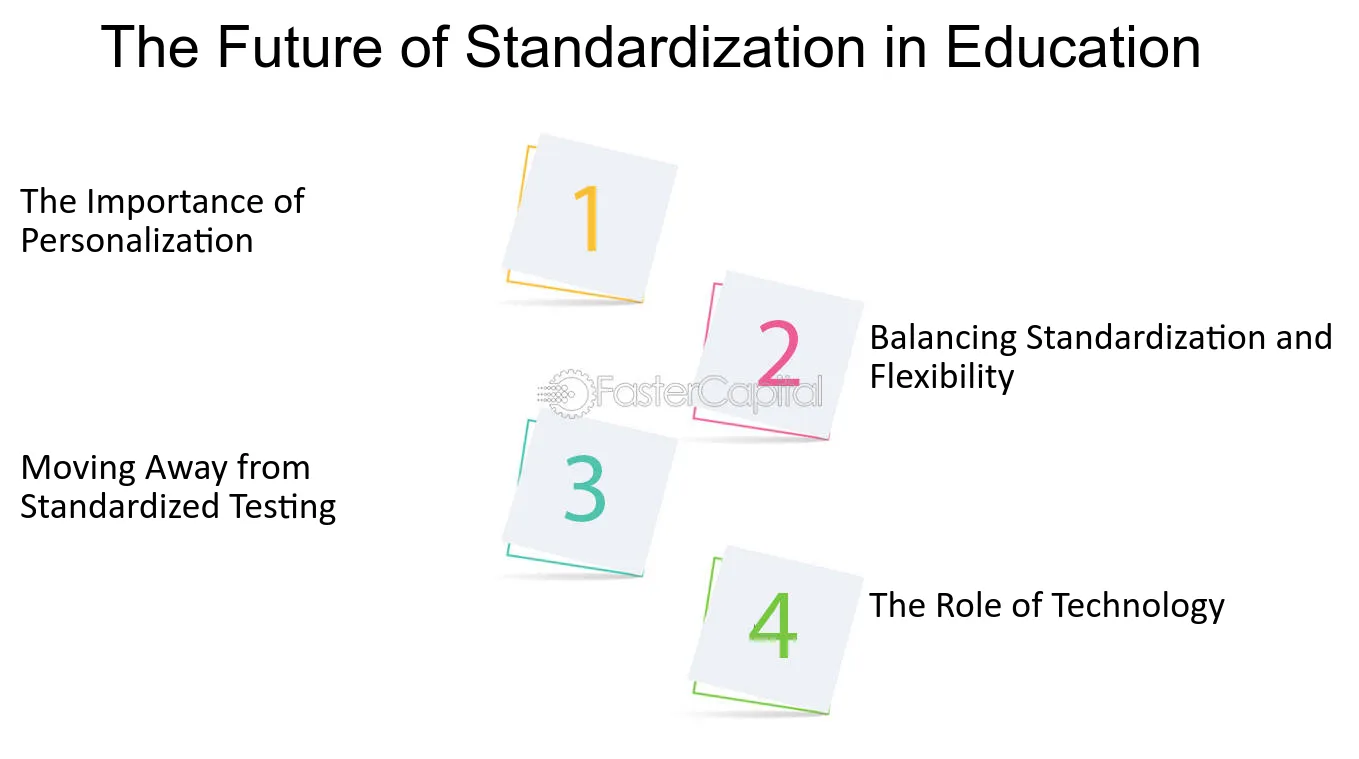
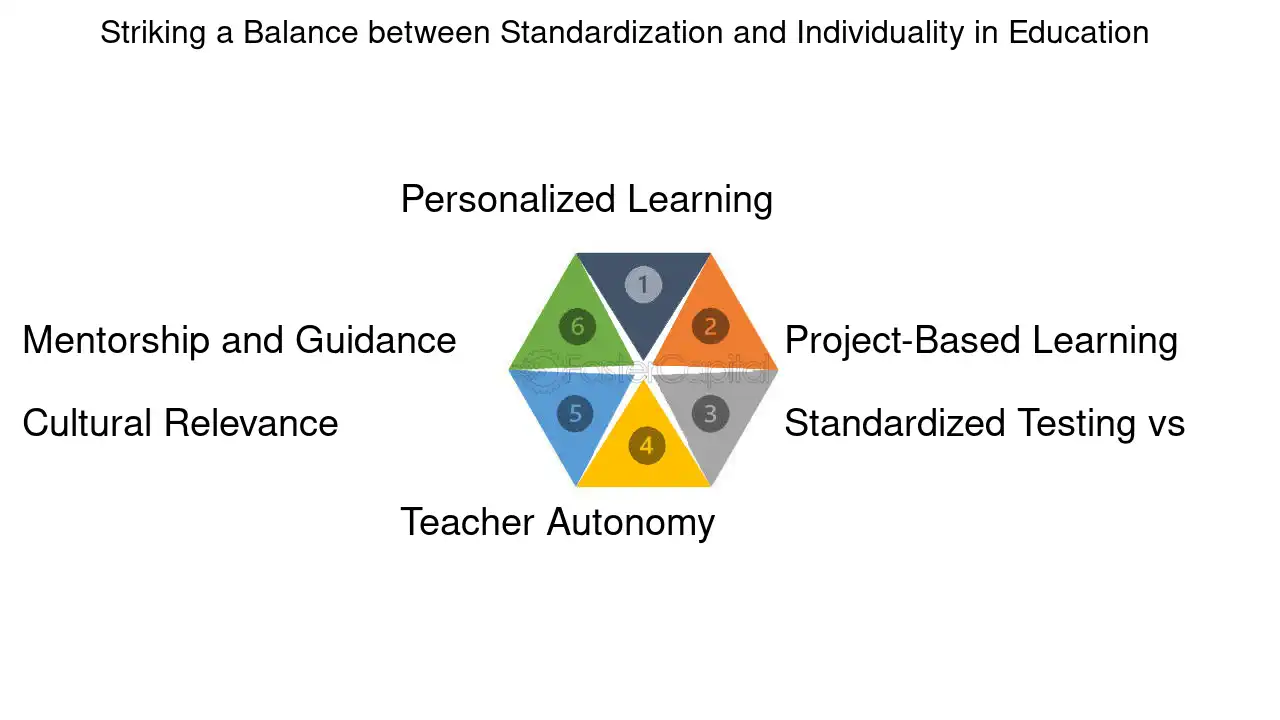
What matters more — ensuring every child meets the same benchmark, or allowing each child to learn in their own way and at their own pace?
How can we balance standardised assessments with personalised learning experiences that value creativity, curiosity, and individuality?
In preparing students for the future, should education aim to produce consistent competencies or nurture unique capabilities?
What are your thoughts? How are you managing the balance of standardisation and personalisation as an educator and/or parent?
This is a free newsletter. If you like my content, please subscribe by entering your email address here.
Three Images of the Week

Two Thoughts of the Week
The answer is not to standardize education, but to personalize and customize it to the needs of each child and community. There is no alternative. There never was.
Ken Robinson
Standardized personalization=universal right to meaningful learning. Personalized standardization=flexible access to mandated learning.
Andy Hargreaves
One Video of the Week
Personalization… discovering one’s drive. Personalization… evolving on a life-long journey of discovery. Personalization… challenging self to exceed internal expectations. Personalization… digging deeper, finding new capacity, overcoming self to redefine success. Personalization… vanquishing fear, conquering hesitation, and overcoming failures. Superintendent/CEO, Hilliard City Schools (2013-Present) Superintendent/CEO, Loveland City Schools (2010-2013) Superintendent, East Knox Local Schools (2005-2010) Building Principal, Tri-Village Jr/Sr High School (2000-2005) Adjunct Professor, Ohio Dominican University (2013 – Present) Conference Presenter, National School Board Association Annual Conference (2015, Nashville & 2016, Boston) Google Educators Summit – Keynote Presenter – 2012 Appointed by Ohio Governor John Kasich, Member, Ohio Digital Learning Task Force (2012) Appointed by Senate President Keith Faber, Member, Ohio Testing and Assessment Committee (2015) Appointed by Ohio Governor Robert Taft, Member, Advisory Council for Ohio Core Graduation Requirement (2007) 2013 International Society for Technology in Education (ISTE) Ohio Administrator of the Year
Reading with Ms. Meenu: Tip of the week
Yes You Can : Five Touchstones for Parents Who Dare to Teach
Reading is taught, not caught. This phrase has been in circulation for decades, but it bears repeating with each new generation of parents, and it has never been more fully supported by compelling evidence. Learning to read is a complex, unnatural, years-long odyssey, and parents should bear no illusions that their kids will pick it up merely by watching other people read or being surrounded by books. We already got a glimpse of how fascinating the twists and turns that lead to literacy are, how influential parents are in helping kids navigate them, and how early in life that power is in evidence. We would be discussing these principles any parent can remember and apply with ease during long, busy days with young children. Some of the five you may know instinctively. Others may have never crossed your mind. All deserve to be hallmarks of the way we approach raising readers. These touchstones are research-backed and parent approved. These principles will make your child a strong, fluent, and independent reader.
Principle # 1
It’s What You Say – and How You Say It
Spurring literacy development, like teaching of any kind, is about creating shared meaning between you and your little one. And that requires meeting them where they are, capturing their attention, engaging in back and forth exchanges and also providing the stimulation that helps them to their next level.
Parent’s actions such as asking questions vs giving directives, introducing novel vocabulary and arranging words and phrases in advanced ways all affect a child’s language development. But parent responsiveness plays a major role as well, for example how reliably and enthusiastically you respond to your child’s speech and actions. Reciprocal and dynamic interactions….. provide what nothing else in the world can offer experiences that are individualized to the child’s unique personality style, that build on his or her own interests, capabilities, and initiative, that shape the child’s self awareness and that stimulate the child’s growth and development. So we must have the awareness to let a child’s age or language ability affect the content and tenor of our speech. Studies provide evidence that infants and young toddlers, for example, benefit from conversations about the here and now with us pointing and gesturing to label objects in our immediate surroundings or on the pages of books we’re reading together. So set aside ten minute a day of mindful communication, focusing on your baby, your words and the interplay between them. Over time the focused practice will create habits that spill over into other conversations, too.
Happy Reading!
Meenu Gera, Consulting home and school librarian, reading guide
I Think, I Wonder, I Ask
Standardization vs. Contextualization in Education: Finding the Balance
In my previous blog on school bells, I reflected on how even the sounds that structure our school day carry remnants of the industrial model of education. Another enduring feature of that model is the drive to standardize- content, pedagogy and assessment. Standardization promises comparability, efficiency, and accountability. Yet within a classroom, the diverse needs, interests and backgrounds of students call for contextualization.
As a researcher, I once resisted every trace of standardization. But now, as a practitioner, I find myself constantly negotiating this tension. I must respond to the systemic demands for uniformity while addressing the unique needs of students. The negotiation is less about rejecting standardization entirely and more about finding balance.
So, what can we do as educators in our own contexts? In content, we can work with mandated topics yet create multiple entry points- through local case studies, students’ lived expereinces, or contrasting perspectives. This makes learning culturally and socially relevant, In pedagogy, differentiated approaches based on learning needs and interests allow students to engage meaningfully within the curriculum. In assessment, we can go beyond standardized tests by blending formative checks, portfolios, projects, reflective journals, and peer reviews, while still aligning them with grade level standards. These steps do not discard standards; rather they keep them responsive to learners.
Such shifts take time. The first step is a conscious recognition of the forces shaping our daily classroom choices. Standardization and contextualization are not opposites to be fought over, but forces to be balanced. I believe that what happens in classrooms can, over time, redefine what entire systems value.
Three questions for you…
- Which standardized practices in your classroom no longer serve your students’ needs or interests?
- Within standardized content and practices, in what ways can you bring students’ contexts into learning
- If you imagine your students ten years from now, which contextualized experiences would you want them to remember- and how might that guide your choices today?
–Dr Shreelakshmi Subbaswami, Alumni and Academic Director, Vijaya School Hassan, Karnataka
Dear reader,
I work with the school leadership team as an advisor and collaborate with teachers as a pedagogical trainer. I also help parents as a parenting counselor and regularly engage one-on-one with students as a personal guide and mentor. This weekly newsletter shares what I read, learn, and experience.
3-2-1 Tuesdays with Ms. Niv is a newsletter you can subscribe to and enjoy your learning journey with me
3-2-1 Tuesdays with Ms Niv

Issue #273, 30th September 2025
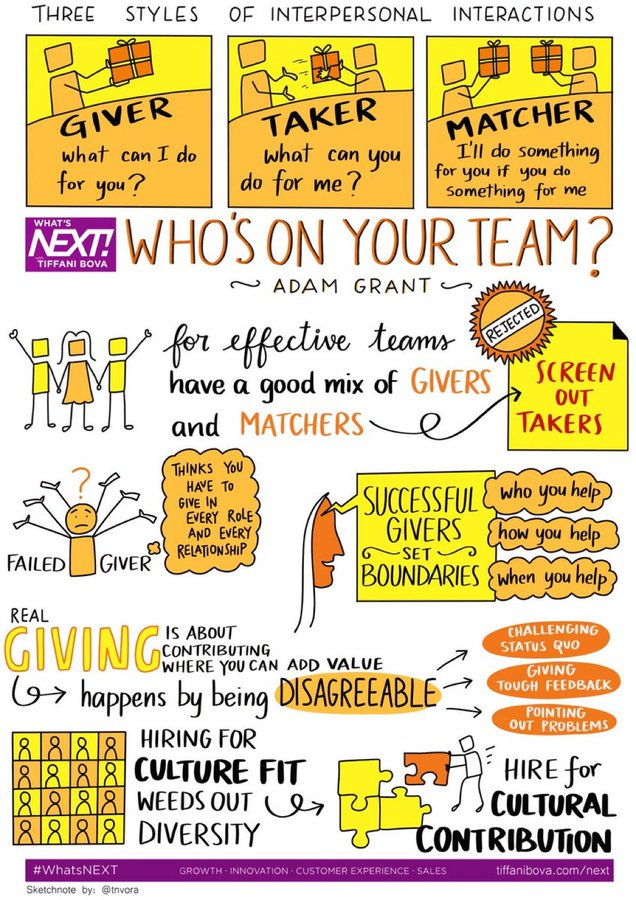
Can you find small ways to add great value to another person’s life? If you are an educator, parent or student, there are multiple ways that you can do so. If you are mindfully doing this, you are also adding value to not only the organisation and/or family you belong to but also to yourself. Sharing your knowledge, a little bit of feedback, connecting people, information sharing whether of a new bookstore or a tutor, a playdate, an interesting event that your colleagues or fellow parents might be interested in. All this makes you ‘givers’. Statistics show that givers win in more ways than one. Success is more about contribution than competition. You will find more insights in the Video of the Week in this issue of the newsletter.
This is a free newsletter. If you like my content, please subscribe by entering your email address here.
Three Images of the Week

Two Thoughts of the Week
“Givers need set limits because takers rarely do.”
― Rachel Wolchin
“The world has takers and givers, the moment you decide to be a taker you will always be in want, scarcity and on downward spiral. Givers are always watered and never wither even in the dry season.”
― Dr. Lucas D. Shallua
One Video of the Week
In every workplace, there are three basic kinds of people: givers, takers and matchers. Organizational psychologist Adam Grant breaks down these personalities and offers simple strategies to promote a culture of generosity and keep self-serving employees from taking more than their share. Adam hosts the TED Audio Collective podcast WorkLife with Adam Grant–a show that takes you inside the minds of some of the world’s most unusual professionals to discover the keys to a better work life. Listen to WorkLife with Adam Grant wherever you get your podcasts.
Reading with Ms. Meenu: Tip of the week
Emergent and Beginning Reading from 5 to 7 years:
At 5 and 6 years old, kids typically speak clearly, tell stories with complete sentences, use the future tense, and say their own full name and address. They can count past 10, draw a person with several body parts and copy triangles and other shapes, and they know a good deal about everyday life, from food to money.
But real differences in their literacy skills become obvious (to them and us) at this point, too. Elementary school classrooms often put reading and writing on display in ways that can’t help but highlight student variations. Everything from the reading group they’re placed in to the work displayed on the bulletin board exposes the differences. it can be agonizing for parents to hear about the social drama playing out in the name of education – tales of one child being put “on the computer” because they can’t read, another checking out the same baby book from the classroom library everyday because that’s what’s on “their level,” and yet another signing their name with a scribble that’s different every time.
Yet all of these kids are on their own unique paths to reading. We just need to clearly identify what they’re working with, so that we may deliver the right experiences, instructions and additional tools. A few quick definitions, based on what science reveals about how beginners learn to read words in and out of context, will help.
- Pre Readers rely mainly on visuals and context clues to make sense of words, They may recognize a word with the context of a logo but they are unable to read.
- Beginning or emergent readers are beginning to apply what they know about letters and sounds to read and write.
- Alphabetic readers have full command of letter-sound correspondences, can decode unfamiliar words and can spell from memory.
- Fluent readers, or consolidated alphabetic readers have forged a solid knowledge of many words, spellings, pronunciations and meanings through deep experience of hearing, saying, spelling and understanding them.
Book Behaviour, Print Awareness and Writing
- Writes full name
- Recognizes upper and lowercase letters
- Connects letters to their sounds
- Tracks print from left to right
- Sounds out words
- Spells phonetically
- Reads and writes simple sentences
- Begins sentences with capital letters
- Attempting punctuation
- Correctly spells frequently used words
Happy Reading!
- Meenu Gera, Consulting home and school librarian, reading guide
Career assessment, guidance, and placement strategies:
ENGINEERING HUB
Do you know?
5 Reasons for Germany being referred to as the Engineering capital of the world:
- World-class engineering expertise
- Home to top engineering global brands like BMW, Audi, Mercedes-Benz, Volkswagen, Porsche, Siemens, Bosch, and more
- Excellence in education and R&D: Germany’s dual education system is structured to create a highly skilled engineering workforce
- ‘Made in Germany’ – a hallmark of technical reliability, precision, and quality worldwide
- Leadership in Industrial Technology
Other strong engineering nations are the USA, Japan, China, and South Korea.
Top universities in Germany to study engineering:
- Technical University of Munich, Germany
- RWTH Aachen, Germany
- Karlsruhe Institute of Technology, Germany
- Technical University of Berlin, Germany
- TU Dresden, Germany
Top universities globally to study engineering:
- Harvard University, USA
- Massachusetts Institute of Technology, USA
- Stanford University, USA
- University of California, Berkeley, USA
- California Institute of Technology, USA
- Princeton University, USA
- University of Oxford, UK
- University of Cambridge, UK
- University of Waterloo, Canada
- University of Toronto, Canada
- National University of Singapore
Top universities in India to study engineering:
- IITs
- NIT Trichy
- VIT Vellore
- IISc Bangalore (top research-driven STEM university)
- BITS Pilani
- Delhi Technological University
- Thapar Institute of Engineering & Technology
- Jamia Millia Islamia
Plaksha University, Mohali, is a new-age, pioneering institution offering BTech programs in four core areas, designed to develop engineering minds equipped with entrepreneurial skills.
Fermata Career Solutions inspires young individuals aged 13 to 30 to unlock their potential through focused and customised career and college counseling. With expertise in University Readiness, CareerGym, and Master Parenting, the experts empower you to pursue your dreams and shape your future with confidence. More about us on http://www.fermata.com
I Think, I Wonder, I Ask
–Dr Shreelakshmi Subbaswami, Alumni and Academic Director, Vijaya School Hassan, Karnataka
School Bells: Does it Ring a Bell with the Old Models of Education?
The ringing of a school bell is such a familiar sound that we often forget to question it. Historically, bells in schools mirrored the rhythms of factories- marking shifts, signaling transitions, and reinforcing punctuality as a social virtue. Their purpose was less about learning and more about order and efficiency. Even today, this practice shapes how we divide learning time in schools from one subject to another.
But must the bell continue to dictate the pace of learning? There are some realistic alternatives. Instead of abrupt ringing every 40 minutes, schools can adopt softer tones or music that signals transitions with less disruption. Some schools have experimented with visual cues on digital boards, where countdowns help both teachers and students prepare to shift. Longer learning blocks- say 60-80 minutes can reduce the number of transitions and allow deeper engagement. Some schools use chimes and hand signals to indicate transitions. Others rely on teacher-led time cues, where the teacher signals the end of a session organically. Even staggering dismissal between floors or grades can ease the stress of mass movement caused by a single bell.
These are not radical changes, but they shift the emphasis from rigid control to flexible choices. They remind us that time in schools can be managed with flexibility rather than rigidity. Perhaps the deeper hope is this: when we loosen the grip of the bell, we make space for rhythms of both learning and learners.
Three questions for you…
- Which parts of the school day feel most dominated by the bell- and how might they be softened?
- How could longer or staggered blocks create calmer transitions in your school?
- If students could imagine alternatives to the bell, what rhythms of learning might they choose?
As we reconsider who controls time in schools, I also invite you to question how much of what we teach, how we teach, and how we assess is still bound by the idea of standardization of education in my next discussion…
Dear reader,
I work with the school leadership team as an advisor and collaborate with teachers as a pedagogical trainer. I also help parents as a parenting counselor and regularly engage one-on-one with students as a personal guide and mentor. This weekly newsletter shares what I read, learn, and experience.
3-2-1 Tuesdays with Ms. Niv is a newsletter you can subscribe to and enjoy your learning journey with me.
3-2-1 Tuesdays with Ms Niv

Issue #272, 23rd September 2025
How does consistency enlarge our abilities? Can small actions lead to massive change? How can it play out in your life as a student, educator, or parent? What is the small consistent action can you pick up? power of momentum is great because things in motion stay in motion right? Small, consistent, actions – potent trifecta!
This is a free newsletter. If you like my content, please subscribe by entering your email address here.
Three Images of the Week


Two Thoughts of the Week
“Consistency beats intensity. Consistency beats volume. Consistency beats passion. Consistency dictates results. Consistency is what defines character.” — Rich Roll
“Two words should be committed to memory and obeyed by alternately exerting and restraining ourselves, words that will ensure we lead a mainly blameless and untroubled life: persist and resist.” — Epictetus
One Video of the Week
What if everything you have ever learnt about change and social impact was totally wrong? In grade 12 Sam Demma had a high school teacher who convinced him that change and impact was not the result of massive shifts, but instead the outcome of committing to Small Consistent Actions. Sam is a 19-year-old professional speaker, avid reader and co-founder of the social enterprise, PickWaste. Due to his work with PickWaste, he was named one of the top 25 under 25 environmentalists all throughout Canada. He strives to spread a simple but powerful message, that small consistent actions will lead to massive changes. When Sam’s not picking up trash, you can find him reading, at the gym, or spending time with his family.
Reading with Ms. Meenu: Tip of the week
Pre-Reading from ages 4 to 5 Years:
Little ones at this point can introduce themselves with first name and last, sing a song or nursery rhyme by heart and tell a story of their own. Four year olds are well aware of cause and effect and have developed a good bit of sophistication around language and books. They begin comparing and contrasting favorite characters in different books. They come to see books as sources for answers to questions about the world.
It’s time to build some print awareness by talking to your child about how books work, how print conveys meaning, and what words are. These are vital lessons, because before a child can read print, they must notice it. Sprinkle in a few comments (max) before or during reading that direct your child’s attention to how books are organized and how print mirrors spoken language. Use your fingers to point to letters and words, which helps them connect the print on the page with the peech they hear and understand.
Sample Phrases:
1. These are the words. I need to read them from this side to this side (Trace finger from right along the text)
2. Where should we start reading? Here? (Point to the first word on the page.) Or here? (Point to the last word on the page).
3. I know this is the top of the page. Show me where the bottom of the page is.
Book Behavior, Print Awareness, Writing and Letter Recognition
- Write their own name
- Identifies their own name in print
- Names some upper and lowercase letter
- Understands cause and effect
- Follows story sequences
- Represents themself in drawings
- Form s letters
Happy Reading!
- Meenu Gera, Consulting home and school librarian, reading guide
Career assessment, guidance, and placement strategies:
Study in Japan
Do you know?
Japan is globally recognised for technological innovation across several sectors:
1. Robotics & Automation: Especially in industrial automation robots companies like Fanuc, Yaskawa, Kawasaki, and ABB Japan dominate the market. Japan also excels in humanoid and service robots, with notable examples as Honda’s ASIMO and SoftBank’s Pepper.
2. Automotive Industry: Japan is a global leader in automotive engineering and production. Toyota is the largest car manufacturer, while Honda, Nissan, Subaru, and Mazda are renowned for their reliability, innovation, and fuel efficiency.
3. High-Speed Rail (Shinkansen): Japan set global standards with the Shinkansen (bullet trains), famous for high-speed, punctuality, and safety. Japan also advises and collaborates on high-speed rail projects worldwide.
5. Precision Engineering & Materials Science: Japan excels in producing high-precision components for aerospace, medical devices, and semiconductors, along with advanced materials and specialty chemicals.
Top universities in Japan offering undergraduate and postgraduate programs in the areas of Robotics & Automation, Automotive Manufacturing, Consumer Electronics & Gaming, High-Speed Transportation, and Precision Manufacturing include:
- University of Tokyo
- Tokyo Institute of Technology
- Osaka University
- Tohoku University
- Nagoya University
- Kyoto University
- Kyushu University
- Ritsumeikan University
Fermata Career Solutions inspires young individuals aged 13 to 30 to unlock their potential through focused and customised career and college counseling. With expertise in University Readiness, CareerGym, and Master Parenting, the experts empower you to pursue your dreams and shape your future with confidence. More about us on http://www.fermata.com
I Think, I Wonder, I Ask
Reminiscence of the Industrial Classroom: Are We Still Teaching in Rows and Lines?
When I walk into classrooms, even today, I wonder: what remnants of the industrial and behavioristic era are we still holding on to? Rows of benches facing the blackboard, instruction flowing one way, students measured by compliance rather than curiosity- it feels like shadows of the old systems that refuse to lift.
One visible change that has shaken this model is something as simple as seating arrangements. The shift may look like a mere change of furniture. But is it really? For some teachers, it was liberating- children engaging with one another, learning flowing in circles rather than lines. For others, it was unsettling- the noise, the movement, the unpredictability of collaboration felt threatening. This was not just a physical change, but a reflection of shifting belief systems.
Still, many hesitate- fear of losing control, anxiety about finishing the syllabus, concerns over assessment, and even simple doubts like “Will this really work with my students?”. But when classrooms opened to collaboration, I have seen teachers surprised by the learning gains- students becoming more engaged, confident and independent. Changes take courage. Rows feel safe; clusters feel risky. The joy of watching children truly learn makes the leap worthwhile.
And the leap is not just about moving desks around- it is about shifting mindsets: that pedagogy must shift from control to co-construction. Lesson plans centered on activity, movement and collaboration gradually reshape both teachers and classrooms.
Three questions for you:
• What practices from your own schooling are you still repeating, without questioning, in your teaching today?
• What would it take to let go of control and give student ownership of learning?
• If not now, then when? And what might you and your students lose by waiting?


Dr Shreelakshmi Subbaswami, Alumni and Academic Director, Vijaya School Hassan, Karnataka
Showcase: Thrive Beyond School – A unique STEAM education project for very young learners.
– Pooja Khatter, facilitator, Thrive
In this activity, children were excited to create “animal superpower cards.” They discovered that each animal has special abilities that help it survive, such as the silver ant’s speed in the desert, the oar fish’s ability to live deep in the ocean, the honey badger’s bravery and strong defense, and the echidna’s spines and digging skills. Using science, they learned about animal adaptations, and with math, they rated each trait using numbers. They practiced design and problem-solving while making their cards, expressed creativity through art by drawing and decorating, and linked their ideas to games like Pokémon, showing a connection to technology. The activity helped them see how animals are like superheroes of nature while learning through science, math, art, and creativity all together. Tara: 6 year old Tashi,Neev& Mayra: 7 years old Samyuktha: 7 year 5 months old

Dear reader,
I work with the school leadership team as an advisor and collaborate with teachers as a pedagogical trainer. I also help parents as a parenting counselor and regularly engage one-on-one with students as a personal guide and mentor. This weekly newsletter shares what I read, learn, and experience.
3-2-1 Tuesdays with Ms. Niv is a newsletter you can subscribe to and enjoy your learning journey with me.
3-2-1 Tuesdays with Ms Niv

Issue #271, 16th September 2025
In our information-rich world, students need explicit instruction in evaluating sources, identifying bias, and distinguishing between correlation and causation. This means practicing with real examples: comparing news articles on the same event from different sources, analyzing advertisements for persuasion techniques, or examining scientific studies to understand how conclusions are drawn
Rather than simply providing answers, demonstrate the thinking process by asking follow-up questions like “What makes you think that?” or “How did you reach that conclusion?” When you encounter new information, verbalize your own questioning: “I wonder if this source is reliable” or “What evidence supports this claim?” Students learn more from observing authentic intellectual curiosity than from being told to “think critically.”
This is a free newsletter. If you like my content, please subscribe by entering your email address here.
Three Images of the Week


Two Thoughts of the Week
“It is not the strongest of the species that survive, nor the most intelligent, but the one most responsive to change.” Charles Darwin
“The measure of intelligence is the ability to change.” Albert Einstein
One Video of the Week
Eddy Zhong, successful technology entrepreneur, dives into the truth behind our K-12 education system. Eddy strongly believes that the education system diminishes creativity and confines children to a certain path towards success.
He contends that kids are taught to believe college is a necessary step in life and that it is mandatory to achieve one’s goals. His talk challenges the commonly held beliefs of our entire education structure. Eddy is the founder of Leangap, a summer program that helps high school students start their own companies Eddy is an aspiring technology entrepreneur and the founder of Blanc, a smart-watch company based in Cambridge, Massachusetts.
His ideas have been featured in numerous publications and he is passionate about empowering youth to think differently. Eddy is the founder of Leangap, a summer program that helps high school students start their own companies
Reading with Ms. Meenu: Tip of the week
Writing and Noticing Print from 3 to 4 years
By age 3, kids typically know the names of family members, friends, and most objects in their daily lives. They understand prepositions (on, in, under) and can string two or three sentences together. They know many words and their opposites. They push and pull toy vehicles to get them moving. They can put things like – colors, shapes, toys and objects and count real-life objects like books on a table.
Their attention to and interest in longer stories takes off and they can show off their comprehension by answering questions about what they just heard. They can follow a clear storyline from beginning to middle to end. You can now ask questions during read-aloud that prompt them to think more, make predictions about what will come next, and connect stories to their own experiences.
You’ll want to stick more closely to the text as printed on the page now, too, if you were prone to freestyling or skipping passages to keep their interest. Making print to speech connections is on their horizon now.
Talk about the lines, curves, hooks, humps, and dots that form letters. This helps kids understand that a limited number of critical features form all letters.
Book Behaviour, Print Awareness, Writing and Letter Recognition:
· Follow the structure of a story
· Makes predictions about what will happen next in a tale
· Connects text to personal experience
· Points to print as the source of information in a story
· Recognizes and prefers favorite book characters
· Understands that pictures are connected in a story
· Recognizes their own name in print, plus some familiar words
· Names letters on everyday objects, signs and posters
· Makes letter-like scribbles to represent words
· Attempts to print their own name
Happy Reading!
- Meenu Gera, Consulting home and school librarian reading guide
Career assessment, guidance, and placement strategies:
Get ready for your dream university: What New York University Looks For
New York University (NYU) was founded in 1831 to create a new kind of higher education institution that broke from the elitist traditions of early 19th-century American colleges. The founder’s Albert Gallatin, former U.S. Secretary of the Treasury under Presidents Jefferson and Madison, believed America needed a university that was practical, inclusive, and connected to the realities of urban and commercial life. Gallatin and a group of prominent New Yorkers wanted a school that reflected the city’s energy, diversity, and growing economy. Today, NYU is recognized as a global, research-driven, creative university with campuses in New York, Abu Dhabi, and Shanghai.
What does NYU look for in students? Here’s how you can identify a strong fit:
- Challenging coursework
- Strong performance in subject areas related to the intended major
- Evidence of cross-disciplinary curiosity
- Volunteering, internships, or projects in busy city environments
- Published writing, coding projects, and entrepreneurial ventures
- Adaptability and resourcefulness in new settings
- Community problem-solving
- Internships in industry hubs
- Cross-cultural leadership
In a nutshell, NYU values students who make things happen – those who use resources, build connections, and create impact both inside and outside the classroom.
Fermata Career Solutions inspires young individuals aged 13 to 30 to unlock their potential through focused and customised career and college counseling. With expertise in University Readiness, CareerGym, and Master Parenting, the experts empower you to pursue your dreams and shape your future with confidence. More about us on http://www.fermata.com
I Think, I Wonder, I Ask
Small Steps Towards Big Learning

When we aim to build a culture of collaboration and peer coaching in academics, our minds immediately turn to higher- order tasks- critical thinking, problem solving, and in-depth analysis. But are students truly ready to leap into these spaces without first practicing the art of collaboration in simpler, more accessible ways? Sometimes, the entry point to higher-order collaboration is not in academics at all, but in everyday school experiences.
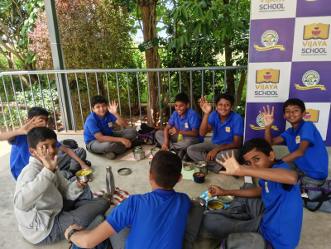
I was reminded of this during the recent inter-grade sports matches. High school captains coached younger students, guiding them not only on techniques but also on teamwork and sportsmanship. On the surface, it was play, beneath it was practice. Students were learning to give feedback, accept corrections and adjust strategies- exactly the skills we later expect in academic peer reviews or group projects.
This foundational practice shows up in everyday school life. Picnic lunches, where children sit together and share food, become spaces for perspective- taking. Student- led events serve as rehearsals for decision-making, negotiations, and responsibility. Even simple collaborative classroom responsibilities like arranging books, organizing bulletin boards, may seem routine, yet they cultivate habits of cooperation and shared accountability.
These practices may seem ordinary, but they are powerful examples of Vygotsky’s zone of proximal development: low-stakes, scaffolded opportunities where learners stretch just beyond their comfort zones, supported by peers. Such “low- hanging” practices are not merely warm-ups- these are essential foundations for higher- order, critical tasks.
Three questions for you…
What would shift in the classrooms if we treated peer-led, low stakes practices as essential rehearsals, as seriously as we treat academic practices?
How can we make students’ collaborative learning visible and celebrate small wins so they recognize progress, not just grades?
Are we patient enough to let small, scaffolded experiences take root and grow into lasting capacities before demanding advanced cognitive work?
Dr Shreelakshmi Subbaswami, Alumni and Academic Director, Vijaya School Hassan, Karnataka
Showcase: Thrive Beyond School – A unique STEAM education project for very young learners.
The children explored how dinosaurs lived in different habitats by first observing images of deserts, jungles, and coastal areas from the Mesozoic Era. They discussed how animals needed the right climate to survive, making connections to examples like polar bears in the Arctic and camels in deserts. Each child then created their own mini dinosaur terrarium using soil, sand, rocks, plants, and toy dinosaurs to represent habitats such as hot deserts, wet jungles, and coastal areas. With the help of heat lamps and spray bottles, they investigated how temperature and humidity affected these environments, measuring and recording their findings with gauges.
Samyuktha & Havishka: 7 years 5 months old
Tashi & Mayra: 7 years old

Dinosaur DNA Extraction Simulation
The activity began with a thought-provoking question: “What makes you different from your friends?” The children shared meaningful responses—Neev said “our likes,” Mayra said “identity,” Samyuktha said “dislikes,” Tashi said “feelings,” and Havishka said “different names.” When asked, “Why do you have your hair, your smile, or your favorite taste?” Mayra thoughtfully replied, “we all are different and we all like different things.”
Before introducing the concept of DNA, the teacher asked if the children had heard of it before. Mayra explained that it is “something inside our body that helps us to do something,” while Havishka described it as “a special password in our body,” giving the example that even a strand of hair could reveal that password if tested.
During the banana DNA extraction, the children learned that DNA is like a special recipe or instruction book inside every living thing, guiding growth and traits. Through the experiment, they discovered how soap breaks open cells, salt helps the DNA clump together, and alcohol makes it visible. By mashing the banana, filtering the mixture, and carefully adding chilled rubbing alcohol, they observed white, stringy, cloudy material rising into the alcohol layer this was the banana’s DNA.
Samyuktha & Havishka: 7 years 5 months old
Tashi, Neev & Mayra: 7 years old

Pooja Khatter, facilitator, Thrive
Dear reader,
I work with the school leadership team as an advisor and collaborate with teachers as a pedagogical trainer. I also help parents as a parenting counselor and regularly engage one-on-one with students as a personal guide and mentor. This weekly newsletter shares what I read, learn, and experience.
3-2-1 Tuesdays with Ms. Niv is a newsletter you can subscribe to and enjoy your learning journey with me.
3-2-1 Tuesdays with Ms Niv

Issue #270, 9th September 2025
Are we raising kids for ‘now’ instead of ‘yet’? the power of ‘not as yet’ v/s F (Failed) or ‘needs improvement’ is life alterning for students as it calls for a shift of mindset. Have you experienced it as a teacher or parent? have you tried it in your conversations with the child or in in your class report card? Let us praise wisely, reward for efforts, strategy and progress, get smarter over time tackling challenges beyound their comfort zones. For 21st century challenges are anything but known or easy. That’s the world our children and students going to enter and live in. Effort and difficulty must make us feel smarter, as that is when we make new neurons and brain connections. Struggle should not make us or our children feel dumb. Let us together create spaces filled with ‘yet’.
This is a free newsletter. If you like my content, please subscribe by entering your email address here.
Three Images of the Week
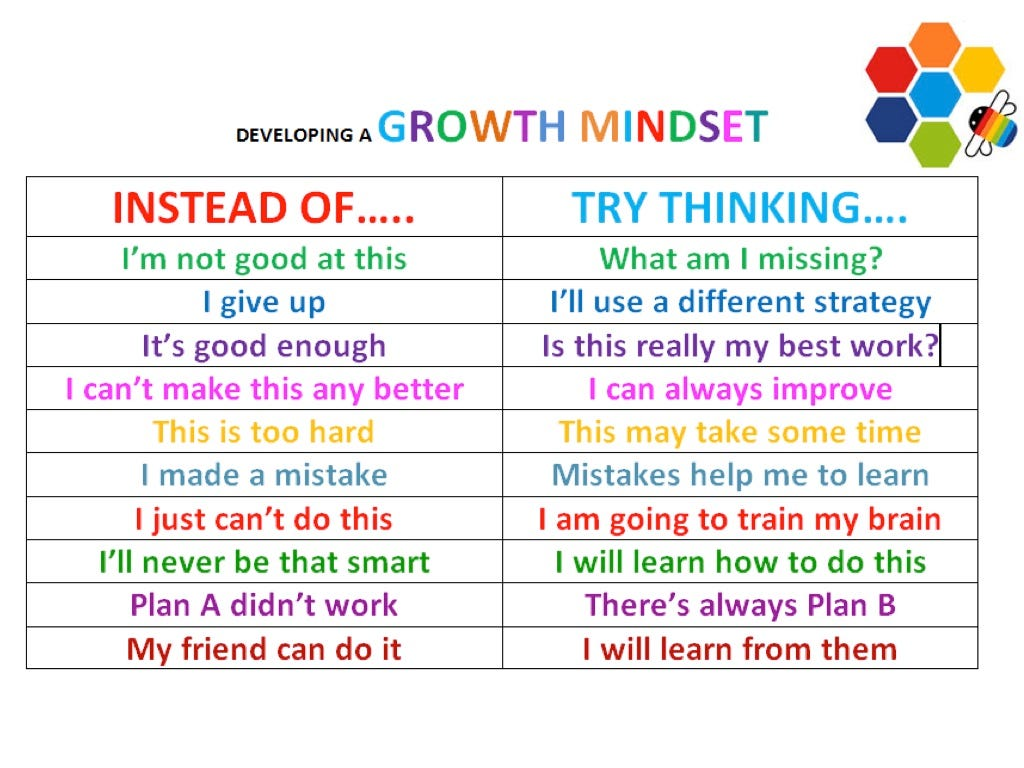
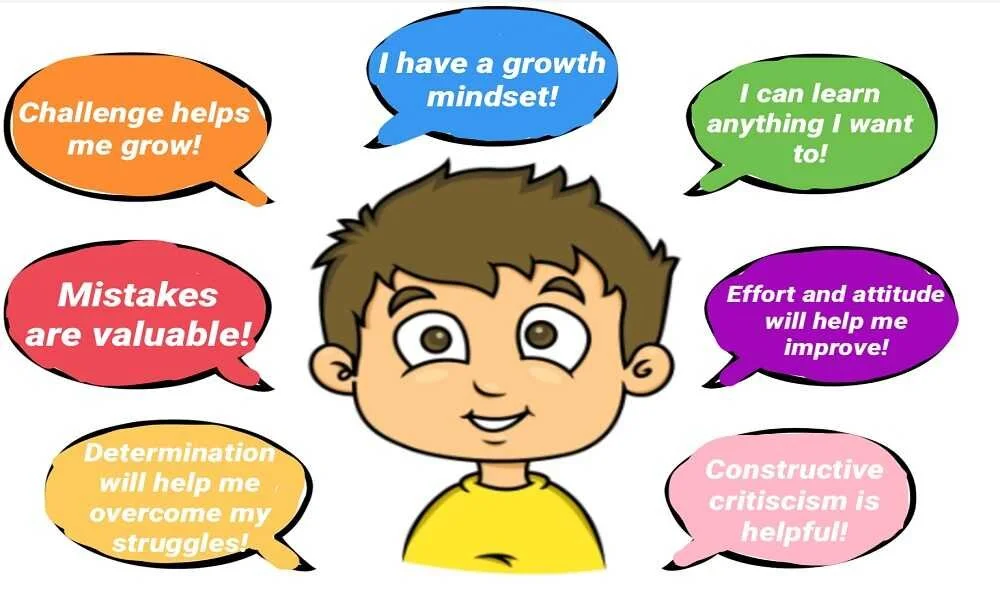
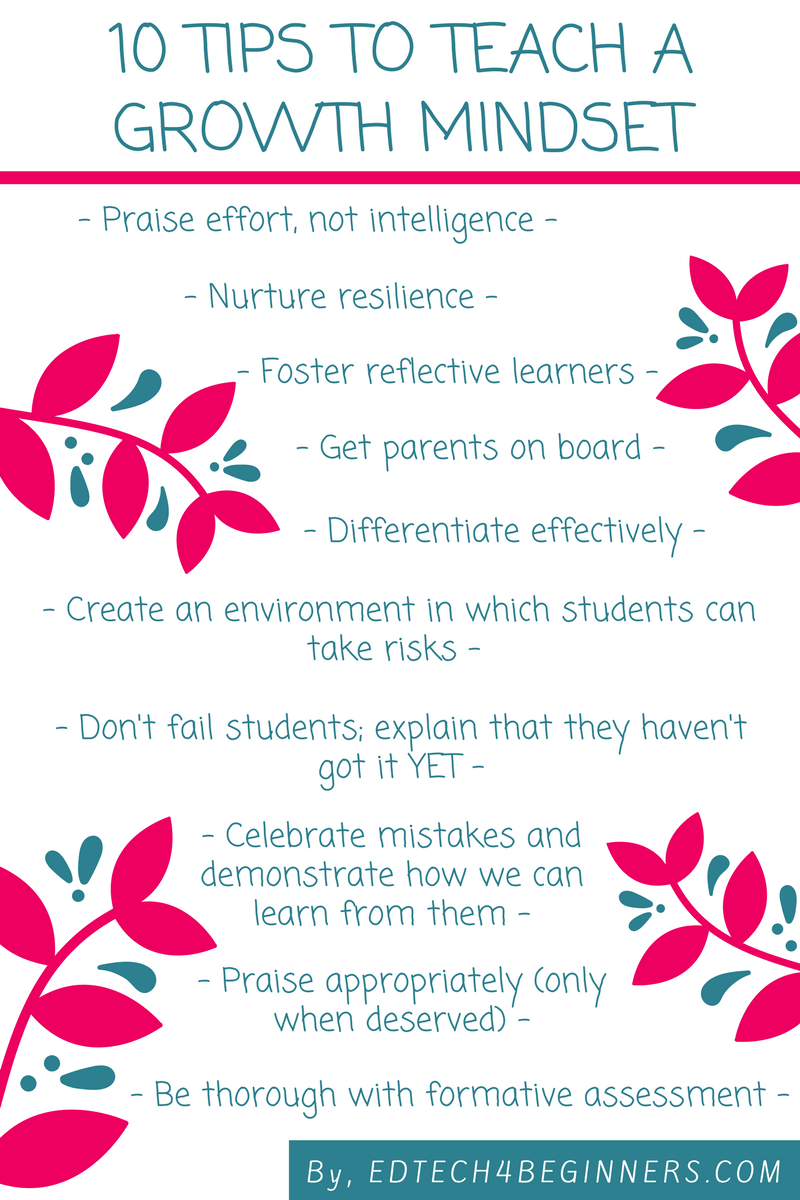
Two Thoughts of the Week
“You have brains in your head. You have feet in your shoes. You can steer yourself in any direction you choose.” – Dr. Seuss
“It does not matter how slowly you go as long as you do not stop.” – Confucius
One Video of the Week
Carol S. Dweck is a leading researcher in the field of motivation and is the Lewis and Virginia Eaton Professor of Psychology at Stanford. Her research focuses on why students succeed and how to foster their success. More specifically, her work has demonstrated the role of mindsets in success and has shown how praise for intelligence can undermine students’ motivation and learning. She has also held professorships at and Columbia and Harvard Universities, has lectured to education, business, and sports groups all over the world, and has been elected to the American Academy of Arts and Sciences and the National Academy of Sciences.
She recently won the Distinguished Scientific Contribution Award from the American Psychological Association, one of the highest awards in Psychology, as well as six other lifetime achievement awards. Last Spring, the White House held an conference on her work and both President Obama and Michelle Obama refer to her work in their speeches on education. Her work has been prominently featured in such publications as The New Yorker, Newsweek, Time, The New York Times, and The London Times, and the Manchester Guardian, with recent feature stories on her work in the San Francisco Chronicle and the Washington Post, and she has appeared on such shows as Today, Good Morning America, NPR’s Morning Edition, and 20/20.
Her bestselling book Mindset (published by Random House) has been widely acclaimed and has been translated into over 20 languages.
Reading with Ms. Meenu: Tip of the week
Phrase Making and Sentence Building from 2 to 3 years
By the time kids reach 24 months, their vocabularies have doubled in size, and they begin pairing words to create two-word phrases and sentences, such as want ball. They may say up to three hundred words and understand even more. They are watching, copying what their playmates are doing and may even (gasp!) share their toys a bit. At this point, your little one’s conceptual understanding may be taking off.
In choosing and sharing books, keep in mind that while there’s a time and place for longer children’s literature, you shouldn’t overlook the power of five-minute stories read on a regular basis. It’s not the length of the story but the cumulative impact of engaging with you and with print and oral language that enriches a child’s life and skills. Many of us learn to love short, colorful books because they can be read in a minute. Knowing that you can make an impact in a minimal amount of time gives many parent the nudge they need to read to their child in the moment, versus putting it off in the hope of finding the “perfect” time. Once you get started, you can always do repeated reading of the same books (toddlers love and benefit from repetition) or read multiple short stories.
Book behavior, Print Awareness and Writing:
· Enjoys looking at books independently
· Pretends to rea familiar books
· Recalls book characters and straightforward storylines
· Recognizes logos in the environment (e.g., McDonald’s)
· Identifies a letter or letters in their own name
· Points to and discusses pictures in books
· Scribbles with intentional circles and dots
Happy Reading!
- Meenu Gera, Consulting home and school librarian reading guide
Career assessment, guidance, and placement strategies:
If you’re a student currently in Grade 11 and planning to apply to universities abroad, you’re at a critical point in your academic journey. With around 10 months before applications open, this is your window to showcase who you are beyond your grades. College admissions teams are not just looking for academic scores—they’re looking for potential, personality, and purpose.
Here are 8 things students can do to strengthen their profile for college admissions:
- Make a list of all co-curricular activities the student has participated in since Grade 9.
- Categorize these activities into hobbies and skills to better understand areas of interest and development.
- Identify the purpose of each activity—whether it stems from interest, showcases leadership, reflects passion, or highlights academic achievement.
- Focus on long-term engagement, as consistency and sustained involvement demonstrate commitment and depth.
- Pursue meaningful activities, such as:
- Learning a skill (e.g., baking, writing)
- Nurturing a talent (e.g., music, art, sports)
- Completing online courses to deepen academic goals
- Giving back to the community through volunteering or service
- Learning a skill (e.g., baking, writing)
- Shortlist key activities—especially if the list is long—that showcase academic interest, leadership, and community service. Aim to develop these over the next 25 weeks.
- Create a LinkedIn profile to begin building a personal brand and professional presence online.
- Demonstrate key traits that universities value, such as problem-solving, risk-taking, leadership, perseverance, and consistency.
Building your profile is not about doing “more”—it’s about doing things that matter, and doing them with purpose and consistency. You already have a story—now is the time to sharpen it and show the world who you are and who you’re becoming.
Fermata Career Solutions inspires young individuals aged 13 to 30 to unlock their potential through focused and customised career and college counseling. With expertise in University Readiness, CareerGym, and Master Parenting, the experts empower you to pursue your dreams and shape your future with confidence. More about us on http://www.fermata.com
I Think, I Wonder, I Ask
When Translation Sparks Bigger Questions: Reflections from a Reading Session
Continuing my reflections on Booker Prize- winning literature and the relevance of Heart Lamp to students from last week’s blog, this week my thoughts return to a moment that surprised me during a discussion at my school on Deepa Bhasti’s approach to its translation.
As we explored the book, we observed how Deepa’s translation did more than carry words across languages- she carried worlds. Unlike many translators who smoothen cultural edges for “global” readers, Deepa preserved the rhythm, nuance and texture of the original Kannada stories. Her choice not to italicize Kannada words was striking.
After the reading, a student asked, “Does using Kannada or any local language words in English essays make us less global?” A simple question opened the door to a rich discussion on translation, authenticity and how we perceive the “other”. That question grew into a larger reflection: Why do we learn languages- especially foreign ones? Is it only to fit into the global economy, to grow businesses, or to become market-ready global citizens? Or can languages be bridges of connection, shaping how we perceive and understand new people, places and cultures? Do we compare and rank what we encounter, or can we approach differences with humility- connecting across them and enriching our own lives in the process?
For me, this was the moment when a reading session became more than reading- it became a mirror, a provocation, a hook for deeper dialogue. For students, such moments urge them to question and shape the kind of global citizens they wish to become. For adults, they remind us to pause and reflect on how we live in a diverse world. And for educators, they are a call to reimagine education- not merely as preparation for jobs and economies, but as preparation for life with people and planet.
Three questions for you…
How does reading literature from another culture change the way you see your own?
How can we design learning experiences that honor students’ cultural roots while also preparing them to engage meaningfully with the wider world?
When we encounter differences- in language, culture or even nature- do we compare to decide what’s “better”? or do we seek connection and mutual respect?
- Dr Shreelakshmi Subbaswami, Alumni and Academic Director, Vijaya School Hassan, Karnataka
Dear reader,
I work with the school leadership team as an advisor and collaborate with teachers as a pedagogical trainer. I also help parents as a parenting counselor and regularly engage one-on-one with students as a personal guide and mentor. This weekly newsletter shares what I read, learn, and experience.
3-2-1 Tuesdays with Ms. Niv is a newsletter you can subscribe to and enjoy your learning journey with me.
 Nivedita Mukerjee