Nivedita Mukerjee
Education consultancy for parents and schools
3-2-1 Tuesdays with Ms Niv

Issue #259, 24th June 2025
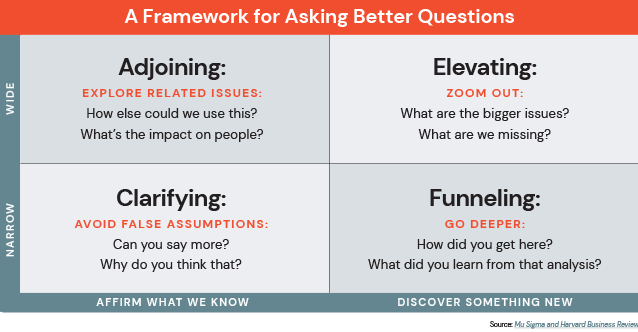
What kinds of questions did you ask today in your conversations? Parents, students, teachers? There are some tips for each of us about asking effective and non-effective questions. Here’s a quick check on your own style:
Parent:
- Effective: “What was the most challenging part of your math homework today, and how did you work through it?”
- Non-effective: “Did you do your homework?”
Student:
- Effective: “I’m struggling with how photosynthesis connects to cellular respiration – could you help me understand the relationship between these two processes?”
- Non-effective: “I don’t get this. Can you just tell me the answer?”
Teacher:
- Effective: “What patterns do you notice in these historical events, and what might have caused them to unfold similarly?”
- Non-effective: “Who can tell me what happened in 1776?”
This is a free newsletter. If you like my content, please subscribe by entering your email address here.
Three Images of the Week


Two Thoughts of the Week
When you ask questions, you send your constituents on mental journeys. – James M. Kouzes and Barry Z. Posner
Computers are useless, they only give you answers. – Picasso
One Video of the Week
The key to deeply connecting with others is about more than just talking — it’s about asking the right kinds of questions, says journalist and author Charles Duhigg. He explores research-backed tools to have more meaningful conversations, sharing a simple yet powerful approach to transform how you communicate.
Reading with Ms. Meenu: Tip of the week
Signs help solve problems:
What’s the purpose of signs, let’s get started by getting your class to think about what would happen if there were no signs. Joan Holub’s picture book Runaway Signs (2020) is a humorous take on just such a scenario. When the signs take a vacation, there is chaos everywhere. No one knows where it is safe to cross the street, where the library is, when the stores are open and even the road crew can’t find where to do their road work. Predictably the only sign that won’t take a break is CAUTION! Let’s set up the same concept by asking our students what would happen in your school if all the signs went on vacation or there were no signs. Students have to all memorize where the gym, learning center and health office are but about a visitor or new student?
It makes sense to have your students dig deeper in a new genre before we ask them to write in it. And this is easy to do right away as schools are full of signs. Go on a sign walk; explore your classroom hallway or school with your class to notice signs. Because sign makers anticipate questions, help your students to figure out which question each sign answers. You could help them start by listing the following.
· Signs for room names or supply labels answer: What is this?
· Signs with school rules or classroom norms answer: How are people supposed to act here?
· Signs like EXIT or Keep Right on the Stairs answer: Where do I go?
· Signs like Family/Teacher Conferences next week and Poetry Breakfast on Monday answer: What special event is coming and when will it happen?
Once your students begin to notice signs, you can help them dig deeper and identify both the purpose of each sign and how the message is conveyed. Ask questions like, “Are the signs long or short?” or What symbols or pictures do they use”? By now they will be ready to sort signs into the types of signage described next.
Happy Reading!!
Meenu Gera
Consulting home and school librarian reading guide
Career assessment, guidance, and placement strategies:
Article 3 -Careers in Transportation, Logistics, and Distribution
Transportation occurs through various modes, including roadways, pipelines, air, rail, and waterways. Individuals in these roles are responsible for planning, managing, and executing the movement of people and goods. Professionals in this field include pilots, air traffic controllers, automotive technicians, bus drivers, and ship captains. They are also involved in the maintenance and repair of vehicles and transportation systems.
Career pathways in this sector include Logistics Planning and Management, Sales and Service, Transportation Operations, and Warehousing and Distribution.
International Job Roles & Average Salary per annum
| Airline Pilots, Co-pilots & Flight Engineers $200k | Air Traffic Controllers $ 125k | Commercial Pilots$115k |
| Captains, Mates & Pilots of Water Vessels$100k | Ship Engineers$95k | Logisticians$80k |
| Logistics Engineers$80k | Logistics Analysts$80k | Locomotive Engineers$75k |
| Aircraft Mechanics & Service Technicians$70k | Avionics Technician$70k | Electrical, Electronics Installers & Repairers, Transport Equipment$70k |
| Gas Compressors & Gas Pumping Station Operators$67K | First Line Supervisors of Helpers, Laborers& Material Movers$60k | Flight Attendants$63k |
| Aircraft Cargo Handling Supervisor$60k | Rail Car Repairers$60k | Mobile Heavy Equipment Mechanics$57k |
| Sailors & Marine Oilers$57k | Airfield Operations Specialist$55k | Bus & Truck Mechanics & Diesel Engine Specialist$55k |
| Automotive Service Technicians & Mechanics $50k | Heavy & Tractor Trailer Truck Drivers$50k | Bus Drivers, Transit & Intercity$50k |
| Cargo & Freight Agents$48k | Freight Forwarders$48k | Motorboat Operators$45k |
| Automotive Glass Installers & Repairers$40k | Billing & Posting Clerks$42k | Bridge & Lock Tenders$45k |
| Ambulance Drivers & Attendants$ 30k | Automotive & Watercraft Attendants$30k |
What Employers Look For
| Attitude | Skills | Knowledge |
| Adaptable | Active Listening & Speaking | High School Diploma |
| Customer Centric | Oral Expression | Degree |
| Public Safety & Security | Problem Solving | Vocational Qualification |
| Analytical |
The career counselors at Fermat specialize in Profile Building and College Essays. More about us on www.fermataco.com
Dear reader,
I work with the school leadership team as an advisor and collaborate with teachers as a pedagogical trainer. I also help parents as a parenting counselor and regularly engage one-on-one with students as a personal guide and mentor. This weekly newsletter shares what I read, learn, and experience.
3-2-1 Tuesdays with Ms. Niv is a newsletter you can subscribe to and enjoy your learning journey with me.
3-2-1 Tuesdays with Ms Niv

Issue #258, 17th June 2025
Where does your child/student play? how much time in your school timetable/home-weekend routine is allocated for outdoor, free, unstructured play? Is the playground natural/nature based or sterile, rubber and metal structure? Last week celebrated international day of play, where did your child/student play?
Here are three natural, easy, and affordable features you can add to create a nature-based playground:
Log Balance Beams and Stepping Stones using fallen tree logs or large rocks arranged at ground level for balance challenges. Simply place them strategically to create paths, balance beams, or stepping stone patterns. They develop gross motor skills and spatial awareness naturally.
Digging and Sand Play Area by designating a section for digging with basic tools like small shovels and buckets. Kids can dig, build, and explore textures while developing fine motor skills and creativity. This connects them directly with earth elements and costs very little beyond the initial setup.
Natural Climbing Structure by creating climbing opportunities using sturdy tree branches, large rocks, or a simple mound of dirt covered with grass. Alternatively, pile up logs or rocks to form climbing challenges. This builds strength, coordination, and problem-solving skills while keeping children engaged with natural materials.
The idea is to encourage unstructured play, connect children with nature, which can be implemented with minimal cost using locally available materials. They also require little maintenance once established and blend naturally into the landscape.
Happy International Day of Play!
This is a free newsletter. If you like my content, please subscribe by entering your email address here.
Three Images of the Week


Two Thoughts of the Week
“Children engage in [free] play because they enjoy it – it’s self-directed. They do not play for rewards; they enjoy the doing, not the end result. Once they get bored, they go on to do something else – and continue to learn and grow.” – Sheila G. Flaxman
“In every real man a child is hidden that wants to play.” – Friedrich Nietzsche
One Video of the Week
Designing playgrounds for happier, healthier kids | Sarah Werner Konradi | TEDxMileHigh
Imagine a playground. You’re probably thinking of hard plastic and rubber, right? Modern playgrounds are boring and sterile and have so little to offer for child development. Landscape architect Sarah Werner Konradi has a better idea. Sarah Konradi is a landscape architect working at the intersection of design, conservation, and health.
As Program Director of the National Wildlife Federation’s Early Childhood Health Outdoors program, Sarah works with underserved communities to re-envision outdoor spaces used by children and families, creating playgrounds that support child development and connection to the natural world.
Sarah lives with her German husband, 9-year-old son, and a cat named Chuck Norris. She is an amateur meteorologist, obsessively following the weather forecast.
Reading with Ms. Meenu: Tip of the week
Show Us a Sign:
Why Study Signage?
Signs play a vital role in our daily lives. Even before students can read words, they know that octagonal red signs mean stop. We teach children waiting to cross the street to look for the white or green walking figure as their cue to step into the crosswalk. Do they wonder what happened in your neighborhood before they lived there? Historic markers provide details that help us connect the present with the past. Maps help us get where we want to go. From the time we are young, signs are a part of our visual landscape and help us mediate our daily lives. In fact, they signal to us where to go, what to do when something will happen, and help us develop a deeper understanding of an event or place. Creating signage requires our young writers to consider audience, purpose and voice, and make decisions about using tools of visual literacy such as icons, arrows, bullets, maps and other types of graphic design elements to communicate effectively and efficiently. Since many of these are already a part of the literacy curriculum, making signs provides an engaging opportunity to apply these writing techniques in authentic ways. Studying signage as a genre requires readers to figure out the message created by a combination of words and images. It’s also a great way for young writers to use short text to problem solve about purpose and think carefully about ways to reach their audience. Because signs are relatively short, involve graphic elements and images and are used for authentic purposes in familiar settings, studying and creating signs offers multiple entry points for students. Not only will making signs provide students with new literacy experiences, doing so will also empower them to contribute to their school community in authentic and significant ways.
Happy Reading and stay tuned until next week to know more about how signs can solve problems!
Meenu Gera
Consulting home and school librarian reading guide
Despite all odds…
(posting it again in this week’s newsletter from last week as many of the readers could not access it)
Can’t fly a plane? Build one.
Not traveled? Become a diplomat.
Struggled in the 10th? top in 12th.
Vidya Stars – In Conversation with Nivedita: Meet Khushi, Rinkesh and Shikha. Stars of 2025 scoring well above 90% and realising their dreams despite all odds. About VIDYA, a school for children from underprivileged backgrounds.
Home
Know more about VIDYA by visiting : https://vidya-india.org/
Dear reader,
I work with the school leadership team as an advisor and collaborate with teachers as a pedagogical trainer. I also help parents as a parenting counselor and regularly engage one-on-one with students as a personal guide and mentor. This weekly newsletter shares what I read, learn, and experience.
3-2-1 Tuesdays with Ms. Niv is a newsletter you can subscribe to and enjoy your learning journey with me.
3-2-1 Tuesdays with Ms Niv

Issue #267, 10th June 2025
“When a lesson fails or students struggle, do I see it as a problem to solve or a reason to give up?” This reveals whether as a teacher you view setbacks as learning opportunities or personal failures, which directly impacts your resilience in the classroom.
“When my child faces disappointment or failure, do I rush to fix it for them or help them work through it?” This shows whether as a parent you’re building their resilience or inadvertently weakening it by removing all obstacles.
“When something gets difficult, is my first instinct to quit or to try a different approach?” This indicates whether as a student you’ve developed the persistence needed for long-term learning and growth.
Suggested here are ways to check and build your mental toughness whether you are a teacher, parent, student.
This is a free newsletter. If you like my content, please subscribe by entering your email address here.
Three Images of the Week


Two Thoughts of the Week
“Nothing can stop the man with the right mental attitude from achieving his goal; nothing on earth can help the man with the wrong mental attitude.” – Thomas Jefferson
“It is not the mountain we conquer but ourselves.” – Edmund Hillary
One Video of the Week
Joe Risser MD, MPH has been doing clinical research for over 40 years. In this insightful talk, he shares important recent findings, with examples and evidence of how anyone can improve their mental toughness. TeamHoodWorldRecords.medium.com #Grit#Plank#MentalToughness#Yoga#Clinical Research #TEDxSanDiego#TEDx#TEDxSpeaker Dr. Joe Risser is a Professor in the Department of Preventive Medicine at UC San Diego and a board-certified physician in Preventive Medicine. With over 40 years of research experience, Joe has pioneered studies on therapies, diagnostics, and behavior change strategies. He chairs the first Department of Clinical Research in one of over 15,000 community clinics in the U.S., serving vulnerable populations. Joe also holds a master’s in Biostatistics, completing his education and residencies at the University of Hawaii and UC San Diego. His lifelong passion lies in studying mental toughness, or “grit,” and its profound connection to the protein Brain-Derived Neurotrophic Factor (BDNF). Joe unveils groundbreaking research on BDNF, sharing the life-saving stories of two extraordinary individuals who embody extreme mental and physical resilience. Joe reveals how anyone can strengthen their mental toughness, making a tangible difference in their lives. http://teamhoodworldrecords.com This talk was given at a TEDx event using the TED conference format but independently organized by a local community. Learn more at https://www.ted.com/tedx
Reading with Ms. Meenu: Tip of the week
Beyond the words themselves: Adding visual cues to strengthen meaning
As we know more about the Word Stones let’s plan word stones can be an opportunity for learning about graphic design. Students can probably describe some of their favorite logos, icons and T-shirts. Ask your students about which fonts catch their eye. Which fonts might they use to convey Christmas or Diwali words? To create a mood? They probably already know that a message in all capital letters implies shouting – how might a particular font help convey the meaning of whisper on a word stone? The size of the word can also send a message; if students fill the whole space of a stone with words “large” and “tiny” that might be found in a small corner of the stone, they begin to see the artistic and symbolic power of visual literacy. Do use books featuring concrete poetry like Meow Ruff(Sidman 2006) or A Poke in the I (Jeneczko 2001) to help students get a sense of how these decisions support meaning. Color wheels, font charts and other tools of graphic design will enable your students to study all the variables that visual artists consider to grab our attention and send a message. These examples of graphic design can be found in all the graphic novels. Here is an example of Word stones with different fonts and colors.

Happy Reading!
Meenu Gera
Consulting home and school librarian, reading guide
Despite all odds…
Can’t fly a plane? Build one.
Not traveled? Become a diplomat.
Struggled in the 10th? top in 12th.
Vidya Stars – In Conversation with Nivedita: Meet Khushi, Rinkesh and Shikha. Stars of 2025 scoring well above 90% and realising their dreams despite all odds. About VIDYA, a school for children from underprivileged backgrounds.
Home
Know more about VIDYA by visiting : https://vidya-india.org/
Dear reader,
I work with the school leadership team as an advisor and collaborate with teachers as a pedagogical trainer. I also help parents as a parenting counselor and regularly engage one-on-one with students as a personal guide and mentor. This weekly newsletter shares what I read, learn, and experience.
3-2-1 Tuesdays with Ms. Niv is a newsletter you can subscribe to and enjoy your learning journey with me.
3-2-1 with Ms Niv: Unlocking Student Potential

Issue #256, 3rd June 2025
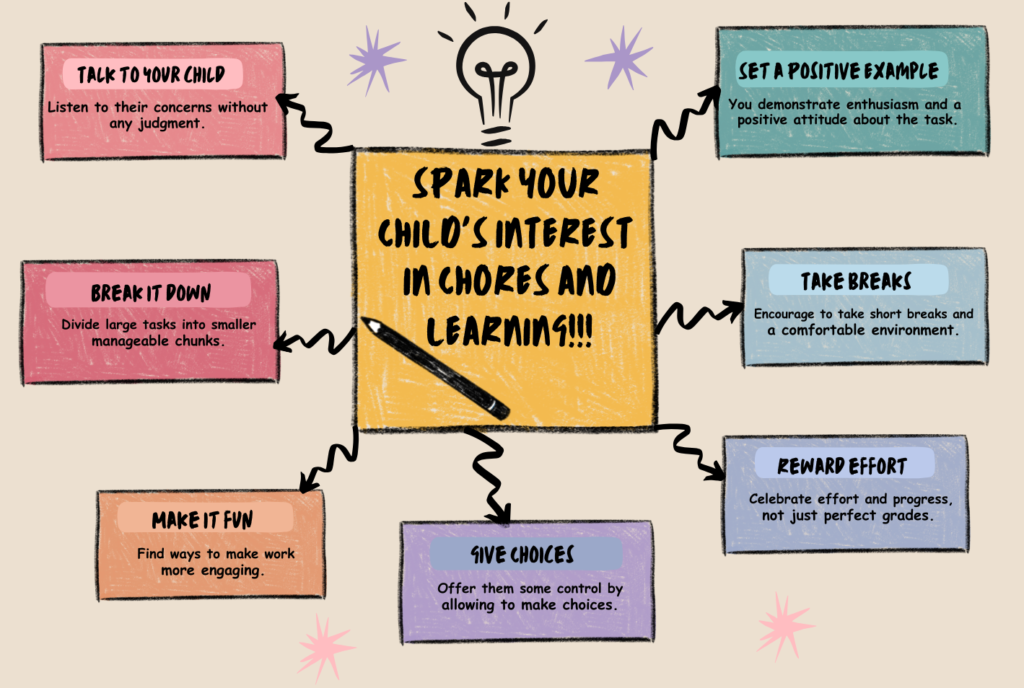
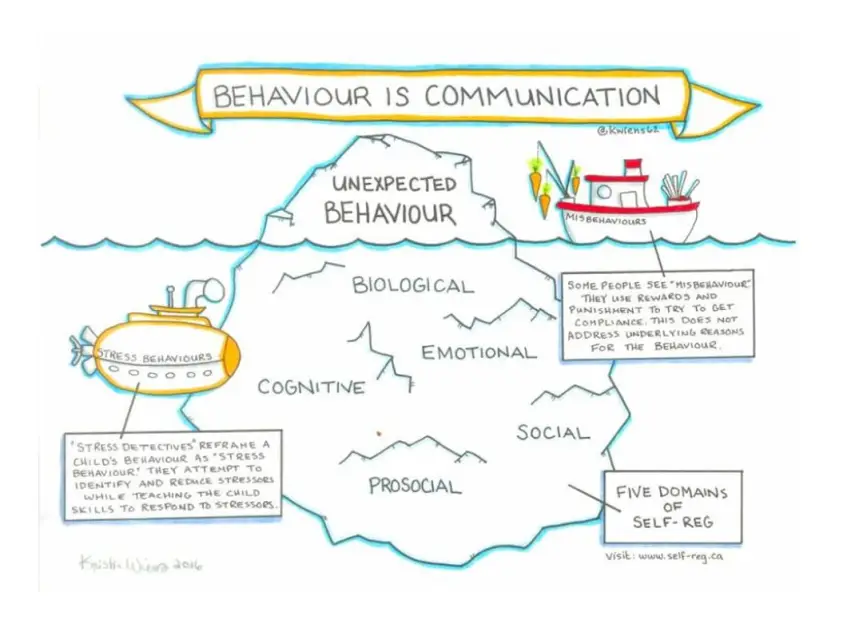
When children with potential fail, is it their fault? Their teacher’s or their parent’s? What could possibly be holding them back from their potential? Does high potential always translate to high achievement? What could be some of the reasons that come between potential and achievement?
Mismatched Learning Environment The teaching methods, pace, or classroom structure may not align with how the child learns best.
Emotional and Social Factors Anxiety, low self-esteem, peer pressure, or social difficulties can significantly impact academic performance. A child who fears failure might avoid challenging tasks, while another might underperform due to family stress, bullying or feeling socially isolated.
Unidentified Learning Differences Conditions like ADHD, dyslexia, and processing disorders often go unrecognized. Intelligent children may develop coping strategies that mask their struggles.
Lack of Appropriate Challenge and Engagement When schoolwork is too easy, gifted children may become bored. They may also become disengaged. These children can develop poor study habits since they’ve never had to work hard. Conversely, if suddenly faced with challenging material without proper preparation, they may encounter academic difficulty for the first time. They may lack the resilience or strategies to push through.
Perfectionism and Fear of Failure Many high-potential children develop perfectionist tendencies that become paralyzing. They may avoid taking risks, procrastinate on assignments, or become so focused on producing perfect work that they fail to complete tasks. This perfectionism often stems from always being praised for being “smart” rather than for effort and growth.
Let us give it some thought. And don’t miss the TED talk in this issue by the gifted child with ADHD diagnosis.
This is a free newsletter. If you like my content, please subscribe by entering your email address here.
Three Images of the Week

Two Thoughts of the Week
“Presuming that a nonspeaking child has nothing to say is like presuming that an adult without a car has nowhere to go.”
― Ellen Notbohm, Ten Things Every Child with Autism Wishes You Knew
“Embrace the unique way your child is blooming — even if it’s not in the garden you imagined.”
― Jenn Soehnlin, Embracing This Special Life
One Video of the Week
Jessica McCabe tell us the story of her life. Once a gifted child with bright future, who later lives a life of a constant failures, because one thing – her ADHD diagnosis. Until one thing changed everything and she realized, that she is not alone. Her Youtube channel HowtoADHD is dedicated to help not only people with ADHD, but also their parents, partners a teachers and to remind them, that they are not alone. Jessica is the author of popular YouTube series How to ADHD focused on educating and supporting ADHD brains around the world.
Reading with Ms. Meenu: Tip of the week
Word Gardens:
What is a Word Garden?
If you’ve played around with magnetic poetry, then you’ve already got the idea of a word garden. Imagine the words on stones, blocks of scrap wood, painted jar lids, or other materials placed in a corner of your playground, a bed of gravel, or any available space. The words might be painted, etched, or written on the stones with chalk or a marker – the result provides many options for wordplay and learning. Like magnetic poetry, students enjoy moving these words around, but word gardens invite participation far beyond the physical task. Your students can leave messages, create poetry, start a discussion, make a joke and just about everything else you can do with words. Deciding which words go together allows students to generate ideas, but they also delight in finding poetry, humor and thoughts from the words that are serendipitously next to each other, creating found poetry.
Logistics: How to make a Word Garden
The beauty of a word garden is that once you have a space, you can launch one simply by finding smooth stones, pieces of wood (sanded), metal jar lids, other smooth surfaces and a box of chalk. Because chalk is a temporary medium, it offers the benefit of allowing students to think of new words. You might keep a master list of words related to your curriculum and invite students to add more. And if it rains, they will be practicing spelling and handwriting by rewriting their favorite words! An added benefit of chalk is that it is erasable and forgiving of mistakes. Other mediums work too and are more permanent; some schools use permanent markers and others have used paint. Jar lids with a coat of paint can provide colorful backdrops for words written with bright colored markers.
We will continue further on more components of Word Gardens in upcoming weeks. Until then… Happy reading!
Happy Reading!
Meenu Gera
Consulting home and school librarian reading guide
Career assessment, guidance, and placement strategies:
Navigating the College Application Journey: 5 Ways Parents Can Empower Their Grade 12 Child
Grade 12 is a whirlwind of emotions, academic pressure, and big decisions, especially regarding college applications. You naturally want to help as a parent, but finding the right balance between support and overstepping can be tricky. This post offers five key tips on empowering your child to navigate this exciting yet sometimes stressful process with confidence and ownership.
- Foster Ownership: It’s Their College List
It’s easy to get caught up in our own aspirations for our children but remember: your child is the one who will be attending college, not you. Encourage them to take the lead in researching institutions and developing their college list.
- Guide Towards a Realistic & Balanced List
While fostering ownership is crucial, providing guidance on creating a realistic list is equally important. A well-rounded college list typically includes a mix of ‘reach,’ ‘target,’ and ‘safety’ colleges.
- Brainstorm Course and Major Choices Together
Encourage your child to think about their passions, strengths, and what subjects genuinely excite them. The goal here is to help them identify areas of study that spark their curiosity.
- Navigating the ‘Course vs. College Name’ Conundrum
For some students, the specific course or program they want to study is paramount, while for others, the prestige or reputation of the college holds more weight. This can be a point of discussion and gentle guidance.
- Be Present: The Power of Silent, Available, and Mindful Support
The college application process is emotionally charged. Your child will experience moments of excitement, frustration, anxiety, and perhaps even rejection. Your emotional support is invaluable.
The career counselors at Fermat specialize in Profile Building and College Essays. More about us on www.fermataco.com
In Conversation with Nivedita
He leads one of the best-known day schools in India. A school that is known for its amazing confluence of an International curriculum, local context, and sustainable design. A school that is decades old and yet, at the frontiers in not just digital learning for its own school community but in supporting other schools as well – modeling it themselves while leading and handholding other institutions.
In the historical town of Jodhpur that is steeped in heritage and culture, there is a quiet revolution going on in school education. At the helm of it is Vaibhav Doshi. An engineer by education and an educator by passion. Vaibhav, along with his sister Archita Tatia are the torch bearers who are showing by doing and sharing their vision and learning with the community of schools and school leadership teams. True to the name of the school, they are the Alma Mater. https://www.almamater.education/
Dear reader,
I work with the school leadership team as an advisor and collaborate with teachers as a pedagogical trainer. I also help parents as a parenting counselor and regularly engage one-on-one with students as a personal guide and mentor. This weekly newsletter shares what I read, learn, and experience.
3-2-1 Tuesdays with Ms. Niv is a newsletter you can subscribe to and enjoy your learning journey with me.
3-2-1 TUESDAYS WITH MS NIV

Issue #255, 27th May 2025
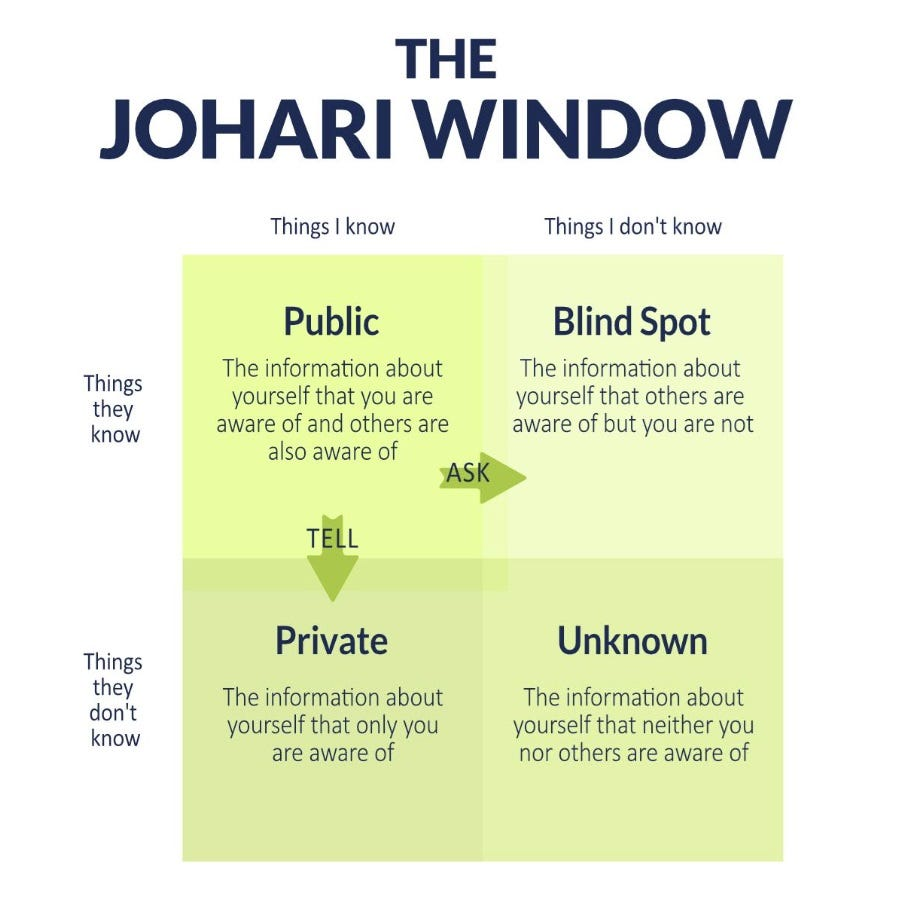
What are your blind spots? As a parent, educator, or student? How do you manage those biases that fester in your blind spot? Here are some ideas that might trigger your thoughts in that direction.
This is a free newsletter. If you like my content, please subscribe by entering your email address here.
Three Images of the Week


Two Thoughts of the Week
Because your brain uses information from the areas around the blind spot to make a reasonable guess about what the blind spot would see if only it weren’t blind, and then your brain fills in the scene with this information. That’s right, it invents things, creates things, makes stuff up! It doesn’t consult you about this, doesn’t seek your approval. It just makes its best guess about the nature of the missing information and proceeds to fill in the scene.
- Daniel Gilbert
Books are, at their heart, dangerous. Yes, dangerous. Because they challenge us: our prejudices, our blind spots. They open us to new ideas, new ways of seeing. They make us hurt in all the right ways. They can push down the barricades of ‘them’ & widen the circle of ‘us.
- Libba Bray
One Video of the Week
Dr Sasha Vassar invites audiences to rethink how information overload shapes perception, revealing how collaboration and fresh perspectives can unlock hidden insights. Where others see superfluity, Vassar recognises hidden patterns; turning the chaos of learning into something luminous. Award-winning researcher and educator Dr. Sasha Vassar bridges computer science, biomedical engineering, and pedagogy, pioneering generative AI tools to enhance learning.
And finally… against all odds
Bhadrasen Negi, VIDYA star alumni – In conversation with Nivedita He worked his way through many homes and realised his dream of becoming an engineer. Here’s an awe inspiring story of how an 8 year old boy from a shepherd family in remote Kinnaur village of Himachal is today leading a successful like of a husband, father and a computer scientist in Los Angeles.
Meet Bhadrasen Negi, Senior Application Developer at Los Angeles County, Los Angeles County Internal Services Department Long Beach, California, United States.
Dear reader,
I work with the school leadership team as an advisor and collaborate with teachers as a pedagogical trainer. I also help parents as a parenting counselor and regularly engage one-on-one with students as a personal guide and mentor. This weekly newsletter shares what I read, learn, and experience.
3-2-1 Tuesdays with Ms. Niv is a newsletter you can subscribe to and enjoy your learning journey with me.
3-2-1 TUESDAYS WITH MS NIV
Issue #254, 20th May 2025
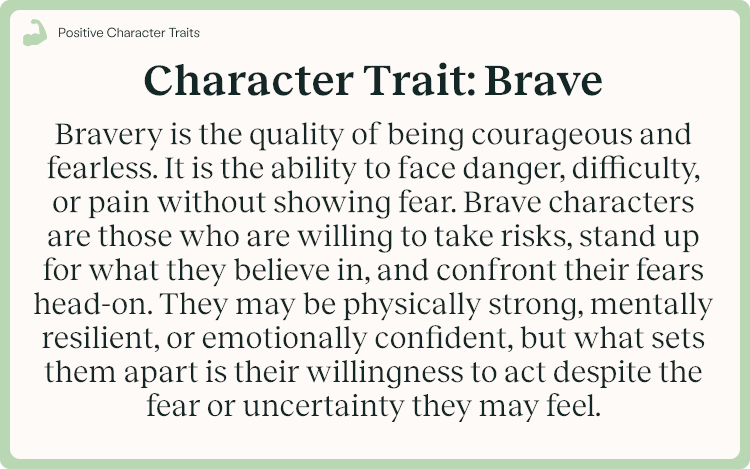
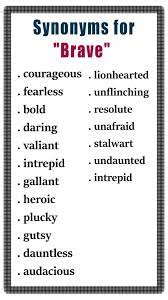
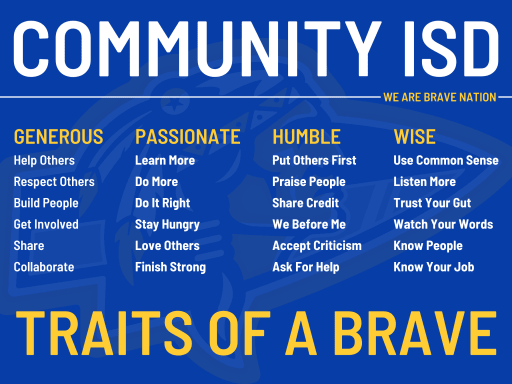
What is it to be brave? What does it look like in situations and what it is not? Mothers day just went by and as I reflected upon myself as a mother, my mother in law, my grand mother and quite a few other mothers that I have known and known of over the years and found many shades of bravery in a whole range of events that happened to happen in our-their lives. Here’s to bravery! Don’t miss the powerful ted talk in this issue to get some more perspective on the shades of ‘brave’.
“Kelly Corrigan’s TED talk “To Love Is to Be Brave” highlights the essence of bravery in family life. She recounts personal and observed moments of immense courage, emphasizing the importance of compassion, listening, and staying present amidst difficult circumstances. The ultimate act of bravery, she suggests, is letting go and allowing loved ones to navigate their own paths. The reward for such bravery is a profound human experience filled with selfless love and humble awe.”
This is a free newsletter. If you like my content, please subscribe by entering your email address here.
Three Images of the Week
Two Thoughts of the Week
“The real man smiles in trouble, gathers strength from distress, and grows brave by reflection.” Thomas Paine
“There isn’t a perfect mom, a perfect house, a perfect kid, a perfect life.
There’s just real.
And real is one mom after another after another after another who wakes in the morning and see those kids who call her mom and pulls herself up and tries.
She stumbles, but stands up.
She worries, but gives.
She loves.
She mothers.”
― Rachel Marie Martin
One Video of the Week
Family life often requires extraordinary bravery, from navigating the daily challenges to surviving the unexpected crises. Author and podcaster Kelly Corrigan offers profound wisdom (and seven key words) to help you focus in on what matters most.
Reading with Ms. Meenu: Tip of the week
A StoryWalk is a way to publish student writing:
You are already finding ways for your students to publish and share their writing and now you have another way to showcase their work. Plan to have each student select a poem from their poetry writing unit to post as a celebratory culmination. Or have them write silly short stories and display them outdoors. Just think of student generated story experiences as other ways to celebrate and enjoy their finished pieces outdoors or even down long school hallways or the wall of the school facing a playground. By doing this you are acknowledging the hard work of your student writers, getting kids outside and experiencing new connections between writing and setting.
StoryWalk connections to literacy development:
In addition to providing the authentic purposes for writing, revision and editing described above, other ways to develop reading and writing strategies and skills will emerge based on your student’s needs and interest.
· Reading aloud/fluency practice: Students who would benefit from repeated reading aloud might take groups of younger children on a guided tour of a StoryWalk. The repeated readings to a real audience would keep the experience fresh and authentic and help build fluency and expression for the host reader. This experience allows students to practice reading aloud, with focus on fluency and prosody, with an authentic purpose. They might read to families, their favorite adults in school, younger students or even friends and classmates.
· Ubiquitous sticky notes: The StoryWalk version! It has been a normal practice for a lot of librarians to use sticky note questions on some of the pages from any of their books. This is always done just to engage the readers in the story. Some of their notes ask readers to dive deeper into the story, and others ask them to apply what is happening in the story to their own lives. For example, At the end of a StoryWalk featuring “Mama Built a Little Nest” there might be hints for finding nests in nearby trees, or suggestions and materials for building your own.
Happy Reading!
Meenu Gera
Consulting home and school librarian reading guide
Career assessment, guidance, and placement strategies:
If you’re a student currently in Grade 11 and planning to apply to universities abroad, you’re at a critical point in your academic journey. With around 4 months before applications open, this is your window to showcase who you are beyond your grades. College admissions teams are not just looking for academic scores—they’re looking for potential, personality, and purpose.
Here are 8 things students can do to strengthen their profile for college admissions:
- Make a list of all co-curricular activities the student has participated in since Grade 9.
- Categorize these activities into hobbies and skills to better understand areas of interest and development.
- Identify the purpose of each activity—whether it stems from interest, showcases leadership, reflects passion, or highlights academic achievement.
- Focus on long-term engagement, as consistency and sustained involvement demonstrate commitment and depth.
- Pursue meaningful activities, such as:
- Learning a skill (e.g., baking, writing)
- Nurturing a talent (e.g., music, art, sports)
- Completing online courses to deepen academic goals
- Giving back to the community through volunteering or service
- Learning a skill (e.g., baking, writing)
- Shortlist key activities—especially if the list is long—that showcase academic interest, leadership, and community service. Aim to develop these over the next 25 weeks.
- Create a LinkedIn profile to begin building a personal brand and professional presence online.
- Demonstrate key traits that universities value, such as problem-solving, risk-taking, leadership, perseverance, and consistency.
Building your profile is not about doing “more”—it’s about doing things that matter, and doing them with purpose and consistency. You already have a story—now is the time to sharpen it and show the world who you are and who you’re becoming.
For career guidance, connect with Team Fermata, www.fermataco.com
Showcase: Thrive Beyond School – A unique STEAM education project for very young learners.
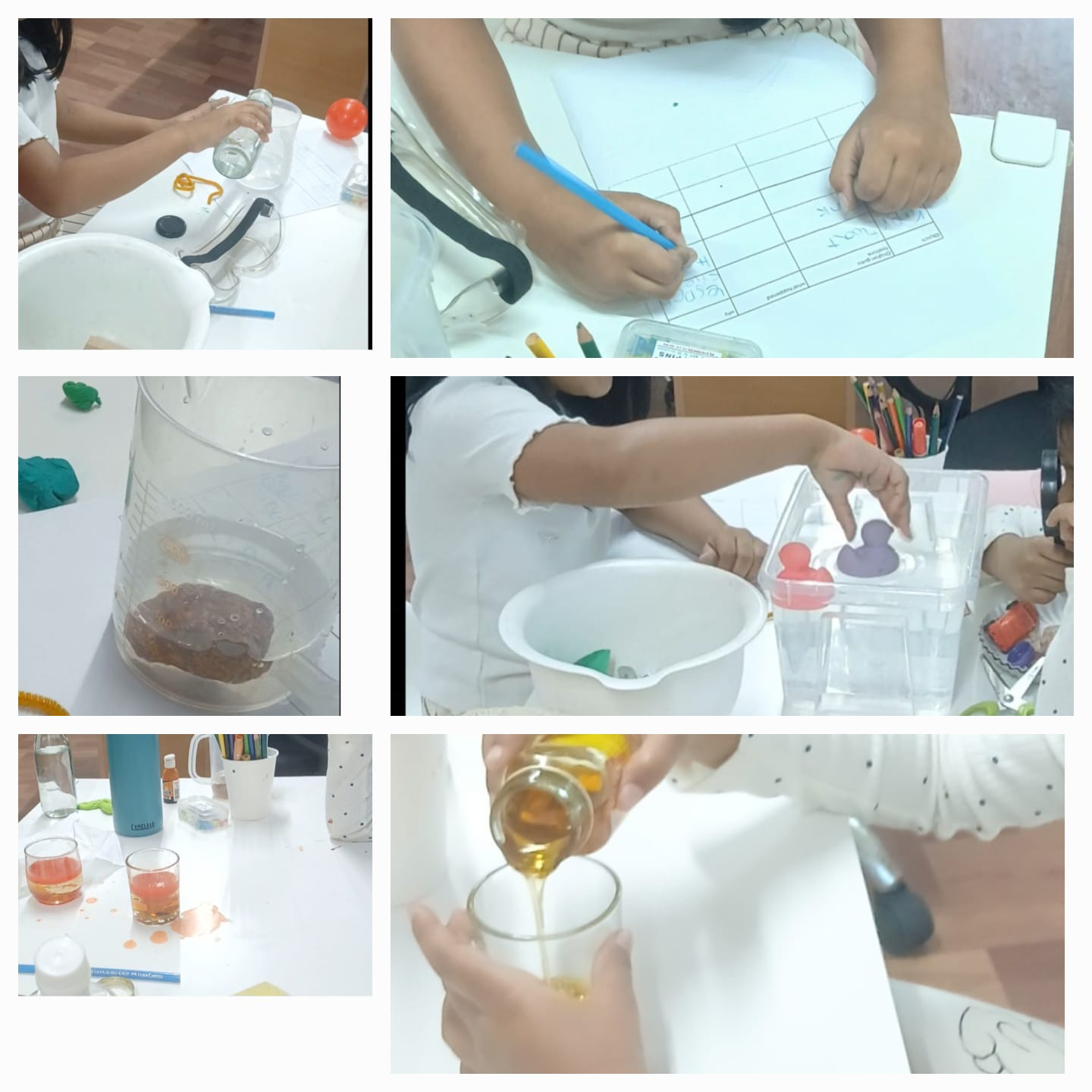
Samyuktha (7 years old) and Tara (5.9 years old) took part in a series of hands-on experiments, including float and sink testing, exploring volume through water displacement, and creating a density column. Through these activities, they learned that density and volume help explain why some objects float and others sink.
In the float and sink experiment, they noticed that lighter materials like plastic or wood tend to float, while heavier materials like metal usually sink. When learning about volume using the water displacement method, they discovered that even oddly shaped objects take up space, and this space can be measured by the amount of water the object displaces. In the density column activity, Samyuktha and Tara were excited to see how liquids such as honey, water, and oil formed separate layers. They understood that this happened because some liquids are denser than others meaning they are heavier for the same amount of space. These experiments helped them build a clearer understanding of scientific concepts in a fun and visual way.
And finally… against all odds
Dear reader,
I work with the school leadership team as an advisor and collaborate with teachers as a pedagogical trainer. I also help parents as a parenting counselor and regularly engage one-on-one with students as a personal guide and mentor. This weekly newsletter shares what I read, learn, and experience.
3-2-1 Tuesdays with Ms. Niv is a newsletter you can subscribe to and enjoy your learning journey with me.
3-2-1 TUESDAYS WITH MS NIV
Issue #253, 13th May 2025
“You’re old enough to make your own decisions. We trust your judgment.” OR “You’re not ready for that responsibility yet. I need to approve your choices.”
“Be yourself. Your uniqueness is your strength.” OR “Why can’t you be more like others? You need to fit in better.”
“Take care of yourself. Your mental health matters more than grades.” OR “You need perfect grades to succeed. Other activities are distractions.”
When students, especially adolescents, are actively forming their identity and worldview, how do you shape your messaging? Consider this as a parent or as an educator.
This is a free newsletter. If you like my content, please subscribe by entering your email address here.
Three Images of the Week
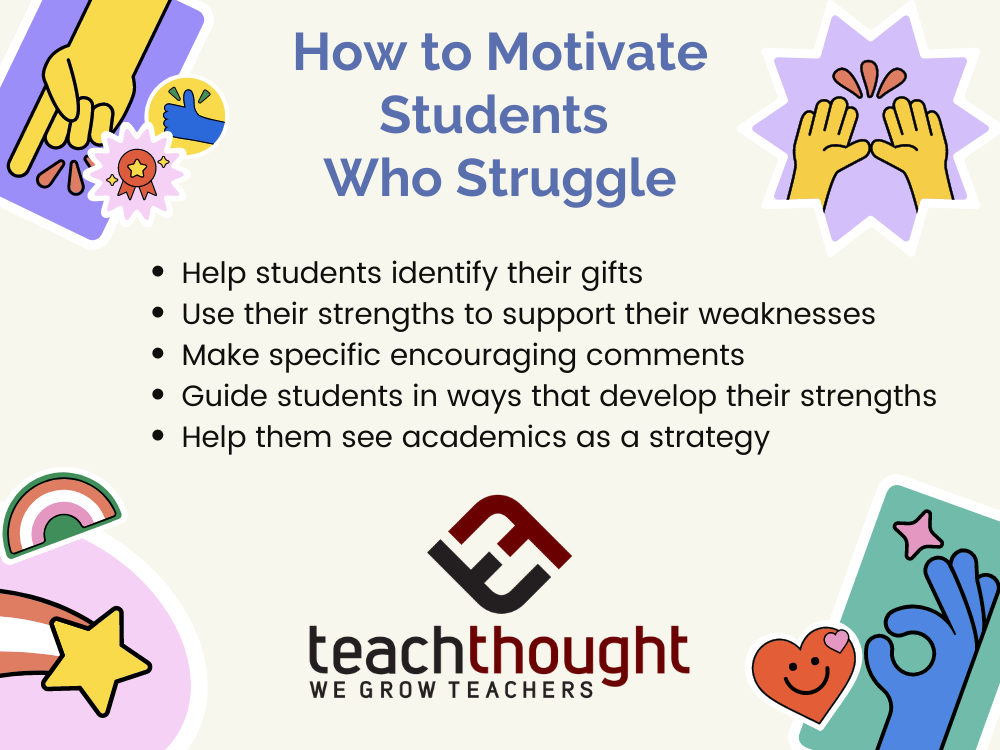
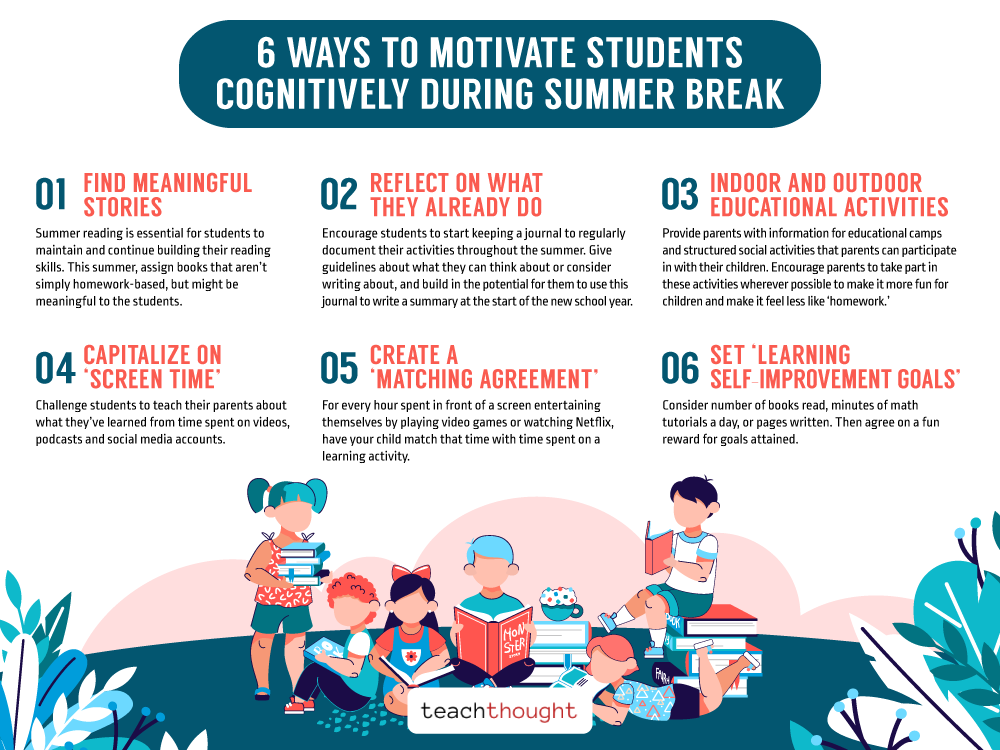
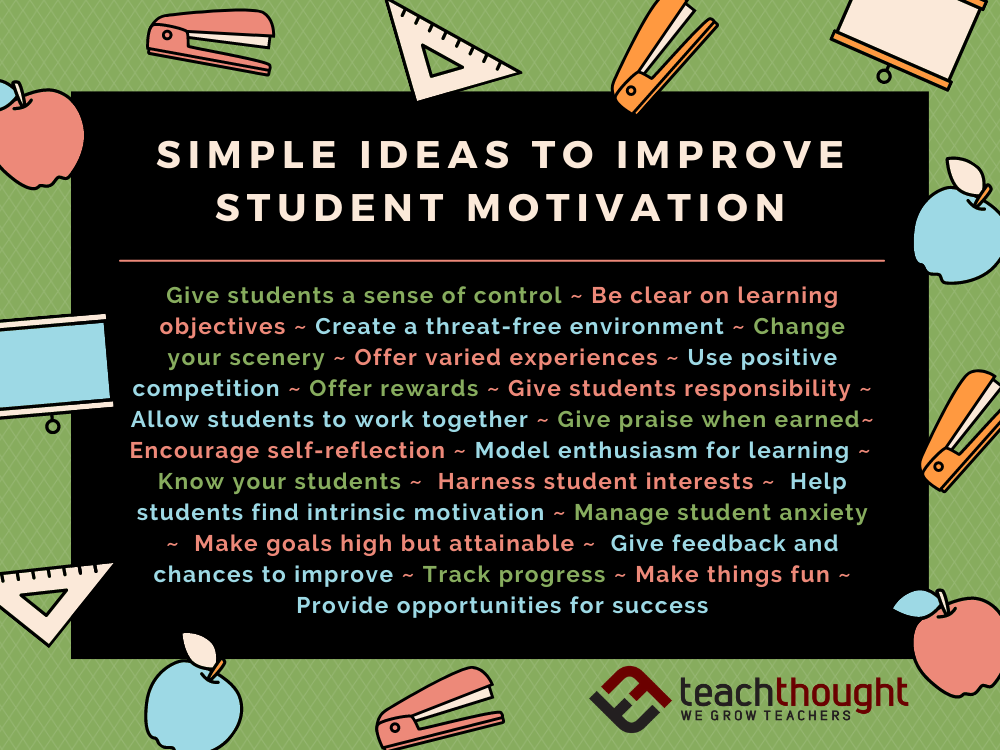
Two Thoughts of the Week
“End is not the end if fact E.N.D. Means “Efforts Never Dies. – Dr. A.P.J. Abdul Kalam
“There are plenty of difficult obstacles in your path. Don’t allow yourself to become one of them.” – Ralph Marston
One Video of the Week
A few words can change the course of a life; they have the power to shrink, expand or transform someone’s identity — even your own. Social psychologist Mesmin Destin explores how everyday interactions and experiences play a powerful part in who we become, sharing the key moments and messages that can inspire us to grow into our best selves.
Reading with Ms. Meenu: Tip of the week
Where to do a StoryWalk?
Everywhere! Playgrounds, hallways, gardens, wooded areas, libraries, cafeterias and classrooms can all be the perfect setting for a special book. What could cheer up sick students better than reading “ A Bad Case of Stripes”. It’s a great idea to laminate pages from joke books and other quick reads for the walls of any classroom. By doing this regularly you will see the value in having books become integrated into physical spaces because StoryWalks give the message that books and the written word belong everywhere.
Logistics: How to make a StoryWalk
· The Book: You’ll need two copies of the books, three ideally. While there are copyright restrictions for copying books, once you buy the book you can take it apart to post the pages. You will need two copies because pictures are printed on both sides and ideally, you’ll have a third for revisiting in the classroom as a read aloud or for students to pick up on their own. Budget considerations: The paperback version often less expensive is fine.
· Lamination: You’ll want your outdoor story to withstand rain, wind or even snow. Laminate the pages with the thickest possible laminating sheets so that they don’t curl, and you can use them multiple times.
· Posting pages: You’ve got lots of choices here, depending on what works best for your site. Outdoor natural areas or gardens can use stakes or fences indoor walks can be displayed on walls or bulletin boards. Sturdy wooden garden stakes or the stronger green metal ones can become a part of a permanent path or be installed when you’re featuring a StoryWalk.
· Page height: How tall is your audience? The height of your most intended audience will be important to consider, whether it’s you and your colleagues setting up a walk for your students or your class designing their own StoryWalk for others.
· Sharing resources/dissemination: Once you have created a walk out of a picture book or your students have written one the lamination preserves it for use the next year and allows you to create a reusable resource for the entire school or even district. The story pages might be checked out of a central library for other schools or classrooms to use. After the initial energy of installing the stakes or hallway hooks, your main focus will be selecting new books for the walks.
Happy Reading!
Meenu Gera
Consulting home and school librarian reading guide
Showcase: Thrive Beyond School – A unique STEAM education project for very young learners.
This week in STEAM class, our young scientists Samyuktha, Neev, Mayra, and Tara had so much fun learning about the three states of matter: solid, liquid, and gas!
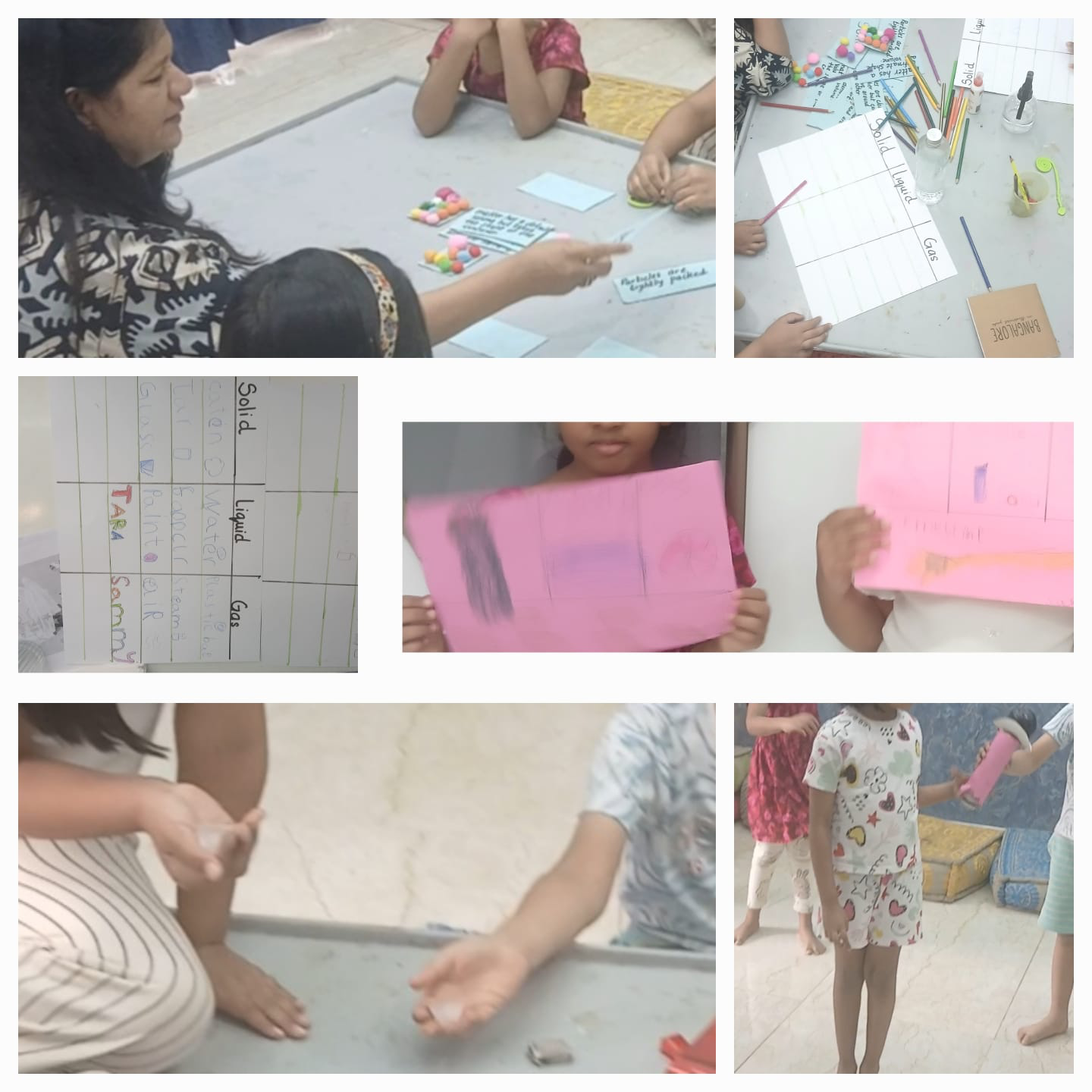
We started with a fun guessing game using clue cards to figure out the topic. Then, during our Matter Hunt, the children searched around the classroom to find things that are solids, liquids, or gases and drew or wrote them down. In State Charades, they acted like tiny molecules standing still like solids, swaying like liquids, and moving fast like gases to see how matter behaves.
During the Ice Melting Race, they guessed which ice cube would melt first and watched to see what happened.
Finally, in their Matter Journals, they drew and labeled examples of each state and even showed how matter can change. Through movement, experimentation, and observation, students discovered that matter is all around us and always changing.
Tara:5.9 years old Neev & Mayra:6.9 years old Samyuktha : 7years old
And finally… against all odds
Dear reader,
I work with the school leadership team as an advisor and collaborate with teachers as a pedagogical trainer. I also help parents as a parenting counselor and regularly engage one-on-one with students as a personal guide and mentor. This weekly newsletter shares what I read, learn, and experience.
3-2-1 Tuesdays with Ms. Niv is a newsletter you can subscribe to and enjoy your learning journey with me.
3-2-1 TUESDAYS WITH MS NIV
Issue #252, 6th May 2025
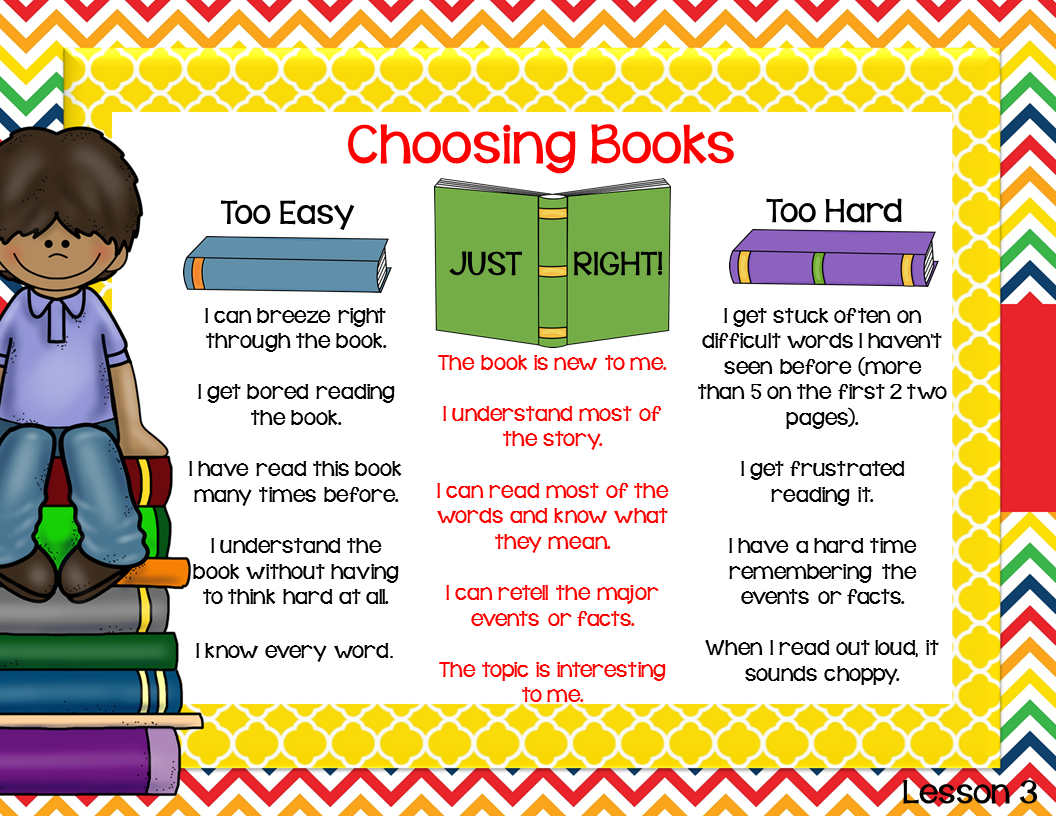
When our children read literature that is not contextual to them, all of most of the time, what happens?
Some or all of the following:
They may struggle to connect with characters or situations, making comprehension more difficult.
They might miss cultural references, idioms, or historical context that are crucial to understanding the text.
Engagement often decreases when children don’t see themselves or their experiences reflected in what they’re reading.
They may internalize subtle messages about whose stories “matter” in society if they rarely encounter characters like themselves.
While they can still learn from these texts, the extra cognitive load of navigating unfamiliar contexts can detract from deeper analysis and enjoyment.
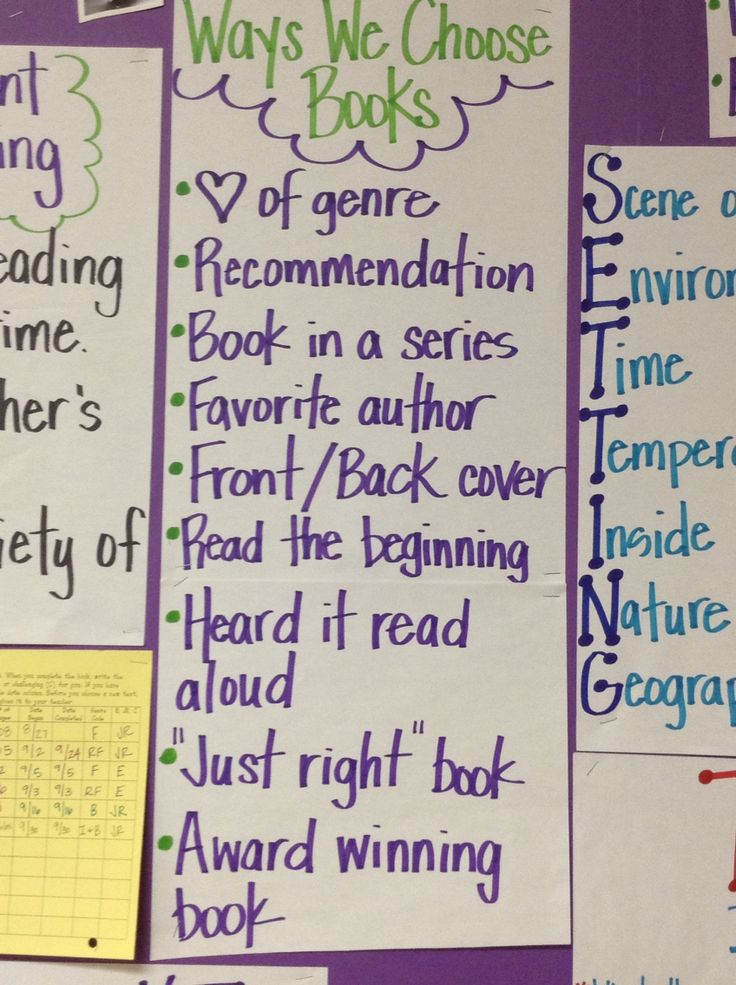
How can we make stories more relevant? more contextual? include characters that are relatable? I a setting that they are familiar with? Alongside exposing them to world literature? a new academic year has just rolled in. What are your educators, parents, and children picking up to read?
This is a free newsletter. If you like my content, please subscribe by entering your email address here.
Three Images of the Week

Two Thoughts of the Week
“Books serve to show a man that those original thoughts of his aren’t very new after all.”Abraham Lincoln
“There is more treasure in books than in all the pirate’s loot on Treasure Island.”Walt Disney
One Video of the Week
Our lives, our cultures, are composed of many overlapping stories. Novelist Chimamanda Adichie tells the story of how she found her authentic cultural voice — and warns that if we hear only a single story about another person or country, we risk a critical misunderstanding.
Reading with Ms. Meenu: Tip of the week
Why a StoryWalk?
The pandemic challenged all of us to be outside in safe and rewarding ways, StoryWalks have enticed families, classes, and individuals as a perfect way to experience the outdoors together, to get some fresh air, exercise and to share the rewards that stories offer regardless of any setting. StoryWalks have staying power because they invite readers to experience the universality that literature offers. StoryWalks can reflect an individual’s own experience but also deepen this experience through new information or perspectives.
What makes a good StoryWalk book?
· Provide a deeper look or connection into a setting. These might be nonfiction books about ecosystems, history of a place or characteristics of a neighborhood. It offers a way to connect, wonder and imagine in a particular setting.
· Support exploration of a curricular or social goal. A StoryWalk offers the chance to immediately connect local surroundings with literature in the science curriculum.
· It invites readers of different ages and experiences to engage in the book, providing an experience for a broad age range audience. Consider how a book might offer information in varying levels of depth and detail.
These guidelines are to help you choose a book that works for your setting, your students and your community as well. Stay tuned for Where to do a StoryWalk? And Logistics: How to make a StoryWalk? Until then keep reading 😊
Keep reading!
Meenu Gera, Consulting home and school librarian and reading guide.
Showcase:
Thrive Beyond School – A unique STEAM education project for very young learners.
From designing to testing
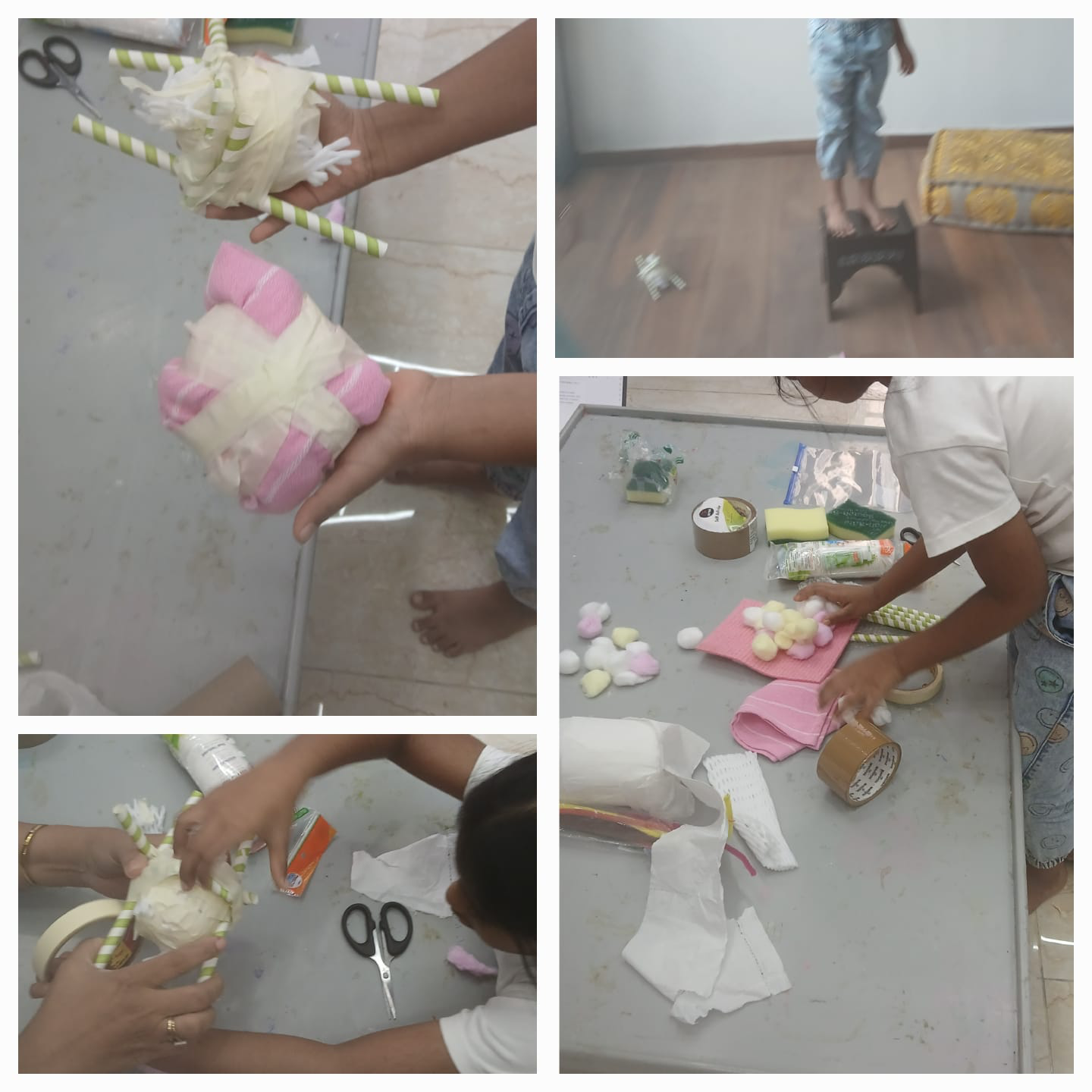
During the egg drop challenge activity, Tara learned about the science of impact and how soft, cushioning materials can help prevent damage. She applied her engineering skills to design two different egg protectors. In one, she used straws, foam, bubble wrap, and tape to create a strong and supportive structure. In the other, she used cotton pads, cloth, cotton balls, and tape to cushion the egg gently. After testing both designs, Tara observed that the eggs remained safe and thought about which materials worked best. This hands-on activity helped her understand real-world packaging and the importance of testing, problem-solving, and making improvements. Tara: 5 years 9 months
And Finally… against all odds
“It is no point thinking about what I don’t have. Rather, I should think about what I have.” Tharika
Dear reader,
I work with the school leadership team as an advisor and collaborate with teachers as a pedagogical trainer. I also help parents as a parenting counselor and regularly engage one-on-one with students as a personal guide and mentor. This weekly newsletter shares what I read, learn, and experience.
3-2-1 Tuesdays with Ms. Niv is a newsletter you can subscribe to and enjoy your learning journey with me.
3-2-1 TUESDAYS WITH MS NIV
Issue #251, 29th April 2025
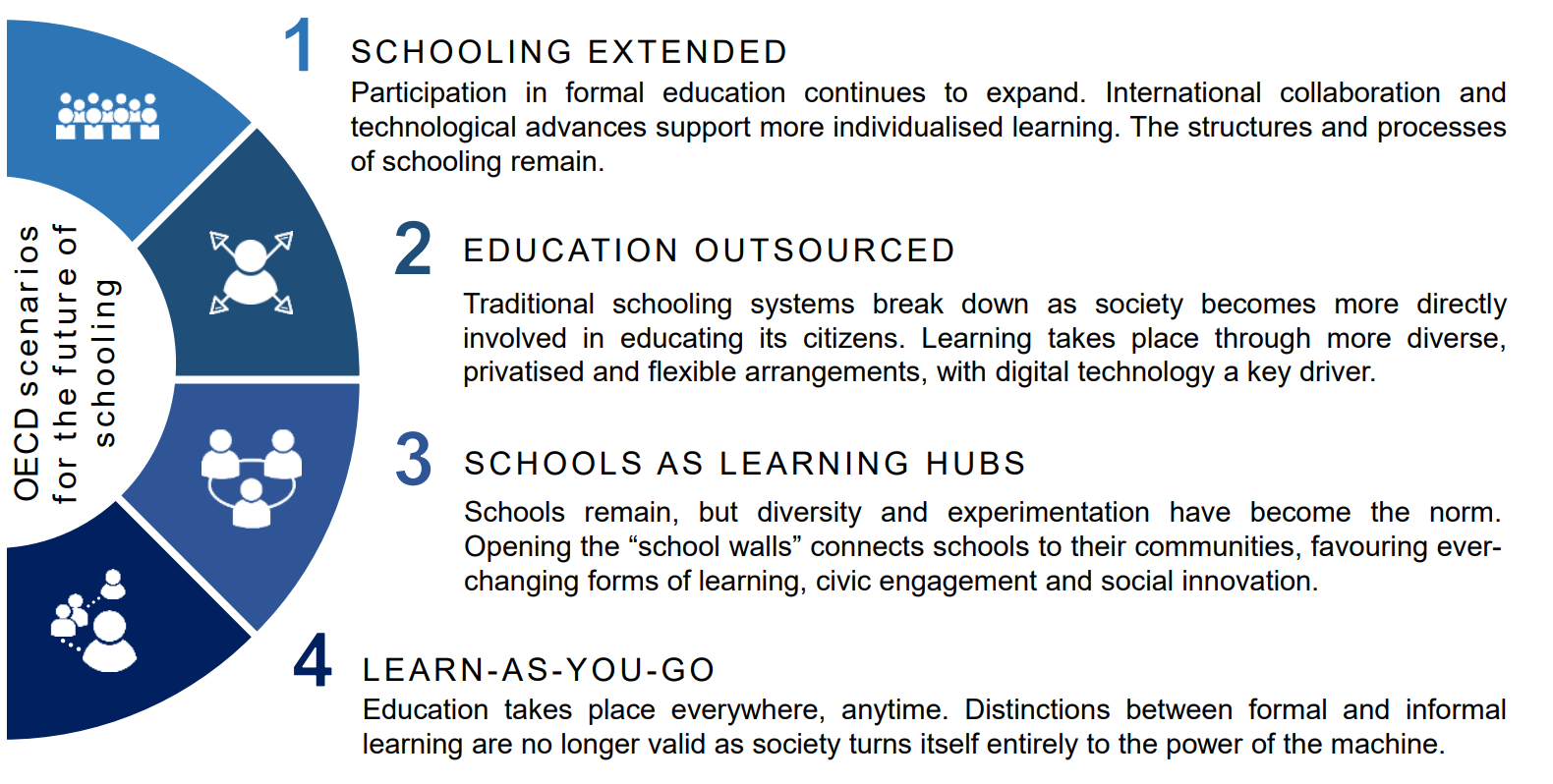
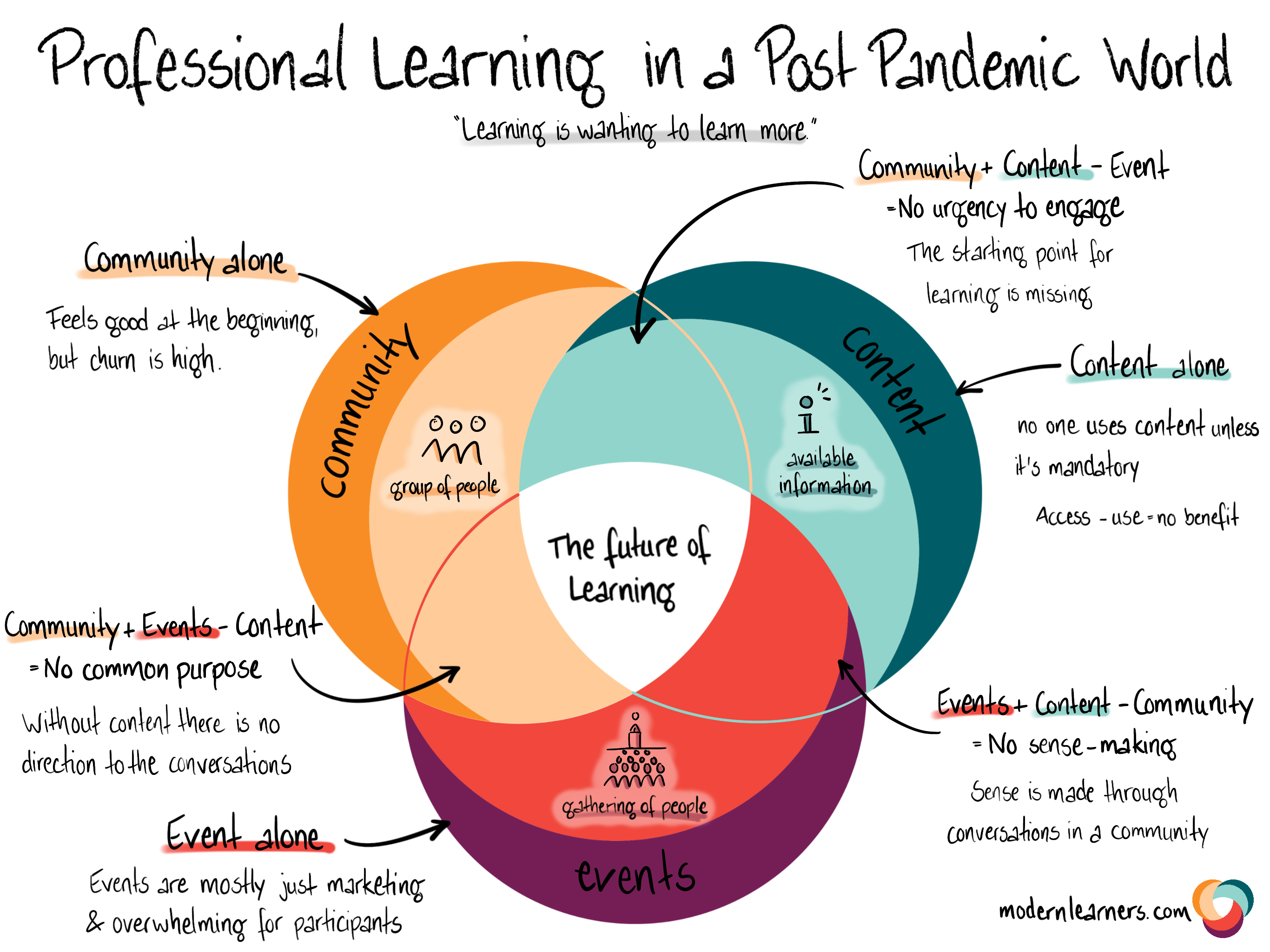
If you want to know what society is going to be 20 years hence or even 10 years hence, ask an experienced preschool teacher – said Clifford Stoll in his Ted talk featured in the issue today, in 2008. What do you think? I would agree! I love spending time with preschool teachers, even as I am getting older and humbler, as an educator.
Over the last three decades, I have taught various subjects. I started with teaching communication and news journalism to post-graduates and under graduates. After that, I moved on to teaching life sciences and genetics to highschoolers. This was followed by learning about early childhood years, primary years and middle years with International Baccalaureate while setting up a chain of IB schools. Moral of the story? Most difficult, most enjoyable and most insightful have been the times with preschoolers, preschool teachers, and preschool curriculum.
Let me know what you found out from the preschool educator. Ask them what they think society is going to be like in a few years from now.
This is a free newsletter. If you like my content, please subscribe by entering your email address here.
Three Images of the Week

Two Thoughts of the Week
“Learn as if you were not reaching your goal and as though you were scared of missing it.” — Attributed to Confucius
“People learn something every day, and a lot of times it’s that what they learned the day before was wrong.” — Bill Vaughan
One Video of the Week
Clifford Stoll could talk about the atmosphere of Jupiter. Or hunting KGB hackers. Or Klein bottles, computers in classrooms, the future. But he’s not going to. Which is fine, because it would be criminal to confine a man with interests as multifarious as Stoll’s to give a talk on any one topic. Instead, he simply captivates his audience with a wildly energetic sprinkling of anecdotes, observations, asides — and even a science experiment. After all, by his own definition, he’s a scientist: “Once I do something, I want to do something else.”
Reading with Ms. Meenu: Tip of the week
Storywalks: With the continuation of last week’s topic, Storywalks is just another way of engaging readers/writers to this ingenious literacy activity. You could encounter StoryWalks by other names such as poetry walks where students can look around various rhyming words and create their own poems, book walks where class can discuss the novel study done collaboratively or even song walks and so on.
What is a StoryWalk? Picture this: It’s spring and everyone is eager to get outside. Your students pick up their clipboards and pencils and head out to the park next to the school. In front of a big tree is the cover of a book, “Mama Built a Little Nest” and page one is visible a few paces away, enticing students to walk along a path that will reveal page by page the ways that different birds build their nests. It’s easy to imagine how this book would compel readers to look carefully at the trees and shrubs around them to see whether they could find any nests.
What is a StoryWalk? Invented by Anne Ferguson with the Kellogg-Hubbard Library in Vermont. It is simple but ingenious – invite readers to walk along a path with staked pages of an engagement related to the setting . Like Mama built a Little Nest whose exploration of birds and their nests matches up perfectly with a walk near trees, the best walk books deepen the reader’s understanding of the place. The cafeteria hallways are a perfect place to offer a powerful message about these StoryWalks.
Why are these StoryWalks important to do? What makes a good Story Walk book? Stay tuned for our newsletter next week and will discuss deeper on this thought. Until then…
Keep reading!
Meenu Gera, Consulting home and school librarian and reading guide.
Showcase:
Thrive Beyond School – A unique STEAM education project for very young learners.
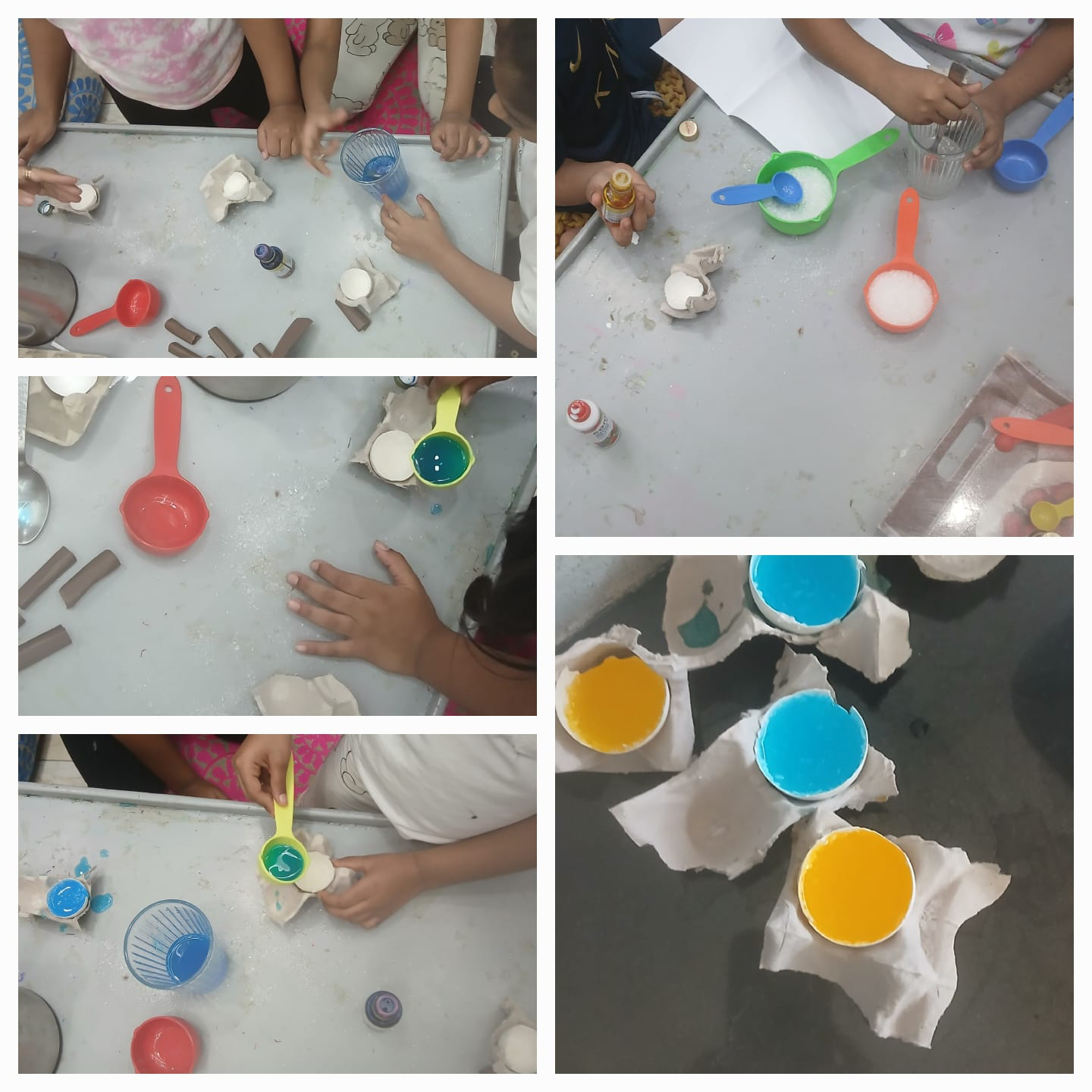
In this STEAM activity, students learned about crystals through a fun and hands-on experiment.
The lesson started with a magical story about how crystals form deep underground when hot magma cools down. This helped spark their curiosity and made the science easy to understand. They learned that crystals form when certain materials come together and harden, especially inside rocks called geodes.
Using eggshells, warm water, food coloring, and Epsom salt, they created their own crystal geodes. As the water dried, they observed crystals forming and talked about what they saw. They learned that things like heat and the amount of salt can change how big and fast the crystals grow.
This activity helped them explore science through stories, art, and observation in a fun and simple way. Samyuktha & Havishka :7 years old Neev & Mayra: 6.8 years old
Tara:5.8 years old
And Finally… against all odds
Dear reader,
I work with the school leadership team as an advisor and collaborate with teachers as a pedagogical trainer. I also help parents as a parenting counselor and regularly engage one-on-one with students as a personal guide and mentor. This weekly newsletter shares what I read, learn, and experience.
3-2-1 Tuesdays with Ms. Niv is a newsletter you can subscribe to and enjoy your learning journey with me.
3-2-1 TUESDAYS WITH MS NIV
Issue #250, 22nd April 2025
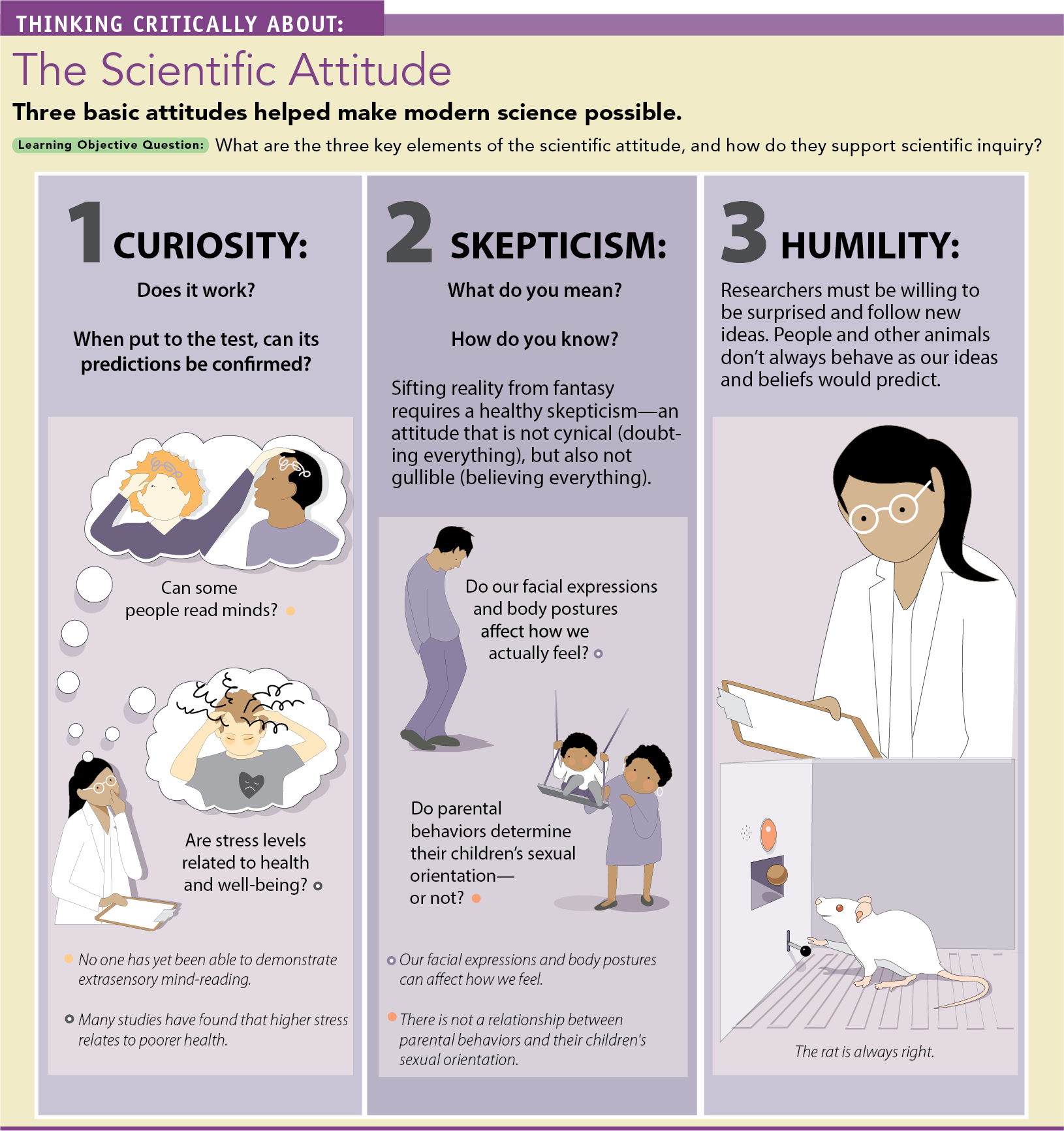
When faced with evidence contradicting your beliefs, do you revise your thinking or dismiss the evidence?
Do you distinguish between what you know with certainty versus what you believe or suspect?
Do you actively seek out different perspectives and criticism of your ideas?
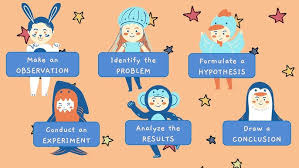
Do you have a scientific attitude whether or not you are a scientist is the quest. For Scientific Attitude is a life skill, not a curriculum. What do you think?
This is a free newsletter. If you like my content, please subscribe by entering your email ID here.
Three Images of the Week

Two Thoughts of the Week
“At its heart, what is distinctive about science is that it cares about evidence and is willing to change its theories on the basis of evidence.”
― Lee McIntyre, The Scientific Attitude: Defending Science from Denial, Fraud, and Pseudoscience
“The virtues of science are skepticism and independence of thought.” – Walter Gilbert
One Video of the Week
Teman Cooke hold a Ph.D. in theoretical physics but has no love for the scientific method. He explains a interesting alternative that will challenge your thinking.
Reading with Ms. Meenu: Tip of the week
Finding ways into outdoor literacy learning:
Let’s continue with last week’s topic and dig deeper understanding on various settings for moving literacy outside the classroom.
For many students, literacy means the reading writing they do in the classroom yet reading and writing happen everywhere we go. Purpose, audience and place are compelling reasons to shape writing and reading when literacy moves out of the classroom and into real world settings, both natural and engineered. Here are some suggestions along the ways that might be helpful for rural suburban and urban schools. We should always consider the space, safety and strategies to support a wide range of literacy and language skills.
Starting places for moving literacy outside the classroom:
There are multiple ways to create experiences outside the classroom that invite students to make discoveries about literacy, particularly about purpose and audience.
· Wood/Natural Area
· School Garden
· Playground
· School Common spaces
· Shady areas around the school
· Broader Community
Once you are ready to do an outdoor literacy session on a beautiful day then “A StoryWalk” might be a perfect way to launch it to your classroom. Stay tuned until next week’s newsletter as we discuss STORYWALKS. Until then… keep reading!
Meenu Gera, Consulting home and school librarian and reading guide.
Showcase:
Thrive Beyond School – A unique STEAM education project for very young learners.
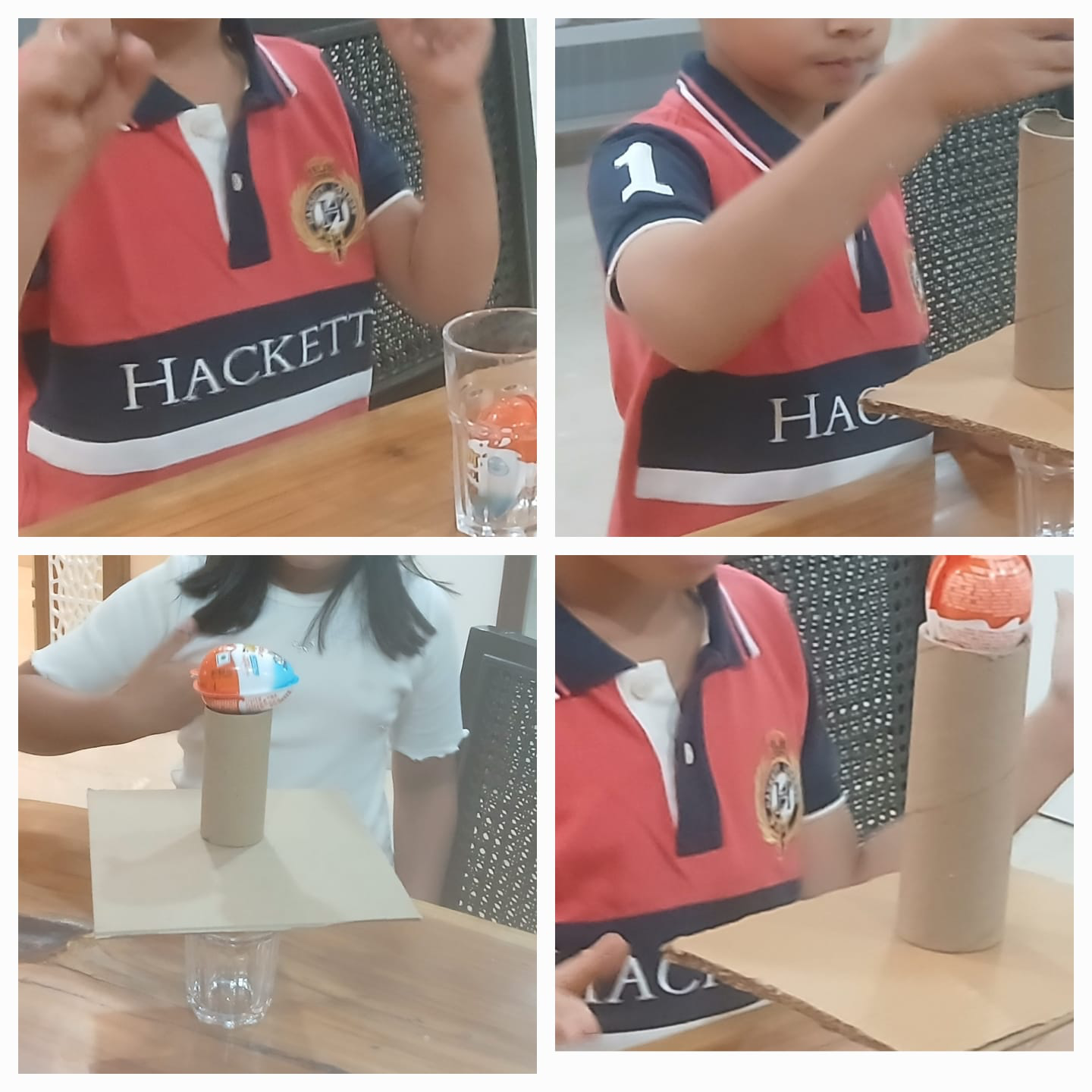
In our STEAM class, the children performed the Egg Inertia Experiment and explored the concept of inertia. They observed that when the tray and tube were swiftly removed, the egg dropped straight into the glass instead of moving with them. This demonstrated that objects at rest stay at rest unless acted upon. The children enjoyed the surprising outcome and learned that careful setup and quick movement were important for the experiment to work. After a few tries, they were thrilled to see the egg successfully land in the glass
Samyuktha 7 years old
Neev & Mayra:6.8 years old
Dear reader,
I work with the school leadership team as an advisor and collaborate with teachers as a pedagogical trainer. I also help parents as a parenting counselor and regularly engage one-on-one with students as a personal guide and mentor. This weekly newsletter shares what I read, learn, and experience.
3-2-1 Tuesdays with Ms. Niv is a newsletter you can subscribe to and enjoy your learning journey with me.
 Nivedita Mukerjee