Nivedita Mukerjee
Education consultancy for parents and schools
3-2-1 TUESDAYS WITH MS NIV
Issue #246, 25th March 2025
1. Is the problem human-centered?
2. Is the problem ill-defined or complex?
3. Does the problem require innovative solutions?
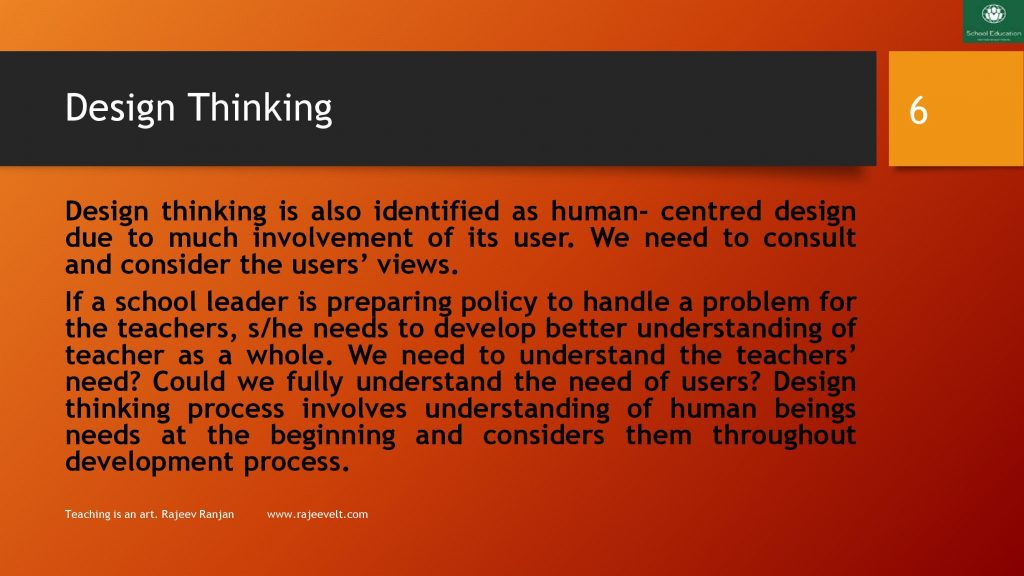
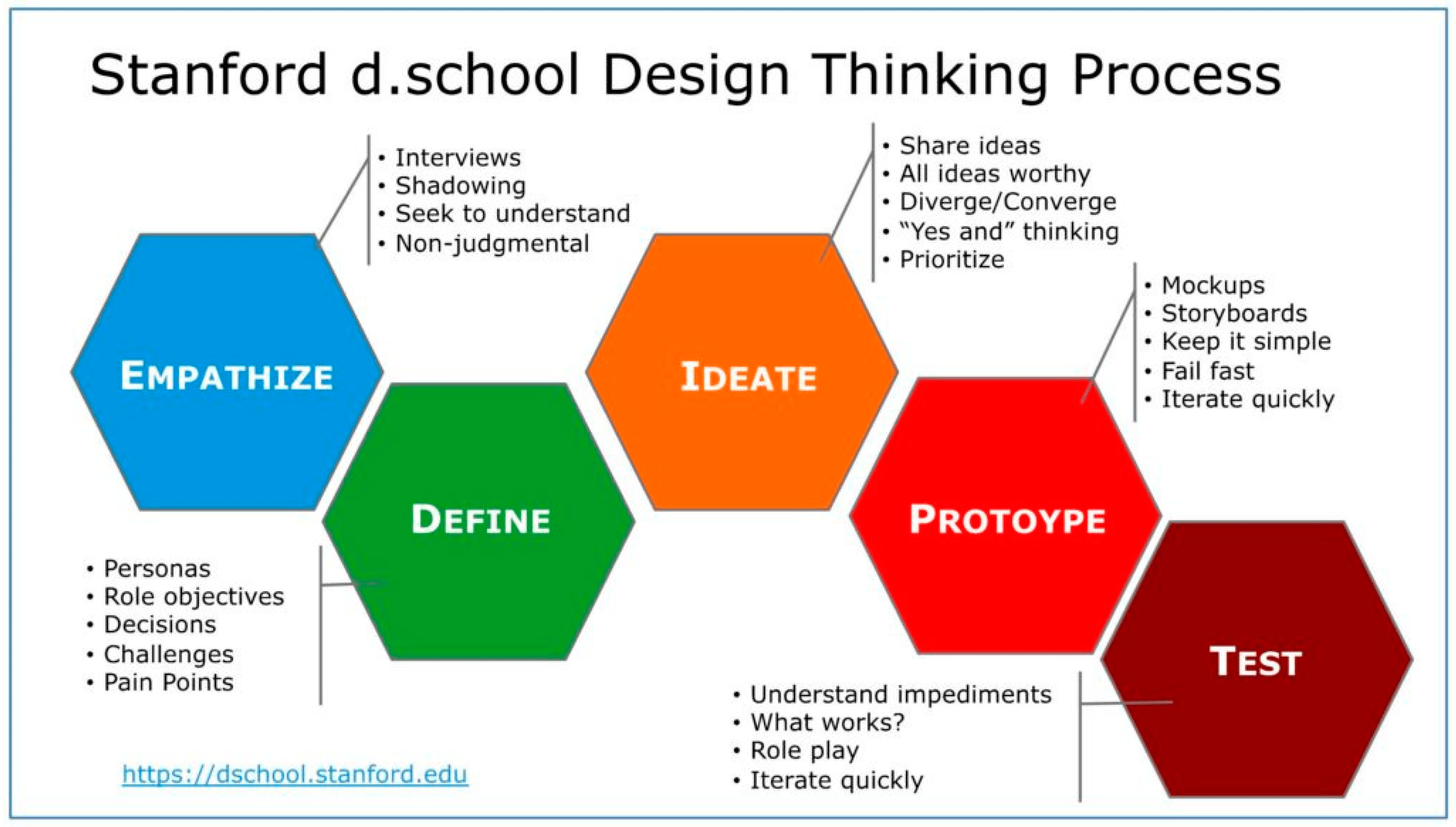
It is end of the academic year and most school teams are getting ready to review last year and plan for the next academic year. If the goal is to create something new, or to drastically improve an existing situation, then design thinking is a good method.
What is design thinking? How can you use it to resolve the challenging situations? Get some clarity on the process first and then carry on.
This is a free newsletter. If you like my content, please subscribe by entering your email ID here.
Three Images of the Week

Two Thoughts of the Week
“It’s not ‘us versus them’ or even ‘us on behalf of them.’ For a design thinker it has to be ‘us with them’” -Tim Brown
“Creativity comes from a conflict of ideas.” — Donatella Versace
One Video of the Week
In all the conversations about improving education for children, the voices of students, teachers and community members are often left out. Educational designer Punya Mishra offers a method to shift that paradigm, taking us through new thinking on the root of success (and failure) at school — and how a totally new, different kind of educational system could better meet students’ needs.
Reading with Ms. Meenu: Tip of the week
The Envelope Please: Predicting Plot and Character
Smart readers are always predicting. They continually speculate on the answers to key questions: What’s going to happen to the main characters? How will the plot resolve itself? What motifs that appeared early in a book will grow in importance? And, at a larger level, what is this book trying to be about? What is the theme, or purpose that is unfolding as I turn these pages?
Of course, most of us veteran readers do this predicting at an unconscious level. In fact, we only notice how much we have been predicting when a character suddenly does something that makes us say, “Wait a minute! That’s not right! She’d never do that! Our students, however, may not have this prediction predilection built into their cranial hard drives quite yet and so this reading activity shows them how to make predicting very conscious and to give some thought to character and theme as well.
When you have finished about a third of a book – when the key characters have been introduced and all major conflicts set in motion it’s time for “ The Envelope Please” . Surprise is an important element of this lesson. Start by telling students to put their books aside and ask your readers that they are going to predict the endings of their books using The Envelope, Please form. This form will have prediction questions about the ending of the book, character change and various clues in the story. Have students quietly and individually complete the form, recording their best guesses and rationales about the outcomes.
Next, have one or two kids share their predictions with the whole class just for general flavor. This won’t be scintillating since not everyone is reading the same book. If kids want to change their predictions based on what these students say, they can amend their forms but shouldn’t scratch out their original prediction. Who knows? Their first instincts may turn out to be right.
The final step comes several days or weeks later, when books are completed. On the final day of discussion, distribute the envelopes to the groups and invite them to unseal their predictions. There may be a few hoots of triumph as prescient kids congratulate themselves on their good guesses, and groans as wrong predictions are revealed.
The important part of the discussion centers around how people made successful predictions. Encourage kids to ask each other: What made you think that? OR how do you see that coming? What were the clues?
This reading activity keeps the enthusiasm around the class and keeps them engaged with the text. It encourages them to work on their thought process and then share their ideas with their peers.
Happy Reading!
Meenu Gera, Consulting home and school librarian and reading guide.
Career assessment, guidance, and placement strategies:
Balancing Academic Rigour and Self-Care in Hoste Lifel
Priya’s mother approached us, worried about her daughter, who was finishing her first year in college. During exams, Priya would unconsciously express her unhappiness to her parents through statements like, ‘I have not slept all night’, ‘I did not have time to eat lunch’, and ‘I always wanted to study BCA but you forced me to do law’. These remarks, along with the more disturbing ones, were causing her mother sleepless nights.
Our career expert began with an informal friendly conversation to understand Priya’s mindset. The discussion revealed that she was neglecting her physical and mental well-being, leading to academic stress during exams. The career expert provided her with practical tips on time management, maintaining a balanced diet, and practicing simple meditation techniques to relax her mind.
As parents, it’s natural to worry about our children. The key is to keep the conversations open and seek the guidance of experts like us.
Case study provided by: Team Fermata, www.fermataco.com
Showcase:
Thrive Beyond School – A unique project for very young children in STEAM education, Hyderabad, Andhra Pradesh
Children explored ways to save water at home and school. They learned about rainwater harvesting—collecting rainwater for later use—and drip irrigation, which waters plants slowly to avoid waste.
Through a fun hands-on activity, they made their own drip irrigation system using plastic bottles and ear buds. They saw how tiny holes let water drip slowly, keeping plants hydrated while saving water.
This activity helped kids understand the importance of water conservation and how small actions can make a big difference! Neev, Mayra, Havishka & Samyuktha:6.7 years old Arnav:5.7 years old

And Finally…

Dear reader,
I work with the school leadership team as an advisor and collaborate with teachers as a pedagogical trainer. I also help parents as a parenting counselor and regularly engage one-on-one with students as a personal guide and mentor. This weekly newsletter shares what I read, learn, and experience.
3-2-1 Tuesdays with Ms. Niv is a newsletter you can subscribe to and enjoy your learning journey with me
3-2-1 TUESDAYS WITH MS NIV
Issue #245, 18th March 2025
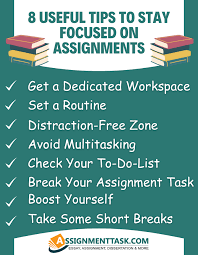
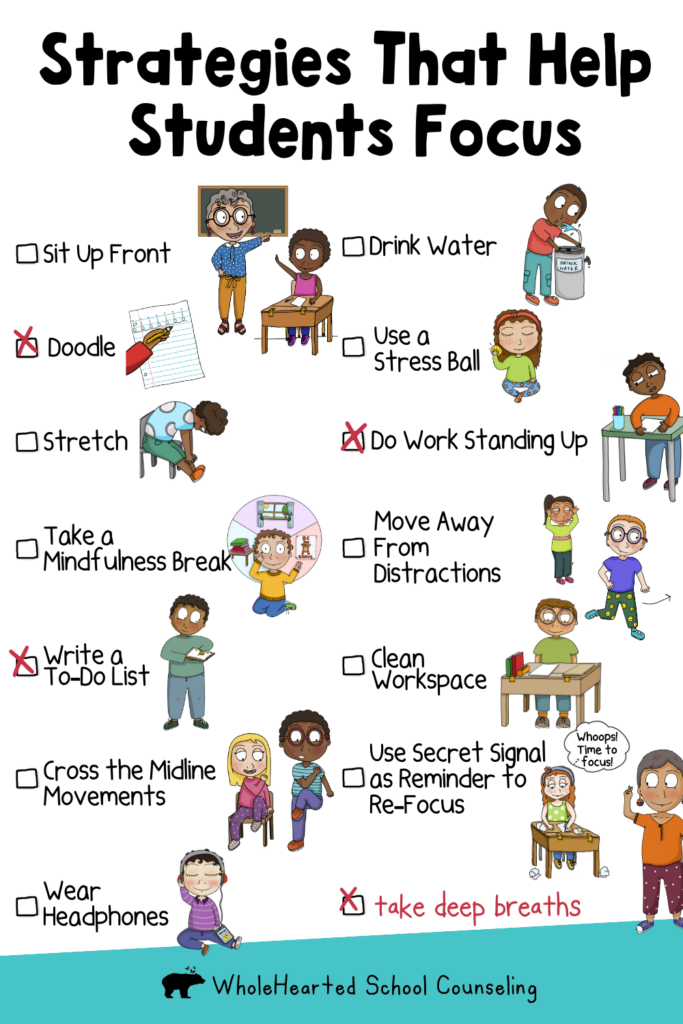
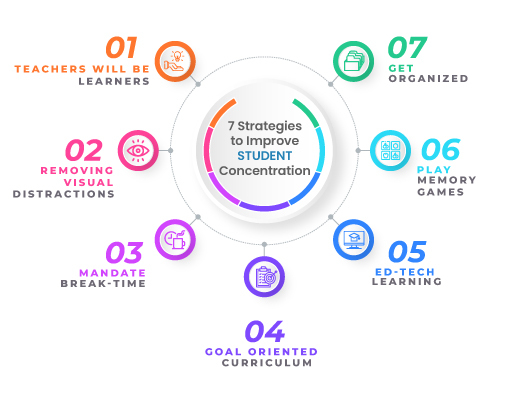
Exams are ongoing and ensuing. Focus is key. Here are some tips that you can use as a student. As a parent and educator, you can discuss with your child or students. You can support them to succeed to the best of their potential.
This is a free newsletter. If you like my content, please subscribe by entering your email ID here.
Three Images of the Week
Two Thoughts of the Week
Action is the foundational key to all success. – Pablo Picasso
The bad news is time flies. The good news is you’re the pilot. – Michael Altshuler
One Video of the Week
If you dread doing homework and settling down to study, you are not alone. In her talk, Kiki shares 3 study techniques that will not just reduce your study time, but also make it more enjoyable. Kiki is an 8th-grade student at Lord Byng Secondary School in Vancouver. She loves to paddleboard and often lies down on it in the middle of the lake to gaze up at the sky. She imagines herself as a surfer when the waves come in. Kiki also enjoys reading, playing the piano and guitar, and taking care of her pet goldfish and turtle.
Reading with Ms. Meenu: Tip of the week
Savoring Powerful Language:
What hooks readers on books for a lifetime? Characters we care about, plots and places we can believe in, ideas that matter to us as human beings. All these are crucial parts of the formula. But what comes first, for many of us is language: We need vivid words, a unique voice, images we can see, taste, feel, smell. We want language that picks us up and puts us down in a whole other place.
If any of us reflect on our own internal responses to books you really love, we may share our sense that distinctive “language and words” is a nonnegotiable component of excellence in literature. One of the forms of literary response that we rarely mention might be called savoring when we simply marinate ourselves in, wonder at and reread amazing feats of language. We also notice this hunger for great language in the negative. For those of us who have been avid readers for many years, encountering a book with lackluster language constitutes a prima facie case for abandonment. Life is too short to read books with no voice. As educators the lesson on any text should be pure simplicity and pure delight. You just find a passage, maybe a page or two with great language and read it aloud to your class. And the conversation right after the read-aloud should be natural, informal and brief i.e. “How did that language strike you”? is as good a prompt as any. We mainly want to send kids into their literature circle discussions with great language ringing in their ears.
When you have these readers from their literature circle meeting you can create a bookend to the opening read-aloud. Simply ask the designated student from each group to read the chosen passage aloud. The students will have to focus carefully on the speaker, since most won’t have copies of the book to follow along. After each reading, allow for a minute to sink in time, and then invite comments from listeners. “What did you think? Did that work for you? What made that language special? Did it remind you of any other authors and their style or voice? This is how us as educators can work on their powerful language skills.
Happy Reading!
Meenu Gera, Consulting home and school librarian and reading guide.
Career assessment, guidance, and placement strategies:
Choosing a Unique Research Topic
Ideating and finalising a research topic is a journey in itself. When Aaryan embarked on this process, his research guide facilitated it by assessing Aaryan on different problem statements and global issues. However, Aaryan had a clear objective in mind.
As a teenager, he is frequently exposed to discussions about mental health, particularly among his peers. While he recognizes that many researchers were already exploring this area, his keen interest lay in an overlooked group – cab drivers in Bangalore. Determined to make a meaningful contribution, Aaryan chose to focus on the mental health challenges faced by cab drivers, a topic that resonated deeply with him.
Now passionately working on this aspirational research, Aaryan is committed to conducting primary research by interviewing 50 cab drivers. His enthusiasm and dedication remind us why we do what we do – guiding students who are eager to create a positive impact on their communities through research. Working with students like Aaryan is both an honor and an inspiration.
Case study provided by: Team Fermata, www.fermataco.com
Showcase:
Thrive Beyond School – A unique project for very young children in STEAM education, Hyderabad, Andhra Pradesh

Students had a hands-on experience making Gujiya while exploring science, math, and tradition. They observed its shape, measured ingredients, and practiced counting while folding the dough. Mixing flour, ghee, and water helped them understand how gluten gives the dough structure. They also learned about khoya and its role in sweets. While frying, they noticed bubbling oil, the golden color change, and how the texture became crispy. This fun activity helped them connect learning with a delicious treat!
Dear reader,
I work with the school leadership team as an advisor and collaborate with teachers as a pedagogical trainer. I also help parents as a parenting counselor and regularly engage one-on-one with students as a personal guide and mentor. This weekly newsletter shares what I read, learn, and experience.
3-2-1 Tuesdays with Ms. Niv is a newsletter you can subscribe to and enjoy your learning journey with me.
3-2-1 TUESDAYS WITH MS NIV
Issue #244, 11th March 2025
Am I consistently modeling equitable behavior? examine your own actions: Are household chores divided fairly? Do I respect and value the opinions of all family members equally? Am I displaying healthy relationships?
Am I actively encouraging my daughter’s independence and decision-making? Do I provide opportunities for her to take on age-appropriate responsibilities and make choices? Do I support her in pursuing her own interests, even if they differ from traditional expectations?
Am I nurturing her self-esteem based on her character and abilities? Do I focus on her strengths, talents, and efforts, rather than solely on appearance? Do I engage in open conversations about healthy body image and the influence of media?
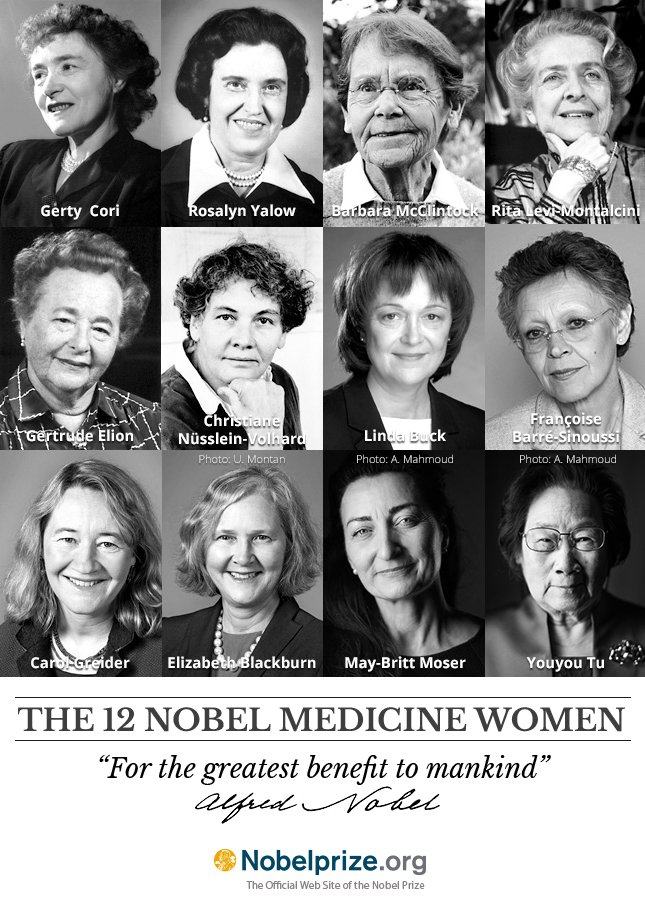
Happy women’s day!
This is a free newsletter. If you like my content, please subscribe by entering your email ID here.
Three Images of the Week


Two Thoughts of the Week
“I love to see a young girl go out and grab the world by the lapels. Life’s a bitch. You’ve got to go out and kick ass.” Maya Angelou, poet & activist
“What you do makes a difference, and you have to decide what kind of difference you want to make.”
Jane Goodall, primatologist & anthropologist
One Video of the Week
Education activist (and recent Oxford graduate) Malala Yousafzai reflects on the defining moments of her life, how she balances passion with personhood and where the world finds itself during the COVID-19 crisis. With humor and humility, she shares her dreams of seeing social progress in her lifetime, explains why girls education advocacy must not relent during the pandemic and champions youth activists worldwide leading the fight for a fairer future for all. (This virtual conversation, hosted by TED’s current affairs curator Whitney Pennington Rodgers, was recorded July 8, 2020.)
The TED Talks channel features the best talks and performances from the TED Conference, where the world’s leading thinkers and doers give the talk of their lives in 18 minutes (or less). Look for talks on Technology, Entertainment and Design — plus science, business, global issues, the arts and more. You’re welcome to link to or embed these videos, forward them to others and share these ideas with people you know.
Reading with Ms. Meenu: Tip of the week
Extending Discussion When You’ve Run Out of Stuff on Your Notes but the Clock is still Running:
If you notice that most of your groups are finishing five or ten minutes before the end of the designated discussion time, you may need to repeat some of the earlier lessons on questioning or preparing good notes. However, if a different group finishes early each time, setting up a discussion-stretching back up plan is in order. That way, when the kids complete their conversations more quickly than usual, they’ll still be able to talk about the book for the allotted time.
Before the literature circles meet, explain that you’ve noticed that groups sometimes finish early and then have nothing to talk about. Have the students pull out their journals and brainstorm some answers to this question: When a group finishes early, what are some topics students could discuss in order to keep talking about the book?
1. What’s your favorite part from the story so far?
2. Based on what we’ve read so far, how do you think it’s going to end?
3. Who is your favorite character? Why?
4. Everyone rereads a page and finds a new passage or vocabulary word to share or discuss.
5. What do you think the author thought about or experienced in order to write this story?
6. How do you feel about the story now compared to when we first started reading it?
7. Look through the text for literary devices: simile, metaphor, irony, symbolism, alliteration. After everyone finds one, discuss them.
Once in a while you’re going to run into a truly dysfunctional group. No lesson is going to improve their discussion performance. Rather than trying to nag and cajole them into better performance, settle for civil behaviour and figure out the reasons why they work together so poorly. A shift of turning your student to a reader is not a simple task. So, keep trying over and over again.
Happy Reading!
Meenu Gera, Consulting home and school librarian and reading guide.
Career assessment, guidance, and placement strategies:
Choosing a Unique Research Topic
Ideating and finalising a research topic is a journey in itself. When Aaryan embarked on this process, his research guide facilitated it by assessing Aaryan on different problem statements and global issues. However, Aaryan had a clear objective in mind.
As a teenager, he is frequently exposed to discussions about mental health, particularly among his peers. While he recognizes that many researchers were already exploring this area, his keen interest lay in an overlooked group – cab drivers in Bangalore. Determined to make a meaningful contribution, Aaryan chose to focus on the mental health challenges faced by cab drivers, a topic that resonated deeply with him.
Now passionately working on this aspirational research, Aaryan is committed to conducting primary research by interviewing 50 cab drivers. His enthusiasm and dedication remind us why we do what we do – guiding students who are eager to create a positive impact on their communities through research. Working with students like Aaryan is both an honor and an inspiration.
Case study provided by: Team Fermata, www.fermataco.com
Showcase:
Thrive Beyond School – A unique project for very young children in STEAM education, Hyderabad, Andhra Pradesh
Dear reader,
I work with the school leadership team as an advisor and collaborate with teachers as a pedagogical trainer. I also help parents as a parenting counselor and regularly engage one-on-one with students as a personal guide and mentor. This weekly newsletter shares what I read, learn, and experience.
3-2-1 Tuesdays with Ms. Niv is a newsletter you can subscribe to and enjoy your learning journey with me.
3-2-1 TUESDAYS WITH MS NIV
Issue #243, 4th March 2025
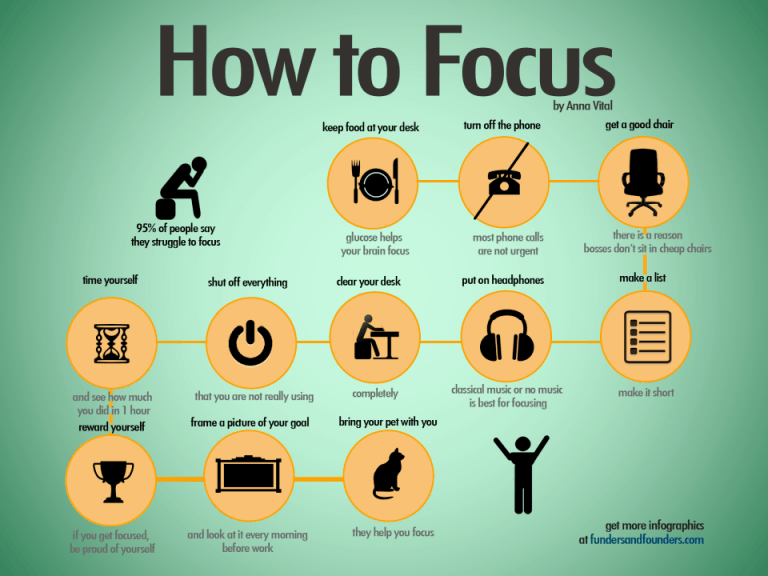
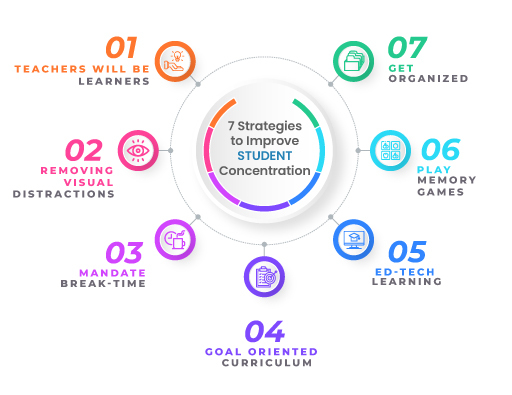
Am I focused? Or am I always distracted? ask this one question to yourself to get more clarity as a student, parent and/or teacher.
- For Students:
- Question: “Am I consistently able to complete my assignments and study for exams without significant distractions or procrastination?”
- For Parents:
- Question: “Do I find myself regularly prioritizing and managing my time effectively to support my child’s needs and my own responsibilities?”
- For Teachers:
- Question: “Can I maintain a clear and organized lesson plan, and do I stay on track during class sessions without getting sidetracked?”
This is a free newsletter. If you like my content, please subscribe by entering your email ID here.
Three Images of the Week

Two Thoughts of the Week
“Concentrate all your thoughts upon the work in hand. The sun’s rays do not burn until brought to a focus.” – Alexander Graham Bell
“The ability to focus is a defining characteristic of successful individuals.” – Brian Tracy
One Video of the Week
The latest research is clear: the state of our attention determines the state of our lives. So how do we harness our attention to focus deeper, get distracted less, and even become more creative? Chris Bailey, author of the recent book Hyperfocus, talks about how our ability to focus is the key to productivity, creativity, and living a meaningful life. Follow Chris on @chris_bailey Chris Bailey was recently described by TED as possibly “the most productive man you’d ever hope to meet”.
He is the international bestselling author of Hyperfocus and The Productivity Project, which have been published in sixteen languages. Chris works with organisations around the globe on how they can become more productive without hating the process.
To date, Chris has written hundreds of articles on the subject of productivity, and has garnered coverage in media as diverse as The New York Times, The Wall Street Journal, New York magazine, The Huffington Post, Harvard Business Review, TED, Fortune, Fast Company, and Lifehacker.
Reading with Ms. Meenu: Tip of the week
Books on Tape
If you have a heterogeneous or mixed ability classroom, you will need books on tape as one accommodation (along with properly leveled book choices) for students who read slowly or struggle.
Happily, almost all the popular books for teenage readers, both classics and young adult (YA) literature, are now available on inexpensive literacy platforms. The same tool that many adult readers enjoy, can be the tool that allows a student with reading problems to join fully in a higher order conversation about the ideas in a book. Even kids with learning disabilities in reading accessing the story as an audio book allows them a rare opportunity to shine in the classroom, showing that they can respond to questions, connect, speculate, interpret and judge the same as anyone else in the classroom. For many teachers this is another reason for providing in class reading time for literature circle books to make sure that kids who are using books in any version are getting to the listening mode, keeping up and getting the support they need.
Books on tape aren’t just for struggling readers; they can add a new dimension for everyone, especially when the books are read by a strong reader or by its original author. For example, choose a favorite book as an audio book that’s read by a great author i.e. Hatchet by Gary Paulsen, read by Peter Coyote.
Now try this on your students, a little section to read quietly.
Let them think about how the passage might be read out loud. Next ask for a volunteer to read aloud a paragraph or two. Have other students with a different interpretation.
Then play the professional version of the story read by an author and assess on:
· Did the reader sound like you expected?
· What was alike and different?
· Did the reading aloud change your picture of or thinking about the story?
At this point let everyone enjoy it and then conduct some discussions.
Happy Reading!
Meenu Gera, Consulting home and school librarian and reading guide.
Career assessment, guidance, and placement strategies:
A Career Restart: Guiding a Mother-Daughter duo to their True Calling
Ms Meena approached us seeking guidance for her daughter, who was interested in media and acting. After undergoing our career assessment and counseling process, she decided to join Whistling Woods International College for her undergraduate program.
Interestingly, our engagement with the family did not end there. Ms. Meena later returned to seek career guidance for herself. Having put her career on hold after marriage to focus on family responsibilities, she was now looking to restart her professional journey. Through our career counseling sessions, we discovered that she had strong skills in stock trading and a natural aptitude for it, having learned the skill from her father at a very young age.
When our career counselors lead such mature career counseling discussions, the approach is always customized to the client’s needs, ensuring meaningful and valuable outcomes.
Case study provided by: Team Fermata, www.fermataco.com
Showcase:
Thrive Beyond School – A unique project for very young children in STEAM education, Hyderabad, Andhra Pradesh
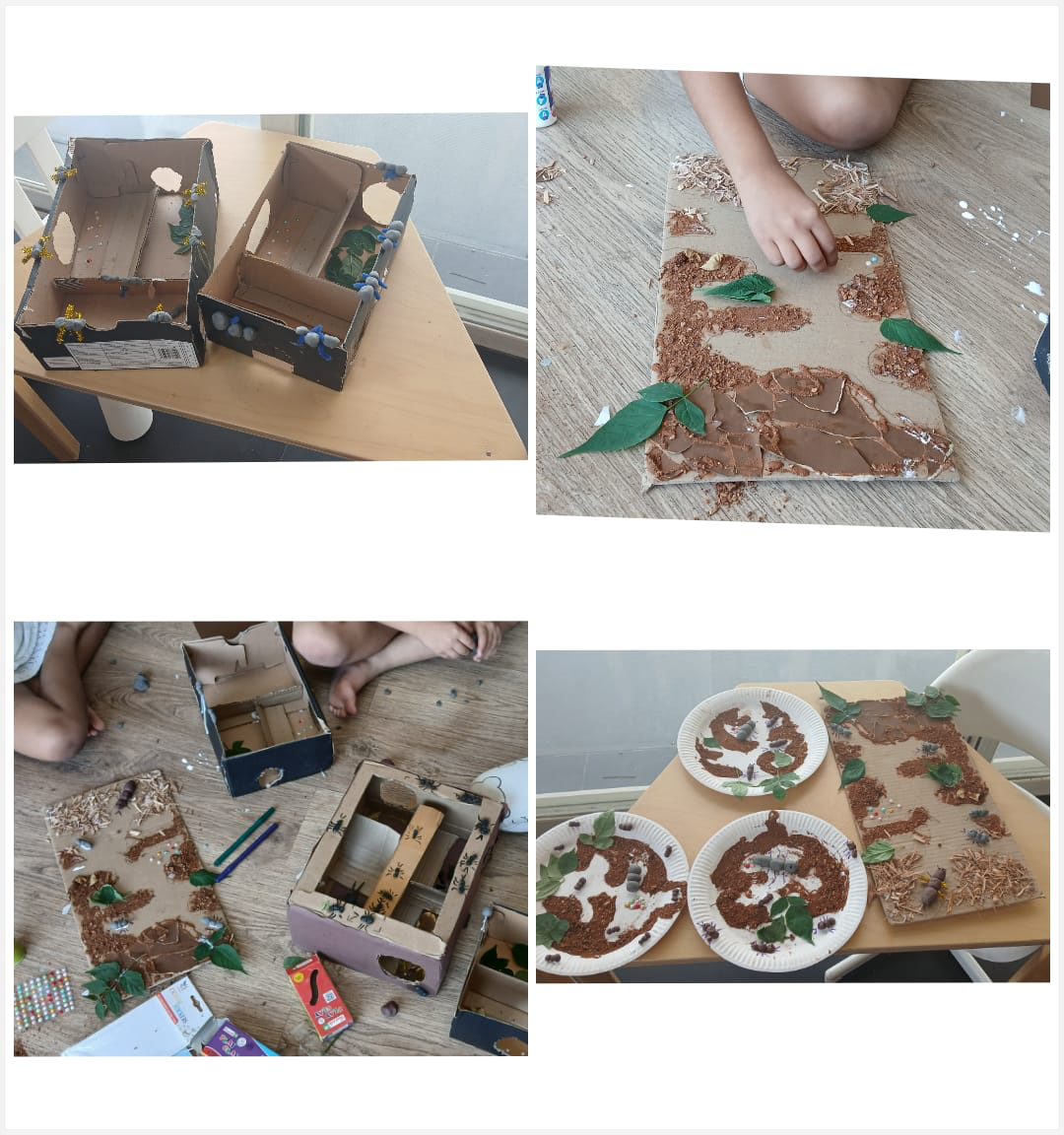
Building an ant colony with carton boxes, cardboard, paper plates, soil, and clay helped kids learn about how ants live and work together. They explored the structure of a colony, including tunnels and chambers, and understood the roles of worker ants, soldiers, and the queen. This activity also taught problem-solving and engineering skills as they designed stable tunnels and experimented with materials. It encouraged creativity in building and decorating the colony while fostering curiosity about nature.
Neev,Mayra,Havishka& Tashi :6.7 years old, Arnav & Tara:5.7 years old
Dear reader,
I work with the school leadership team as an advisor and collaborate with teachers as a pedagogical trainer. I also help parents as a parenting counselor and regularly engage one-on-one with students as a personal guide and mentor. This weekly newsletter shares what I read, learn, and experience.
3-2-1 Tuesdays with Ms. Niv is a newsletter you can subscribe to and enjoy your learning journey with me.
3-2-1 TUESDAYS WITH MS NIV
Issue #242, 25th Feb 2025
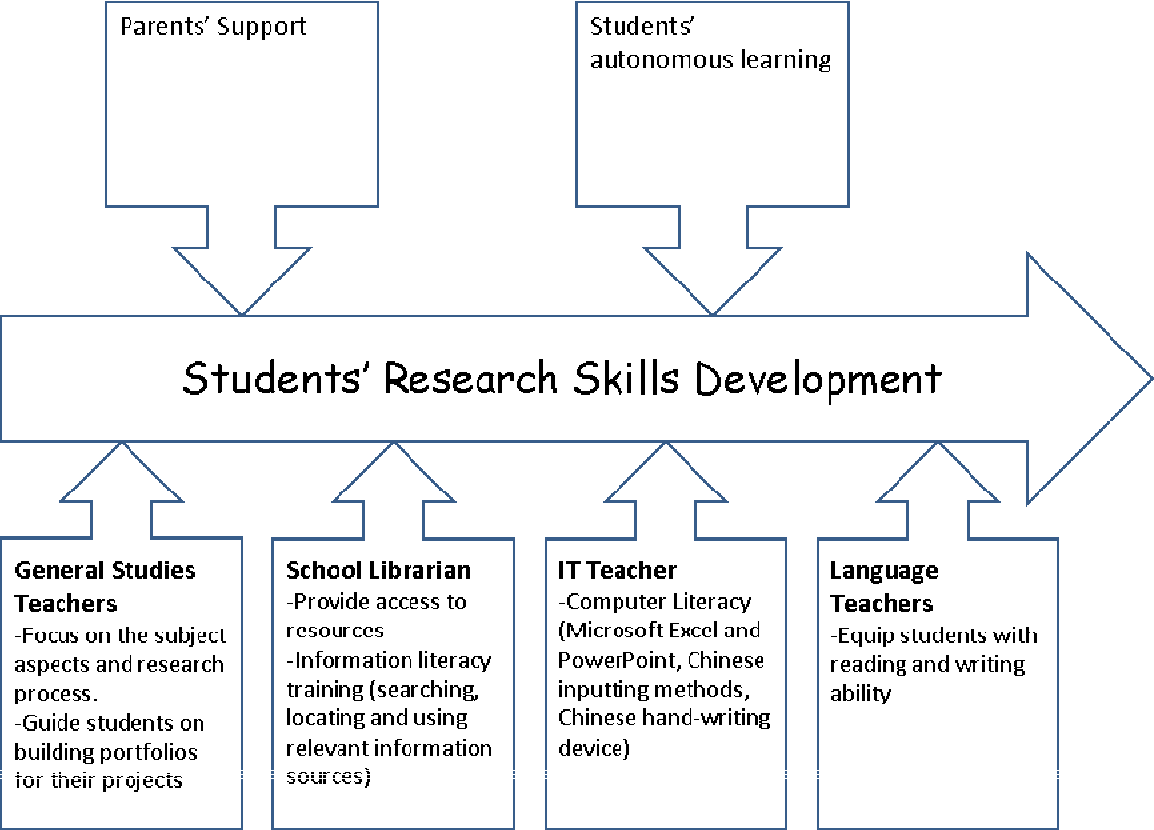
Have you ever made a major purchasing decision where research significantly changed what you ultimately bought? What’s one topic you’ve researched recently in your personal life? Do you have any specific research techniques or trusted sources you regularly rely on?
Learning research skills as a student becomes a life skill over time. Would you agree?
This is a free newsletter. If you like my content, please subscribe by entering your email ID here.
Three Images of the Week


Two Thoughts of the Week
“Research is seeing what everybody else has seen and thinking what nobody else has thought.”
– Albert Szent-Györgyi
“Research is formalized curiosity. It is poking and prying with a purpose.”
– Zora Neale Hurston
One Video of the Week
How does research prepare us with real world skills of the future? In this talk, high school researcher Alex Kroumov demonstrates the importance of research in developing problem-solving skills for the real world. He addresses the issue that most people graduate high school unprepared with important life skills, and then describes how research forces them to grow their abilities. His past projects, which have been featured on the news and at Regeneron’s International Science and Engineering Fair, have taught him important lessons about adaptation and critical thinking. He is here to share how research can be used to accelerate a person into a mindset primed to critical thinking, allowing them to effectively achieve their own goals.
Alex Kroumov is an Arizona College Prep High School senior with a passion for biomedical engineering. Particularly interested in projects related to neuroscience, he has worked with Arizona State University to investigate the effects of music on neuroelectric patterns.
Additionally, he works with fellow students to develop technology that addresses issues ranging from heat stress to termites. Projects to which he has contributed have been presented in front of Chandler’s city council, featured on the news, and shown at Regeneron’s International Science and Engineering Fair. In the future, he seeks to use his experience with research and development to advance the connection between computers and the brain.
Reading with Ms. Meenu: Tip of the week
Getting More Mileage Out of Drawings
It’s been always suggested that drawing in response to a book often brings new topics, questions and visions to the table. First the “left brained” kids typically blow off this part of the literature circle preparation, coming up with a good illustration is just as important as the written responses because drawing requires the brain to work in a different way. For many students doing an illustration stretches their thinking in new directions. Second, when students have put a lot of effort into their illustrations, it is disappointing to see these masterpieces get such short shrift. The kids hold them up, someone says, “Oh that’s when….,” the other kids nod in agreement and the discussion of that illustration is over. Here’s a lesson for helping students extend the discussion of their illustrations.
Getting more mileage out of illustrations requires critical thinking and questioning. For example:
· Explain how this picture relates back to something that happened earlier in the story.
· Imagine a change of story events and then explain how the picture would change.
· Describe how you imagined this scene as you read. What did you see differently than the artist?
· Why did you choose that character to draw?
· What interested you about this part of the story?
· Where was this in the story? What passage would you use as a caption?
· What details would you have added if you had more time?
· What feelings does this scene show?
Start an illustration galley. Display drawings from the different book titles together and encourage the class to take a look at what’s going on in the other literature circles. Hopefully the illustrations will muster interest in reading some of the other books. And that’s the way to take out more mileage out of illustrations and promote literacy on the side.
Happy Reading!
Meenu Gera, Consulting home and school librarian and reading guide.
Career assessment, guidance, and placement strategies:
Research Skill Development Training Program for School Students.
Alma Mater School, Jodhpur is an A-level school committed the holistic development of its students. During our interactions with the school’s decision-makers, we helped them understand how universities in India and abroad evaluate college applications. This discussion led to our collaboration, where we have been doing career assessments and counseling for students from grade 8 onwards. In 2023, we also conducted a 12-hour research skill development training program for Grade 11 & 12 students. The program introduced them to key aspects of research, including how to develop a research topic, conduct a literature review, collect primary data, use analytical tools, and ultimately write a research paper.
At Fermata, we take a highly customized approach to profile building, enabling students to align their interests and academic goals with their personal brand. Research work is a key component of skill development, and we emphasize and specialize in guiding students through this process.
Case study provided by: Team Fermata, www.fermataco.com
Showcase:
Thrive Beyond School – A unique project for very young children in STEAM education, Hyderabad, Andhra Pradesh
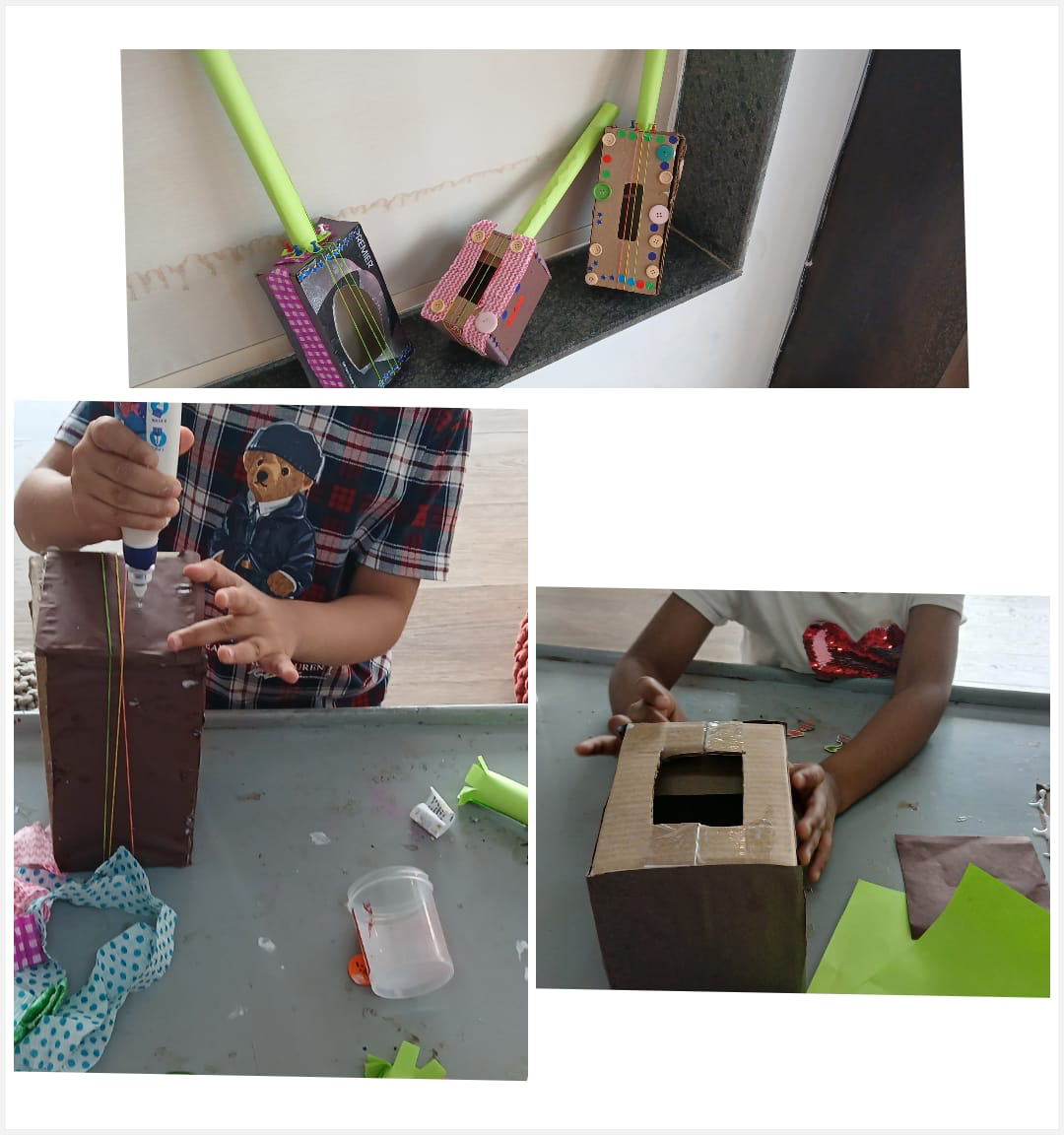
Students of Thrive center, explored how sound is created through vibrations. They discovered that plucking a string made it vibrate, producing sound.
Using a carton box and rubber bands, they built simple guitars and observed how different materials affected sound. They also learned how real instruments like guitars and violins work.
This hands-on activity made learning about sound fun and exciting!
Neev & Mayra :6.7 years Tara:5.7 years
Dear reader,
I work with the school leadership team as an advisor and collaborate with teachers as a pedagogical trainer. I also help parents as a parenting counselor and regularly engage one-on-one with students as a personal guide and mentor. This weekly newsletter shares what I read, learn, and experience.
3-2-1 Tuesdays with Ms. Niv is a newsletter you can subscribe to and enjoy your learning journey with me.
3-2-1 TUESDAYS WITH MS NIV
Issue #241, 18th Feb 2025
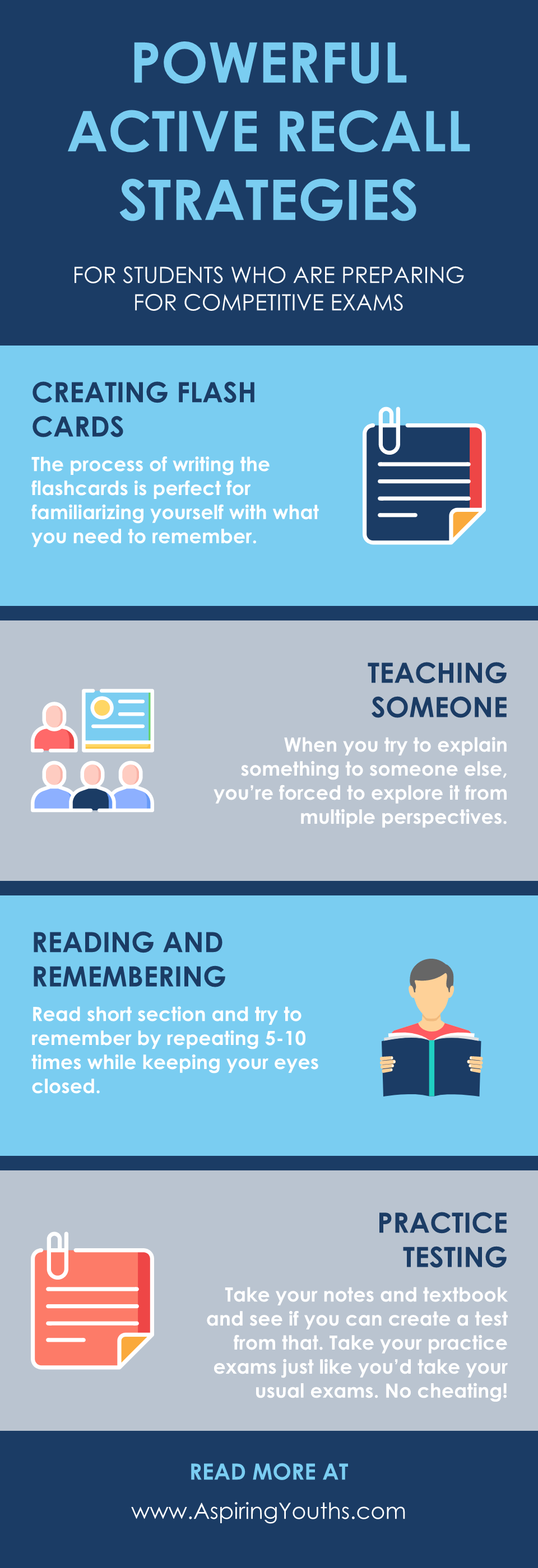
I want to remember all the lovely moments from my travels. Students would love to remember all the timelines of the historical events or mathematical equations or chemical formulae. Teachers would like to remember all their students’ names and faces. Parents would like to remember all the wonderful moments of their child’s growing years…how does one get around to doing that? Try some of the methods mentioned here. Let me know if any of them worked for you. I would like to try that one then.
This is a free newsletter. If you like my content, please subscribe by entering your email ID here.
Three Images of the Week


Two Thoughts of the Week
One Video of the Week
Most of us feel that our memory is weak. But how to improve your memory? From day to day life activity to memorized pie value 43000 decimal place then recalled it in 5 hours and 21 minutes, how I memorized it? You can you also do it. If I can called as memory king then why not you? Do these exercise 5 minutes daily and change your life. Guinness world record holder Mr. Krishan Chahal is the world’s foremost authority on the memory improvement. Known as memory king Mr. Chahal has also created the world’s toughest memory record by memorising value of pi up to 43,000 decimal places. Around the world millions of people and esteemed organisation like Davidson Academy of Naveda (USA), Indian Air Force, IiT Kanpur, Defence Research & Development Orgaization, Indian Navy, NPCIL and many other organisations have benefitted from his highly effective memory improvement programs. He has authored several books on accelerated leaning. His Latest books are ‘Art of Memorising’ and ‘Art of Studying Well’ He strongly believes that everyone has good memory they just need to learn HOW TO USE IT.
Reading with Ms. Meenu: Tip of the week
Discussion Skill: Table Cards
Sometimes its shocking to us but students often forget to use the skills that enhance their literature circle discussions. Even though these important behaviors have been defined via brilliant teacher modeling, T-charts, posters and processing, students will still forget. That’s because using a new skill requires us to reconstruct our patterns of interaction and it is human nature to unconsciously slip back into our old comfortable habits. One way to take kids to the next level of owning a skill is through the use of table cards.
To introduce this lesson, simply describe what you’ve been seeing in the groups so far. Most groups are probably on task but may be having somewhat superficial and listless conversations. Emphasize that high performing literature circles have a lot more fun than what you’ve been seeing: Tying skill improvement to fun is the hook. Once the kids realize that their discussions could be a lot more interesting and entertaining, they’re ready to create their Discussion Skill Table Card.
Ask your groups to create a two-column list. Have them label the left-hand column “Skills That Make Discussion More Fun” and the right-hand column “Skills That Make Discussion More Interesting.” Then have groups brainstorm skills for each column. After making the cards, students display them and refer to them for the remainder of their literature circle discussions. Changing behavior takes time. You’ll notice that when given a choice, students will tend to focus more on “making discussion fun” than “making discussion interesting”. Though we teachers always want the kids to dig deeper into the text. Discussing these positive changes in a quick whole class discussion is important because it demonstrates that using these skills really does make a difference.
Happy Reading!
Meenu Gera, Consulting home and school librarian and reading guide.
Career assessment, guidance, and placement strategies:
Research Skill Development Training Program for School Students.
Alma Mater School, Jodhpur is an A-level school committed the holistic development of its students. During our interactions with the school’s decision-makers, we helped them understand how universities in India and abroad evaluate college applications. This discussion led to our collaboration, where we have been doing career assessments and counseling for students from grade 8 onwards. In 2023, we also conducted a 12-hour research skill development training program for Grade 11 & 12 students. The program introduced them to key aspects of research, including how to develop a research topic, conduct a literature review, collect primary data, use analytical tools, and ultimately write a research paper.
At Fermata, we take a highly customized approach to profile building, enabling students to align their interests and academic goals with their personal brand. Research work is a key component of skill development, and we emphasize and specialize in guiding students through this process.
Case study provided by: Team Fermata, www.fermataco.com
Showcase:
Thrive Beyond School – A unique project for very young children in STEAM education, Hyderabad, Andhra Pradesh
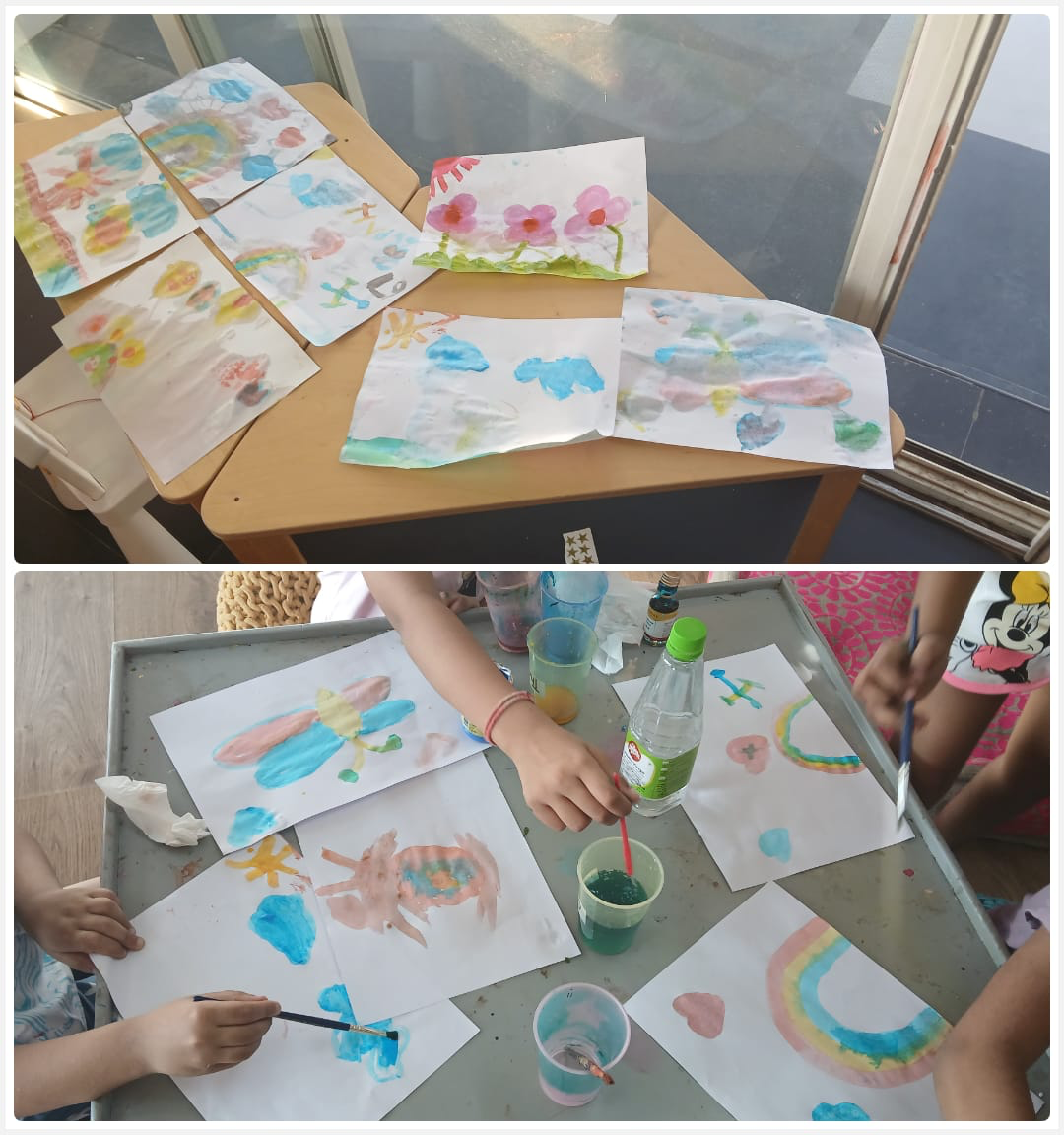
In the ‘Baking Soda Art Experiment’, children explored science and creativity. They watched vinegar react with baking soda, creating fizzy bubbles and colorful patterns. This fun activity introduced them to chemical reactions, color mixing, and sparked curiosity and creativity.
Neev,Mayra,Tashi ,Samyuktha & Havishka:6.7 years old.
Tara & Arnav:5.8 years old
Dear reader,
I work with the school leadership team as an advisor. I collaborate with teachers as a pedagogical trainer. I help parents as a parenting counselor. I engage one-on-one with students as a personal guide and mentor. This weekly newsletter shares what I read, learn, and experience.
3-2-1 Tuesdays with Ms. Niv is a newsletter you can subscribe to and enjoy your learning journey with me.
3-2-1 TUESDAYS WITH MS NIV
Issue #240, 11th Feb 2025
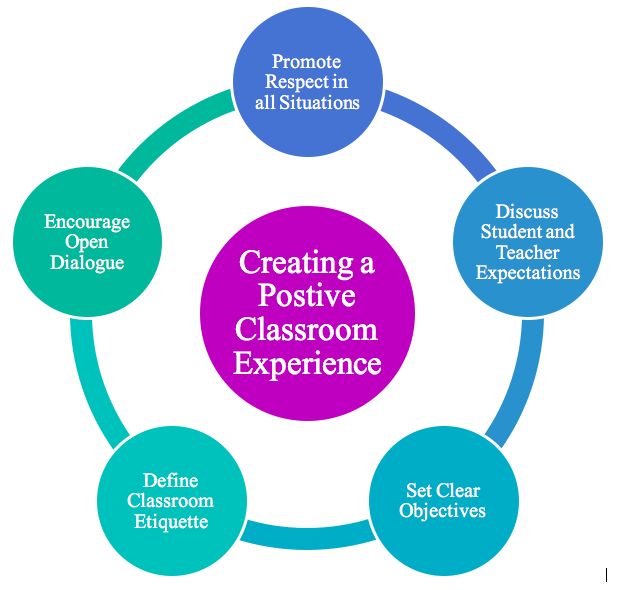
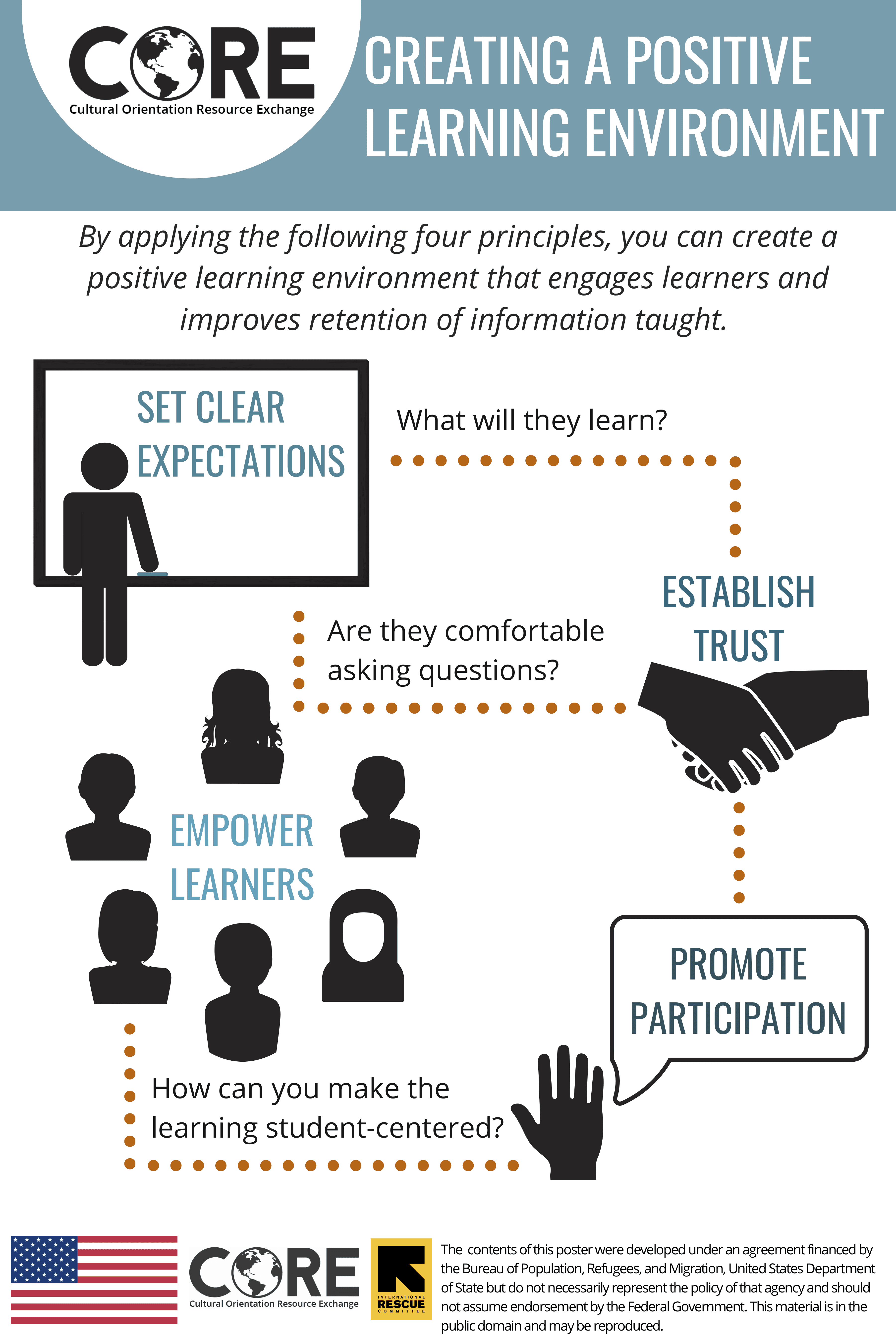
Positive learning environments. Ask these three questions as an educator. Consider these questions as a parent. Reflect on these questions as a student when you are creating or entering one.
“Do I see students actively engaging in discussions? Do they feel comfortable enough to ask questions? Or are they passive and hesitant to join?”
Does the physical classroom space showcase current student work? Does it give accessible learning materials? Or does it feel impersonal and restrictive?
“How do teachers respond to student questions and mistakes? Do they use supportive language and treat errors as learning opportunities? Or do they react with frustration or dismissiveness?”
This is a free newsletter. If you like my content, please subscribe by entering your email ID here.
Three Images of the Week

Two Thoughts of the Week
If you feel your school is failing you, the question is why. Is it a lack of parental involvement, large classes, school violence, poor learning environment? Are there any standards to determine where problems are? Are there tutoring or mentoring programs? If the school is still failing after 3 years then what are your options?
John G. Rowland
In an effort to create a culture within my classroom where students feel safe sharing the intimacies of their own silences, I have four core principles posted on the board that sits in the front of my class, which every student signs at the beginning of the year: read critically, write consciously, speak clearly, tell your truth.
Clint Smith
One Video of the Week
In this talk, Gregory Chahrozian delves into the profound impact of teachers and explores how their character and qualities have the potential to shape students’ lives. Through personal experiences and thought-provoking stories, he reveals the untold insights about the transformative power of educators that goes far beyond what they teach.
Gregory Chahrozian joined the American University of Armenia as an adjunct lecturer in the Fall of 2020. Gregory holds a Master’s Degree in Teaching and a Bachelor’s Degree in Science from The University of Sydney. He majored in Microbiology and Genetics and Science Education. He has spent the last twenty years teaching Secondary education students. During that time, his leadership roles included Head of Curriculum and Head of Science Faculty. He is keen to share his educational experience and be part of the education revolution here in Armenia, focusing on Curriculum and Assessment development. He recently repatriated to Armenia from Australia.
Reading with Ms. Meenu: Tip of the week
Asking Follow-Up Questions after a good read:
Coming up with good questions to start a conversation is important but doesn’t guarantee that a group will pursue a topic in depth. For extended discussion to occur, the groups need to know how to listen carefully to comments made by others and ask open-ended questions that will get students to explain their ideas in greater detail. Let’s help them to understand what follow-up questions are and how to improve their performance in using them. We recommend you use this lesson several times during a literature circle cycle since learning how to ask good follow up questions is probably one of the most difficult and most fundamental discussion skills students need to master.
· Make sure that students wait for the questioner to write the follow-up question down before answering.
· Emphasize that most of the time in a discussion, students answer too quickly; if they stopped to think for a few seconds, their answers would be more thorough and clearer.
· Watch for students who are asking yes or no questions. Point these out and help those students rephrase them as open-ended questions.
After students have practiced, ask them to look back at the starter questions and find the one that seemed best at generating follow-up questions. Then have them figure out why this was the case. Realizing how the starter question ties directly into follow ups is important. It is also a good idea to have students reflect on how easy or difficult it was for them to think of good follow ups. Asking follow-ups requires focus, good listening and quick thinking. All of these take practice.
Happy Reading!
Meenu Gera, Consulting home and school librarian and reading guide.
Career assessment, guidance, and placement strategies:
A New Career at 45: How Sheila Found Her Calling in Teaching
Sheila at 45, felt lost about her career direction. She had tried multiple jobs, with her most recent role being a home tutor for school students. While she enjoyed the work, she wanted to formalize it into a structured career. Seeking guidance, she reached out to us for career counseling.
Through our discussions, she gained clarity that a full-time teaching position in a school would be the right path for her. However, she wanted to ensure she had the necessary skills to excel in the role. We recommended our Know Your Teacher (KYT – Teacher Development) assessment, designed to evaluate 10 essential teaching competencies based on global standards. These competencies include – Presentation Skills, Student Facilitation, Continuous Learning, Curriculum Planning & Scheduling, Research Skills, Creativity, Positive Feedback, Work Coordination, Democratic Decision Making, and Requirement Analysis.
Her assessment report highlighted areas of improvement, and she willingly enrolled in our Life Skills Toolkit for Teachers program. This toolkit equipped her with the 10 essential life skills defined by the WHO, helping her enhance her teaching effectiveness.
As career counselors, we empower individuals to make informed career decisions at any stage of life. While we strive to provide the best guidance, success ultimately depends on the client’s willingness to take action. Sheila exemplified this by following our step-by-step guidance with the dedication of a lifelong learner. Today, she is thriving in her role as an educator.
Case study provided by: Team Fermata, www.fermataco.com
Showcase:
Thrive Beyond School – A unique project for very young children in STEAM education, Hyderabad, Andhra Pradesh
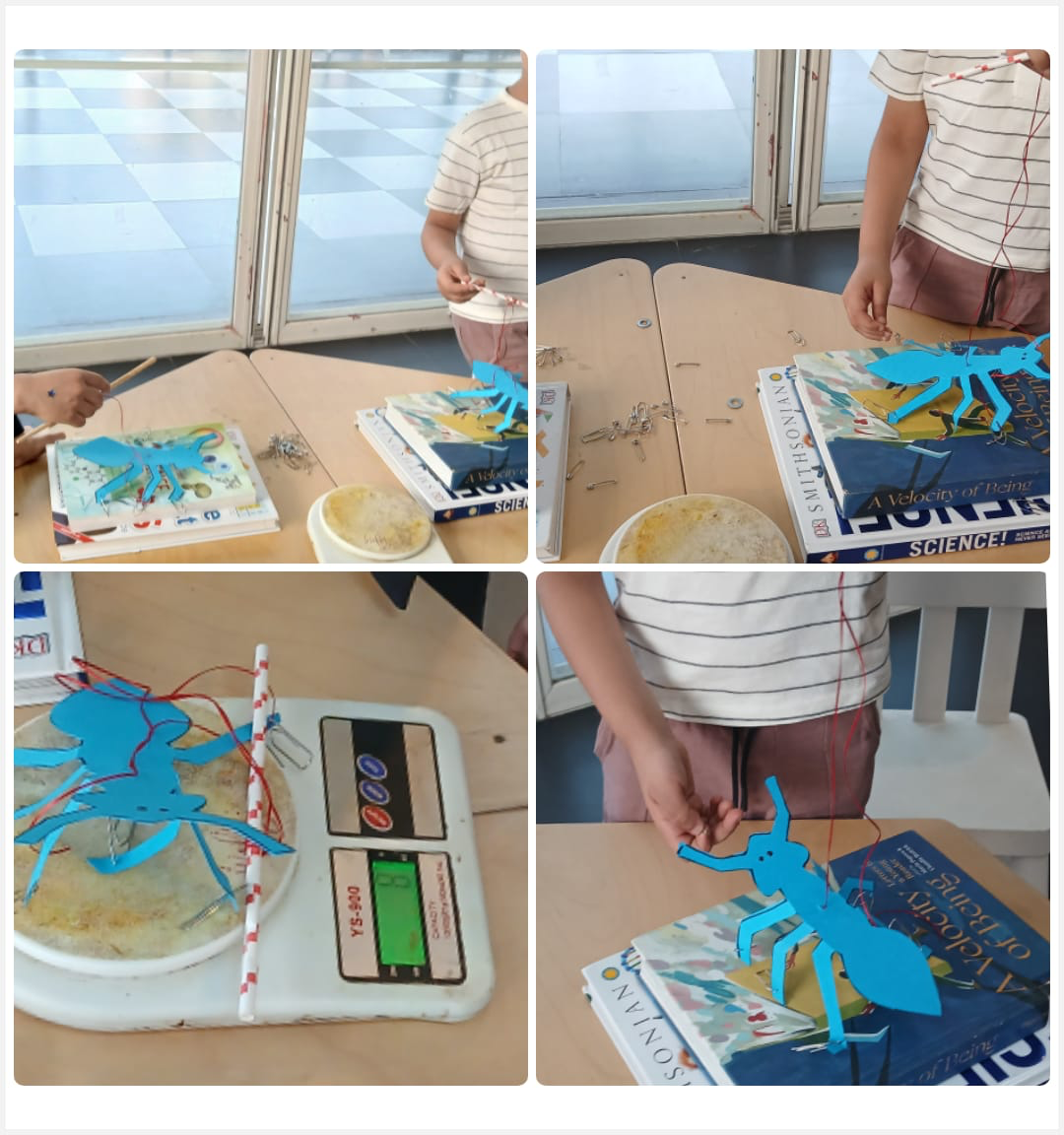
Children explored the strength of ants through an engaging “Ant Strength Test,” where they measured how much weight a paper ant could lift before collapsing. For example, a paper ant weighing 9 grams managed to lift 4 clips before breaking. Through this experiment, they learned about strength-to-weight ratios and discovered that real ants can carry 50 times their body weight! This hands-on activity encouraged scientific thinking, measurement skills, and problem-solving
Samyuktha,Neev,Mayra,Tashi & Havishka: 6.5 years old, Tara & Arnav:5.5 years old
Dear reader,
I work with the school leadership team as an advisor. I collaborate with teachers as a pedagogical trainer. I help parents as a parenting counselor. I engage one-on-one with students as a personal guide and mentor. This weekly newsletter shares what I read, learn, and experience.
3-2-1 Tuesdays with Ms. Niv is a newsletter you can subscribe to and enjoy your learning journey with me.
3-2-1 TUESDAYS WITH MS NIV
Issue #239, 04th Feb 2025
Asking questions whose answers will make a difference is a science, an art, and a learned skill. How can we ask great questions—to our students, our peers, and ourselves? Are you curious? Read on for some cues.
This is a free newsletter. If you like my content, please subscribe by entering your email ID here.
Three Images of the Week


Two Thoughts of the Week
“A prudent question is one half of wisdom.” – Francis Bacon
“What are you trying to do – one of the easiest to ask and most difficult to answer of questions.” – Robert K. Greenleaf
One Video of the Week
We live in a society which seeks answers, but do we need more focus on asking the right questions? It’s something Andrew ponders each day, both in his professional life and beyond the workplace. He questions the wisdom of a tick-box world which asks only, ‘yes or no?’ ‘In or out?’ If you’re curious to know more, it seems you’ve got the right mind-set.
Andrew Vincent is the co-owner of a market research consultancy, examiner for the UK Market Research Society’s postgraduate level Diploma in Market and Social Research Practice, and visiting lecturer at the IE University in Madrid.
Reading with Ms. Meenu: Tip of the week
Asking Good Questions:
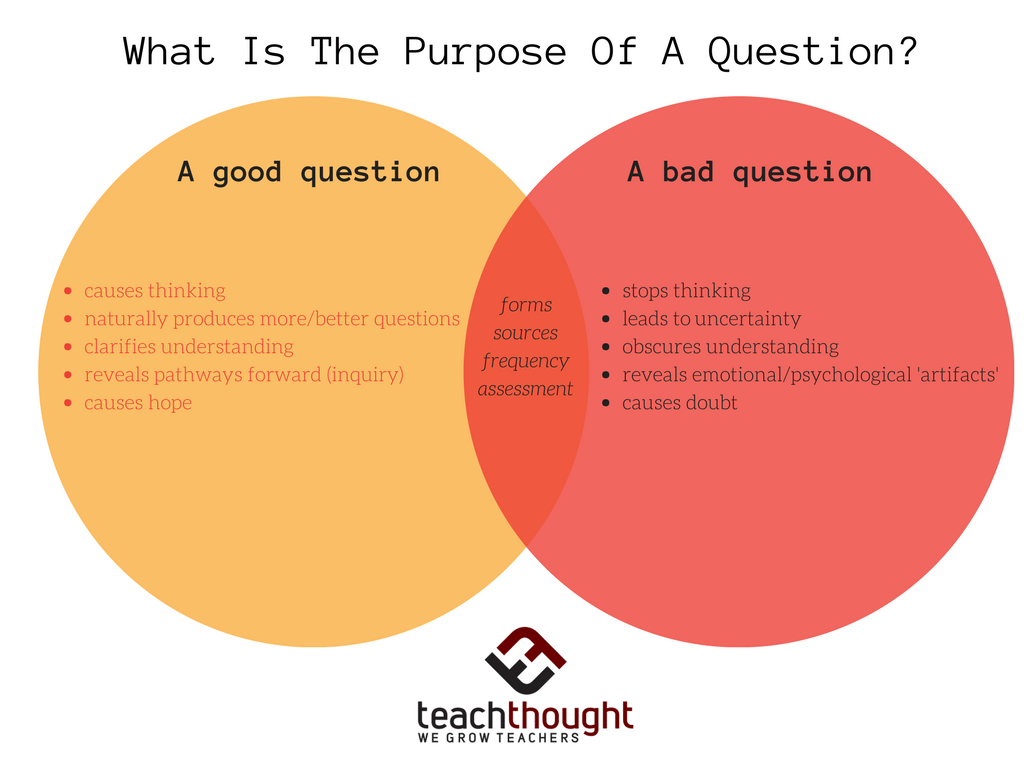
Readers often have difficulty coming up with good questions for discussion. Questions that require extended and complicated answers seldom work because answering them requires individual kids to take a greater risk. And even if a brave student speaks up, an extended focus on one person often loses the attention of the rest of the class. Since most students have experienced few models of the kind of questioning that works best for small group discussions, directly addressing this skill is vital. Have a detailed discussion about what could be good questions and their characteristics:
Good Questions:
· Are not easily answered – make you think.
· Have more than one possible answer.
· Lead to different opinions/viewpoints.
· Make you predict the ending or future problems.
· Pose comparisons.
· Get you emotionally involved.
· Bring up controversial ideas.
Bad Questions:
· Have a yes or no answer.
· You can easily find the answer.
· Ask for one specific detail – Not much to talk about.
· Nothing to disagree or argue about.
· Only one opinion is possible.
· Are too vague, too general.
· Ask about something that isn’t important to the story.
· Have obvious answers; don’t take much thinking.
Developing good questions is the most important skill even students have to research. Being able to review how interesting questions come to their mind will enhance their understanding on certain topics.
Happy Reading!
Meenu Gera, Consulting home and school librarian and reading guide.
Career assessment, guidance, and placement strategies:
Building a Competitive College Profile: Ansh’s Research on Autoimmune Diseases; Batch of 2030
Ansh’s parents contacted us for guidance in building his profile for his dream university. At the time, Ansh had just started grade 11 at an IB curriculum school. Our intervention began with understanding his HL and SL subjects and the major he aspired to pursue in college.
One key aspect of profile building that we focus on is research work. Our in-house research guides include professors and Ph.D mentors in esteemed universities in India. Choosing a research topic involves brainstorming sessions focused students on passions, hobbies, academic interests, and global issues they care about.
After 2-4 sessions, Ansh decided to conduct his research on ‘auto-immune diseases’, a topic close to him as he has been dealing with this condition from a young age. His research is currently in progress, and the published paper will be available upon request after September 2025.
Case study provided by: Team Fermata, www.fermataco.com
Showcase:
Thrive Beyond School – A unique project for very young children in STEAM education, Hyderabad, Andhra Pradesh

Children learned about the important roles ants play in nature. They explored how ants work together in a colony, with each ant having a specific job: the Queen lays eggs, workers gather food, and soldiers protect the colony. Children also discovered the three main parts of an ant’s body—head, thorax, and abdomen. Through activities like observing live ants and building their own ant models, children gained a deeper understanding of these tiny but mighty insects.
Tashi, Neev& Mayra 6.5 years old Arnav & Tara 5.5 years old
Dear reader,
I work with the school leadership team as an advisor. I collaborate with teachers as a pedagogical trainer. I help parents as a parenting counselor. I engage one-on-one with students as a personal guide and mentor. This weekly newsletter shares what I read, learn, and experience.
3-2-1 Tuesdays with Ms. Niv is a newsletter you can subscribe to and enjoy your learning journey with me.
3-2-1 TUESDAYS WITH MS NIV
Issue #238, 28th January 2025
Do you have a scout mindset? or a soldier mindset? Do you yearn to defend your own beliefs? Or do you want to see the world as clearly as you possibly can?
Here are some ways that can lead to a scout mindset whether you are a student/parent/educator.
- Be Skeptical of Your Own Assumptions
Regularly reflect on your beliefs and biases. Consider: What if I’m wrong? - Stay Curious
Continuously seek to understand other perspectives and learn new things. - Embrace Discomfort
Acknowledge that facing evidence or opinions that challenge your worldview can be uncomfortable but is crucial for growth. - Celebrate Change
View changing your mind as a strength and a sign of intellectual maturity, not weakness.
This is a free newsletter. If you like my content, please subscribe by entering your email ID here.
Three Images of the Week

Two Thoughts of the Week
If the words you spoke appeared on your skin, would you still be beautiful?
None of us is as smart as all of us.
One Video of the Week
Perspective is everything, especially when it comes to examining your beliefs. Are you a soldier, prone to defending your viewpoint at all costs — or a scout, spurred by curiosity? Julia Galef examines the motivations behind these two mindsets and how they shape the way we interpret information, interweaved with a compelling history lesson from 19th-century France.
When your steadfast opinions are tested, Galef asks: “What do you most yearn for? Do you yearn to defend your own beliefs or do you yearn to see the world as clearly as you possibly can?”
Reading with Ms. Meenu: Tip of the week
Refining Discussion Skills: Creating Deeper Comprehension
The quality and depth of student book club meetings is high on a teacher’s list of concerns. When kids digress from the text, get stuck on superficial plot details, skip over important elements, or act rudely towards each other, we all get nervous. After all the work we have done to set up literature circles – choosing books, forming groups, creating schedules and beginning the reading – we want to be sure that ensuring discussions are of high quality ; thoughtful, sustained, and genuinely collaborative.
As we admitted earlier, the initial training we provided, however careful, is never enough. To further support kid’s conversation development, we as educators might start the next few meetings with mini lessons aimed at sharpening a key discussion skill, such as:
· Asking good questions
· Asking follow up questions
· Getting everyone involved
· Grounding arguments in the book
· Practicing individual discussion skills
· Using notes more effectively to feed discussions
The first two skills listed above are especially critical because they directly address the way we want students to talk to each other. They show that open-ended well-chosen questions can drive the conversation in book clubs just as they do in life. Indeed, the quality and quantity of questions that members have for each other determines, to a great extent, the success of any discussion group. The other four skills address somewhat narrower discussion skills, and you would choose among them by noticing what your group needs next. Always, monitor the skill as kids put it to work in class, and then debrief it at the end of the meetings.
Happy Reading!
Meenu Gera, Consulting home and school librarian and reading guide.
Career assessment, guidance, and placement strategies:
‘University Readiness’ Signature Program
Our journey with Rohan began in grade 8 when he and his mother sought guidance on planning his academic path for Grades 9 and 10 while aligning it with his dream of attending a top-tier university. After completing grade 10, Rohan enrolled in our comprehensive 2-year ‘University Readiness’ Signature Program.
This program provides him personalized guidance through sessions with profile-building experts, research guides, and career counselors, ensuring he stays on track in his university preparation journey. Rohan’s research work focuses on ‘Entrepreneurship’ and is scheduled for completion by June 2025, with plans to publish it in a research journal.
Our career mentors support Rohan in maintaining academic excellence while strengthening other key aspects of his profile, ensuring he stands out in the competitive university admissions landscape.
Case study provided by: Team Fermata, www.fermataco.com
Showcase:
Thrive Beyond School – A unique project for very young children in STEAM education, Hyderabad, Andhra Pradesh

Students learned about spider anatomy, including two body parts, eight legs, multiple eyes, and an exoskeleton for protection.
In the “Build-a-Spider” activity, they made spider models with egg cartons, pipe cleaners, and googly eyes, combining creativity with science.
They discovered how spiders hunt, build webs, and use their adaptations to survive.

In the “Spider’s Web Home” project, students learned how webs help spiders survive by catching prey and providing protection. Using yarn, paper, and leaves, they explored spider habitats and behaviors while blending creativity with science.
Tashi & Havishka 6.5 years old, Arnav 5.5 years old
Dear reader,
I work with the school leadership team as an advisor. I collaborate with teachers as a pedagogical trainer. I help parents as a parenting counselor. I engage one-on-one with students as a personal guide and mentor. This weekly newsletter shares what I read, learn, and experience.
3-2-1 Tuesdays with Ms. Niv is a newsletter you can subscribe to and enjoy your learning journey with me.
3-2-1 TUESDAYS WITH MS NIV
Issue #237, 21st January 2025
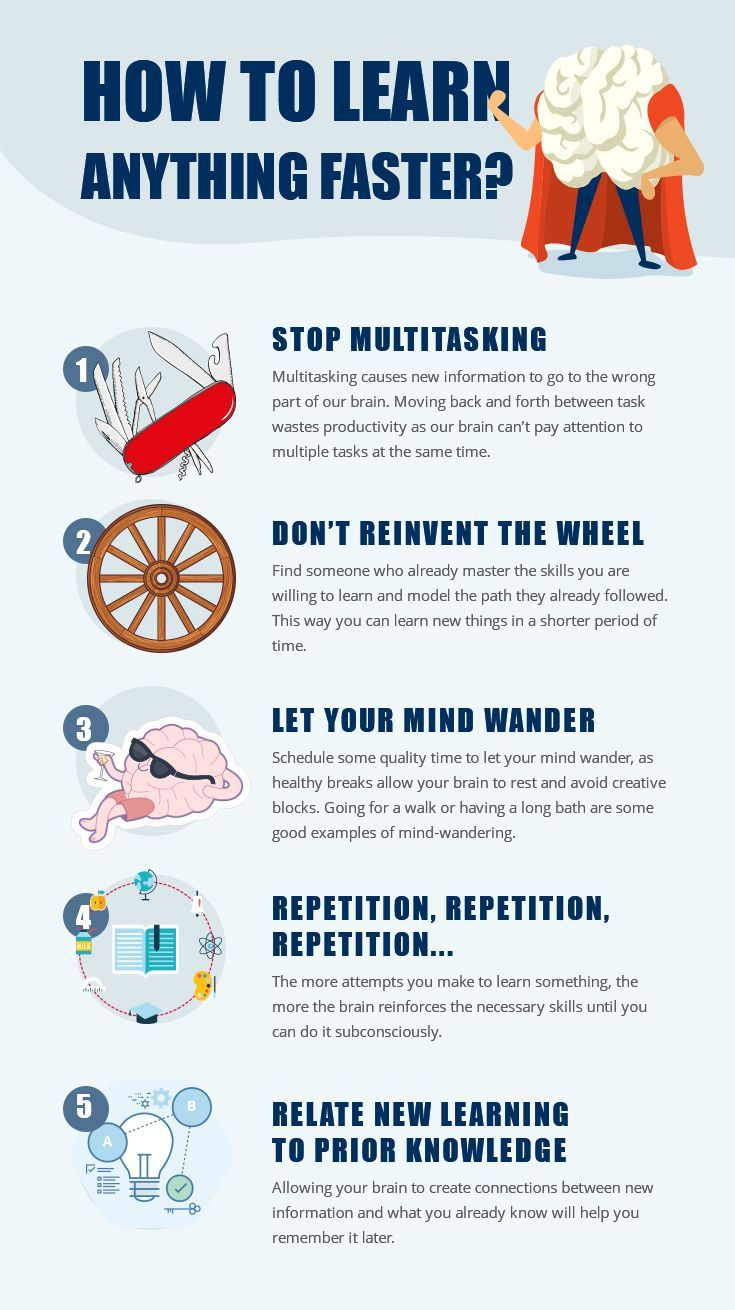
Can you recognize and unlearn outdated or unhelpful patterns as a student/educator/parent? Here are some tips that you might find useful in unlearning to learn. All the best.
For Students:
- Examine your learning habits. Notice when you’re:
- Using memorization when understanding would serve better
- Sticking to one learning method that isn’t working well
- Holding limiting beliefs like “I’m just not good at math”
- Avoiding asking questions for fear of looking foolish
- Prioritizing grades over actual learning
For Teachers:
- Reflect on teaching practices that may need updating:
- Assuming all students learn the same way
- Relying too heavily on traditional lecture formats
- Holding unconscious biases about student capabilities
- Teaching to the test rather than for understanding
- Using outdated disciplinary approaches
For Parents:
- Consider parenting approaches that might need revision:
- Comparing siblings or children to each other
- Projecting your own educational experiences onto your child
- Overemphasizing academic achievement at the cost of wellbeing
- Using shame or criticism as motivational tools
- Solving problems for children instead of guiding them
What are some common signs something needs unlearning?
- When it consistently leads to frustration or poor outcomes
- When it conflicts with current research or best practices
- When it creates anxiety or resistance
- When it’s based on outdated information or circumstances
- When it limits growth or exploration
This is a free newsletter. If you like my content, please subscribe by entering your email ID here.
Three images of the week


Two Thoughts of the Week
- “For the best return on your money, pour your purse into your head.”
Benjamin Franklin - “The illiterate of the 21st century will not be those who cannot read and write, but those who cannot learn, unlearn, and relearn.”
Alvin Toffler
One Video of the Week
Ken explains how the accumulation of everything we have ever experienced or learned, for better or worse, shapes us into the person we are. He proposes that if we were to “Unlearn” that which was destructive to our growth, we could learn to be more self-reflective and critical of our own beliefs.
Dr. Spring, is an Associate Professor of Sociology. He has been an active member of the Belmont community since 2002. He holds an M.A. in Sociology with a focus on community development from the University of Toledo and a Ph.D. in Sociology with a focus in social and cultural theory from Vanderbilt University.
Dr. Spring was the recipient of the Harold Love Community Service award from the Tennessee Governor’s office and Tennessee Department of Higher Education for his role in creating the YMCA Literacy Program in Middle Tennessee. His current research focuses on the relationship music in identity formation within popular culture. In addition to his community service and research, Dr. Spring has been interviewed by more than 20 local and national news publications and has appeared in several documentaries discussing various aspects of culture which have aired internationally on Bravo!, Current TV, and nationally on PBS.
Reading with Ms. Meenu: Tip of the week
Dealing with the First Chapter of reading a book:
Sometimes it’s hard for students to get started on a new book, particularly if the text is challenging. Instead of having kids struggle on their own to prepare adequate notes for the first literature circle session, it’s often helpful to let groups have a less formal first chapter meeting.
After the literature circle students have created their ground rules and calendars, have the members take a few silent minutes to pursue their new books, examining the title, cover art, cover or inside blurbs table of contents and so forth. Then have students set up a two-column chart in their journal and write down three predictions in the first column. In the second column, they note their reasons for their predictions. To discourage kids from copying directly from the cover we might say: When you look at the over, use your imagination. We want you to look carefully at the cover art and plot information but predict some story details that aren’t specifically mentioned. Your prediction should bring up something new yet plausible.
After all the students have made their individual predictions, have them share their ideas. Even for homework have students read the first chapter, using sticky notes to mark:
· The introduction of new characters
· Setting details
· Places where they were confused
The following day let them trade information on characters and setting and so on. After reading the first chapter ask them to reflect on following:
How did your predictions based on the book cover change their reading the first chapter?
Which first chapter predictions do everyone see to agree on?
Which character has your group decided will be the most important ones? Why?
Happy Reading!
Meenu Gera, Consulting home and school librarian and reading guide.
And Finally…

Dear reader,
I work with the school leadership team as an advisor. I collaborate with teachers as a pedagogical trainer. I help parents as a parenting counselor. I engage one-on-one with students as a personal guide and mentor. This weekly newsletter shares what I read, learn, and experience.
3-2-1 Tuesdays with Ms. Niv is a newsletter you can subscribe to and enjoy your learning journey with me.
 Nivedita Mukerjee