Nivedita Mukerjee
Education consultancy for parents and schools
3-2-1 TUESDAYS WITH MS NIV
Issue #236, 14th January 2025
Are you a high school student ready to step into the world of higher education? Are you a parent of a high schooler? are you a mentor of a high school student?
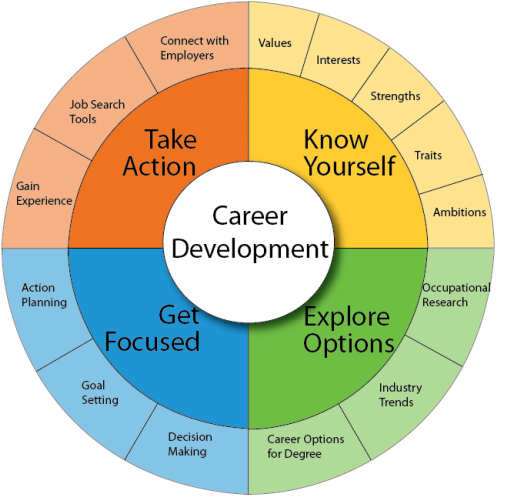
If yes, here are three key areas for reflection that can help guide your/your students’/your child’s college choice decisions:
- Your genuine academic and career interests – Take time to think beyond just the subjects you get good grades in. What topics make you lose track of time when you’re learning about them? What kinds of problems do you enjoy solving? Consider keeping a journal where you note down the classes, projects, or activities that genuinely excite you. This can help you identify potential majors and career paths that will keep you motivated through college.
- Your learning and social environment preferences – Think about how you best learn and thrive. Do you prefer intimate classroom discussions or don’t mind larger lectures? Do you need frequent access to professors, or are you more independent? Consider whether you’d be happier at a bustling urban campus or a close-knit residential community. Your daily experience will be shaped by these environmental factors as much as by your classes.
- Your practical constraints and opportunities – Consider factors like financial resources, distance from home, and specific programs or opportunities you need. Be honest about what student loan debt means for your future, what scholarship options exist, and whether working during college is necessary. Think about special programs like co-ops, research opportunities, or industry connections that could give you advantages in your chosen field.
This is a free newsletter. If you like my content, please subscribe by entering your email ID here.
Three images of the week


Two Thoughts of the Week
“Opportunities don’t happen, you create them.”—Chris Grosser
“Don’t limit yourself. Many people limit themselves to what they think they can do. You can go as far as your mind lets you. What you believe you can achieve.”—Mary Kay Ash
One Video of the Week
As teenagers prepare to enter a new work world with jobs that don’t exist and can’t yet be imagined, what kind of career advice do we give to prepare the next generation for the unknown? The answer is simple – skip a generation.
Amy MacLeod is a seasoned tech executive, thought leader and trusted advisor to business and public leaders, with 25 years experience in Ottawa’s political and private sectors where she has served as the senior communications executive and spokesperson for multiple organizations. A member of the Mitel executive leadership team, in 2018 Amy was appointed to her current position as the company’s first Corporate Diversity Officer.
An agile business leader, strategic communicator and messaging architect, Amy specializes in translating complex business, financial, and technical developments into global communications programs and messaging frameworks that support strategic priorities. Her expertise spans all aspects of stakeholder communications, both external and internal, from M&A, strategic issues management, corporate messaging, analyst, government and public relations, and executive and employee communications.
Reading with Ms. Meenu: Tip of the week
Presenting Book Choices with a Book Pass as a reading strategy:
For literature circles to really soar, every student must be reading a book that is thoroughly engrossing and just right for them. But sometimes, even when you give them a few days to browse all the possible selections for the next round of book clubs, not all students do so. And even your most dynamic book talks don’t earn rapt attention when you are blurbing six or eight titles one after another. Doing a “book pass” takes a little more time but guarantees that every kid will sample each possible choice and make a truly informed selection. The process is nothing complicated. It’s just a structured way for kids to read two minutes worth of every available book choice. When we use this activity, we often see kids choosing books they would not otherwise have read stretching themselves into new genres and authors and sometimes hooking up with new combinations of peers.
Here is how I would give structured instruction to my class for the book pass:
When you sit down at a table, grab a book. Don’t fight over them everybody is going to sample each one. When I say “go” start at page 1, Chapter 1, and read as far as you can until I call “stop” in two minutes. Keep reading as fast as you can. When you stop, I’ll give you thirty seconds to fill out the review sheets, so you’ll remember which books you liked and why. Then pass your book to the left and repeat, read, write and pass until you’ve sampled all four books. I’ll be calling out the times to keep you on schedule.
Happy Reading!
Meenu Gera, Consulting home and school librarian and reading guide.
Career assessment, guidance, and placement strategies:
Empowering Futures: Career counseling for Grade 8 Students at our Partner School in Jodhpur:
When our partner school in Jodhpur offered career counseling and planning services to the parents of grade 8 students, Vidyut’s parents were among the first to enroll.
Vidyut began with a career assessment, followed by a career counseling session. While the parents had their end goal in mind and highlighted Vidyut’s strengths, they were also eager to understand what was required to prepare him for studying at one of the world’s best universities. The parent’s humility and willingness to educate themselves and create an environment for Vidyut’s success made the work of our career expert both fulfilling and exciting.
Case study provided by: Team Fermata, www.fermataco.com
Showcase:

Capstone High School, Hoskote, Karnataka
‘Vijayotsava’ – of Vijaya School Hassan, Karnataka
Vijaya School’s effort to bring Shakespeare’s Julius Caesar to life with a contemporary and bilingual approach was well appreciated in Hassan.
This initiative is an excellent example of how classic plays can be made relevant for today’s students and audiences, especially in a culturally diverse context.
The process fostered teamwork and built confidence among the students involved in the production.
Congratulations to the entire team!
- Shakespeare’s Julius Caesar performed by students
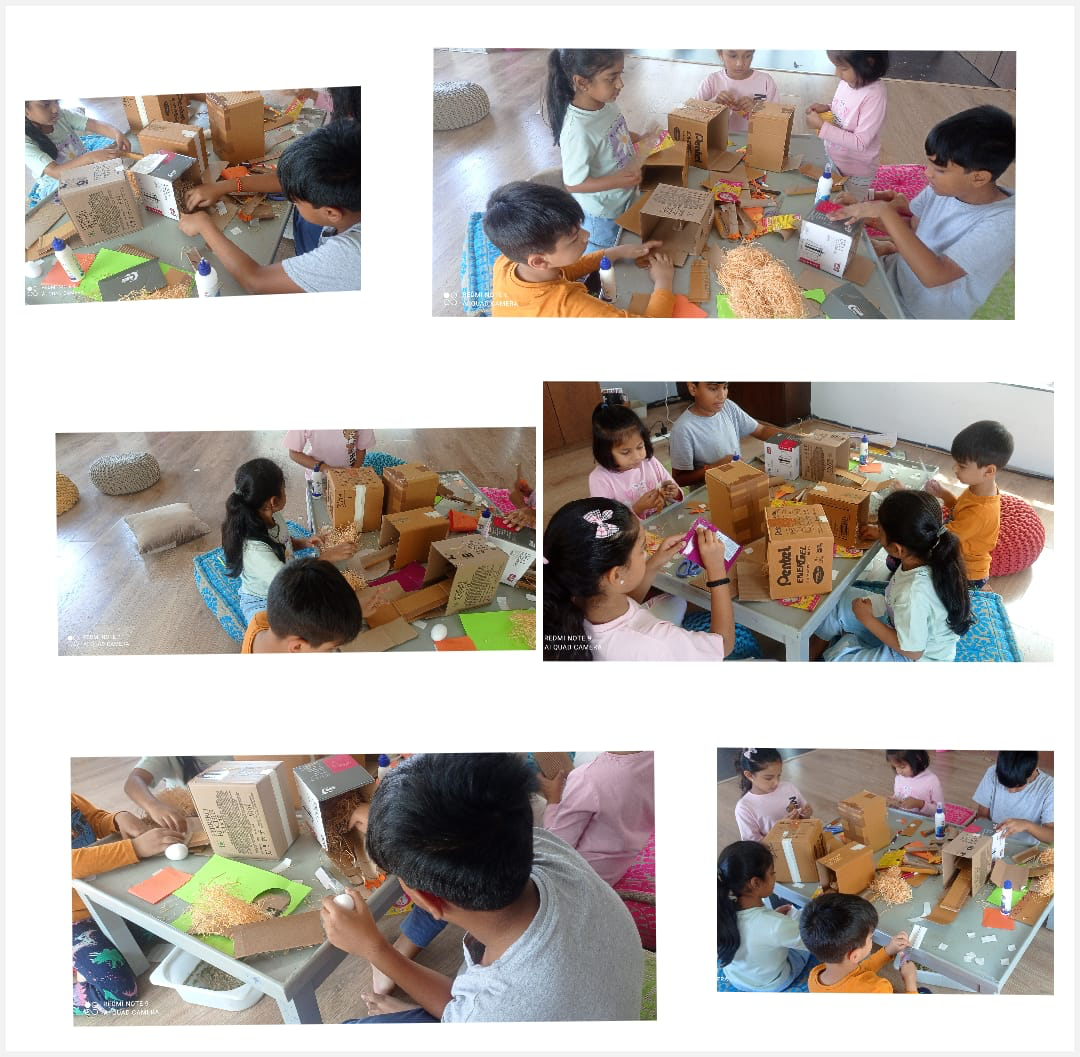
Thrive Beyond School – STEAM education, Hyderabad, Andhra Pradesh
The activity was Egg Collection Systems and the learning goal of this lesson for students was to understand how various egg collection systems work in both small farms and larger commercial settings. They engaged in hands-on activities to create simple models of these systems, learning the importance of egg safety, cleanliness, and efficiency in farming.
Each child had a unique goal during the egg collection system project of farm hens. Some focused on designing and building, others worked on solving problems, and many aimed to reuse materials creatively. Teamwork and real-life connections made the project a fun and meaningful learning experience!
Dear reader,
I work with the school leadership team as an advisor. I collaborate with teachers as a pedagogical trainer. I help parents as a parenting counselor. I engage one-on-one with students as a personal guide and mentor. This weekly newsletter shares what I read, learn, and experience.
3-2-1 Tuesdays with Ms. Niv is a newsletter you can subscribe to and enjoy your learning journey with me.
From the archives
Many of you have been asking for the earlier editions of this newsletter. I am delighted to note that you are enjoying the content served here. Now, with every new issue, I share a link to the newsletter from the archives. These have been published weekly since July 2016.
Here is the link for – issue#012
https://wordpress.com/post/niveditamukerjee.com/3573
Enjoy your learning journey with me and don’t forget to subscribe.
3-2-1 TUESDAYS WITH MS NIV
Issue #235, 7th January 2025
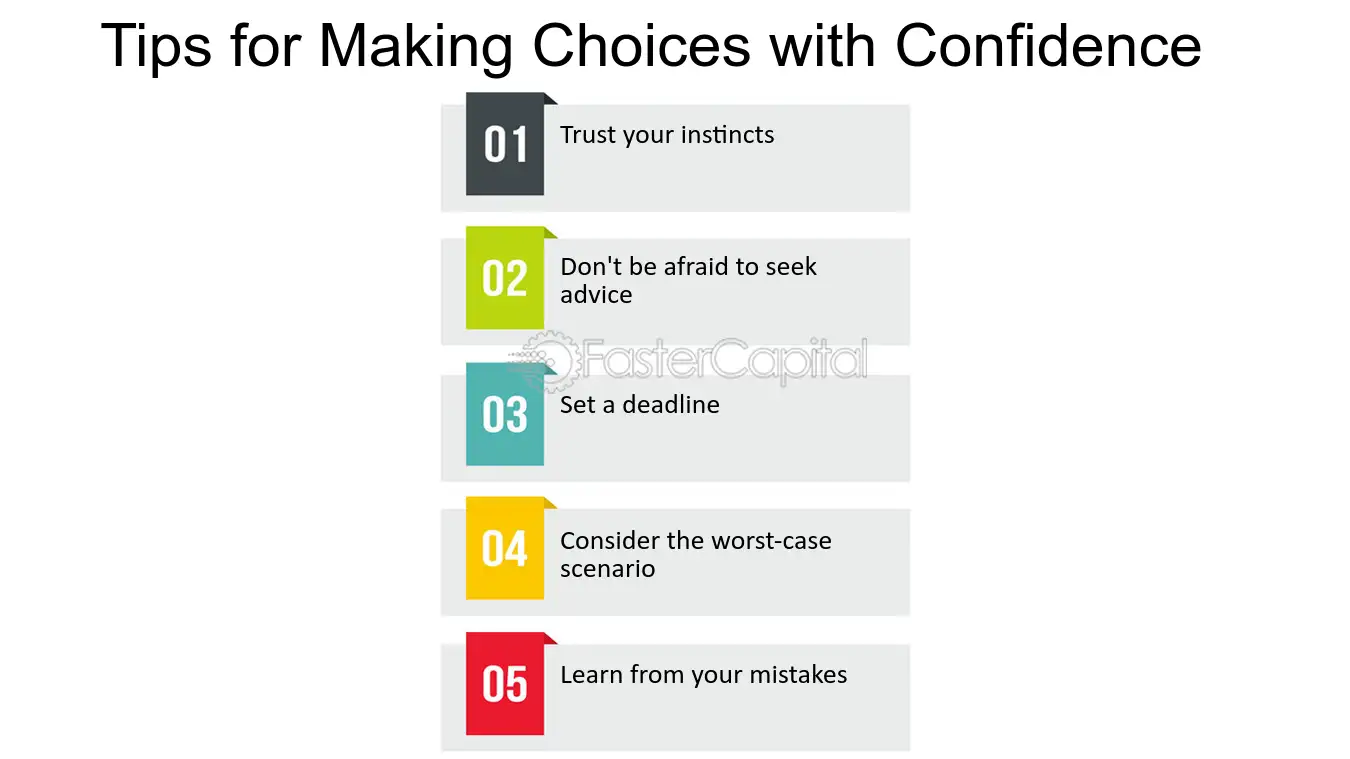
It is a brand new year and it is time to make some choices. Facing indecision? here are some key questions to consider:
For identifying goals and values: “What matters most to me/my child in education?” “What are my/their natural strengths and interests?” “What kind of learning environment works best?”
For understanding options: “What specific options are available?” “What are the requirements and commitments for each path?” “What resources and support systems exist?”
For evaluating choices: “How does each option align with long-term goals?” “What are the potential benefits and challenges?” “What are the implications for future opportunities?”
For moving forward: “What information do I still need to make this decision?” “Who can I consult for guidance or mentorship?” “What small steps can I take to test out different options?”
This is a free newsletter. If you like my content, please subscribe by entering your email ID here.
Three images of the week


Two Thoughts of the Week
“Once you make a decision, the universe conspires to make it happen.”
– Ralph Waldo Emerson
It is our choices… that show what we truly are, far more than our abilities.
– J. K. Rowling
One Video of the Week
More often than not, we find ourselves immobilized with indecision- unable to choose between two or more alternatives, whether their impact on our lives is small or large. Mary Steffel is an assistant professor of marketing at Northeastern who specializes in decisions and decision delegation. In her talk, Mary describes the importance of delegating decisions to others and how we can overcome decision paralysis.
Assistant professor of marketing at the D’Amore-McKim School of Business Dr. Mary Steffel (Ph.D. Princeton University, University of Florida) serves on the Office of Evaluation Sciences at the General Services Administration and has served on the White House Social and Behavioral Sciences Team, where she helps to translate and test evidence-based insights into concrete recommendations for how to improve government. Her hobbies include performing choral music and participating in half marathons. One of her favorite places to visit is New York City.
Reading with Ms. Meenu: Tip of the week
Presenting Book Choices with Book Talks:
Literature circles permit truly differentiated instruction in the classroom. Within one set of choices, books can range from easy reads to highly mature titles – something for everyone. However, for the groups to be successful and enjoy their reading, members have to make truly informed choices. One way to accomplish this is to have students rank their interest in the possible titles as you describe each one.
To get this started as a Teacher Librarian gather sample copies of the literature circle choices, copy ballots that list the titles and instruct the students to rank their choices one through three after all of the books have been described. When previewing the books, highlight the plots and give students information that might help them make suitable choices. By doing this your classroom can be a great place for students to discuss topics like World War II, Literature, History and so on. The key to good book talks is keeping each summary brief while including some high interest details that will hook the kids.
After we’ve completed the book talks, students review their ballots and rank their choices. As we collect the ballots, we warn the kids that while we try to give them their first choice, we can only guarantee that everyone will get one of his or her top three choices. Then, after class, we sort the ballots by first choice. Lots of times a couple of books will prove enormously popular, but most classrooms have a finite number of each title, so often a second sorting is necessary. This time we take a closer look at who chose what. Our aim is always to form groups of four or five individuals who will get along and want to read the book. At this point ballots are shifted according to those criteria and the final groups.
When the chosen literature circle books are first passed out, we like to have the kids read for about twenty minutes and then write dialogue journals with a partner who is reading the same book. We ask them to write about what they remember about the initial book talk, why they ranked that book highly on the ballot, and what they’ve noticed after reading the first chapter or so. After finishing the book, it’s interesting for students to revisit that initial piece of writing and see how their initial expectations matched what the book had to offer.
Happy Reading!
Meenu Gera, Consulting home and school librarian and reading guide.
Career assessment, guidance, and placement strategies:
Aligning academic choices with long-term goals:
Ram is a bright and talented student currently completing Grade 8 at an IGCSE school in Jodhpur, Rajasthan, India. His parents approached us for career counseling and guidance for subject selection in grade 9, along with gaining insights into the expectations of top universities in India and abroad. The counseling sessions began with a discussion about Ram’s long-term aspiration: to establish his venture. With this goal in mind, Ram expressed his interest in pursuing the commerce stream starting from grade 9. During a detailed interaction, it was revealed that Ram is exceptionally gifted in mathematics and excels in the sciences while maintaining high scores in social sciences. In addition, he has an outstanding record of extracurricular achievements. The career expert guided Ram in understanding the academics and co-curricular expectations of leading universities and emphasized the importance of continuing with the sciences in Grades 9 and 10. At this stage, students, often lack a holistic perspective on development, making it our responsibility to help them leverage their strengths and create a comprehensive career roadmap to achieve their goals.
Case study provided by: Team Fermata, www.fermataco.com
And Finally:

Dear reader,
I work with the school leadership team as an advisor. I collaborate with teachers as a pedagogical trainer. I help parents as a parenting counselor. I engage one-on-one with students as a personal guide and mentor. This weekly newsletter shares what I read, learn, and experience.
3-2-1 Tuesdays with Ms. Niv is a newsletter you can subscribe to and enjoy your learning journey with me.
From the archives
Many of you have been asking for the earlier editions of this newsletter. I am delighted to note that you are enjoying the content served here. Now, with every new issue, I share a link to the newsletter from the archives. These have been published weekly since July 2016.
Here is the link for – issue#011
https://wordpress.com/post/niveditamukerjee.com/3522
Enjoy your learning journey with me and don’t forget to subscribe.
3-2-1 TUESDAYS WITH MS NIV
Issue #234, 31st December 2024
Wishing you all dear readers a very Happy New Year. May we all learn, reflect, and care even more in 2025.
Some reflection questions that our students can ask themselves for the new year. Discuss with your child and/or student as a parent and/or educator. Figure out how to guide, help, and scaffold them in the coming year.
Learning & Growth
- What were my proudest academic achievements last year, and what specific skills helped me succeed?
- Which subjects challenged me most, and how can I approach them differently?
- What new study habits or learning strategies do I want to develop?
Personal Development
- How did I handle stress and challenges last year? What coping strategies worked best?
- Which relationships (friends, teachers, family) supported my growth, and how can I nurture them?
- What new experiences or activities would help me step outside my comfort zone?
Goals & Planning
- What are 3 specific academic goals I want to achieve? What steps will I take to reach them?
- How can I balance school, activities, rest, and social life better?
- What skills or knowledge must I develop for my future career/education plans?
This is a free newsletter. If you like my content, please subscribe by entering your email ID here.
Three images of the week
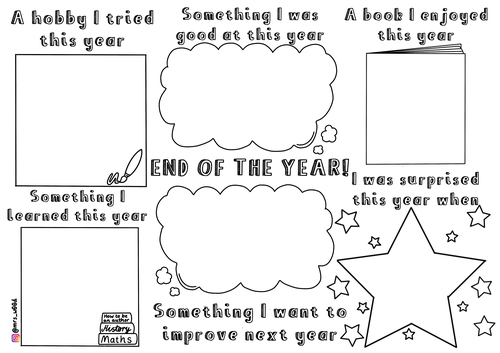

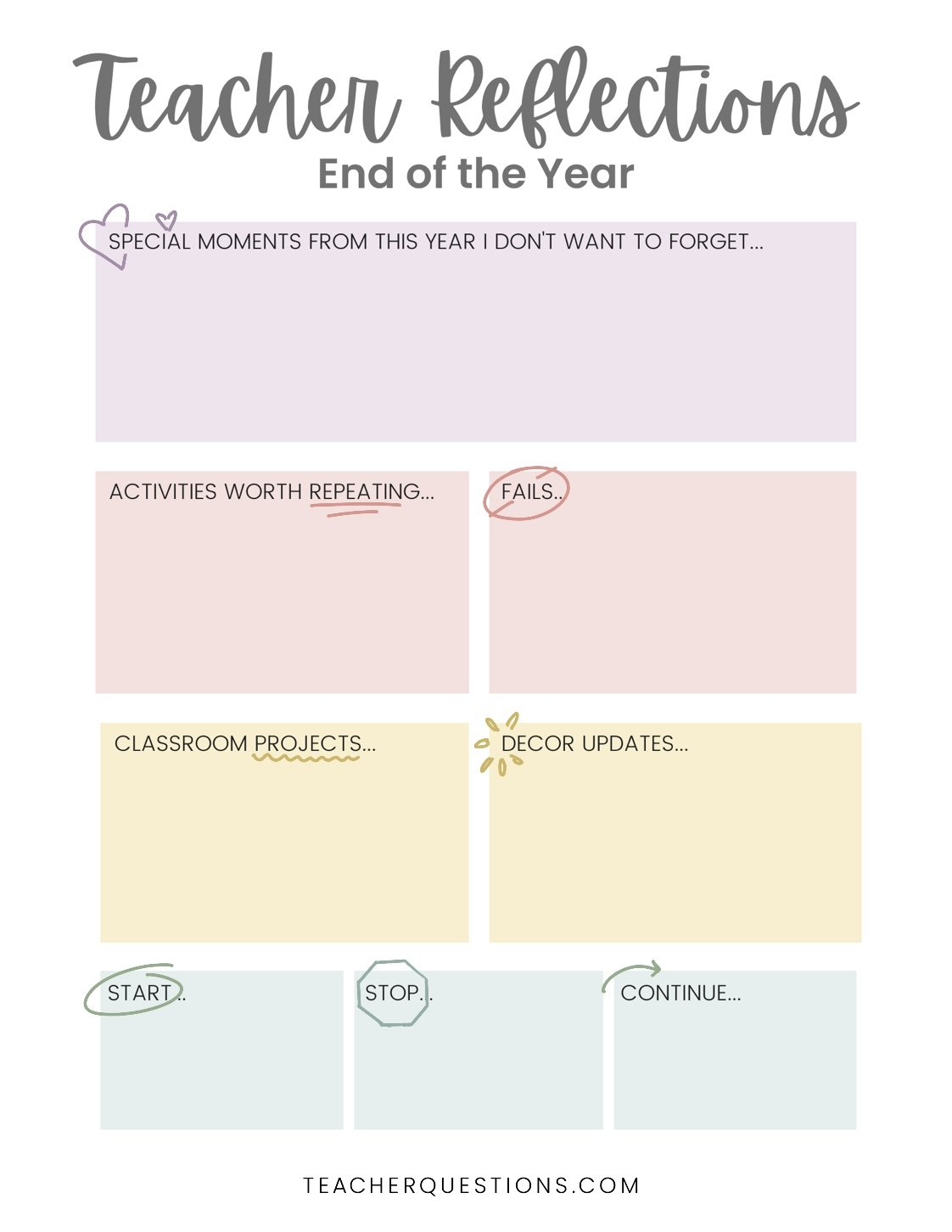
Two Thoughts of the Week
We do not learn from experience… we learn from reflecting on experience.
John Dewey
It is always important to know when something has reached its end. Closing circles, shutting doors, finishing chapters, it doesn’t matter what we call it; what matters is to leave in the past those moments in life that are over.
Paulo Coelho
One Video of the Week
Maria sees her secret to improvement and success as being reflective. Although self-reflection requires patience and introspection and is sometimes uncomfortable, it can be productive and serve as a concrete way of attaining one’s full potential. Maria is a grade eleven student in her first year of the IB DP program. Originally from Russia, Maria grew up in Tashkent, but moves periodically between Virginia, USA and Tashkent.
She identifies as an ethnic Russian-Korean, part of the group of Koreans that were resettled in Central Asia during the 1920’s-30s. She loves to golf, read fantasy fiction novels, and watch anime. In her free time, she likes to sleep, and write her own fiction stories.
As a teenager, suddenly, on the brink of being thrown into a world of adulthood and leaving home, she recognizes the simultaneously scary and anxious experience for both herself and her friends. For that reason, she finds one of the best ways of coping with and facing new challenges to be the small quiet, contemplative moments of momentary self-reflection on long car rides, and solitary golf games. She hopes to share her passion for the limitless possibilities of continuous improvement through self-reflection with her friends and audience.
And Finally:
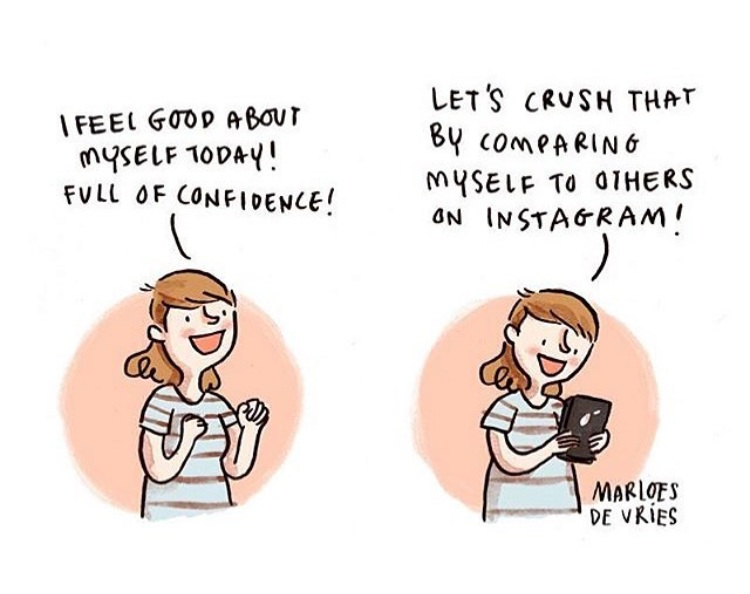
Dear reader,
I work with the school leadership team as an advisor. I collaborate with teachers as a pedagogical trainer. I help parents as a parenting counselor. I engage one-on-one with students as a personal guide and mentor. This weekly newsletter shares what I read, learn, and experience.
3-2-1 Tuesdays with Ms. Niv is a newsletter you can subscribe to and enjoy your learning journey with me
From the archives
Many of you have been asking for the earlier editions of this newsletter. I am delighted to note that you are enjoying the content served here. Now, with every new issue, I share a link to the newsletter from the archives. These have been published weekly since July 2016.
Here is the link for – issue#010
https://wordpress.com/post/niveditamukerjee.com/3055
Enjoy your learning journey with me and don’t forget to subscribe.
3-2-1 TUESDAYS WITH MS NIV
Issue #233, 24th December 2024
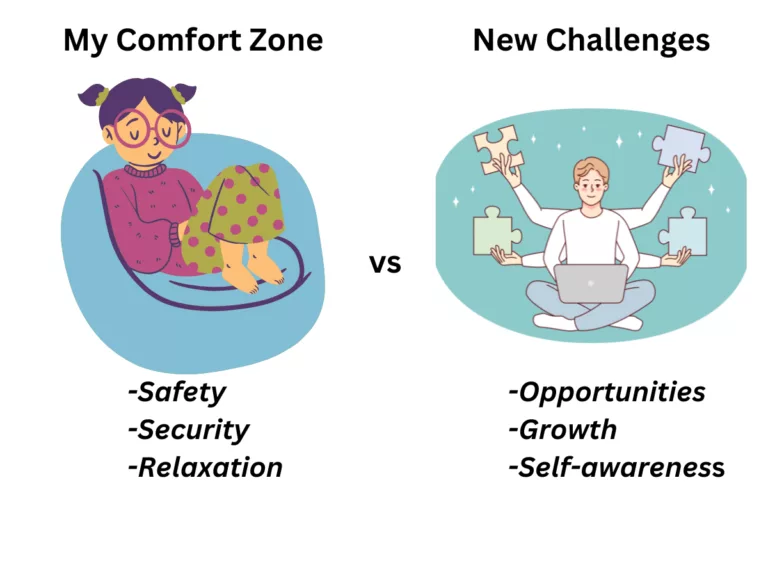
Are you:
- Making mistakes but remaining engaged and trying new approaches?
- Asking more complex questions that build on previous learning?
- Showing excitement about small victories and breakthroughs?
- Taking longer to complete tasks but producing higher quality work?
- Willingly attempting more difficult problems without prompting?
- Demonstrating resilience when facing setbacks?
- Using more sophisticated vocabulary and concepts over time?
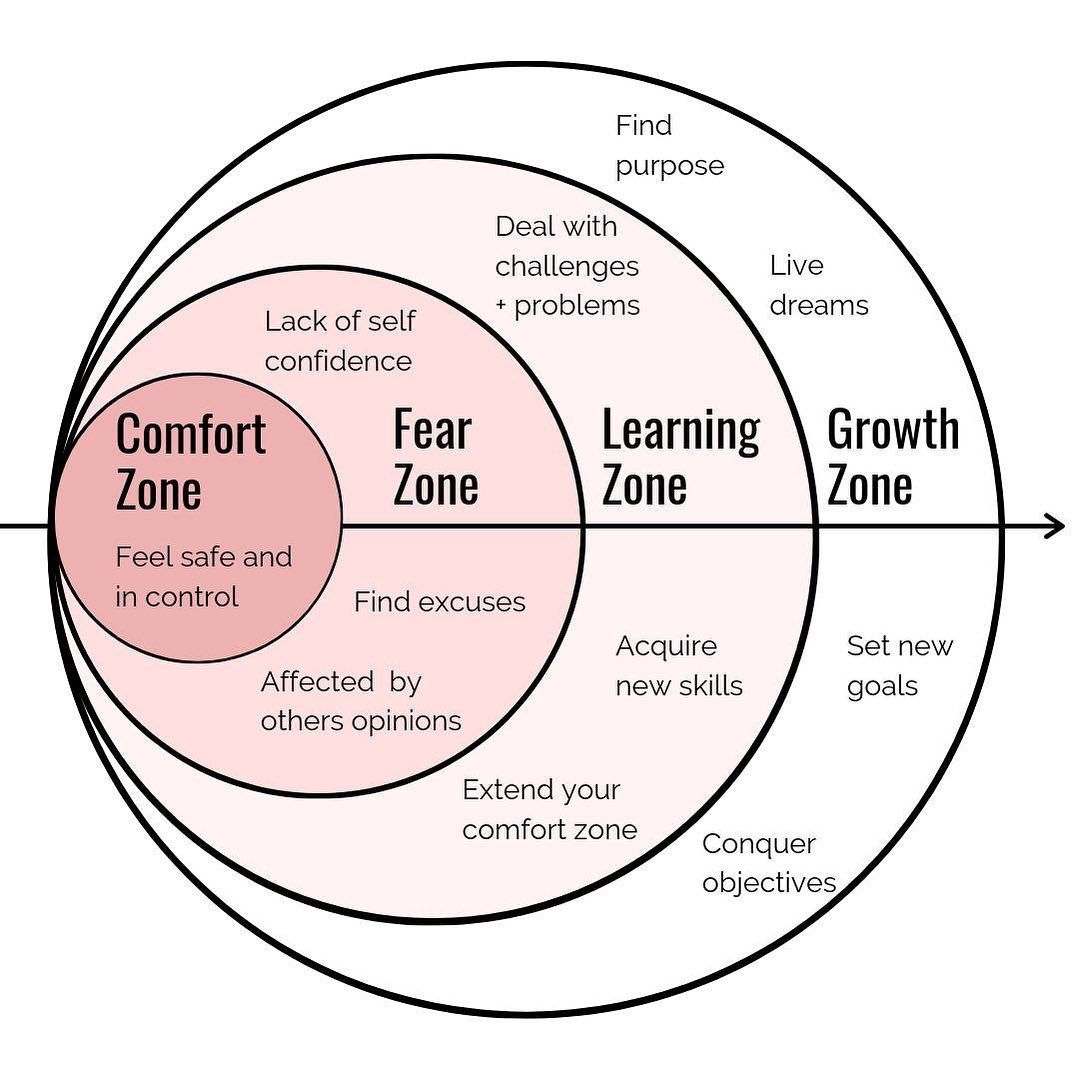
If yes, then you are showing signs of productive challenge and growth. You are out of comfort zone, and into the zone of growth. Wishing you all the best to step out and step into the learning zone. Happy Holidays and more growth in the new year.
This is a free newsletter. If you like my content, please subscribe by entering your email ID here.
Three images of the week

Two Thoughts of the Week
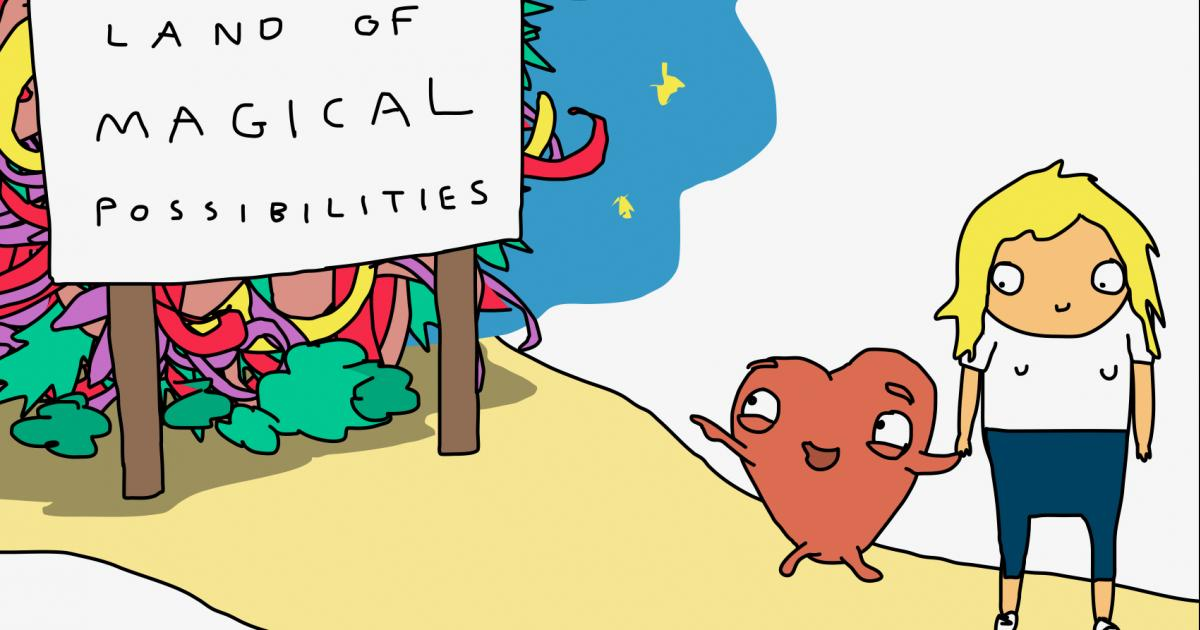
“One element of Madonna’s career that really takes center stage is how many times she’s reinvented herself. It’s easier to stay in one look, one comfort zone, one musical style. It’s inspiring to see someone whose only predictable quality is being unpredictable.” Taylor Swift
“No one goes on a direct path, even though it sometimes feels like your peers might be racing ahead. Everyone’s trying to figure it out. But if you just put yourself out there, step out of your comfort zone, establish yourself in terms of skills, mentorship, but leave space for your passions, then you’re going to turn out pretty well. ” Sal Khan
One Video of the Week
In her talk, she will cover the importance of getting out of your comfort zone. This is an important aspect in everyday life. Saartje will take you through her life and tell you what changed her for the better. Saartje Vandendriessche worked at VRT, a Belgian broadcast, for 17 years? She made several adventurous television shows. Shows in which Saartje had to get out of her comfort zone and was confronted with fascinating challenges
Reading with Ms. Meenu: Tip of the week
Response Logs:
One of the most natural and open-ended ways for a reader to capture their own responses is to keep a personal log or journal. In this special space, the owner can range freely through all the different kinds of thinking that smart readers do as well as choose the best format (words, phrases, lists, sentences, paragraphs, doodles, diagrams and charts) to capture the ideas. Once kids know all the different ways that proficient readers respond, we want them to use the medium that fits best rather than be constrained by a mandated list or format.
For this kind of open-ended thinking and collecting, response logs are a great tool. To get started introducing the idea of reading response logs by showing some good examples of student samples from previous classes or logs you have created yourself. The examples will be most effective if the students are familiar with the text, perhaps a novel they recently read as a class. You can do a “log aloud”, where you hand out a short article and have everyone read together. As a teacher we should model how a skilled reader notices their thinking and jots down its essence. Often this demonstration will lead you back to that familiar list of things that smart readers attend to: questions, predictions, inferences, connections, visualizations.
Here is an example of when students are just starting to use response logs:
Read the article, and then write for two minutes nonstop. Write whatever’s in your mind, wherever your reading is taking you. Remember all your choices of reading strategies. You can write your feelings, reactions, questions, opinions, you can draw or diagram your ideas; you can talk about the author’s style and strategies, but you must keep writing for the whole two minutes and not just write down one or two words and put your pen down.
AND this is how the response logs would become a habit of lifetime.
Happy Reading!
Meenu Gera
Consulting home and school librarian and reading guide.
Student speak:
“Man cannot uncover new oceans if he is not prepared to lose sight of the familiar shores behind him.” This profound statement reflects a universal truth: deep down, everyone grapples with a fear of the unknown. Each of us has our own motivations and experiences that shape this hesitation. Why would we choose to step boldly into the vast and uncertain expanse that lies before us when the comfort of our surroundings feels so cozy and inviting?
There are many answers to the question of whether exploring the unknown is worthwhile, and these answers often come from different perspectives. Some people argue that putting ourselves at risk is unnecessary, while others believe that only by stepping out into the unfamiliar can we truly discover ourselves and our purpose in life. At some point, we all face a choice: to venture into a new environment alone or to stay where we are.
So, how do we make the right choice? How can we determine if the risk is worth the reward? Rational choice tends to favor familiar paths, as we know what to expect and how to react. The unfamiliar path, on the other hand, often seems to carry more risk than reward. However, this perception is not always accurate.
When we stay in our comfort zones, we often behave in predictable ways, following a pattern. Studies have shown that our actions are influenced by our surroundings. For example, if you watch a horror movie with your family, you might hide under the covers when you feel scared. But if you watch the same movie with friends, you may act bravely to avoid seeming weak. Many of us make these adjustments subconsciously in response to our environment.
The real question is: which version of our reactions represents our true selves? Many people believe that their first reaction—shown in the presence of loved ones—reflects their true self, as they feel safe expressing vulnerability. While this may be true to some extent, it is not always the case. In both situations, our behavior is influenced by those around us. When we are with close friends or family, we might feel compelled to show vulnerability, while in a group of peers, we might act tough to avoid appearing weak.
So, how can we recognize when our surroundings are influencing us? The answer lies in self-awareness. When we understand who we are at our core, we can easily identify how people and environments affect us. This awareness allows us to ensure we are being positively influenced.
In what situations can we uncover our true selves? The answer is simple: in the unknown. For instance, when watching a horror movie with strangers, we may feel less pressure to project a certain image because we don’t know them, allowing us to behave more authentically. This genuine reaction—unfiltered by the need to impress others—is what makes exploring the unknown so important.
Through exploration, we learn more about ourselves, which brings clarity to our decisions and ultimately leads to success. While it is common to fear the unknown, we should not let that fear prevent us from discovering ourselves, creating wonderful memories, and experiencing diverse perspectives of the world. Whether it’s moving to a new school, relocating to a different city, or starting a new business, a little courage can reveal that the world has much more to offer than it initially seems.
By Likitha Aaradhya 7th Grade Jain Heritage School
And Finally:
Showcase of the week:

Capstone High was honoured with the prestigious ‘Dynamic Schools’ Award, recognizing our exceptional contributions to the field of education. This esteemed recognition was formally presented during the 12th National Conference on K-12 Leadership. The India School Merit Awards were hosted by Education Today.
At Capstone High, we strive to provide quality and accessible education for our students. We equip them with 21st-century skills and competencies. These attributes nurture them into lifelong learners. We focus on creating a safe and happy environment. Our students love coming to school. They feel empowered by their teachers. As a result, they love to learn. This award reflects the unwavering dedication of our teachers. It also shows the commitment of our students and the entire school community. Together, they focus on fostering innovation and excellence in education.
Team Capstone High
Dear reader,
I work with the school leadership team as an advisor. I collaborate with teachers as a pedagogical trainer. I help parents as a parenting counselor. I engage one-on-one with students as a personal guide and mentor. This weekly newsletter shares what I read, learn, and experience.
3-2-1 Tuesdays with Ms. Niv is a newsletter you can subscribe to and enjoy your learning journey with me.
From the archives
Many of you have been asking for the earlier editions of this newsletter. I am delighted to note that you are enjoying the content served here. Now, with every new issue, I share a link to the newsletter from the archives. These have been published weekly since July 2016.
Here is the link for – issue#009
https://wordpress.com/post/niveditamukerjee.com/3068
Enjoy your learning journey with me.
3-2-1 TUESDAYS WITH MS NIV
Issue #232, 17th December 2024
Students are frequently categorized based on perceived intellectual/Behavioral/Personality abilities, and get labelled by teachers and/or parents as:
- “Gifted” or “Advanced” for children who demonstrate high academic performance or exceptional cognitive skills
- “Learning Disabled” or “Special Needs” for children who struggle academically or have diagnosed learning differences
- “Average” or “Standard” for students who perform at grade-level expectations Behavioral Labels Children are often characterized by their observable behaviors and social interactions:
- “Troublemaker” or “Disruptive” for students who challenge classroom rules or have difficulty following instructions
- “Quiet” or “Shy” for children who are less socially assertive or prefer solitary activities
- “High Energy” or “Active” for students who have difficulty sitting still or maintaining focused attention
- “Sensitive” for children who experience emotions intensely or are easily overwhelmed
- “Type A” or “Perfectionist” for students who are highly driven and self-critical
- “Easy-going” or “Laid-back” for children who adapt quickly and seem less stressed
While these labels might seem descriptive, they can be potentially harmful!
Such categorizations can:
- Limit a child’s perception of their own potential
- Create self-fulfilling prophecies
- Reduce the complexity of a child’s personality and capabilities to simplistic descriptions
Experts recommend focusing on specific behaviors, abilities, and growth potential rather than broad, potentially restrictive labels. Here are some thoughts and suggestions for you to consider.
This is a free newsletter. If you like my content, please subscribe by entering your email ID here.
Three images of the week



Two Thoughts of the Week
“Tell me and I forget, teach me and I may remember, involve me and I learn.” — Benjamin Franklin
“If you learn from defeat, you haven’t really lost.” — Zig Ziglar
One Video of the Week
When Ava Echard was 5 years old, she took a test that placed her in a gifted and talented program. Participating in this program offered Ava many exciting opportunities, but it also made her wonder: what made her so “special,” and why was this specialness determined at such an early age? Now in high school, Ava’s questioning whether her “gifted and talented” label had more to do with her advantageous upbringing than with her innate abilities. In this comprehensive Talk, Ava explains why schools should consider the relationship between nature and nurture, and focus more on celebrating the many different kinds of intelligence that exist among students.
Reading with Ms. Meenu: Tip of the week
Practice Reading with Short Text:
Once in a while, students will get sidetracked when they decide the text is boring. As a literacy teacher we should catch this at an early stage. The main idea is for students to choose an interesting book and have thoughtful peer-led conversations about them. Sometimes these topics and conversations can be boring. And teachers often (and rightfully) worry: What if the kids don’t remember enough to sustain enough knowledge. What if I send my students off to their book clubs and they sit there staring at each other with nothing to say? Yikes – as an educator we can’t have that! We need kids to be engaged at their reading/discussions with plenty to talk about. We should teach students a repertoire of strategies for captivating and recording the following:
Ø Feelings
Ø Visualizations
Ø Connections
Ø Predictions
Ø Questions
Ø Judgements
Ø Inferences
Ø Responses
Have your students try to read:
Ø A section from a novel
Ø A short-short story
Ø A graph or chart
Ø A poem
Ø A news article
Ø A selection from a trade non-fiction book
Some of us can be part of effective discussants without any written notes, while others need something tangible to refer to. So, it’s a good idea to respect different learning and thinking styles as long as we are mentoring them in the right direction.
Happy Reading!
Meenu Gera
Consulting home and school librarian and reading guide.
Career assessment, guidance, and placement strategies:
From Engineering Aspirations to Business Analytics: A Path Realigned
Vinay chose physics, chemistry, Economics, and mathematics in grade 11 to prepare for the JEE exam and pursue engineering at the undergraduate level. While the choice of subjects was his decision, at the beginning of Grade 12, he started expressing disinterest in engineering and showed a preference for a BBA. He wanted to follow in his elder brother’s footsteps who had completed a BBA from Christ University Bangalore and later was pursuing an MBA in the US. Vinay was certain that preparing for and completing an engineering degree would be a waste of time, as he did not envision building a career in this field. He was unreceptive to any suggestions from his parents. The parents approached us and the career counseling session was scheduled.
In a detailed discussion, the career expert discovered that Vinay was falling behind in his coaching classes, leading to a decline in his performance. This demotivated him further and caused him to lose complete interest in engineering. Additionally, he developed a fear of taking the JEE entrance exam, making the situation even more worrisome.
To address this, the career expert adopted a bridge approach, exploring undergraduate programs in Business Analytics that aligned with Vinay’s science background. He was receptive to a few suggestions and agreed to consider alternate undergraduate programs that would help him develop the right skills and ensure employability immediately after graduating.
To address this, the career expert adopted a bridge approach, exploring undergraduate programs in Business Analytics that aligned with Vinay’s science background. He was receptive to a few suggestions and agreed to consider alternative undergraduate programs that would help him develop the right skills and ensure employability immediately after graduation.
Case study provided by: Team Fermata, www.fermataco.com
And Finally:

Showcase of the week:
Project Based Learning: Thrive – Beyond School; A STEAM program for preschool and primary school students, Hyderabad.
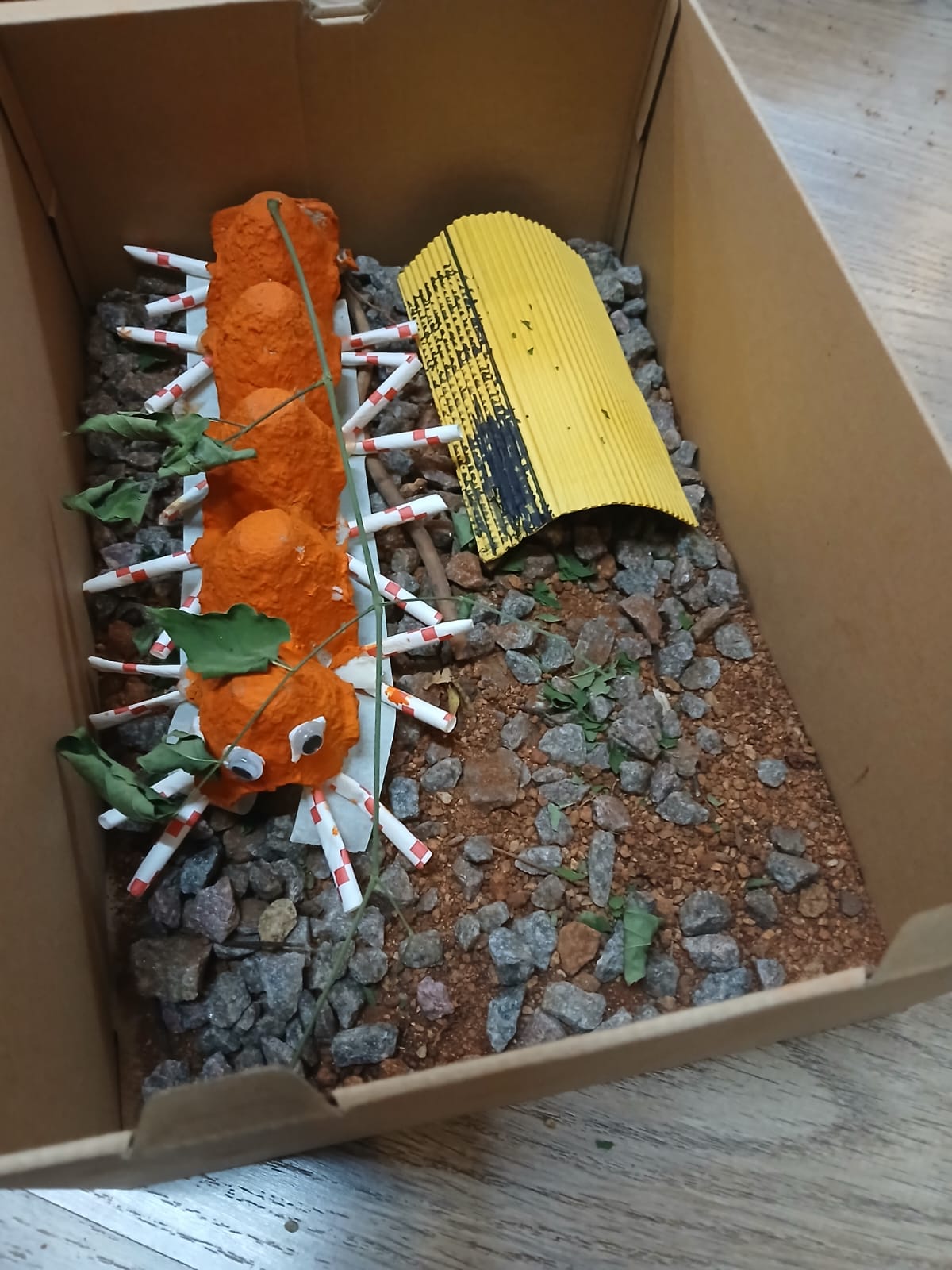
Through the millipede habitat art project, the children learned about the natural environment of millipedes, including the need for damp, dark spaces with decaying leaves and soil. They also gained practical experience in using recycled and natural materials to create an appropriate habitat, understanding how various elements contribute to the millipede’s survival.
Neev ,Mayra,Samyuktha, Tashvika& Havishka
6.5 years old; Tara & Arnav 5.5 years old
Capstone High School, Hoskote, Bangalore: For our recent art project with grade 2, I introduced students to geometric abstract portrait art, inspired by cubism. I showed them examples of geometric abstract cubism portraits and shared how artists like Picasso approached art with unique perspectives, encouraging them to think differently about portrait creation. Through this project, students learned to experiment with shapes and forms to create their own unique portraits. This activity fosters early creative thinking and helps young learners explore self-expression in art, encouraging them to develop a personal style within a guided framework of geometric abstraction.
Dear reader,
I work with the school leadership team as an advisor. I collaborate with teachers as a pedagogical trainer. I help parents as a parenting counselor. I engage one-on-one with students as a personal guide and mentor. This weekly newsletter shares what I read, learn, and experience.
3-2-1 Tuesdays with Ms. Niv is a newsletter you can subscribe to and enjoy your learning journey with me.
From the archives
Many of you have been asking for the earlier editions of this newsletter. I am delighted to note that you are enjoying the content served here. Now, with every new issue, I share a link to the newsletter from the archives. These have been published weekly since July 2016.
Here is the link for – issue#008
https://wordpress.com/post/niveditamukerjee.com/3040
Enjoy your learning journey with me.
3-2-1 TUESDAYS WITH MS NIV
Issue #231, 10th December 2024
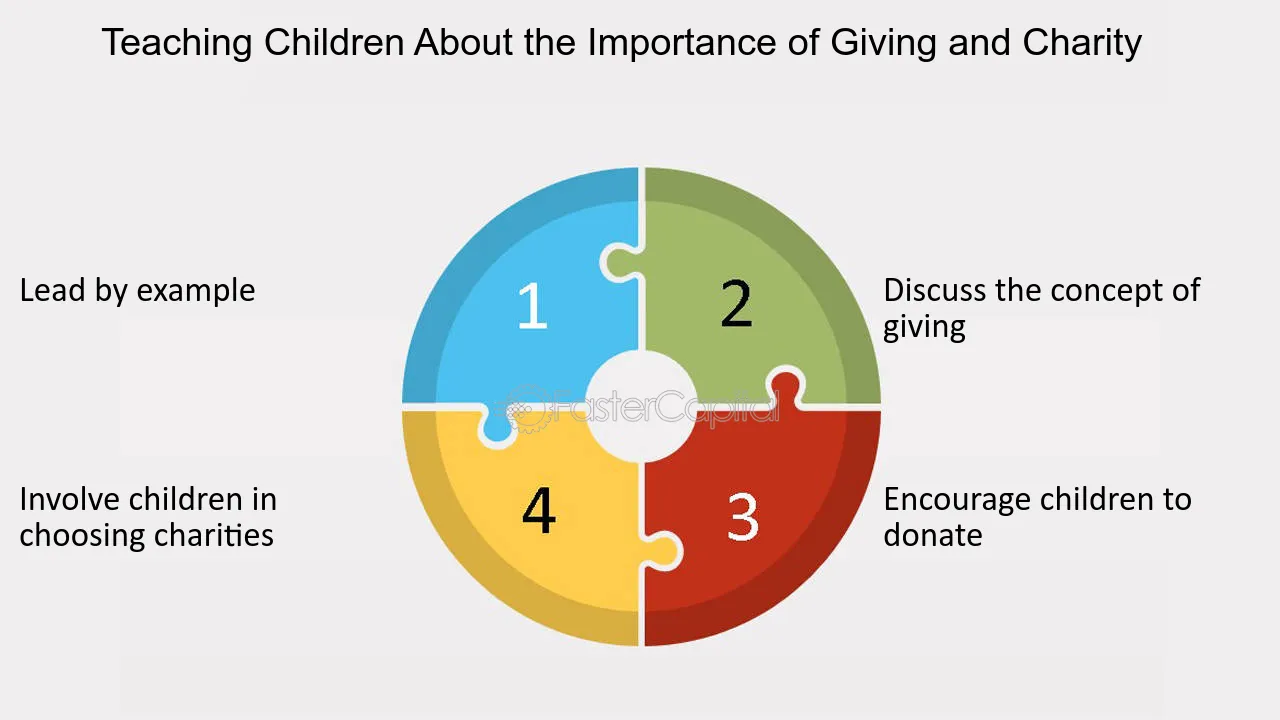
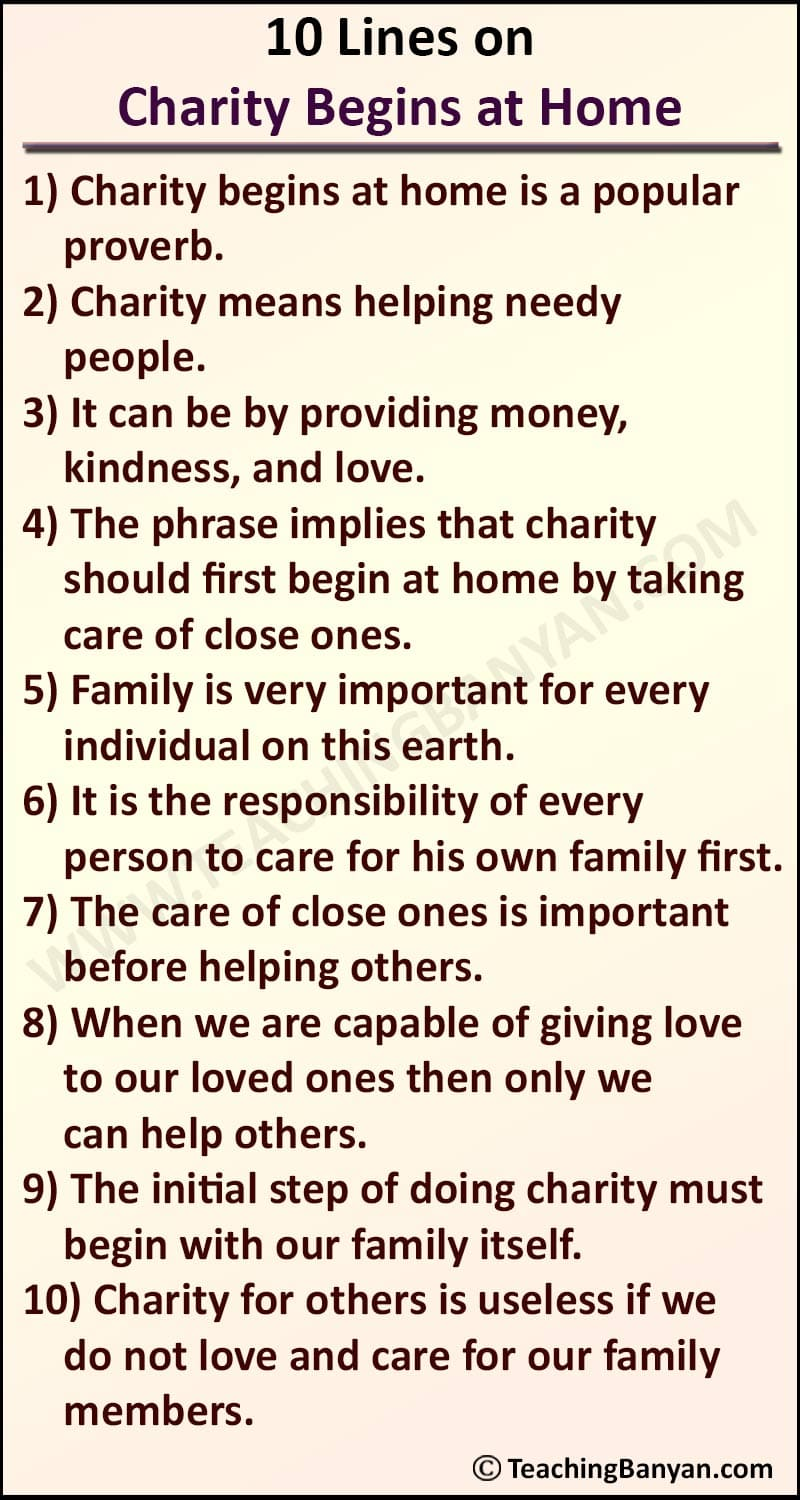
It is the time of the year when we practice giving. I share in this issue of News Letter a heartwarming talk by pediatrician Hasan Merali. He shares ‘The best life lessons from toddlers’. Don’t miss it. Great for educators, parents and anyone who has had the opportunity to be with a toddler.
This is a free newsletter. If you like my content, please subscribe by entering your email ID here.
Three images of the week

Two Thoughts of the Week
“You will discover that you have two hands. One is for helping yourself and the other is for helping others.” – Audrey Hepburn
“We should give as we would receive, cheerfully, quickly and without hesitation; for there is little grace in a benefit that sticks to the fingers.” – Seneca
One Video of the Week
Terrible twos, temper tantrums, and grocery store meltdowns are usually the first things that come to mind when people think of toddlers. But pediatric emergency medicine physician and researcher Dr. Hasan Merali (@HasanMerali) has long thought toddlers are among the best people in our society and adults could do well to learn from them.
Toddlers act kindly toward strangers, are eager to work with others to solve problems, and demonstrate extraordinary dedication and perseverance. These are all traits that many of us aspire to have in order to improve both our personal and professional lives.
In this talk, Dr. Merali discusses two of the most important lessons we can learn from toddlers, kindness and play, and how behaving like a toddler can be the catalyst for having more fun and living a fulfilling life.
Dr. Merali is an associate professor in the Department of Pediatrics, McMaster University and a pediatric emergency medicine physician at McMaster Children’s Hospital in Hamilton, Ontario. He received his medical degree from Harvard Medical School and Master of Public Health degree from Johns Hopkins University.
His first book, Sleep Well, Take Risks, Squish the Peas: Secrets from the Science of Toddlers for a Happier, More Successful Way of Life was published in March 2024.
Reading with Ms. Meenu: Tip of the week
Making a Reading Calendar:
Part of the charm for teaching literature is that students take a lot of responsibility for their learning and behaviour. The teacher usually decides on meeting dates. They also determine the date the book must be finished. Each student group decides how much reading is due for each meeting.
Before the first meeting, create a calendar. Make copies for each student. Also, make at least one extra copy for each group. Point out the meeting dates. Identify any dates that might affect their ability to do homework. For example, having the biggest chunk of reading due the Monday after homecoming is never a good idea. Also instruct the kids to list the actual start and stop pages for each assignment. They should not use just the chapter numbers. Make sure that students are writing down page numbers rather than chapter numbers. Encourage them to do the math and figure out exactly how many pages they plan to read for each meeting. By creating this, students will develop a good sense of their own reading speed. They will also understand their pages per day capacity within certain genres of text. This awareness can serve them well with later book choices.
Happy Reading!
Meenu Gera
Consulting home and school librarian and reading guide.
Career assessment, guidance, and placement strategies:
‘Life Skills Toolkit’ for Teenagers
13-year-old Sam was playful and did not feel the need to study at home. He would complete his homework during school hours. Sam’s mother believed he was a bright child who could thrive academically and in co-curricular activities with proper guidance. She had received career counseling and mentoring for her elder child from us. Because of this, she approached us to understand the best approach for Sam.
We recommended enrolling Sam in our ‘Life Skills Toolkit’ sessions – our signature program designed to foster an inside-out approach. The toolkit empowers teenagers to take charge of their academic decisions. It also helps them in personal development. Teenagers can effectively manage external influences and distractions.
Case study provided by: Team Fermata, www.fermataco.com
And Finally:

Showcase of the week:
For the final art project, students of Capstone High School, Hoskote, will be creating original comics or storyboards, telling a story from their own imagination. This project is designed to cultivate creativity and visual storytelling. It also aims to develop critical 21st-century skills. These skills include creativity, critical thinking, and competency in visual literacy. Through exploring different framing techniques and shot types, students will learn to thoughtfully structure a narrative. They will make deliberate artistic choices. They will also convey emotion and action effectively. This immersive project encourages students to think critically about composition and story flow. It prepares them with essential skills in communication. They learn problem-solving and innovative thinking. These skills are invaluable in today’s world.
Project Based Learning: Thrive – Beyond School; A STEAM program for preschool and primary school students in Hyderabad.
Neev ,Mayra,Samyuktha, Tashvika& Havishka
6.5 years old; Tara & Arnav 5.5 years old

Children learned about millipedes, fascinating arthropods with segmented bodies, jointed legs, and exoskeletons. They also discovered the important role millipedes play in ecosystems as decomposers. To enhance their understanding, they created models of millipedes using recycled materials.
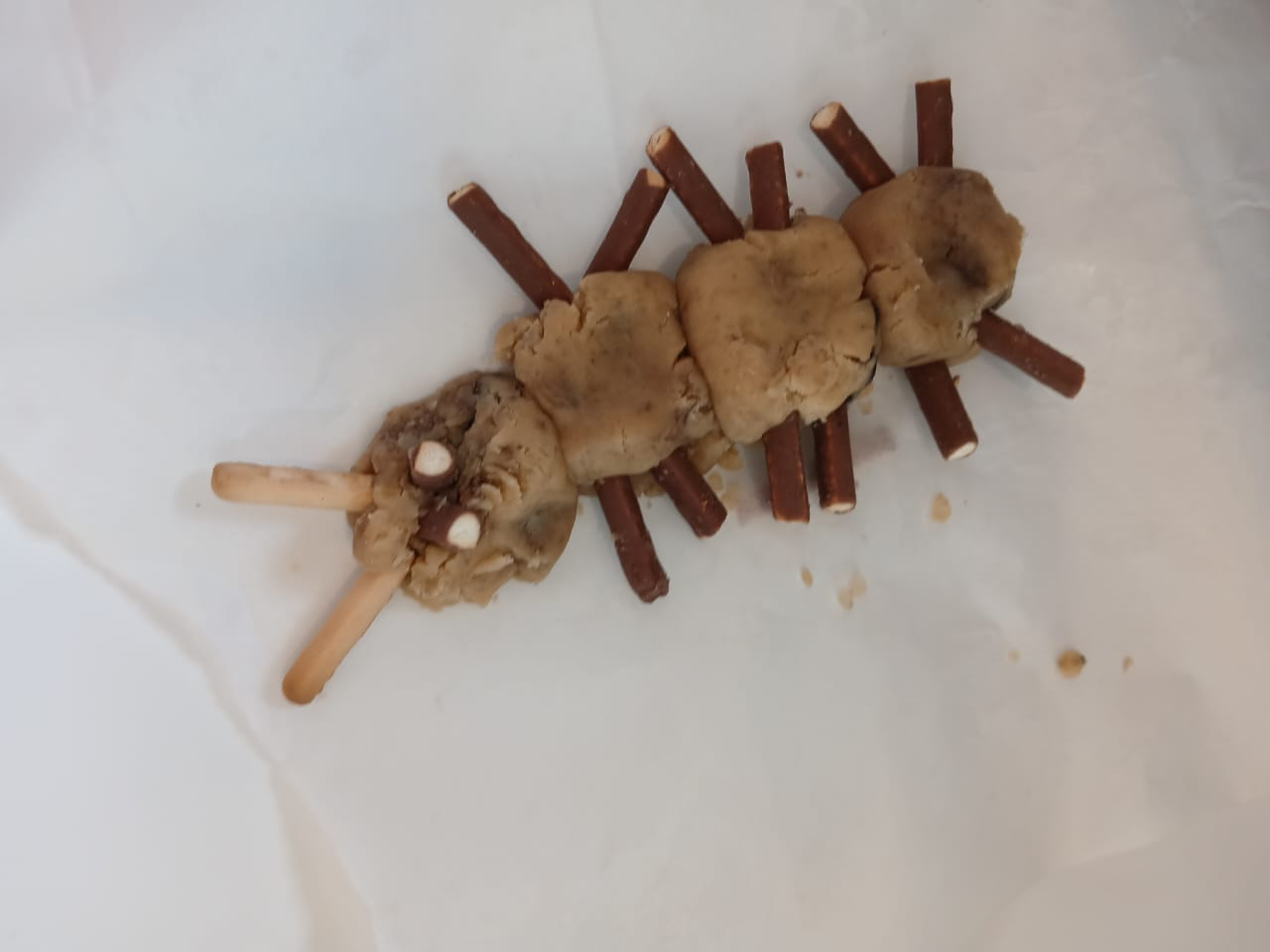
The children made millipede-shaped cookies, applying math and science concepts like measurement and physical changes. They compared the cookie’s crisp exterior and soft interior to a millipede’s body and highlighted its segmented shape.
Student Achievement
Bangalore’s National Public School ITPL’s grade IX students Anushka Goel and Gaurav Sai Pant excelled at the Model United Nations “Knowledge Knockout” event held in July 2024 at National Public School Banashankari, winning the Best Position Paper award. Their exceptional research, analysis, and writing set a new standard for excellence.

Bangalore’s National Public School ITPL’s grade IV and V students Pradhyot Kumar and Manvi Singh won the first prize at the Volksfiesta Comic-On Competition held in August 2024, hosted by The Deens Academy. They showcased creativity and quick thinking, transforming on-the-spot topic into an award-winning presentation.

Bangalore’s National Public School ITPL’s grade XI students, Shailesh and Dhruv Mathur of triumphed at the prestigious ‘HackHive24’ on July, 2024, a cutting-edge agro-tech event by the New Horizon Council for Innovation. They won the ‘Agronovate’ challenge for creating a robotic model to enhance agricultural efficiency, earning a cash prize of Rs. 25,000. Their achievement showcased their innovation and ability to solve real-world agricultural challenges with foresight and creativity.

Dear reader,
I work with the school leadership team as an advisor. I collaborate with teachers as a pedagogical trainer. I help parents as a parenting counselor. I engage one-on-one with students as a personal guide and mentor. This weekly newsletter shares what I read, learn, and experience.
3-2-1 Tuesdays with Ms. Niv is a newsletter you can subscribe to and enjoy your learning journey with me.
From the archives
Many of you have been asking for the earlier editions of this newsletter. I am delighted to note that you are enjoying the content served here. Now, with every new issue, I share a link to the newsletter from the archives. These have been published weekly since July 2016.
Here is the link for – issue#007
https://wordpress.com/post/niveditamukerjee.com/3183
Enjoy your learning journey with me.
3-2-1 TUESDAYS WITH MS NIV
Issue #230, 3rd December 2024
I
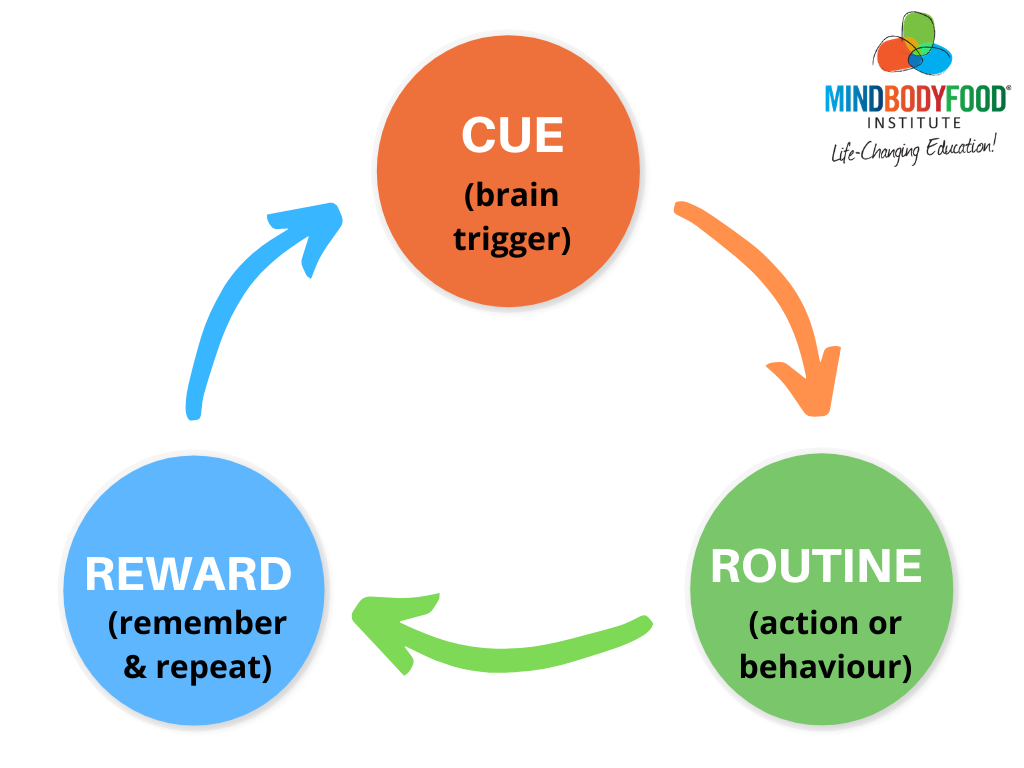
What triggers my current habit? Identify the specific situations, emotions, or contexts that prompt the behavior.
What underlying need does this habit fulfill? Understand the psychological or emotional reward you get from the habit.
What are the consequences of continuing this habit? Critically examine the short-term and long-term impacts on your life.
What alternative behavior could replace this habit? Develop a positive, constructive substitute that meets similar needs.
How motivated am I to change? Honestly assess your commitment level and willingness to put in consistent effort.
What specific steps can I take to support this change? Create a practical, actionable plan with clear, achievable milestones.
How will I handle setbacks or relapses? Anticipate challenges and develop a strategy for getting back on track without self-judgment.
What support system can I leverage? Identify people or resources that can help you maintain accountability and motivation.
It is the last month of the year 2024. Let us reflect as an educator, parent, student. As a family, as an individual on our habits and the ones we want to change or replace.
This is a free newsletter. If you like my content, please subscribe by entering your email ID here.
Three images of the week

Two Thoughts of the Week
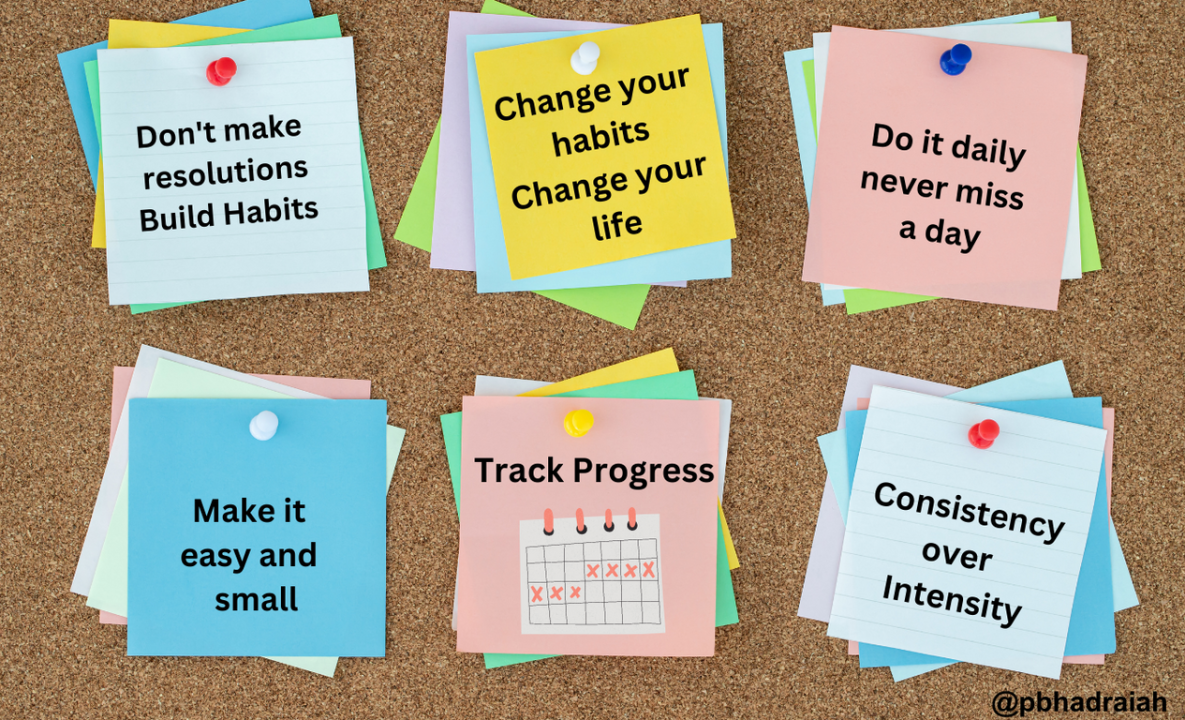
If you want to cultivate a habit, do it without any reservation, till it is firmly established. Until it is so confirmed, until it becomes a part of your character, let there be no exception, no relaxation of effort. – Mahavira
Whatever you want to do, if you want to be great at it, you have to love it and be able to make sacrifices for it. – Dr. Maya Angelou
One Video of the Week
What does make us change our actions? Tali Sharot reveals three ingredients to doing what’s good for yourself. Dr. Tali Sharot is a neuroscientist at University College London and the director of the Affective Brain Lab. She is a faculty member of the department of Experimental Psychology, a Wellcome Trust Fellow, and currently a visiting Professor at Harvard Medical School. Her research focuses on how emotion, motivation, and social factors influence our expectations, decisions, and memories.
Reading with Ms. Meenu: Tip of the week
Bookmarks:
Why do we use bookmarks?
There’s nothing more traditional and useful than a bookmark, a talisman that travels with you through the pages of your reading adventure. The trouble is, most bookmarks are small and made of stuff you can’t write on – plastic, leather, even metal. But if you make a bookmark of paper, then it can do more than mark your place in the text; it can become a multipurpose tool for recording your thinking as you go, a storage system for ideas to share with your book club later on. This tool works only with books – you can’t use it with one-page stories, for obvious reasons. You can introduce this strategy just before your students start a new round of book clubs or in the middle of a literature circle cycle as a new way of capturing responses in a book.
Introduce the idea by showing samples of effective bookmarks from books that kids know. These could be bookmarks from books that kids know. These could be bookmarks made by previous students or specimens you have created in advance. Bookmarks can be made in layers of paper to record your personal responses, Important passages, questions or important statistics. Bookmark making and response recording is a great way to discuss it in book clubs. If your readers are doing this practice, then it’s a clear symbol of creating a true reader.
Thank you and have a great day!
Happy Reading!
Happy Reading!
Meenu Gera
Consulting home and school librarian and reading guide.
Career assessment, guidance, and placement strategies:
COVID 19 was at its peak, and educational institutions and NGOs focused on the education sector, were working to minimise learning loss for students across age groups. With this objective, these institutions introduced additional support for students through mental health and career planning workshops. In this endeavour, NIIT Foundation reached out to Fermata to emphasize the importance of pursuing STEM education and the career growth opportunities for female students. These workshops were conducted online for 500 first generation grade 9 & 10 female students studying in small districts of Tamilnadu, Andhra Pradesh, and Bangalore. Our facilitators not only educated the students on the topic but also inspired them by sharing stories f successful women from various domains in India since the 1940s. The funders of this program were highly satisfied with the successful achievement of the learning outcomes especially of motivating these students to choose science stream in grade 11.
Case study provided by: Team Fermata, www.fermataco.com
And Finally:

Showcase of the week:
Student speak:
Ancient Marvels Uncovered: A Journey Through Hampi, Badami, and Aihole

I recently joined an educational trip organized by my school, Capstone High, to explore the historical marvels of Hampi, Badami, and Aihole in Karnataka. This journey offered an incredible opportunity to immerse ourselves in India’s ancient heritage and witness its architectural grandeur firsthand.
In Hampi, we explored the magnificent Virupaksha Temple and the famous Vittala Temple with its musical pillars and iconic stone chariot. The massive Narasimha Statue and the delicate sculpture of Ganesha on Parvati’s lap left a lasting impression. We also visited the Lotus Mahal, a beautiful structure that combines Islamic and Indian architectural styles and was once a royal meeting space.
At Aihole, we admired the Durg Temple, which showcased the Chalukya dynasty’s architectural innovation. Finally, the Badami Cave Temples, carved into red sandstone cliffs, captivated us with their intricate reliefs and stunning views of Agastya Lake. This trip brought history to life, deepening our appreciation of India’s architectural and cultural legacy. I am grateful to my teachers for their insightful guidance, our school for organizing this enriching experience, and my friends for making the journey unforgettable
Manvik Sethi
IX-B , Capstone High School

The Bright Hearts and Minds, a ‘best practice’ shared by Alma Mater School:
The ‘Bright Hearts and Minds’ initiative serves as an inspiring platform where learning comes to life, bridging the gap between classrooms and homes. This event offers parents a unique opportunity to witness the diverse and dynamic educational journey of their children. Spanning across subjects and grade levels, it showcases not just the outcomes of learning but also the processes and strategies children use to solve problems, think critically, and express creativity.
Students take center stage, demonstrating their skills in a hands-on and interactive manner, emphasizing the ‘how’ of learning over the ‘what.’ This experience reflects a shift towards holistic education, where learners are empowered to develop a deeper understanding of concepts and articulate their thought processes.
For parents, it is a moment of pride and engagement, as they gain a closer look at their child’s growth as an independent, strategic, and confident learner. This event celebrates the synergy of learning, teaching, and curiosity.
Student achievement:
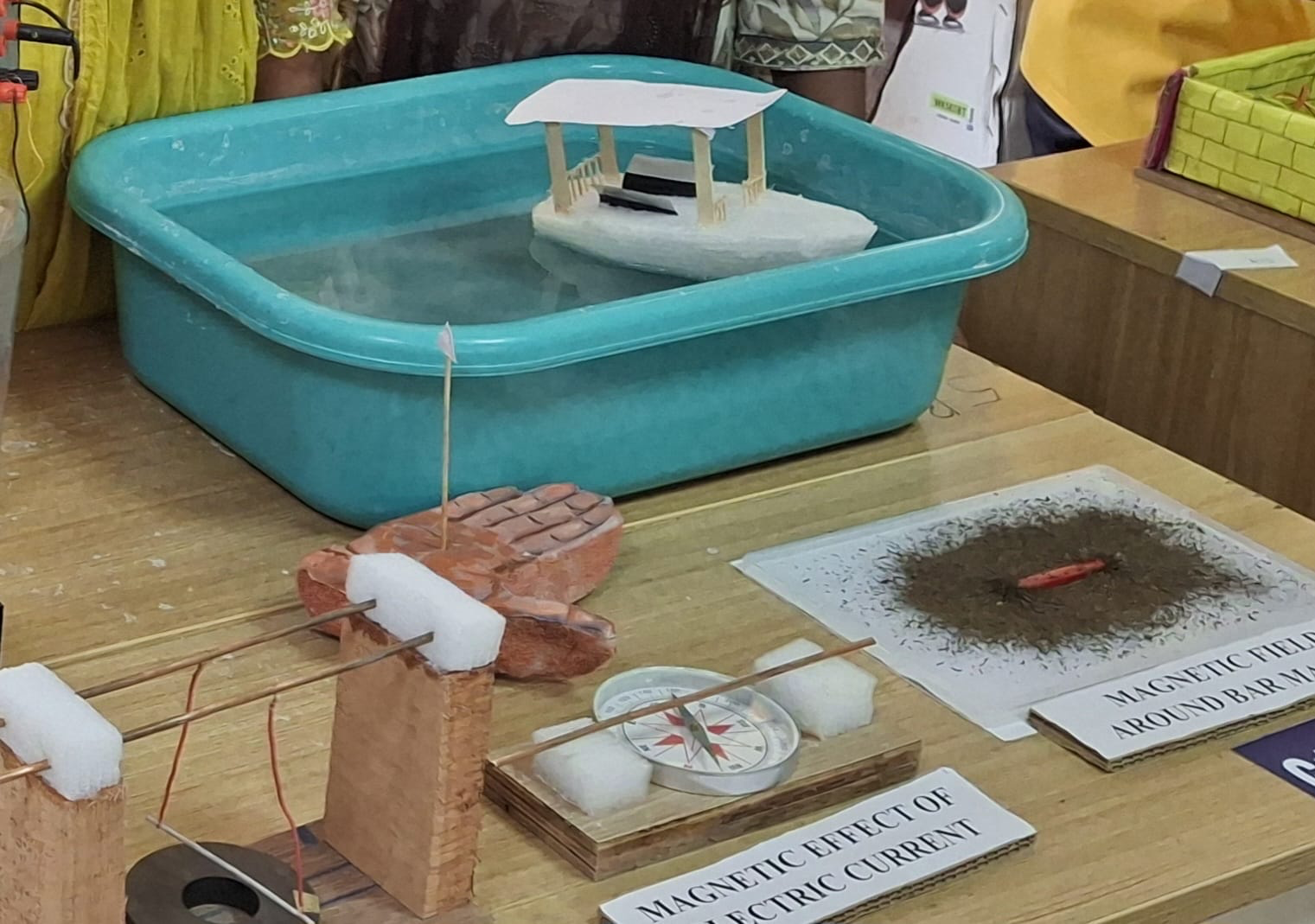
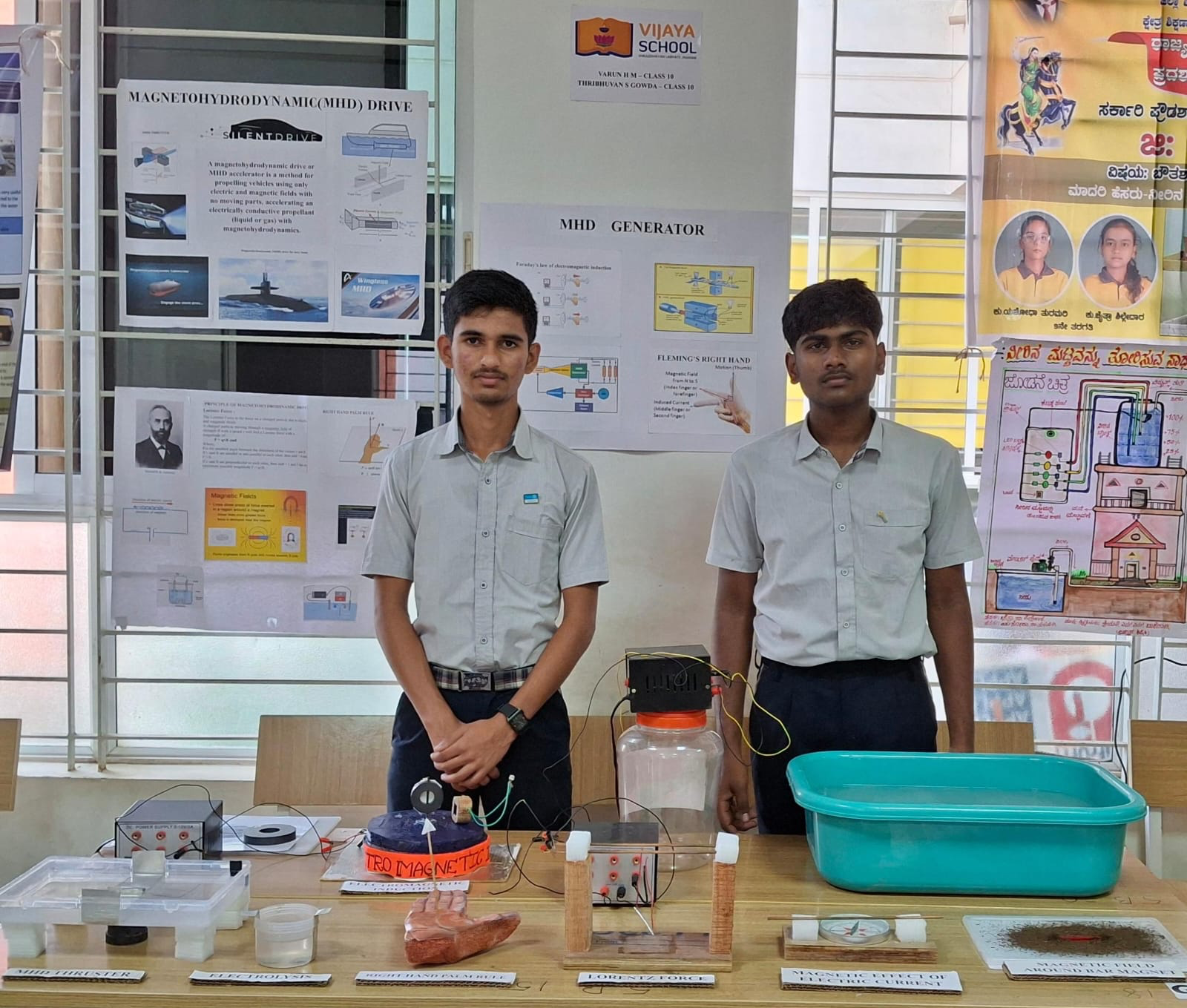
The students, Varun H M and Tribhuvan S Gowda of Grade : 10 , Vijaya School secured 2nd place in State level Science Exhibition held in Mangalore and selected for the Southern India Science Fair (SISF) 2025, South Zonal level.
Their Project : Magnetohydrodynamic drive
(The magnetohydrodynamic (MHD) drive is a propulsion system that uses the principles of electromagnetism to propel a fluid, such as seawater or plasma, without relying on traditional moving parts like propellers or turbines)
Project Based Learning:
The chicken coop activity taught kids the importance of shelter for animals. They designed creative, sustainable coops that prioritized safety, ventilation, and space, showcasing their innovative ideas.

TASHVIKA AGE 6.5 years

Samyuktha age 6.5 years
Thrive – Beyond School; A STEAM program for preschool and primary school students.
Dear reader,
I work with the school leadership team as an advisor. I collaborate with teachers as a pedagogical trainer. I assist parents as a parenting counselor. I engage one-on-one with students as a personal guide and mentor. This weekly newsletter shares what I read, learn, and experience.
3-2-1 Tuesdays with Ms. Niv is a newsletter you can subscribe to and enjoy your learning journey with me.
From the archives
Many of you have been asking for the earlier editions of this newsletter. I am delighted to note that you are enjoying the content served here. Now, with every new issue, I am sharing a link to the newsletter from the archives (published weekly since July 2016).
Here is the link for – issue#006
https://wordpress.com/post/niveditamukerjee.com/3089
Enjoy your learning journey with me.
3-2-1 TUESDAYS WITH MS NIV
Issue #229, 26th November 2024
If I want to learn a new language, here are some ways I will supplement my classroom learning as a student. Let me know what you currently use. Are you using any of these mentioned here? Which ones work best for you? Here are my top 3 ways that have worked for my students to learn English as a language as non native English speakers.
- Language Learning Apps
- Download free apps like Duolingo, Babbel, or Memrise
- Advantages:
- Self-paced learning
- Interactive lessons
- Available anytime on your smartphone
- Many offer free basic courses
- Track your progress easily
- Practice daily for 15-30 minutes
- Focus on vocabulary, basic grammar, and pronunciation
- Watch English-language media with Subtitles
- Start with:
- YouTube videos
- Netflix shows
- English-language movies
- Animated content (easier to understand)
- Learning techniques:
- Use English subtitles first
- Start with content you enjoy
- Pause and repeat phrases
- Write down new vocabulary
- Try to mimic pronunciation
- Gradually reduce subtitle dependency as you improve
3. Theater and Performance Techniques:
- Language Learning through Acting
- Participate in English language theater groups
- Watch plays and theater performances online
- Practice script reading
- Do improvisation exercises
- Specific Theater Exercises
- Read scripts out loud
- Practice different character voices
- Memorize and perform monologues
- Record yourself performing
- Watch performances with subtitles
- Analyze character dialogues
- Practice emotional expression
- Complementary Activities
- Watch movie adaptations of plays
- Listen to radio plays/podcasts
- Use theater games for language practice
- Join conversation clubs
- Attend storytelling events
- Use drama techniques for pronunciation
Recommended Resources:
- Shakespeare Made Easy series
- YouTube channels with theater performances
- Language learning theater websites
- Local community theater groups
- Online drama workshops
Bonus Tip: Consistency is key. Choose methods you enjoy and make learning fun!
This is a free newsletter. If you like my content, please subscribe by entering your email ID here.
Three images of the week


Two Thoughts of the Week
The English language is so elastic that you can find another word to say the same thing. — Mahatma Gandhi.
The limits of my language are the limits of my world. ‒ Ludwig Wittgenstein.
One Video of the Week
Polyglot and linguist Matthew Youlden explains easy steps to learning a new language and debunks popular myths about language learning. Languages have shaped Matthew’s entire life, from learning languages as a child with his twin brother (www.superpolyglotbros.com) to later being Babbel’s Language Ambassador and working as a lecturer. Having already studied over 20 languages, Matthew’s mission is to share his joy of languages. He truly believes that with the right tools and a healthy dose of fun, anyone can easily learn a new language.
Reading with Ms. Meenu: Tip of the week
Presenting Book Choices with Book Talks:
Sometimes students choose books that just don’t seem to fit them at all, at least from a teacher’s perspective. That’s when you need to pull the student aside and confer privately. Often the kids will surprise you with specific reasons for the choice and prove that they know more about themselves as readers than you do.
Other times the student may have gotten the titles confused and really meant to pick a different one. We’ve also found it valuable to emphasize how long and thick a book is. Some students do make it a point to turn that longer books are great reads. On the other hand, it is always useful to make kids well aware that a book’s length doesn’t make it a great book or a boring choice. You should focus on the content or the topic of the book.
Next step is to reflect on that book. It’s an important step to do it initially, especially when junior grades are getting into the habit of reading chapter books. Have the kids read for about twenty minutes and then write dialogue journals with a partner who is reading the same book. They should rank those books and provide their recommendations as well. It’s interesting for other students to revisit that initial feedback and see how their initial expectation matched what the book had to offer.
Happy Reading!
Meenu Gera
Consulting home and school librarian and reading guide.
Career assessment, guidance, and placement strategies:
United Way Bengaluru is one of India’s leading NGOs, focusing on seven impact areas, including education. In 2018, they approached us to deliver career planning training for their scholarship students and first-generation learners. 400 students from small districts in and around Bangalore were to be educated on the importance and methods of career planning.
Some of the modules covered included:
- Career Planning & Self Awareness
- Career Planning & Decision Making
- 100+ Career Options across Sciences, Humanities, and Commerce.
Fermata’s career experts customized the training to suit the student’s learning styles, incorporating a blend of vernacular languages and English. This approach enhanced the effectiveness and ensured the learning outcomes were achieved. Our engagement with United Way Bengaluru continues to this day, creating a lasting impact in the lives of first-generation learners.
Case study provided by: Team Fermata, www.fermataco.com
Showcase of the week:
- Competency-Based learning at https://capstonehigh.com/
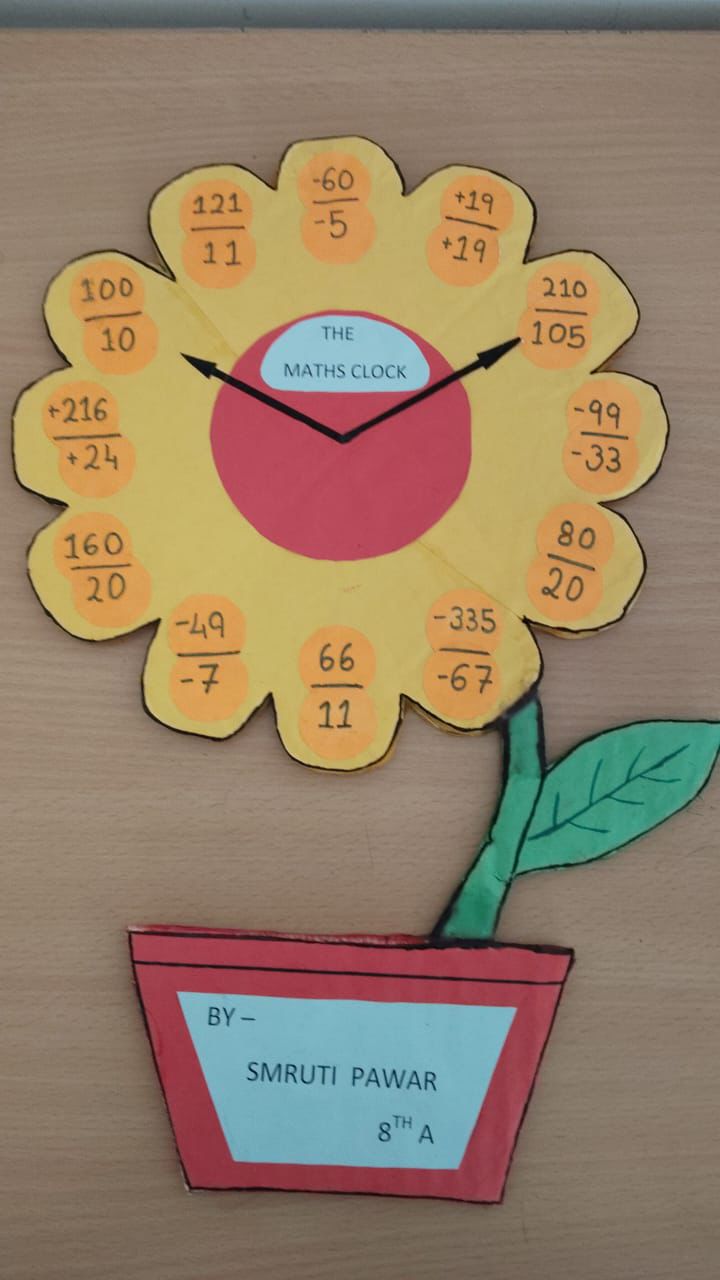
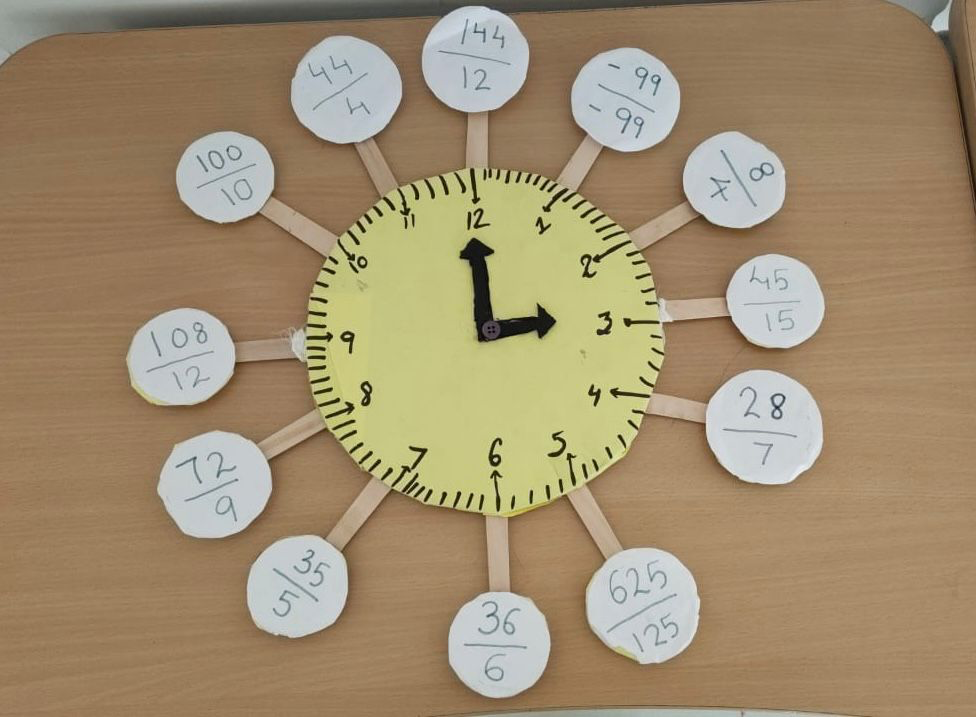
Grade : 8, Subject: Mathematics, Topic: Rational Numbers. Learning Outcome – Learners will be able to design the face of the clock. They will use their understanding of rational numbers.
By Aarav Shekar Grade 8
- Making of a Sports Day https://www.almamater.education/
And Finally…

Dear reader,
I work with the school leadership team as an advisor, collaborate with teachers as a pedagogical trainer, assist parents as a parenting counselor, and engage one-on-one with students as a personal guide and mentor. This weekly newsletter shares what I read, learn, and experience.
3-2-1 Tuesdays with Ms. Niv is a newsletter you can subscribe to and enjoy your learning journey with me.
From the archives
Many of you have been asking for the earlier editions of this newsletter. I am delighted to note that you are enjoying the content served here. Now, with every new issue, I am sharing a link to the newsletter from the archives, starting from the earliest ones available.
Here is the link for – issue#005
https://wordpress.com/post/niveditamukerjee.com/3029
Enjoy and subscribe.
3-2-1 TUESDAYS WITH MS NIV
Issue #228, 19th November 2024
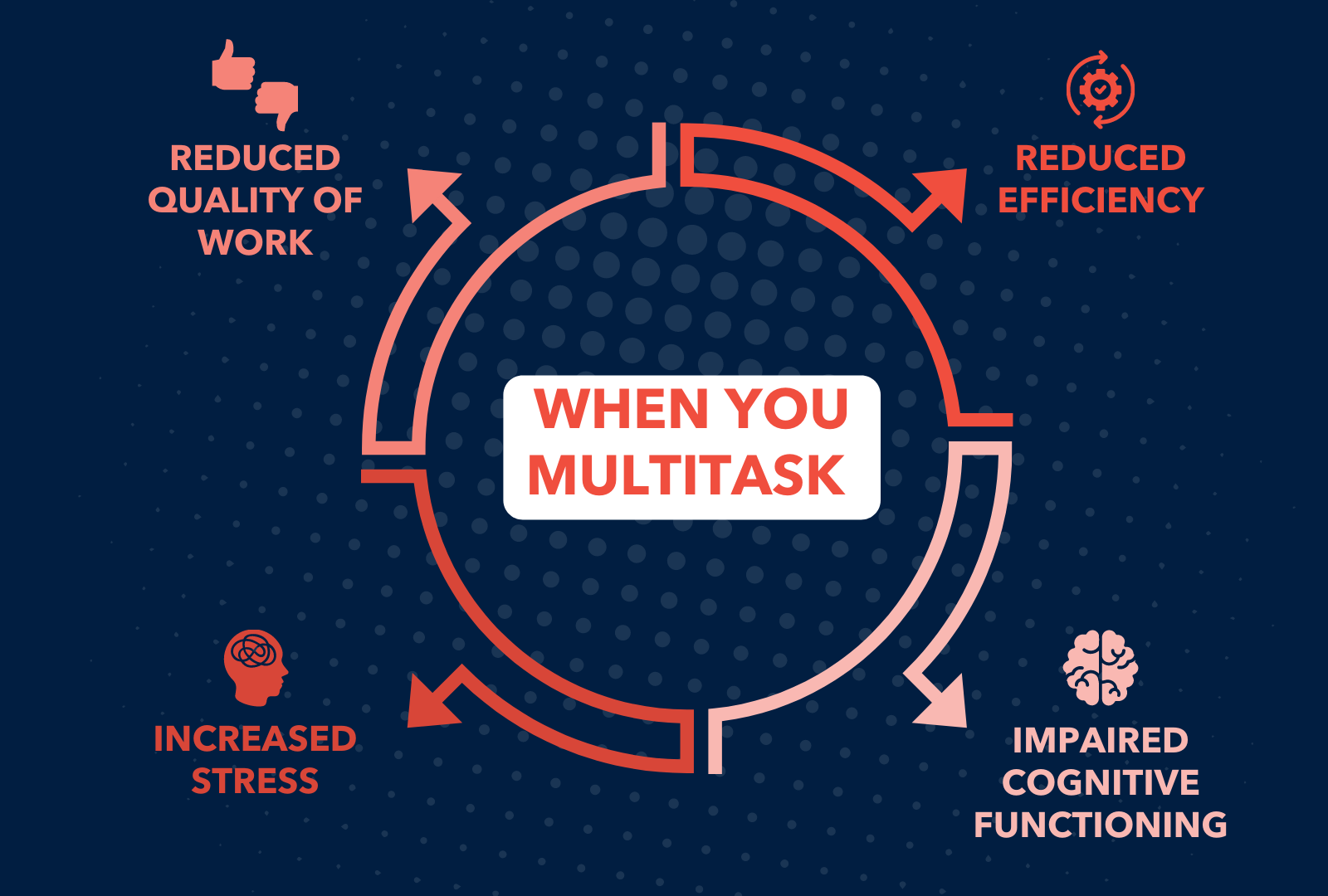
Which produces higher quality work? Focused work typically produces superior results since it allows deep concentration, reduces errors, and enables complex problem-solving. Multitasking splits attention, leading to more mistakes and shallower thinking.
What’s the impact on mental energy? Focused work uses mental energy efficiently by maintaining a single stream of thought. Multitasking depletes energy faster due to constant context switching, which can be mentally exhausting and lead to decision fatigue.
How does time efficiency compare? While multitasking creates an illusion of productivity, research shows it can take 40% longer to complete tasks when switching between them. Focused work, though seemingly slower, often completes tasks faster and more thoroughly in total time spent.
You might want to reflect when do you multitask and when do you focus and how does it impact you and the outcome of the task – as a student, as parent and as an educator. Here are some further thoughts on it.
This is a free newsletter. If you like my content, please subscribe by entering your email ID here.
Three images of the week


Two Thoughts of the Week
In this media-drenched, multitasking, always-on age, many of us have forgotten how to unplug and immerse ourselves completely in the moment. We have forgotten how to slow down. Not surprisingly, this fast-forward culture is taking a toll on everything from our diet and health to our work and the environment. – Carl Honore
Look at this generation, with all of its electronic devices and multitasking. I will confidently predict less success than Warren, who just focused on reading. – Charlie Munger
One Video of the Week
Learning how to learn while learning your subject content can help you over the years, dear students. Meet my guest on this episode of Career Choices Unplugged, Tripat Preet Singh, to hear how it helps in creating a meaningful career.
Reading with Ms. Meenu: Tip of the week
Really Reading in Literature Circles:
As teachers who are trying to raise real readers, how can we more fully deliver on our commitments? Many of us from kindergarten through university are now setting aside a regular portion of the week, the month and the whole school year for genuine “lifelong reader” experiences. These activities are not hybrids or compromises, but chunks of time that all the habits of true grown-up reading. And the most popular structure for delivering such an experience is the literature circle or book club. These groups are closely patterned after adult reader groups, those circles of friends who meet regularly in each other’s living rooms, in church basements or in the back rooms of bookstores to discuss a book they have chosen and read. These book clubs have recently experienced quite a rebirth and sparked after the pandemic.
What happens when we translate this simple literacy practice of adult reading groups to the educational setting? In school, we define literature circles or book clubs or reading groups as small, peer led discussion groups whose members have chosen to read the same article, poem, book or novel and to talk about it with each other. Here are the consistent elements for reading groups:
· Students choose their own reading materials.
· Small groups (three to six students) are formed based upon book choice.
· Grouping is by text choices, not by “ability” or other tracking.
· Different groups choose and read different books.
· Groups create and meet on a regular schedule.
· Discussion questions come from the students and not the teachers.
· Personal responses, connections and questions are the starting point of discussion.
· A spirit of playfulness and sharing pervades the room.
· Assessment is by teacher observation and student self evaluation.
· New groups from around new reading choices and another group begins.
Let’s focus on all these elements and keep on shaping future readers.
Happy Reading!
Meenu Gera
Consulting home and school librarian and reading guide.
Career assessment, guidance, and placement strategies:
Navigating Career Choices: Journey from Multitasking to Focused Growth
Meher’s parents are doctors, and our interaction with her started when she was in grade 9. At that time the objective was to assist her with subject selection and enhance her academic focus. There were mixed preferences – her parents being doctors, but she did not want to pursue medicine and wanted to explore alternative career paths. As she progressed to grade 10, she decided to enroll in JEE coaching and set high academic goals for herself, eventually achieving over 90% in her ICSE board examinations. Alongside her academics, she was learning Bharatanatyam; this year 2024, she successfully completed her arangetram. She now trains young learners in Bharatnatyam.
When she entered grade 11, she shifted to NEET coaching and also enrolled in CLAT coaching. She managed her schoolwork along with NEET and CLAT preparations. However, by grade 12, burnout started to take a toll. Currently, Meher is undergoing career and psychosocial counseling sessions with our expert to help her reduce anxiety, manage her time effectively, and choose a focused career path to achieve her goals.
Case study provided by: Team Fermata, www.fermataco.com
And Finally…

Dear reader,
I work with the school leadership team as an advisor, collaborate with teachers as a pedagogical trainer, assist parents as a parenting counselor, and engage one-on-one with students as a personal guide and mentor. This weekly newsletter shares what I read, learn, and experience.
3-2-1 Tuesdays with Ms. Niv is a newsletter you can subscribe to and enjoy your learning journey with me.
From the archives
Many of you have been asking for the earlier editions of this newsletter. I am very happy to note that you are enjoying the content served here. Now, with every new issue, I am sharing a link to the newsletter from the archives. I am starting from the earliest ones available.
Here is the link for – issue#004 https://niveditamukerjee.com/2020/08/04/3-2-1-tuesdays-with-ms-niv-3/
Enjoy and subscribe.
3-2-1 TUESDAYS WITH MS NIV
Issue #227, 12th November 2024
Carefully choose your goal. Then stick to it. What is the ‘Why’ of your goal as a student, as a parent, as an educator? What is the ‘How’ of your goal as a student, as a parent, as an educator? Use some of the parameters here to check them out. If you haven’t set a goal yet, now is a good time to do so. The year of 2024 is coming to a close.
This is a free newsletter. If you like my content, please subscribe by entering your email ID here.
Three images of the week


Two Thoughts of the Week
“What would you attempt to do if you knew you could not fail?” —Robert H. Schuller
“However difficult life may seem, there is always something you can do and succeed at.” —Stephen Hawking
One Video of the Week
Our leaders and institutions are failing us, but it’s not always because they’re bad or unethical, says venture capitalist John Doerr — often, it’s simply because they’re leading us toward the wrong objectives. In this practical talk, Doerr shows us how we can get back on track with “Objectives and Key Results,” or OKRs — a goal-setting system that’s been employed by the likes of Google, Intel and Bono to set and execute on audacious goals. Learn more about how setting the right goals can mean the difference between success and failure — and how we can use OKRs to hold our leaders and ourselves accountable.
Reading with Ms. Meenu: Tip of the week
Reader’s Book Club:
What would you say if someone asked, “what’s your number one goal for your students?” If you are like me, you might answer “ I just want my kids to become lifelong readers”. Could there be a more admirable teacherly dream? After all, if our ex-students, the young people we eventually send off into the grown-up world, are both able and eager to read, they’re going to have much richer lives as citizens, workers and parents. But if we turn and look at our classrooms with this noble vision in mind, we have to wonder, “What am I really doing to nurture such lifelong readers” If someone came to me today, would they see my students doing the things real readers do? What activities, what interactions am I promoting that truly invite kids into the world of books, writers and ideas? What am I doing to build enduring, wide ranging, critical and self initiated reading?
So, if we look at the habits of the thoughtful and curious adult readers who are our models, we see some key patterns. First, lifelong learners choose what they will read, whether fiction or nonfiction, books or articles, magazines or websites. They connect personally with the material they have chosen. They often use informal kinds of writing notes, jottings or drawing to deepen their understanding. After reading something significant they often seek out other readers to talk with. Over time, they develop their own tastes, favorite authors, and topics of expertise. They make strong judgments about the value of what they read, the artistry of authors and the personal significance of a text. In short, they own reading.
But in schools it doesn’t happen the same way. Let’s continue with this discussion next week on how to bring change and shift to another level.
Keep Reading!
Meenu Gera
Consulting home and school librarian and reading guide.
Career assessment, guidance and placement strategies:
Importance of Setting Career Goals
Nayna scored 95% in grade 10 and 70% in grade 11, but her performance dropped drastically in Grade 12, which concerned her parents. During our career counseling session with Nayna and her parents, we discovered that she was distracted by social media and had no social circle. Interestingly she was also spending a significant amount of time at the gym. A detailed conversation with her revealed that she had no clear goals, leading to her losing interest in school. The career counselor at Fermata, helped her define her career goals, set small academic targets, create a list of universities to aspire to, and establish a timeline for applying to the colleges.
Case study provided by: Team Fermata, www.fermataco.com
And Finally…

Dear reader,
I work with the school leadership team as an advisor, collaborate with teachers as a pedagogical trainer, assist parents as a parenting counselor, and engage one-on-one with students as a personal guide and mentor. This weekly newsletter shares what I read, learn, and experience.
3-2-1 Tuesdays with Ms. Niv is a newsletter you can subscribe to and enjoy your learning journey with me.
From the archives – issue#003
Many of you have been asking for the earlier editions of this newsletter. I am very happy to note that you are enjoying the content served here. Now, with every new issue I am putting out a link of the news letter from the archives here, starting from the earliest ones. Enjoy and subscribe.
 Nivedita Mukerjee