Nivedita Mukerjee
Education consultancy for parents and schools
3-2-1 Tuesdays with Ms Niv
Issue #10 / September 15, 2020
Did you know creative abrasion, creative agility, creative resolution are the three key processes that underpin innovation? Have you ensured your students understand the key components of collaboration? Learn from Meenu Gera, a much loved teacher-librarian, how to grow a reader in your child in 3 simple steps and tips of trust from a parent of two grown men.


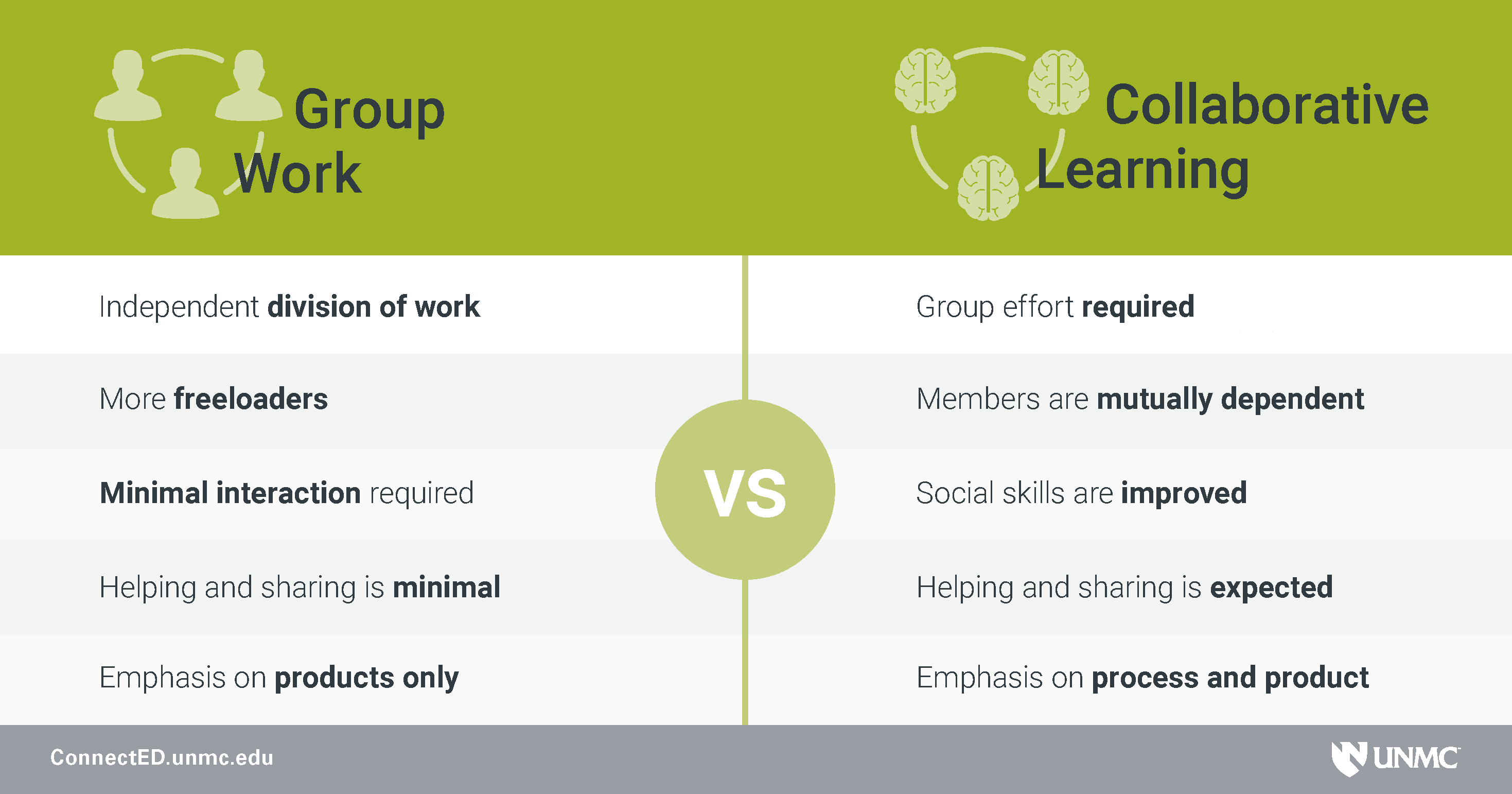
Three Images For The Week
For educator, parent and student. The Holy Trinity of Education.


Two Thoughts For The Week
- “Alone we can do so little; together we can do so much.” – Helen Keller
- “None of us, including me, ever do great things. But we can all do small things, with great love, and together we can do something wonderful.” – Mother Teresa
One Video For The Week
Innovation is about collective genius. It is not about the AHA moment. It is not about a flash of inspiration! It is a type of collaborative problem solving. There is a paradox at the heart of innovation. Exhilarating and scary at the same time.
What’s the secret to unlocking the creativity hidden inside your daily work, and giving every great idea a chance? Harvard professor Linda Hill, co-author of “Collective Genius,” has studied some of the world’s most creative companies to come up with a set of tools and tactics to keep great ideas flowing — from everyone in the company, not just the designated “creatives.”
A good one to watch individually or even with your students. I loved the story of how Pixar gets around to working in teams, in a long messy process and brings us memorable characters and movies.
Great leaders, create a world where people want to belong! it is not necessary to have a pre-ordained vision and a defined path for all to walk on. Innovation takes a village. Build a village for your team 🙂
Guest column :

Making Connections
I’ve invested myself in libraries, books and professional resources for the past twenty-two years. I started my career with a traditional method of librarianship and have seen the transformation of libraries to automated libraries, focus on how to implement reading techniques, suggesting reading materials and so on. Libraries have seen vast changes from cataloguing cards to MARC records. Accession Registers to scanning barcodes, but it is still serving as a place for information. It offers us free access to a wealth of information whether its online, in print or in person.
During this great journey of librarianship, the core lesson learnt is how Reading is such a great yet simple tool for making connections with our loved ones. Reading helps us make connections. It doesn’t matter if you are reading to your own child or reading aloud to your students. You see the spark of curiosity in their eyes. Through read aloud you make a bond. Books make memorable journeys within. When readers make connections to the texts they read, they’re more likely to understand what they read and remember it. Reading helps our brains process information both visually and verbally more effectively. Reading improves every aspect of a person’s communication skill.
Though it sounds like helping kids make connections to their texts is complicated and involved, it’s not. Strong readers make connections every time they read, and they do it without batting an eye. Connecting is natural and habitual for strong readers. They connect to characters and events in texts; they connect to settings, themes, and messages in texts.
There are three main ways that readers make connections to texts:
- they make connections between the text and themselves or their own life;
- they make connections between the text and another text they’ve read;
- they make connections between the text and what they know about the world around them.
A simple book like “A Very Hungry Caterpillar” by Eric Carle can teach a toddler how to say “Green weef” (Green Leaf).
In this modern time of eBooks, Kobo readers and so many more online resources – we tend to get distracted by online world. But do they make our kids connected or curious about learning? How do we bring this idea of connection, home for our kids? How do we gently urge them into making connections so that they become stronger readers? It’s Simple.
Whether they like the book or not isn’t relevant. You can initiate the connection conversation any time you’d like, any day of the week. If your child is curious about dragon flies, let them draw dragonflies, discuss facts about it. If your child is fussy about eating home made or traditional food, read books about how foods around the world are so different. Read books about where you would like to travel with your family.
Love of reading comes from within, just make a little effort by selecting the right book for your reader and with a habit of reading every night, the magic will work at the snap of a finger. Just like that. Happy Reading!
Parent speak:
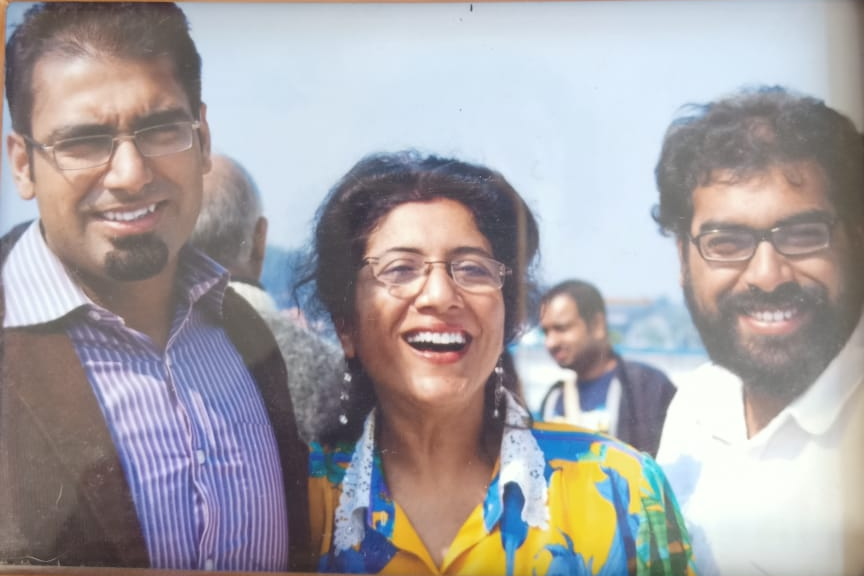
Sangeeta Ghoshal, a parent, creative director, thespian and an artist

Student voice:
Kshirasagarika Mushunuri, student of higher education.

When I finished grade 10 and began plus 2, everyone’s focus seemed to be on two things- where I was going to college and what I was going to study. The ‘what’ was clear from day 1 of grade 11- Psychology. The ‘where’ was a huge question mark. When the time finally came to decide, my parents and I unanimously decided that the choice was York, in the UK. The process to getting there wasn’t easy. There were two major problems that arose- (i) making my parents believe that I was ready to live by myself; and (ii) finances.
The process of making my parents believe that I was ready to move away was perhaps the hardest of the two. Me moving out was an understandable source of anxiety for my parents — I had never lived away from them, and now I was talking about moving countries! Knowing this, I began to do small things like learning how to cook, doing more chores around the house and becoming more accountable with my schoolwork.
I wanted to show my parents that I was responsible with money, and understood the costs behind going abroad. I wanted to be able to contribute towards paying for my program abroad, and the one way for me to do that was to find a scholarship. So, I dove headfirst into research for scholarships.
The year before college was definitely challenging, but it was also extremely eye-opening. It helped me understand that, at that point, I was definitely not ready to move out. That pushed me to learn. Perhaps, that was the most important learning of all.
Showcase:
3-2-1 Tuesdays with Ms Niv is a newsletter for you to subscribe and enjoy your learning journey with me. Most of you would have been too busy to track trends in education, ponder on most relevant thoughts or deliberate on career choice, parenting or pedagogy. Find it all here. This week, it consists of: 3 images, 2 thoughts and 1 video.
For whom? Students, educators and parents
When? Every Tuesday
Where? my blog post, register with your e-mail id, it is free.
If you want to contribute an article, are organising an event, have a product that you think can be reviewed and/or featured in this news letter, please feel free to write to me at : niveditamukerjee10@gmail.com
Please like, subscribe, share, comment. See you next week.
This weekly newsletter is supported by:
And:

Have you subscribed yet?
 Nivedita Mukerjee
Lovely take on creativity. I feel creativity is inherent in all of us, we the children of a human, who created a wheel, to begin with. Tragedy is that for many of us, it is just another dot on the life graph, we jot down, every other day.
LikeLiked by 1 person
What a treat this news letter is . And Meenu Ghera with her insights on the connections children lair with books!
Sangeeta Ghoshal’s views on parenting resonate .
Kshirasagarika Mushunur thoughts made interesting reading .
Hellen Keller and Mother Teresa on team work . Great quotes .
One of my trips to Kolkata I had the honour of meeting and watching Mother Teresa at work . I was just out of college, an impressionable age . That brief meeting impacted me so much . It taught me a lot about humility and humanity !
LikeLiked by 1 person
I really liked the guest columns this week. All of them without exception. Good work.
LikeLiked by 1 person
Linda Hill’s video was an absolutely enriching session!
Very much agree with the guest writer that reading is so essential to connect and it’s so important not to be judgemental in the reading choices of our children.
LikeLiked by 1 person