Nivedita Mukerjee
Education consultancy for parents and schools
3-2-1 TUESDAYS WITH MS NIV
Issue #19 / November 17, 2020
Why do we get stuck in the feeling of being right? What does it feel to be wrong? Do we grow up thinking that people who do things wrong are lazy… irresponsible… dim wits? Check out this week’s Tedtalk from a wrongologist. How do the key areas of our brain process learning? Is there an advantage in learning in an integrated way or should we teach subjects discretely as most of the schools do now. Read this week’s guest column. And finally… don’t miss a laugh at the end of it all.
Three Images For The Week
For educator, parent and student. The Holy Trinity of Education


Two Thoughts For The Week
‘The illiterate of the 21st century will not be those who cannot read and write, but those who cannot learn, unlearn, and relearn.’ –Alvin Toffler
‘It’s what you learn after you know it all that counts.’ –Harry S Truman
One Video For The Week
Most of us will do anything to avoid being wrong. But what if we’re wrong about that? Wrongologist Kathryn Schulz makes a compelling case for not just admitting but embracing our fallibility. She is a staff writer for the New Yorker and is the author of “Being Wrong: Adventures in the Margin of Error.” Being wrong v/s realising being wrong… to feel about being wrong. How does it become a practical problem? A social problem?
Guest Column
Snehalata Ramachandran, Educator.
Thematic or Integrated Learning

Connection and relationships play a huge role in life. The ‘web of Life’ clearly shows that all living things, one way or the other are part of the web – may be food chain, balance of eco system or wellness in the world.
Similarly in thematic learning – many ideas, information, concepts, skills and subjects can be wonderfully integrated. This allows the learners to explore and get better understanding of their surroundings to resolve concerns. Their learning is associated with real life experiences which enables coherent and holistic learning and of course leading to a sense of empowerment, as it does not confine them to information provided in the text. Through research, the excitement and interest is on the high, which makes the learners delve into the topic and find numerous connections, many that they didn’t know existed! It gives way to natural way learning-competency based and is less fragmented.
The pedagogy in thematic learning can be so varied – it can be individual, pair or group work, where they have an opportunity to discuss, accept and appreciate other’s ideas, make presentations too. Social skills and confidence building is also taken care of. Group activities and discussion enable students to participate and reach on a shared perspective of the theme- collaborative learning at its best. This also helps in creative exploration of the subject through understanding and discourages rote learning. Many skills – such as research, decision making, risk taking are honed, giving way to creativity and invention. Learners with conviction dare to be different, moving away from flock mentality.
For a better understanding of thematic learning, I’ll chose the topic ‘water’ and share how the various subjects can be integrated. Explore the water bodies in the locality and find out how water reaches houses. The importance of the water bodies and responsibility of keeping them clean can be discussed. Through real life experiences the properties and uses of water of water can be derived. Estimation or litres-millilitres can be taught in Math and students can visit a store and check out the products too. Students can write poems, slogans or compositions in language-English or the local language. It allows literacy to grow progressively with expansion of associated vocabulary, sentence writing reinforced gradually and smoothly. Adding a tune to their own poem or doing a rap is lovely way to weave in rhythm and music! Art and science will be in sync when they do ‘marbling’ or sit around a water body and watch the teeming life around it to get the first- hand knowledge of eco system or even symbiotic relationships and capture it on paper! Awareness of the theme will give way to make informed choices and ingrain responsibility.
The infinite thoughts, ideas can be harnessed to make learning a joyful experience of wonders, wondering, wandering and adventures…..with so many permutations and combinations ….spoilt for choices – to let an active learner reach for stars.
Showcase
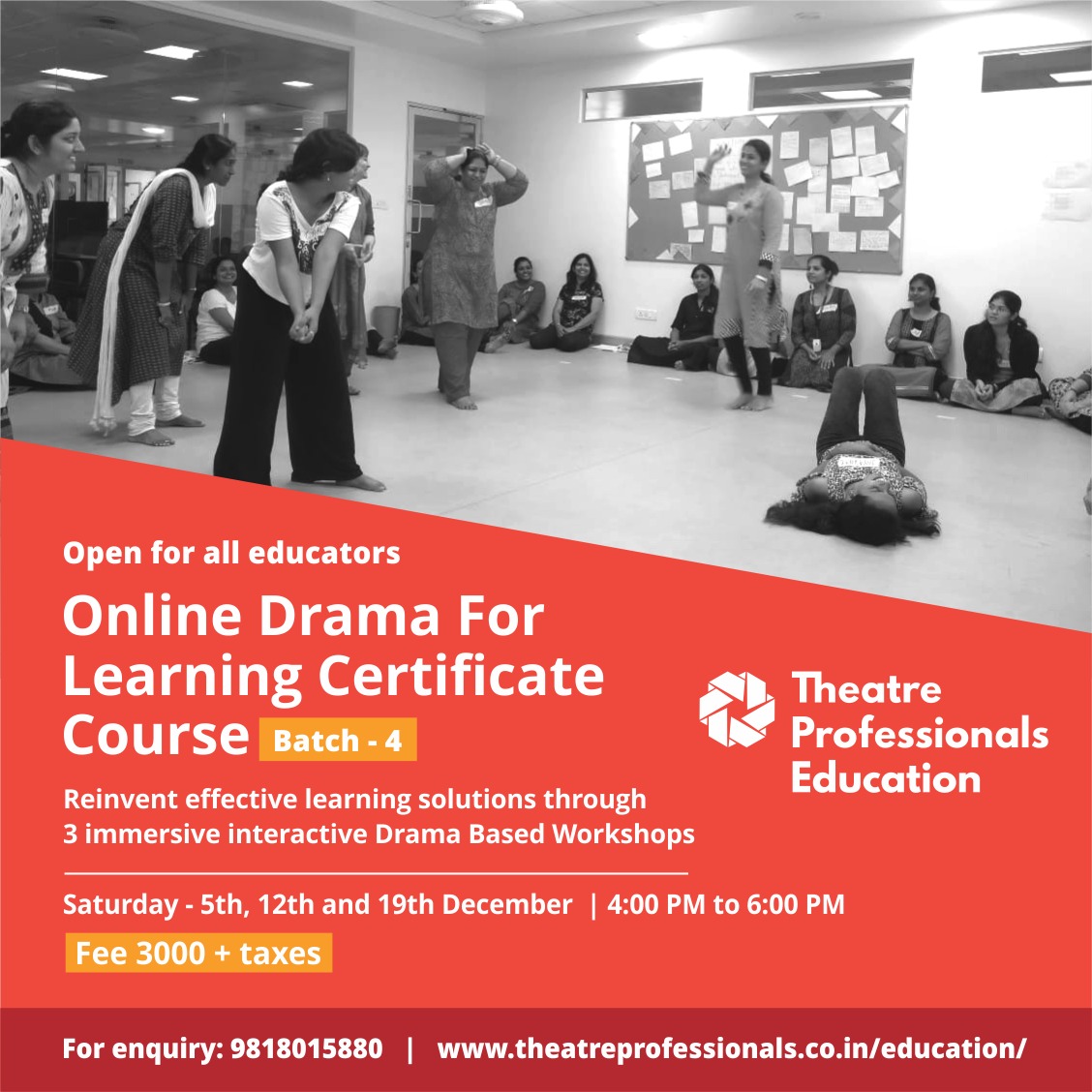
And Finally…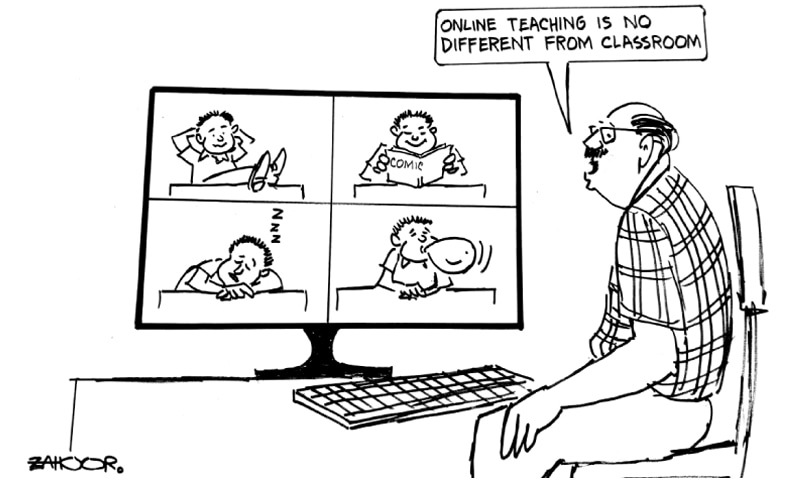
3-2-1 Tuesdays with Ms Niv is a newsletter for you to subscribe and enjoy your learning journey with me. Most of you would have been too busy to track trends in education, ponder on most relevant thoughts or deliberate on career choice, parenting or pedagogy. Find it all here. This week, it consists of: 3 images, 2 thoughts and 1 video.
For whom? Students, educators and parents
When? Every Tuesday
Where? my blog post, register with your e-mail id, it is free.
If you want to contribute an article, are organising an event, have a product that you think can be reviewed and/or featured in this news letter, please feel free to write to me at : niveditamukerjee10@gmail.com
Please like, subscribe, share, comment. See you next week.
This Newsletter is supported by :


 Nivedita Mukerjee
Enjoyed reading/watching all the columns. When I realize *I may be wrong, many a times *, is when I am right. 🙂
LikeLiked by 1 person