Nivedita Mukerjee
Education consultancy for parents and schools
3-2-1 Tuesdays with Ms Niv

Issue #267, 19th August 2025
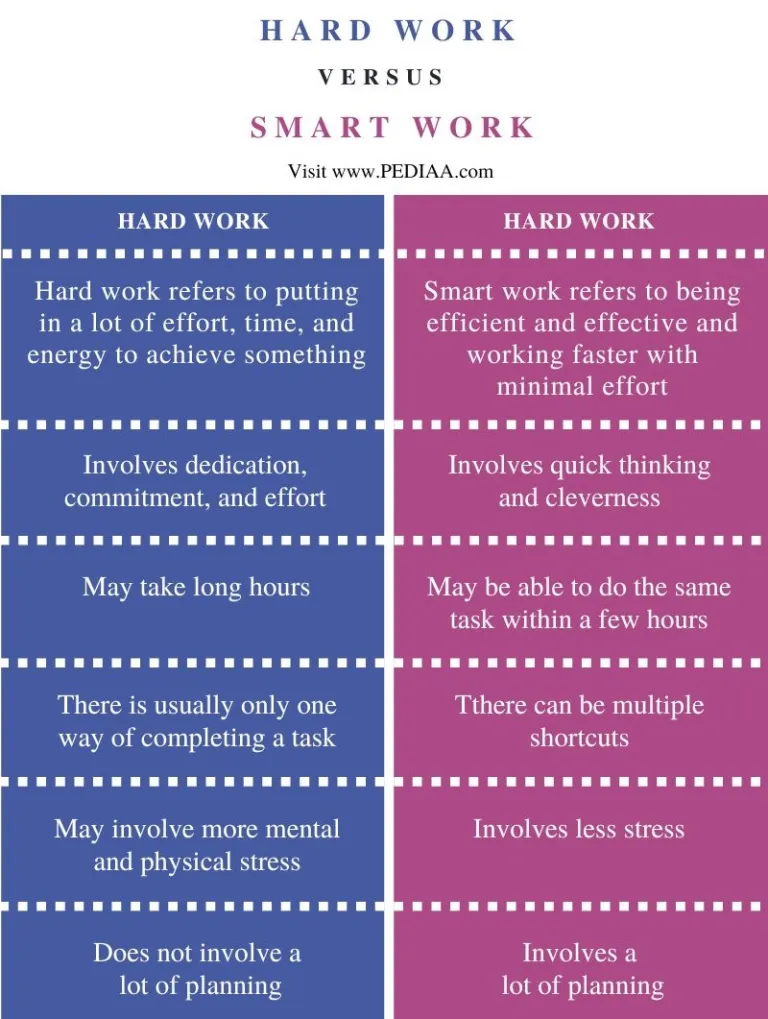
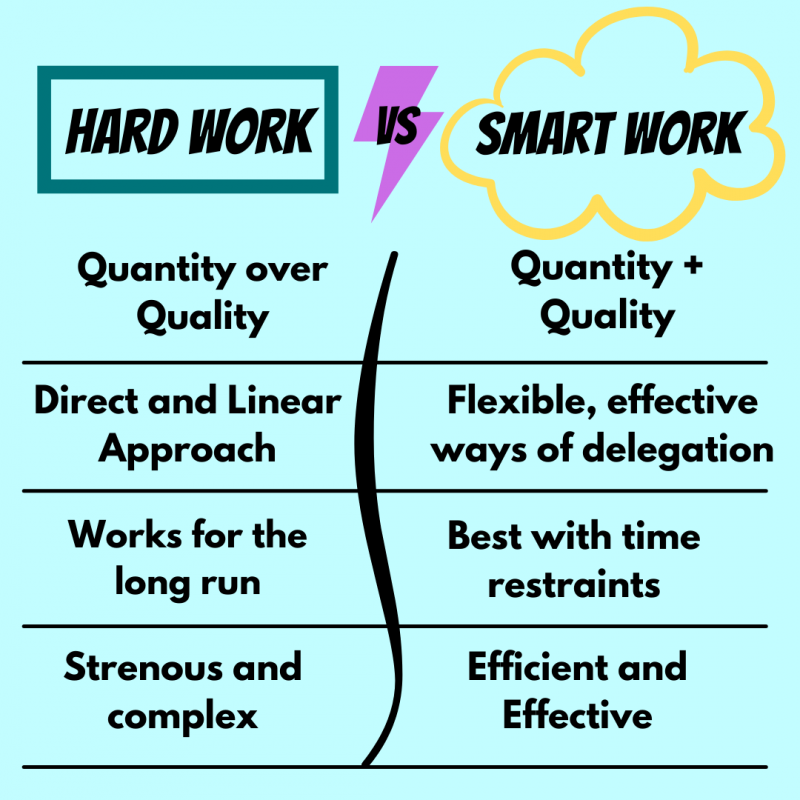
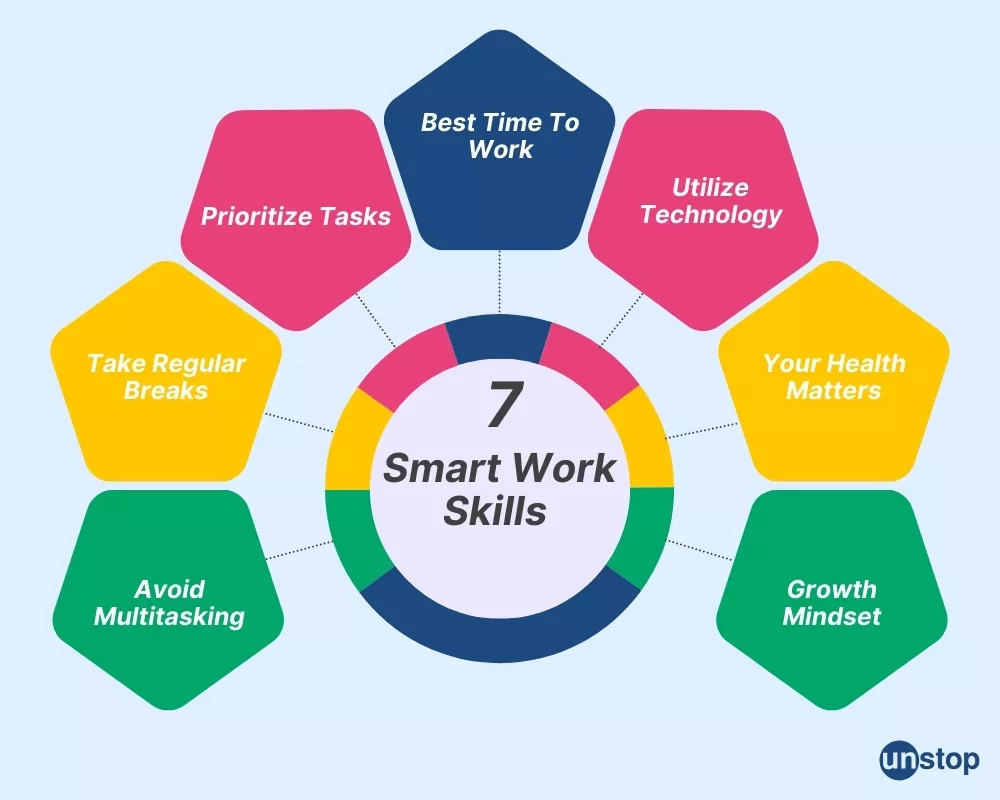
Can we look for evidence of growing efficiency, independence, and transferable understanding rather than just effort or time invested?
Student: “Am I getting better results with the same or less effort over time?”
If you’re working smart, you should notice that studying becomes more efficient – you retain information faster, understand concepts more deeply, and perform better on tests without necessarily spending more hours. If you’re just working hard, you might be putting in long hours but not seeing proportional improvements.
Parent: “Is my child developing independent problem-solving skills, or do they need constant help?”
A child working smart will gradually need less guidance and start finding their own effective strategies. A child just working hard might be putting in effort but still struggling with the same issues repeatedly, suggesting they need better methods rather than more time.
Teacher: “Are my students able to transfer what they’ve learned to new situations?”
Students working smart don’t just memorize – they understand underlying principles and can apply knowledge flexibly. If students can only repeat what you’ve taught in the exact same context, they may be working hard at memorization but not working smart at truly understanding.
Keep reading to find more insights on working hard and/or smart.
This is a free newsletter. If you like my content, please subscribe by entering your email address here.
Three Images of the Week
Two Thoughts of the Week
“Stars do not pull each other down to be more visible; they shine brighter.”
― Matshona Dhliwayo
“Those who work hard, work alone.
Those who work smart, work as a team.”
― Utibe Samuel Mbom
One Video of the Week
Around the world, people who work hard are often seen as morally good — even if they produce little to no results. Social psychologist Azim Shariff analyzes the roots of this belief and suggests a shift towards a more meaningful way to think about effort, rather than admiring work for work’s sake.
Reading with Ms. Meenu: Tip of the week
The Long Run: Reading Journey Stages: Birth to 6-month Book Behaviour
Beyond verbal communication, a lot of language development goes on through gestures, facial expressions and even eye gaze. Infants pay a lot of attention to and learn from what they see, including what they see you looking at. Evidence suggests that babies start following their caregiver’s gaze between 2 and 4 months old and evidence shows that they tend to learn more with gaze cues than without them. Even though they won’t be able to read the words, include books from day one to get yourself into a routine of talking and reading to your baby. By 6 months old, they can enjoy hearing and physically exploring books. Board or vinyl books with limited text and unadorned illustrations provide the right fit visual and tactile stimulation your infant needs. Books with poems and nursery rhymes too regardless of illustrations, make it easy to use your voice in a way that will please little ears.
Start sharing books with your baby and begin discovering what they like best. Every baby is different and yes, they have preferences. It’s fun to see their reactions reaching for the pages, pushing books away even falling asleep when uninterested. From the get-go your baby is driving their own learning by following their interests and gathering information. Isn’t that incredible?
Even some books make it easier to support your child where they are now, don’t stress about picking the “perfect” first books. There are none. Even the research shows your choice of books is not as important as making the choice to read to your baby on a regular basis. So, choosing books YOU enjoy is powerful too.
Judge books by their shortness and sweetness at this age, not their literary merits. You’re likely to hold your infant’s attention on a book for only a minute or two, so you might as well make it a fun complex experience by picking a book that delivers language and visual interest fast. And here is a tip for reading to your toddler: “Quit before they get restless. You end at the crest of the wave”.
Book Behaviour:
· Looks at books
· Grasps books without using thumb
· Sees print and images on pages
· Prefers to look at higher contrast images and human faces
Happy reading!
Meenu Gera, Consulting home and school librarian reading guide.
Career assessment, guidance, and placement strategies:
Media and Communication Hub
Do you know?
5 reasons for Los Angeles (Hollywood) and New York City being regarded as the media and communication capital of the world:
- Hollywood is the Global Entertainment Hub, home to major studios as Disney, Warner Bros, Universal, and Sony Pictures.
- New York City is a media and publishing powerhouse with headquarters for major global media conglomerates, including The New York Times, Bloomberg, CBS, CNN, and others.
- The US is home to some of the largest communication platforms, including Meta, Google, X, Netflix, Spotify, and Apple’s media services.
- New York City is a global center for the advertising and public relations industry.
- Global cultural influence is exerted through American media, films, TV shows, and music, which are consumed worldwide, shaping global culture, politics, and social discourse.
Other Significant media centers:
- London, UK: Major in global news (BBC, Reuters), publishing, and media.
- Mumbai, India: Bollywood is one of the largest film industries in terms of volume.
- Seoul, South Korea: Global influence in K-pop, digital media, and entertainment
- Tokyo, Japan: Animation (anime), gaming, and pop culture
Top universities for an undergraduate major in Media and Communication Studies:
- University of Southern California, USA
- London School of Economics and Political Science, UK
- University of Amsterdam, Netherlands
- New York University, USA
- University of Wisconsin-Madison, USA
- University of Texas at Austin, USA
- Stanford University, USA
- University of Pennsylvania, USA
- University of California, Berkeley, USA
- Goldsmiths, University of London, UK
- University of North Carolina at Chapel Hill, USA
- Boston University, USA
- University of Toronto, Canada
- Carleton University, Canada
- University of British Columbia, Canada
- McGill University, Canada
- Pennsylvania State University, USA
- Michigan State University, USA
- Nanyang Technological University, Singapore
- University of California, Los Angeles, USA
Top Media and Communication colleges in India
- Xavier Institute of Communication, Mumbai
- Indian Institute of Journalism & New Media, Bangalore
- Asian College of Journalism, Chennai
- Indian Institute of Mass Communication, New Delhi
- Manipal Institute of Communication, Manipal
Fermata Career Solutions inspires young individuals aged 13 to 30 to unlock their potential through focused and customised career and college counseling. With expertise in University Readiness, CareerGym, and Master Parenting, the experts empower you to pursue your dreams and shape your future with confidence. More about us on www.fermataco.com
Dear reader,
I work with the school leadership team as an advisor and collaborate with teachers as a pedagogical trainer. I also help parents as a parenting counselor and regularly engage one-on-one with students as a personal guide and mentor. This weekly newsletter shares what I read, learn, and experience.
3-2-1 Tuesdays with Ms. Niv is a newsletter you can subscribe to and enjoy your learning journey with me.
 Nivedita Mukerjee