Nivedita Mukerjee
Education consultancy for parents and schools
3-2-1 Tuesdays with Ms Niv

Issue #293, 10th February 2026
A powerful habit to build:
- “Can you change this question and still answer it?”
- “What question would you ask if you were the teacher?”
That’s when learning really sticks. Learning and memorising, both are important in school years. But memorising without learning becomes meaningless and does not stay with the student. A time and opportunity wasted? What do you think?
This is a free newsletter. If you like my content, please subscribe by entering your email address here.
Three Images of the Week
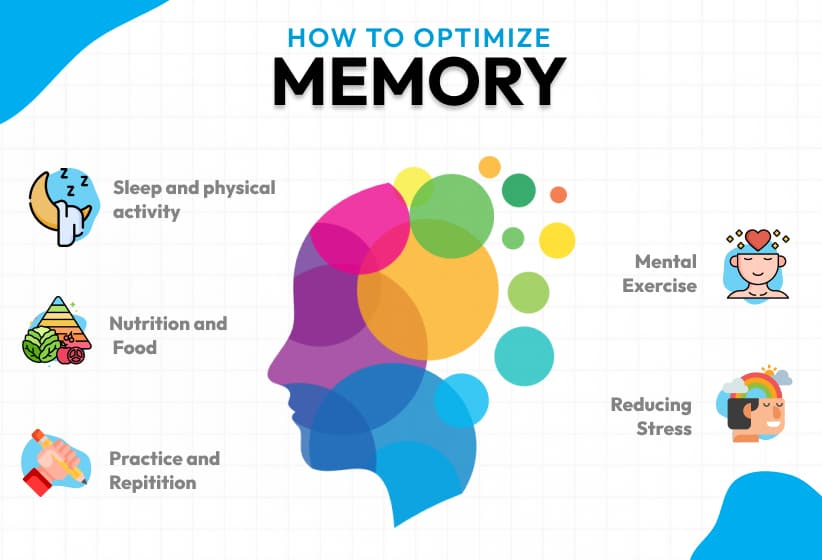
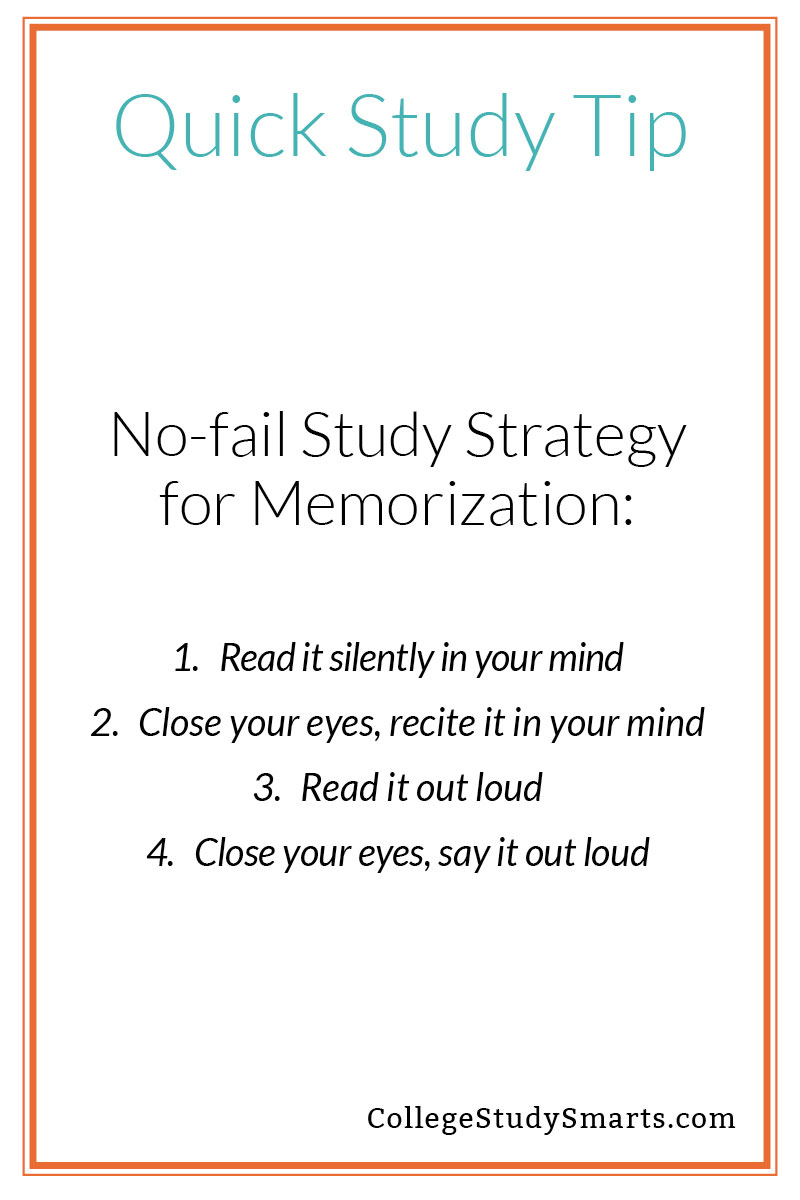
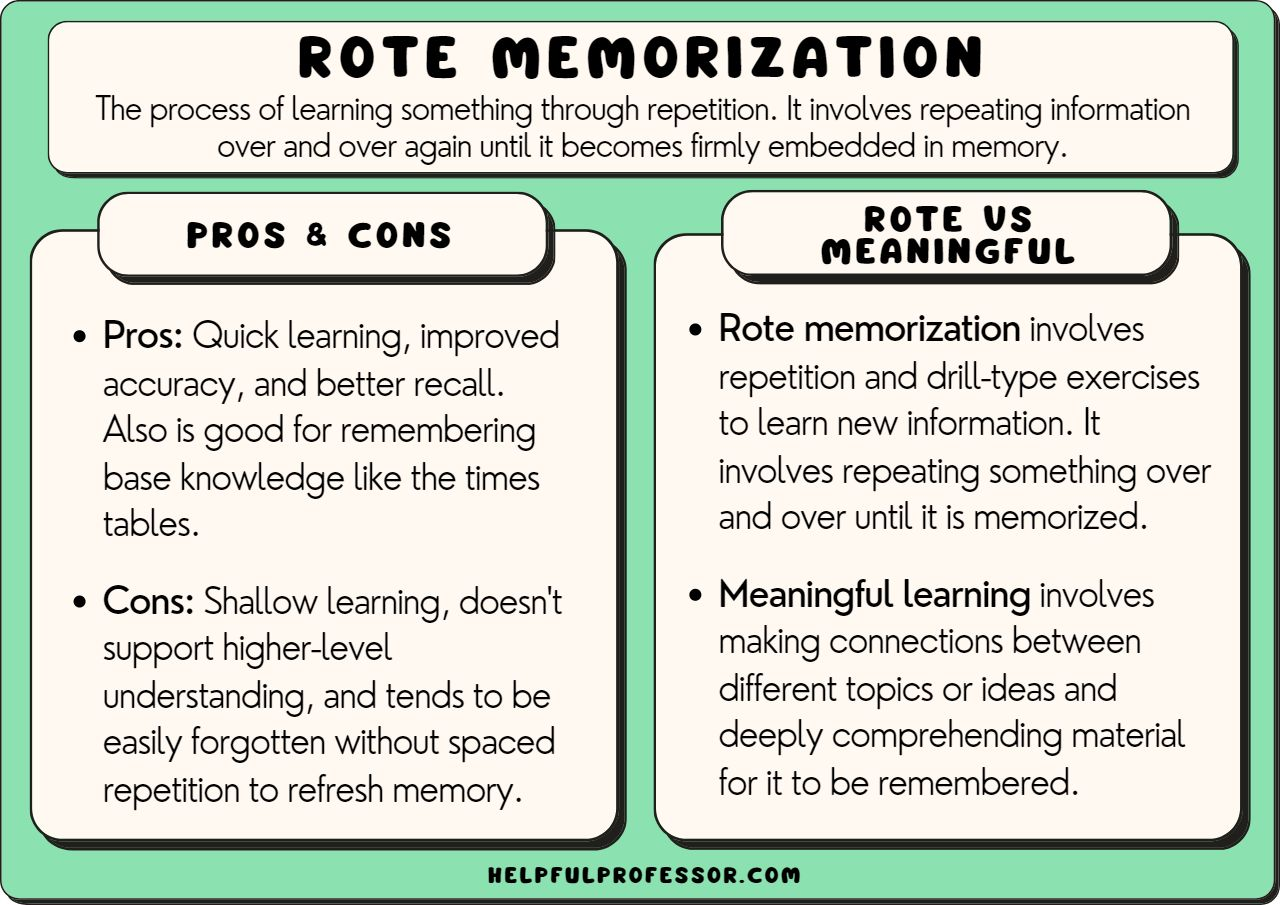
Two Thoughts of the Week
“Memorization comes from repeated recall, not repeated exposure.”
― Mark a McDaniel, Make It Stick: The Science of Successful Learning
“Don’t byheart your lesson, learn by heart”
― J. Tisa
One Video of the Week
Ways of knowing which are suitable for the past may not often function as well in the present. Nathaniel Ayoub brings his personal insight into the field of education to re-evaluate the ways of knowing and learning.
Nathaniel Ayoub is a grade 10 student from the United States. He is always brimming with curiosity and will not stop at anything to understand new concepts in topics he’s interested such as game/software development. His connection and love for technology are what led him to share his perspective on TEDx.
Reading with Ms. Meenu: Tip of the week
The Vital Role of Libraries in Readers’ Advisory
In an age of endless information and digital distractions, libraries remain one of the most trusted guides connecting readers with books that truly matter to them. At the heart of this connection lies readers’ advisory—the thoughtful practice of helping individuals discover books that match their interests, reading levels, and emotional needs. Libraries play a vital role in readers’ advisory, not simply by housing books, but by creating meaningful pathways between readers and stories.
Libraries as Personalized Reading Guides
Readers’ advisory is far more than recommending popular titles or bestsellers. Librarians listen closely to readers—children, teens, and adults—to understand their preferences, curiosity, and reading goals. Whether a child is searching for their first chapter book, a reluctant reader needs encouragement, or an adult wants a story that resonates deeply, libraries offer personalized guidance rooted in professional knowledge and genuine care.
This individualized approach builds confidence in readers and fosters a sense of belonging. When a reader feels understood, reading becomes more than an activity—it becomes a relationship.
Supporting Lifelong Reading Habits
Libraries are uniquely positioned to support readers at every stage of life. Through readers’ advisory, libraries help:
- Young children develop early literacy and a love for stories
- Students explore genres and authors beyond classroom requirements
- Teens find books that reflect their identities and experiences
- Adults rediscover reading for pleasure, learning, and reflection
By introducing readers to diverse voices, formats, and genres, libraries nurture curiosity and encourage exploration, turning occasional readers into lifelong ones.
Bridging Gaps and Removing Barriers
One of the most powerful aspects of readers’ advisory in libraries is accessibility. Libraries provide free, unbiased access to books and professional guidance without pressure to buy or conform to trends. This creates an inclusive space where every reader—regardless of background, ability, or reading level—can find something meaningful.
Building Community Through Shared Reading
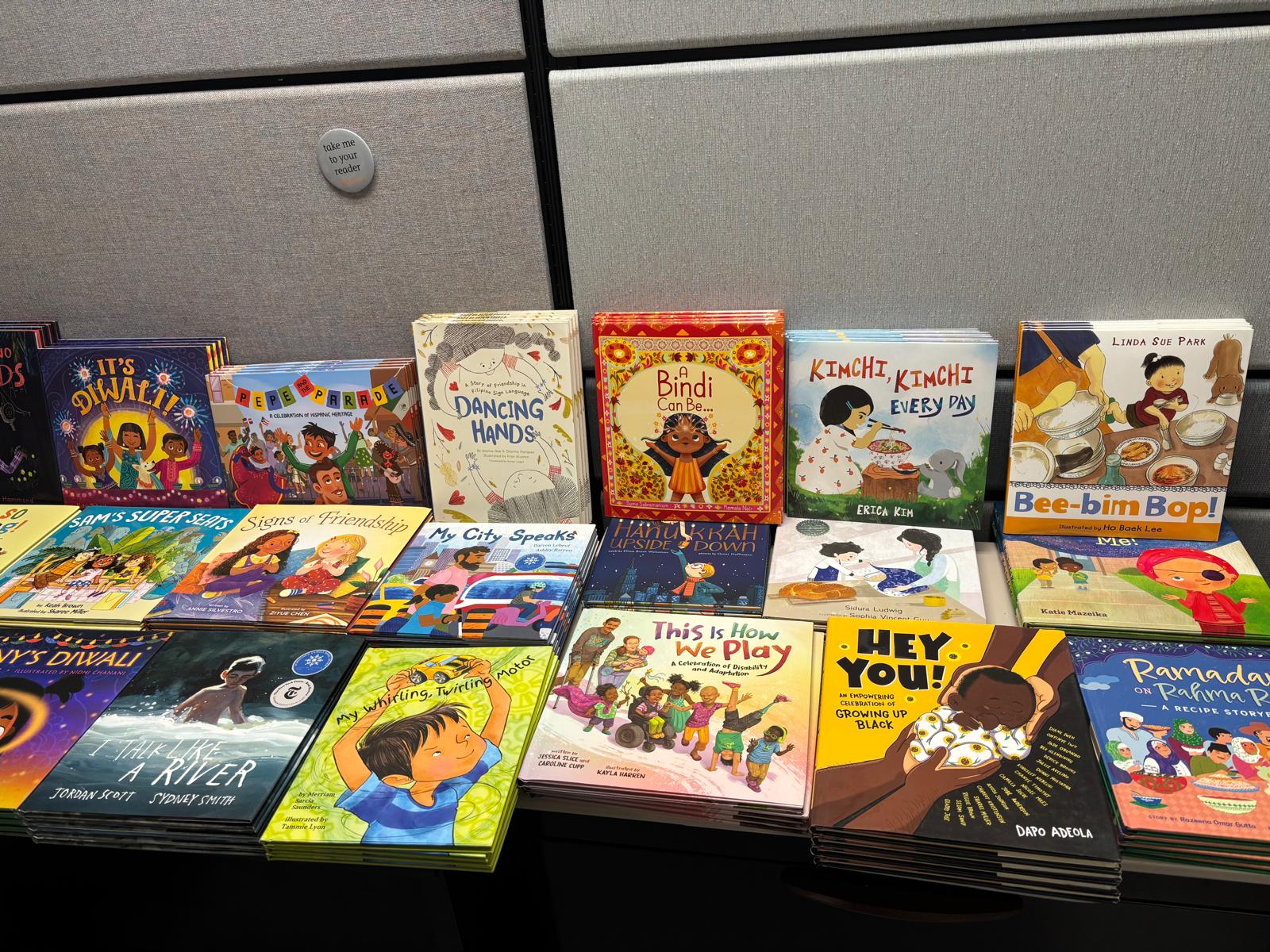
Libraries extend readers’ advisory beyond one-on-one interactions. Book displays, themed reading lists, book clubs, storytimes, and reading challenges all serve as invitations to explore new titles and share reading experiences. These initiatives foster community connections and spark conversations, making reading a shared and social experience.
When libraries recommend books thoughtfully, they create common ground—stories become bridges that connect people across generations and cultures.
The Human Touch in a Digital World
While algorithms and online recommendations offer convenience, they cannot replace the human insight of a librarian. Readers’ advisory in libraries is grounded in empathy, professional expertise, and an understanding of the reader as a whole person. This human-centered approach ensures that recommendations are not only relevant, but also meaningful and memorable.
Conclusion
Libraries play an essential role in readers’ advisory by serving as trusted navigators in the reading journey. Through personalized guidance, inclusive access, and community engagement, libraries empower readers to discover books that inspire, comfort, challenge, and delight. In doing so, libraries strengthen literacy, foster lifelong learning, and reaffirm the enduring power of reading in our lives.
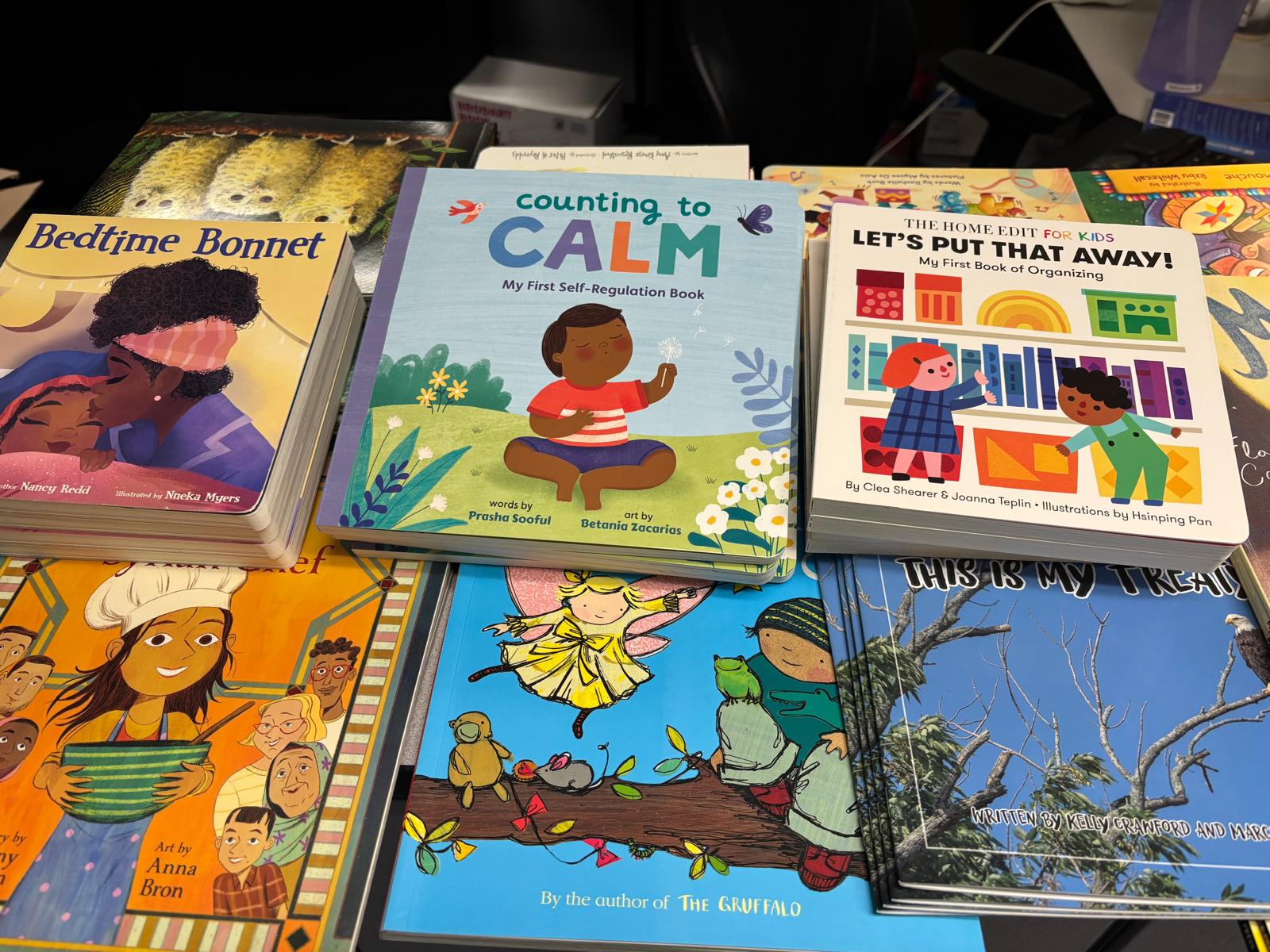
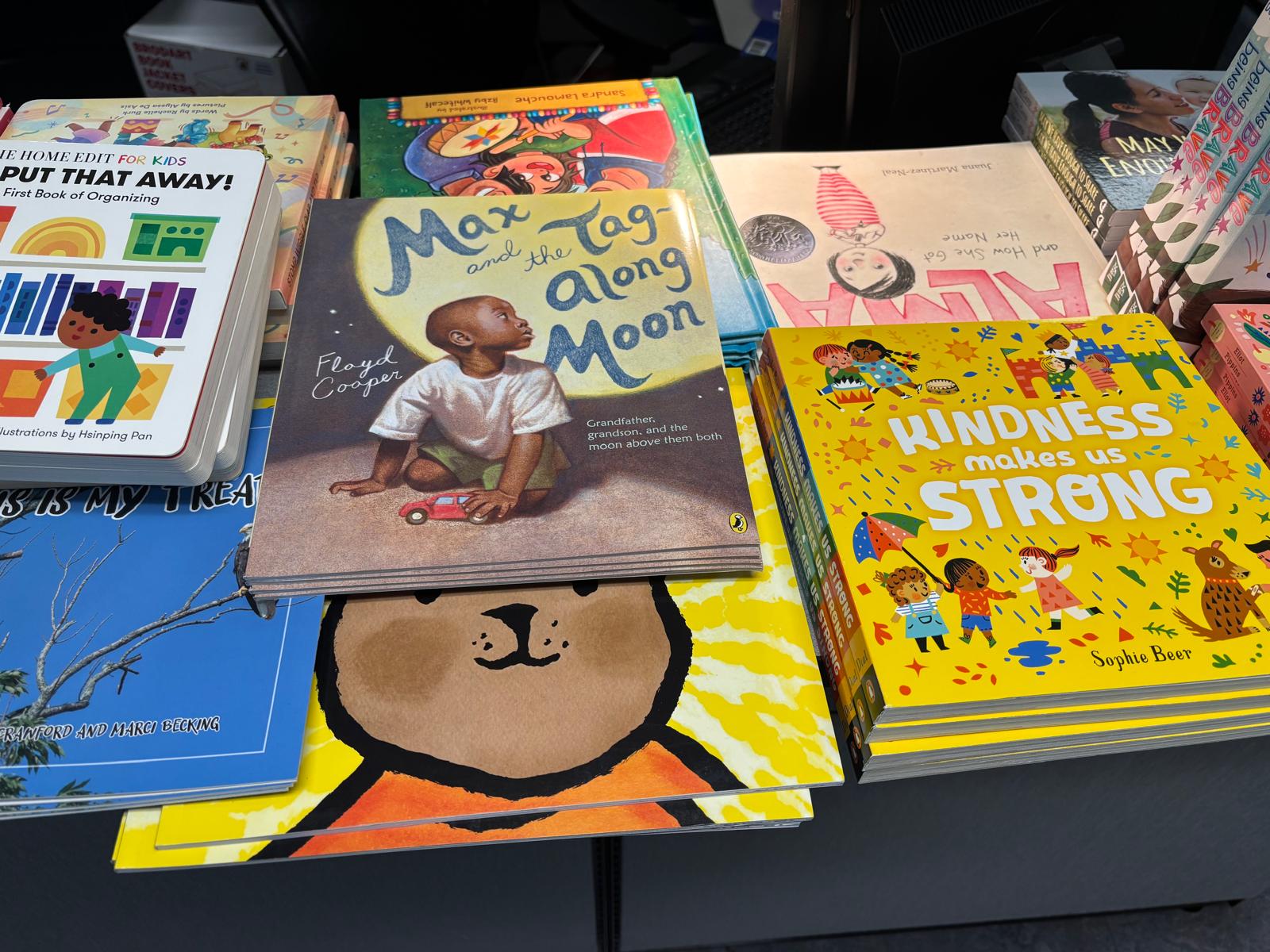
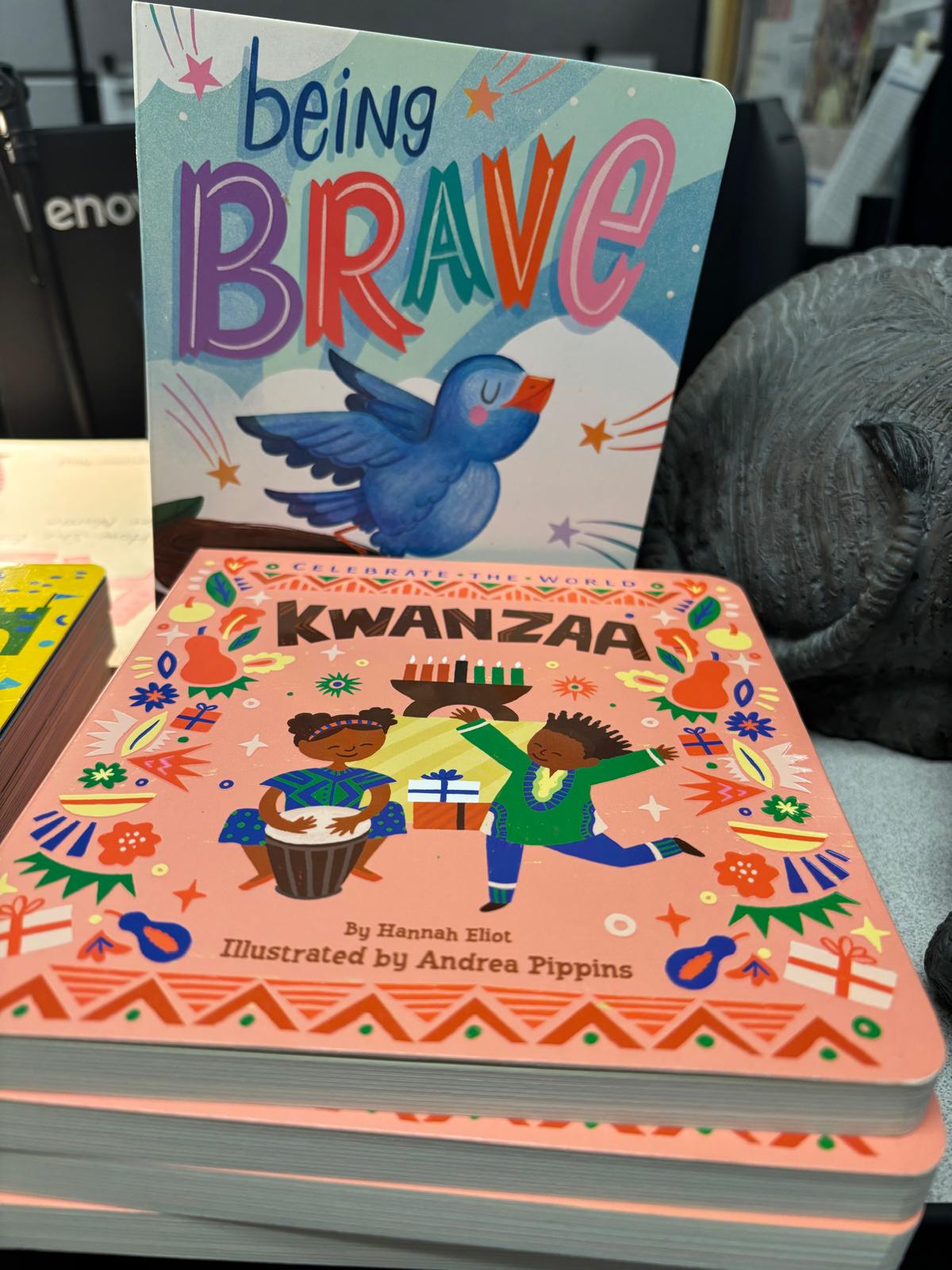
Happy Reading!
Meenu Gera Consulting home and school librarian, a reading guide
I Think, I Wonder, I Ask
–Dr Shreelakshmi Subbaswami, Academic Director, Vijaya School Hassan, Karnataka
Beyond Flashcards: Memorization to Meaning Making in Early Years
Have you noticed how eager some parents are to push “more learning” into the early years through recognition- based activities that rely heavily on flash cards? A parent sits with a bundle of flash cards—animals, birds, vegetables, flags—for a two- or three-year-old, they hold up a card, the child names it and the child is applauded for recognizing and recalling the names … Have you thought what does this really mean for the child?
Knowing the name of an animal does not mean knowing the animal. What does it eat? How does it move? What surprises us about it? Mere identification does not help children construct knowledge or make meaning. This kind of learning is linear and adult-driven leaving little room for conversation, curiosity, or connection to real life. The child is not invited to share experiences, ask questions, or wonder- learning becomes about performance rather than understanding.
In the rush to teach more and teach faster, when flashcards are replaced with real-world experiences, it takes away the three-dimensional experience—the ability to touch, feel, observe, sense, and engage.
Of course, flash cards have a place—when memorisation is required, for vocabulary reinforcement, revision, or quick recall. But when they become the starting point of learning, we lose authentic learning and connection.
The closer we move to authentic experiences, the deeper the learning becomes. Instead of stuffing children with labels, let us give them space to feel, wonder, explore, and make sense of the world around them.
Three questions for you…
- When do flash cards support learning—and when do they limit it?
- In what ways can everyday environments become learning spaces?
- How can you bring your own experiences into a child’s learning journey?
Showcase: Thrive Beyond School – A unique STEAM education project for very young learners.
– Pooja Khatter, facilitator, Thrive
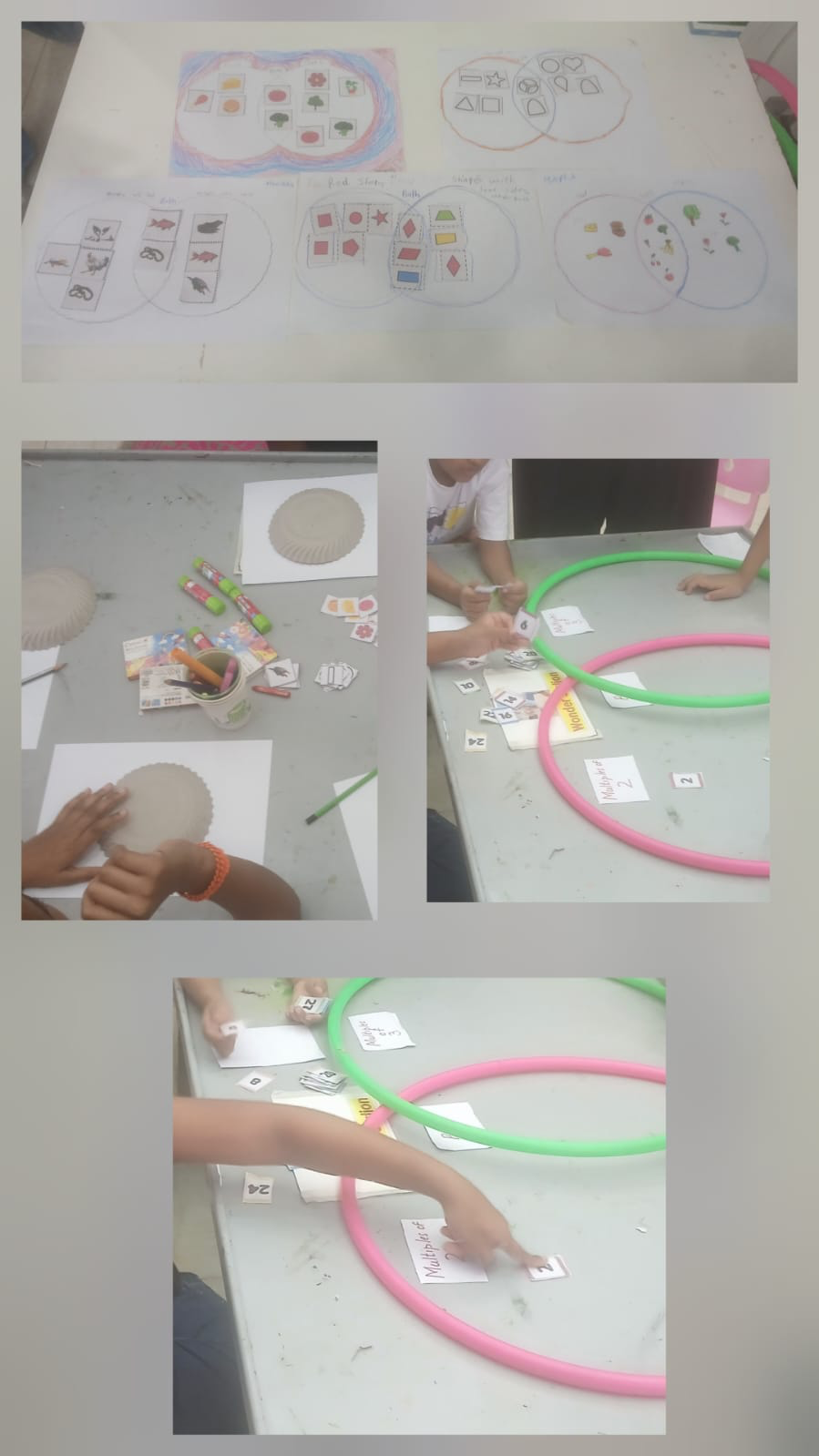
Venn Diagram Exploration
The children learned about grouping, sorting, and comparing using a Venn diagram. The class began with a discussion on grouping and sorting, followed by observing and classifying mixed objects by type, colour, shape, and size. The teacher introduced a Venn diagram and modelled it using multiples of 2 and 3, helping children identify common and different elements. In the independent activity, children compared categories such as food and plants, curved and straight lines, shapes, and animals. The session helped develop logical thinking and comparison skills.
Samyuktha & Havishka : 7.10 years old
Tashi, Mayra & Neev : 7. 5 years old
Dear reader,
I work with the school leadership team as an advisor and collaborate with teachers as a pedagogical trainer. I also help parents as a parenting counselor and regularly engage one-on-one with students as a personal guide and mentor. This weekly newsletter shares what I read, learn, and experience.
3-2-1 Tuesdays with Ms. Niv is a newsletter you can subscribe to and enjoy your learning journey with me.
 Nivedita Mukerjee