Nivedita Mukerjee
Education consultancy for parents and schools
3-2-1 TUESDAYS WITH MS NIV
Issue #110, 16th August 2022
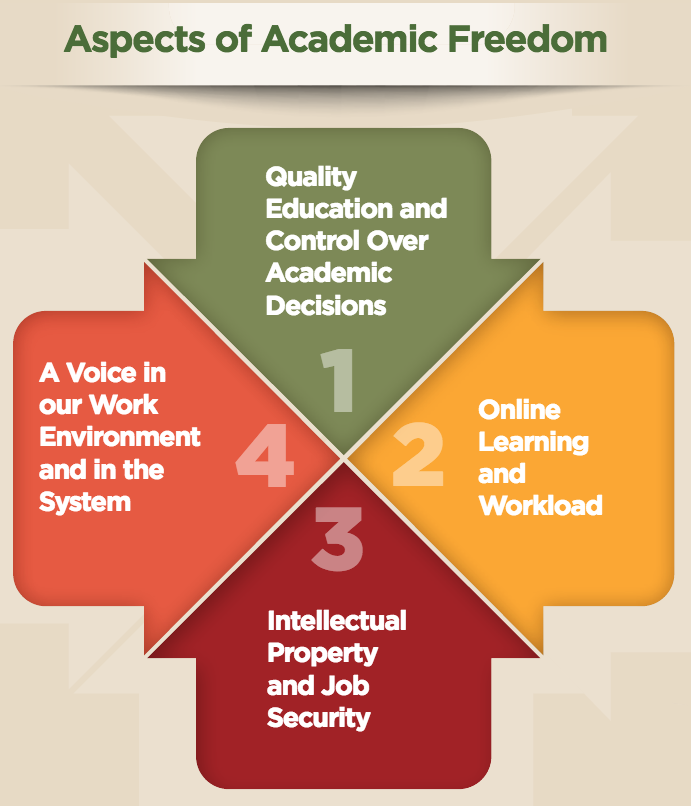
Intrinsic motivation leads to amazing work, success, and satisfaction. The mental energy that intrinsic motivation creates is what blurs the lines between passion and profession. A key factor is a freedom to think and act on your thoughts. What kind of freedom do you have as a teacher in your institution? what about the framework from the board, parent bodies, administrators, and government? are they frameworks to scaffold or stifle? What kind of incentives destroy intrinsic motivation and what environments in our institutions promote it?
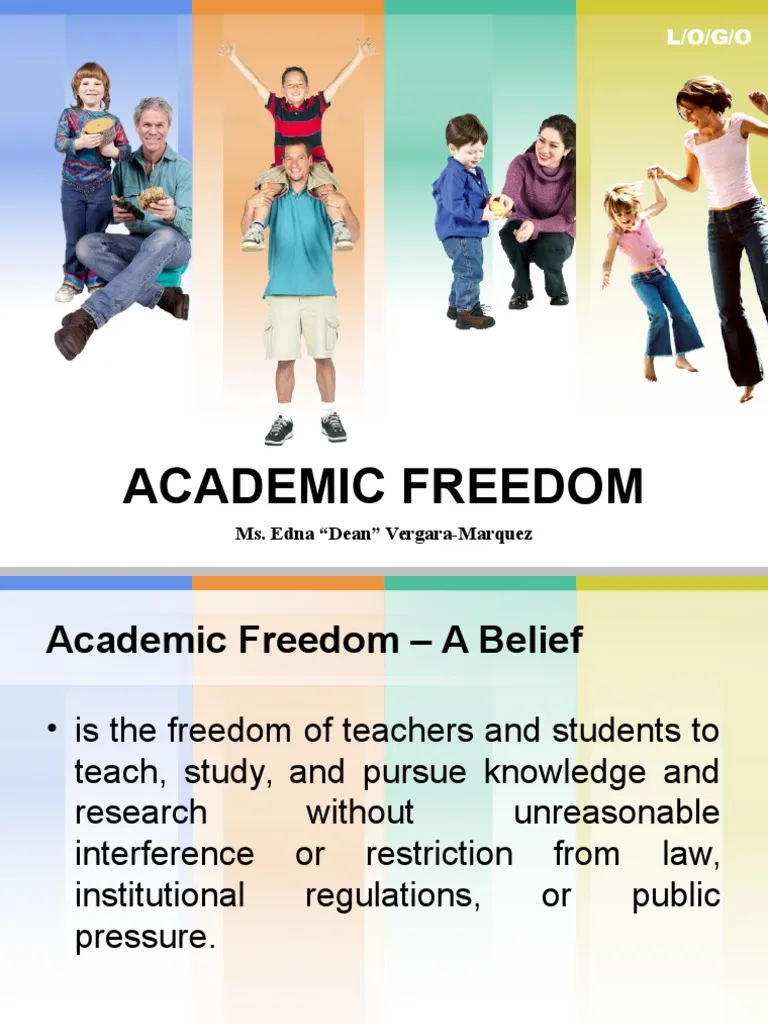
Happy Independence Day! it is the 75th year of Indian Independence. A few thoughts on academic freedom and what it means for teachers, students, and the community as a whole. Don’t miss the inspiring talk by Ms. Bennich Björkman, who is known to be an untiring defender of academic freedom and long-term research projects.
Three Images of the Week

Two Thoughts of the Week
“The most important aspect of freedom of speech is the freedom to learn. All education is a continuous dialogue – questions and answers that pursue every problem on the horizon. That is the essence of academic freedom.” William O. Douglas
MIT is governed by a second, even higher rule: the inalienable right to academic freedom.
Nicholas Negroponte
One Video of the Week
“Can external incentives such as money, promotion, or evaluations drive scientists to be more creative? The answer is no. Internal motivation, to work on puzzles chosen out of curiosity, is the secret. Academic freedom, not command or control, therefore becomes the only way to nurture scientific creativity.” She is a pioneer in many ways. In 2007, she became the first woman professor at the Department of Government at Uppsala University. The following year, she was the first woman appointed Skyttean Professor of Eloquence and Government, with an official residence in the 18th-century building called Skytteanum. Ms. Bennich Björkman is an untiring defender of academic freedom and long-term research projects.
Showcase of the Week
https://m.centa.org/pwa/masterclasses/package/ind/313
Link to register for the CENTA masterclass.

Dear reader,
I have been a research scientist, a journalist, and an educator for over 3 decades. I read and, I write. With this weekly newsletter, I share what I read, learn, and, experience. At the same time, I engage with students, parents, and teams of teachers across K-12 schools, higher education institutions, and ed-tech organizations.
3-2-1 Tuesdays with Ms. Niv is a newsletter for you to subscribe to and enjoy your learning journey with me.
This newsletter is supported by:


3-2-1 TUESDAYS WITH MS NIV
Issue #109, 9th August 2022
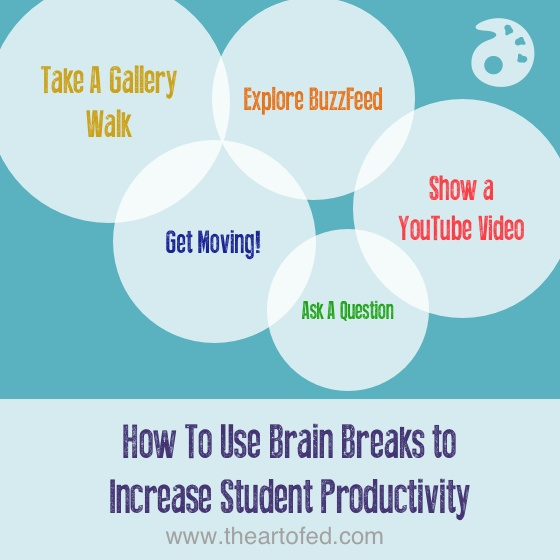
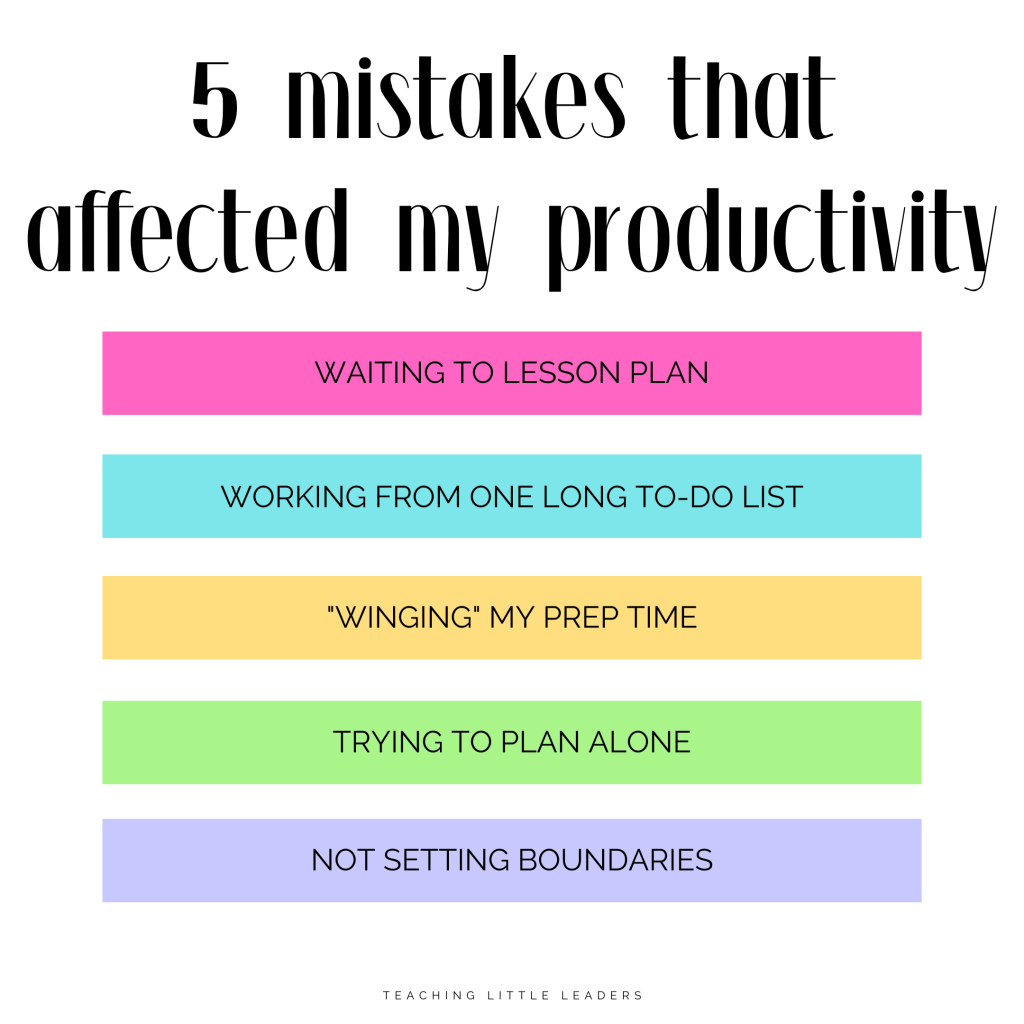
Do you need more time to do something? or do you need some time to think about how to do something? Do you need more time or more creative energy? how do you manage time and life? do you have room to create a creative mess? if your desk, classroom, the kitchen is a mess if your e-mail is piled up if you have not defined what your work is, productivity is lost. Here are a few tips for managing time, having freedom of thinking, and having control and focus for students and educators.
Three Images of the Week

Two Thoughts of the Week
“Do the hard jobs first. The easy jobs will take care of themselves.” Dale Carnegie
“The key is not to prioritize what’s on your schedule, but to schedule your priorities.” Stephen Covey
One Video of the Week
Productivity guru and coach David Allen talks about “Stress-Free Productivity”.
Showcase of the Week
Here’s the link to register for the CENTA certificate course ( 4 hours, self-paced) https://m.centa.org/pwa/courses/package/ind/selfpaced/301

Dear reader,
I have been a research scientist, a journalist, and an educator for over 3 decades. I read and, I write. With this weekly newsletter, I share what I read, learn, and, experience. At the same time, I engage with students, parents, and teams of teachers across K-12 schools, higher education institutions, and ed-tech organizations.
3-2-1 Tuesdays with Ms. Niv is a newsletter for you to subscribe to and enjoy your learning journey with me.
This newsletter is supported by:
3-2-1 TUESDAYS WITH MS NIV
Issue #108, 2nd August 2022
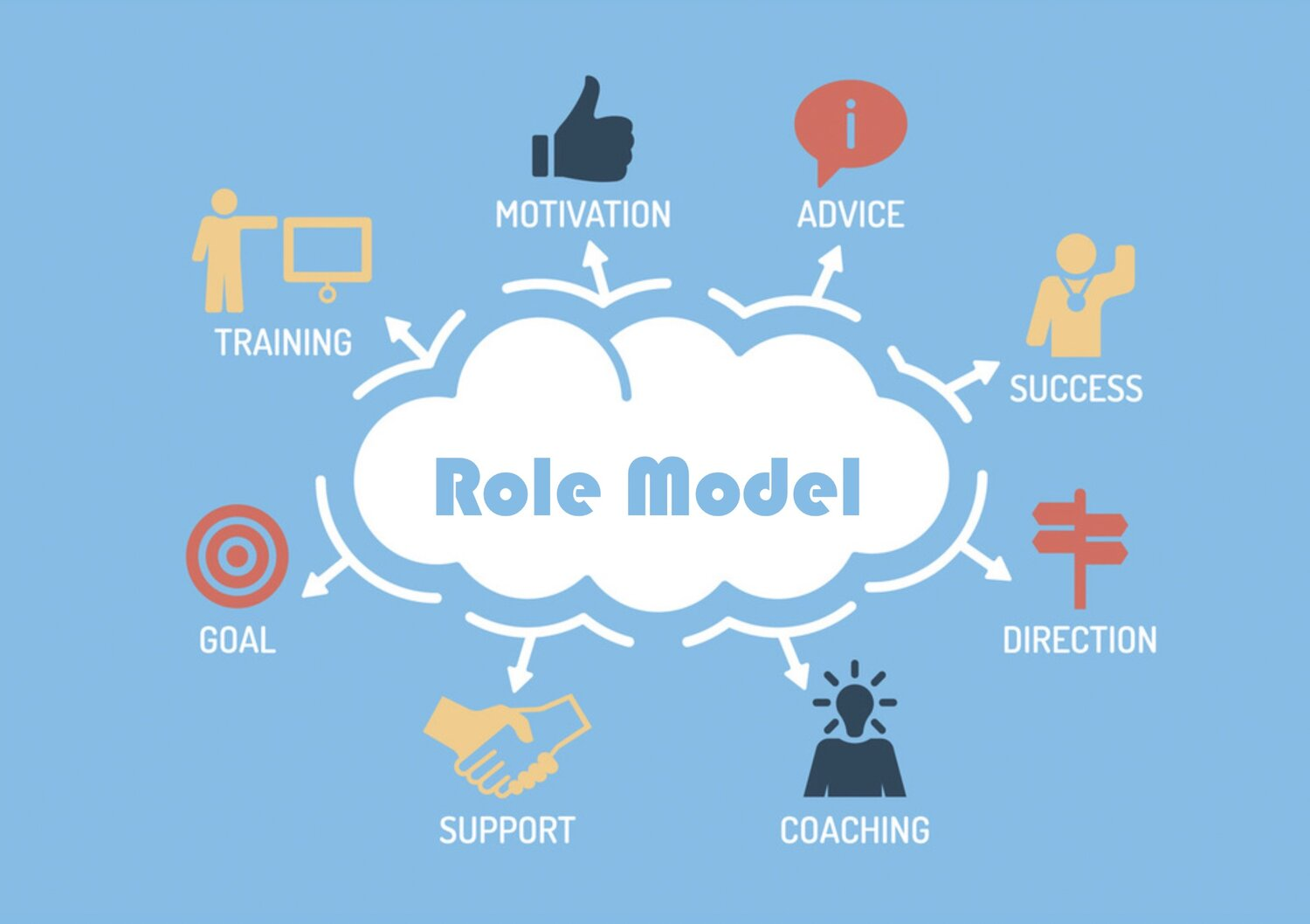
Who are your role models? Who do you think is your mentor? How do you choose your role model? What role does a mentor play in your life? As a parent or as an educator, do you think you are your child’s or student’s role model or mentor? What makes a good mentor? who could be your role model/s? Here are some thoughts. You can subscribe to my weekly newsletter for educators, parents, and students by putting your email id here.
Three Images of the Week


Two Thoughts of the Week
“Children have never been very good at listening to their elders, but they have never failed to imitate them.” – James Baldwin
“Instruction is good for a child but example is worth more.”- Alexandre Dumas
One Video of the Week
Who inspires you? Is there someone in your life within your circle of family and friends who know just what to say to motivate you to do great things? Or maybe it is the story of someone whom you never met, but their experience inspires you to pursue something greater in your life?
In this TED talk, Dyan deNapoli, the Penguin Lady, shares her experiences, her heroes and role models, and describes why finding the right motivation matters. While she was the Senior Penguin Aquarist at the New England Aquarium, Dyan deNapoli hand-raised dozens of penguin chicks, presented daily programs about penguins to aquarium visitors, and traveled the globe to work with penguin researchers in the field.
Now, as head of her own educational company, she frequently writes on penguin topics and has served as the onboard penguin expert and guest lecturer on cruise ships visiting the Galapagos Islands and Antarctica. She estimates she has taught about 250,000 people in the US and abroad about penguins.
Showcase of the Week
For more details and registration click here https://rzp.io/l/masterclasswithTHT

Dear reader,
I have been a research scientist, a journalist, and an educator for over 3 decades. I read and, I write. With this weekly newsletter, I share what I read, learn, and, experience. At the same time, I engage with students, parents, and teams of teachers across K-12 schools, higher education institutions, and ed-tech organizations.
3-2-1 Tuesdays with Ms. Niv is a newsletter for you to subscribe to and enjoy your learning journey with me.
This newsletter is supported by:
3-2-1 TUESDAYS WITH MS NIV
Issue #107, 26th July 2022
Thinking of quitting being a teacher? Hating Monday mornings when you have to go back to teach? Cannot imagine making one more lesson plan? Hating the thought of making a question paper and grading it? Do you feel the pain of your students? Do you get very saddened by something happening in your student’s life and your helplessness in the situation? Are you constantly taking your work home? Do you not like the idea of professional development? Hope none of this is true for you if you are a teacher, but if any/all of these hold true for you, read on.
Three Images of the Week


Two Thoughts of the Week
“In a completely rational society, the best of us would be teachers and the rest of us would have to settle for something less.” Lee Iacocca
“You are the bows from which your children as living arrows are sent forth.” Khalil Gibran
One Video of the Week
Teachers emotionally support our kids — but who’s supporting our teachers? In this eye-opening talk, educator Sydney Jensen explores how teachers are at risk of “secondary trauma” — the idea that they absorb the emotional weight of their students’ experiences — and shows how schools can get creative in supporting everyone’s mental health and wellness.
Showcase of the Week
Want to take a small step towards re-imagining your classroom? you can start by rearranging how the students sit in the school.
Join me in this self-paced course on the impact of seating arrangement and what you can do in your existing setup to make a difference. Here’s the link to registering for this fully online 4-hour certificate course :
https://m.centa.org/pwa/courses/package/ind/selfpaced/301
Dear reader,
I have been a research scientist, a journalist, and an educator for over 3 decades. I read and, I write. With this weekly newsletter, I share what I read, learn, and, experience. At the same time, I engage with students, parents, and teams of teachers across K-12 schools, higher education institutions, and ed-tech organizations.
3-2-1 Tuesdays with Ms. Niv is a newsletter for you to subscribe to and enjoy your learning journey with me.
This newsletter is supported by:
3-2-1 TUESDAYS WITH MS NIV
Issue #106, 19th July 2022
When you think of a classroom, what image comes to your mind? do you recall your own school? if you ask your grandparent about how their classroom looked, what would they describe? How much do you think learning has changed in the last 100 years and how much does a seating arrangement in a classroom reflect that? here are some images and thoughts of a modern classroom. Let me know what you think of that.
In the showcase section, you will find the link to register for my self-paced course on re-imagining the seating arrangement in your existing classroom that will have an impact on student learning and engagement in the class.
Three Images of the Week


Two Thoughts of the Week
To sit in the shade on a fine day and look upon verdure is the perfect refreshment. Jane Austen
“Would you rather have your child in a room with the best equipment in the world with an average teacher or an empty room with Socrates?”
― Rafe Esquith
One Video of the Week
If schools were to be reimagined for the future, what would they look like? Modern Classroom explores learning environments where textbooks, seating rows, and classes segregated by age, ability, and subject matter have been rethought to foster an education that equips students for the 21st century.
Showcase of the Week
Want to take a small step towards re-imagining your classroom? you can start by rearranging how the students sit in the school.
Join me in this self-paced course on the impact of seating arrangement and what you can do in your existing setup to make a difference. Here’s the link to registering for this fully online 4-hour course :
https://m.centa.org/pwa/courses/package/ind/selfpaced/301
Dear reader,
I have been a research scientist, a journalist, and an educator for over 3 decades. I read and, I write. With this weekly newsletter, I share what I read, learn, and, experience. At the same time, I engage with students, parents, and teams of teachers across K-12 schools, higher education institutions, and ed-tech organizations.
3-2-1 Tuesdays with Ms. Niv is a newsletter for you to subscribe to and enjoy your learning journey with me.


3-2-1 TUESDAYS WITH MS NIV
Issue #105, 12th July 2022
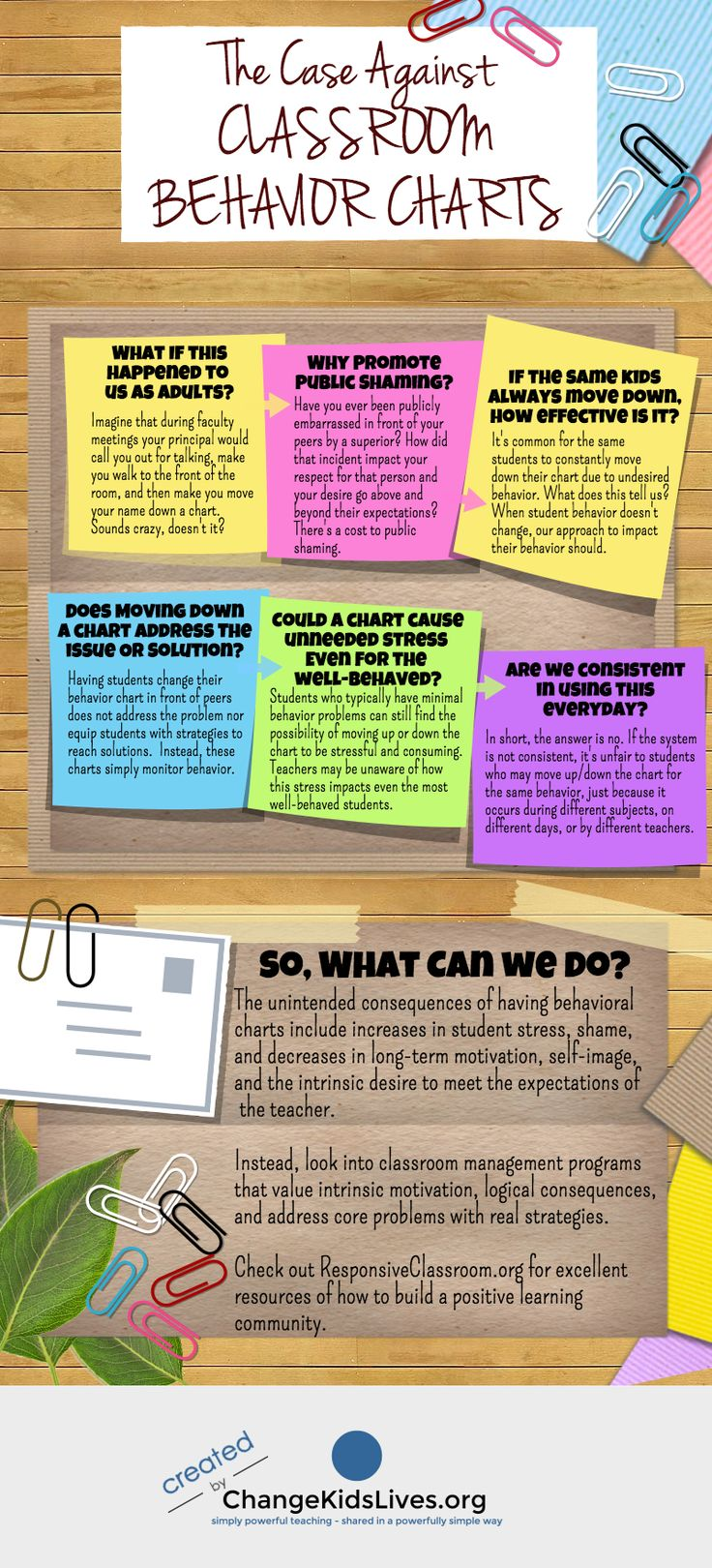
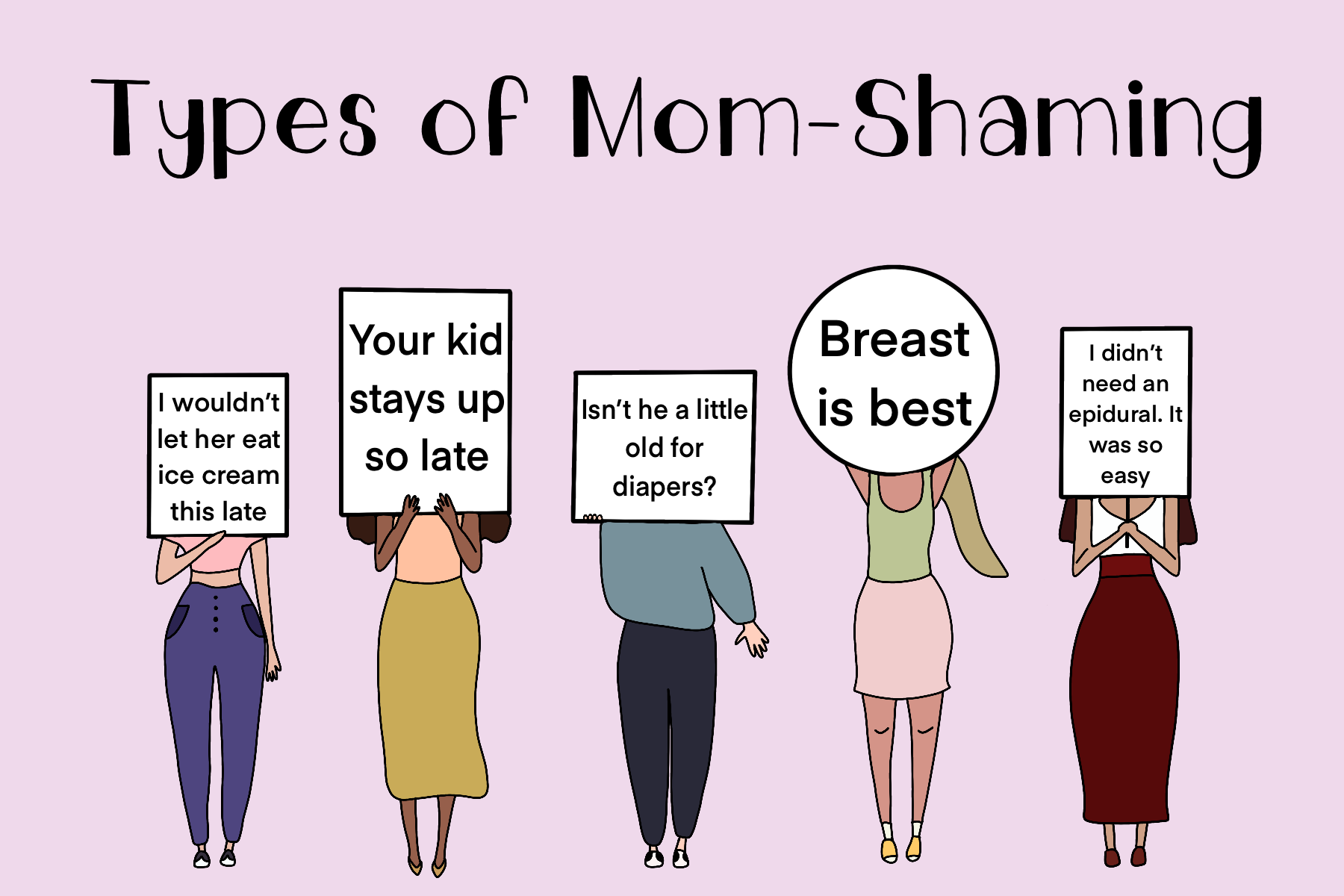
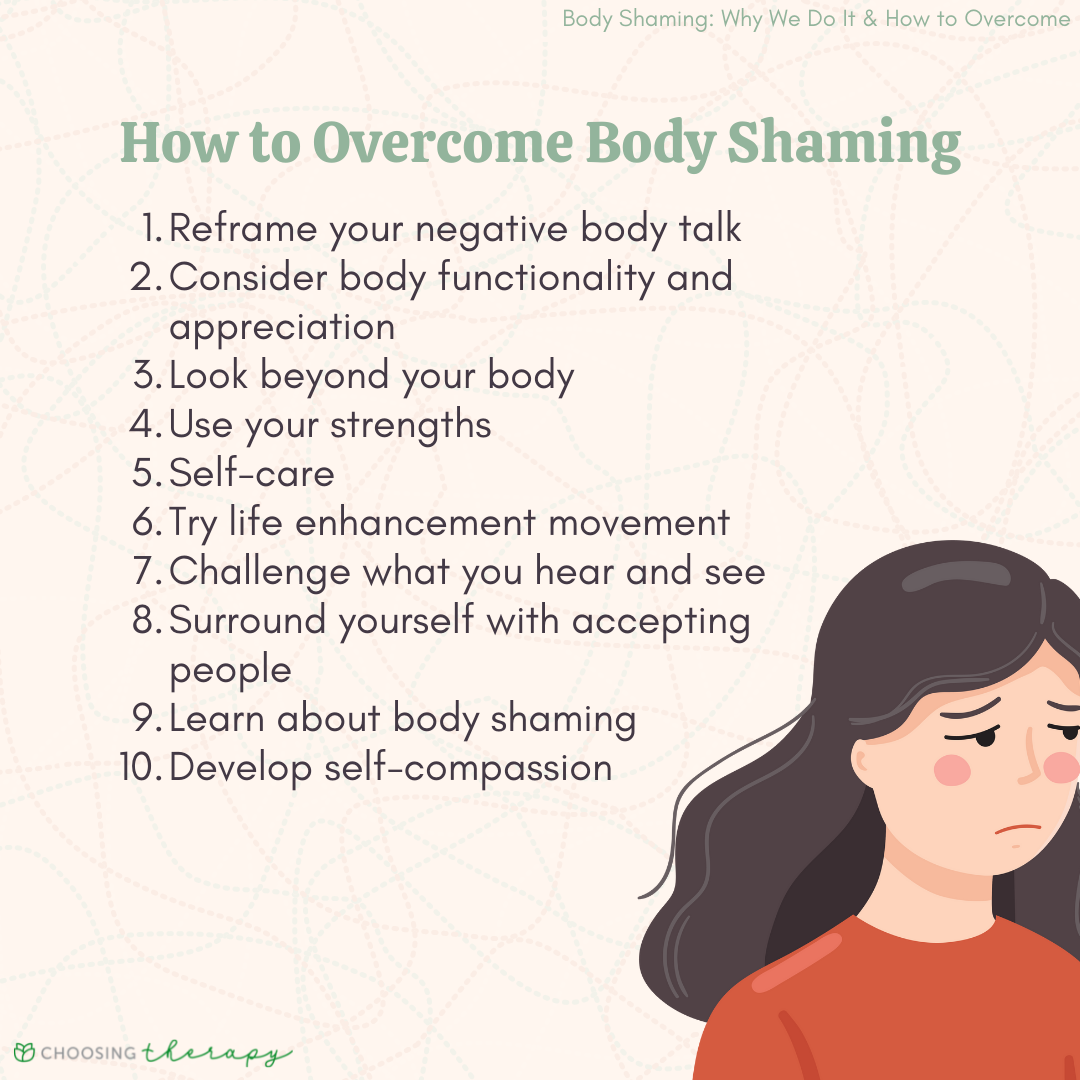
Have you ever been shamed by your teacher, friend, colleague, or parent? Have you ever unintentionally or inadvertently shamed anyone you know? What constitutes shaming? What does the emotion of shaming do to the one who is the recipient of it – your child, your student, yourself? Yes, putting up behavior charts in your classroom is public shaming. Yes, propounding one way of leading life as best in front of another who is different is shaming. Calling out body types is body shaming, calling out roles by gender is gender shaming… When we know what shaming does to the other person’s psychology, we become acutely aware of our self-talk as well. Sometimes we shame ourselves in our minds, leading to anger, sadness, depression, and anxiety. Here are some pointers that would help in recognizing this powerful emotion and being mindful of our words and action towards ourselves and one another.
Three Images of the Week
Two Thoughts of the Week
“Heaven knows we need never be ashamed of our tears, for they are rain upon the blinding dust of earth, overlying our hard hearts. I was better after I had cried than before–more sorry, more aware of my own ingratitude, more gentle.”
― Charles Dickens, Great Expectations
“Shame is a soul-eating emotion.”
― Carl Gustav Jung
One Video of the Week
Shame is an unspoken epidemic, the secret behind many forms of broken behavior. Brené Brown, whose talk on vulnerability became a viral hit, explores what can happen when people confront their shame head-on. Her own humor, humanity, and vulnerability shine through every word.
Dear reader,
I have been a research scientist, a journalist, and an educator for over 3 decades. I read and, I write. With this weekly newsletter, I share what I read, learn, and, experience. At the same time, I engage with students, parents, and teams of teachers across K-12 schools, higher education institutions, and ed-tech organizations.
3-2-1 Tuesdays with Ms. Niv is a newsletter for you to subscribe to and enjoy your learning journey with me.
This newsletter is supported by:
3-2-1 TUESDAYS WITH MS NIV
Issue #104, 5th July 2022
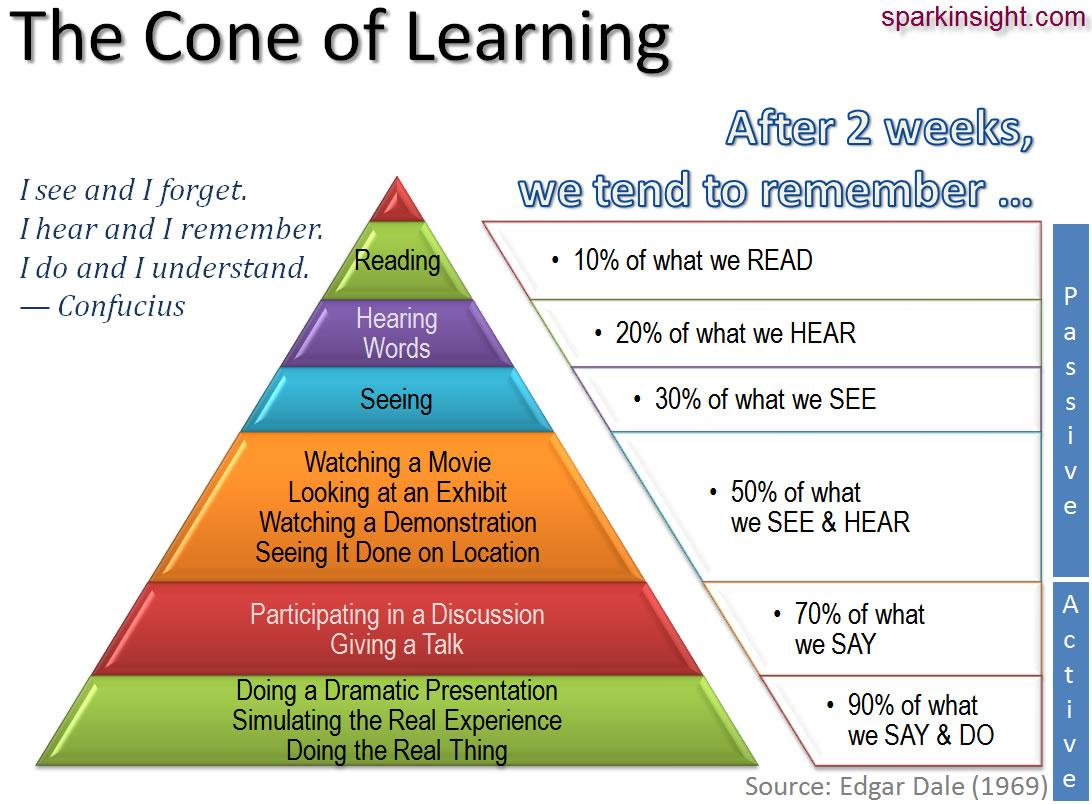
Working very hard? Well done! results not showing improvement? what could be missing! You might need to spend some time in the learning zone and then come back to the practice zone. You might need an expert coach or mentor or a workshop to learn a new skill or a different method or even good feedback to help you improve. Then go back to your arena to perform at a higher level. This could be teaching, learning, parenting, or pretty much any activity that you think you are stagnating despite putting in consistent efforts. Time on task is important but the performance plateaus after a while if not enough time is invested in the learning zone. When was your last read or workshop or feedback on your practice? Do you know if it was imperfect practice or deliberate practice? Do we give our students and children adequate time in the learning zone where they are able to hone their practice and make mistakes, then move to the performance zone with goals and expectations? Do we role model as educators and parents to them how learning is a part of improving performance on a continuous basis? Check out some practical ideas here and let me know what you think about them.
If you have not subscribed yet to my weekly newsletter, please put your email here and you will get the newsletter every week in your mailbox, free.
Three Images of the Week


Two Thoughts of the Week
“It is a mistake to think that the practice of my art has become easy to me. I assure you, dear friend, no one has given so much care to the study of composition as I. There is scarcely a famous master in music whose works I have not frequently and diligently studied.”
― Wolfgang Amadeus Mozart
“Basketball is an intricate, high-speed game filled with split-second, spontaneous decisions. But that spontaneity is possible only when everyone first engages in hours of highly repetitive and structured practice–perfecting their shooting, dribbling, and passing and running plays over and over again–and agrees to play a carefully defined role on the court. . . . spontaneity isn’t random.”
― Malcolm Gladwell
One Video of the Week
Working hard but not improving? You’re not alone. Eduardo Briceño reveals a simple way to think about getting better at the things you do, whether that’s work, parenting, or creative hobbies. And he shares some practical techniques so you can keep learning and always feel like you’re moving forward.
Dear reader,
I have been a research scientist, a journalist, and an educator for over 3 decades. I read and, I write. With this weekly newsletter, I share what I read, learn, and, experience. At the same time, I engage with students, parents, and teams of teachers across K-12 schools, higher education institutions, and ed-tech organizations.
3-2-1 Tuesdays with Ms. Niv is a newsletter for you to subscribe to and enjoy your learning journey with me.
This Newsletter is supported by:
3-2-1 TUESDAYS WITH MS NIV
Issue #103, 28th June 2022
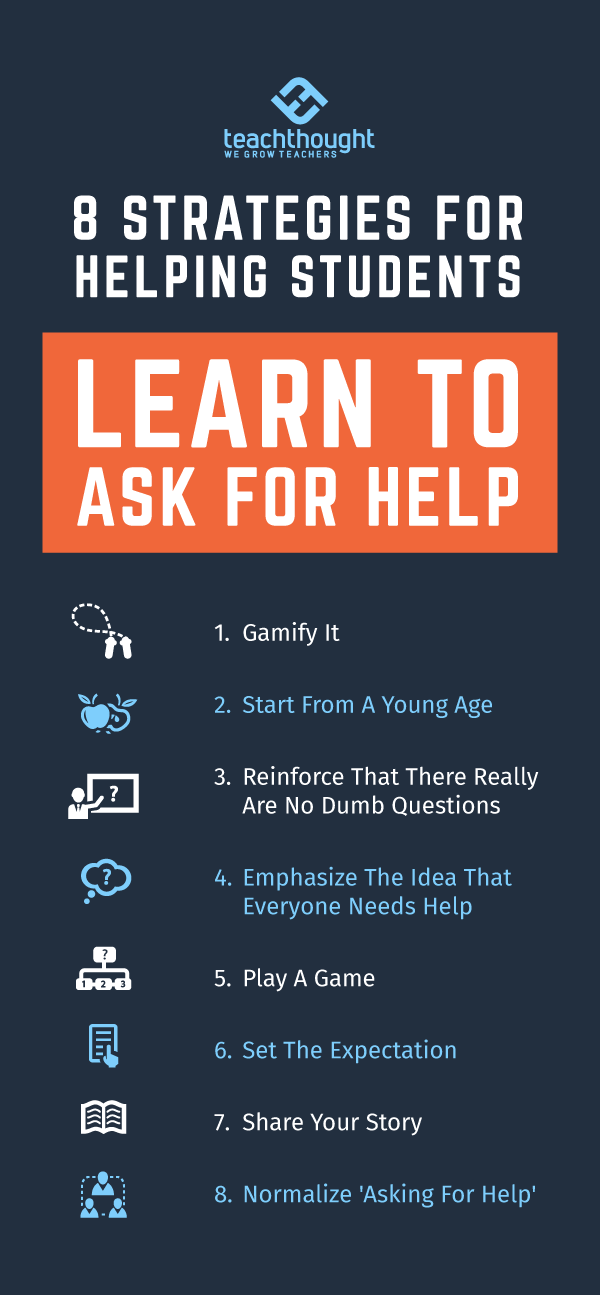
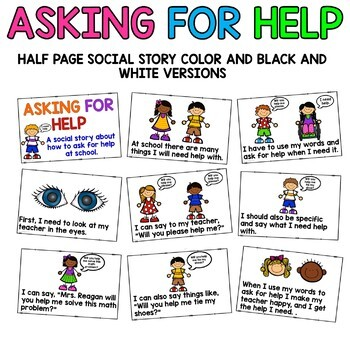
Are you comfortable asking for help? I am not and definitely not always. But I need help all the time. I am a confident teacher, speaker, trainer, and mentor but asking for help? I need it and most times, feel quite hesitant to ask for it. What about your students? Do they need help now? Will they need help in future? Are they okay to ask for help? Are you teaching them how to seek help? We learn and teach that helping others is good and that we should help those who need but what about ourselves? Asking for help for oneself is also a skill that can be taught and learned. Nobody succeeds alone. Everyone needs help. We might as well learn how to ask for it and get better at it. Here are some tips. Try them. I found them helpful for myself, and my students. Hope these help you to help yourself and your students as well.
If you have not subscribed to my weekly newsletter, please put your email here and you will get the newsletter every week in your mailbox, free.
Three Images of the Week
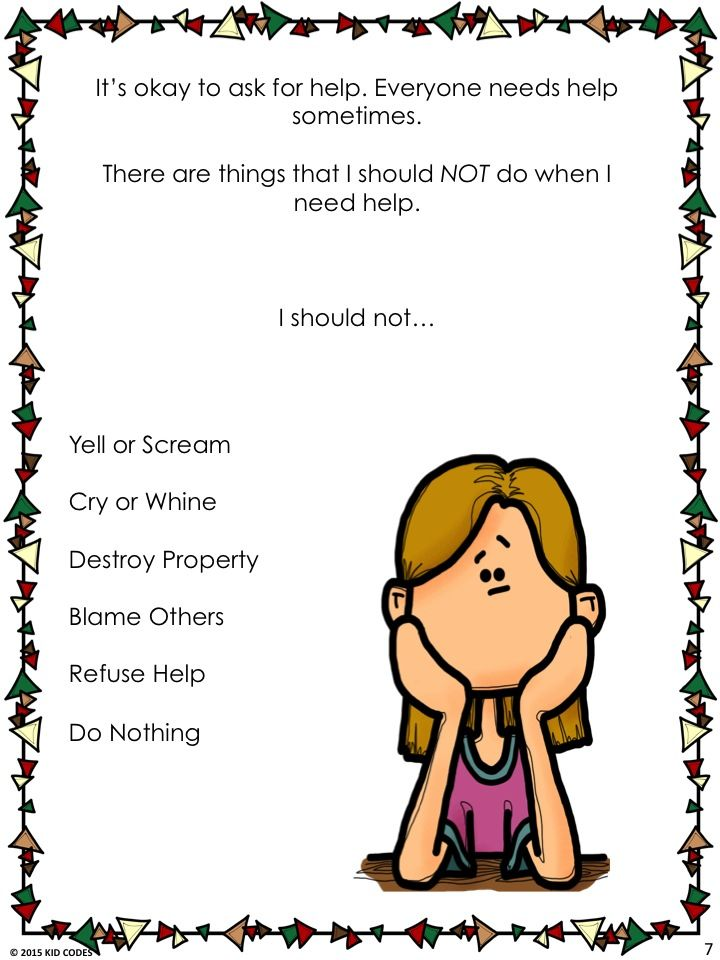
Two Thoughts of the Week
“Nothing makes one feel so strong as a call for help.” – Pope Paul VI
“Asking for help isn’t weak, its a great example of how to take care of yourself.” – Charlie Brown
One Video of the Week
Asking for help is tough. But to get through life, you have to do it all the time. So how do you get comfortable asking? In this actionable talk, social psychologist Heidi Grant shares four simple rules for asking for help and getting it — while making the process more rewarding for your helper, too.
Dear reader,
I have been a research scientist, a journalist, and an educator for over 3 decades. I read and, I write. With this weekly newsletter, I share what I read, learn and, experience while I engage with students, parents, and teams of teachers across K-12 schools, higher education institutions and, ed-tech organizations.
3-2-1 Tuesdays with Ms. Niv is a newsletter for you to subscribe to and enjoy your learning journey with me.
This Newsletter is supported by:
3-2-1 TUESDAYS WITH MS NIV
Issue #102, 21st June 2022
Differentiated instruction is difficult. Differentiated instruction is time-consuming. Differentiated instruction is putting different abilities children in separate groups. Differentiated instruction is necessary. Differentiated instruction ensures success for every student. Differentiated instruction… What is? and what it is not. Here are some ideas. If you are a teacher and find implementing differentiated instruction challenging to plan, join me this Friday for a workshop. You will find the details in the Showcase section of this newsletter.
Three Images of the Week


Two Thoughts of the Week
- “Differentiation is simply a teacher attending to the learning needs of a particular student or small groups of students, rather than teaching a class as though all individuals in it were basically alike.” – Carol Ann Tomlinson
- The biggest mistake of past centuries in teaching has been to treat all children as if they were variants of the same individual and thus to feel justified in teaching them all the same subjects in the same way. – Howard Gardner
One Video of the Week
Effective Differentiation: Where a growth mindset meets the ZPD.
Originally a Scottish research scientist, Yvonne started work as a teacher of mathematics and science at Sunshine College in 2007. She and fellow teacher Jodie Parsons started to develop and trial various ways to improve student outcomes in mathematics. They experimented with a variety of curriculum styles and listened to the advice (but didn’t often take it) from teachers wide and far, crediting most of their professional learning to the students themselves.
At Sunshine College, they revolutionized the mathematics curriculum by doing away with the textbooks and developing lessons that were fully inclusive and differentiated.
Both Yvonne and Jodie have co‐authored several papers and have presented at many conferences in Australia and around the world, conferences in the US and New Zealand, and picked up an award at the ACER Excellence in Professional Practice Conference for an outstanding conference presentation.
Showcase of the Week
Here is the registration link:
https://m.centa.org/pwa/masterclasses/package/ind/285
- Why do we need to understand Differentiated Instruction?
- What is Differentiated Instruction, and What is not?
- How to transact DI in your class?
Get a good understanding of DI and practical strategies for implementing it in your classrooms of all ages. Join me next Friday, 24th June at 5.00 pm

(you can send in your advertorial/advertisement for the showcase segment to niveditamukerjee10@gmail.com. This newsletter is free for subscription and reaches a community of nearly 15,000 educators, parents and students)
———————————————
Dear reader,
I have been a research scientist, a journalist, and an educator for over 3 decades. I read and, I write. With this weekly newsletter, I share what I read, learn and, experience while I engage with students, parents, and teams of teachers across K-12 schools, higher education institutions and, ed-tech organizations.
3-2-1 Tuesdays with Ms. Niv is a newsletter for you to subscribe to and enjoy your learning journey with me.
This Newsletter is supported by:
3-2-1 TUESDAYS WITH MS NIV
Issue #101, 14th June 2022
Good job! Well done! Super! How smart! That’s clever! said and heard that? how did it make you feel? how did it impact your efforts? How do you think praise impacts your student or your child? Does the vocabulary of praise matter? Sharing here some thoughts on praise, let me know if any of it resonates with you.
Three Images of the Week


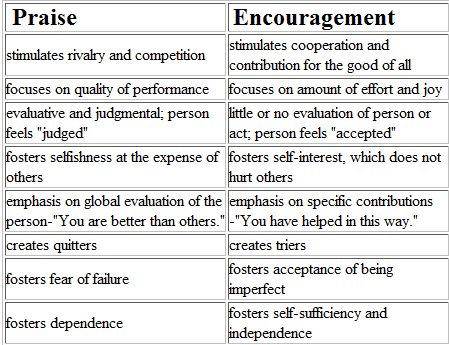
Two Thoughts of the Week
“So far as I can remember, there is not one word in the Gospels in praise of intelligence. ” Bertrand Russell
“Undeserved praise causes more pangs of conscience later than undeserved blame, but probably only because our power of judgment is more entirely exposed by being over-praised than by being unjustly underestimated.” Friedrich Nietzsche
One Video of the Week
Praise and compliments are familiar features of speech, especially in schools where positive motivation is valued. But few of us give much thought to the vocabulary we use when complimenting others. A careful analysis of the language of compliments can help ensure that our words achieve maximum positive impact. Bety has lived in and around Prague her whole life, attending various Czech schools before coming to the International School of Prague in 10th grade.
The ideas in this talk were inspired by Bety’s applied linguistics project from 2018. Praise and compliments are familiar features of speech, especially in schools where positive motivation is valued. But few of us give much thought to the vocabulary we use when complimenting others. A careful analysis of the language of compliments can help ensure that our words achieve maximum positive impact. Bety has lived in and around Prague her whole life, attending various Czech schools before coming to the International School of Prague in 10th grade.
Dear reader,
I have been a research scientist, a journalist, and an educator for over 3 decades. I read and, I write. With this weekly newsletter, I share what I read, learn and, experience while I engage with students, parents, and teams of teachers across K-12 schools, higher education institutions and, ed-tech organizations.
3-2-1 Tuesdays with Ms. Niv is a newsletter for you to subscribe to and enjoy your learning journey with me.
This Newsletter is supported by:

