Nivedita Mukerjee
Education consultancy for parents and schools
3-2-1 TUESDAYS WITH MS NIV
Issue #97, 10th May 2022
When should you talk about gender and sex with your children and students? What is the right age to be discussing? Who should be discussing it with them? Dear parents and teachers, you are the trusted adults in your children’s and students’ life. While “let kids be kids” has been the sentiment in the past, it is essential that it includes all kids, isn’t it? It is imperative that both parents and teachers, consistently and continuously talk, listen and share about gender and sexuality and do not leave it for them to discover it on the internet or their equally confused peers. It is also essential to teach them to love themselves and others for their differences and not in spite of them. Equity, diversity, and inclusion, let it be the core of our institutions, society, and family culture.
Here are some thoughts to help you with and don’t miss Lindsay Amer’s talk in today’s issue. Amer’s educational series Queer Kid Stuff is from kindergarteners to grandmothers.
Three Images of the Week
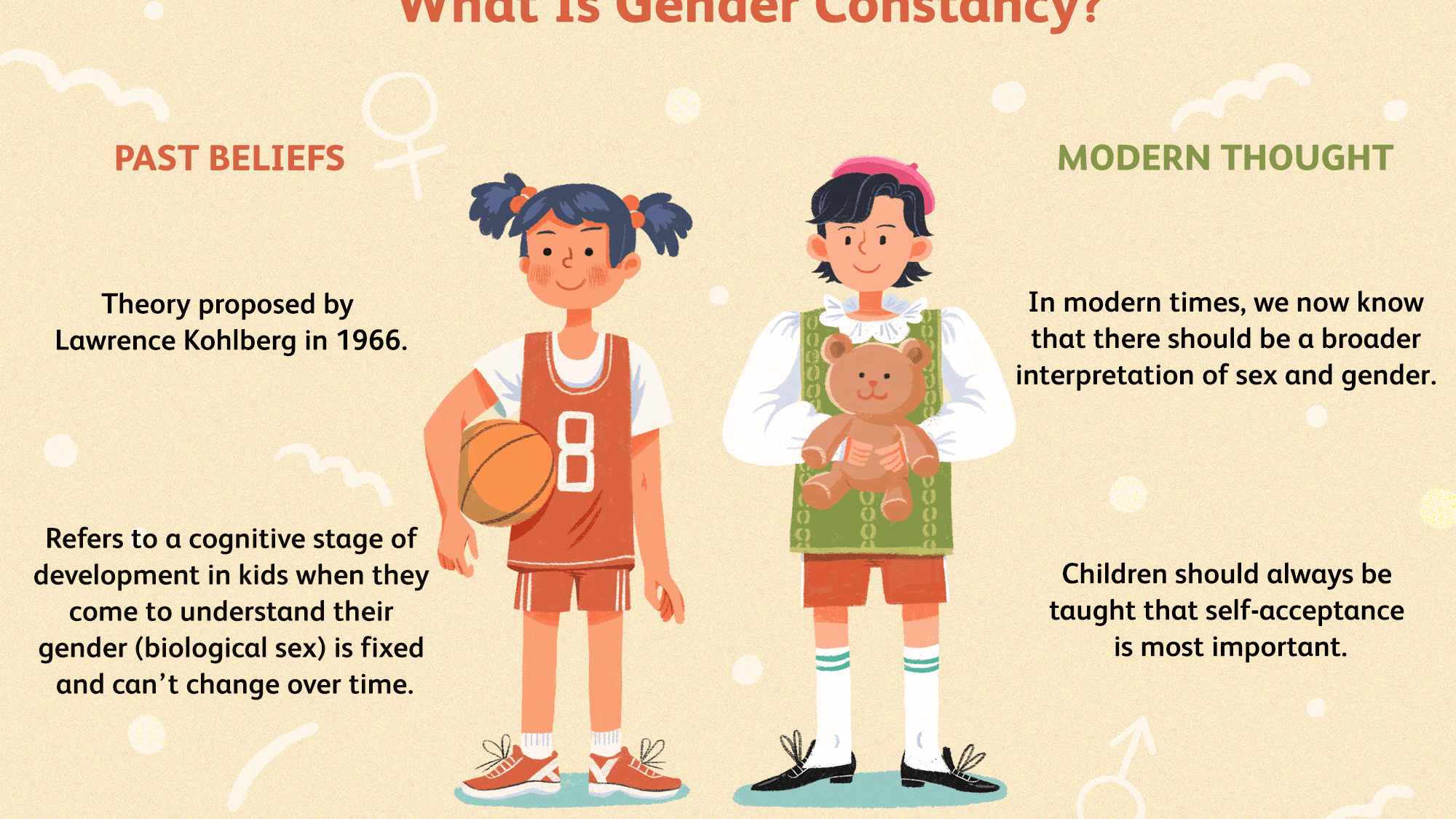
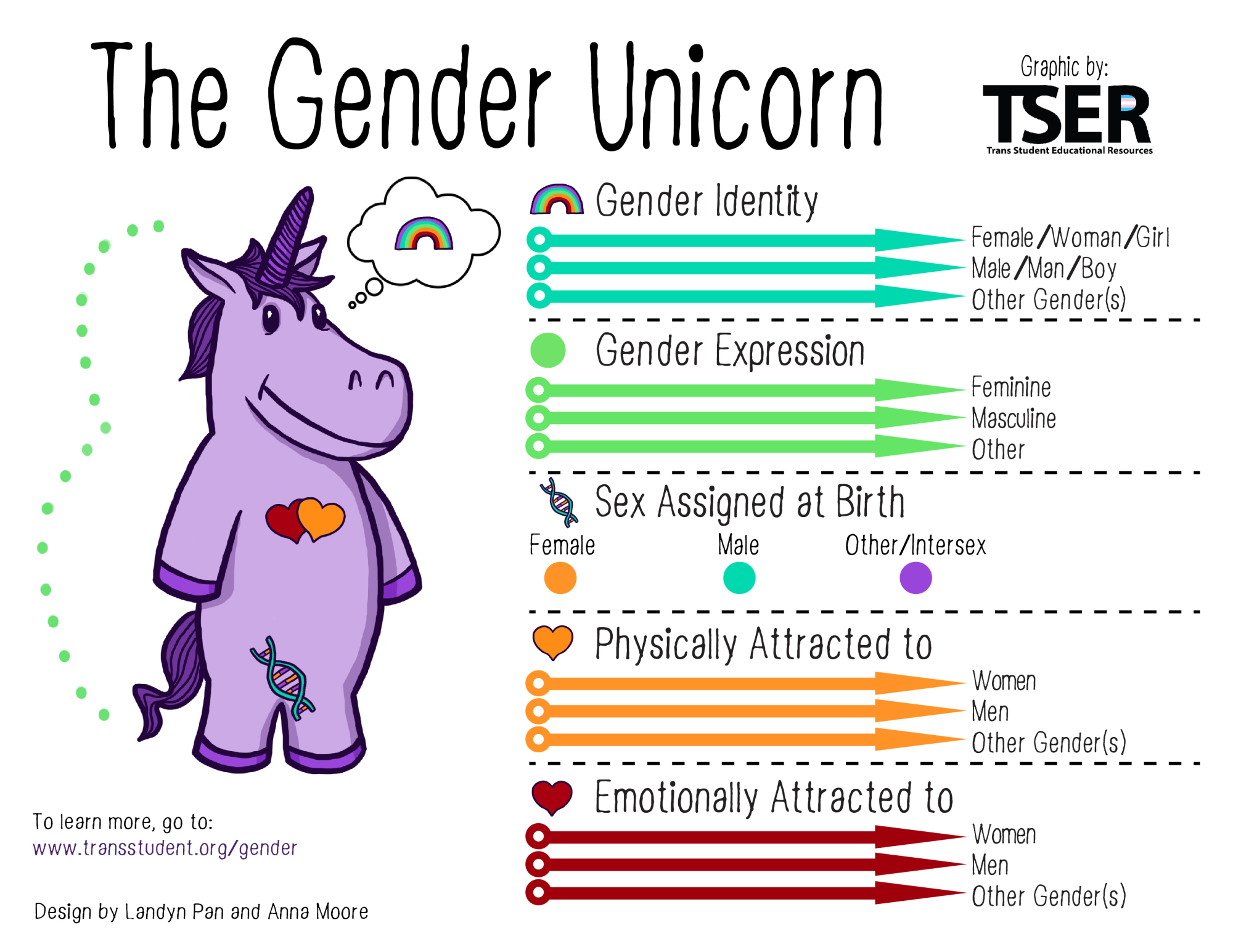
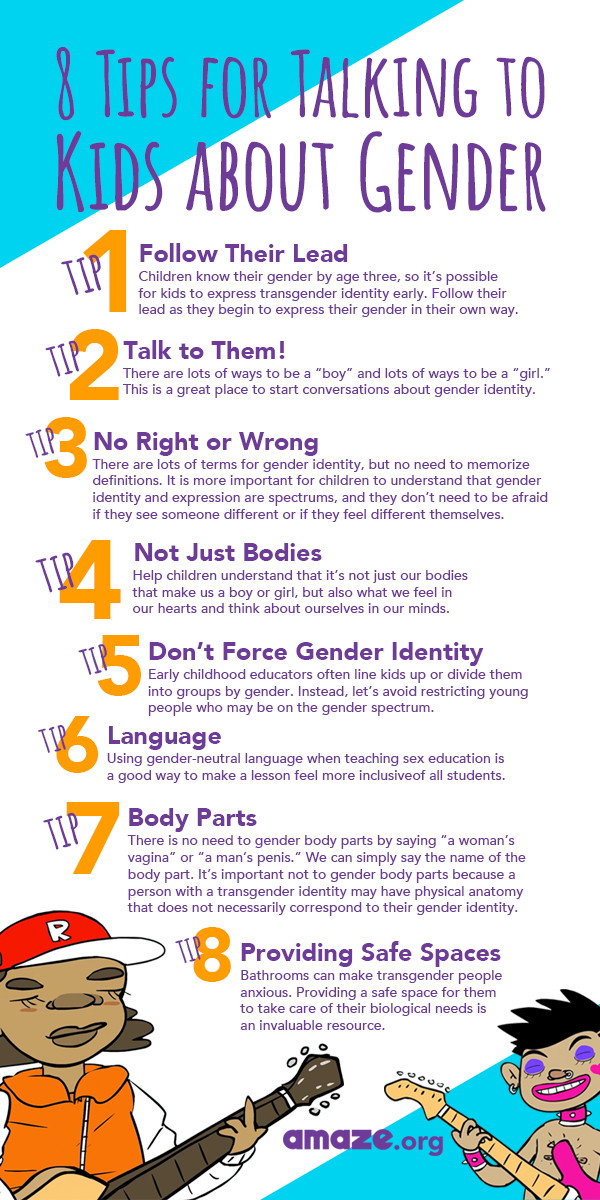
Two Thoughts of the Week
“How important it is for us to recognize and celebrate our heroes and she-roes!”
― Maya Angelou
“We’ve begun to raise daughters more like sons… but few have the courage to raise our sons more like our daughters.”
― Gloria Steinem
One Video of the Week
Lindsay Amer is the creator of “Queer Kid Stuff,” an educational video series that breaks down complex ideas around gender and sexuality through songs and metaphors. By giving kids and their families a vocabulary to express themselves, Amer is helping to create more empathetic adults — and spreading a message of radical acceptance in a world where it’s sometimes dangerous to just be yourself. “I want kids to grow up and into themselves with pride for who they are and who they can be,” Amer say
Dear reader,
I have been a research scientist, a journalist, and an educator for over 3 decades. I read and, I write. With this weekly newsletter, I share what I read, learn and, experience while I engage with students, parents, and teams of teachers across K-12 schools, higher education institutions and, ed-tech organizations.
3-2-1 Tuesdays with Ms. Niv is a newsletter for you to subscribe to and enjoy your learning journey with me.
This Newsletter is supported by:


3-2-1 TUESDAYS WITH MS NIV
Issue #96, 10th May 2022
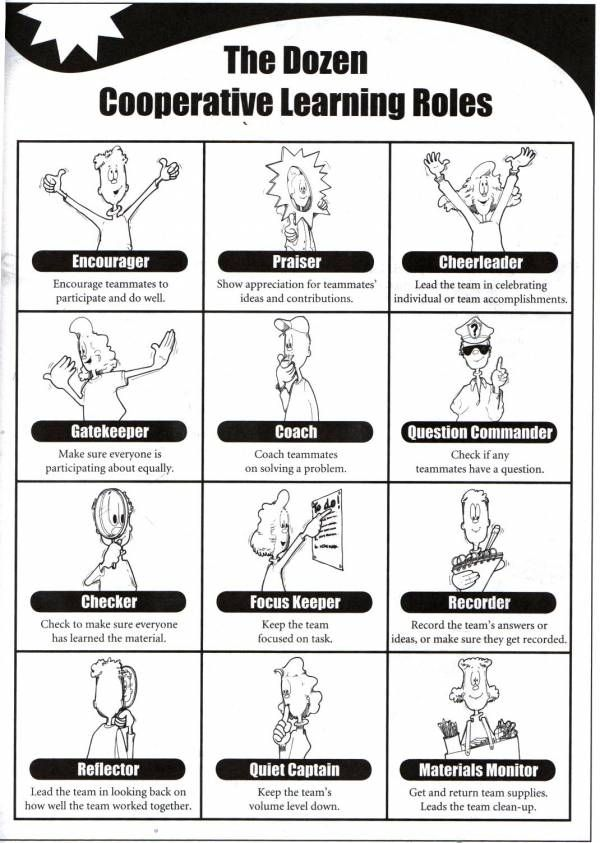
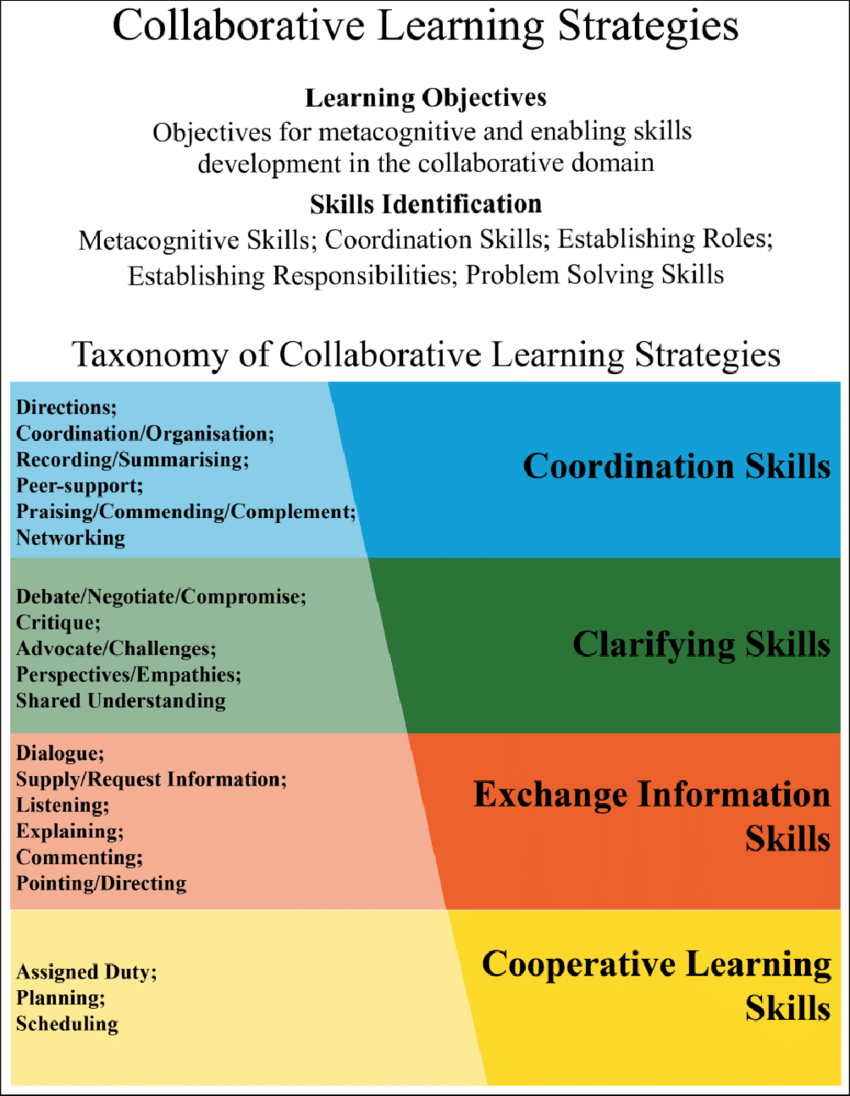
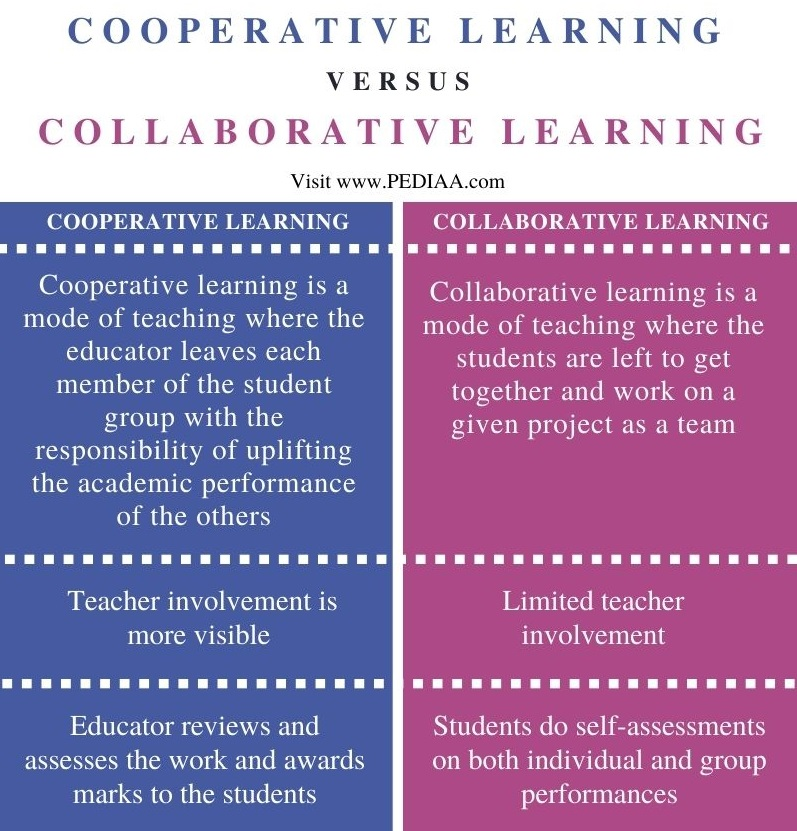
At the heart of innovation lies collaboration. Diversity and conflict are a part of it and so is abrasive discussion when you not only listen and contribute but actively advocate. It is a combination of scientific methods and artistic processes. How can you teach collaboration and cooperation in your class and at home – to your students and children? How can you role model collaboration in your class and school for students to learn from and benefit from? This issue has tips for that and also a link to my master class this afternoon on Collaborative Teaching. Check that out. Don’t miss the talk of Prof. Linda Hill on how collaboration can be supported and managed for consistent creativity. She has picked some very cool case studies.
Three Images of the Week
Two Thoughts of the Week
”When I was a kid, there was no collaboration; it’s you with a camera bossing your friends around. But as an adult, filmmaking is all about appreciating the talents of the people you surround yourself with and knowing you could never have made any of these films by yourself. ” Steven Spielberg
“Talent wins games, but teamwork and intelligence win championships.” – Michael Jordan
One Video of the Week
This talk was given at a local TEDx event, produced independently of the TED Conferences. At the heart of innovation is a paradox: you have to unleash the talents and passions of many people, yet you have to harness them into a work that is actually useful. Management professor Linda Hill offers three keys to overcoming this paradox and building a truly innovative organization.
Linda A. Hill is the Wallace Brett Donham Professor of Business Administration at the Harvard Business School. She is the faculty chair of the Leadership Initiative and has chaired numerous HBS Executive Education programs, including the Young Presidents’ Organization Presidents’ Seminar and the High Potentials Leadership Program.
She was course-head during the development of the new Leadership and Organizational Behavior MBA required course. She is the co-author, with Greg Brandeau, Emily Truelove, and Kent Lineback of Collective Genius: The Art and Practice of Leading Innovation and coauthor with Kent Lineback of Being the Boss: The 3 Imperatives of Becoming a Great Leader. In 2013, she was named by Thinkers50 as one of the top ten management thinkers in the world.
Showcase of the week

Here’s the registration link: https://m.centa.org/pwa/masterclasses/package/ind/276
Dear reader,
I have been a research scientist, a journalist, and an educator for over 3 decades. I read and, I write. With this weekly newsletter, I share what I read, learn and, experience while I engage with students, parents, and teams of teachers across K-12 schools, higher education institutions and, ed-tech organizations.
3-2-1 Tuesdays with Ms. Niv is a newsletter for you to subscribe to and enjoy your learning journey with me.
This Newsletter is supported by:
3-2-1 TUESDAYS WITH MS NIV
Issue #95, 3rd May 2022
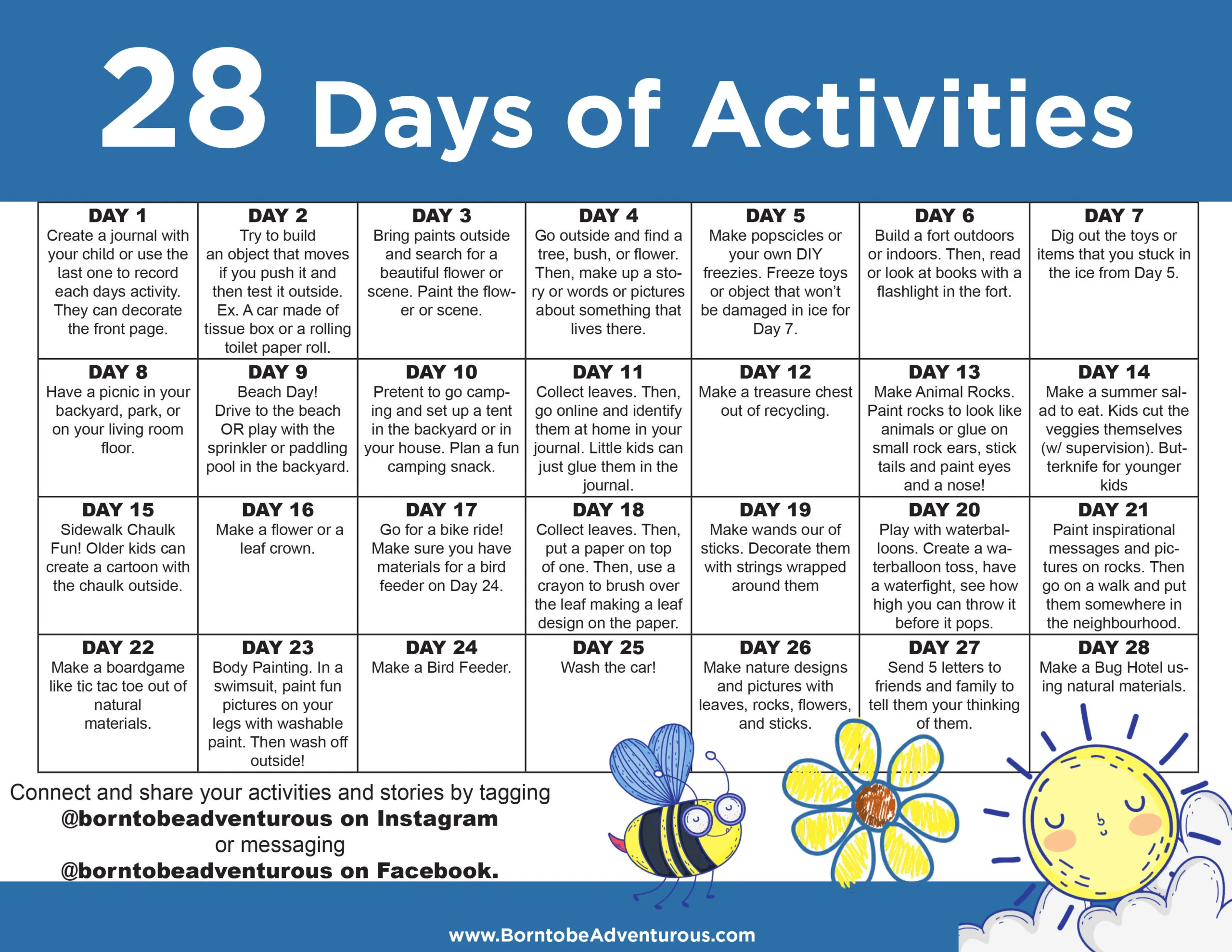
What are your plans this summer? How do you plan to spend your free time with your kids? What have you suggested your students do? Activities, hobbies, reading, exploring, traveling? Here are some ideas that you might want to pick up for yourself and share with your students and family.
Three Images of the Week
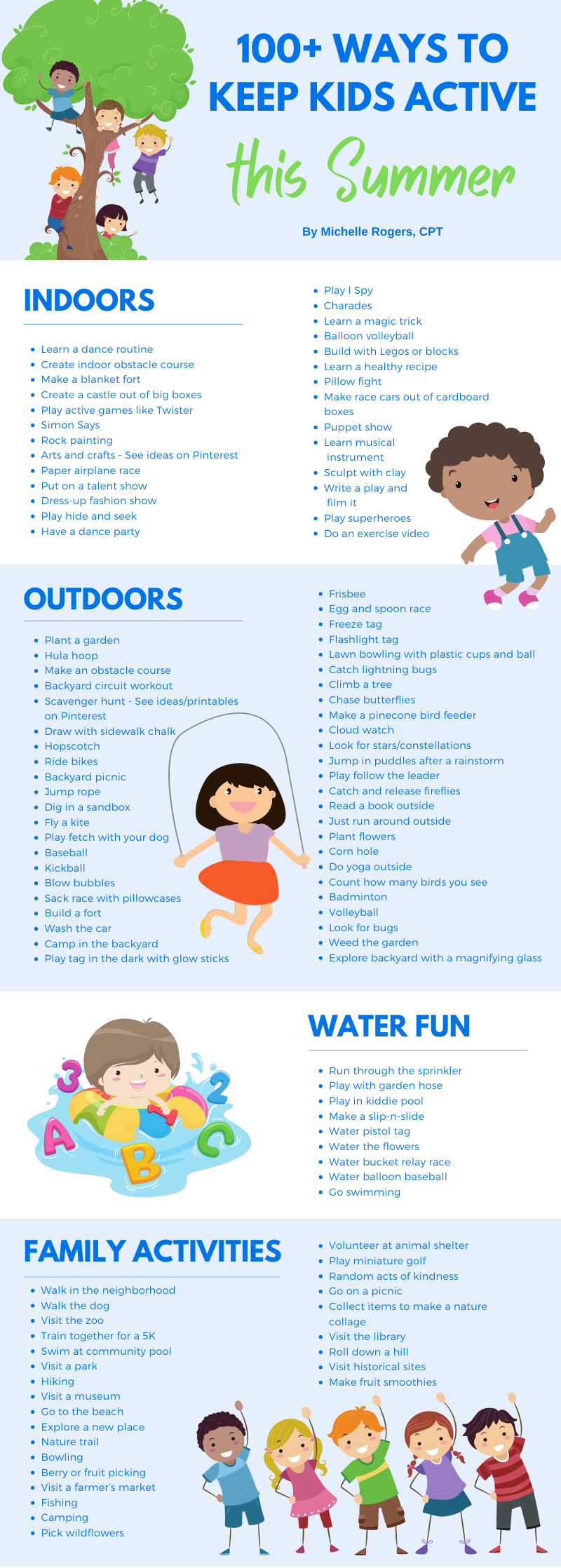

Two Thoughts of the Week
“Make your vocation your vacation. That is the secret to success.” – Mark Twain
“Each person deserves a day away in which no problems are confronted, no solutions searched for. Each of us needs to withdraw from the cares which will not withdraw from us.” ―Maya Angelou
One Video of the Week
Robin Esrock’s success as a global adventurer, travel writer, TV producer and international TV personality was no accident, although it did start with one. Struck down on his bike at a Vancouver intersection, Robin hobbled away with a broken kneecap, and one year later, a modest $20,000 insurance settlement.
It was just enough for him to pack up his things, quit his job, and set off on a one-year solo round-the-world backpacking adventure to 24 countries. He named his journey Modern Gonzo and committed to recording his year of living dangerously, with online weekly reports, photography, videos, and interviews with every person he met. In doing so, he pioneered a new era of multi-platform, switched-on, and wired-in travel journalism, leading to adventures beyond his wildest dreams.
Showcase of the week:
Here’s the registration link: https://m.centa.org/pwa/masterclasses/package/ind/276
Dear reader,
I have been a research scientist, a journalist, and an educator for over 3 decades. I read and, I write. With this weekly newsletter, I share what I read, learn and, experience while I engage with students, parents, and teams of teachers across K-12 schools, higher education institutions and, ed-tech organizations.
3-2-1 Tuesdays with Ms. Niv is a newsletter for you to subscribe to and enjoy your learning journey with me.
This Newsletter is supported by:
3-2-1 TUESDAYS WITH MS NIV
Issue #94, 26th April 2022
When you focus on one student with disabilities in your classroom, how does it impact the other 25 or 30? When you focus on your child with a disability or special needs, how do you balance your attention with the neuro-typical sibling/s? What supports and what detracts from inclusion in your class or your home? Some thoughts here would love to hear yours as a teacher or a parent. Please share your comments and subscribe to this weekly newsletter here.
Three Images of the Week


Two Thoughts of the Week
Everybody is a genius. But if you judge a fish by its ability to climb a tree, it will live its whole life believing that it is stupid.
Albert Einstein
A diverse mix of voices leads to better discussions, decisions, and outcomes for everyone.
Sundar Pichai
One Video of the Week
Every single person is unique and has different skills, so why are students taught the same way? Jan Wilson explores the possibilities of a universal design for learning, and how every individual can benefit. Dr. Jan Wilson is Wellspring Associate Professor of Women’s and Gender Studies and History at the University of Tulsa. Her teaching and research areas include gender and disability studies, feminist theory, and United States Women’s History.
She enjoys using aspects of popular culture–vampire literature and films, the Harry Potter book series, and the television show Game of Thrones, for example–to teach students about gender, disability, and race in history and American society.
She is currently at work on her second book titled The Zoey Journal, which draws on historical analysis, theory, and her personal experiences raising a daughter with autism to offer unique perspectives on concepts such as mothering, identity, intersectionality, the gaze, and the meaning of disability.
She and her family are strong supporters of the Autistic Self Advocacy Network, the Autism Center of Tulsa, and Able Kids Therapy.
Dear reader,
I have been a research scientist, a journalist, and an educator for over 3 decades. I read and, I write. With this weekly newsletter, I share what I read, learn and, experience while I engage with students, parents, and teams of teachers across K-12 schools, higher education institutions and, ed-tech organizations.
3-2-1 Tuesdays with Ms. Niv is a newsletter for you to subscribe to and enjoy your learning journey with me.
This Newsletter is supported by:


3-2-1 TUESDAYS WITH MS NIV
Issue #93, 19th April 2022
What do you want to be when you grow up? How often have we been asked as we were growing up and how often do we ask this of the adolescents and youth? What kind of questions would give rise to more discussions? What kinds of questions can students ask themselves, each other, their teachers, their parents, and other adults that would lead to interesting conversations, information, and deep discussions?
Check out this issue so that you are able to frame better questions and teach your students/children to ask as well. Let me know what you think. You can subscribe to this weekly newsletter by just entering your email id here.
Three Images of the Week

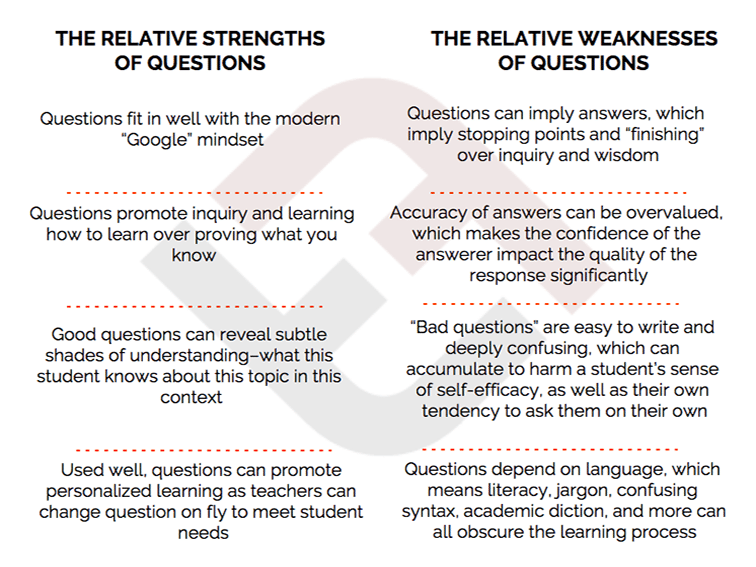

Two Thoughts of the Week
“Judge a man by his questions rather than by his answers.”
― Voltaire
“I would rather have questions that can’t be answered than answers that can’t be questioned.”
― Richard Feynman
One Video of the Week
As kids, we’re often asked the question “what do you want to be when you grow up?” Yet, this is the wrong question to be asking our youths. This Ted Talk proposes a new question – one that empowers youths to think of the person they are, and the things that they can do to create an impact now.
Todd Amatayakul is a 17-year-old studying at International School Bangkok. His recent works with entrepreneurial projects in the educational toy field have led to his interest in youth empowerment. Through this newfound passion, he had the opportunity to work with youth in international schools around Bangkok.
Dear reader,
I have been a research scientist, a journalist, and an educator for over 3 decades. I read and, I write. With this weekly newsletter, I share what I read, learn and, experience while I engage with students, parents, and teams of teachers across K-12 schools, higher education institutions and, ed-tech organizations.
3-2-1 Tuesdays with Ms. Niv is a newsletter for you to subscribe to and enjoy your learning journey with me.
This Newsletter is supported by:
3-2-1 TUESDAYS WITH MS NIV
Issue #92, 12th April 2022
What do you want to read? What are you missing in your school life now? How can we make your timetable better? How would you like to share what you have learned?
Student voice and choice are fundamental to student engagement. Here are some tips from fellow educators for you to think about and try to implement as often as you can.
Three Images of the Week
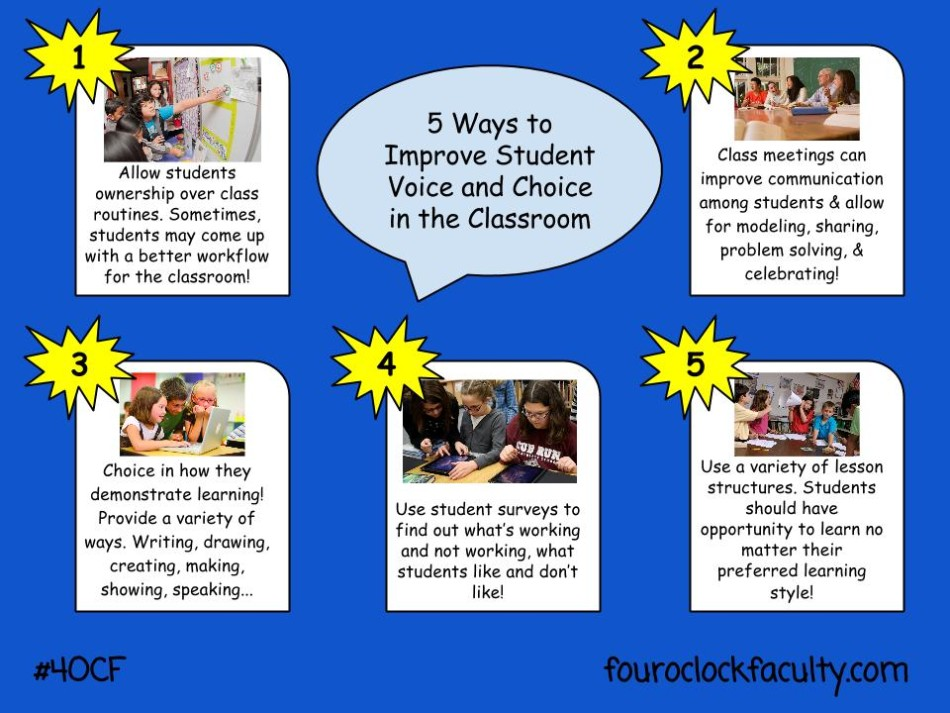
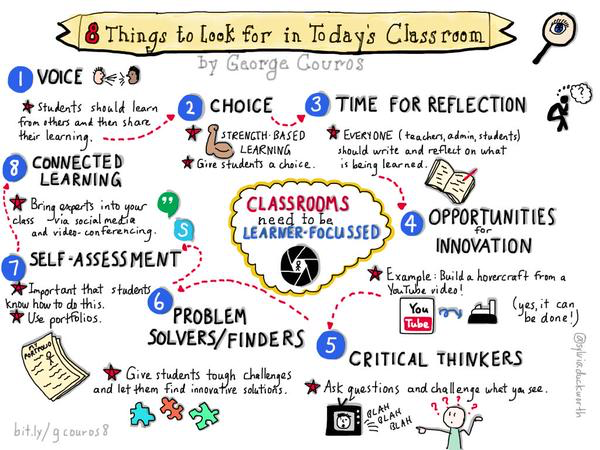

Two Thoughts of the Week
Every day more educators are showing that they value students by involving them in meaningful ways in school. These teachers and administrators say that it is not about ‘making students happy’ or allowing students to run the school. Their experience shows that when educators partner with students to improve learning, teaching and leadership in schools, school change is positive and effective. — Adam Fletcher
Mentors provide professional networks, outlets for frustration, college and career counseling, general life advice, and most importantly, an extra voice telling a student they are smart enough and capable enough to cross the stage at graduation and land their first paycheck from a career pathway job. — Gerald Chertavian
One Video of the Week
Danez Smith is a proud Cave Canem Fellow, two-time Pushcart Nominee, and Best New Poets Nominee. He has taken his work across the country to schools, community centers, poetry venues, and theaters across the country. Smith came into writing through slams. He placed 6th at the 2011 Individual World Poetry Slam and is the 2013 Rustbelt Midwest Regional Slam champion.
Showcase of the Week
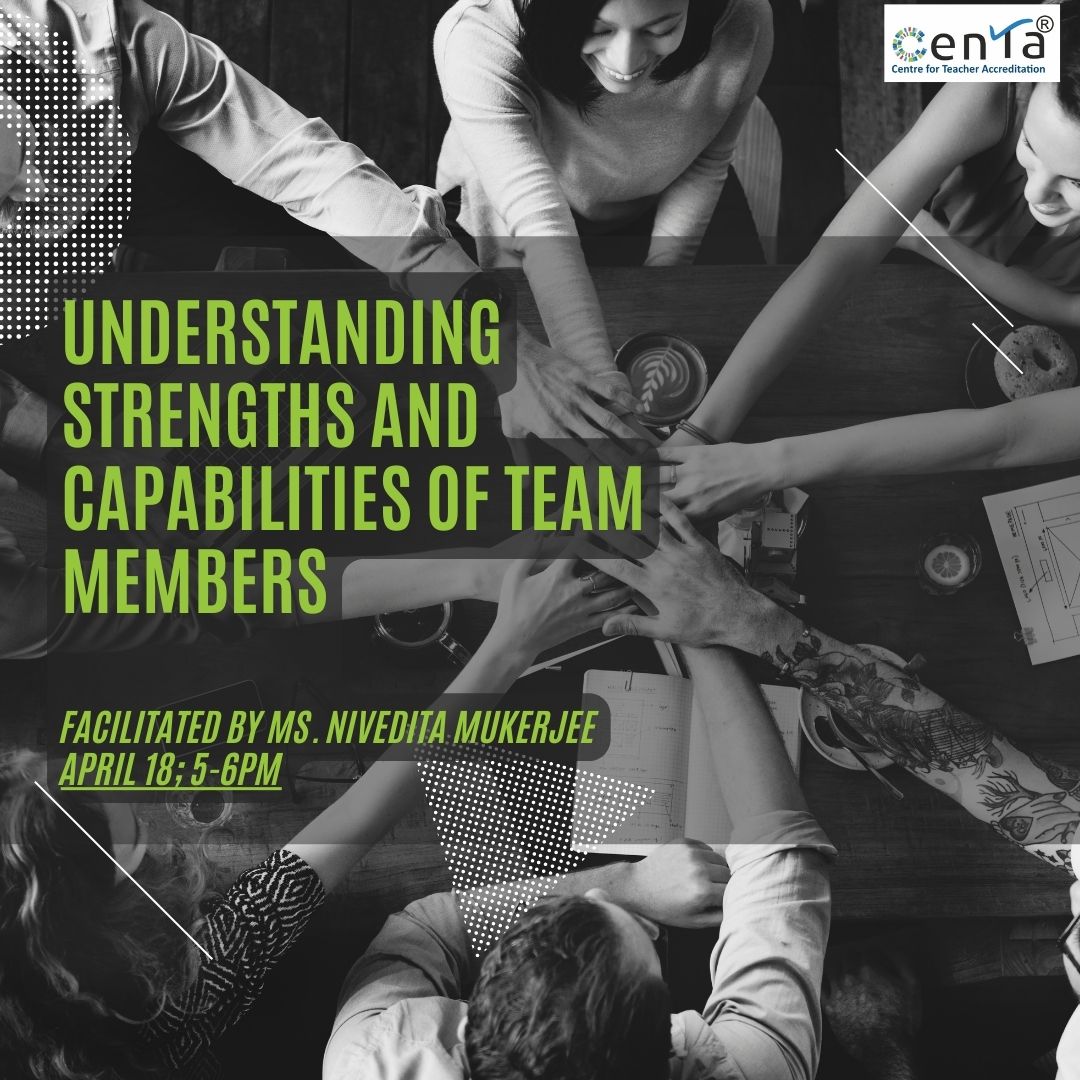
Webinar for School Leaders:
- This webinar is aimed to help School Leaders with methods and practices to understand and get insights into the strengths and capabilities of their team members. The webinar will be facilitated by Ms. Nivedita Mukerjee – an education advisor for schools, higher education institutions, and ed-tech companies. She is a master trainer with CENTA and over the last 3 decades, she has taught life sciences, genetics, and communication in high school and college, co-founded a Post Graduate Institute of Media studies, an IB world school, and helped set up a private University in Bangalore. Timings 5 pm to 6 pm IST.
- Registration link: https://m.centa.org/pwa/webinar/150
- Youtube link (for viewing the webinar and its recording): https://www.youtube.com/watch?v=enE9vHU44nM
Dear reader,
I have been a research scientist, a journalist, and an educator for over 3 decades. I read and, I write. With this weekly newsletter, I share what I read, learn and, experience while I engage with students, parents, and teams of teachers across K-12 schools, higher education institutions and, ed-tech organizations.
3-2-1 Tuesdays with Ms. Niv is a newsletter for you to subscribe to and enjoy your learning journey with me.
This Newsletter is supported by:
3-2-1 TUESDAYS WITH MS NIV
Issue #91, 5th April 2022
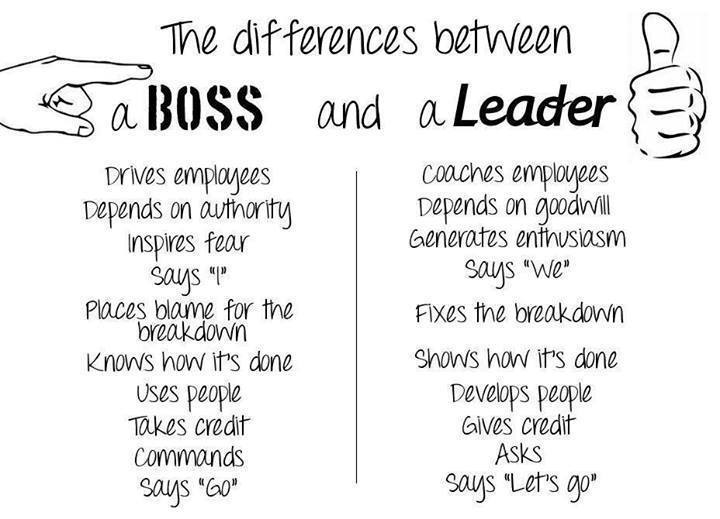
Are you a leader? Is leadership a noun or a verb? What is student leadership? What do we understand by teacher leadership? What does leadership look like in everyday situations? We need to lead each other in different situations, in different ways, and be change-makers. The very powerful message of Mahatma Gandhi rings true for the leader in us – Be the change you want to see… right? Here are some ideas to be the leader and help students be the leader they need to be in the world they are in. For the well-being of themselves and each other.
Three Images of the Week


Two Thoughts of the Week
“Outstanding leaders go out of their way to boost the self-esteem of their personnel. If people believe in themselves, it’s amazing what they can accomplish.” – Sam Walton, American businessman and founder of Walmart.
“Leaders will be those who empower others.” – Bill Gates, American businessman, co-founder of Microsoft.
One Video of the Week
Afsaar Maniyar, a 16-year-old student, describes the importance of student leadership and the way it has impacted his life. He explains the way leadership activities and extracurricular activities can help underprivileged children in holistic development.
Afsaar and 3 of his friends, started Project IQ (Inner Quest) to spread the idea of the student’s voice in his school. This was a completely student-led initiative and comprised of 9 extracurricular clubs that took sessions every Saturday. The objective of these clubs was to give students the chance to explore their interests outside academics and develop their skills. The team of 4 enlisted the help of other students in the school and had 20 student mentors to the clubs, along with 9 student observers.
In total, they had about 120 student participants who regularly attended the sessions. After a successful first year, Afsaar is now working on converting Project IQ into a business plan so that he can spread this to other schools in Pune.
Showcase of the Week
Webinar for School Leaders:
- This webinar is aimed to help School Leaders with methods and practices to understand and get insights into the strengths and capabilities of their team members. The webinar will be facilitated by Ms. Nivedita Mukerjee – an education advisor for schools, higher education institutions, and ed-tech companies. She is a master trainer with CENTA and over the last 3 decades, she has taught life sciences, genetics, and communication in high school and college, co-founded a Post Graduate Institute of Media studies, an IB world school, and helped set up a private University in Bangalore. Timings 5 pm to 6 pm IST.
- Registration link: https://m.centa.org/pwa/webinar/150
- Youtube link (for viewing the webinar and its recording): https://www.youtube.com/watch?v=enE9vHU44nM
Dear reader,
I have been a research scientist, a journalist, and an educator for over 3 decades. I read and, I write. With this weekly newsletter, I share what I read, learn and, experience while I engage with students, parents, and teams of teachers across K-12 schools, higher education institutions and, ed-tech organizations.
3-2-1 Tuesdays with Ms. Niv is a newsletter for you to subscribe to and enjoy your learning journey with me.
This Newsletter is supported by:
3-2-1 TUESDAYS WITH MS NIV
Issue #90, 29th March 2022
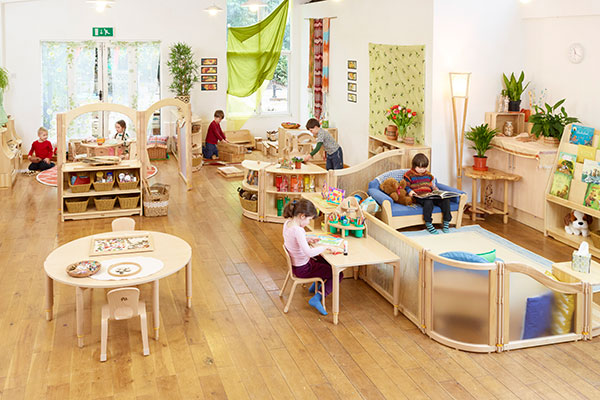
“The third teacher is the environment—a setting designed to be not only functional but also beautiful and reflective of the child’s learning. It is the child’s relationship with parent, teacher, and environment that ignites learning.” What do you think? for some thought provoking ideas read on and subscribe.
Three Images of the Week


Two Thoughts of the Week
“The Internet is just a world passing around notes in a classroom.” Jon Stewart
“To be clear, people are the most important part of any classroom. If given the choice between a great teacher and the world’s most advanced education technology, I’d pick the teacher any day for my own children.” Sal Khan
One Video of the Week
Why do some classrooms look the same now as they did 70 years ago? In this passionate talk, second-grade teacher Kayla Delzer speaks about her mission to revitalize learning and the classroom environment. Kayla explains how to release the power in the classroom by giving students ownership of their learning and making it relevant to them. Breaking down the four walls of the classroom allows her students to become globally connected – and you won’t believe the endeavors her students conquer by embracing purposeful technology.
Kayla Delzer is a 2nd-grade teacher and Project Lead the Way Lead Teacher in West Fargo, North Dakota. In August, she will begin her 8th year of teaching 2nd grade and her second year with West Fargo Public Schools (WFPS). Teaching is her true passion in life, and she enjoys her job and helping children to love learning and become creative problem solvers. Her students are her focus in life; they are like family to her. In August 2014, she completed her master’s degree in Elementary Education.
She also serves on the Technology Task Force and Social Media Task Force for WFPS. Her classroom Twitter account, @tweetingtopdogs, has allowed her students to learn virtually with hundreds of classrooms and educational experts from all over the world. Kayla has teamed up with several companies to improve the lives of students and teachers, and she works frequently with GoNoodle and Remind. She is highly sought after by educational and technology companies to preview and review their products.
Showcase of the Week
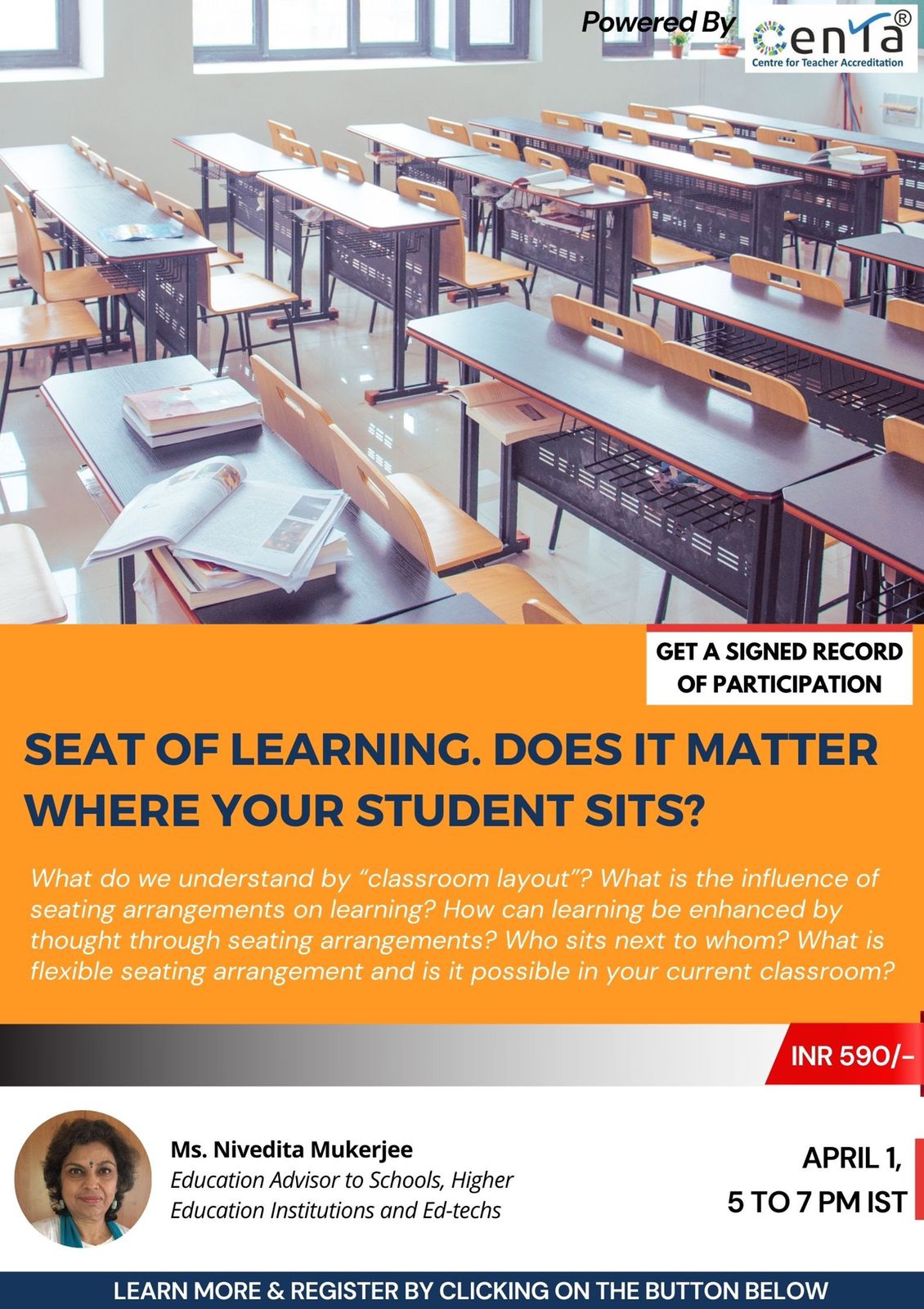
Schools are reopening. Have you reimagined your classroom seating? Join me in my masterclass on 1st April for some refreshing ideas that you can use. #schools #reimagineeducation #classroomdesign
Here’s the link to register: https://m.centa.org/pwa/masterclasses/package/ind/269
Dear reader,
I have been a research scientist, a journalist, and an educator for over 3 decades. I read and, I write. With this weekly newsletter, I share what I read, learn and, experience while I engage with students, parents, and teams of teachers across K-12 schools, higher education institutions and, ed-tech organizations.
3-2-1 Tuesdays with Ms. Niv is a newsletter for you to subscribe to and enjoy your learning journey with me.
This Newsletter is supported by:
3-2-1 TUESDAYS WITH MS NIV
Issue #89, 22nd March, 2022
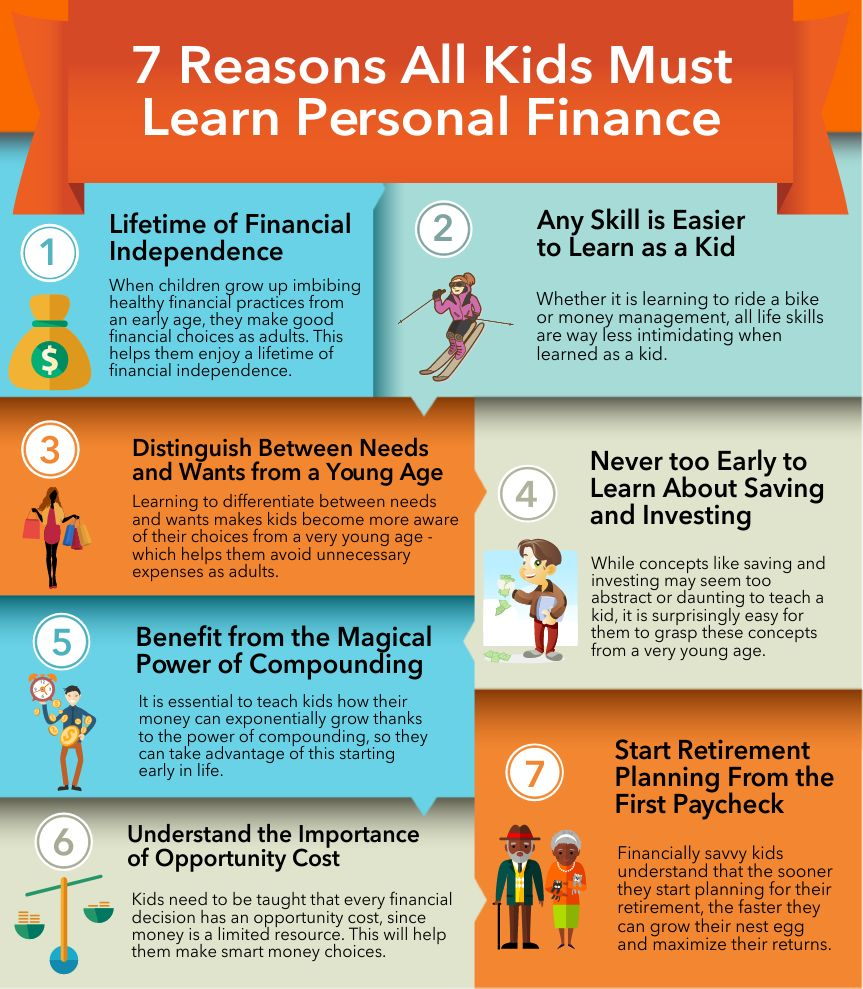
Who manages your finances? What is your relationship with money in adulthood? How do you discuss money matters with your spouse and children? how do you discuss personal money with your students? Do you have a conversation or you talk down or you scare them of their money behaviour.
Let us talk about money. Money does not make you happy but surely it is easier to be unhappy with money than without it. What do you think? here are some thoughts and tips of how to talk about money and when to start it.
Three Images of the Week


Two Thoughts of the Week
“A child’s financial lessons aren’t taught. They are experienced through the actions of the parents.”
― Linsey Mills, Teach Your Child About Money Through Play: 110+ Games/Activities, Tips, and Resources to Teach Kids Financial Literacy at an Early Age.
“Never rely on a single form of income. Consider making investments to create alternative income sources.” – Warren Buffett, an American business magnate
One Video of the Week
Focusing on allowance and financial concepts to teach kids to be smart with money is a great start. But, If this is all we focus on, we miss the opportunity to ensure our kids grow into prosperous adults. Listen to this surprisingly simple system anyone can implement to nurture a child’s prosperity right away.
Ellen Rogin, CPA, CFP® is an expert on living a life of success and prosperity. As the founder of a wealth management firm, Ellen combines her credentialed expertise with an inspired, conscious approach to money. Chockfull of “left brain” credentials, MBA, CPA, and Certified Financial PlannerTM, Ellen also walks on the “right” side, balancing values, big picture ideas, meditation and humor with all her professional training.
She is as comfortable talking about the power of compound interest as she is talking about the power of belief. In their latest book, “Picture Your Prosperity: Smart Money Moves to Turn Your Vision into Reality,” Ellen and her co-author illustrate how a positive outlook accompanied by the right financial tools will help you have the resources to create the life you’ve imagined. Ellen is also founder of the Abundance Activist® movement whose mission it is to help the world think and act more prosperously.
Showcase of the Week
Money multiplies, so if you allow the money to grow then it’s basically compounding year on year. A thing about compounding is it doesn’t happen early. The magic is going to happen after 30 years!”
Here’s a conversation of cofounders of The Confident Communicator, Deepma Jadeja, and Sima Mehta, with Kavita Hurry, Co-founder, and CEO at Squirrel Consulting Private Limited.
Here are some interesting time stamps to listen to:
4:56 mins: Money doesn’t define who you are, yet it is deeply connected to happiness
6:37 mins: Fun ways to introduce the money talk
9:01 mins: Kids know more than you think about money
9:51 mins: Mindset towards money
11:01 mins: Introduce budgeting through pocket money
11:46 mins: Money is an important skill set, yet we don’t teach it in school
13:49 mins: Start as early as 5 years to teach your kids in a fun way about money
23:54 mins: Debt is good if you can pay for it
26:21 mins: 6 steps to get kids interested in money management – Step 1: Play the Money Game 29:54 mins: Step 3: Teach kids about empathy & Kindness by donating part of your earnings 31:26 mins: Step 5: The Power of Compounding 42:31 mins: Centre yourself, stay grounded Vs living a Champagne Life
Dear reader,
I have been a research scientist, a journalist, and an educator for over 3 decades. I read and, I write. With this weekly newsletter, I share what I read, learn and, experience while I engage with students, parents, and teams of teachers across K-12 schools, higher education institutions and, ed-tech organizations.
3-2-1 Tuesdays with Ms. Niv is a newsletter for you to subscribe to and enjoy your learning journey with me.
This Newsletter is supported by:
3-2-1 TUESDAYS WITH MS NIV
Issue #88, 15th March, 2022
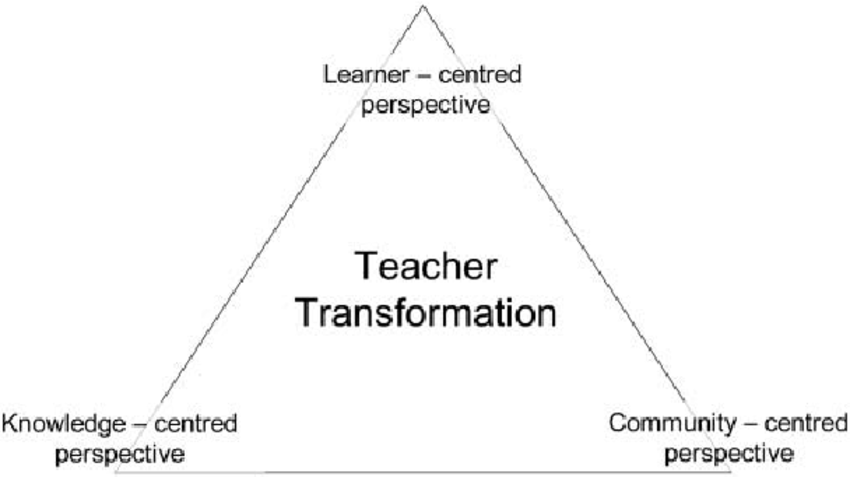
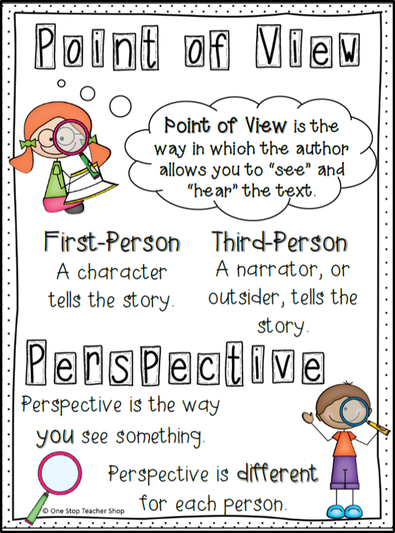
What happens when you see the glass half full? Are you in a state of hope? Or you despair? Or you think it is upto you to ensure that the glass is filled up and only then you could be happy? What’s your perspective of a situation? How do you teach your children/students to have their own perspective, reflect on their perspective and understand the perspective of others? Why is perspective important?
Three Images of the Week

Two Thoughts of the Week
“There are no facts, only interpretations.”
― Friedrich Nietzsche
“Some people see the glass half full. Others see it half empty.
I see a glass that’s twice as big as it needs to be.”
― George Carlin
One Video of the Week
Angela Popplewell challenges the superhero complex that we need to “save” others and discusses how she came to that realization. Angela speaks about her non-profit 100cameras and using that model to educate about perspective as those very same others that we believe need “saving” can teach us a lot too. Angela Francine Popplewell is a founder and the Chief Storyteller for 100cameras, a non-profit organization that teaches kids around the world that their stories matter and helps them explore their narratives in the context of a global world. Students share their perspectives through photography and then sell their images, empowering them to become change makers.
Popplewell has worked abroad with educational and community development programs in places such as Romania and India. These experiences along with others redirected her passion to working with kids, the power of storytelling, and local community development initiatives worldwide.
Prior to 100cameras, she was one of charity:water’s first interns and was Director of Development at New Life of NYC, an inner-city community center located on the Lower East Side of Manhattan. Popplewell lives in Brooklyn, NY with her husband, Ty, and their son, Theodore Brooks.
Dear reader,
I have been a research scientist, a journalist, and an educator for over 3 decades. I read and, I write. With this weekly newsletter, I share what I read, learn and, experience while I engage with students, parents, and teams of teachers across K-12 schools, higher education institutions and, ed-tech organizations.
3-2-1 Tuesdays with Ms. Niv is a newsletter for you to subscribe to and enjoy your learning journey with me.
This Newsletter is supported by:

