Nivedita Mukerjee
Education consultancy for parents and schools
3-2-1 TUESDAYS WITH MS NIV
Issue # 46 / May 25th 2021
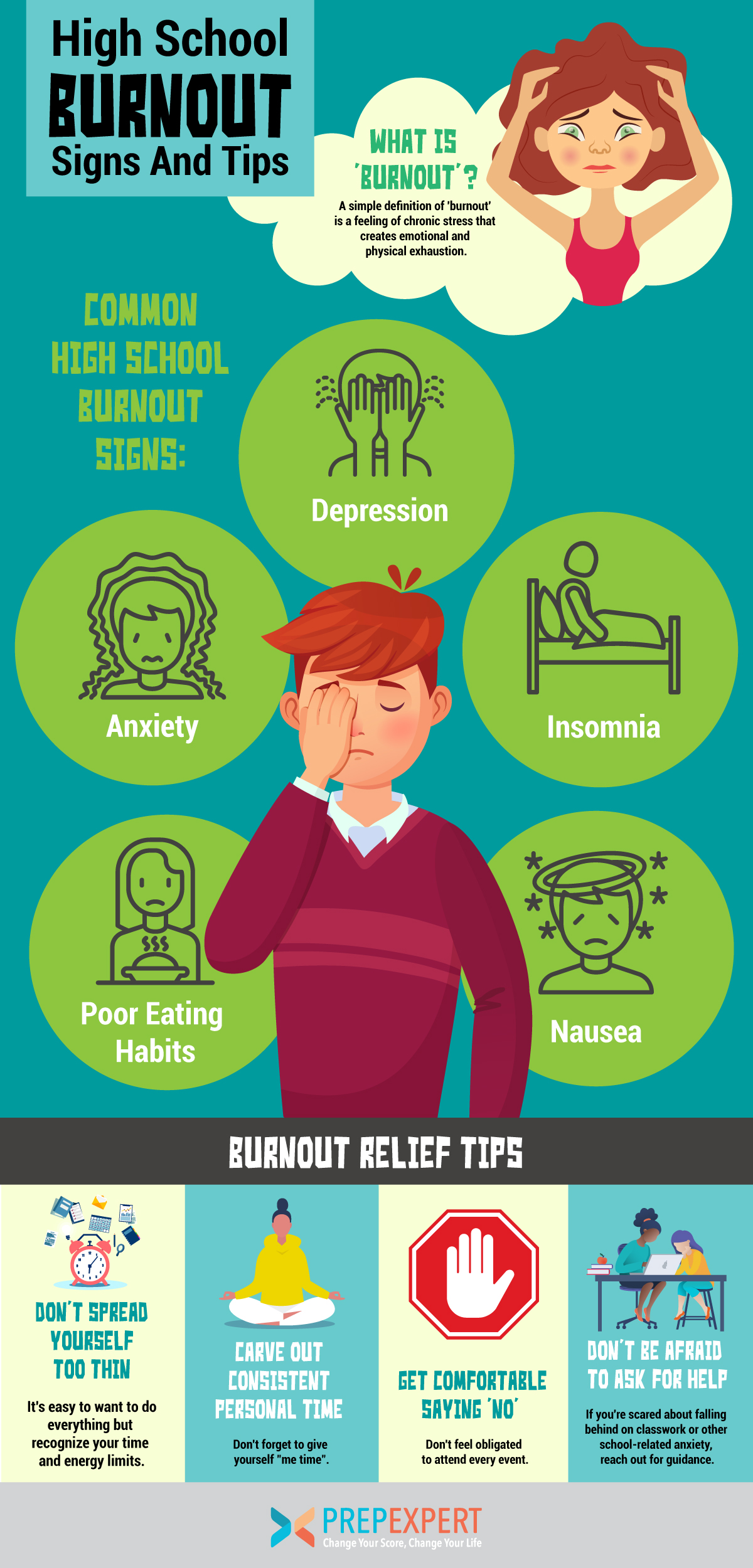
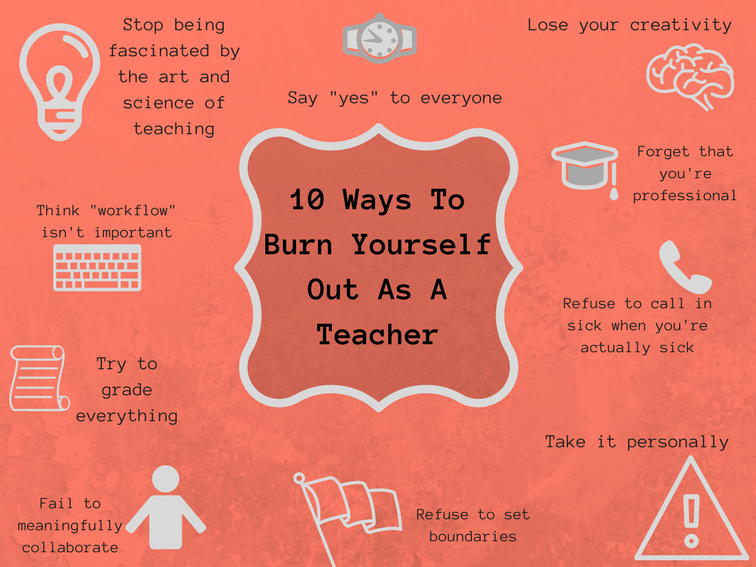
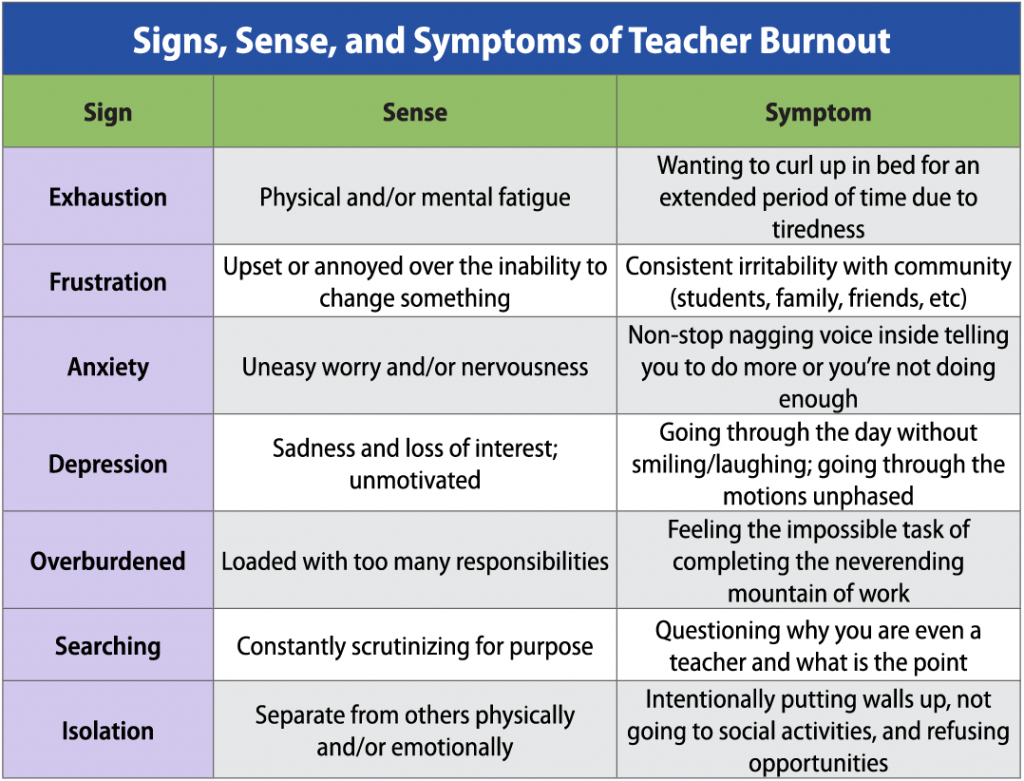
Are you working long hours? Are you taking breaks between your household chores, teaching/parenting/studying? Are you trying to be a perfectionist at all that you do? Are you feeling intense empathy for pandemic sufferings? Are you maxing out your energies and yet feeling that you have been procrastinating? The answer may not be self-care. You might be experiencing the onset of burnout…
Burnout includes 3 general categories of symptoms: emotional exhaustion, depersonalisation, and a sense of low personal accomplishment. How can you know for sure? what can you do about it? what can you do for your colleagues, family members, students if you think they are heading towards burnout? Read on and subscribe.
Three images of the week
Two thoughts of the week
“I’ll always choose a teacher with enthusiasm and weak technique over one with brilliant strategies but who is just punching the clock. Why? An enthusiastic teacher can learn technique, but it is almost impossible to light a fire inside the charred heart of a burned-out teacher.”
― Dave Burgess, Teach Like a Pirate: Increase student engagement, boost your creativity and transform your life as an educator.
“[Burnout] isn’t a personal problem. It’s a societal one—and it will not be cured by productivity apps, or a bullet journal, or face mask skin treatments, or overnight fucking oats.”
― Anne Helen Petersen, Can’t even: How millennials became the burnout generation.
One video for the week
You may be experiencing burnout and not even know it, say authors (and sisters) Emily and Amelia Nagoski. In an introspective and deeply relatable conversation, they detail three telltale signs that stress is getting the best of you — and share actionable ways to feel safe in your own body when you’re burning out. (This conversation, hosted by TED curator Cloe Shasha Brooks, is part of TED’s “How to Deal with Difficult Feelings” series.)
Dear reader,
I have been a research scientist, a journalist and an educator for over 3 decades. I read and I write. With this weekly newsletter, I intend to share what I read, learn and experience while I engage with students, parents and teams of teachers across K-12 schools, higher education institutions and ed-tech organisations.
3-2-1 Tuesdays with Ms Niv is a newsletter for you to subscribe and enjoy your learning journey with me. This week, it consists of: 3 images, 2 thoughts and 1 video.
And Finally…


This newsletter is supported by:
3-2-1 TUESDAYS WITH MS NIV
Issue # 45 / May 18th 2021
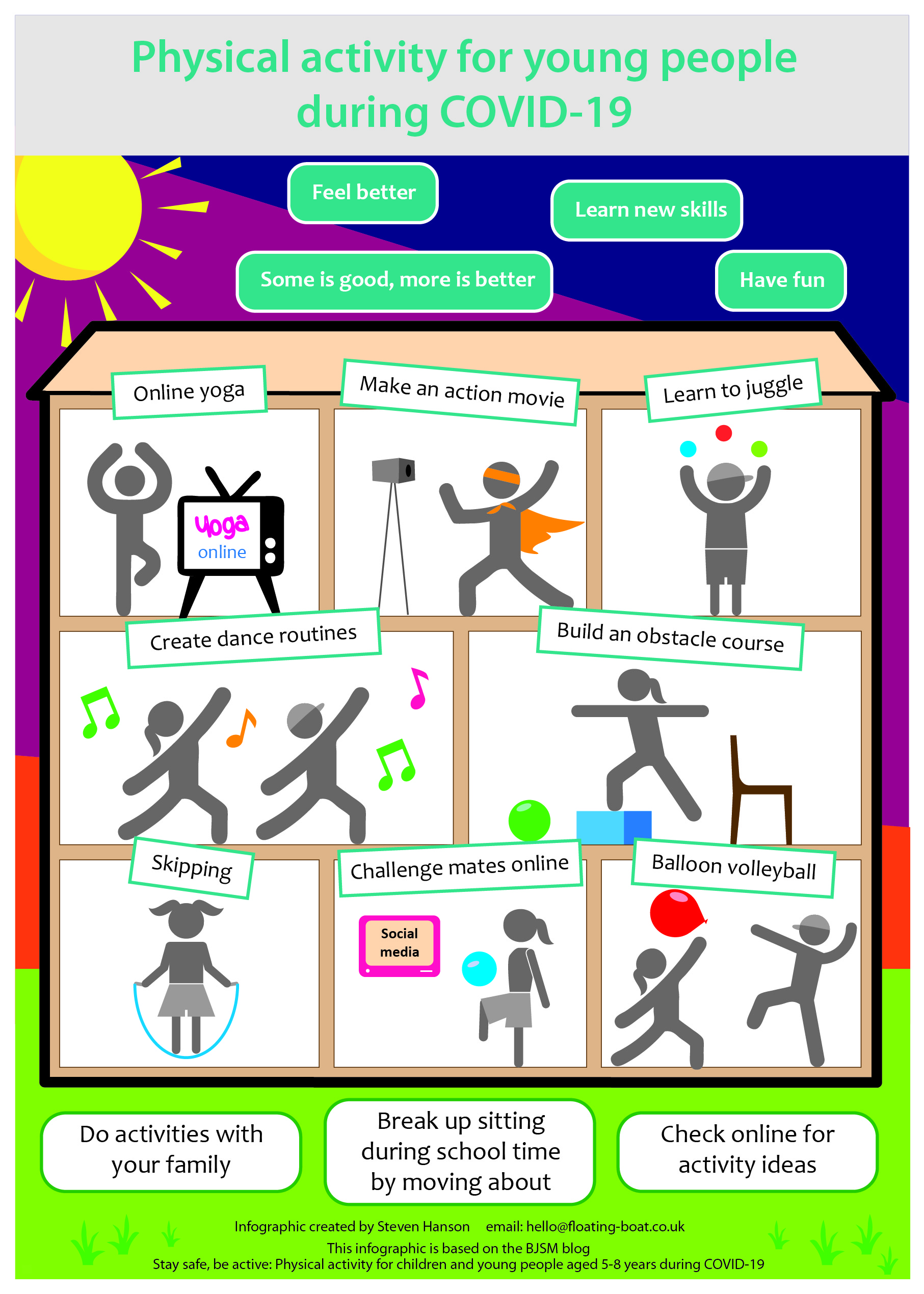
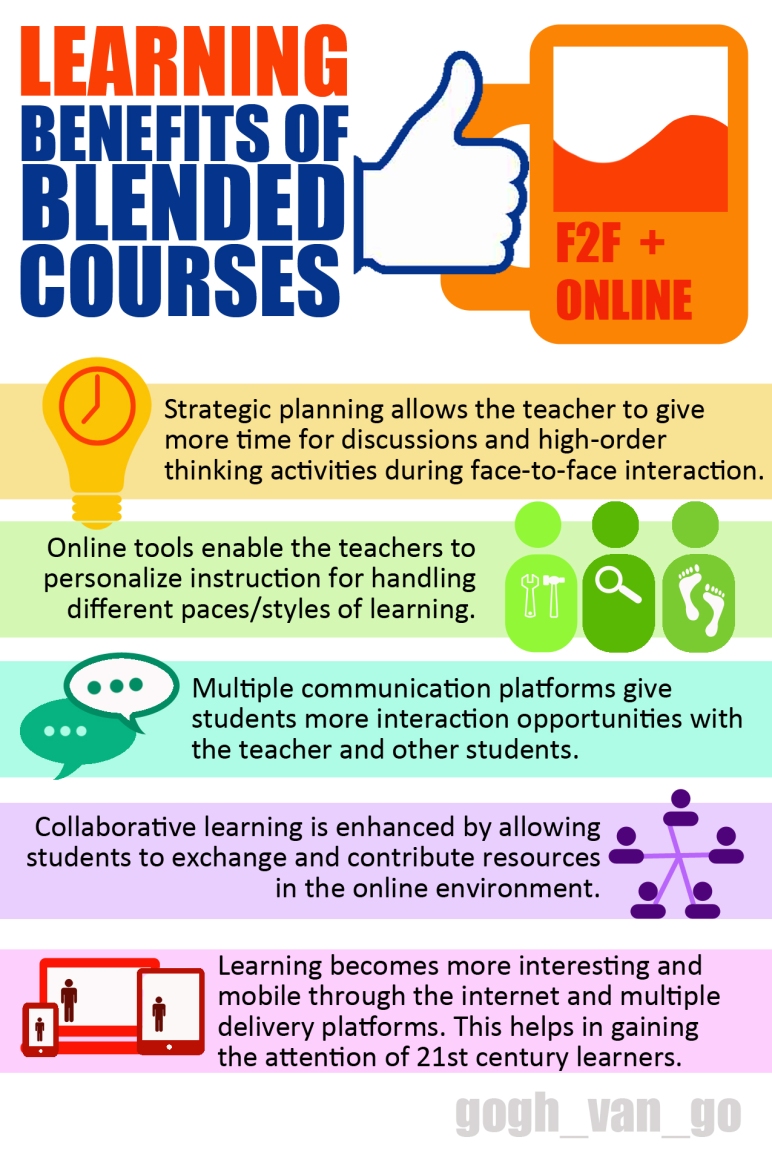
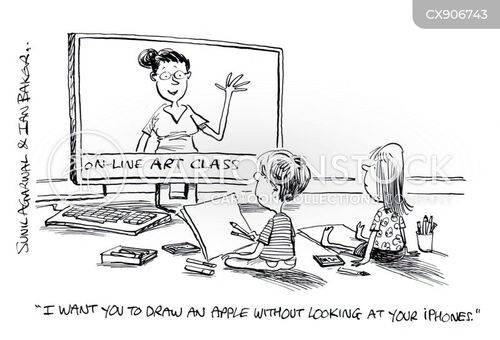
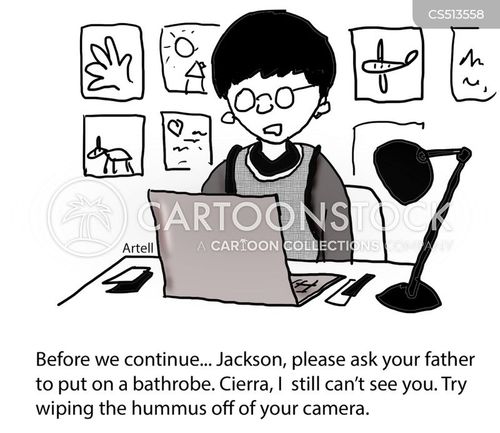
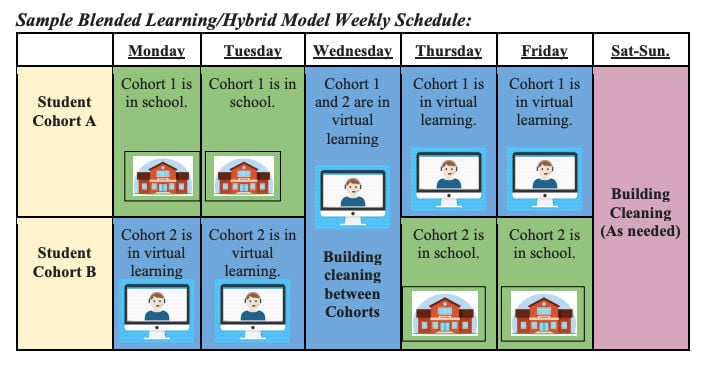
Face to face education is better or e-learning is? How to continue learning while working? Is the future blended learning? What would the future of learning institutions and teachers look like? 21st Century learning, here we are. Read on and, subscribe to keep yourself updated with this weekly news letter for students, educators and parents.
Three images of the week

Two thoughts of the week
‘The illiterate of the 21st century will not be those who cannot read and write, but those who cannot learn, unlearn, and relearn.’ –Alvin Toffler
‘It is not that I’m so smart. But I stay with the questions much longer.’ –Albert Einstein
One video of the week
Higher education remains rooted in rigid, traditional structures and tracks — and it’s at risk of getting left behind in favor of expanded access, greater flexibility and tailored learning. Educator Tyler DeWitt explains how innovations in digital content and virtual reality are ushering in the future of learning, emphasizing why academia must adapt to this new reality and embrace an approach to education that works with students’ needs — not against them.
Tyler DeWitt recognizes that textbooks are not the way to get young people interested in science. Instead, he teaches science by making it fun and fantastical. DeWitt’s projects are varied, but all focus on tech. His YouTube channel, where he’s created lessons on chemistry and biology, helps hundreds of thousands of students with their courses every day. He created a virtual reality experience, funded by Google, that takes learners inside a human cell. And he was the video author for a new digital chemistry textbook published by Macmillan, bringing the newest ways that students learn to an older, more traditional medium. Most recently, he’s created VR learning content that teaches the skills needed to manufacture advanced cell and gene therapies in the biotech space.
And finally….
Dear reader,
I have been a research scientist, a journalist and an educator for over 3 decades. I read and I write. With this weekly newsletter, I intend to share what I read, learn and experience while I engage with students, parents and teams of teachers across K-12 schools, higher education institutions and ed-tech organisations.
3-2-1 Tuesdays with Ms Niv is a newsletter for you to subscribe and enjoy your learning journey with me. This week, it consists of: 3 images, 2 thoughts and 1 video.
This newsletter is supported by:
3-2-1 TUESDAYS WITH MS NIV
Issue # 44 / May 11th 2021
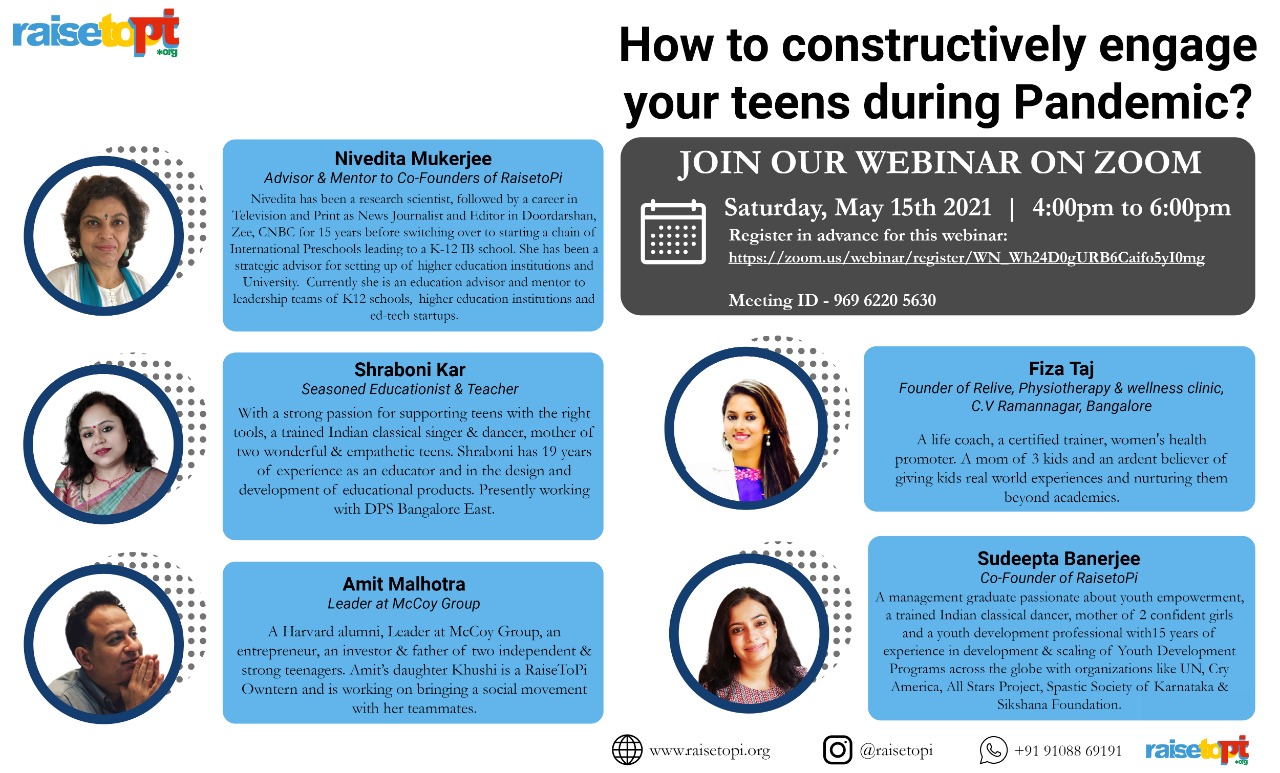
We are connected yet lonely…. anthem of our children in these times. How can we listen in with our heart and mind, how can we connect with them without judging, understand their perspectives and make meaningful interactions? Read on. You might find some insights. Please like and subscribe to get this weekly newsletter in your mail box.
Three images of the week


Two thoughts of the week
Be who you are and say what you feel, because those who mind don’t matter and those who matter don’t mind. Dr. Seuss
There is nothing quite so tragic as a young cynic, because it means the person has gone from knowing nothing to believing nothing. Maya Angelou
One video of the week
Teens, Tech, and the Antidote. Why an antidote? Technology has become integrated into our daily lives, leading to positive and negative consequences. 15-year old Ilana Nguyen, a professional teenager, presents a funny and poignant talk that challenges all of humanity to be the solution to the negative consequences of technology. Ilana is passionate about inspiring people to use and build technology in a way that benefits humanity.
And finally….


Showcase
Dear reader,
I have been a research scientist, a journalist and an educator for over 3 decades. I read and I write. With this weekly newsletter, I intend to share what I read, learn and experience while I engage with students, parents and teams of teachers across K-12 schools, higher education institutions and ed-tech organisations.
3-2-1 Tuesdays with Ms Niv is a newsletter for you to subscribe and enjoy your learning journey with me. This week, it consists of: 3 images, 2 thoughts and 1 video.
This newsletter is supported by:
3-2-1 TUESDAYS WITH MS NIV
Issue # 43 / May 4th, 2021
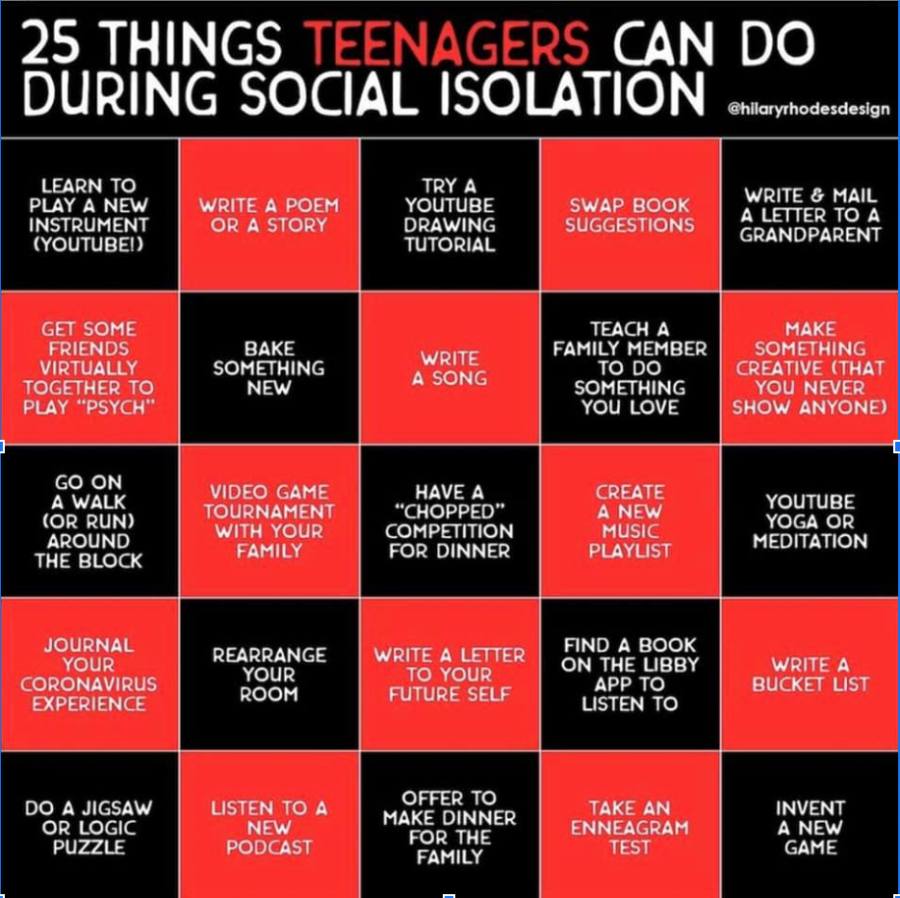
Life is bad, everyone’s sad and we are all going to die one day… but until then, let us take off our shoes and climb on to the bouncy castle! friends, family, neighbours, colleagues… all are invited. Read, share subscribe this weekly news letter. In the midst of it all, let us hold each other up and hold on. Take care and stay safe.
Three Images For The Week


Two Thoughts For The Week
“I think it’s very healthy to spend time alone. You need to know how to be alone and not be defined by another person.”– Oscar Wilde
“Nothing in life is to be feared; it is only to be understood. Now is the time to understand more, so that we may fear less.” — Marie Curie
One Video For The Week
Being open and vulnerable with your loneliness, sadness and fear can help you find comfort and feel less alone, says writer and artist Jonny Sun. In an honest talk filled with his signature illustrations, Sun shares how telling stories about feeling like an outsider helped him tap into an unexpected community and find a tiny sliver of light in the darkness.
And Finally…

Dear reader,
I have been a research scientist, a journalist and an educator for over 3 decades. I read and I write. With this weekly newsletter, I intend to share what I read, learn and experience while I engage with students, parents and teams of teachers across K-12 schools, higher education institutions and ed-tech organisations.
3-2-1 Tuesdays with Ms Niv is a newsletter for you to subscribe and enjoy your learning journey with me. This week, it consists of: 3 images, 2 thoughts and 1 video.
Showcase:

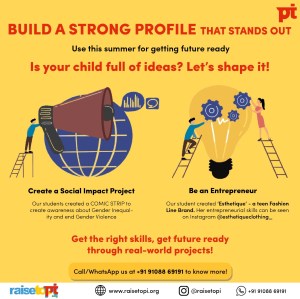

This Newsletter is supported by:
3-2-1 TUESDAYS WITH MS NIV
Issue # 42 / April 27th, 2021
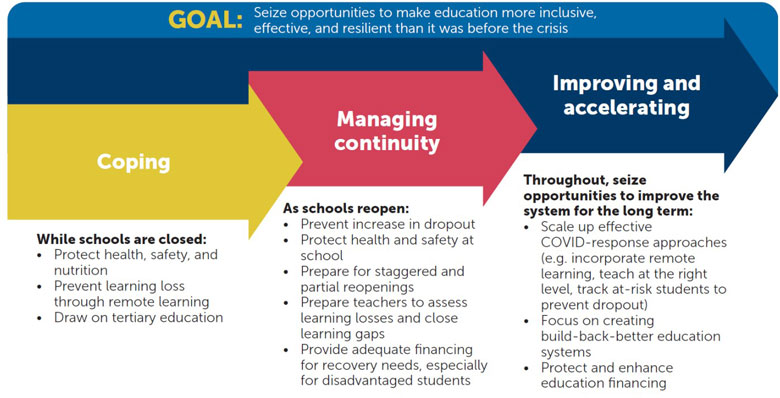
Is there an opportunity to change education from the way it is now? Can we re-imagine schools when we are on pause? Change course for a better, more equitable, more accessible, more individualised, more wholesome education? Can we support teachers more? can we engage parents more? It is time for some reflection and care. Here is what some of the educators and institutions are thinking.
Three Images For The Week

Two Thoughts For The Week


One Video For The Week
COVID-19 will change everything — and the way students learn is no exception. Nora Flanagan draws on her experiences as a teacher in the Chicago Public Schools system to share strategies on how educational institutions can pivot to meet the needs of students, teachers and parents amidst radical circumstances.
Educator Nora Flanagan takes the words and feelings of the last year right out of our mouths and hearts, then explains how we can reframe this moment as an opportunity to fix what’s long been broken for teachers, students, and families ̶ and shares four ways schools can reinvent themselves for a post-pandemic world by engaging parents, demand equity, supporting the whole student, and thinking assessment.
And Finally…


Dear reader,
I have been a research scientist, a journalist and an educator for over 3 decades. I read and I write. With this weekly newsletter, I intend to share what I read, learn and experience while I engage with students, parents and teams of teachers across K-12 schools, higher education institutions and ed-tech organisations.
3-2-1 Tuesdays with Ms Niv is a newsletter for you to subscribe and enjoy your learning journey with me. This week, it consists of: 3 images, 2 thoughts and 1 video.
Showcase:


This Newsletter is supported by:
3-2-1 TUESDAYS WITH MS NIV
Issue # 41 / April 20th , 2021
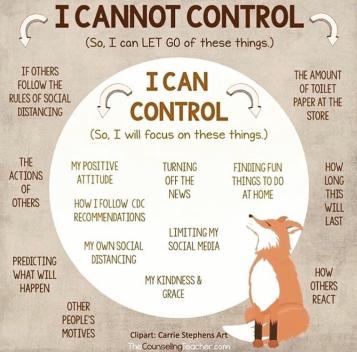
Are we making a good life with good relationships? with our colleagues, our neighbours, our friends, our family and with ourselves? Stressful times need extra care. Difficult days need help in easing out. A joke, a smile, a helping hand, a listening ear – how can we do it intentionally with our students and children – here are some suggestions and some reflections. Take care and stay safe.
Have you subscribed to the newsletter yet? It is free. Just enter your email id to register.
Three Images For The Week


Two Thoughts For The Week
” Our anxiety does not come from thinking about the future, but from wanting to control it.” Khalil Gibran
“If you really want to escape the things that harass you, what you’re needing is not to be in a different place but to be a different person.” Seneca,
One Video For The Week
What keeps us happy and healthy as we go through life? If you think it’s fame and money, you’re not alone – but, according to psychiatrist Robert Waldinger, you’re mistaken. As the director of 75-year-old study on adult development, Waldinger has unprecedented access to data on true happiness and satisfaction. In this talk, he shares three important lessons learned from the study as well as some practical, old-as-the-hills wisdom on how to build a fulfilling, long life.
And Finally…

Dear reader,
I have been a research scientist, a journalist and an educator for over 3 decades. I read and I write. With this weekly newsletter, I intend to share what I read, learn and experience while I engage with students, parents and teams of teachers across K-12 schools, higher education institutions and ed-tech organisations.
3-2-1 Tuesdays with Ms Niv is a newsletter for you to subscribe and enjoy your learning journey with me. This week, it consists of: 3 images, 2 thoughts and 1 video.
Showcase:
This Newsletter is supported by:
3-2-1 TUESDAYS WITH MS NIV
Issue # 40 / April 13th , 2021
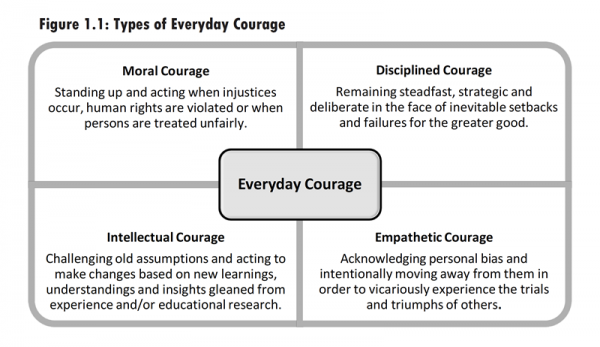
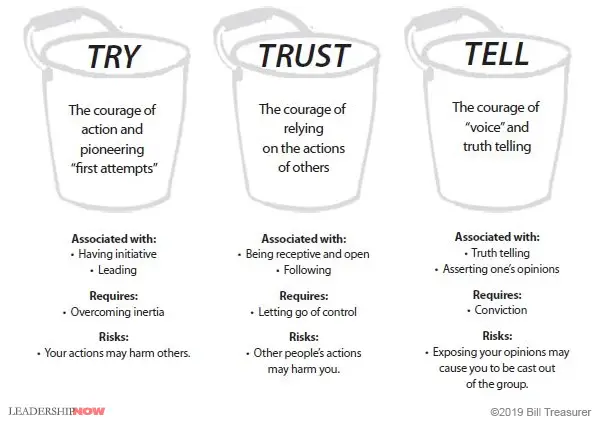
Do I have strength to conquer my fears? Am I courageous to do the right thing? Do I spend time thinking about doing the right thing because I am scared? I fear asking for help from others? I try things only if I am sure to succeed? When I have last felt the flutter in my gut while trying a new thing?
How do I know that I am brave? Can I help my student/child to be brave? Take a chance and be comfortable with failure, use mistakes as stepping stones for growth? Read on for reflections, tips and a great talk by Reshma Soujani on why we should teach our girls to be brave and not perfect. Please subscribe with your email, it is a free news letter for students, parents and educators.
Three Images For The Week

Two Thoughts For The Week
“Failure after long perseverance is much grander than never to have a striving good enough to be called a failure.”
— George Eliot, Middlemarch
“Every person has the power to change their fate if they are brave enough to fight for what they desire more than anything.”
― Stephanie Garber, Caraval
One Video For The Week
We’re raising our girls to be perfect, and we’re raising our boys to be brave, says Reshma Saujani, the founder of Girls Who Code. Saujani has taken up the charge to socialize young girls to take risks and learn to program — two skills they need to move society forward. To truly innovate, we cannot leave behind half of our population, she says. “I need each of you to tell every young woman you know to be comfortable with imperfection.”
And Finally…
Dear reader,
I have been a research scientist, a journalist and an educator for over 3 decades. I read and I write. With this weekly newsletter, I intend to share what I read, learn and experience while I engage with students, parents and teams of teachers across K-12 schools, higher education institutions and ed-tech organisations.
3-2-1 Tuesdays with Ms Niv is a newsletter for you to subscribe and enjoy your learning journey with me. This week, it consists of: 3 images, 2 thoughts and 1 video.
If you have created any material, virtual or physical that you think can be reviewed and/or featured in this news letter, please feel free to write to me at : niveditamukerjee10@gmail.com
Showcase: 1.
___________________________________________________________________________
Showcase: 2.
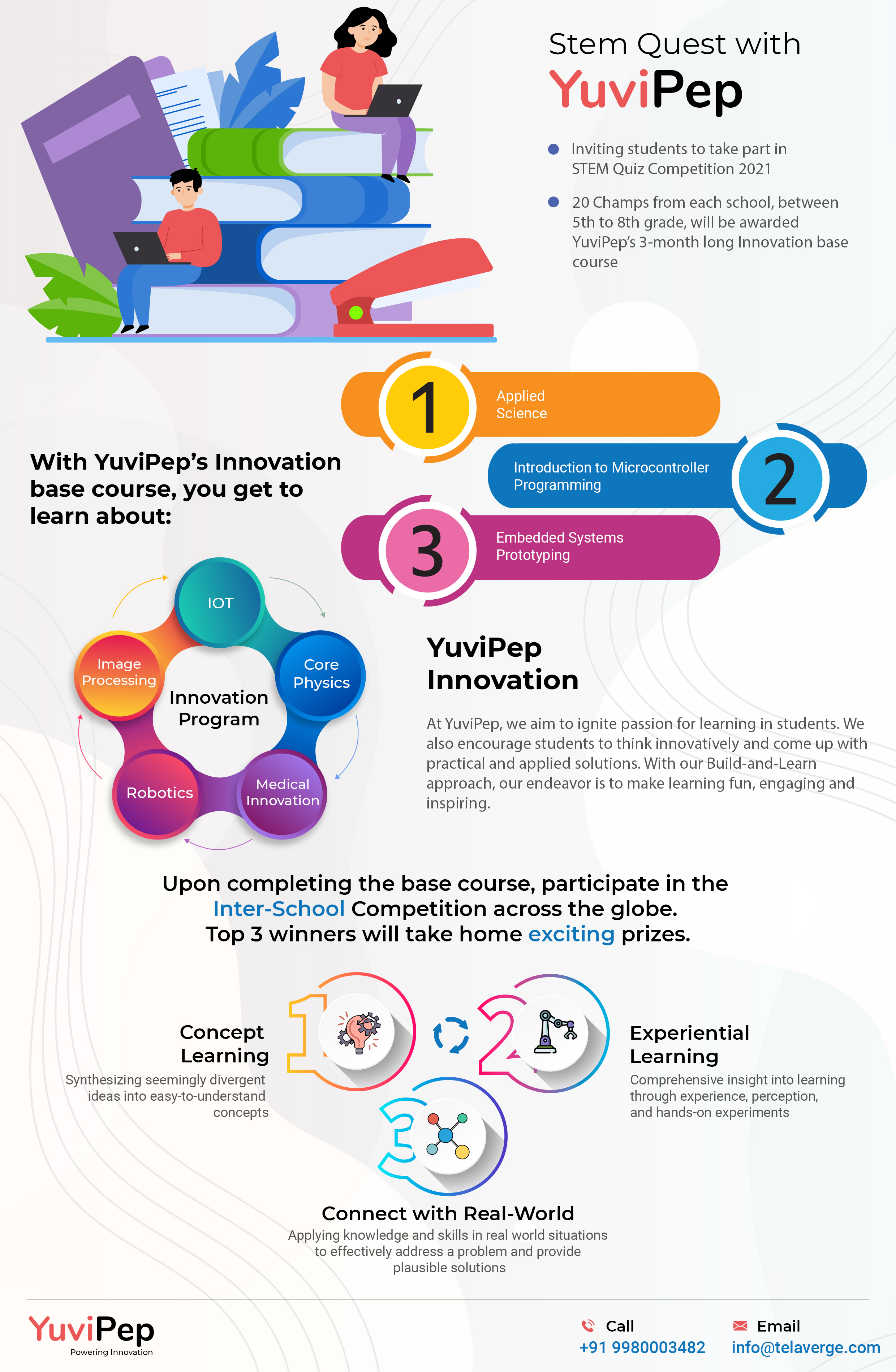
If you have students between 11 to 19 at home and are wondering how to constructively engage them this summer . Please check out our Ownternship program at raisetopi.org . We ensure that students explore and work on real world projects of their interest and have a lot of fun working real-time with their friends. In the process they gain professional & life skills and create a great story that builds a strong profile for future college applications. Please call/whatsapp us at +919108869191 or email us at hello@raisetopi.org for more information.
This Newsletter is supported by:


3-2-1 TUESDAYS WITH MS NIV
Issue # 39 / April 6th , 2021
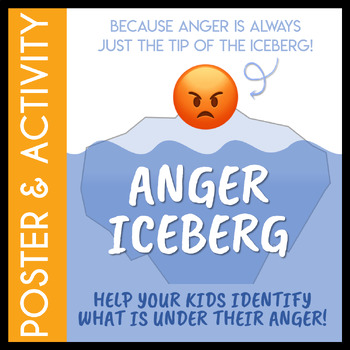
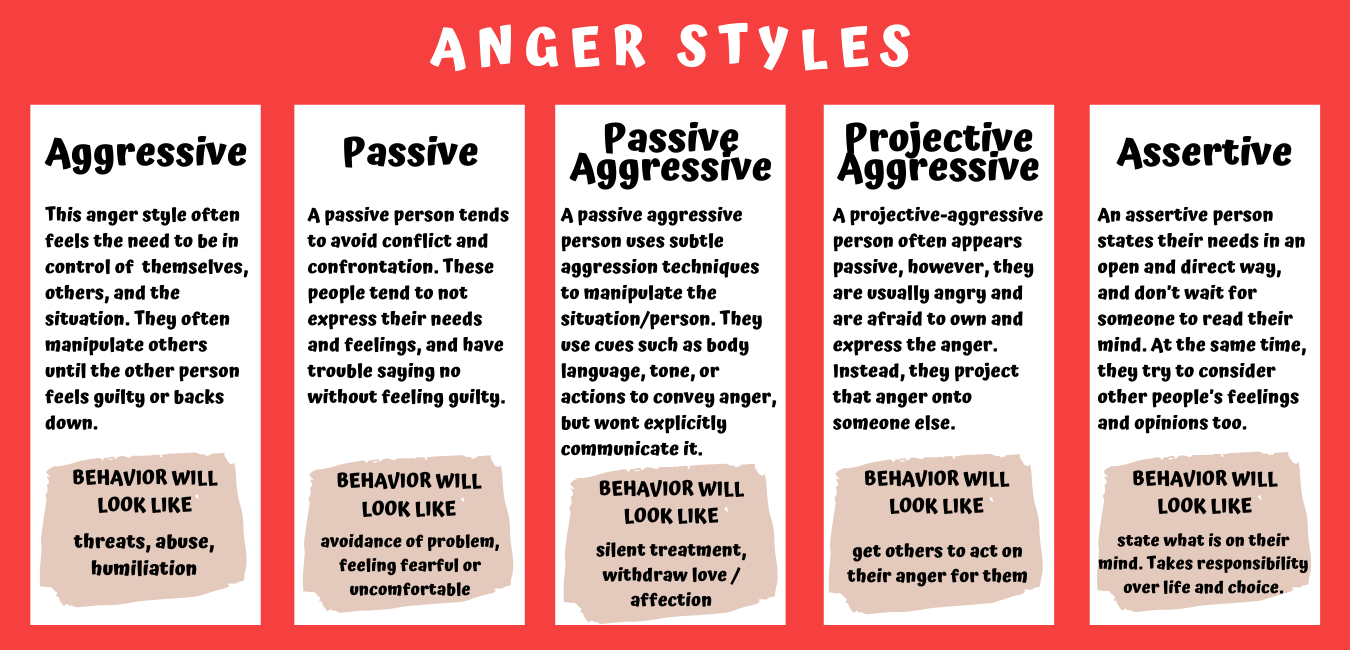
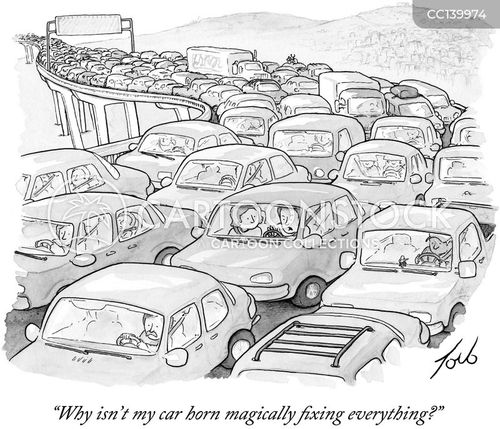
Are you angry with the pandemic? with your friend? your neighbour? your spouse? your colleague? yourself? Are you an anger erupt-or or an anger stuff-or? How does it impact your behaviour, your own mental and physical health? Did you know that anger reveals boundaries, anger heals trauma, anger inspires action? Anger is an emotion that is most hated, more than hate in the world and yet, there are ways to make anger our ally. Want to know how? read on.
Three Images For The Week

Two Thoughts For The Week
“Holding on to anger is like grasping a hot coal with the intent of throwing it at someone else; you are the one who gets burned.”
― Buddha
“The best fighter is never angry.”
― Lao Tzu
One Video For The Week
How do we create a healthier relationship with anger? Most of us either stuff our anger or we suddenly find ourselves erupting in rage. In this pioneering talk, Juna Mustad reveals how neuroscience and mindfulness techniques can help us unlock the power of the world’s most stigmatized emotion, anger. Juna Mustad has been coaching leaders and visionaries for the last 13 years to develop emotional intelligence, create healthy relationships and embrace their full potential. She works with individuals, groups and companies globally to develop mindfulness tools, foster leadership skills, and enhance overall wellbeing.
Juna is a coach, mindfulness facilitator, intuitive and Somatic Experiencing Practitioner. Through her work she offers an accessible, non-threatening approach to creating a healthy relationship with the world’s most stigmatized emotion.
Student voice :
Watch Out, She Has Opinions!
Men think women exist for them. Women exist to be attractive to men, to attend to men. In this world, you either be attractive to men or endure the jarring reality that you can’t have an opinion. Conventional attractiveness meaning, to conform to cultural norms of what is considered to be attractive. These norms are created by men and somehow define the amount of respect and value you merit as an individual.
As a woman, if you make the controversial decision to share your opinion on a subject, you will be immediately invalidated, unless of course, you are conventionally attractive. Men think we exist to be attractive to them. A man will only find a woman worthy of respect and dignity if she proves attractive to him. It is not only about looks, women are expected to be quiet, not sharing their opinion, just sitting there looking pretty. And if you are unattractive to them, definitely not! You cannot live and breathe as a normal human being.
As a 13-year-old who comes from a place of privilege in a country where many don’t, I experience such internalized beliefs very commonly. Such darknesses prevail amongst many. It’s just the little things that make me realize how common such things are. More respect is given to my friends because someone finds them more attractive is something I experience daily. It is not about being friends with them or anything, it is about the basic respect and dignity that every human deserves to be treated with. If a non-conventionally attractive woman shares her opinion, she is labelled as “crazy” and told to “calm down” and the problem at hand which angers her is thought of as not major and just another one of those things. I cannot tell you the number of times I have simply stated my opinion only to experience people telling me to “relax” and “calm down.”
When you switch genders in the situation the difference is huge. When a man throws a tantrum or states his opinion it is shown as normal and instead of being told to calm down he is praised and the issue at hand is demolished instead of him. Let’s take an example, when a woman is sexually harassed on a street by a man and loses her cool, people will immediately tell her to “chill” and “calm down” when no one approaches the man and blames him for causing the problem.
It may seem like the position of women has come a long way, but the sad reality is that it has, but only for conventionally attractive women.
- Written by a teenager who has an opinion 🙂
And Finally…
__________________________________________________________________________________________________________
Dear reader,
I have been a research scientist, a journalist and an educator for over 3 decades. I read and I write. With this weekly newsletter, I intend to share what I read, learn and experience while I engage with students, parents and teams of teachers across K-12 schools, higher education institutions and ed-tech organisations.
3-2-1 Tuesdays with Ms Niv is a newsletter for you to subscribe and enjoy your learning journey with me. This week, it consists of: 3 images, 2 thoughts and 1 video.
If you have created any material, virtual or physical that you think can be reviewed and/or featured in this news letter, please feel free to write to me at : niveditamukerjee10@gmail.com
Showcase:

This Newsletter is supported by:
3-2-1 TUESDAYS WITH MS NIV
Issue # 38 / March 30th , 2021
How do you find passion? If you do not have an articulated passion, how do you pick your career? if most jobs are going to be redefined with the Artificial Intelligence, Pandemic, Climate change, New world order… how does one even start out or preparing for one’s own or their student/child’s career? In the eagerness to define your passion – is it possible that you would end up prematurely foreclosing your own/your child/your student’s career choice? Have you kept scope for iterations in your career path? Here are some thoughts and tips for helping you move ahead in your process for making choices about career.
Start by answering these 5 questions as a good lead in to your interests:
- If I could choose one friend/neighbour/family to trade jobs with, I’d choose ____________, because ____________.
- If I would start my high school once again, I would choose ____________ as my subject/s because ____________.
- My friends and family always say they would like me to help them with ____________, because ____________.
- The part of my current job I enjoy most is ____________, because ____________.
- If I had free time that had to be spent “working” on something, I’d choose ____________, because ____________.
Please read and subscribe to this weekly newsletter here.
Three Images For The Week


Two Thoughts For The Week
“The only way to do great work is to love what you do. If you haven’t found it yet, keep looking. Don’t settle.” — Steve Jobs
“The future depends on what you do today.” — Mahatma Gandhi
One Video For The Week
Did you choose your career, or did someone else do it for you? Adult developmental psychologist and career counselor Sharon Belden Castonguay unpacks how personal identities intersect with cultural influences to unconsciously affect our choice of work—and how self-awareness will be the key to success in the Fourth Industrial Revolution. Sharon Belden Castonguay, EdD, is an adult developmental psychologist and career counselor with twenty years of experience working with professionals at all levels of their careers. She is the Director of Wesleyan University’s Gordon Career Center and the host of two podcasts, Careers by Design: The Interviews and First Year Out. Prior to joining Wesleyan’s team she was the Director of the Graduate Career Management Center at Baruch College’s Zicklin School of Business.
She has also served as a career counselor at Harvard University and at Boston University’s Questrom School of Business. Through her career consulting practice she has worked with many other top universities, and has been an invited speaker at Columbia, Dartmouth, Harvard Medical School, The New York Academy of Sciences, and Princeton, among others. She received her doctorate in human development from Harvard. She also holds an MA in Education from the University of Michigan and a BA in Government from Smith College.
Guest column:
I have done a simple job all these years
But I feel happy with their cheers
I feel proud when he plays with numbers
I feel amazed at her dream to go to outer space
I fumble when they ask me about AI and ML
I have done a simple job all these years
But I feel happy with their cheers
I have seen them cry and fight but still mingle
I have seen their fears in their tears
Many touched my heart and many my feet
I have done a simple job all these years
But I feel happy with their cheers
I entered their life as their teacher
They gave me love to cherish for years
And come back to me when they want me to be their preacher
With teaching as a profession changing forms, the teacher’s role demands on going skill development to cope with technological advancement and the growing needs of the students. My course ‘Career Guidance – Facilitator’s Guide to Classroom Discussions’ has been designed to aid the teacher with tools to address the career planning needs of their students.
Check the course : https://www.firki.co/courses/course-v1:Fermata+MCG_07+MCG_07/about
I am reachable at harmeet@fermata.co.in to answer your queries.
And Finally…

_________________________________________________________________________________________
Dear reader,
I have been a research scientist, a journalist and an educator for over 3 decades. I read and I write. With this weekly newsletter, I intend to share what I read, learn and experience while I engage with students, parents and teams of teachers across K-12 schools, higher education institutions and ed-tech organisations.
3-2-1 Tuesdays with Ms Niv is a newsletter for you to subscribe and enjoy your learning journey with me. This week, it consists of: 3 images, 2 thoughts and 1 video.
If you have created any material, virtual or physical that you think can be reviewed and/or featured in this news letter, please feel free to write to me at : niveditamukerjee10@gmail.com
Showcase:
This Newsletter is supported by:

3-2-1 TUESDAYS WITH MS NIV
Issue # 37 / March 23rd, 2021
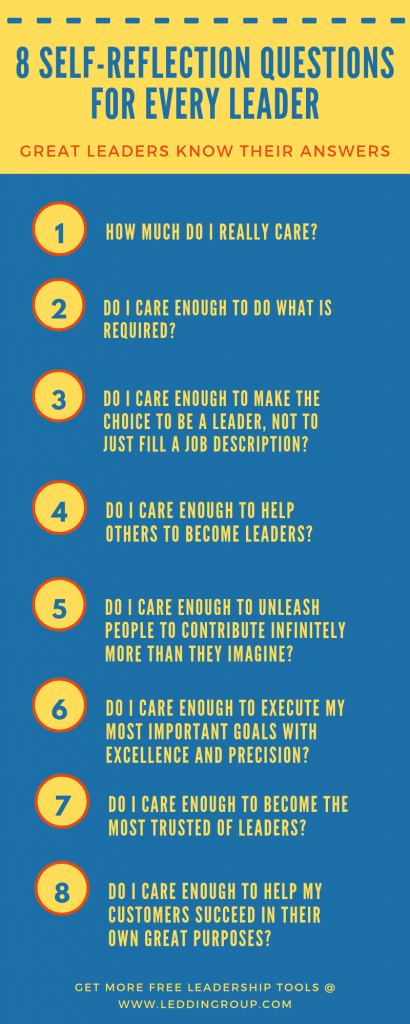
It is the end of the academic year in most schools in India. March of 2021. It is also the end of a year like the teachers (and students) have never seen before. Education has been one of the sectors that have been impacted most in the unprecedented year of pandemic. We will carry forward a lot of learnings from this year. A good time to have a deep dive into what would be some of the things we valued most, some that we learned, some that we were frustrated about. A time for reflections. Here are some templates that school leadership, students, and teachers might find useful.March is also the month for acknowledging and supporting fellow human beings with the extra chromosome, those with Down’s Syndrome. Don’t miss the guest column by Dr. Nandini and her colleague Dr. Priya from the Center for Child Development and Disabilities, CCDD, and the ted talk incredibly inspiring Karen Gaffney.
Read and subscribe this weekly newsletter.
Three Images For The Week


Two Thoughts For The Week
“Do what you have to do until you can do what you want to do.” – Oprah Winfrey
“Many of life’s failures are people who did not realize how close they were to success when they gave up.” – Thomas A. Edison
One Video For The Week
Karen Gaffney left the Rose City and the World in awe with a captivating talk that explored the history, current state and progress of Down Syndrome. Her idea? Inclusion. Further, we must refine our vocabulary and eradicate “the R word” as the word “retard” has no place in our daily language. Karen is the President of a non-profit organization dedicated to championing the journey to full inclusion in families, schools, the workplace, and the community for people with developmental disabilities. She graduated from St. Mary’s Academy in Portland, Oregon, and earned a two-year Associate of Science degree from Portland Community College. Karen has also been awarded an honorary Doctor of Humane Letters degree from the University of Portland on May 5th, 2013, for her work in raising awareness regarding the abilities of people who have Down syndrome. She is a fearless open-water swimmer having successfully swam the English Channel, escaped Alcatraz (16 times) and conquered Lake Tahoe in 59-degree water. Karen swims to raise funds and awareness of what people with Down syndrome can do. http://www.karengaffneyfoundation.com/
Guest column :
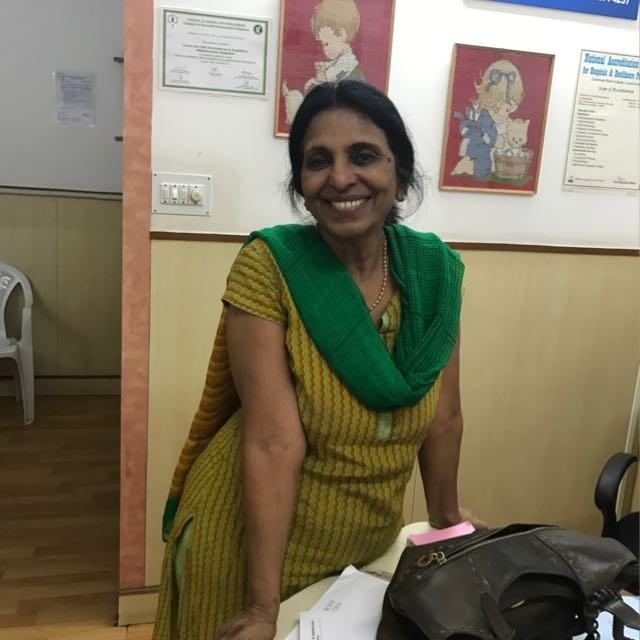
March 21 st every year is observed as World Down Syndrome Day. Down syndrome was discovered as early as 1866 and thereafter, many advances have been made in the understanding and management of the disease.
With early antenatal diagnosis, the incidence of Down syndrome has decreased, with the current incidence of 1 in 850-900 live-births in India. The clinical presentation is variable, across the spectrum. However, children do face issues across all age groups. Currently, with the advanced medical management by specialists across all elds, there has been an increase in the life-span of children with Down syndrome. However, a lot more focus needs to be given with respect to improving their quality of life beyond the medical perspective.
Each child needs an individualised care plan to help improve their quality of life, and to optimise their potential. Let us pledge to understand them better , nurture their abilities and make it an inclusive society to accept them as one among us.
DR NANDINI MUNDKUR, MD DIRECTOR CCDD FOUNDER SANGAMITRA CO-FOUNDER TOTSGUIDE
EARLY INTERVENTION IN DOWN SYNDROME
Children with Downs syndrome are frequently referred for Physiotherapy as almost all of them suer from motor developmental delay. Their physical development is characterised by:
- Moderate to Severe Hypotonia
- Increased joint mobility leading to poor joint stability
3. Abdominal weakness
4. Prominent extensor posturing (overusing upper back) leading to poor flexor patterns (forward bending) 5. Short neck leading to poor neck mobility and stability
6. Poor core strength leading to wide based sitting, standing and walking
When the diagnosis of the child is confirmed clinically, parents have to be advised regarding the clinical picture of these babies. Cautious handling due to poor joint stability especially of the atlanto- axial joint instability needs to be informed to the parents.
| Although it is natural to have delayed milestones, early intervention can make a phenomenal dierence in the quality and pace of motor development to make way for other aspects of development to hasten too. |
Early intervention in Downs syndrome involves a combination of motor, sensory, oro-motor, visual and cognitive interventions.
Children with Down Syndrome often present with persistent chewing diculties due to low tone in the cheek muscles and poor tongue control. They need oro-motor interventions to facilitate good chewing and swallowing of food. Oro-motor interventions will also help the babies control oral behaviours like drooling, mouthing of objects and frequent tongue protruding behaviours. They would need prolonged speech therapy to improve clarity of speech.
Down syndrome is often accompanied by gastrointestinal disease, occurring mainly in early infancy and frequently requiring therapy. Early diagnosis of gastroesophageal reux in these babies can prevent respiratory problems, nutritional deciencies in childhood and growth retardation.
Positional and mobility based interventions help in managing the symptoms of GERD in babies and help them in prevention of pain, heartburn and frequent vomiting.
Early and consistent interventions can help babies with Down Syndrome attain optimal levels of functioning and improve their quality of life drastically.
Dr. Priya Kuberan, MPT Neurosciences Consultant Physiotherapist CCDD, Bangalore
For more on this please click on http://www.totsguide.com
And Finally…
Dear reader,
I have been a research scientist, a journalist and an educator for over 3 decades. I read and I write. With this weekly newsletter, I intend to share what I read, learn and experience while I engage with students, parents and teams of teachers across K-12 schools, higher education institutions and ed-tech organisations.
3-2-1 Tuesdays with Ms Niv is a newsletter for you to subscribe and enjoy your learning journey with me. This week, it consists of: 3 images, 2 thoughts and 1 video.
If you have created any material, virtual or physical that you think can be reviewed and/or featured in this news letter, please feel free to write to me at : niveditamukerjee10@gmail.com
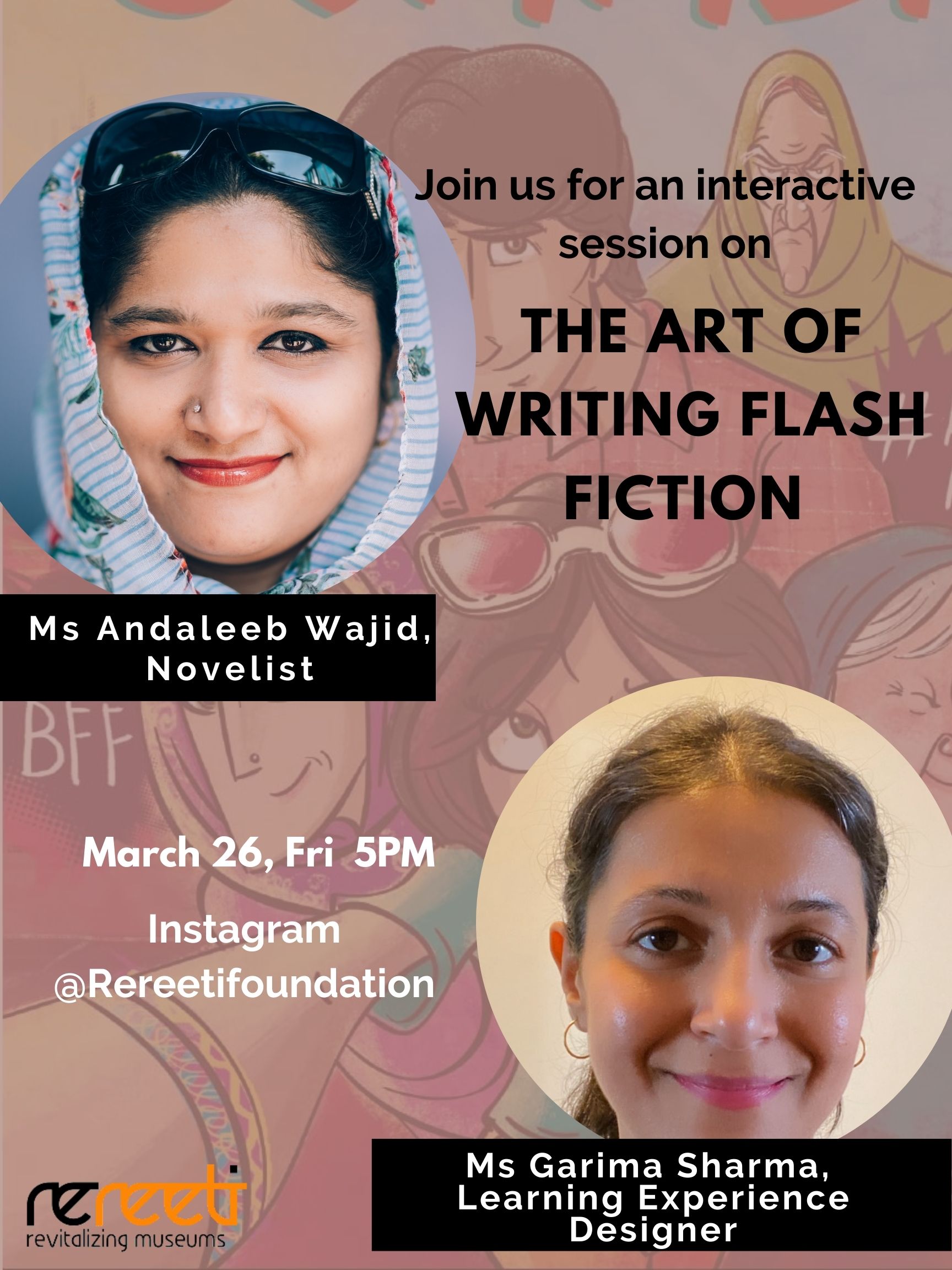
Showcase:
This Newsletter is supported by:
 Nivedita Mukerjee