Nivedita Mukerjee
Education consultancy for parents and schools
3-2-1 Tuesdays with Ms Niv
Issue # 009, September 8, 2020
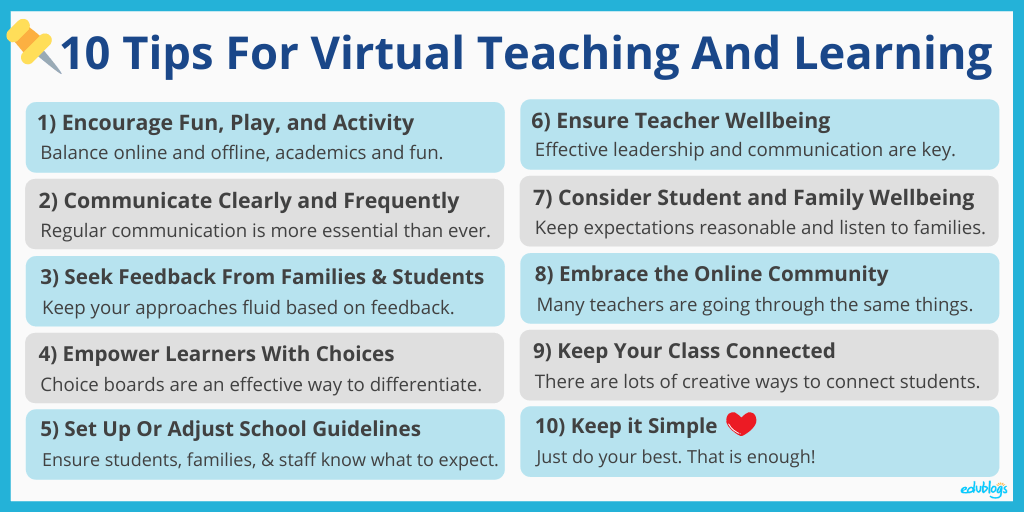
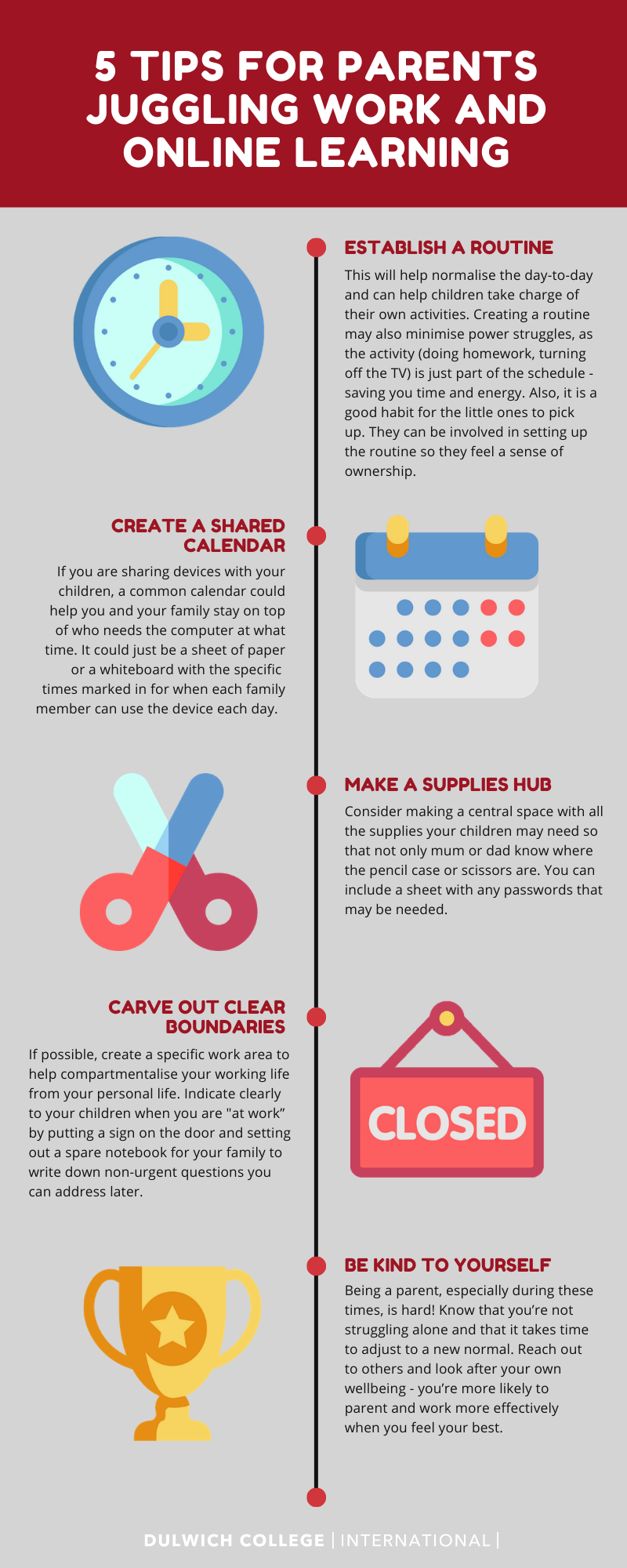
Are you aware how your mind reacts to loneliness, failure, rejection and understand how to practice emotional first aid? Have you considered making a supplies hub at home with the things that your children come to you most of the time for, that they can access without help from mom and dad? Check out the new playbook of Common Ground Collaborative Founding Director Kevin Bartlett who reimagines education such that everyone wins. Don’t miss listening to the lovely children’s action song “Chanaa kisne boyaa” with Sonal this time in and finally.
Subscribed to this weekly news letter yet?


Three Images For The Week
For Educator, Parent and Student. The Holy Trinity of eduction today.

Two Thoughts for The Week
“The roots of education are bitter, but the fruit is sweet.” Aristotle
“Education is the most powerful weapon which you can use to change the world.” Nelson Mandela
——————————————————————————————————————————————-
One Video For The Week
Loneliness creates a deep psychological wound. It distorts our perceptions and scrambles our thinking. We sustain psychological injuries more often than we suffer physical ones. Injuries like failure, rejection, loneliness, despair. Injuries that get ‘infected’ worse, if we ignore them. Right? They can impact our present and future lives in a dramatic way. Oh you are feeling sad? Just shake it off! It is in your head. Even though we know of scientifically proven ways to address them. We don’t ask a person with a broken leg to walk it off! There is need to practice emotional first aid. Guy Winch tells us why.
Guest column :


The game in question is ‘The Learning Game’ – not too far-fetched a metaphor for what goes on in schools. As we navigate through the unprecedented challenges of COVID-19, it seems that a lot of us are looking for a new playbook.

If we play with the metaphor, it’s not hard to see that for our students, in terms of lifelong impact, learning is really the only game in town. How odd then, that we never teach them how to play. Some students work it out and become, by the norms of schooling, the winners. Many don’t….and you know the rest.
Now let’s re-imagine learning as a game where every learner is a winner, which is the least they deserve and the least their parents expect.
Speaking of parents, learning is the only game where they are utterly excluded from the secret codes of the game. We say, ‘We need to educate our parents’, but we somehow don’t get round to it. Imagine how the game would be if parents were equipped as well-informed players.

Of course, in order to teach key aspects of the game to our students and parents, we’d have to understand it ourselves. We’d need a clear, common, communicable way of getting the game organized.
The Common Ground Collaborative (CGC) has spent the last 10 years doing just that. Moving learning and schooling from complexity to clarity, from compliance with things we don’t believe in to co-creation of things we do, from silos to systems. Moving to one connected Learning Ecosystem, in fact. Everything to do with learning, teaching and assessing simplified, synthesized, systematized.
As a methodology for this work, we used inquiry, puzzling away at the four essential questions that framed the challenge: Define: What Is Learning? Design: What’s Worth Learning and Why? Deliver: How Do We Build Learning Cultures? Demonstrate: How Do We Show What We’ve Learned? 4 D’s = 1 Learning Ecosystem.
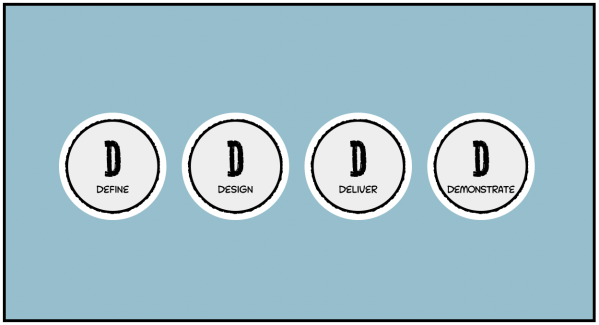
Along the way we created a definition of the learning process that is clear and simple enough to drive the processes of teaching and assessing and to provide a shared learning language with students and parents, inviting them off the bleachers and into the game. Conceptual, competency and character learning; we are building experts in all three with clear, practical strategies.
We came up with a compelling answer to the Design Question, ‘What’s Worth Learning…and Why?’ with a Conceptual Map of learning organized under 6 Human Commonalities, shaping a connected Learning Matrix comprising Learning Modules driven by Compelling Questions. At the time of writing we have 70+ teachers worldwide co-authoring sample Learning Modules in multi-school teams in the CGC Home Hackathon. We include student voice and choice by inviting them to self-write Modules in response to the question, “What Would You Fight to Learn?”. We have tackled methodology by establishing shared Learning Principles and translating them into Learning and Teaching Practices, and developed simple, qualitative Self-Assessments for students.

We wrestled the learning design dilemmas to the ground one by one until we had the system completed and connected. As we did so, we were addressing, in advance, the issues that COVID19 has raised: the student who has to self-regulate overnight without the necessary competencies, the parent who goes from bewildered outsider to home educator in that same blink of an eye. The school that realizes that less had better be more because we can no longer even pretend to cover all this stuff. The need for a common language and shared principles to turn loose assemblages of people into true learning communities.
The whole picture of this work is now available in an unusual genre for learning work, a graphic novel entitled The Learning Playbook. For those who want to play with these ideas, get in touch. The CGC team is eager to share. These are tough times in the learning game but what better time to take a long, hard look at how we’ve been playing, and to build a radically different Playbook? kevin@thecgcproject.org
Parent Speak :
Sarbani Das, a parent and a teacher.
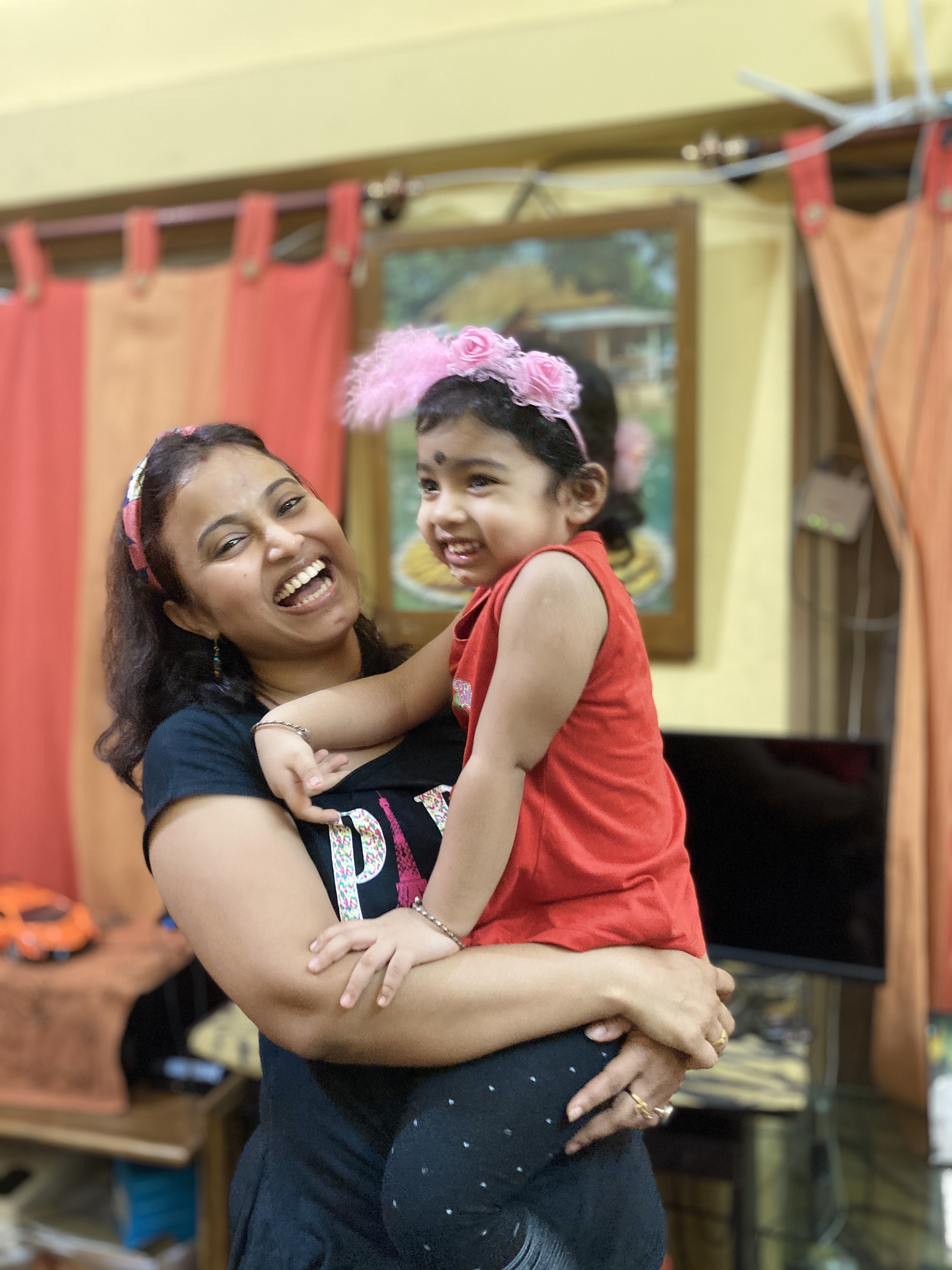
Are you finding it tough managing your little Columbus always at home now? At times, managing remote work and a super active preschooler at home can be stressful and frustrating. But considering there is no other option, I would like to think positively and take this as a learning opportunity.
As a teacher, I have seen parents doing wonders in their child’s education and development. Presently, I am also trying to do my part efficiently and effectively. I do a lot of talking with my daughter. I tell her stories, ask her to use golden words whenever there is a need, and ask simple questions (like – Where are your shoes? Or how are you? Or what is your name? etc). I always encourage her to answer in full sentences.
Is only talking enough to manage a toddler at home? No.
I read books to her. I have seen she becomes super happy whenever she sees a new book. In fact, I have bought almost all the books of Eric Carle. And she is kind of obsessed with ‘The Very Hungry Caterpillar’. If I am busy with something, she does picture reading. Sometimes, she asks me a lot of questions and I love to answer. We play, build things, and solve many picture puzzles together. Actually, I try to engage her in different activities to develop some of her 21st-century skills.
Do I always think positive? Don’t I get stressed or frustrated?
I am a human being and make my share of mistakes quite often. There comes the role of my super supportive family; without which I would have not got the strength and optimism to manage a super active toddler at home along with my work.
Student voice:
Pihu Sarraf, student of Grade 7
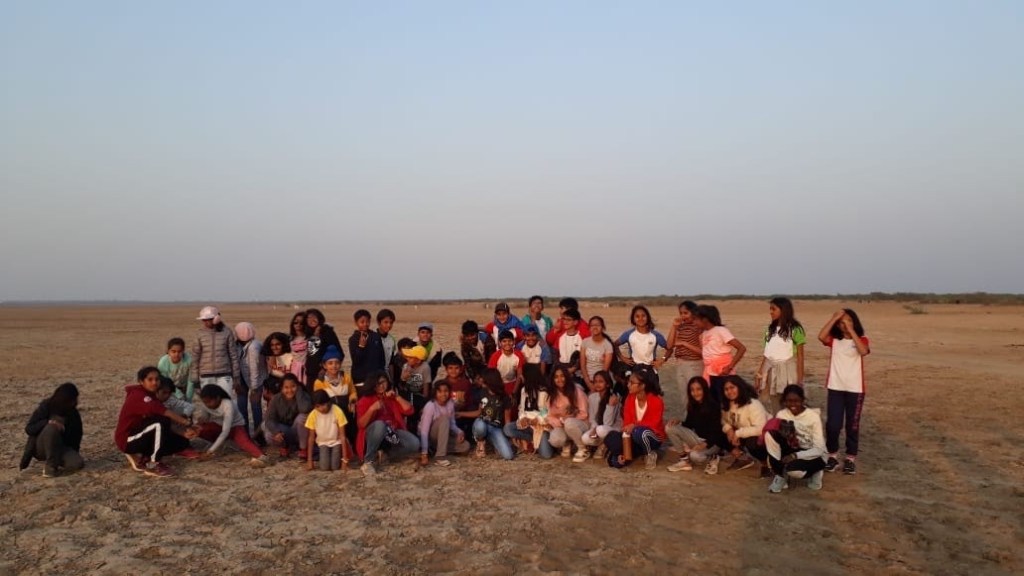
Online learning may be the “need of the hour” and the most practical option right now but never will it bring me that feeling – I felt going to school.
I often used to take school for granted. During these troubled times, I have understood the privilege that is associated with education. Learning about the importance of education makes me think way more highly of it than I did before. I have found myself not wanting to accept that I am no longer in Grade 6 which was without a doubt one of the best years of my life. In 6th grade, I learnt so much about hard work and feeling accomplished. Going to school in general, being on campus causes me to experience an indescribable roller coaster of emotions.
Going to school and being around my friends made me feel extremely satisfied. I had an uncontrollable smile painted on my face and laughed endlessly at absurd things throughout the day. I was genuinely very happy.
I miss climbing up the three flights of stairs to reach my classroom which I never thought I would. I miss doing the homework that I forgot last minute. I miss sharing my lunch with my friend and laughing my head off during that one hour break we got. I miss filling in my diary with the day’s homework. I understand that online learning has very well taken care of our minds, but what about our hearts?
Showcase:
(An Advertorial)

Team Fermata is hosting “Career Gym” conference 2020 with an objective of building awareness around lesser-known but lucrative career options that many families are not aware of.
In this Conference, we expect 14-24 years young adults and their parents, to shortlist and attend topics of their interest and topics you want to know more about. We shall be covering 21 career domains in extensive details via 19 very renowned practising career experts.
Students and parents can register and can interact with experts. In addition, we are offering a Free personalised career assessment report along with 30 minutes of FREE career counselling session with an expert, worth Rs 3000, as part of the registration costing only Rs 999.
In the past, we have worked and changed lives of 1000’s of students. A time during and post-COVID requires us to go an extra mile and help students become even clearer of their career choice.
Shortlist your 10 best topics and block your time.
More about the conference, speakers and registration can be checked here: http://fermata.co.in/event/career-gym-2020.html#
About Fermata: Fermata Consulting is a 12-year-old organization headquartered in Bangalore. The Career Counseling vertical is 3 years old and the team works with 13-30 years old young adults, helping them design/redesign their career path.
The team comprises of career counsellors, psychologists, mental health professionals and industry experts with an average experience of 25 years each. The team has served clients in India and abroad.
And to register please click on this registration link – https://imjo.in/vTSTG5
_______________________________________________________________________________________
And Finally
A delightful set of stories and songs from Sonal Chawda, a preschool expert and consultant. Happy teachers day once again. Hope you all had a great one with your colleagues and students, not to miss out on parents as well who have been co-teaching with teachers this year, more than ever. Enjoy!
If you have created any material, virtual or physical that you think can be reviewed and/or featured in this news letter, please feel free to write to me at : niveditamukerjee10@gmail.com
I have been a research scientist, a journalist and an educator for over 3 decades. I read and I write. With this weekly newsletter, I intend to share what I read, learn and experience as I continue to engage everyday with students, parents and teams of teachers across K-12 schools, higher education institutions and ed-tech organisations.
3-2-1 Tuesdays with Ms Niv is a newsletter for you to subscribe and enjoy your learning journey with me. Most of you would have been too busy to track trends in education, ponder on most relevant thoughts or deliberate on career choice, parenting or pedagogy. Find it all here. This week, it consists of: 3 images, 2 thoughts and 1 video.
For whom? Students, educators and parents
When? Every Tuesday
Where? my blog post, register with your e-mail id, it is free.
If you want to contribute an article, are organising an event, have a product that you think can be reviewed and/or featured in this news letter, please feel free to write to me at : niveditamukerjee10@gmail.com
Please like, subscribe, share, comment. See you next week.
This weekly newsletter is supported by:




And:



3-2-1 Tuesdays with Ms Niv
Issue #008/ August 1, 2020
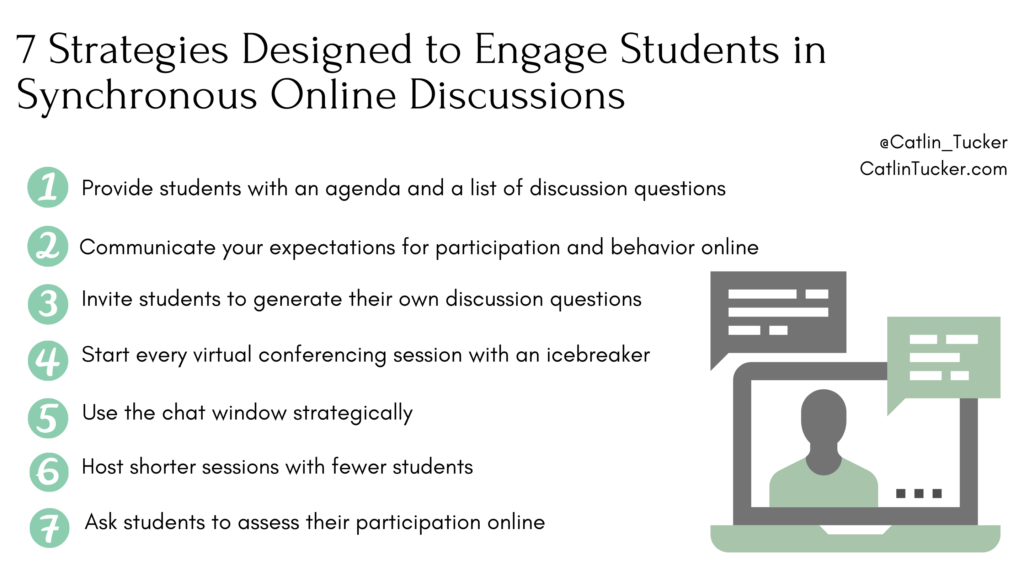
Low on data and storage while teaching and assessing? Use WISE app. It is free. One of the great stories featured in Atma Nirbhar Bharat, meet Mubeen, the young social entrepreneur and educator. Synchronous online classes? Find some strategies to ensure student engagement. Having trouble communicating with your child’s teacher? Get some quick tips. The onus of making a child attend his classes from home seems to rest on the parents. The teachers are struggling to switch to a newer method of connecting with the students, dealing with technical challenges, where most of the children score a brownie point. How do we approach this quagmire? Read the guest column to get some advice from Mohana, a counsellor.
Three images of the week
For Educators/Parents/Students. The holy trinity of education.

Two Thoughts For The Week
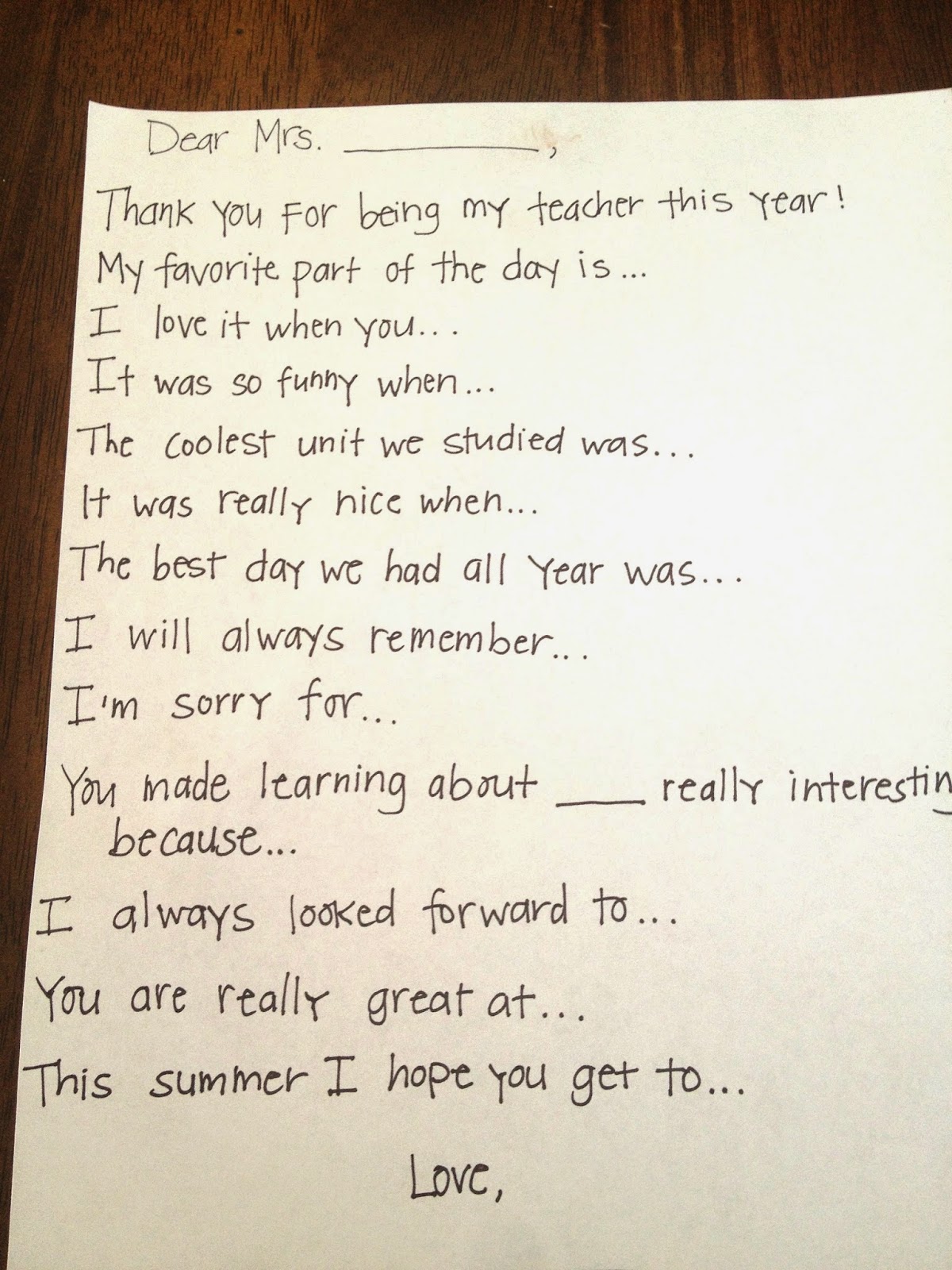
“Teaching is a very noble profession that shapes the character, caliber, and future of an individual. If the people remember me as a good teacher that will be the biggest honour for me.” – A. P. J. Abdul Kalam
“I have always felt that the true text-book for the pupil is his teacher.” – Mahatma Gandhi
Happy Teachers Day!
One Video For The Week
Guest column :
“ It is easier to land on the moon than to change the school system”. I couldn’t help thinking how true this statement is, more so in the days of today, when even a normal activity like going out is plagued with anxiety. As I have worked in various schools, I got to experience the different schools of thought one had about education, but one thought was global: The responsibility of education seemed to rest on everyone else but on the children themselves. And so, the more the children were loaded with learning material, the better the adults felt they were doing their jobs well. But was learning happening I wonder? And taking this perspective in this day of Online teaching, things have only become worse.
The ultimate goal of education system is to shift to the individual the burden of pursuing his education, said John Gardner. But are we doing that today? The onus of making a child attend his classes from home seems to rest on the parents. The teachers are struggling to switch to a newer method of connecting with the students, dealing with technical challenges, where most of the children score a brownie point. So the only way the teachers can cope is to just flood the children with enough work to keep their noses to the grindstone, even when the computer is turned off. Children are so frustrated and overwhelmed by the deluge of work that some of the parents end up doing projects for them. They do not even seem to have time to watch a show, and if it is not classes online, it is tuitions online. And with so much of mandatory screen time, do you honestly think they would be allowed to watch entertainment shows on TV? So this conflict results in a lot of power struggles at home, leaving both the parents and children highly helpless and frustrated. Parents do not have the option of suggesting outdoor activities for these children, even if they make out time from their academics.
Education is what remains after one has forgotten what he has learned in school. It does not need a genius to recognise that, but a genius said it for sure. Albert Einstein was incredibly frustrated by the mechanical discipline of the schooling system. I wonder if it is any different today?
I have been suggesting board games, like Taboo, Ludo, Scrabble, Cleudo, card games that are mentally stimulating, and a lot of pencil and paper games, which the family could get to play together. This also helps in bonding – a fact sadly lacking today in times of both parents working and latchkey children. With the working parents also stuck at home, it is also a way of de-stressing for them. I have had parents who have come back to me extremely grateful that they have been able to devise ways of weaning their children away from video games, and thus also getting to spend family time together. One mother excitedly messaged me saying she did not even know she had half a dozen of these games tucked away in their study, received as gifts but never opened!
How is this connected to education you may wonder? Well, as John Holt said, Learning is not the product of teaching. Learning is the product of the activity of the learners. And what is lacking in today’s education system is just that: Learning. Learning life skills, social skills, and soft skills of healthy competition, learning to give in gracefully when losing a game, learning to step aside to make way for the less fortunate and the like. And while a child may not score A+ in his assignment, he definitely goes to bed less stressed, more happy and more connected with the world than a child who is taught that the only way to get ahead in life is to compete: not with self but with all the others around him.
So can we also have our teachers make learning more interactive and interesting? An experiment in a school in Mallapuram Kerala, using augmented reality to teach children, is a case in point. They are able to have children wanting to attend classes, where they see the solar system, learn about astronomy, and other facts which would otherwise be dull and drab if just taught from a text book.
Instead of complaining about how education is happening today, why don’t we take advantage of the situation and make it more interesting for the children?
Parent Speak :
Rekha Srinivasan, a parent and a marketing professional
From a strict mother to a cheerleader 
Born in a big family of 4 siblings and 25 cousins, I grew up in a strict atmosphere but my life was filled with fun, sacrifices, giving, adjusting and compromises. Whatever I am today is because of the strict and disciplined upbringing of my mother.
When I became a mother, I had a strong conviction to bring up my daughter with great discipline. I decided on the dress that she wore, her hair style, her hobbies etc. My girl was such an obstinate youngster; she would consistently fight back even at that age and I would constrain my sentiment on her. There were days when I would get calls from the school that my little girl is grumbling of stomach pain; however the explanation would be I had put a hairstyle which she didn’t like. She would come home with her rubber bands pulled out and I would get mad at her! At every step there was a challenge and my YES would be her NO.
Soon, I got so drained that I abandoned battling for little things. I began to change myself as opposed to evolving her. I slowly allowed her to do what she liked. My attention changed on imparting great qualities in life instead of focusing on insignificant things. I started talking her language, discuss her likes and dislikes and gave space to do what she liked and at the same time explained the consequence of a particular action and left her to decide and make choices in life. I had instilled lot of fear about me in her heart and I worked out to remove those fears. I understood that the only way I can draw her near is to converse with her as a friend. I would listen calmly to her crushes, her feelings of fear, and her questions and clarify everything with a fair-minded and non critical demeanour. She began to share everything uninhibitedly with me. The nights would be the best time of sharing with laughter and fun. Slowly, I started becoming her cheer leader appreciating, encouraging, acknowledging and empowering for what her identity is! Today the bond that we share is something different.
As she will approach her sweet 16 this December 31st, I am overjoyed to see how she has evolved as a wonderful young lady making her choices independently, while sharing her thoughts with me and asking for my suggestions. As her life progresses, she may fall and fail but I would always stand by her as a cheer leader.
My 2 cents for all the mothers – give your child their space, in that space teach them values and be their cheer leader at all times.
________________________________________________________________________________________________________
Student voice :
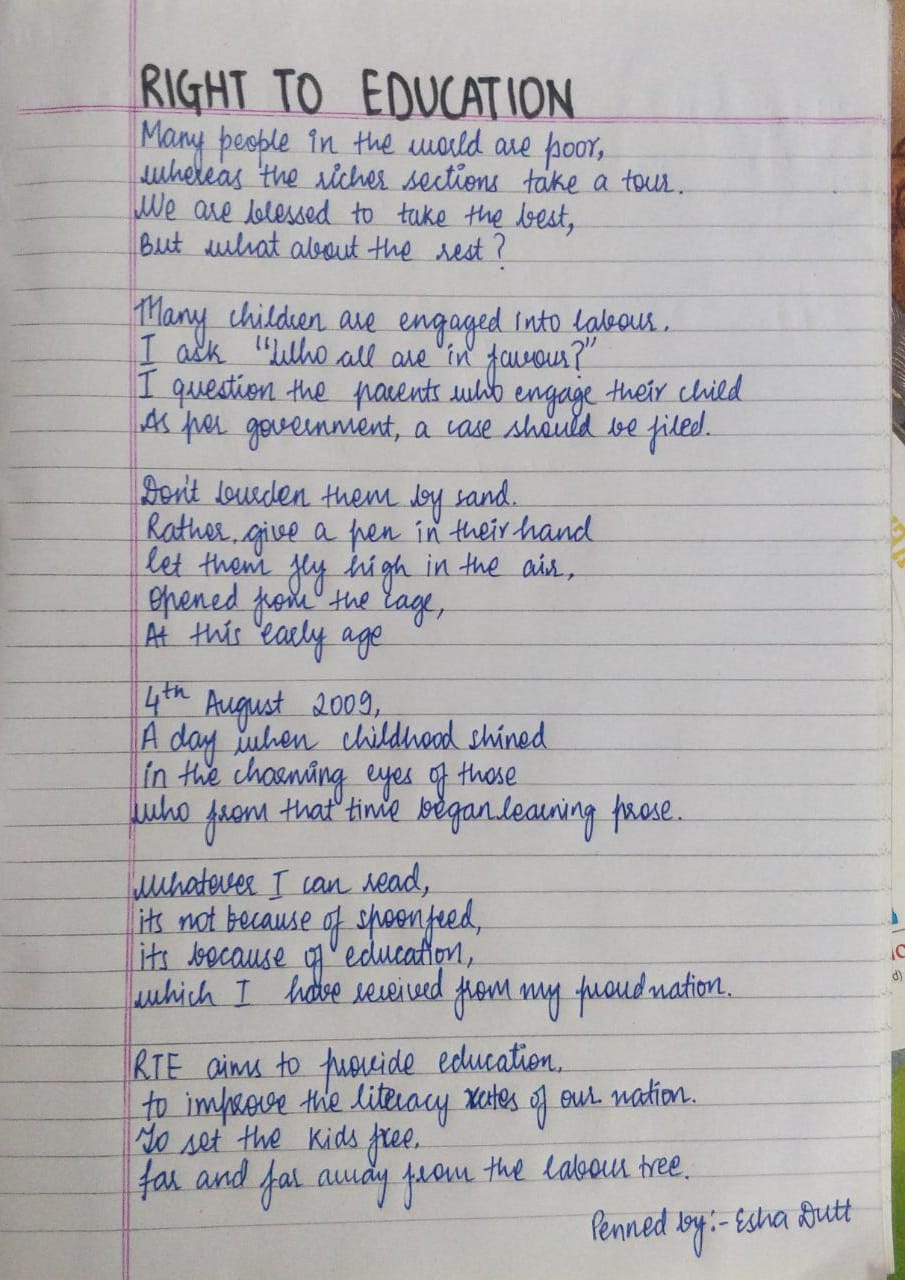

Esha Dutt penned this while in the 10th Grade.
She is now in grade 12.
Showcase:
Wise App: Making online teaching more effective and hassle-free. Works on low internet bandwidth. Free of cost!
WISE App is a digital tool set which enables teachers to conduct online teaching in an effective and comprehensive manner. It enables a teacher to take live classes, send/receive homework/assignments, facilitate discussions and share study material all at one place. Additionally, after every class it generates a downloadable attendance report. It is extremely simple to use and works on low internet bandwidth. It is free of cost.
WISE was created by two IIT Bombay Graduates, Bilal Abidi and Mubeen Masudi. While Mubeen has ben an educator himself for 8+ years, Bilal has worked across multiple tech start-ups. WISE has been created with an aim to democratize education by empowering teachers with the right set of digital tools. WISE has been designed in a manner so that any teacher in India can comfortably use it. WISE was launched in last week of July and currently more than 2000 teachers from across the country are using it to teach their students online. It has been lauded by the Education minister of the country and the MHRD, India. It is Government of India’s one of 74 “Atma Nirbhar Bharat” stories.
It is available for download from both, the android’s playstore and the iOS’s app store.
Download the application
Android: https://play.google.com/store/apps/details?id=com.wise.app
Apple: https://apps.apple.com/app/id1525875644
Web: http://www.wiseapp.live
Go through the videos on how to use here: https://www.youtube.com/channel/UCu8h72x3qD5DbAtM6JMtOsw




And Finally :
If your teens (or yourselves) have had enough of sudoku/online games/puzzles, take a break for some highbrow colouring. Museums and libraries around the world make colouring books based on their collections.
http://library.nyam.org/colorourcollections/
There are more than 500 colouring books you can print out as pdf that will tickle your right brain 🙂


3-2-1 Tuesdays with Ms Niv
Issue #007/ August 25, 2020
-
What kind of praise is ineffective, useful or powerful for your student?
-
Do you over-hover during your child’s online class session?
-
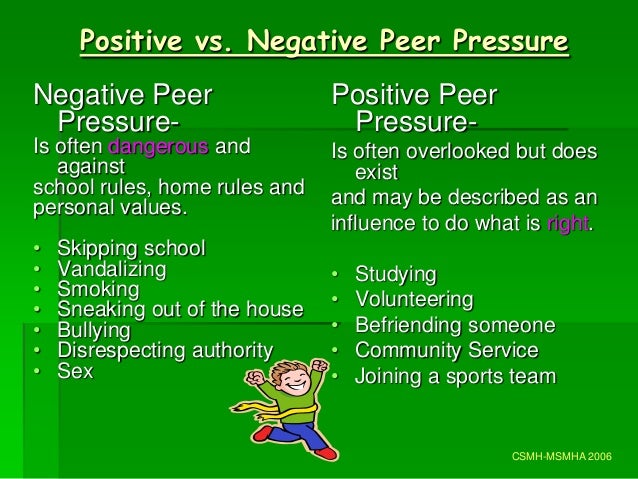
Is peer pressure always negative? Do schools kill creativity?
Find pointers to these and understand computational thinking in a nutshell from a teacher and researcher in the Cambridge University and Microsoft Research Labs.
Three Images For The Week
For Educators Relative effectiveness of the four levels of feedback (adapted from AITSL and E4L, 2017; Evidence for Learning, 2020; Hattie & Timperley, 2007).
For parents 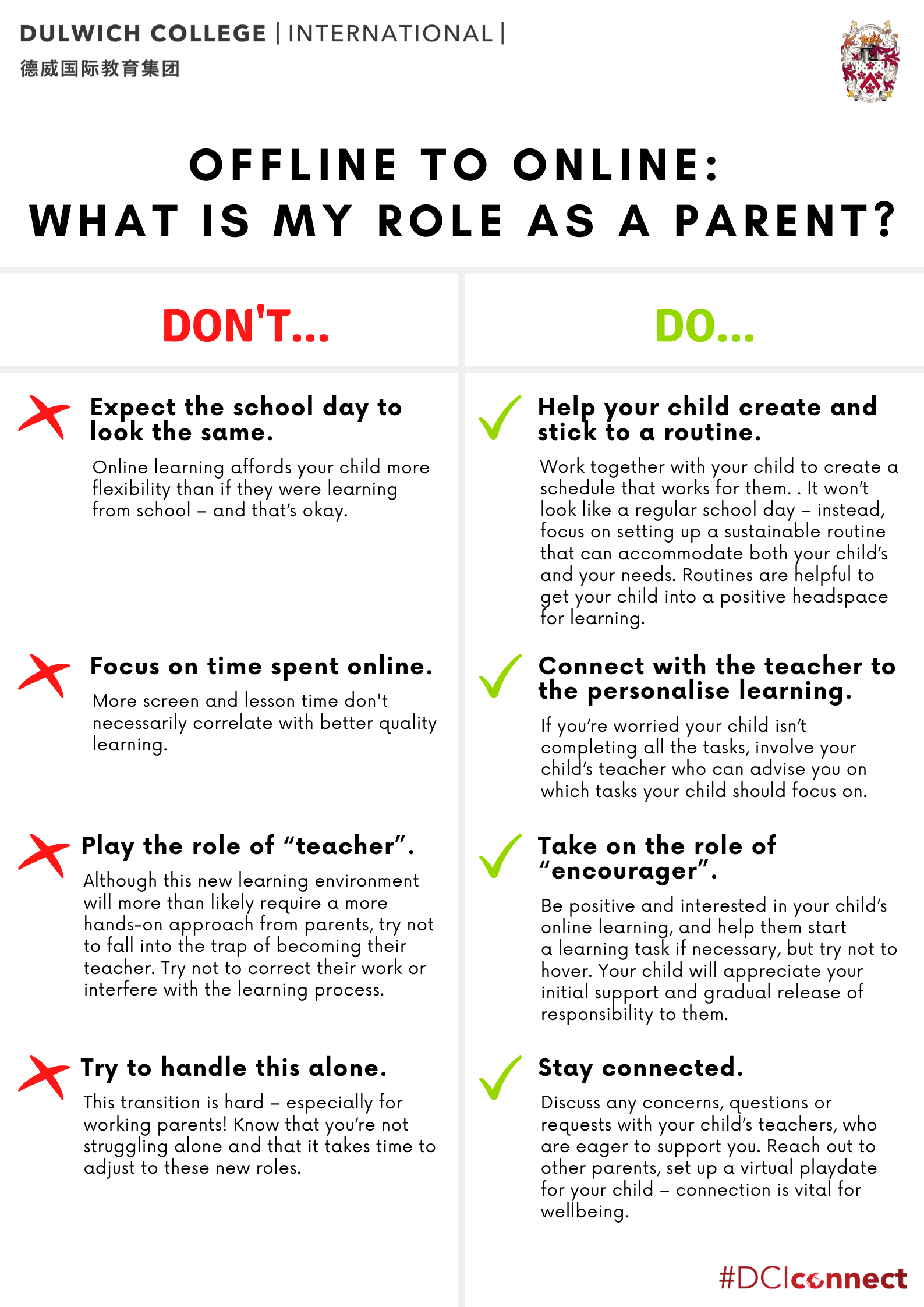
For students
Two Thoughts For The Week
“Give yourself time to learn something new and good, and cease to be whirled around.”
—Marcus Aurelius, Meditations
“When I get a little money I buy books; and if any is left I buy food and clothes.”
—Erasmus
One Video For The Week
In Memoriam
Sir Ken Robinson has died. He was the most watched speaker in TED’s history, with his 2006 talk ‘Do Schools Kill Creativity?’ being viewed online over 60 million times and seen by an estimated 380 million people in 160 countries. Here is a link to his site http://sirkenrobinson.com/
Guest column
Computational Thinking in K-12 Education
Dr. Advait Sarkar 
In recent years, we have seen a flurry of revisions to computing curricula around the world, led by Israel, whose model (broadly speaking) has now been adopted in the UK, South Korea, New Zealand, Australia, Germany, Denmark, and others. The new curricula de-emphasize IT proficiency (such as learning how to use the internet, word processors, etc.) and pull focus towards programming, algorithms, and deeper computing knowledge. In some ways this can be viewed as the discipline of computer science ‘coming of age’ and claiming its legitimacy and primacy as a subject for K-12 education. Its proponents argue that computing is so important and influential that every citizen deserves to have more than a mere superficial understanding of it. The objective is to develop students’ agency in computing that reframes their computing experience from being something that happens to them, as users and consumers, to something that they can understand, influence, produce, and participate in.
‘Computational thinking’ (CT) lies at the core of computer science’s claim to disciplinary legitimacy. What is CT? For starters, it’s not ICT (“information and communications technology”) — that is, the skills necessary to use computers and popular software — although that is important too. Is CT programming? Not quite — while all modern CT curricula incorporate a substantial amount of programming, it’s important that computer science should not be equated with programming, or vice versa. In fact, computational thinking is a set of abstract thinking and problem solving skills that can be learnt and understood even without access to computers (using materials created by the CS unplugged program, for example). These skills include: using abstractions to represent a problem; breaking down problems into smaller parts; and identifying potential solutions that achieve the most efficient utilisation of available resources.
It can be argued that these abstract skills are not unique to computing: using abstraction and decomposing problems are skills taught in maths, science, numerous engineering disciplines, and design thinking, as well. For example, all of K-12 mathematics already teaches children a series of steadily more sophisticated abstractions: using numbers to represent known quantities, symbols for operations, letters for unknown quantities, diagrams for real-world scenarios, and so on. Physics and chemistry each rely on breaking down problems, showing that many natural phenomena can be explained by considering the behaviour of their constituent materials: atomic particles and energy.
So what is different about computing? It’s quite simple, really: the computer. The computer can be considered an assistant who can execute instructions for you with high speed and perfect memory. Computational thinking teaches abstraction and problem solving, but specifically in the context where you have access to such an agent.
For example, a mathematics student might be interested in learning the rules for solving for X (the unknown) in an equation, but a computing student would be more interested in crafting instructions for a computer to solve many equations. The traditional way to solve an equation taught in schools involves ‘rearranging’ the equation until you have isolated X on one side of the equation, and can then calculate the other side using simple arithmetic. The strategies enabled by a computer are very different: for example, it is possible to try billions of potential values for X within seconds, to see if one of them solves the equation. The challenge is to define a good strategy for guessing, to maximize your chances of getting the right answer in the least number of guesses. This is called ‘numerical solving’, it can produce perfect or near-perfect solutions in many cases where the equation cannot be easily rearranged, and is used widely in many scientific and engineering disciplines.
Computing teaches children how to formulate different strategies, compare them, and translate them into a form executable by a computer. Therefore, the problem solving thought process in computing differentiates itself from other disciplines by focusing specifically on designing a suitable problem representation and specifying how the agent must operate within it to reach goals.
Advait Sarkar is a researcher at Microsoft and a lecturer at the University of Cambridge, U.K..
References:- Computing at School: https://www.computingatschool.org.uk/– CS unplugged: https://www.csunplugged.org/en/– Wing, Jeannette M. “Computational thinking.” Communications of the ACM 49, no. 3 (2006): 33-35.- Nardelli, Enrico. “Do we really need computational thinking?.” Communications of the ACM 62, no. 2 (2019): 32-35.- “A is for algorithm”. The Economist. April 26, 2014: https://www.economist.com/news/international/21601250-global-push-more-computer-science-classrooms-starting-bear-fruit
Parent speak
Neelima Meermira, a parent and a Human Resource strategist.
As a parent of a boy in his late teens on the threshold of getting into college, and one who has gone though the grind of all phases of teen age of my child , it is very difficult to crack the code and get the formula of what is right and what is not working for your child – let alone for the entire generation.
Each child is different , ‘coz each set of parents are different and the circumstances at each home are different , there by each child shapes up differently . We should not compare children with one another because they are products of our choices, our successes and our failures.
My son had the good fortune of schooling with Vidyaranya at Hyderabad started by an eminent educationalist Ms Shantan Ramaswar Rao. I had good fortune of interacting with her on few occasions. She taught me an important life lesson , to Trust my Child. This important life lesson has helped me to navigate us ( my son and I ) better during teen age. We could speak about most of the topics. He could share most, if not all of his issues with me.
We do have our share of disagreements , fights , show downs , but we have managed not to carry it to the next day.
Hope this small aspect of my life will help some of you .
Student voice

Ayesha Ahmed, student of grade 3
My Weird Dream
First it all started with me and my friends on Jupiter! I know right crazy I never realized how crazy dreams I could dream. Now let us see what happens in this crazy dream of mine. After sometime Jupiter starting shrinking and I said just jump out of Jupiter or else we might sink into Jupiter. So, we just jumped and we survived! So, one girl just made herself the leader and told to start making codes for some reason. So, as we started, some girl made a code with planets and the leader remembered the Solar System and he told us we might not be in the Solar System and we all were so shocked…… shocked REALLY! It looked like our so-called leader did not know that there is an Asteroid Belt between Mars and Jupiter. Another girl told I shall be the next leader. Then I told start jumping in front and so they did. And we jumped from one planet to another till we reached mars and then I told we have to still go to Earth and when we reached then we realized we were in the Ocean and then I woke up on my bunk bed and hopping with my pillow, saying what a crazy journey that was!!
Showcase: (Advertisement)
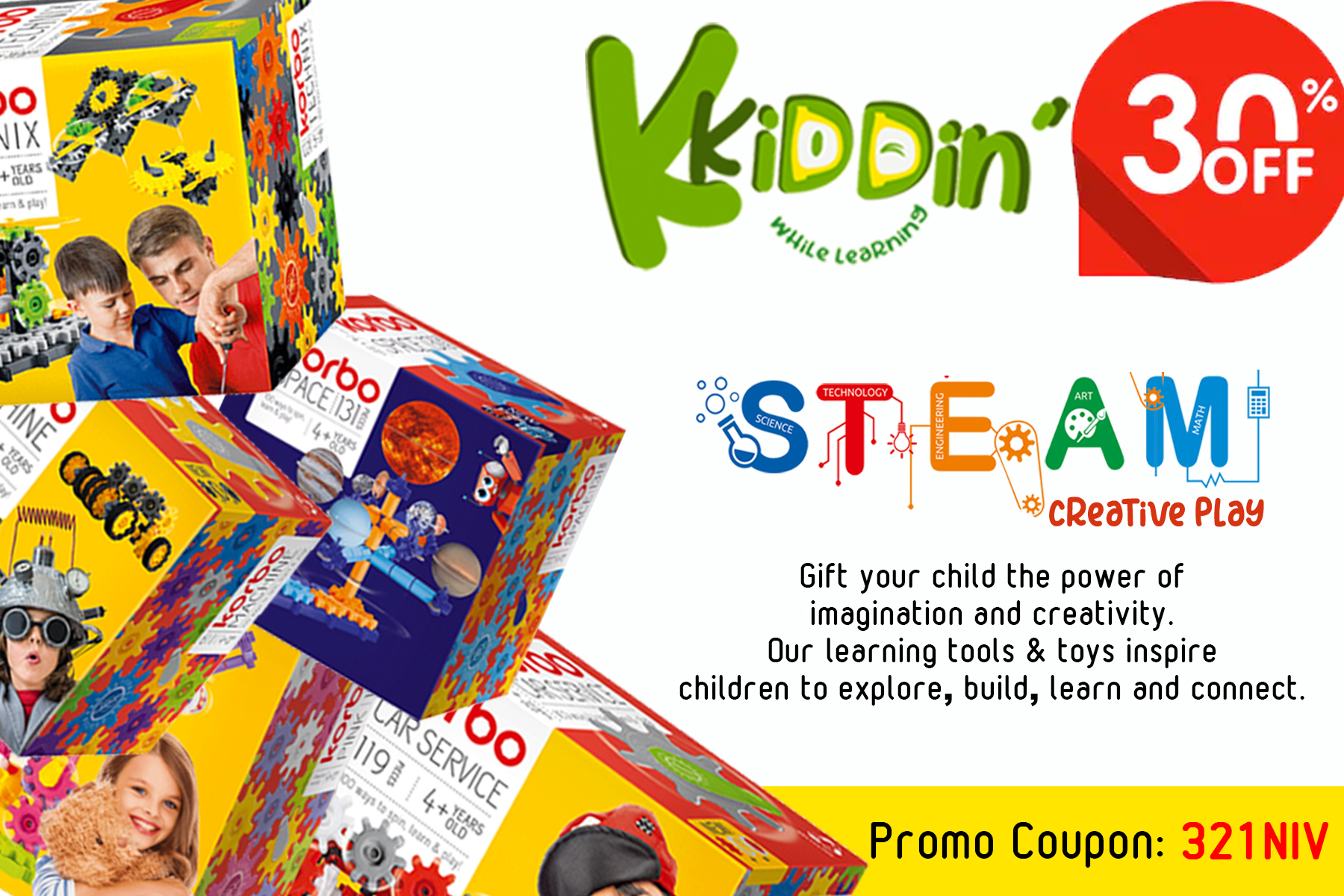
Click below and use the code 321NIV to get your special 30% discount.
And Finally
Here’s a poem written by Deepak Pachori, an author, screenplay writer and a film director, Mumbai.
Un-Social Media
सुनो, देखो ये क्या हो रहा है,
जीवन मोबाइल में खो रहा है,
रोक लो, बचा लो इन्हें,
ऐप अब ऐब हो रहा है….

अब नहीं आती,
कोई चिट्ठी या तार
ज़िंदगी का हर सुख-दर्द
वट्सऐप में व्यक्त हो रहा है.
टिंडर में सही-ग़लत की लकीरें
अब धुँधलाने सी लगी है,
ट्विटर में किसी का दर्द
कहीं मज़ाक़ हो रहा है,
सिकुड़ के चना भर हो गया है
आज कल सभी `का दिमाग़
गांधी, टैगोरो आज़ाद को
वो इंटर्नेट पे खोज रहा है.
जो मासूम से हाथ भेजते थे
प्यार भारी चिट्ठि अपनों को,
फ़ेसबुक और स्नैप चैट में
अब सबको अँगूठा हो रहा हैं.
जवानी के आते ही हुस्न जो
छुप जाता था दुपट्टों के पीछे,
देखो अब इन्स्टग्रैम में
इंस्टंट एक्स्पोज़े हो रहा हैं,
पुरानी बात हुई घर में
साथ सब के देखना टीवी
अब वो अकेले यू टूब में
जाने क्या क्या देख रहा है
खाना खाना भूल भी जाए
पावरबैंक ना भूले वो,
डर नहीं मरने का अपने
मरे ना बैटरी डर रहा है
खिंचा नहीं करती तस्वीरें
कैमरों से आज कल
हर शख़्स मोबाइल में अब
बस सेल्फ़ी ले रहा है,
दीपक पचोरी
I have been a research scientist, a journalist and an educator for over 3 decades. I read and I write. With this weekly newsletter, I intend to share what I read, learn and experience as I continue to engage everyday with students, parents and teams of teachers across K-12 schools, higher education institutions and ed-tech organisations.
3-2-1 Tuesdays with Ms Niv is a newsletter for you to subscribe and enjoy your learning journey with me. Most of you would have been too busy to track trends in education, ponder on most relevant thoughts or deliberate on career choice, parenting or pedagogy. Find it all here. This week, it consists of: 3 images, 2 thoughts and 1 video.
For whom? Students, educators and parents
When? Every Tuesday
Where? my blog post, register with your e-mail id, it is free.
If you want to contribute an article, are organising an event, have a product that you think can be reviewed and/or featured in this news letter, please feel free to write to me at : niveditamukerjee10@gmail.com
Please like, subscribe, share, comment. See you next week.
You can find me here:
This weekly newsletter is supported by:
And


3-2-1 Tuesdays with Ms Niv
Issue #006 / August 18, 2020
Do you know what a teenager thinks about ‘discussing depression’? Are you a teacher freaking out at the prospect of discussing taboo topics with your students? A parent concerned about internet safety for your child? A student worried about long hours of being cooped up inside without physical activity? What is your parenting mantra? What can you do to make remote teaching more effective? And finally, don’t miss the tune at the end for a jig with your family :). Enjoy reading this news letter that has something for students, parents and educators every week.
Three Images For The Week
For Educators:

For parents :
For students :
Two Thoughts For The Week
“A child free from the guilt of ownership and the burden of economic competition will grow up with the will to do what needs doing and the capacity for joy in doing it. It is useless work that darkens the heart. The delight of the nursing mother, of the scholar, of the successful hunter, of the good cook, of the skilful maker, of anyone doing needed work and doing it well, – this durable joy is perhaps the deepest source of human affection and of sociality as a whole.”—Ursula K. Le Guin, “The Dispossessed: An Ambiguous Utopia”
“Don’t limit a child to your own learning for he was born in another time.” – Rabindranath Tagore.
One Video For The Week
Taboo topics? yes. Reproduction. Sex. Gender. Religion. Race. Caste. Politics. Equity. Inclusion. Fairness. Justice. Drugs. Depression. Punishment. Consequence. Consent. Whether you are teacher or a parent, you must have faced it at sometime for sure or will face it as your child grows up to be an adult. How did you deal with it? Did you fight – shut down the conversation? Or flight – changed the topic quickly, diversion? Or froze – for some moments before just moving on to some other room or carried on with your task ignoring it completely? What would you have rather done?
Often deliberate avoidance of these taboo topics when they come into conversation speaks volumes to the students/children and they interpret it to be as taboo. Something to be embarrassed about, scared of, to be held as a secret, to go to other sources to seek answers or satisfy curiosity. Sources whose narrative you have no control over. Right? Here are some pointers from this 4th grade teacher to help you navigate these with your child/student. They have a right to think and discuss about it now for they will have to live it in the future.
Guest column

NATIONAL EDUCATION POLICY 2020—THROUGH THE LOOKING GLASS.
The MHRD’s New Education Policy has sent the country’s educationists into a tizzy. The new pedagogical and curricular structure of school education (5+3+3+4) is certainly a positive step towards reducing exam stress and the overt importance given to syllabus completion. However the new system endorsing the vernacular as a medium of instruction is difficult to implement. We don’t have a culturally or linguistically homogeneous population in each state to choose a common language. Text books will have to be now written in vernacular languages, which hasn’t been done even after 73 years of independence! Moreover there will be a dearth of trained qualified teachers in all subjects, who can effectively teach in vernacular.
When the MHRD is focusing on “Ten Bag Less Days” I am not sure whether they are referring to 10 days out of 200+ school working days, in an academic session, or are they referring to 10 days per month. Either ways it is too less for any child to learn a new skill or vocation. Also why not have complete bag less days? That is very much needed for both physical and emotional well-being of the students.
While the NEP talks about skill development and identifying the child’s potential by using AI, it all seems a bit ambitious when there is a dearth of schools in many parts of rural India. Instead of utilisation of unused school space as ‘Samajik Chetna’ centres, more attention can be given to providing basic infrastructure, blackboard, textbooks and trained teachers to the rural schools. Program for social awareness can be included as a continuous annual activity.
Regarding the training of teachers, the government should focus on training in new methodologies, across all boards with continuous assessment, and upgradation of knowledge which has been proposed by the introduction of NPST and ICT, in the NEP2020. What about assessment of both public and private schools which will allow parents and students to assess schools instead of the eyewash of an “inspection” that takes place? That certainly will lead to the qualitative improvement of schools.
However, other features like— flexibility of subject choices, inter-disciplinary teaching methodology, reduction of exam stress, extending RTE to 18 years, emphasis on technology as a teaching methodology are commendable. But what about those learners or teachers whose financial conditions are so dire that they cannot afford technology? That question remains unaddressed.
The efforts to create facilities for students to avail online courses of foreign universities, opening up funding opportunities, making Ph.D accessible to the highest group of learners, are certainly encouraging. The proposal of resource pooling for a cluster of schools is a great idea. The focus on making special provisions for ‘gifted students’, expanding the NIOS and standardising the sign language are also commendable.
While the NEP 2020 is certainly futuristic and ambitious – trying to foster holistic approach from the early childhood stage, it still requires more introspection. Especially when the World Bank’s report estimates that India has over 50 per cent of learning poverty we need to prioritise ideas before implementing it.
Parent speak
“I Want to be a Better Parent than my Parent”. Isn’t this natural? Wouldn’t our parents have tried to be better parents than their parents?

Being a professional career counsellor, I interact with parents, almost on a daily basis. During my discussion with them I always enquire : “What makes you a better parent than your parents?” And I hear a lot of – giving my child a variety of food, more chocolates, more pocket money and a never ending list of material things. These parents take pride in providing more material things. Of course, few of them also highlight more love, more discussions on life lessons and more mentoring. I wish to hear to more about togetherness – reading together, buying books together, playing together, cooking together, watching impactful movies together, relaxing together, cycling together, studying together, learning together, dreaming together and more.
Parenting comes with a lot of responsibility and as a blessing to see your extension. This role starts from the neonatal stage and each childhood memory has a lifelong impact on personal and professional life. To become self aware of our everyday habits, behaviours and communications with our child requires constant introspection. There may be many areas of parenting that you would like to perform better than your parents, but there would also be few areas of parenting in which your parents would have done a better job. Recollecting and reflecting on those and bringing them to practice can strengthen your bond with your child.
Is it easy? As easy as cooking food, playing cricket, coding for a new service? This is a full time job and if accepted with happiness then you are immersed in it and your child’s personality reflects your high spirits. Would you need help? Ofcourse. Talk to your elders, peers or mentors to seek guidance to ease this full time job. Is there a retirement age? Not really, because you don’t want to retire. This is like spending 14 years in ‘Banwas’ as Lord Rama and enjoying the fruits for life!
Then what is the magic that will work? Kids do what we do, and not what we say. You as a parent is the first role model in your child’s life. Though you cannot be perfect, but, you can improve everyday and grow to be a parenting mentor!
Student voice

Humorizing mental illness… Not cool!
Nowadays, I constantly come across people around me not exactly “mocking” mental illness but, using it to add a comical aspect to their current state of mind. If you are a part of Generation Z, I’m certain you have heard people say things like, “Oh my God, I’m so depressed,” “If she gives us more homework, I’m going to commit suicide or something,” or maybe “I’ve gained so much weight I wanna go anorexic.” Whenever I mention that I feel anxious about something or that certain things give me anxiety, I can always expect a slight chuckle from people. If said virtually, an “LOL.”
The problem with this is that it can invalidate the feelings of a person who actually suffers from a mental illness. Which means it can diminish the worth of the challenges someone is facing. Quoting The Times of India: Suicide isn’t fun. Lose a friend or family member and you will understand how real depression is. These jokes hurt people.
Now, I’m not going to sit here and pretend like I haven’t told my fair share of mental illness related jokes. The important thing is growing from your mistakes and knowing the impact your words have.
Showcase: (Advertisement)
Click below and use the code 321NIV to get your special 30% discount.
And Finally
Walk, shuffle, glide, bounce, tip toe… with your child on this song. Enjoy!
I have been a research scientist, a journalist and an educator for over 3 decades. I read and I write. With this weekly newsletter, I intend to share what I read, learn and experience as I continue to engage everyday with students, parents and teams of teachers across K-12 schools, higher education institutions and ed-tech organisations.
3-2-1 Tuesdays with Ms Niv is a newsletter for you to subscribe and enjoy your learning journey with me. Most of you would have been too busy to track trends in education, ponder on most relevant thoughts or deliberate on career choice, parenting or pedagogy. Find it all here. This week, it consists of: 3 images, 2 thoughts and 1 video.
For whom? Students, educators and parents
When? Every Tuesday
Where? my blog post, register with your e-mail id, it is free.
If you want to contribute an article, are organising an event, have a product that you think can be reviewed and/or featured in this news letter, please feel free to write to me at : niveditamukerjee10@gmail.com
Please like, subscribe, share, comment. See you next week.
This weekly newsletter is supported by:
And:

3-2-1 Tuesdays with Ms Niv
Issue #005 / August 11, 2020
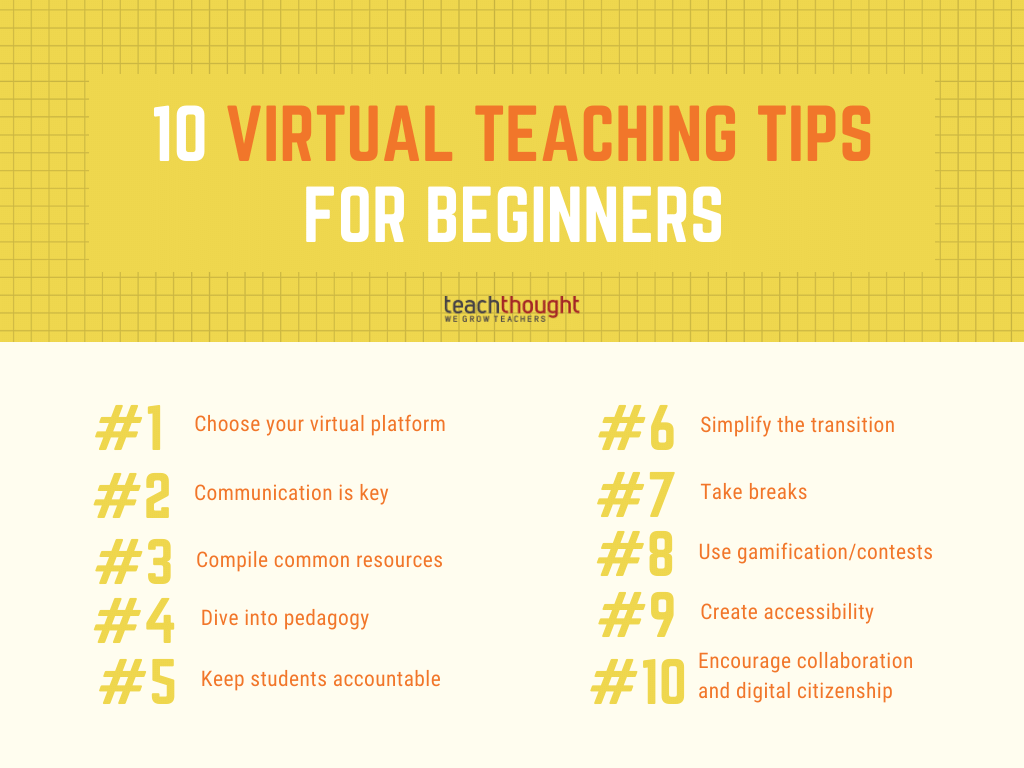
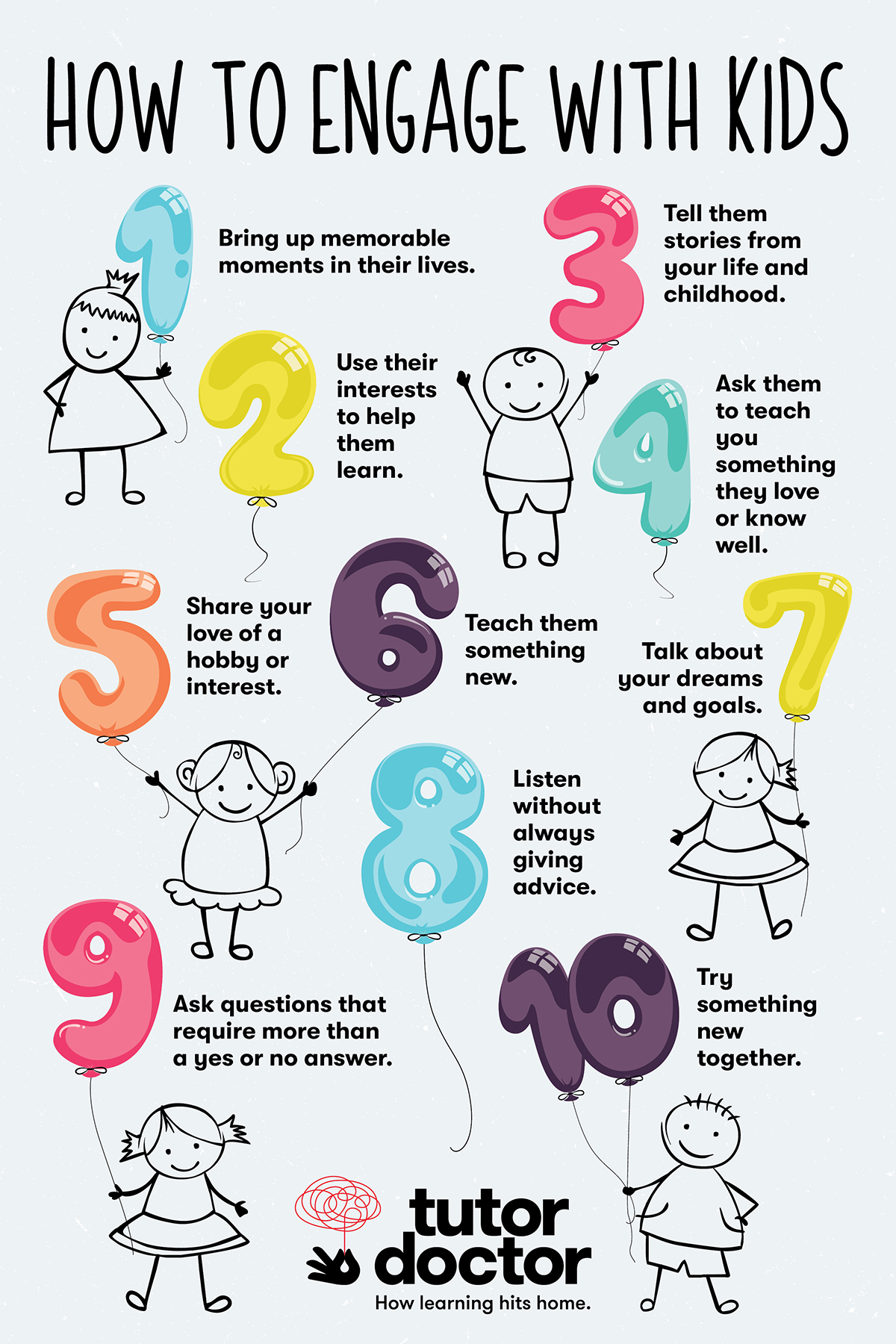
Is education only about making people literate and getting better grades? Can boredom lead to brilliant ideas? How can you read faster and retain more? Can you rate your performance as a parent? And finally, twiddle your thumbs to tell a story. No really, not kidding. Go ahead and find out all this and some more in this week’s news letter.
Three Images For The Week
For Educators:
For parents :
For students :

Two Thoughts For The Week
“Study without desire spoils the memory, and it retains nothing that it takes in.”
— Leonardo da Vinci
“I realized that becoming a master of karate was not about learning 4,000 moves but about doing just a handful of moves 4,000 times.”
— Chet Holmes
One Video For The Week
“Users” is often used by technologists and drug dealers…Tech is designed to be addictive whether social media or gaming. Our attention is the product when the product is free…In current times when we are all online and on our gadgets, it is important to be mindful of the time spent and what we are using the tech for.
Do you sometimes have your most creative ideas while folding laundry, washing dishes or doing nothing in particular? It’s because when your body goes on autopilot, your brain gets busy forming new neural connections that connect ideas and solve problems.
Go ahead plan for some time to get “bored”! Turn your phones from task masters to tools.
Guest column :
Educator of the week (By invitation)

Where the dignity is without fear!
As part of their English syllabus, my eighth graders, and I, were doing the story The Umbrella Man by the master storyteller Roald Dahl. The protagonist, ‘The Umbrella Man’, is a trickster who gets the better of an overtly cautious mother. This light-hearted story goes on to show how gullible human beings can be. Another facet of human nature was uncovered by grade 10, when studying David Roth’s ‘Nine Gold Medals’. The emphasis is on cooperation, collaboration and humanity brought by 9 differently abled athletes who help a fellow athlete when he stumbles and falls. In the end, they all hold hands to reach the finishing line together, making the Special Olympics that year very special indeed! In Grade 9, we talked about James Patrick Kinney’s thought-provoking poem, ‘The Cold Within’ which brings to fore the dogmas and mindsets people have.
This poignant comment on discrimination on the basis of religion, race and color seemed to find real-life examples closer to home: that evening I get a forward from a student about a certain outlet that was being targeted for discrimination. I was taken aback because I knew the people who run the outfit. They are humble, grounded, very professional and they worked very hard to get to the place they had. I went on to the read the comments below, the forwards and I was surprised at how many people felt that was the platform to air their grievances about the outfit. Not all the comments related to the incident in question in the first place. It became clear that people just wanted to be part of the circus, without any differentiation between fact and fiction. I felt social media is like giving a gun to a monkey. It will obviously fire away without applying any thought. Its focus is not on the people it hurts, but the action it can control (pulling the trigger). Similarly, social media, our trigger, allows us to ‘fire’ (click-clack on our keyboards and type away) and send our thoughts into the world. Unfettered and unfiltered, we are ‘trigger-happy’ without so much as a thought towards the damage.
This got me thinking really long and hard. I am not a social media person at all so pardon me if I sound like a novice (which I am). Is education only about making people literate and getting better grades? In short, what one spends imbuing into oneself for 16-22 years is just a fairy tale! Are we all so gullible that a post on WhatsApp or Facebook is followed without any application of mind? While undoubtedly they are great platforms to share one’s thoughts.
A child in my school — very talented and multifaceted, put up some well thought through posts during the pandemic. To her utter shock and disbelief few kids bad mouthed her to try and pull her down. She fortunately reached out and we stepped in. We spoke to all the children to show them the pitfalls of any action. They realised that it’s one’s own insecurity that leads them to be negative. Fortunately, these young minds admitted that they were jealous, and some said they were having some fun! I could understand the former, but the latter worried me!
Instead of making them thick skinned can we sensitise ourselves and our kids or for that matter figure our own insecurities?? And realise the effect of our actions. And see how vulnerable gullible we are.
The second side to this coin is that discrimination does definitely exist. There are places and pockets where people are judged on the basis of their dress, religion, status, skin-colour and their economic background. The reality is that people on all sides of this coin take advantage of the situation whenever and however they can.
So, the message our children grasp is ‘be fake’.
At a very subconscious level, we all tend to fall for words and actions, forgetting who we really are and what we stand for. We instinctively know when we are being put down. Sadly, we allow that. Instead, can we help them understand that they should not put themselves down in their own eyes. Our youngsters should know when and how to put people in their place, without sounding rude or brusque. Most importantly, keeping their dignity. Is this difficult? Certainly not. It needs effort and the willingness to look within and to accept that we are flawed. That these flaws can be corrected. Teach them to laugh at themselves. Accept and respect themselves for who they are, respect where they come from and acknowledge their values. Change themselves as long as they do not vamoose from their true selves. Finally, our dignity is in our hands. I have a choice to walk away. (not avoid); choice to politely put my foot down, make myself presentable but not skedaddle from my likes and dislikes – be it in my dress, my body type, my values and my upbringing and most importantly struggle to fit in. We all have a choice to recourse all the wrongdoings around us – by collaborating and cooperating in a positive manner for a positive outcome.
If we can enumerate with examples from the same world we live in like – Jesse Owens and Luz Long – the duo who went beyond the racist views of Der Fuhrer to show what a true sportsperson and true companionship is? Eunice Kennedy Shriver the large-hearted lady behind the special Olympics? James Patrick who actually stood up for fairness to all fellow humans? It is doable. The innumerable heroes in our own neighbourhood are testimony to that. They do their bit, neither hankering for a name nor getting influenced by the negativity. Are these people serious and solemn? Certainly not, they have a zest and zeal for life just like everyone. They just make sensible, sensitive and compassionate choices.
I am an eternal optimist who believes that our younger denizens can be empowered to build the mental strength and character. Believe deep down that this strength comes from the values we uphold. Yes, there will be slippery paths but then one can always anchor themselves again. I am a living testimony of so many students who are out there who are walking with dignity, standing up for what they believe and for themselves. You may look down at me and put me into the folder that reads ‘a naïve optimistic educator living in her cocoon’.
To all the naysayers, the world is still a good place to be in despite the scum! Because …
Written by Shailaja Rao M & Edited by Kshira Mushunuri
Parent speak
If parenting is an art, am I a good artist then?
If parenting is a duty, am I fulfilling it to the best of my abilities? If parenting is a full time job, am I getting my dues in return? If parenting is a way of life, am I experiencing and enjoying the journey?
When I was asked to write about parenting, the first thought that lit up was, “am I the right person?”What do I know about parenting, besides being a parent? Is that qualifying enough for presenting thoughts on parenting?
What am I doing as a parent? How is my performance rated?
Am I policing her? Disciplining her ? Nudging her to wake up early every day?
Can’t she wake up on time and be ready for the day? Don’t we have to give them the space to choose her study time, as long as she’s ready for life? Should I be at the helm of things and tighten the saddle all the time? Will she not own up to the responsibilities of her life?
Just because I had her in my womb, should I always have her under my thumb? Am I not crushing or squeezing her? Just because I feed her, should I choose her platter? Just because I was the reason for bringing her to this world, should I dictate terms for her life and living? Isn’t it her life? Just because I am her first teacher, should I impose my learnings on her? Doesn’t she have all her life for learning the tricks of the trade? Just because, I am her parent, should I expect her to report every tiny detail of her life. Am I issuing a COVID times’ e pass ? Shouldn’t she have some secrets for herself? Just because, I give her shelter, should I expect her to keep it spic and span at all times. Isn’t it fine, that I give her own time to clean up her mess, as long as she does it?
And many, many more questions queued up ahead and squarely faced me. Time flies. A few more years of theirs will be spent with us. A few more for them to build their own nest. Soon, we are left with the rest of our lives to complain about things scattered all around, not adhering to time, random eating habits, no one demanding a quick bite at odd hours…
Only memories of those moments that remain with us. Isn’t there a beauty in the mess? A pleasure in the efforts that you put in? A delight in all that you go through. Just for the love of your child?
Showcase: (Advertorial)
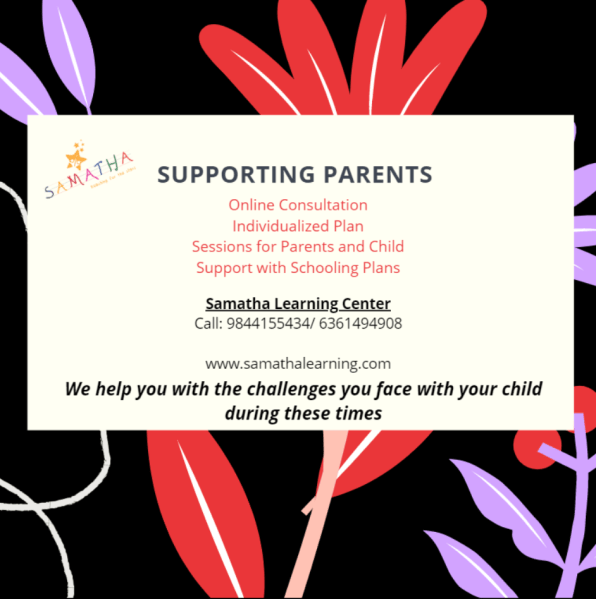
Parents are truly superheroes. When the schools closed the parents took on an extra role which they never imagined they would ever have to! That of their child’s teacher.
Nature gives us 9 months to prepare to be parents. But to become teachers a parent got no prep time or training time. There were multiple options, with varied pros and cons, from home-schooling to online schooling to no schooling at all! Whatever the choice, the child would only benefit from how the plan was delivered. That is where Samatha Learning Center steps in.
Samatha Learning Center offers consultation and support for what a parent finds difficult to understand and handle with their child. We address all behaviour concerns and challenges be it sadness, tantrums, fear, refusal to engage, academic performance below expected levels and anger outbursts. Call us for on-line consultation (+91-6361494908 / +91-9844155434).
And Finally
Do you feel a lack of resources? Twiddle your thumbs? Not kidding…here’s an innovative way of using your hand gestures to tell stories and more to your children, whether you are a preschool teacher or a mom. Enjoy this story with Sonal Chawda, an expert in preschool curriculum design and training. shows you how.
I have been a research scientist, a journalist and an educator over 3 decades. I read and I write. With this weekly newsletter, I intend to share what I read, learn and experience while I engage with students, parents and teams of teachers across K-12 schools, higher education institutions and ed-tech organisations.
3-2-1 Tuesdays with Ms Niv is a newsletter for you to subscribe and enjoy your learning journey with me. Most of you would have been too busy to track trends in education, ponder on most relevant thoughts or deliberate on career choice, parenting or pedagogy. Find it all here.This week, it consists of: 3 images, 2 thoughts and 1 video.
For whom? Students, educators and parents
When? Every Tuesday
Where? my blog post, register with your e-mail id, it is free.
If you have created any material, virtual or physical that you think can be reviewed and/or featured in this news letter, please feel free to write to me at : niveditamukerjee10@gmail.com
Don’t forget to like, subscribe, share, comment. See you next week.
This weekly newsletter is supported by:
And:
3-2-1 Tuesdays with Ms Niv
Issue #004 / August 4, 2020
Hi! This is a weekly newsletter on education. Once a week, curated by me from amongst the videos I watch and articles that I read. Most of you would have been too busy to track trends in education or deliberate on career choice, parenting or pedagogy. Find it all here.
For whom? Students, educators and parents
When? Every Tuesday
Where? my blog post, register with your e-mail id, it is free.
I have been a research scientist, a journalist and an educator over 3 decades. I read and I write. With this weekly newsletter, I intend to share what I read, learn and experience while I engage with students, parents and teams of teachers across K-12 schools, higher education institutions and ed-tech organisations.
3-2-1 Tuesdays with Ms Niv is a newsletter for you to subscribe and enjoy your learning journey with me. This week, it consists of: 3 images, 2 thoughts and 1 video.
Three Images For The Week


Two Thoughts For The Week
“Children learn what they live. Put kids in a class and they will live out their lives in an invisible cage, isolated from their chance at community; interrupt kids with bells and horns all the time and they will learn that nothing is important or worth finishing; ridicule them and they will retreat from human association; shame them and they will find a hundred ways to get even. The habits taught in large-scale organizations are deadly.”
―
“We stigmatize mistakes. And we’re now running national educational systems where mistakes are the worst thing you can make — and the result is that we are educating people out of their creative capacities.”
―
One Video For The Week
Let people with disability help you look sideways and help you solve problems, innovate, even plan better curriculum and schools of learning. “When we design for disability first, you often stumble upon solutions that are better than those when we design for the norm.” The process of ideation and iteration are fundamental to problem solving. Design thinking – an essential path to tread on way to a better world for everyone.
Very few innovations in this world have been the ones that came after succeeding the first time. Most of the greatest and most successful ones are those that failed many times before iterating into their successful forms. Did you know that text on mobiles were designed for the deaf? the OXO peeler was designed for the arthritic?
Guest column :
Educator of the week (By invitation)

Bringing In an important Stakeholder in School and Higher Education
The current pandemic has caused major disruptions in the process of learning both in school and higher education. Given the closure of educational institutions and no clarity on when they are likely to permit learners physically return to their institutions, several questions are being raised on how do we take forward the learning process. We adapted to online learning more by compulsion and necessity rather than choice and proper planning. Here too, we notice the impact of the digital divide, in terms of access and connectivity. As someone passionate about the ‘learning process’ and having had the opportunity to be a part of it from multiple perspectives, the ‘lockdown’ has allowed me to reflect on how important it is for a meaningful dialogue and inclusion of critical stakeholders who should be an integral part of this process. During the lockdown we noticed several ‘hiccups’ and ‘tensions’ involving educational institutions, facilitators, learners and their parents. Each of these groups were responding to the ‘experiments in learning’ during the pandemic in their own ways and from their ‘unique lens’. In many ways, each was justified in the stand they took and the approach they adopted.
As one moves forward, it is vital that the role of ‘parents as responsible stakeholders’ who can also be ‘held to account’ is critically recognized. A caveat at this stage. For too long as part of the pandemic have we been using the word ‘social distancing’. As a student of the social sciences, I find this word a little uncomfortable. The lockdown and its consequences do not require ‘social distancing’ but greater ‘social and emotional bonding’. What the lockdown needs us to practice is ‘physical distancing’ as different from ‘social distancing’! So, in these days of ‘physical distancing’ when learners would not be permitted to go back to their schools/colleges, the active involvement of parents as ‘responsible and accountable partners’ in the learning process becomes even more vital. Not for a moment, am I underscoring the role of other stakeholders – managements, facilitators and learners. I am only placing the lens on parents!
When I amplify on the role of parents, I am myself getting into those shoes (I too am a parent of a son who is still in the formal learning process). Firstly, partnering with educational institutions. The ‘lockdown’ has forced us to look at innovations. Educational institutions too are innovating and experimenting. This chartering into unknown territory has its challenges. While looking at the initiatives, ‘could we catch them right, rather than focusing on the wrong’. When we only ‘catch them wrong’, the response become defensive. It often leads to an impression that there is no appreciation of an honest effort. An entire community of facilitators has been working with our children ever since they entered educational institutions. Does one lose sight of their interests during a lockdown? The pandemic has caused an economic downturn, financial challenges and loss of jobs across the board. This lockdown requires a partnership in which a critical support would be needed from the parent community.
Secondly, partnering in taking forward the learning process is imperative. I have been actively involved with online learning in the last few months. I have been highly appreciative of parents being part of the online classroom and look forward to their feedback. That feedback has often involved partnering with me beyond the online class to take forward the learning for their children. Maybe it is also time to look at how we build the ‘self esteem’ of our faculty who are often making an honest effort in a profession that often requires ‘constructive feedback’ and not just ‘negative comments and criticism’.
Thirdly, in my three and a half decades as a facilitator, I have found that the sustained impact of the learning process is seen when there is a genuine partnership between ‘parents and facilitators’. A partnership wherein the values, ideals, principles and processes we seek to usher in through ‘formal learning’ are also part of the larger ‘home experience’. This has become ever more critical in times of the current lockdown. Are we preparing our children for what a post lockdown world would require through practices at our home and in our community? In our communities are we bringing in the ‘culture of physical distancing’ so that it becomes a part of the ‘way of life’ when our children return to school/ college and until such time as a vaccine to deal with COVID 19 comes into the market?
Would end by saying that this partnership among stakeholders would involve a reflection on the role of administrations, facilitators and learners….but that needs to form the focus of another set of articles!
*Dr Sandeep Shastri has been in the field of education as a facilitator for the last 38 years. The views are his personal reflections.
Parent speak:
Raising children has always been a challenge to parents. Successful parenting requires the parents to have some qualities and characteristics. However, I believe that parenting is a seamless process which happens unintentionally as soon as one becomes parent.
I am the mother of a son. Soon, he is going to enter adulthood. I have many beautiful memories to share which I felt while in my parenthood journey. Although, it is difficult to express in words , I will try.
I feel that parenting starts when a baby comes in mother ‘s womb. I received a good news and a bad news together. Former , I am expecting and latter was , I have complications. Furthermore, doctors advised me to abort the baby . In medical terms , my chorionic membrane was weak to hold the foetus in the womb. There was very less chances that baby will survive or at any stage it can be a dangerous miscarriage. Whereas, I had an inner voice that I ought to continue with the pregnancy.
So my parenting started from the day when I received the news that I am a would be mother. A feeling of responsibility and extra care of my baby became an inevitable part of my life. Moreover, it was unconditional. By God ‘s grace ,I delivered a healthy baby boy.
Now, He is grown up. With time, phases and way of parenting changed but today also style is involuntary .
Showcase:

Agastya International Foundation’s efforts shines bright during COVID 19 Pandemic: Be it shifting its operations online or working on the ground to spread awareness and distribute essentials, Agastya’s efforts during Coronavirus pandemic has been swift and effective.Amidst this pandemic, Aagstya has been working on developing modules to educate people on COVID-19.
Agastya Embarked on a unique humanitarian project to provide sustenance in the form of vital Grocery Kits , PPE Kits and Study Kits for the Children. Agastya Instructors all over the country were involved with the Education Department and their teaching staff who in turn are training the children to make Simple Concept Based Home experiments with available material during these times. The education kit has concepts related to class 6th to 10th comprising of physics, chemistry, biology and mathematics. This kit also contains the manual for concepts.
Donations made to Agastya through the link below are exempt under 80G. https://pages.razorpay.com/pl_E1r6FHt9nFAxla/view
Opinion: NEP 2020. I am hearing murmurs and shouts on medium of instruction to choices of vocational courses and coding with computers… What are your thoughts on its implementations and impact? Let us deliberate.
NEP 2020 From Ministry of Human Resource Development, Govt. of India. According to it, the National Education Policy lays particular emphasis on the development of the creative potential of each individual. It is based on the principle that education must develop not only cognitive capacities – both the ‘foundational capacities ’of literacy and numeracy and ‘higher-order’ cognitive capacities, such as critical thinking and problem solving – but also social, ethical, and emotional capacities and dispositions.
From The Hindu: A panel led by former Indian Space Research Organisation (ISRO) chief K Kasturirangan had submitted the draft new NEP to Union Human Resource Development Minister Ramesh Pokhriyal when he took charge last year. The draft was in the public domain for feedback from various stakeholders, and over two lakh suggestions were received by the HRD Ministry.
- 4-year undergraduate degrees with multiple entry and exit options.
- A single higher education regulator, the Higher Education Council of India (HECI), for all higher education institutions (except medical and law colleges).
- While the current expenditure on education stands at 4% of the GDP, the NEP envisages increasing it to 6%.
- Medium of instruction should be mother tongue or regional language till Class V.
- A National Testing Agency (NTA) will offer a “high quality common aptitude test”. This test, however, will not be mandatory for university entrance exams.
- NEP aims to expand access to higher education for 50% of high school students by 2035, and achieve universal adult literacy before that date.
- Every child should have one vocational skill by the time they complete school.
- Target of 100% gross enrolment ratio from pre-school to secondary level by 2030.
- Report cards will be a comprehensive report on skills and capabilities instead of just marks and statements.
- There will be a National Mission on Foundational Literacy and Numeracy.
- Computer coding will be taught from Class VI.
- There will be no rigid separation between arts and sciences, curricular and extra-curricular.
- Vocational integration will be from Class 6, and internships will be included.
- Aim to reduce the importance of Board exams, which will be split into two parts: objective and descriptive.
From The Times Of India :
And finally :
Here’s Baby Beluga by Yo-Yo Ma and Raffi Baby Beluga song – a special single just released on the 40th anniversary of this iconic children’s song. Don’t miss the additional verse of grown up Baluga grads. Brings a smile on your face I promise 🙂
If you have created any material, virtual or physical that you think can be reviewed and/or featured in this news letter, please feel free to write to me at : niveditamukerjee10@gmail.com
This weekly newsletter is supported by:
And:
3-2-1 Tuesdays with Ms Niv
Issue #003/ July 28, 2020
Hi! This is a weekly newsletter on education. Once a week, curated by me from amongst the videos I watch and articles that I read. Most of you would have been too busy to track trends in education and deliberate on career choice, parenting or pedagogy. Find it all here.
For whom? Students, educators and parents
When? Every Tuesday
Where? my blog post, register with your e-mail id, it is free.
I have been a research scientist, a journalist and an educator over 3 decades. I read and I write. With this weekly newsletter, I intend to share what I read, learn and experience while I engage with students, parents and teams of teachers across K-12 schools, higher education institutions and ed-tech organisations.
3-2-1 Tuesdays with Ms Niv is a newsletter for you to subscribe and enjoy your learning journey with me. This week, it consists of: 3 images, 2 thoughts and 1 video.
Three Images For The Week
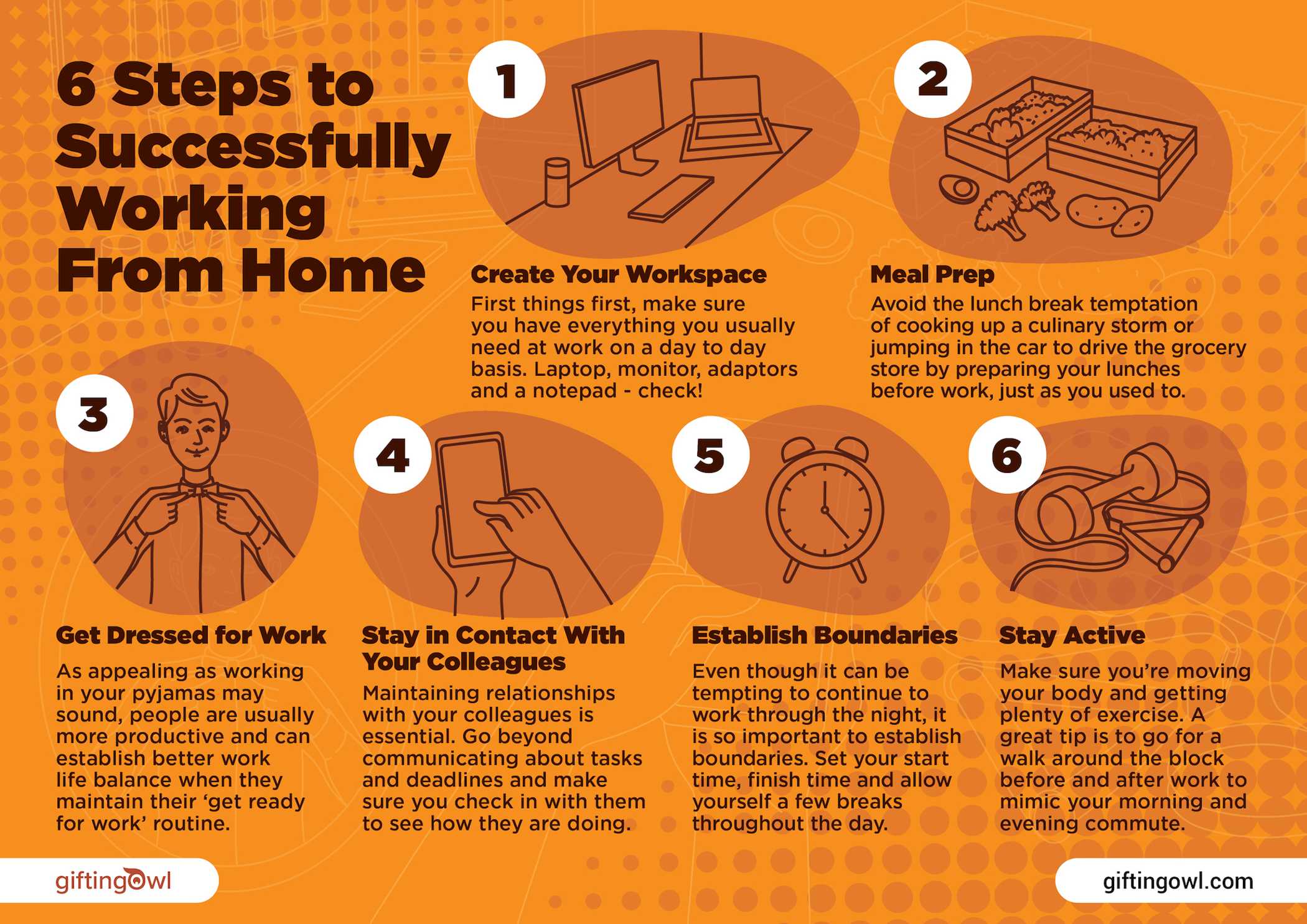
/difference-between-epidemic-and-pandemic-2615168-01-c829c2e4591f47f9a3e5cd39687be4a7.png)

How folk artists have responded to pandemic.
Two Thoughts For The Week
“Live as if you were to die tomorrow. Learn as if you were to live forever.”
―
“You can never be overdressed or overeducated.”
―
One Video For The Week
Everyone’s online. Your kids have unlimited access to devices. They are using it for learning and yes, gaming. Ask your kid:
- what games does s/he play?
- how did s/he come across that game and what is it that s/he likes about it?
- would s/he like to show you how she plays and let you sit around and look at the screen while s/he is playing?
This will help you understand your child better, embrace your child’s world of gaming and make deeper connection with your most precious one.
Guest column :
Educator of the week (By invitation)
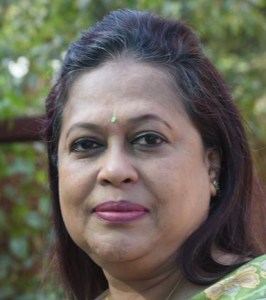
Teaching Early Writing to Pre-schoolers
We all know that children use their sense of touch or tactile sense to explore their environment. The aim to develop good hand skills and other pre-writing skills is to prepare the children for the next step, i.e. writing. Children who face difficulties in writing can overcome the issue by working continuously on hand skills.
Pre-writing skills: It is important to strengthen the hand skills so that children can handle small objects. It depends on how to make our students use the small muscles of hands along with the muscles in the forearm which provides strength and stability. Encouraging children to hold crayons while scribbling, eating with spoons/forks, buttoning and zipping clothes will help in strengthening both fine & gross motor skills.
Children need regular practice to strengthen their pincer grip to develop pre-writing skills.
We can follow these guidelines for developing Pre Writing skills:
Table top activities : The writing Desk or Furniture should be the right size. His feet should be flat on the floor and forearms should rest comfortably on the table top (at approximately elbow level). His/her feet should not dangle or swing.
Teach new skills :Show a new movement or shape, repeat the movements over and over again, and provide some physical guidance so he/she can feel how to perform the necessary movements. Let the child imitate you instead of copying from a book or paper.
Play and draw on vertical surfaces :Learning Materials like paper should be kept above eye level. By doing the same the wrist of the child and the hand will be in a position where practicing regularly will give a better control to hands that is required for colouring, painting or printing etc.
Ways to strengthen the shoulder, arm and wrist:
Use table-top easels or bookstands which a child can use while seated. To strengthen the upper body while standing, learning materials like Flannel boards, chalkboards, sticker games, letter and number magnets on the refrigerator can be used . Playing various games which involves a lot of hand movement like tug-of-war, wheelbarrow walking or animal walks. Playing at the park with the playground equipment like climbers and monkey bar will enhance the strength of the hands.
Develop hand skills:
Various kinds of activities done on a regular basis will encourage finger use and enhance strength. For example, when playing with Lego have your student rest his forearms on the table so that he uses his fingers to put the pieces together.
- Lace large beads with strings that have small plastic tips on the ends or use easy lacing cards.
- Put coins into a piggy bank, play with finger puppets and spinning tops.
- Use small tongs to pick up cotton balls, pom-poms, blocks, etc.
- Develop eye-hand coordination
- Roll, throw and catch large-sized balls.
- Play balloon volleyball, scarf toss and catch.
- Draw and scribble.
- Use water to colour simple shapes, use Paint to trace objects and colouring in Water books (the colours magically appear).
- Water Play by pouring, transferring, washing, spooning, using soapy water into different sized containers and water painting on slates/Blackboards.
Develop body awareness and directionality :
- Playing ….Simon Says and use terms such as “up & down,” “back & forth” and “front & back.”
- Sing action songs such as I am a little tea pot, The Wheels on the Bus and Insy- Winsy Spider
- Hide coins, beads or other small objects in Play-Dough, sand or rice tubs for the child to find.
- Floor Drawing – Making shapes and lines on the floor ,on carpet squares and using sandpaper letter to trace .
- Keep a bag full of key, toothbrush, spoon, eraser, paper clips, etc. and allow the child to identify the objects by feeling them.
Pre-writing activities or without Pencil writing:
- Make lines, shapes and letters by: finger painting, painting with pudding or shaving cream, painting with water on the sidewalk and even with your fingers in the sand.
- Recognition Activities- with shapes and letters by playing matching and sorting.
- Solving Puzzles and using magnetic letters.
- Activity with Ice-cream sticks
Showcase:
(An Advertorial)
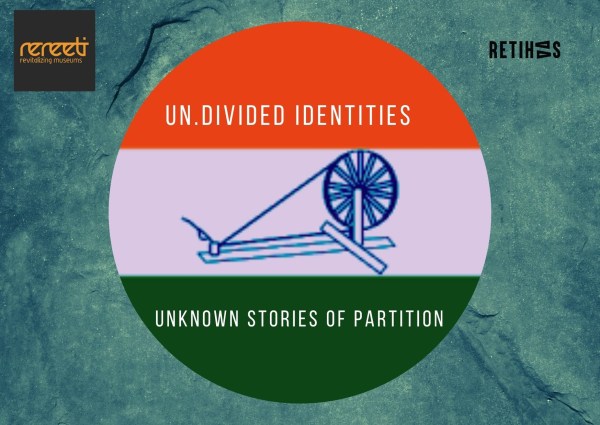
ReReeti is a Bangalore based organization. We work with museums, cultural organizations and heritage sites to transfer them into spaces of learning, delight and meaningful engagement for visitors. One of our initiatives called Retihaas, works with schools. Retihaas is our attempt to make history relevant, reachable and relatable for students. Taking an important event from history we develop interactive teaching modules to engage them in critical and creative practices.
This year’s student engagement is an online course designed under the project, Un·Divided Identities: Unknown Stories of the Partition. Here is a brief outline of the sessions : The modules look at the ideas of Home, Identity, and Migration through the lens of partition and also connect it to the present Covid19 situation. The first session will focus on official historical records showing different perspectives about Partition.The second session will highlight people’s stories and explore Bangalore’s response as a city. Students will also get to understand how partition is viewed from both sides of the border. The final session will inquire into questions of nationality and identity. It will also connect to the recent migration that took place due to Covid19. These three session module is best suited for students in class 9 to 12. Please get in touch with tejshvi@rereeti.org to know more.
If you have created any material, virtual or physical that you think can be reviewed and/or featured in this news letter, please feel free to write to me at : niveditamukerjee10@gmail.com
This weekly newsletter is supported by:
And:
3-2-1 Tuesdays with Ms Niv
Issue #002
Hi! This is a weekly newsletter on education. Once a week, curated by me from amongst the articles, videos and long form articles that I read. Most of you would have been too busy to track trends in education, ponder on most relevant thoughts or deliberate on career choice, parenting or pedagogy. Find it all here.
For whom? Students, educators and parents
When? Every Tuesday
Where? my blog post, register with your e-mail id, it is free.
I have been a research scientist, a journalist and an educator over 3 decades. I read and I write. With this weekly newsletter, I intend to share what I read, learn and experience while I engage with students, parents and teams of teachers across K-12 schools, higher education institutions and ed-tech organisations.
3-2-1 Tuesdays with Ms Niv is a newsletter for you to subscribe and enjoy your learning journey with me. This week, it consists of: 3 images, 2 thoughts and 1 video.
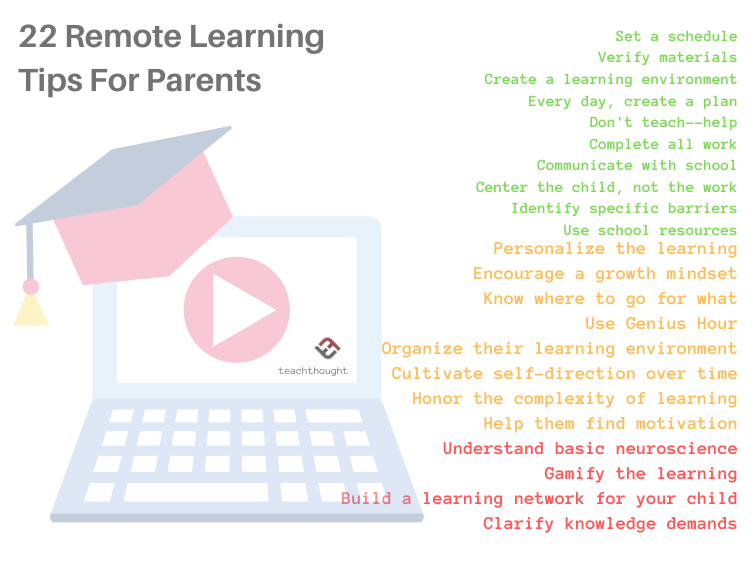
Three Images For The Week
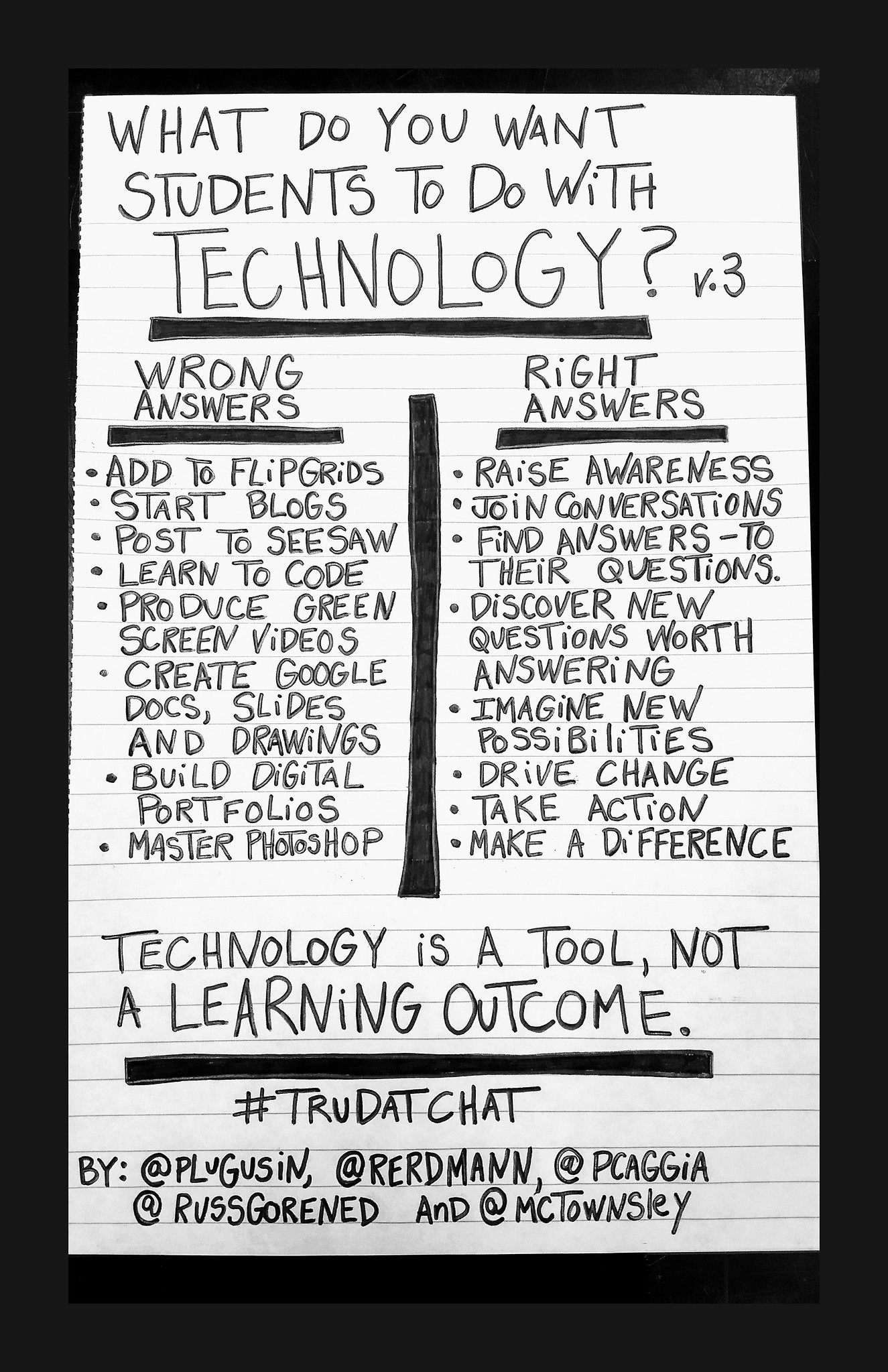
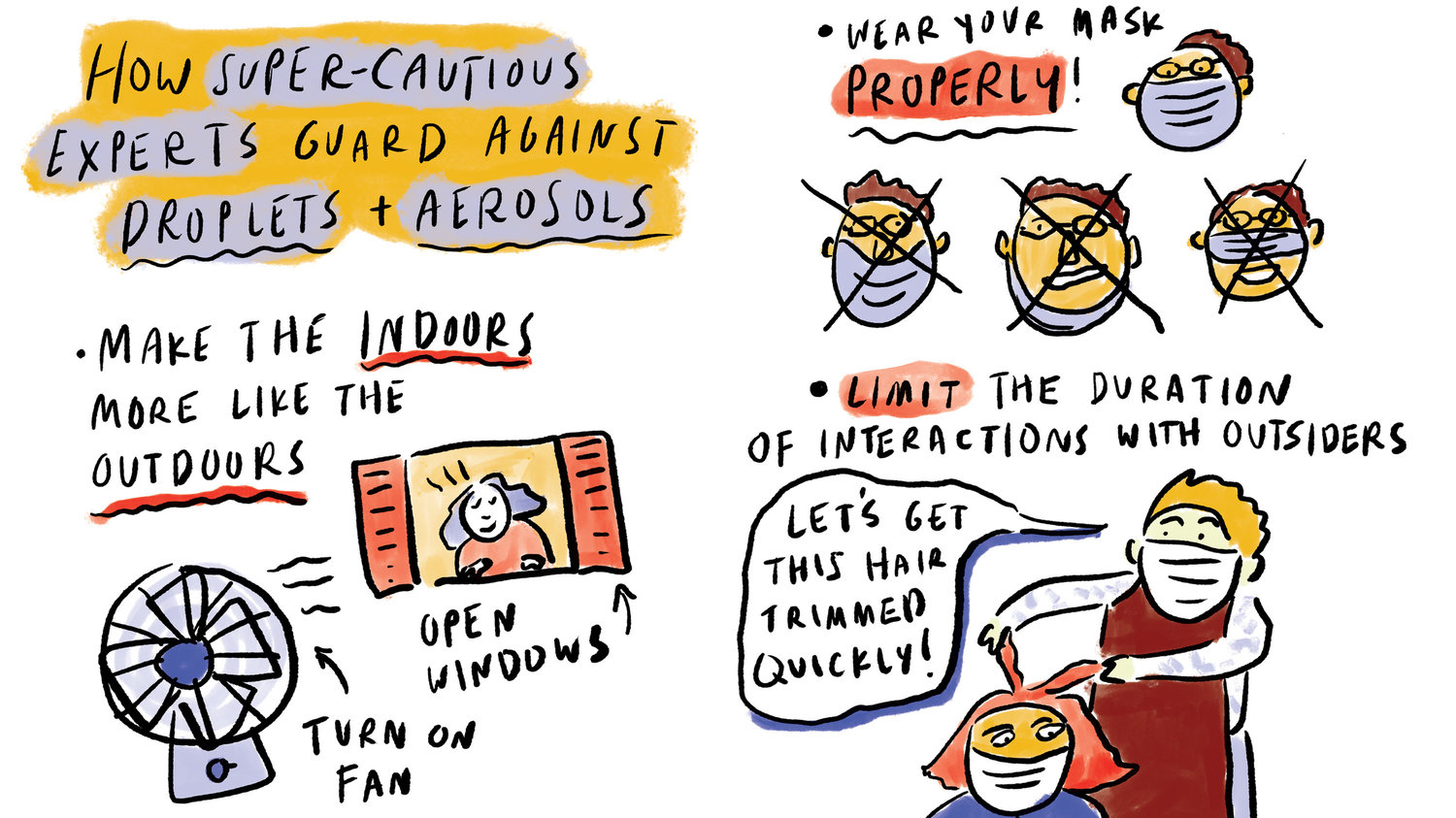
Two Thoughts For The Week
“If you compare yourself to others, you may become vain and bitter; for always there will be greater and lesser persons than yourself.”―
“If the ladder is not leaning against the right wall, every step we take just gets us to the wrong place faster.”―
One Video For The Week
I use pencil, a lot. Every day. Even while I do most of my work on my laptop and phone. What about you? I find it satisfying in many ways – the scratchy sound it makes while writing, the way it goes blunt with use and the act of sharpening it, the overwriting, erasing and doodling with it getting lighter and darker strokes by varying the pressure applied…
Here’s a story of this perfect writing instrument that we all begin our writing journey with and continue using over the years.
Showcase For The week
Product review : Code with Korbo


Last weekend, I finally decided to open this storage box that has been waiting for my attention for a couple of weeks. It contained a set of gears, cylinders, connectors, cross connectors and some platforms. As I usually do with any product or book that comes to me for review, I see, touch and even smell it before engaging with it.
- The materials were plastic but not plastic-y. The edges were smooth to handle and the sound they made while fitting and moving around had a nice satisfying ‘click’ to them.
- The colors were a mix of bright and pastels and looked quite attractive when put together.
- They did not emanate any smell which one gets from cheap moulded plastic play materials.
- They were large and edged enough to not invite any kind of swallow.
As I got around to reading the handbook, it was clear that this was more than a building set. It is to develop skills like logical thinking, creativity, collaboration… while working on STEM (science, technology, engineering and math) for preschoolers. The foundational thinking process of Coding!
There are chapters in the handbook like coding and decoding, algorithms and sequences, data analysis and logical thinking. There are instructions for the teacher, worksheets, exercises with pictures of the assembled materials, that are quite simple to understand and execute by any adult who is assisting the child with the learning. I quite liked the chapter on Functions that includes a fairy tale and the student solves tasks, riddles and puzzles leading to the discovery of algorithms.
I think the set is quite an interesting way of learning to code without computers and is something that the child can continue to play and explore even after the actual lesson is finished. Which is attractive for me as an educator. Open ended materials, that serve the primary objective and continue to engage beyond the formal lesson.
If you have created any material, virtual or physical that you think can be reviewed and/or featured in this news letter, please feel free to write to me at : niveditamukerjee10@gmail.com
This weekly newsletter is supported by:
And
3-2-1 Tuesdays with Ms Niv
Hi! This is a weekly newsletter to read, think and learn with me and fellow readers. It is free for all who follow my blogpost.
3-2-1 in this Tuesday’s news letter consists of: 3 images, 2 thoughts and 1 video that I have curated for you to ponder, learn and enjoy this week.
For whom? Students, educators and parents
When? Every Tuesday
Where? my blog post, register with your e-mail id, it is free.
Three Images For The Week
Peer observation for teachers

Self-care bingo for adolescents and adults

16 Habits of mind

Two Thoughts For The Week
“You’re off to great places. Today is your day.” – Dr. Seuss
“Anyone who has never made a mistake has never tried anything new.” Albert Einstein
One Video For The Week
The Explore-Exploit Trade-off while making decisions
The irrational decisions of babies are cool as they are in their explorative phase while the consistent decisions of the old isn’t boring because they are being optimal. Right?
If you ever struggle to make decisions, here’s a talk for you. Cognitive scientist Tom Griffiths shows how we can apply the logic of computers to untangle tricky human problems, sharing three practical strategies for making better decisions.
Showcase For The Week:
How does theatre in education inspire collaborative and creative thinking, critical appreciation and problem solving skills in students? What kind of techniques can be used in the classroom to make learning an exhilarating experience?
Join us in discovering the joy of learning with renowned thespian Mr.Feisal Alkazi. Mr. Alkazi is known for his use of theatre as a medium to give positive experiences to children by allowing them to explore the outside world and voice their opinions. He will be teaching us techniques for harnessing the power of theatre to teach various subjects.
Register here:
https://us02web.zoom.us/webinar/register/7215947134631/WN_AtttDo3FSaucJcDvr2eoGA
If you have created any material, virtual or physical that you think can be reviewed and/or featured in this news letter, please feel free to write to me at : niveditamukerjee10@gmail.com
This weekly newsletter is supported by:
And
Need a mood lift? The magic lies in your 5 senses. Create sensorial experiences for yourself and your child while homeschooling

See the clouds floating above. Watch the bees buzz. Follow the ant line.
Get up and smell the coffee. Go out and smell the roses. Put on some perfume.
Lick the chocolate from the mixing bowl. Munch on cucumbers. Have a mango feast.
Listen to music. Put out a wind chime. Read aloud a poem. Feel the wind on your skin.
Enjoy flicking the bubbles of lather while washing up. Play with sand and pebbles.
See. Smell. Taste. Hear. Touch. Be in the moment with each of your 5 senses. Learn, experience, live. A physiological way to manage your and your little one’s psychology during this period of extreme and prolonged isolation.
Here are my tips as an educator and parent for simple, everyday experiences that you can create at home. I have mentioned a couple of possibilities for each sensorial experience to give you an idea. Young children are sensory motor scientists. Once you initiate, they will lead the way.
See
- Watch the shape of clouds and imagine. Discuss what they see in which cloud and what you see. Name these shapes and imagine a conversation between the two/three characters that you and your child/ren have conjured up. The cool part of this is that this can be done in as little as 5-10 minutes or continued as a much longer and involved game with clouds changing shape or stories becoming creative and can be a continued conversation for days together besides possibility of actually creating your own family story book with words and illustrations. If you do it during the day, you have the additional advantage of getting your dose of vitamin D.
- Find an old family album and talk about the pictures of your child as a baby or your own and your parents of younger days. The group photos of family. Your/your child’s class photos would make great talking points while looking deeply into the hairstyles, dresses, backgrounds and facial expressions. Phenomenal connection with family members and vocabulary building would happen, not to mention the observation skills that would go a long way in building focus and an eye for detail.
Hear:
This one is my favourite one. I have often used music during teaching and training sessions for both children and adults and the results are simply phenomenal. Most teachers who have used this in their classrooms would agree.
- Choose a favourite song of yours whether instrumental or with lyrics and sit calmly with your eyes closed for at least 2 to 5 minutes. Do the same with your child/ren’s favourite music/rhyme as well. Just hear it together with eyes closed. The quiet that would follow would be priceless in managing your and your child’s moods. You can use your sense of hearing by just sitting quietly near an open window or outside of the walls of your home. Listen in to all kinds of sounds that you may hear and make a mental list of all. You may want to compare notes with your child/ren about it after the quiet time.
- Collect different kinds of materials and/or instruments at home that can make sound, take turns to play the instrument/s behind a curtain to just hear the notes and texture of sound being produced which are different from one another, in a guessing game. Even simple materials like whistles, spoons on plates, striking on glass tumblers or bowls filled with water upto different levels, pebbles in a box, seeds in a paper bag, ladles on inverted plastic buckets, rustle of leaves, besides musical instruments like keyboard, guitar, flute, harmonica would give a great sensorial immersion of tuning in to sounds of the moment.
Smell:
- Go ahead, smell the spices one at a time, real fruit smell, smell of cooking flat breads, baking, scent of vanilla, chocolate, coffee and even laundry and cleaning agents. What emotions, memories, visuals do they evoke for you and your child/ren? There is a deep association of smells with memories. Remember your mom’s perfume? The unique smell of your baby? Your dad’s shaving lotion? Your grandmother’s pickle? Dwell into those memories for a few minutes. Embark on a journey that a few seconds of smell can take you along.
- Take a walk around your home and discover how the different rooms of your home smell different and what you feel about it. What can you do if some space does not smell right or the shoe shelf stinks? a bowl of fresh flowers/potpourri, airing the space, lighting a candle or incense, dusting and mopping… bad smell has an impact that impacts the mood and feelings in an instant. Just as it is difficult to feel angry when you can smell a great fragrance of food or flower.
Taste:
- Licking your fingers or smacking your lips of jams, chutneys, sauces, cookie dough. All things that you can enjoy with your child/ren and can pry you out of gloom. It will bring your thoughts right into the moment of experience. Try it!
- Set up an interesting blind tasting fest yourself or create a little quiz for your child/ren to play. Put out some bits of various edibles – solid bits, liquid potions, pastes and powders and see if you can classify them as sweet, savoury, sour, bitter, umami. One at a time or if you can make a concoction of more than a few kinds of tastes.
Touch:
- If you can, have a bath tub day with your child once a week. When you can enjoy the lather, the feeling of cozy immersion, float and sink a few things along with yourselves. Skin is the largest sensory organ of your body. Water does miracles to your not so solid skin 🙂 it literally reaches you inside through its million pores. While at it, if you can give a wash to your pet as a joint project. It is a great sensorial experience for all involved.
- Hug. Kiss. Caress. Often and then some. Do some grooming to each other. Enjoy a head massage a hairdo or makeup that your child would be excited to experiment with and do the same to your child. Be a character from a story book. Collect swatches of various textures like velvet, wool, sandpaper, grass mat and say a net. Put them in a box or in a bag to touch and feel. It makes for a good in the moment sensation. If nothing, have a plush toy or a squeezy ball to play with your child/ren. Slime, shaving foam, corn-starch paste make great touch play with all ages of children. I have enjoyed playing with the cornstarch paste goop for the longest possible time with teenagers while just chatting with them, giving them something to do with their hands. While at it, do not forget popping the bubble wraps 🙂
Finally, give your rational mind a break as you take in the environment around you with all your senses. Each one of the senses is as precious as the other in giving you and your child’s emotions an instant fillip.
Have you tried any such activity in the past? Do share if you have. If you have not, go ahead and try one each day of the week at least and on the weekend, give them a go all at once. How did it go, let me know. Looking forward to reading your sensational sensory experiences.
Subscribed to my blog yet? Please do it to get it in your mail as I publish new ones.
 Nivedita Mukerjee