Nivedita Mukerjee
Education consultancy for parents and schools
3-2-1 TUESDAYS WITH MS NIV
Issue #229, 26th November 2024
If I want to learn a new language, here are some ways I will supplement my classroom learning as a student. Let me know what you currently use. Are you using any of these mentioned here? Which ones work best for you? Here are my top 3 ways that have worked for my students to learn English as a language as non native English speakers.
- Language Learning Apps
- Download free apps like Duolingo, Babbel, or Memrise
- Advantages:
- Self-paced learning
- Interactive lessons
- Available anytime on your smartphone
- Many offer free basic courses
- Track your progress easily
- Practice daily for 15-30 minutes
- Focus on vocabulary, basic grammar, and pronunciation
- Watch English-language media with Subtitles
- Start with:
- YouTube videos
- Netflix shows
- English-language movies
- Animated content (easier to understand)
- Learning techniques:
- Use English subtitles first
- Start with content you enjoy
- Pause and repeat phrases
- Write down new vocabulary
- Try to mimic pronunciation
- Gradually reduce subtitle dependency as you improve
3. Theater and Performance Techniques:
- Language Learning through Acting
- Participate in English language theater groups
- Watch plays and theater performances online
- Practice script reading
- Do improvisation exercises
- Specific Theater Exercises
- Read scripts out loud
- Practice different character voices
- Memorize and perform monologues
- Record yourself performing
- Watch performances with subtitles
- Analyze character dialogues
- Practice emotional expression
- Complementary Activities
- Watch movie adaptations of plays
- Listen to radio plays/podcasts
- Use theater games for language practice
- Join conversation clubs
- Attend storytelling events
- Use drama techniques for pronunciation
Recommended Resources:
- Shakespeare Made Easy series
- YouTube channels with theater performances
- Language learning theater websites
- Local community theater groups
- Online drama workshops
Bonus Tip: Consistency is key. Choose methods you enjoy and make learning fun!
This is a free newsletter. If you like my content, please subscribe by entering your email ID here.
Three images of the week


Two Thoughts of the Week
The English language is so elastic that you can find another word to say the same thing. — Mahatma Gandhi.
The limits of my language are the limits of my world. ‒ Ludwig Wittgenstein.
One Video of the Week
Polyglot and linguist Matthew Youlden explains easy steps to learning a new language and debunks popular myths about language learning. Languages have shaped Matthew’s entire life, from learning languages as a child with his twin brother (www.superpolyglotbros.com) to later being Babbel’s Language Ambassador and working as a lecturer. Having already studied over 20 languages, Matthew’s mission is to share his joy of languages. He truly believes that with the right tools and a healthy dose of fun, anyone can easily learn a new language.
Reading with Ms. Meenu: Tip of the week
Presenting Book Choices with Book Talks:
Sometimes students choose books that just don’t seem to fit them at all, at least from a teacher’s perspective. That’s when you need to pull the student aside and confer privately. Often the kids will surprise you with specific reasons for the choice and prove that they know more about themselves as readers than you do.
Other times the student may have gotten the titles confused and really meant to pick a different one. We’ve also found it valuable to emphasize how long and thick a book is. Some students do make it a point to turn that longer books are great reads. On the other hand, it is always useful to make kids well aware that a book’s length doesn’t make it a great book or a boring choice. You should focus on the content or the topic of the book.
Next step is to reflect on that book. It’s an important step to do it initially, especially when junior grades are getting into the habit of reading chapter books. Have the kids read for about twenty minutes and then write dialogue journals with a partner who is reading the same book. They should rank those books and provide their recommendations as well. It’s interesting for other students to revisit that initial feedback and see how their initial expectation matched what the book had to offer.
Happy Reading!
Meenu Gera
Consulting home and school librarian and reading guide.
Career assessment, guidance, and placement strategies:
United Way Bengaluru is one of India’s leading NGOs, focusing on seven impact areas, including education. In 2018, they approached us to deliver career planning training for their scholarship students and first-generation learners. 400 students from small districts in and around Bangalore were to be educated on the importance and methods of career planning.
Some of the modules covered included:
- Career Planning & Self Awareness
- Career Planning & Decision Making
- 100+ Career Options across Sciences, Humanities, and Commerce.
Fermata’s career experts customized the training to suit the student’s learning styles, incorporating a blend of vernacular languages and English. This approach enhanced the effectiveness and ensured the learning outcomes were achieved. Our engagement with United Way Bengaluru continues to this day, creating a lasting impact in the lives of first-generation learners.
Case study provided by: Team Fermata, www.fermataco.com
Showcase of the week:
- Competency-Based learning at https://capstonehigh.com/
Grade : 8, Subject: Mathematics, Topic: Rational Numbers. Learning Outcome – Learners will be able to design the face of the clock. They will use their understanding of rational numbers.
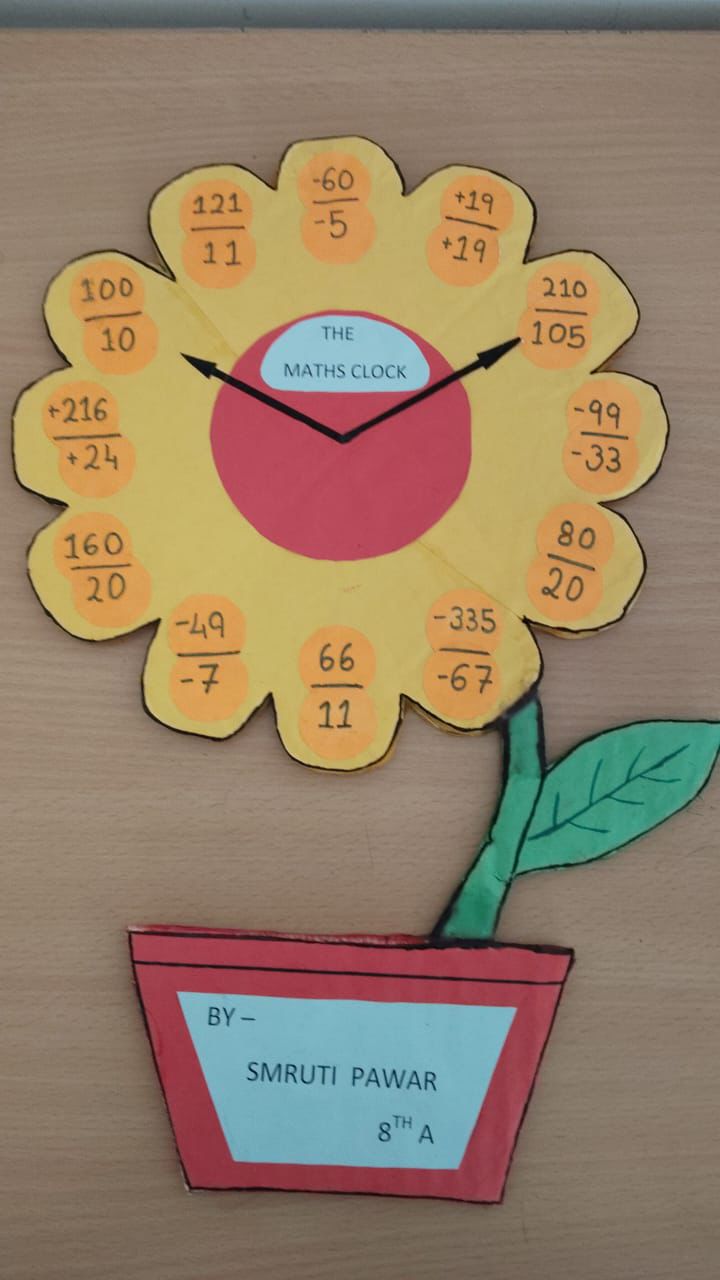
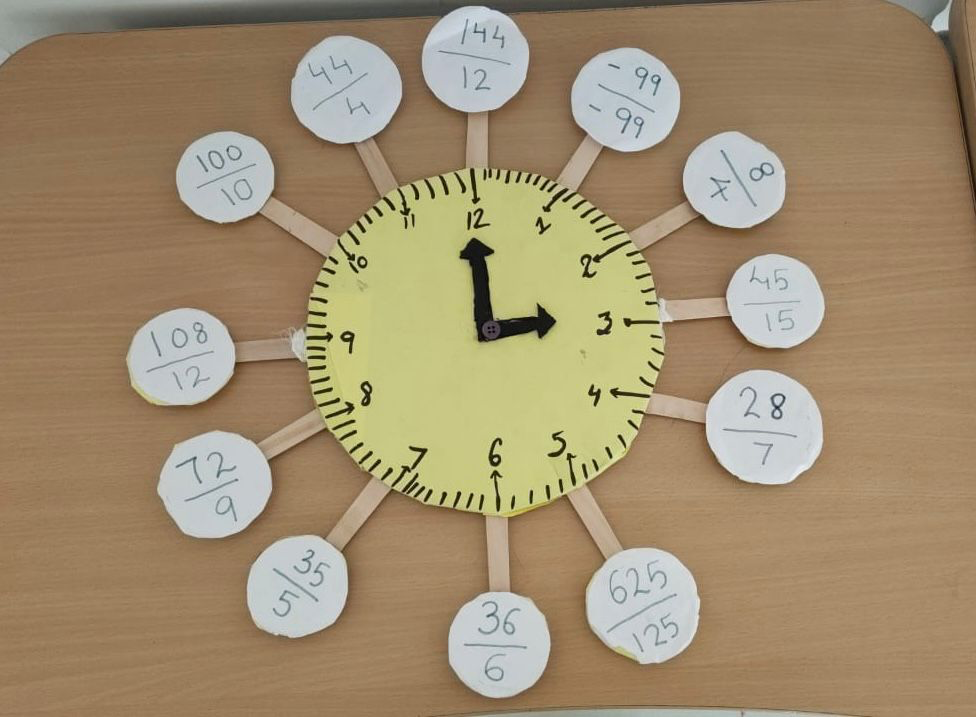
By Aarav Shekar Grade 8
- Making of a Sports Day https://www.almamater.education/
And Finally…

Dear reader,
I work with the school leadership team as an advisor, collaborate with teachers as a pedagogical trainer, assist parents as a parenting counselor, and engage one-on-one with students as a personal guide and mentor. This weekly newsletter shares what I read, learn, and experience.
3-2-1 Tuesdays with Ms. Niv is a newsletter you can subscribe to and enjoy your learning journey with me.
From the archives
Many of you have been asking for the earlier editions of this newsletter. I am delighted to note that you are enjoying the content served here. Now, with every new issue, I am sharing a link to the newsletter from the archives, starting from the earliest ones available.
Here is the link for – issue#005
https://wordpress.com/post/niveditamukerjee.com/3029
Enjoy and subscribe.
3-2-1 TUESDAYS WITH MS NIV
Issue #228, 19th November 2024
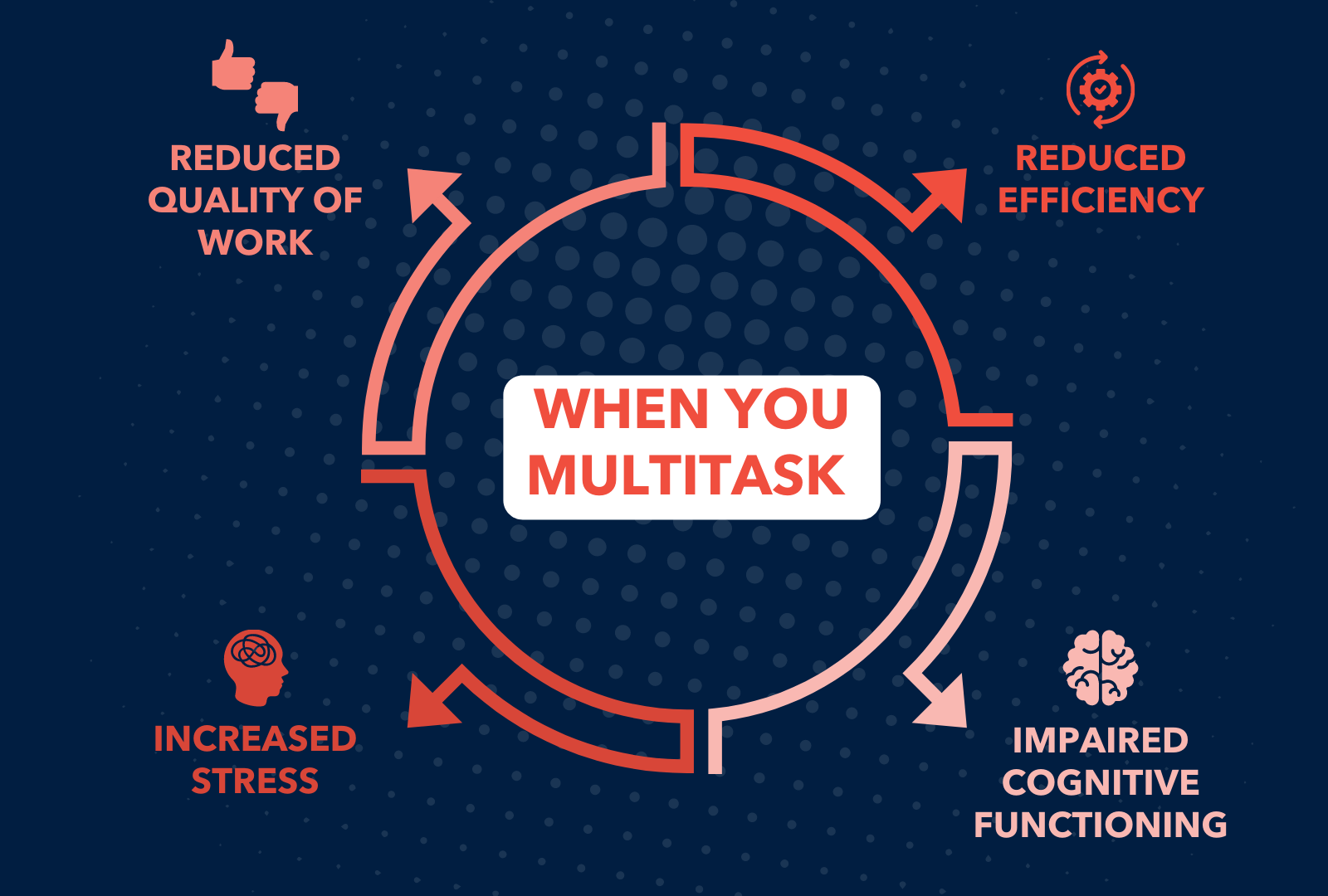
Which produces higher quality work? Focused work typically produces superior results since it allows deep concentration, reduces errors, and enables complex problem-solving. Multitasking splits attention, leading to more mistakes and shallower thinking.
What’s the impact on mental energy? Focused work uses mental energy efficiently by maintaining a single stream of thought. Multitasking depletes energy faster due to constant context switching, which can be mentally exhausting and lead to decision fatigue.
How does time efficiency compare? While multitasking creates an illusion of productivity, research shows it can take 40% longer to complete tasks when switching between them. Focused work, though seemingly slower, often completes tasks faster and more thoroughly in total time spent.
You might want to reflect when do you multitask and when do you focus and how does it impact you and the outcome of the task – as a student, as parent and as an educator. Here are some further thoughts on it.
This is a free newsletter. If you like my content, please subscribe by entering your email ID here.
Three images of the week


Two Thoughts of the Week
In this media-drenched, multitasking, always-on age, many of us have forgotten how to unplug and immerse ourselves completely in the moment. We have forgotten how to slow down. Not surprisingly, this fast-forward culture is taking a toll on everything from our diet and health to our work and the environment. – Carl Honore
Look at this generation, with all of its electronic devices and multitasking. I will confidently predict less success than Warren, who just focused on reading. – Charlie Munger
One Video of the Week
Learning how to learn while learning your subject content can help you over the years, dear students. Meet my guest on this episode of Career Choices Unplugged, Tripat Preet Singh, to hear how it helps in creating a meaningful career.
Reading with Ms. Meenu: Tip of the week
Really Reading in Literature Circles:
As teachers who are trying to raise real readers, how can we more fully deliver on our commitments? Many of us from kindergarten through university are now setting aside a regular portion of the week, the month and the whole school year for genuine “lifelong reader” experiences. These activities are not hybrids or compromises, but chunks of time that all the habits of true grown-up reading. And the most popular structure for delivering such an experience is the literature circle or book club. These groups are closely patterned after adult reader groups, those circles of friends who meet regularly in each other’s living rooms, in church basements or in the back rooms of bookstores to discuss a book they have chosen and read. These book clubs have recently experienced quite a rebirth and sparked after the pandemic.
What happens when we translate this simple literacy practice of adult reading groups to the educational setting? In school, we define literature circles or book clubs or reading groups as small, peer led discussion groups whose members have chosen to read the same article, poem, book or novel and to talk about it with each other. Here are the consistent elements for reading groups:
· Students choose their own reading materials.
· Small groups (three to six students) are formed based upon book choice.
· Grouping is by text choices, not by “ability” or other tracking.
· Different groups choose and read different books.
· Groups create and meet on a regular schedule.
· Discussion questions come from the students and not the teachers.
· Personal responses, connections and questions are the starting point of discussion.
· A spirit of playfulness and sharing pervades the room.
· Assessment is by teacher observation and student self evaluation.
· New groups from around new reading choices and another group begins.
Let’s focus on all these elements and keep on shaping future readers.
Happy Reading!
Meenu Gera
Consulting home and school librarian and reading guide.
Career assessment, guidance, and placement strategies:
Navigating Career Choices: Journey from Multitasking to Focused Growth
Meher’s parents are doctors, and our interaction with her started when she was in grade 9. At that time the objective was to assist her with subject selection and enhance her academic focus. There were mixed preferences – her parents being doctors, but she did not want to pursue medicine and wanted to explore alternative career paths. As she progressed to grade 10, she decided to enroll in JEE coaching and set high academic goals for herself, eventually achieving over 90% in her ICSE board examinations. Alongside her academics, she was learning Bharatanatyam; this year 2024, she successfully completed her arangetram. She now trains young learners in Bharatnatyam.
When she entered grade 11, she shifted to NEET coaching and also enrolled in CLAT coaching. She managed her schoolwork along with NEET and CLAT preparations. However, by grade 12, burnout started to take a toll. Currently, Meher is undergoing career and psychosocial counseling sessions with our expert to help her reduce anxiety, manage her time effectively, and choose a focused career path to achieve her goals.
Case study provided by: Team Fermata, www.fermataco.com
And Finally…

Dear reader,
I work with the school leadership team as an advisor, collaborate with teachers as a pedagogical trainer, assist parents as a parenting counselor, and engage one-on-one with students as a personal guide and mentor. This weekly newsletter shares what I read, learn, and experience.
3-2-1 Tuesdays with Ms. Niv is a newsletter you can subscribe to and enjoy your learning journey with me.
From the archives
Many of you have been asking for the earlier editions of this newsletter. I am very happy to note that you are enjoying the content served here. Now, with every new issue, I am sharing a link to the newsletter from the archives. I am starting from the earliest ones available.
Here is the link for – issue#004 https://niveditamukerjee.com/2020/08/04/3-2-1-tuesdays-with-ms-niv-3/
Enjoy and subscribe.
3-2-1 TUESDAYS WITH MS NIV
Issue #227, 12th November 2024
Carefully choose your goal. Then stick to it. What is the ‘Why’ of your goal as a student, as a parent, as an educator? What is the ‘How’ of your goal as a student, as a parent, as an educator? Use some of the parameters here to check them out. If you haven’t set a goal yet, now is a good time to do so. The year of 2024 is coming to a close.
This is a free newsletter. If you like my content, please subscribe by entering your email ID here.
Three images of the week


Two Thoughts of the Week
“What would you attempt to do if you knew you could not fail?” —Robert H. Schuller
“However difficult life may seem, there is always something you can do and succeed at.” —Stephen Hawking
One Video of the Week
Our leaders and institutions are failing us, but it’s not always because they’re bad or unethical, says venture capitalist John Doerr — often, it’s simply because they’re leading us toward the wrong objectives. In this practical talk, Doerr shows us how we can get back on track with “Objectives and Key Results,” or OKRs — a goal-setting system that’s been employed by the likes of Google, Intel and Bono to set and execute on audacious goals. Learn more about how setting the right goals can mean the difference between success and failure — and how we can use OKRs to hold our leaders and ourselves accountable.
Reading with Ms. Meenu: Tip of the week
Reader’s Book Club:
What would you say if someone asked, “what’s your number one goal for your students?” If you are like me, you might answer “ I just want my kids to become lifelong readers”. Could there be a more admirable teacherly dream? After all, if our ex-students, the young people we eventually send off into the grown-up world, are both able and eager to read, they’re going to have much richer lives as citizens, workers and parents. But if we turn and look at our classrooms with this noble vision in mind, we have to wonder, “What am I really doing to nurture such lifelong readers” If someone came to me today, would they see my students doing the things real readers do? What activities, what interactions am I promoting that truly invite kids into the world of books, writers and ideas? What am I doing to build enduring, wide ranging, critical and self initiated reading?
So, if we look at the habits of the thoughtful and curious adult readers who are our models, we see some key patterns. First, lifelong learners choose what they will read, whether fiction or nonfiction, books or articles, magazines or websites. They connect personally with the material they have chosen. They often use informal kinds of writing notes, jottings or drawing to deepen their understanding. After reading something significant they often seek out other readers to talk with. Over time, they develop their own tastes, favorite authors, and topics of expertise. They make strong judgments about the value of what they read, the artistry of authors and the personal significance of a text. In short, they own reading.
But in schools it doesn’t happen the same way. Let’s continue with this discussion next week on how to bring change and shift to another level.
Keep Reading!
Meenu Gera
Consulting home and school librarian and reading guide.
Career assessment, guidance and placement strategies:
Importance of Setting Career Goals
Nayna scored 95% in grade 10 and 70% in grade 11, but her performance dropped drastically in Grade 12, which concerned her parents. During our career counseling session with Nayna and her parents, we discovered that she was distracted by social media and had no social circle. Interestingly she was also spending a significant amount of time at the gym. A detailed conversation with her revealed that she had no clear goals, leading to her losing interest in school. The career counselor at Fermata, helped her define her career goals, set small academic targets, create a list of universities to aspire to, and establish a timeline for applying to the colleges.
Case study provided by: Team Fermata, www.fermataco.com
And Finally…

Dear reader,
I work with the school leadership team as an advisor, collaborate with teachers as a pedagogical trainer, assist parents as a parenting counselor, and engage one-on-one with students as a personal guide and mentor. This weekly newsletter shares what I read, learn, and experience.
3-2-1 Tuesdays with Ms. Niv is a newsletter you can subscribe to and enjoy your learning journey with me.
From the archives – issue#003
Many of you have been asking for the earlier editions of this newsletter. I am very happy to note that you are enjoying the content served here. Now, with every new issue I am putting out a link of the news letter from the archives here, starting from the earliest ones. Enjoy and subscribe.
3-2-1 TUESDAYS WITH MS NIV
Issue #226, 5th November 2024
Children rise to the expectations of the adults in the environment. Whether it is negative or positive. Whether you are a parent or an educator, ask yourself these questions.
- Do I automatically assume they’ll struggle with certain subjects/tasks, or do I believe they can develop skills with effort?
- When they face challenges, do I think “they can’t do it” or “they’re not ready yet”?
- Do I catch myself using limiting language like “you’re not good at this” versus “you’re still learning”?
- How do I react when they make mistakes – with disappointment/frustration or as learning opportunities?
- Do I find myself comparing them unfavorably to others, or do I focus on their individual progress?
- Am I more likely to point out their errors or celebrate their efforts?
- When I think about their future, do I have preset limitations in mind or see open possibilities?
- Do I make assumptions about what they “can’t” do based on past experiences?
- Am I projecting my own fears or unfulfilled aspirations onto them?
- What words do I consistently use when describing them to others?
- Do I share more negative stories or positive ones about their behavior/achievements?
- How often do I express confidence in their abilities versus doubt?
- Do I rush to help because I don’t think they can handle it, or do I give them space to try?
- Am I more focused on protecting them from failure or encouraging them to take appropriate risks?
- Do I find myself using phrases like “be careful” more often than “give it a try”?
This is a free newsletter. If you like my content, please subscribe by entering your email ID here.
Three images of the week


Two Thoughts of the Week
“No matter how calmly you try to referee, parenting will eventually produce bizarre behavior, and I’m not talking about the kids. Their behavior is always normal.”
― Bill Cosby
“Children do not experience our intentions, no matter how heartfelt. They experience what we manifest in tone and behavior.”
― Gordon Neufeld, Hold On to Your Kids: Why Parents Need to Matter More Than Peers
One Video of the Week
There is an epidemic of school suspensions in the U.S. and the downstream consequences are severe. Adults suspend students, and while that may sound obvious, Rosemarie Allen realized that the problem might be the solution. When dealing with the difficult behaviors of children, what if we turned our focus inward? Dr. Rosemarie Allen works passionately to ensure that children have access to high-quality early childhood programs that are developmentally and culturally appropriate. She teaches classes at Metro State University focused on raising teachers’ awareness of the impact equity, privilege, and power can have in the classroom. Dr. Allen serves as an intern on the Early Childhood Task Force with President Obama’s “My Brother’s Keeper” initiative and is a respected keynote speaker on culturally responsive practices and cultural competence.
Reading with Ms. Meenu: Tip of the week
Reading Strategies
For any reading activity to succeed, kids need to understand and remember what they read and that’s not necessarily a slam dunk. Literature circles are an important tool for our understanding of how reading-as-thinking is happening at a pretty early stage, and educators do show kids the specific cognitive moves that skilled readers use to crack tough texts. We should always explain to our students that smart readers:
Visualize: They make mental pictures or sensory images as they read.
Connect: They connect the text to their own experience to events in the world to other readings.
Question: they actively wonder, surface uncertainties and interrogate the text, the author or the characters.
Infer: They predict, hypothesize, interpret and draw conclusions.
Evaluate: They determine relative importance, make judgements and develop critiques.
Analyze: They notice elements of the author’s craft: text structures, language, style, theme, point of view.
Recall: They can retell, summarize and remember information.
Self-monitor: They can recognize and act upon uncertainty as they read; adjusting, troubleshooting, fixing up their understanding.
Keep Reading!
Meenu Gera
Consulting home and school librarian and reading guide.
Career assessment, guidance and placement strategies:
Megha is currently studying in grade 10 under the CBSE curriculum. She aspires to pursue medicine but is unsure if this is the right career path for her. Additionally, she is contemplating whether to complete her senior schooling in India or Dubai. Her parents are considering a switch from the national curriculum to the state curriculum if she stays in India, allowing her to focus on NEET exam preparation. Both Megha and her parents are feeling uncertain about her career direction, the choice of curriculum, and the study destination, leading to significant confusion.
The career expert at Fermata addressed each concern, outlining the pros and cons to help them gain clarity. For the career uncertainty, the recommended starting point was a career assessment. Regarding the curriculum, the expert explained the benefits of each curriculum in alignment with the NEET preparation. The decision about where Megha will study for her senior school will be finalized once her career direction is clearer, as this will help define her academic path.
At Fermata, the experts use a highly customized approach within a defined structure to meet the unique needs of each student.
Case study provided by: Team Fermata, www.fermataco.com
And Finally…
From the archives – issue#002
Many of you have been asking for the earlier editions of this news letter, am very happy to note that you are enjoying the content served here. So, I with every new issue I am putting out a news letter from the archives here, starting from the very first one. Enjoy and subscribe.
3-2-1 Tuesdays with Ms Niv
3-2-1 TUESDAYS WITH MS NIV
Issue #225, 29th October 2024
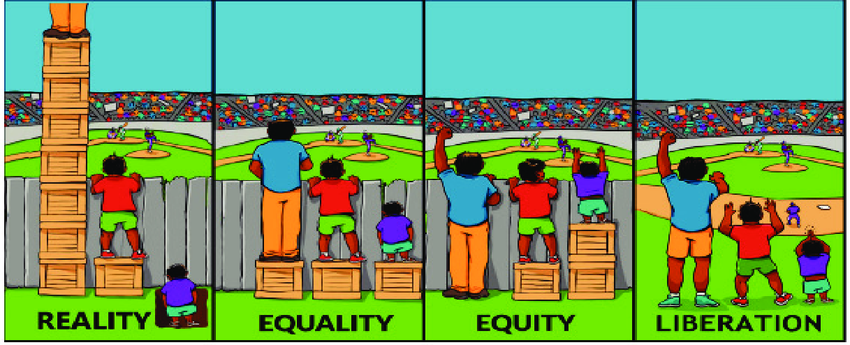
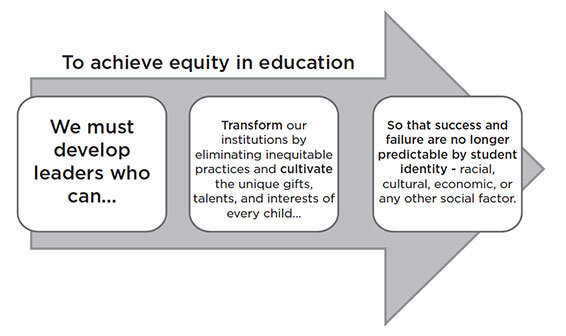
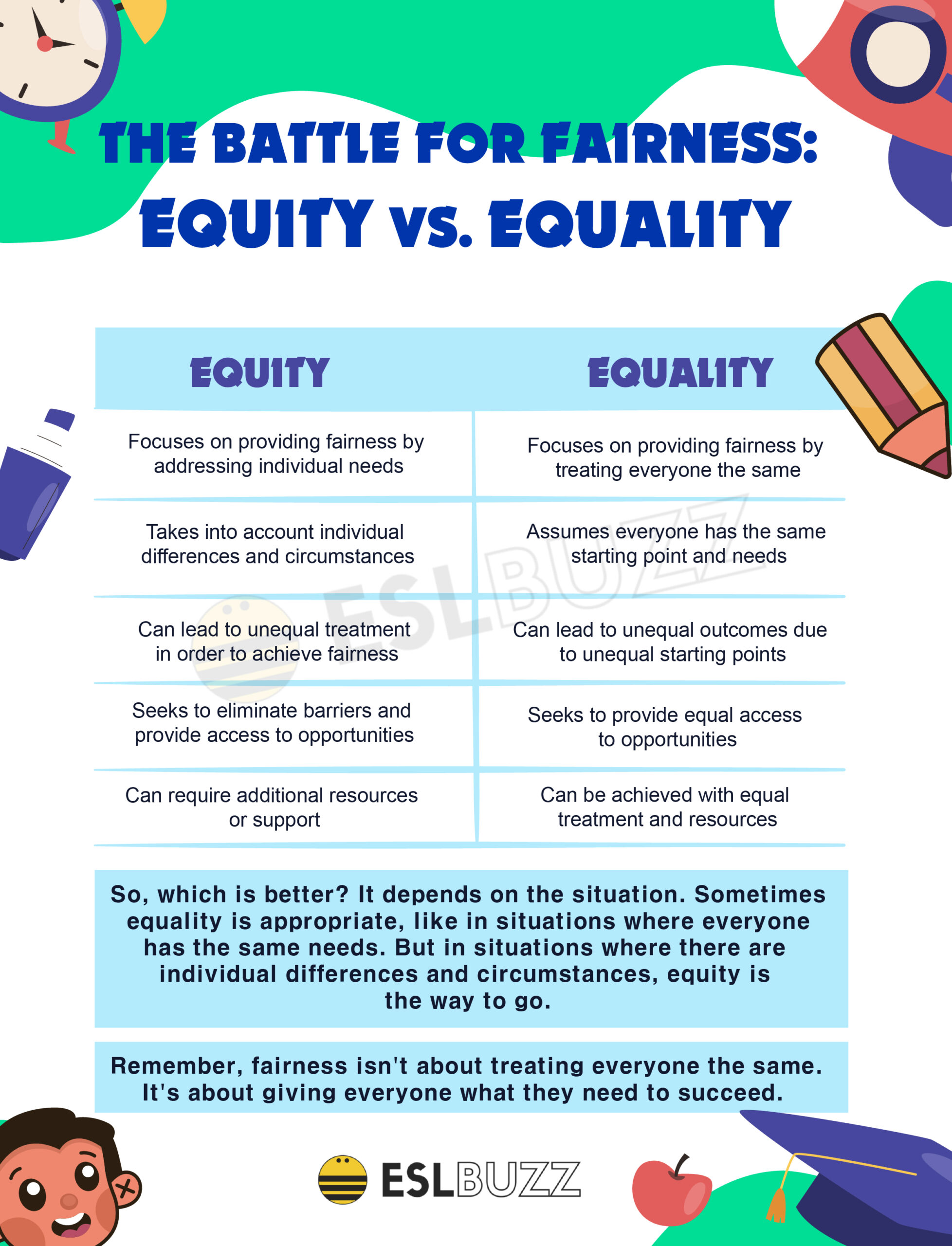
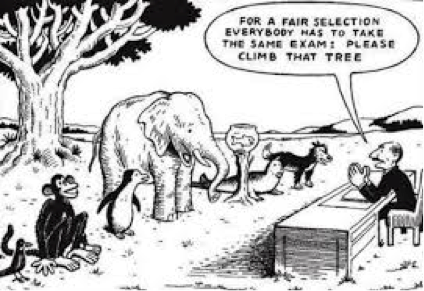
Let us together uncover any systemic disparities or inequities in our school’s policies, practices, and outcomes for different student populations in our school. Here are some guiding questions to reflect upon:
- What is the racial/ethnic, socioeconomic, and disability composition of the student body? and, how does this compare to the overall demographics of the community the school serves?
- How are financial, instructional, and extracurricular resources distributed across different student groups on our campus? and, are there any disparities in funding, class sizes, course offerings, technology access, etc. between different student demographics on the campus?
- What are the academic achievement gaps between different student groups (e.g. race, socioeconomic status, disability status) and, how do graduation rates, college enrollment, and other long-term outcomes vary across these student demographics?
- Are there disproportionate rates of suspension, expulsion, or other disciplinary actions for particular student groups? and, what support systems (counseling, tutoring, mentoring, etc.) are available to support students from underserved backgrounds?
- Does the curriculum and instructional materials reflect the diversity of the student body and community? and, do teachers receive training on culturally responsive teaching and avoiding implicit biases?
- How accessible and inclusive are the school’s communication and engagement efforts for families of diverse backgrounds? and, are there opportunities for meaningful partnerships with community organizations serving underrepresented groups?
- What is the school/district’s stated commitment to educational equity? and, how are school leaders held accountable for advancing equity goals and outcomes?
This is a free newsletter. If you like my content, please subscribe by entering your email ID here.
Three images of the week
Two Thoughts of the Week
We are all creative, but by the time we are three of four years old, someone has knocked the creativity out of
us. Some people shut up the kids who start to tell stories. Kids dance in their cribs, but someone will insist they
sit still. By the time the creative people are ten or twelve, they want to be like everyone else. –Maya Angelou
The greatest good you can do for another is not just to share your riches, but reveal to them their own. –
Benjamin Disraeli
The single largest variable that predicts SAT scores is family income. If you want higher SAT scores, you need
to get your kids born into wealthier families. You know, it’s great to tell kids to pull themselves up by their own
boot straps, but you better put boots on them first. –Paul Houston
One Video of the Week
2019 National Teacher of the Year, Rodney Robinson, uses stories from his years teaching in the Richmond Juvenile Detention Center to show the need for teachers of color. Rodney Robinson is a 19-year teaching veteran. He became a teacher to honor his mother, who struggled to receive an education after being denied an education as a child due to segregation and poverty in rural Virginia. In 2015, Robinson started teaching at Virgie Binford Education Center, a school inside the Richmond Juvenile Detention Center, in an effort to better understand the school-to-prison pipeline. Robinson uses the whole child approach to education to help the students who are most vulnerable. His classroom is a collaborative partnership between himself and his students and is anchored in him providing a civic centered education that promotes social-emotional growth. Robinson uses the knowledge he has gained from his students to develop alternative programs to prevent students from entering the school-to-prison pipeline.
And Finally…
From the archives – issue #001
Many of you have been asking for the earlier editions of this news letter, am very happy to note that you are enjoying the content served here. So, I with every new issue I am putting out a news letter from the archives here, starting from the very first one. Enjoy and subscribe.
3-2-1 Tuesdays with Ms Niv
3-2-1 TUESDAYS WITH MS NIV
Issue #224, 22nd October 2024
“What specific benefit will I gain by changing this habit?”
“What small, manageable step can I take today to start this change?”
“How can I set up my environment to support this new habit?”
Whether you are a student, parent or an educator, this festival season, ask yourself these three questions to work on a better version of yourself before the end of this year.
This is a free newsletter. If you like my content, please subscribe by entering your email ID here.
Three images of the week


Two Thoughts of the Week
“Your beliefs become your thoughts,
Your thoughts become your words,
Your words become your actions,
Your actions become your habits,
Your habits become your values,
Your values become your destiny.”
― Gandhi
“A nail is driven out by another nail; habit is overcome by habit.”
― Erasmus
One Video of the Week
Have you ever wondered how long would it take you to change a habit or create a habit? There is a myth and a truth about the researched reality of changing or acquiring a habit.
Nwal Hadaki is a fourth-year medical student who is passionate about public speaking and spreading life coach advice to people of all ages.
Reading with Ms. Meenu: Tip of the week
Ten Compelling Reasons to Read Aloud:
As we already know, reading Aloud is JOY. But on the side, we always have to consider student learning targets. It is important to have authentic interactions about concepts and ideas that bubble up in our minds. Kids always wonder about things. Reading aloud should be the time when kids should feel free to question anything. We should support reading aloud as a key instructional strategy. Always keep these cognitive reasons to Read Aloud:
· Expands vocabulary
· Celebrates the written and illustrated word
· Fosters a strong sense of community
· Promotes reading
· Builds a foundation for future learning
· Supports budding writers
· Showcases a proficient reader’s strategy use
· Sparks collaborative conversations
· Encourages perspective taking and empathy
· Opens windows to other worlds
Keep Reading!
Meenu Gera
Consulting home and school librarian and reading guide.
Career assessment, guidance and placement strategies:
Sakshi, a student completing her double major in Biochemistry at Jain University, Bangalore, aspired to become a skin specialist. To achieve this goal, she needed to enroll in a master’s program. However, before taking that step, she sought clarity on whether her career choice aligned with her personality. We advised her to take a career assessment. The test revealed her core competencies, and the listed career options aligned well with her goal. Gaining this confidence, she proceeded to apply to one of the best universities in Mumbai for her master’s program.
Fermata offers a simple, 30-minute, login-based career assessment that maps career choices to an individual’s personality, helping them build a purpose-driven career path under the guidance of seasoned experts at Fermata.
Case study provided by: Team Fermata, www.fermataco.com
Dear reader,
I work with the school leadership team as an advisor, collaborate with teachers as a pedagogical trainer, assist parents as a parenting counselor, and engage one-on-one with students as a personal guide and mentor. This weekly newsletter shares what I read, learn, and experience.
3-2-1 Tuesdays with Ms. Niv is a newsletter you can subscribe to and enjoy your learning journey with me.
And Finally…

3-2-1 TUESDAYS WITH MS NIV
Issue #223, 15th October 2024
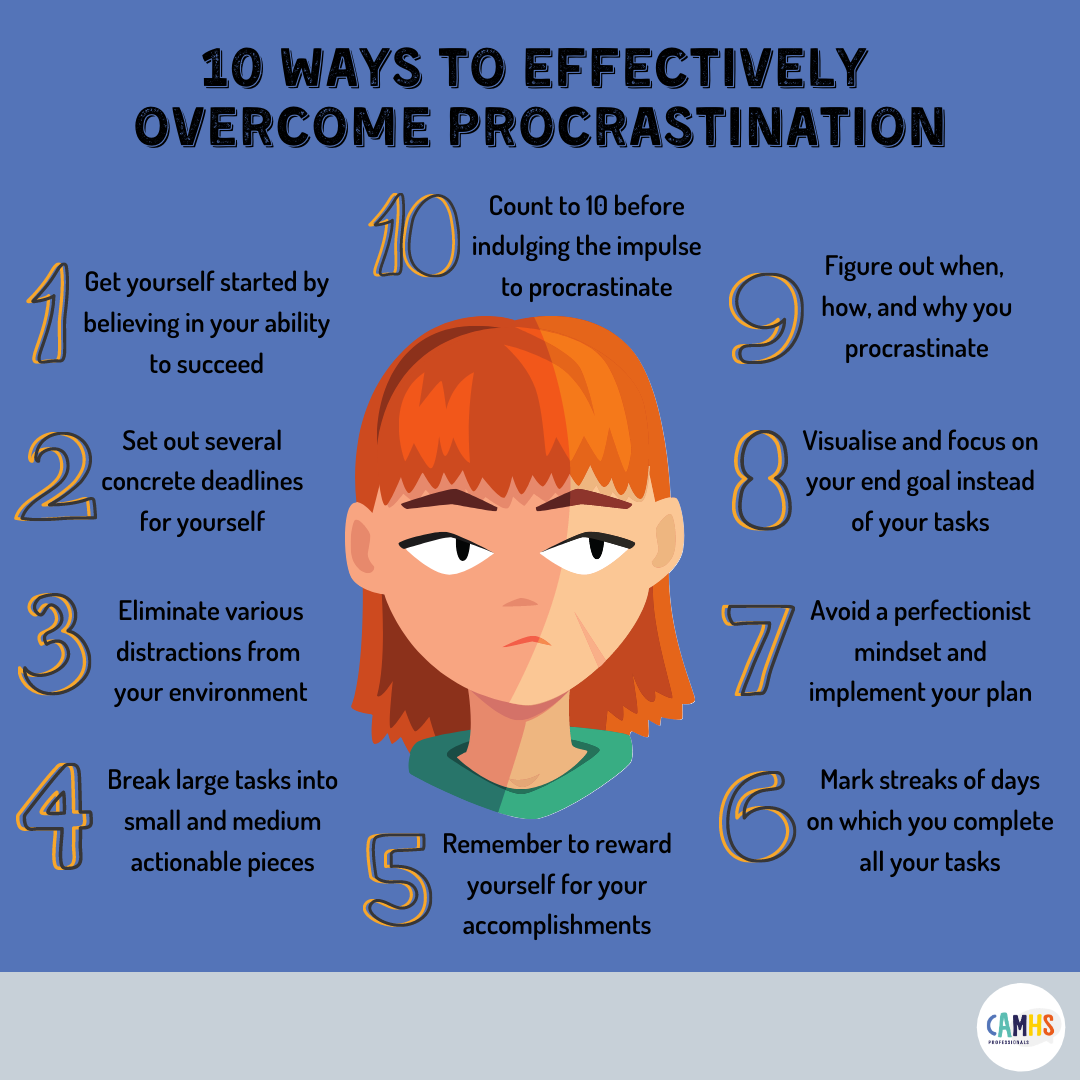
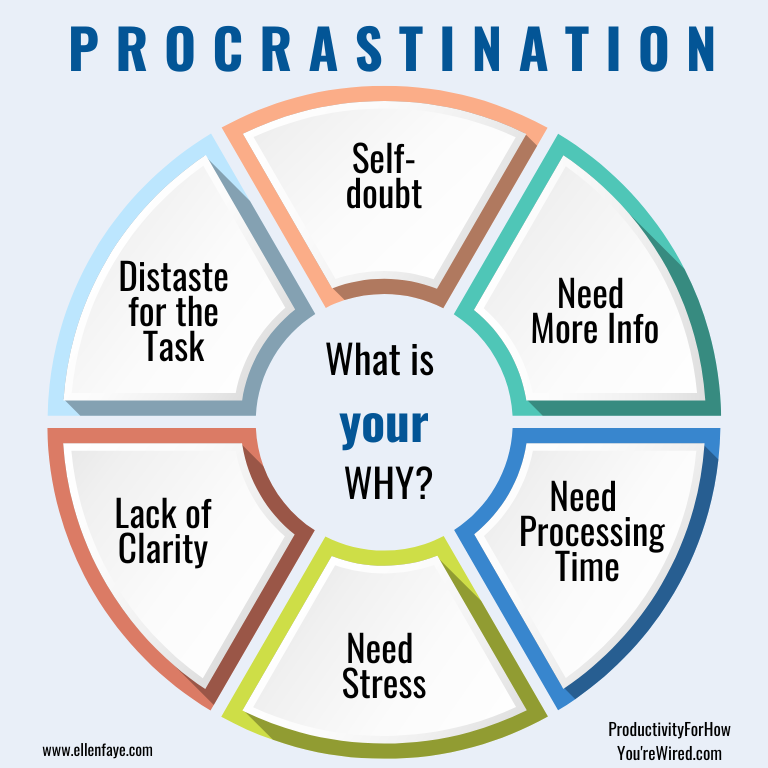
Am I avoiding this task in favor of less important activities?
Do I keep pushing this task to “later” without a concrete plan?
Am I feeling anxious or guilty about not starting or completing this task?
If your answer is yes to these questions, you know that you are procrastinating your important task. Want to understand this a little better? continue reading.
This is a free newsletter. If you like my content, please subscribe by entering your email ID here.
Three images of the week

Two Thoughts of the Week
“Only put off until tomorrow what you are willing to die having left undone”
― Pablo Picasso
“Time is an equal opportunity employer. Each human being has exactly the same number of hours and minutes every day. Rich people can’t buy more hours. Scientists can’t invent new minutes. And you can’t save time to spend it on another day. Even so, time is amazingly fair and forgiving. No matter how much time you’ve wasted in the past, you still have an entire tomorrow.”
― Denis Waitley
One Video of the Week
Tim Urban knows that procrastination doesn’t make sense, but he’s never been able to shake his habit of waiting until the last minute to get things done. In this hilarious and insightful talk, Urban takes us on a journey through YouTube binges, Wikipedia rabbit holes and bouts of staring out the window — and encourages us to think harder about what we’re really procrastinating on, before we run out of time.
Reading with Ms. Meenu: Tip of the week
Read Aloud Is a Great Pleasure:
When you love books as much as I do, you’re compelled to share them with anyone who will listen. Luckily for most educators they have an audience in their classroom every day. Read Aloud is an art to master by discussing various factors mentioned below. Reading Aloud should be a joyful celebration for all. For you, for your students and indirectly for the author and illustrator who toiled over each word and every image that lies on and between the covers of the book. In my mind a picture book is a piece of art created to be cherished and applauded right from the start, when your students are having a bad day – read aloud. If you need a break from a tough topic in Math – read aloud. When you just want to have fun with your kids – read aloud.
Always discuss the following pointers during a read aloud.
Book Title, Cover page, author and illustrator, book awards and learning target.
Comprehension conversations should include:
Before Reading:
· Notice the cover illustration
· Set a Purpose
· During Reading
· After reading
· Vocabulary words
· Other similar titles.
Keep Reading!
Meenu Gera
Consulting home and school librarian and reading guide.
Career guidance and placement strategies:
Nithin, a civil engineer from Mysuru, Karnataka, wasn’t enjoying his on-site job supervising construction work, especially dealing with the heat. He came to us for guidance on where to take his career next. What stood out about Nithin was how open he was to listening and reflecting on his options. He still wanted to stay in civil engineering but didn’t want to continue with supervision tasks.
After he took our career assessment, we discovered that his strengths were in design, with a strong interest in sustainability. Our career expert suggested that he could build a career in the sustainable development field, which sparked his interest. Nithin was excited about the idea and started looking into ways to build his skills in this area. He eventually found TERI’s Master’s program in Sustainable Development Practice, which was the perfect fit. Within a year, he was enrolled and ready to dive into this new chapter of his career.
Case study provided by: Team Fermata, www.fermataco.com
Dear reader,
I work with the school leadership team as an advisor, collaborate with teachers as a pedagogical trainer, assist parents as a parenting counselor, and engage one-on-one with students as a personal guide and mentor. This weekly newsletter shares what I read, learn, and experience.
3-2-1 Tuesdays with Ms. Niv is a newsletter you can subscribe to and enjoy your learning journey with me.
And Finally…

3-2-1 TUESDAYS WITH MS NIV
Issue #222, 8th October 2024
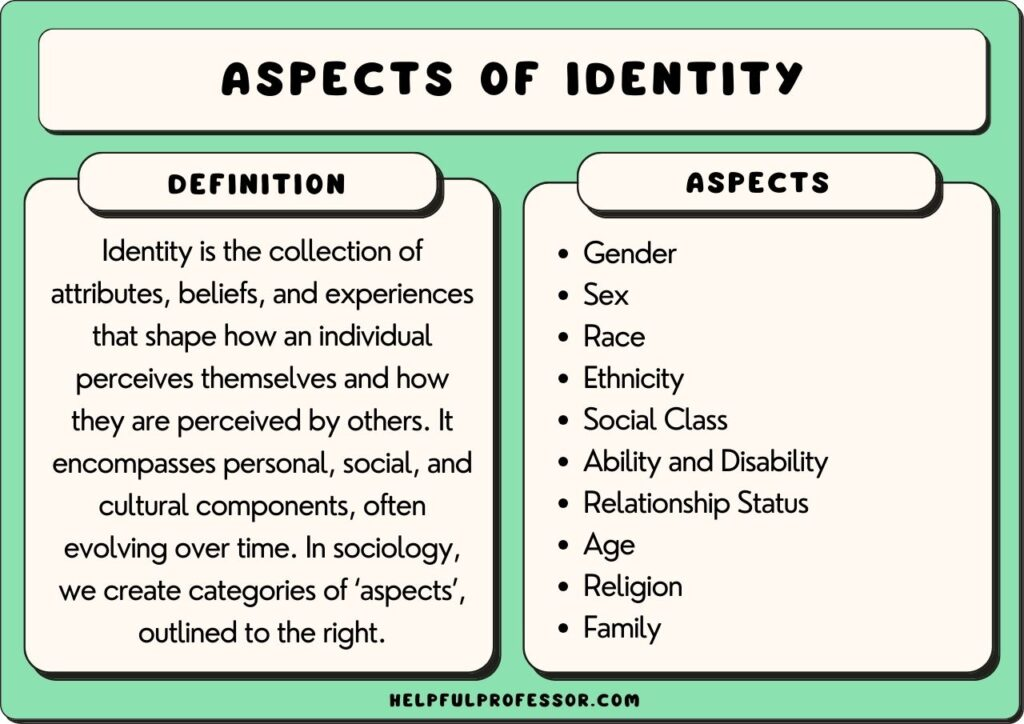
What are my core values and beliefs? What activities or subjects am I most passionate about? How do I define success for myself? What kind of person do I want to become? What are my strengths and weaknesses? How do my cultural background and experiences shape who I am? What relationships and communities are most important to me? How do I want to contribute to the world? What fears or insecurities hold me back? How do I handle challenges and setbacks?
What all aspects make my identity? Here are some thoughts to ponder upon as a student, teacher, parent and, as an individual.
This is a free newsletter. If you like my content, please subscribe by entering your email ID here.
Three images of the week


Two Thoughts of the Week
“I am no bird; and no net ensnares me: I am a free human being with an independent will.”
― Charlotte Brontë, Jane Eyre
“Most people are other people. Their thoughts are someone else’s opinions, their lives a mimicry, their passions a quotation.”
― Oscar Wilde, De Profundis
One Video of the Week
What is identity, and why is it so important? In this TEDx Talk, Sidney Muntean dives into her own personal experiences with identity, and why, ultimately, accepting ourselves is enough. Sidney Muntean is a junior studying Creative Writing at OCSA. She enjoys writing poetry, prose, screenplays, and hybrid forms. She is particularly interested in the intersections between varying creative art forms and believes that creativity is the best representation of humanity. Sidney is also passionate about teaching, as she holds creative writing workshops for children at her local library in addition to teaching English as a second language for children in Southeast Asia. When she’s not writing or teaching, Sidney can be found curled up with a book, off on a picnic, or dancing in the rain.
Reading with Ms. Meenu: Tip of the week
Establishing a Framework:
Think about yourself as a reader. You probably choose what you want to read for a variety of purposes. You have opportunities to read for long periods of time. You respond mostly through reflection, conversation, and collaboration. Sometimes you share your thinking and insights with others. In a reading workshop children have daily opportunities to learn how to do the same.
Reading workshop is a simple framework for teaching and learning that beautifully accommodates my beliefs about how children learn. A workshop format is based on the principles of time, choice, and response. It allows for in-depth techniques for teaching and learning. This format also provides flexibility and differentiation. Ultimately, it creates an independent reader.
Reading workshops give them strategies on what to read and how to reflect on it.
Since it is Dussehra Break here are some of the book recommendations about to read:
· The Secret Life of Trees (Butterfield 2020)
· Ten ways to hear snow (Camper 2021)
· Stick and stone (Ferry 2021)
· The Beeman (Krebs 2020)
· Planting the Wild Garden (Galbraith 2011)
Keep Reading!
Meenu Gera
Consulting home and school librarian and reading guide.
Career guidance and placement strategies:
Career Redesign for a Working Professional, 2017
Abbas is a civil engineer by qualification. He gained one year of on-site experience. Then, he transitioned to customer support at Amazon. Within two years, he was promoted to team lead. He approached us to plan his master’s degree in Business Analytics from Canada, seeking guidance on the process. A career counseling session was arranged with a Fermata expert.
During the session, Abbas expressed his desire to pursue a master’s in Business Analytics. He explained that he no longer wished to return to civil engineering. He did not enjoy the daily tasks of monitoring construction work, and he found the career growth uninspiring. However, he was uncertain whether Business Analytics was the right field for him.
The career expert advised Abbas to enroll in a short-term Business Analytics program. Pursuing higher education requires a significant investment of time. It also demands a substantial amount of money. The program would help him explore the field. It would give him a clearer understanding of its demands. The expert also provided a few options to choose from. After completing the foundational course, Abbas gained the clarity and confidence to pursue a career in Business Analytics. He then took the next step by identifying a suitable university and beginning his new journey.
Case study provided by:Team Fermata, www.fermataco.com
Student Speak:
What changes a person’s identity?
Is it our surroundings, relationships, behavior, or all of the above?
As people, we do not always realize how seriously these factors affect our behavior. The changes happen so slowly. By the time we even suspect something like this, we would have changed so much. We won’t be able to comprehend it on our own. Not everyone is fortunate to have others notice these important changes. They are often the ones who make those changes happen. If this happens later on in a person’s life, the consequences are amendable. This is because they can know their identity by looking back to the past. The past shows them what they are as an individual and guides them to their original self. But when it happens at a young age we don’t know our identity, therefore our potential, personality, self-knowledge, and discovery will all be dictated by our environment.
So how does this happen with young adults and on what scale does it affect them . as a student there are very few things that are expected grades, academic achievements, and sometimes extracurriculars. Simple enough right? Sure, when you write it down or hear it getting done it sounds easy but achieving it is anything but that. To them, the pressure directly or indirectly overwhelms everything else. They dedicate so much to it that they don’t realize it’s stripping away their childhood, a time when they should explore, live, and learn. Some people think the disabled or backbenchers have it the hardest. Believe it or not, toppers suffer the most. I know ironic right? How are the people who do everything they are supposed to do have it the hardest? Let me explain. This particular group of kids has been pleasing others their whole life. Whether it is because of peer pressure or anything else, they feel the need to achieve and please others so badly. They are willing to put their childhood in jeopardy to do so. Of course, some may gently have an interest in studies but the majority of them are directly or indirectly doing it because of the influence of others or because they think that is what the world expects them to do. When these children grow up 85% of them become introverts, depressed, and unsatisfied with their lives. This happens due to two main reasons. First, they don’t know who they are without their work. Second, they don’t know how to interact with others as they never allowed themselves that exposure at a young age. They don’t make friends because they become nervous when they meet unfamiliar people. This causes them to act closed off and not try to connect with others. All of this happens because they endure pressure as children. This pressure is initially put on them to become successful adults. Is this really the definition of success they are talking about? Sure they get huge respected jobs and high titles but at what cost? Is it worth losing everything just for a respected job and title?
Between the ages of 8 to 20, we humans are supposed to learn and explore. We make mistakes and, most importantly, find out who we are as a person. We discover where we stand in this world of ours. This is what shapes our identity that lasts us throughout our lives. We don’t get this exposure by sitting behind a book or taking exams. We get it by going out to play. We make mistakes, take risks, and finally face the consequences. We may think that getting good grades will give us a good job. However, it won’t land us the contentment that knowing who we are will bring. After all, in the end, people won’t remember you for how much you earned annually. They will remember you for what you do with that money and what that money did to you.
Likitha Aaradhya
Student of grade 7
Dear reader,
I work with the school leadership team as an advisor. I work with teachers as a pedagogical trainer and with parents as a parenting counselor. I engage one-on-one with students as a personal guide and mentor. I share what I read, learn, and experience with this weekly newsletter.
3-2-1 Tuesdays with Ms. Niv is a newsletter you can subscribe to and enjoy your learning journey with me.
And Finally…

3-2-1 TUESDAYS WITH MS NIV
Issue #221, 1st October 2024
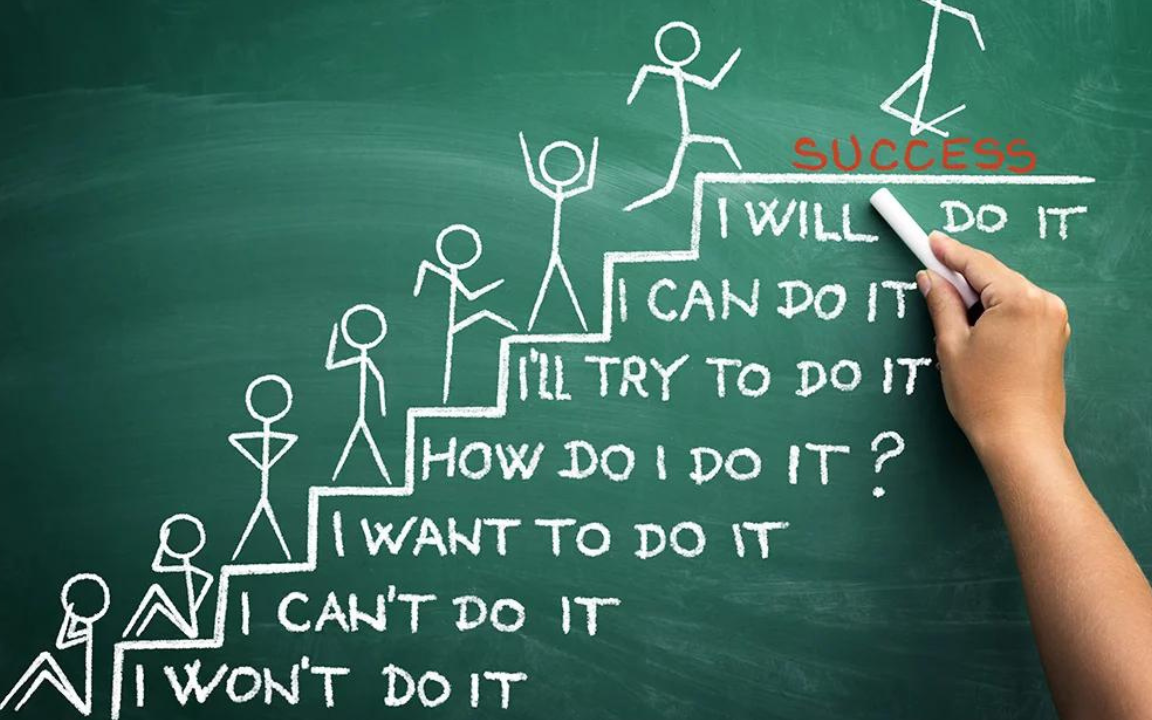
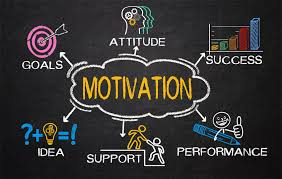
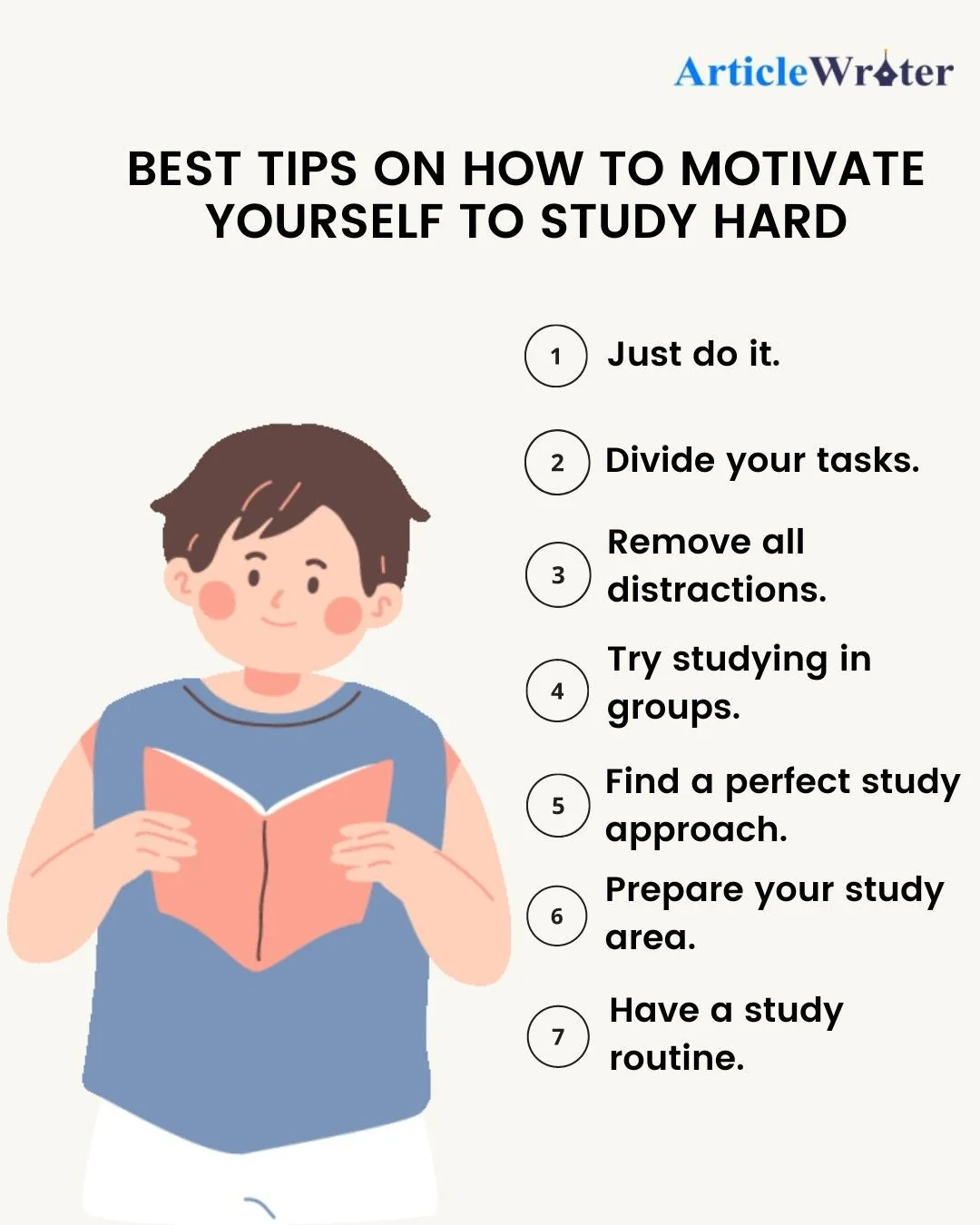
- Why is this task important to me? Reflect on the personal significance or broader impact of completing the task.
- What specific outcome am I working towards? Clarify your end goal to give your efforts more direction and purpose.
- How will I feel after I’ve completed this task? Visualize the sense of accomplishment or relief to boost your motivation.
These questions can help refocus your energy and reconnect you with your reasons for taking on the task. Did you find the answers? Try them with yourself, your students, your fellow educators and check the outcome.
This is a free newsletter. If you like my content, please subscribe by entering your email ID here.
Three images of the week
Two Thoughts of the Week
“A small aim is a crime.”
― Dr. APJ Abdul Kalam, Former President of India
“All glory comes from daring to begin.”
― Ruskin Bond, Indian author.
One Video of the Week
You never know how much time you really have until you start to use it. Are you as efficient and productive as you can be? High school junior Yana Savitsky shares how the Pomodoro method changed the way she thinks and acts towards her work, allowing her to make the most of her time and achieve her goals. Yana Savitsky is a sophomore at Lake Forest High School. Taking rigorous academic courses at the AP and honors level, she is constantly flooded with strenuous assignments. Outside of academics, however, Yana has a passion for storytelling and helping others, whether it is visually, through the lens of a camera in New Media, or speaking out for social change and volunteering. Nonetheless, Yana seeks to efficiently and effectively complete her coursework, and even excel in it through maximizing her time with the Pomodoro Method, conveniently the topic of her TED talk.
Reading with Ms. Meenu: Tip of the week
Motivation to Read:
When we read aloud a favorite book to children, we are doing more than reading a good story. We are showing our love and enthusiasm for reading and learning. We are sharing our thinking and inviting children to join us, and we are encouraging and expecting students to do the same in their reading. Message is clear: I love reading; I know you will too. Parents sometimes wonder how children as young as six, seven and eight can sustain reading. They are curious how kids can read for forty-five to fifty minutes a day. But when children understand that they share in the responsibility for their learning, they are able to read for long stretches at a time. When they have a say in the book they read, they can read for long periods. When the tasks they are asked to complete have a meaning, they are able to read for long stretches at a time.
When children recommend books to each other, the message is clear. They are committed and motivated to read. When they share their thinking and learning at the end of their class, the message is clear. They are committed and motivated to read. When they want to learn to read a new book, the message is clear. They are committed and motivated to read.
Keep Reading!
Meenu Gera
Consulting home and school librarian and reading guide.
Career guidance and placement strategies:
Career Redesign
Rohit had been working in the insurance sector for over five years. However, he found little enjoyment in the role and wasn’t advancing up the corporate ladder. Seeking guidance on growing and finding fulfillment in his career, he reached out to us for help.
We began with a comprehensive career assessment, followed by an in-depth career counseling session. During our discussions, it became clear that Rohit had studied finance under pressure from his father. He did not enter this field out of his own interest. The assessments revealed that Rohit is a highly empathetic individual with natural qualities of servant leadership. However, his current role required a more aggressive and assertive approach, which didn’t align with his strengths or personality.
When redesigning career paths, we, as career experts, always consider the individual’s education and qualifications. We ensure that our guidance complements their background. In Rohit’s case, we advised him to explore opportunities in social venture funds. There, he could leverage both his financial expertise and his empathy to connect with social entrepreneurs. This new direction would allow him to thrive. He would be in a role better suited to his personality. He could also utilize his skills in finance.
Case study provided by:Team Fermata, www.fermataco.com
Dear reader,
I work with the school leadership team as an advisor. I work with teachers as a pedagogical trainer and with parents as a parenting counselor. I engage one-on-one with students as a personal guide and mentor. I share what I read, learn, and experience with this weekly newsletter.
3-2-1 Tuesdays with Ms. Niv is a newsletter you can subscribe to and enjoy your learning journey with me.
And Finally…
3-2-1 TUESDAYS WITH MS NIV
Issue #220, 24th September 2024
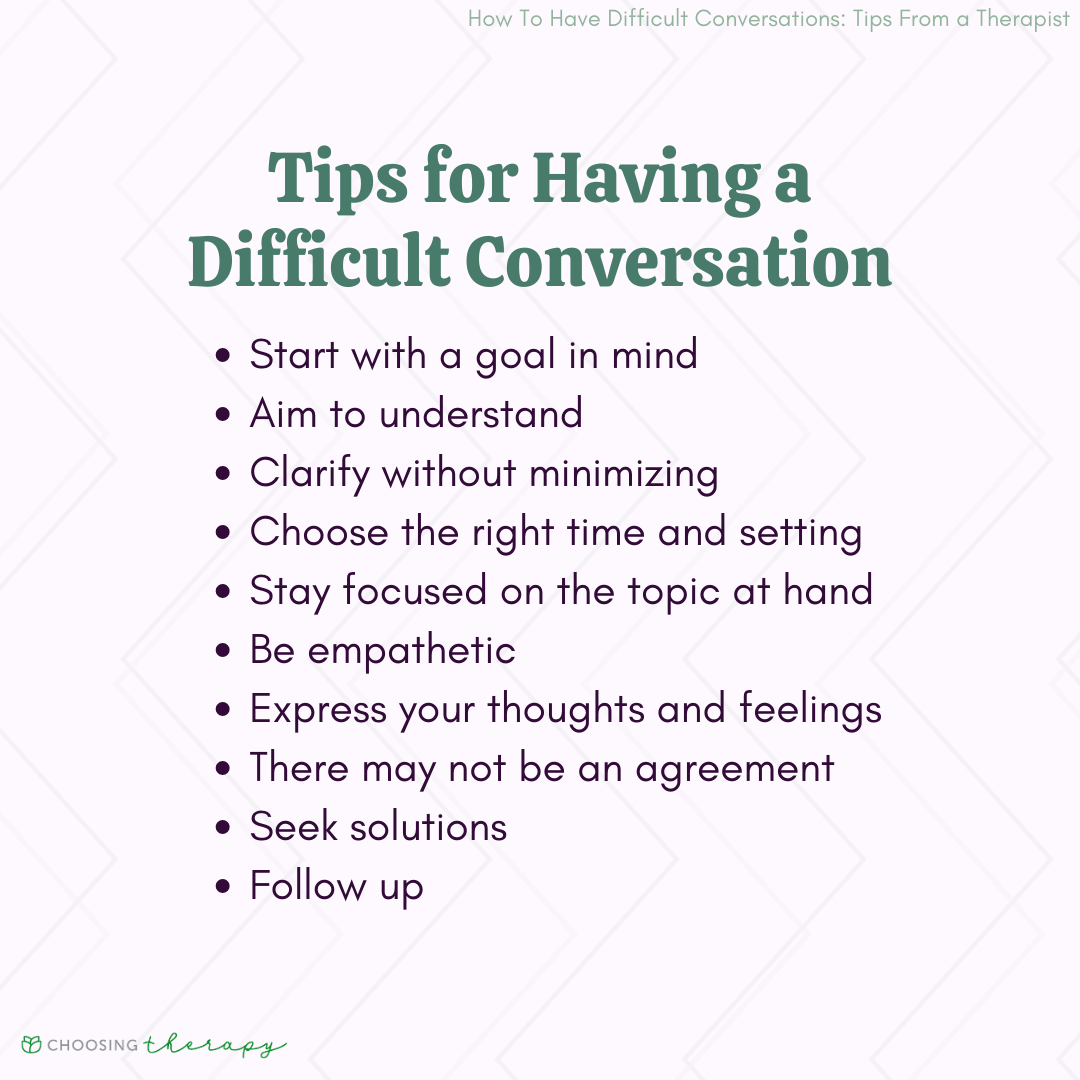
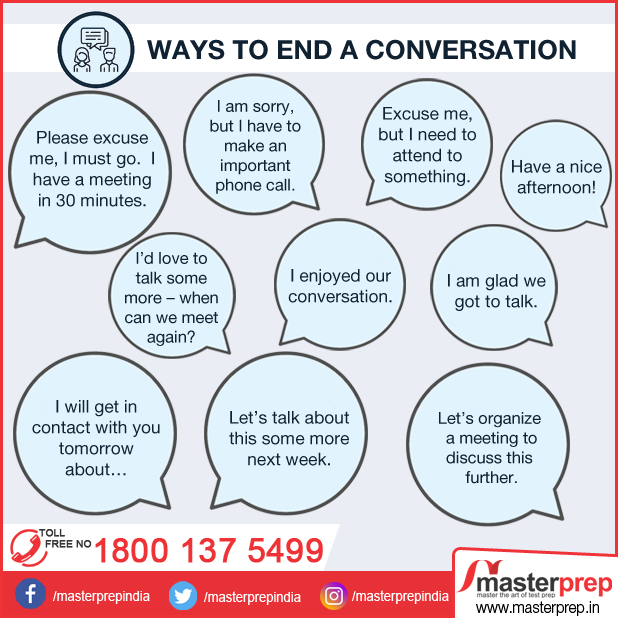
“How are you feeling today?” “What was the best part of your day so far?” “Is there anything that’s been worrying you lately?” “What made you smile or laugh recently?” “If you could change one thing about your day/week, what would it be?” “Who’s someone you really look up to, and why?” “What’s something you’re really proud of?” “When do you feel most like yourself?” “What’s a dream or goal you have for the future?” “Can you tell me about a time when you felt really happy/excited/scared?”
Some questions that you can ask your students and/or your own child as a teacher/parent more often. Questions that are more about emotions than about facts like what happened in school today? what did you do? what did you study? what did you do during lunch today?
More connected conversations happen when the conversation starts with emotion then followed by a practical one. Try it.
This is a free newsletter. If you like my content, please subscribe by entering your email ID here.
Three images of the week

Two Thoughts of the Week
“If you’re yelling you’re the one who’s lost control of the conversation.” Taylor Swift
“Body language is a very powerful tool. We had body language before we had speech, and apparently, 80% of what you understand in a conversation is read through the body, not the words.” Deborah Bull
One Video of the Week
In a world of increasing complexity but decreasing free time, the role of the trusted ‘explainer’ has never been more important. Charles Duhigg is a literal prizewinner in the field and won the Pulitzer Prize for Explanatory Reporting for his team’s series of articles in the New York Times explaining the (not always wonderful) impact of Apple and big tech on the global economy. He’s also the author of the massive bestseller, The Power of Habit. Charles joined us in Manchester to discuss his latest research and book on Supercommunicators which strikes us as the perfect ‘meta’ topic for a TEDx event. We can all appreciate the incredible power of communication. But while we’re all trying to communicate, some of us clearly do it better than others. Why? According to Charles’ latest work, supercommunicators understand that whenever we speak, we’re actually participating in one of three conversations: practical (What’s this really about?), emotional (How do we feel?), and social (Who are we?). If you don’t know what kind of conversation you’re having, you’re unlikely to connect. “Supercommunicators” know the importance of recognizing—and then matching—each kind of conversation and how to hear the complex emotions, subtle negotiations, and deeply held beliefs that color so much of what we say and how we listen. He says that our experiences, our values, our emotional lives—and how we see ourselves and others—shape every discussion, from who will pick up the kids to how we want to be treated at work. Learn why some people are able to make themselves heard, and to hear others, so clearly. Charles Duhigg is a Pulitzer Prize-winning investigative reporter and the author of the international bestsellers The Power of Habit and Smarter Faster Better. His works have been translated into over 45 languages. He is a former journalist for the Los Angeles Times and New York Times and currently writes for The New Yorker magazine. He is a winner of the National Academies of Sciences, National Journalism, and George Polk awards. A graduate of Harvard Business School and Yale College, he lives in California with his wife and two children.
Reading with Ms. Meenu: Tip of the week
Avid readers with engaged text: An engaging book can do wonders and that’s when an avid reader is born. What should we see when we are selecting a book?
· Engaging, characters
· Rich language
· Fascinating Illustrations
· Thought-provoking Themes
· Kid-Appealing Content
· Unique perspective
· Broadening Subjects
Sometimes we read to laugh, other times we read to learn and many times we read to ponder. We should try to choose books that address thought-provoking topics and are told from a child’s perspective. Select books that will broaden your student’s horizons because you know about your learners’ backgrounds, interests, and cultures. With this information in mind, we should choose texts that extend the learning beyond the classroom walls.
Keep Reading!
Meenu Gera
Consulting home and school librarian and reading guide.
Career guidance and placement strategies:
Navigating Between Law and Medicine, Batch of 2029
Student X approached us in Grade 10, seeking guidance on choosing between a career in law or medicine. Through a comprehensive career assessment and counseling session, we identified that she had the potential to excel in both fields.
We guided her through a detailed analysis of the pros and cons of each career path. This helped her make an informed decision. A key consideration was her mother’s established medical practice, which provides a significant advantage if she pursues medicine. At the same time, the student demonstrated strong critical thinking and analytical skills, making law a viable option as well.
Her parents recognized her academic drive and passion for learning. They decided to transition her from an international curriculum to a national curriculum in grade 6. Given her motivation and academic inclination, the national curriculum proved to be a better fit.
With our facilitation and guidance, the student ultimately chose to pursue a career in medicine. She performed exceptionally well in the NEET exam and is now beginning her journey at Vydehi Institute of Medical Sciences.
Case study provided by:Team Fermata, www.fermataco.com
Dear reader,
I have been a research scientist, a journalist, and an educator for over 3 decades. I read and, I write. With this weekly newsletter, I share what I read, learn, and, experience. I am an advisor and mentor with students, parents, and teams of teachers. They are from K-12 schools, higher education institutions, and ed-tech organizations.
3-2-1 Tuesdays with Ms. Niv is a newsletter you can subscribe to and enjoy your learning journey with me.
And Finally…

 Nivedita Mukerjee