Nivedita Mukerjee
Education consultancy for parents and schools
3-2-1 TUESDAYS WITH MS NIV
Issue #219, 17th September 2024
What happens when you pick a book for yourself and/or your child and/or your student?
Here are some that I have found helpful:
What are our interests and preferences? For yourself: Think about genres, themes, or subjects you enjoy. For your child: Consider their favorite topics, characters, or types of stories.
What reading level is appropriate? For yourself: Reflect on the complexity and challenge you’re seeking. For your child: Choose books that match or slightly exceed their current reading ability to encourage growth.
What is the purpose of reading this book? Are you reading for entertainment, learning, or personal growth? For your child: Is it for education, improving reading skills, or simply for fun?
This is a free newsletter. If you like my content, please subscribe by entering your email ID here.
Three images of the week


Two Thoughts of the Week
“One glance at a book and you hear the voice of another person, perhaps someone dead for 1,000 years. To read is to voyage through time.” – Carl Sagan
“When I look back, I am so impressed again with the life-giving power of literature. If I were a young person today, trying to gain a sense of myself in the world, I would do that again by reading, just as I did when I was young.” – Maya Angelou
One Video of the Week
Speaking is already in our genes. But reading is not. Until about 100 years ago most people didn’t do it all. When we read fiction especially, we create new pathways in our brain. Reading 30 pages of fiction every night, gets the pathways thicker and thicker. Our brain needs a workout just like our body. Rita Carter is a writer, broadcaster and journalist who specializes in the workings of the human brain.
Her books include the first layman’s guide to neuroscience: Mapping the Mind, which has been translated into 14 languages. For seven years she presented London’s nightly news programme, “Thames News” , and has written for magazines and newspapers throughout the world, including the London Times, Telegraph, Guardian and New Scientist. She has a deep interest in bringing art and science together and is a Patron at the influential London-based Foundation “Art and Mind”. Rita Carter is a writer, broadcaster and journalist who specializes in the workings of the human brain. Her books include the first layman’s guide to neuroscience: Mapping the Mind, which has been translated into 14 languages.
For seven years she presented London’s nightly news programme, “Thames News” , and has written for magazines and newspapers throughout the world, including the London Times, Telegraph, Guardian and New Scientist. She has won many awards for her work, including, on three occasions, the Medical Journalists Association award for excellence and she holds an Honorary PhD in Brain science from Leuven University – one of Europe’s oldest academic institutions
Reading with Ms. Meenu: Tip of the week
Who is a READER? What does a reader do? Where does a reader read?
In my opinion, this is what I have observed about a reader and their reading habits:
· Talks about books and ideas.
· Recommends books to others.
· Ask questions about the stories.
· Read with friends.
· Trades books with each other.
· Points to the words as they read.
· Reread books.
· Buys books.
· Sounds out words.
· Read out loud.
· Use a bookmark.
· Finish one book and start another one.
· Write on sticky notes and stick them in the book.
· Look at the pictures and read the little words under them.
· Read really fast.
· Reads, predicts and connects.
· Look up for a word’s meaning.
Where does a reader read?
· In bed.
· Under a tree.
· On the porch.
· Up in a tree house.
· Under the covers.
· Outside the doctor’s office.
· On an airplane.
· In a bubble bath.
Try to use all these strategies to become an avid reader!
Keep Reading!
Meenu Gera
Consulting home and school librarian and reading guide.
Career guidance and placement strategies:
Published Author, Batch of 2029
Her journey with us began in 2023 when she expressed interest in writing a research paper. At the time, she was in Grade 11 at Alma Mater School, Jodhpur, Rajasthan, India. Passionate about women’s development, she decided to focus on menstrual health after several brainstorming sessions.
As her research progressed, her guide suggested she transform the paper into a book instead of just a research project. Although this meant more work, she embraced the idea enthusiastically, eager to invest the extra time and energy required to author a book.
Over the course of 6-7 months, her dedication paid off, and she successfully published her book, now available on Amazon. Titled HER: Health, Empowerment, and Respect, the book explores the role of technology in bridging gaps in healthcare awareness and promoting sustainable menstrual hygiene practices among women in Rajasthan.
Case study provided by:Team Fermata, www.fermataco.com
Dear reader,
I have been a research scientist, a journalist, and an educator for over 3 decades. I read and, I write. With this weekly newsletter, I share what I read, learn, and, experience. At the same time, I engage with students, parents, and teams of teachers across K-12 schools, higher education institutions, and ed-tech organizations.
3-2-1 Tuesdays with Ms. Niv is a newsletter you can subscribe to and enjoy your learning journey with me.
And Finally…

3-2-1 TUESDAYS WITH MS NIV
Issue #218, 10th September 2024
Do I inspire and motivate others?
Do I naturally encourage and support my peers to achieve their goals or work together towards a common purpose?
Am I good at listening and understanding different perspectives?
Do I take time to listen to others’ opinions and ideas, even when they differ from mine, and try to find solutions that benefit the group?
Can I stay calm and make decisions under pressure?
When faced with challenges or conflicts, do I remain composed, think critically, and guide the situation toward a positive outcome?
These questions focus on self-awareness, empathy, and decision-making, which are some of the core aspects of leadership.
Are you a leader? are you nurturing a young leader in your child and/or student as a teacher and/or educator? Go ahead and think if you would like to do so and what will that look like.
This is a free newsletter. If you like my content, please subscribe by entering your email ID here.
Three images of the week


Two Thoughts of the Week
“Young people must have their voices heard at all times. We cannot not be passive participants in the conversations about our future. We must get active and create the future the way we want it.”
― Edem Agbana
“Serving my generation with excellence will in turn mean my generation can lead with excellence.”
― Onyi Anyado
One Video of the Week
Leadership isn’t a title; it’s a verb that requires action, says youth empowerment advocate Mohan Sivaloganathan. Drawing on his experience as the CEO of a nonprofit, he shares surprising lessons on adaptability and accountability, showing why truly effective leaders listen to the voice of younger generations.
Reading with Ms. Meenu: Tip of the week
Literacy Trails: Trails take us somewhere new
With last week’s topic continuation let’s know deeper about trails of application and practice. We should try to design a trail for the application or practice of new ideas or skills. Like some of the learning experiences, trails of application and practice can be as simple as moving indoor classroom activities outdoors onto an asphalt play area, sidewalk or existing path or design one that is linear, serpentine or a loop. With your bucket of chalk and blacktop area or path, invite your students to apply and practice some of their literacy learning. You’ll quickly figure out the range of possibilities, but here are a few sensory trails, curricular paths, concept paths, word pattern paths and book trails to try as you launch your own.
Make a trail for book retelling or sharing: If you ask your students to do retellings, challenge them to retell the story on a path.
Use stones or signs with literary elements to prompt chalk responses from readers about their current books. Nonfiction could include types of nonfiction interesting facts test features.
Keep Reading!
Meenu Gera
Consulting home and school librarian and reading guide.
Career guidance and placement strategies:
Allied Career in Biology, Class of 2027
Student X initially enrolled in NEET coaching during grade 11 with aspirations of pursuing a career in medicine. However, the student faced difficulties in physics, and her parents were concerned about her level of preparation and the likelihood of achieving a competitive NEET score. As a backup plan, they approached us to explore alternative career paths in allied fields.
We guided her through a variety of career options beyond medicine and provided mentoring. As expected, her NEET score fell short of the admission requirements. Nevertheless, the student expressed a strong desire to try again, committing to a year of focused preparation. Despite her renewed efforts, she began experiencing heightened stress, which affected her eating habits, disrupted her sleep, and caused significant anxiety.
Recognizing the impact on her well-being, the student decided to discontinue NEET preparation and instead pursue a B.Sc. in Psychology at Amity University, Bangalore.
As career experts, our role is to support students in striving towards their goals while also helping them reassess and adjust their paths when necessary. We work closely with students to ensure they not only pursue their ambitions but also maintain their mental and physical health along the way.
Case study provided by:Team Fermata, www.fermataco.com
Dear reader,
I have been a research scientist, a journalist, and an educator for over 3 decades. I read and, I write. With this weekly newsletter, I share what I read, learn, and, experience. At the same time, I engage with students, parents, and teams of teachers across K-12 schools, higher education institutions, and ed-tech organizations.
3-2-1 Tuesdays with Ms. Niv is a newsletter you can subscribe to and enjoy your learning journey with me.
And Finally…

3-2-1 TUESDAYS WITH MS NIV
Issue #217, 3rd September 2024
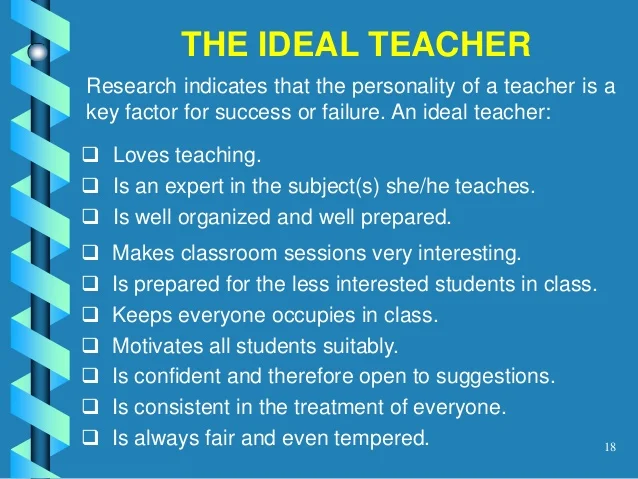
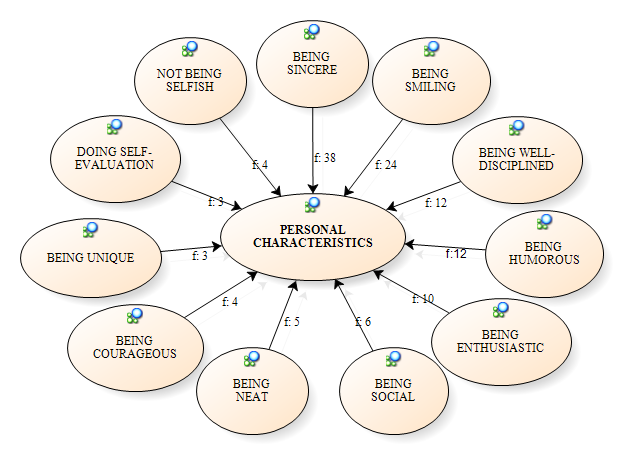
Happy Teachers Day, dear fellow educators. Here are three big questions we can ask ourselves to reiterate whether we are being the teachers our students deserve.
Am I effectively communicating the material in a way that students can understand?
Good teachers can break down complex topics, use relatable examples, and ensure their explanations are clear and accessible to their students.
Am I creating an engaging and supportive learning environment?
Effective teachers foster a classroom culture where students feel comfortable participating, asking questions, and taking risks. They make learning interactive and fun.
Am I tailoring my teaching to meet the diverse needs of my students?
Great teachers recognize that students have different learning styles, backgrounds, and needs. They adapt their methods to reach all students and help them succeed.
This is a free newsletter. If you like my content, please subscribe by entering your email ID here.
Three images of the week

Two Thoughts of the Week
“Good teachers are the ones who can challenge young minds without losing their own.” –Unknown
“Teachers have three loves: love of learning, love of learners, and the love of bringing the first two loves together.” –Scott Hayden
One Video of the Week
In this talk, Gregory Chahrozian delves into the profound impact of teachers and explores how their character and qualities have the potential to shape students’ lives. Through personal experiences and thought-provoking stories, he reveals the untold insights about the transformative power of educators that goes far beyond what they teach.
Gregory Chahrozian joined the American University of Armenia as an adjunct lecturer in the Fall of 2020. Gregory holds a Master’s Degree in Teaching and a Bachelor’s Degree in Science from The University of Sydney. He majored in Microbiology and Genetics and Science Education. He has spent the last twenty years teaching Secondary education students. During that time, his leadership roles included Head of Curriculum and Head of Science Faculty. He is keen to share his educational experience and be part of the education revolution here in Armenia, focusing on Curriculum and Assessment development. He recently repatriated to Armenia from Australia.
Reading with Ms. Meenu: Tip of the week
Literacy Trails: Trails take us somewhere new
With last week’s topic continuation let’s know deeper about trails of application and practice. We should try to design a trail for applying or practicing new ideas or skills. Like some learning experiences, trails of application and practice can be as simple as moving indoor classroom activities outdoors onto an asphalt play area, sidewalk, or existing path or designing one that is linear, serpentine, or a loop. Invite your students to apply and practice some of their literacy learning with your bucket of chalk and blacktop area or path. You’ll quickly figure out the range of possibilities, but here are a few sensory trails, curricular paths, concept paths, word pattern paths, and book trails to try as you launch your own.
Make a trail for book retelling or sharing: If you ask your students to do retellings, challenge them to retell the story on a path.
Use stones or signs with literary elements to prompt chalk responses from readers about their current books. Nonfiction could include types of nonfiction interesting facts test features.
Keep Reading!
Meenu Gera
Consulting home and school librarian and reading guide.
Career guidance and placement case study:
Research Journey for a School Student
Student X hails from Alma Mater School in Jodhpur, the second-largest city in Rajasthan. Her journey with us began in Grade 10 when the school engaged us to provide our comprehensive three-step career counseling process.
Additionally, the school invited our research experts to conduct a 10-hour training session on research methodology. This immersive experience not only equipped Student X with essential research skills but also ignited her passion to explore a complex and socially significant topic: “Diversity, Equity, and Inclusion.”
Over the past six months, Student X has demonstrated remarkable dedication and progress. She has successfully completed an in-depth literature review and developed a research questionnaire. She is now in the final stages of conducting primary research and is on track to complete her research paper by October 2024, with the aim of publication.
Our role as career experts extends beyond traditional guidance; we strive to inspire young adults like Student X to engage in experiential learning. By nurturing their research and employability skills, we prepare them for meaningful internships and successful transitions to university life.
Case study provided by:Team Fermata, www.fermataco.com
Dear reader,
I have been a research scientist, a journalist, and an educator for over 3 decades. I read and, I write. With this weekly newsletter, I share what I read, learn, and, experience. At the same time, I engage with students, parents, and teams of teachers across K-12 schools, higher education institutions, and ed-tech organizations.
3-2-1 Tuesdays with Ms. Niv is a newsletter you can subscribe to and enjoy your learning journey with me.
And Finally…

3-2-1 TUESDAYS WITH MS NIV
Issue #216, 27th August 2024
Get bored to focus better. Experience mindlessness to be more mindful. Calm to be more productive.
How can we focus when we want to focus? Helping ourselves, our students, and our children to be more connected to ‘being’ than to be constantly distracted by what we have to see, hear, and feel.
How can we plan to daydream to be better at making our dreams come true?
This is a free-to-subscribe newsletter. So, if you like my content, please subscribe to it by putting in your email ID here.
Three images of the week


Two Thoughts of the Week
“Your true traveler finds boredom rather agreeable than painful. It is the symbol of his liberty – his excessive freedom. He accepts his boredom, when it comes, not merely philosophically, but almost with pleasure.” Aldous Huxley
“Boredom is… a vital problem for the moralist, since half the sins of mankind are caused by the fear of it.” Bertrand Russel
One Video of the Week
The modern world constantly fragments our attention. In this funny, insightful talk, Dr. Hamdani, a psychiatrist and ADHD expert, shows us how to hack the brain’s Default Mode Network and reclaim our focus. Dr. Sasha Hamdani is a board-certified psychiatrist and ADHD clinical expert. She is a best-selling author, entrepreneur, and mental health advocate. Sasha has worked closely with the White House and surgeon general’s team to speak out about mental health awareness, and she was recognized by Harvard as a public health leader in 2023. She also has a robust social media following on Instagram, TikTok, and YouTube (@thepsychdoctormd), where she provides evidence-backed information and dispels stigma around all facets of wellness.
Reading with Ms. Meenu: Tip of the week
Reading with Ms. Meenu
Literacy Trails: Trails take us somewhere new
Trails motive us to see what’s just up ahead, or around the corner. Even in literature, from the trail of crumbs that Hansel and Gretel create, to the classic yellow brick road and Shel Silverstein’s Where the Sidewalk Ends, trails hint at adventure and reward us with new sensory experiences, surprises and a chance to explore our surroundings as we go. A project called #chalkyourwalk, initiated during the pandemic, led to communities chalking temporary but powerful messages and art along trails in urban and suburban areas.
The New York City Public Library has inspirational quotations about reading, writing and literature embedded in the sidewalk along East Forty-First street, aka Library Way. A trail may invite you to go in a new direction, although even traveling a familiar path or a loop means that you may come back to the start a little bit changed. Using your senses to observe your surroundings, completing challenges and experiencing the enjoyment of being outside can enable us to come back a little different, to view the world differently. And literacy can play a role in this transformation. Let’s keep this conversation to be continued for next week on which path to take with Literacy Trails.
Keep Reading!
Meenu Gera
Consulting home and school librarian and reading guide.
Leveraging a Career Assessment Tool for Career Clarity
Rayyan’s father approached us with a dilemma: he strongly believed that Rayyan should pursue a degree in computer science engineering at the undergraduate level. At the same time, Rayyan himself was more inclined towards electronics engineering. Rayyan’s interest lay in electronics, whereas his father was more concerned with the employability prospects associated with computer science.
To address this, Fermata’s career expert engaged in a detailed discussion with both Rayyan and his father, outlining the potential benefits and career paths associated with electronics engineering. The expert also recommended that Rayyan take a comprehensive career assessment that included an advanced report comparing his competencies in both computer science and electronics engineering.
The assessment revealed that Rayyan possessed nearly equal competencies in both fields, suggesting that he was well-suited for either path. With this data in hand, the career expert emphasized that the final decision should be guided by Rayyan’s interests, as he would be dedicating four years to studying the chosen subject. This approach ensured that Rayyan’s passion and enthusiasm for his studies would be sustained throughout his academic journey, ultimately leading to greater long-term success.
Case study provided by:Team Fermata, www.fermataco.com
Dear reader,
I have been a research scientist, a journalist, and an educator for over 3 decades. I read and, I write. With this weekly newsletter, I share what I read, learn, and, experience. At the same time, I engage with students, parents, and teams of teachers across K-12 schools, higher education institutions, and ed-tech organizations.
3-2-1 Tuesdays with Ms. Niv is a newsletter you can subscribe to and enjoy your learning journey with me.
And Finally…

3-2-1 TUESDAYS WITH MS NIV
Issue #215, 20th August 2024
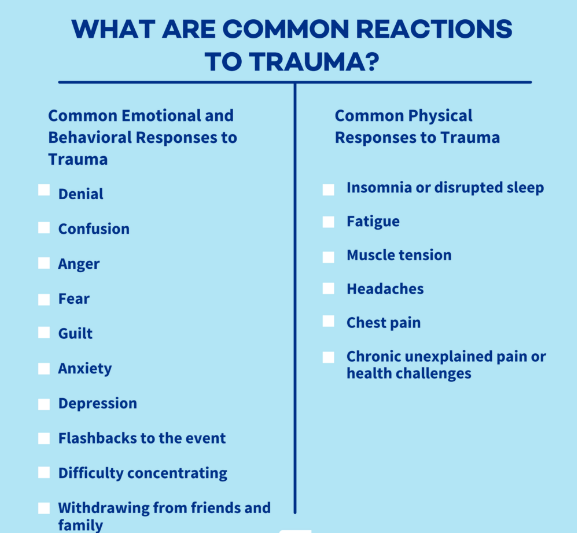
It is normal to feel overwhelmed by traumatic news. I find my students overwhelmed by the stream of extremely traumatic news with disturbing words and pictures.Talking time to reflect on these questions can help you process your emotions and develop a plan for coping. Discussing these questions might help you to get to know your kids, your students from a psychological perspective.
How am I feeling right now? (Acknowledging your emotions) What do I need at this moment to feel safe and supported? Is this news directly affecting me or my loved ones? If so, what immediate actions do I need to take? Am I consuming too much information about this traumatic event? Should I limit my exposure to news and social media? Who can I talk to about my feelings and concerns? What healthy coping mechanisms have worked for me in the past when dealing with stress or difficult news? Are there any positive actions I can take in response to this news, even if they’re small? How can I maintain a sense of routine and normalcy in my daily life while processing this information? Am I judging my own reactions too harshly? (Remember, there’s no “right” way to feel) What are some things I’m grateful for, despite this difficult news? How can I practice self-care during this time? Do I need professional help to process this trauma?
This is a free-to-subscribe newsletter. So, if you like my content, please subscribe to it by putting in your email ID here.
Three images of the week


Two Thoughts of the Week
“Trauma is a fact of life. It does not, however, have to be a life sentence.” – Peter A. Levine, Waking the Tiger: Healing Trauma (1997)
“Trauma changes you. Healing is about creating a new version of yourself, the one that is stronger, wiser, and more compassionate.” – Michele Rosenthal, Your Life After Trauma: Powerful Practices to Reclaim Your Identity (2015)
One Video of the Week
Re-thinking how we relate to and build relationships with students who have social-emotional needs, as well as connect with students who may have experienced trauma in their lives. Dr. Fox is a passionate educator with 17 years of experience in public education. She began her career as a special education teacher in the Nanuet School District and went on to complete a Master’s Degree in Educational Administration from Fordham University. Upon completion of that degree, she expanded her role by taking on the position of Committee on Special Education/Preschool Special Education Chairperson.
Dr. Fox then moved into the role of Assistant Superintendent for several years before becoming the Deputy Superintendent, the position she currently holds in Nanuet. Dr. Fox completed her doctoral studies in Educational Leadership, Management, and Policy at Seton Hall University. Her doctoral research has been published numerous times in professional journals and was most recently cited during testimony on standardized testing to the New Jersey Joint Committee on Public Schools.
Reading with Ms. Meenu: Tip of the week
Reading with Ms. Meenu
WORD GARDENS: If you’ve played around with magnetic poetry, then you’ve already got the idea of a word garden. Imagine the words on stones, blocks of scrap wood, painted jar lids or other materials placed in a corner of your playground, a gravel bed or any available place. The words might be painted, etched or written on the stones with chalk or a marker, providing many options for wordplay and learning. Like magnetic poetry, students enjoy moving these words around but word gardens invite participation far beyond the physical task. Your students can leave messages, create poetry, start a discussion, make a joke and just about everything else you can do with words. Deciding which words go together allows students to generate ideas, but they also delight in finding poetry, humor and thoughts from the words that are serendipitously next to each other, creating found poetry.

Keep Reading!
Meenu Gera
Consulting home and school librarian and reading guide.
Building a Career Path: Career Counseling for a BSc Graduate
Ashish’s father approached us to see if we could help his son, Ashish, build a career roadmap. Ashish graduated with a BSc in Agricultural Science in 2024 but was unsure what to do next. He had been advised to prepare for civil service and banking exams.
Our career expert at Fermata recommended starting with a career assessment. Following this, a career counseling session was conducted to understand better Ashish’s skill set, interests, academic achievements, and more. While Ashish had strong subject knowledge, he lacked awareness of employability skills. The expert guided how to build his brand as an agricultural consultant and develop his proficiency in MS Excel.
Since Ashish was also interested in preparing for state civil services, this career path was kept open as an option. With the career guidance provided, Ashish has been able to set short-term goals and has already begun taking steps to achieve them.
Case study provided by:Team Fermata, www.fermataco.com
Dear reader,
I have been a research scientist, a journalist, and an educator for over 3 decades. I read and, I write. With this weekly newsletter, I share what I read, learn, and, experience. At the same time, I engage with students, parents, and teams of teachers across K-12 schools, higher education institutions, and ed-tech organizations.
3-2-1 Tuesdays with Ms. Niv is a newsletter you can subscribe to and enjoy your learning journey with me.
And Finally…

3-2-1 TUESDAYS WITH MS NIV
Issue #214, 12th August 2024
How Do I Typically Respond to Stressful Situations?
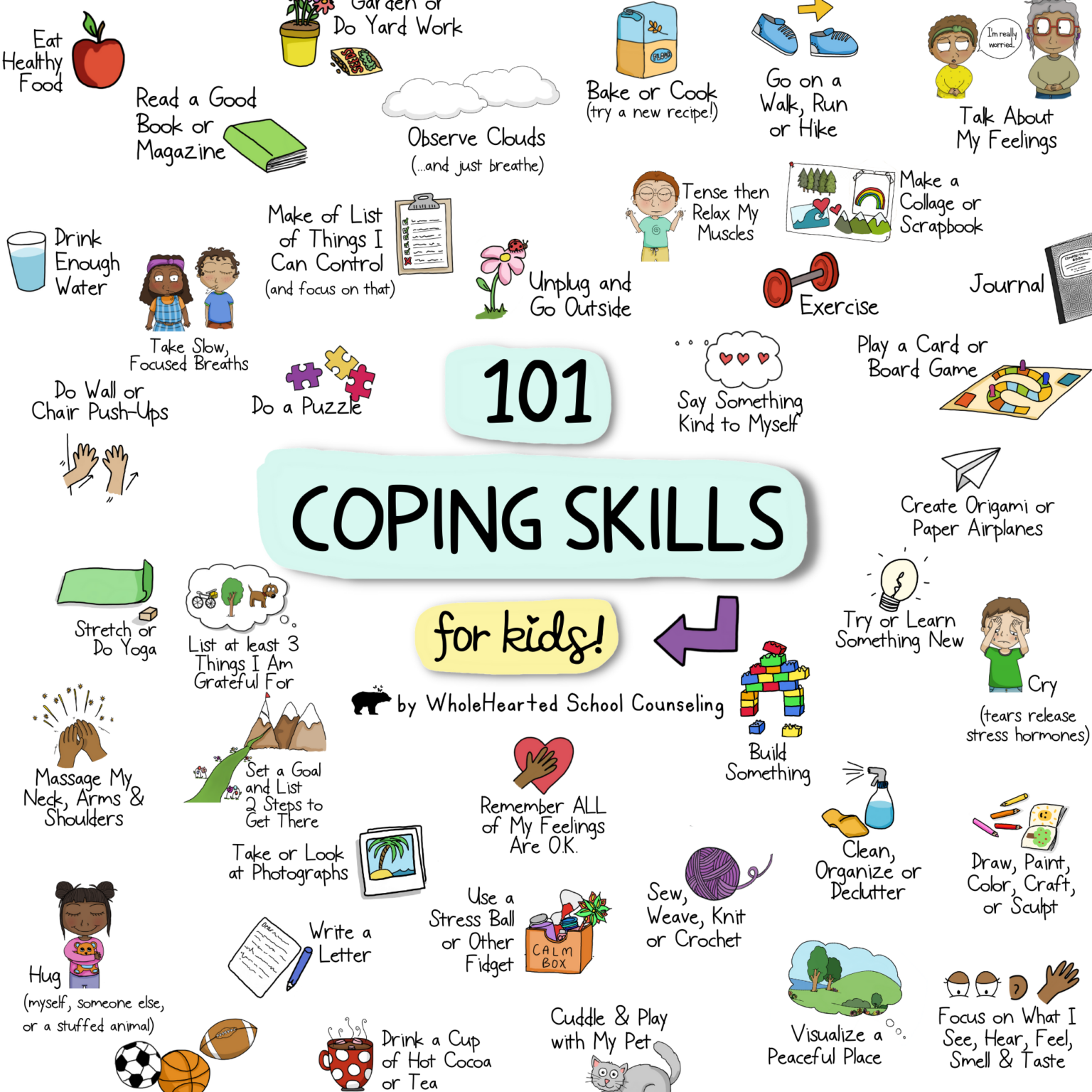
- Do you become anxious, avoidant, confrontational, or calm?
What Strategies Do I Use to Manage Stress?
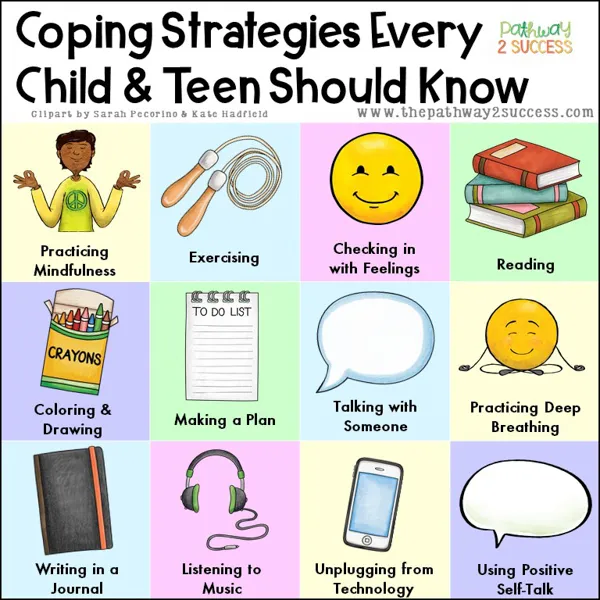
- Do you practice deep breathing, exercise, seek social support, or use other techniques?
Do I Recognize When I’m Becoming Overwhelmed?
- Are you aware of your stress signals, such as irritability, fatigue, or difficulty concentrating?
How Do I Process Negative Emotions Like Anger, Sadness, or Frustration?
- Do you express them healthily, suppress them, or let them dictate your actions?
Do I Have Healthy Outlets for Stress Relief?
- Such as hobbies, creative pursuits, or relaxation techniques.
Am I Able to Seek Help When Needed?
- Do you reach out to friends, family, or professionals when facing challenges?
Do I Resort to Unhealthy Coping Mechanisms?
- Such as excessive alcohol consumption, overeating, or procrastination.
How Flexible Am I in Adapting to New or Unexpected Situations?
- Can you adjust your plans and expectations without significant distress?
Do I Maintain a Balanced Lifestyle?
- Including adequate sleep, nutrition, exercise, and leisure activities.
How Do I Handle Failure or Setbacks?
- Do you view them as learning opportunities or do they significantly deter you?
Do I Practice Mindfulness or Meditation?
- Techniques that can enhance emotional regulation and stress management.
Am I Able to Set and Maintain Personal Boundaries?
- Both in personal and professional relationships.
Do I Engage in Positive Self-Talk?
- Or do you often criticize and doubt yourself?
How Do I Approach Problem-Solving?
- Do you tackle issues methodically or feel overwhelmed and avoid them?
Do I Reflect on Past Experiences to Improve Future Responses?
- Learning from past coping successes and failures.
This is a free-to-subscribe newsletter. So, if you like my content, please subscribe to it by putting in your email ID here.
Three images of the week

Two Thoughts of the Week
“Parents learn a lot from their children about coping with life.”
– Muriel Spark
“One of life’s best coping mechanisms is to know the difference between an inconvenience and a problem. If you break your neck, if you have nothing to eat, if your house is on fire, then you’ve got a problem. Everything else is an inconvenience. Life is inconvenient. Life is lumpy. A lump in the oatmeal, a lump in the throat and a lump in the breast are not the same kind of lump. One needs to learn the difference.”
– Robert Fulghum
One Video of the Week
Dr. Andrew Miki explores the intriguing connection between pigeons’ learned behaviors and human mental health. Drawing on his experience in animal cognition, he reveals how our brains, like pigeons, reinforce coping mechanisms over time. Dr. Miki sheds light on counterproductive common coping habits such as procrastination and smartphone reliance, emphasizing their impact on anxiety and depression.
Through personal anecdotes, including his role as a father, he highlights the importance of developing self-confidence to combat mental health challenges. The talk encourages viewers to reflect on their coping mechanisms, fostering a dialogue about mental health, and inspiring a journey toward unlearning unhealthy habits for improved well-being.
Dr. Andrew Miki, a registered psychologist in BC, brings over 25 years of expertise in neuropsychology and Cognitive Behavioral Therapy (CBT) to enhance the lives of those grappling with stress, anxiety, and depression. Founder of Starling Minds™ in 2013, he pioneers digital mental health, reducing stigma and offering personalized support to over 4.5 million individuals.
Holding degrees from prestigious institutions, including Queen’s University and York University, his clinical work and research feature in prominent scientific journals and publications like Forbes and Authority Magazine. Dr. Miki is dedicated to applying his knowledge to empower people for healthier, happier, and more fulfilling lives.
Reading with Ms. Meenu: Tip of the week
Outdoor Literacy Themed Backpacks:
Outdoor-themed backpacks are a great way to engage your readers outside. Try to pick books on the subject areas where your readers can connect themselves with the outdoors or any book that invites students to interact with their setting. It’s a great way to start moving outside with backpacks as everyone is involved with the same topic with various activities. Here is an example: Try to pick books about birds, clouds or bugs.
Once students have had the opportunity to engage with the idea of the book backpacks outside, it’s easier to understand their reading needs and interests. Try to use a variety of formats, including picture books, graphic novels and chapter books? Put your students in deliberately designed partnership or trios with their names on a sticky note on the book covers. Here are a few titles to start with:
Everyday Birds (VanDerwater 2016)
Mama Build a Little Nest (Ward 2014)
Fluffy, Flat, and Wet (Rau 2006)
The Cloud Artist: A Choctaw Tale (Maret 2017)
The Beeman (Krebs 2020)
Keep Reading!
Meenu Gera
Career Mentoring for Working Professionals: From Developing Project Management Skills to Pursuing a Master’s at Erasmus Mundus University
She approached us in late 2016. She had started her first job and was facing challenges in executing projects and questioning if this was the right career for her. Her journey with us began with a career test to understand her competencies and learning style. Our expert conducted a high-level analysis of her job profile, career report, and personality. The best part was her receptiveness, adaptability, and learner mindset. She followed our initial guidance to learn project management skills. Trained by our expert, she applied these learnings to her everyday tasks, seeing immediate results. She continued with weekly, fortnightly, and monthly career mentoring sessions to break down her aspirations into short-term and long-term goals, overcome mental barriers, build confidence, and grow in her career.
This process helped her apply for a master’s program in Europe. She dedicated a year to the necessary preparation and was accepted into the M.S. Ecohydrology program at Erasmus Mundus in July 2022. This would be her second master’s degree after completing an MSc in Water Policy and Governance from Tata Institute of Social Science in 2016. With regular career mentoring sessions she was able to get clarity, plan and execute regularly, expand her comfort zone, take on challenging tasks to build an impressive CV, and receive the best research paper award in 2022. Team Fermata is proud to be part of this young adult’s growth journey!
Case study provided by:Team Fermata, www.fermataco.com
Student speak
UNIVERSAL ADULT FRANCHISE. This means that all over the world adults above the age of eighteen have the right to vote. but is that all there is to it or do these 3 words have a deeper meaning ? . while a teacher may forget a good student, a student will never forget a good teacher. In today’s generation, teachers are given the most importance as they help young minds learn and adapt to the changes of the world. but to teach someone to adjust to new changes it is important that the teachers themselves master it. many teachers worldwide are clouded with a sense that they know best and that their methods are crucial. what they don’t realize is that times have changed, they cannot walk around with a bamboo stick hitting every student who they think is indisciplined, they cannot walk around cursing students’ upbringing just because they are angry, and most importantly just because they are teachers and claim they know what’s best they cannot get away with it. You may think that this does not happen anymore but I assure you that a scar from words hurts more than scars from a bamboo stick. in a student’s life a teacher is someone who they will remember forever either for the good or bad. teachers may think that what they are doing is for the best, to discipline them means to scold and hit them but there could not be something more untrue. when a teacher harms a student’s self-esteem they do not realize how much it breaks the students. just because you cannot hit them doesn’t mean you can spew hateful words at them. this is something many are not able to grasp. But this does not mean we are to blame them, after all, they have been taught to be like this by their own mentors. Being a student myself I can say that a teacher’s advice is something that pushes us in the right direction and motivates us to do better, but if the advice is put together in the wrong way it can demotivate and discourage us from reaching our goals. my request to all the adults out there is that if you are in any way involved in a kid’s life be it as a teacher, parent, neighbor, or anything else, please make sure that your opinion and advice is taken in a positive manner. we kids understand that you people are more qualified and experienced than us but please don’t let it boost your ego that somehow you are always better than us. Just because we are learning does not mean that we cannot be successful in the future. After all, how you treat us is how we treat the future generation. I believe that every person has the right to dream, create, and innovate new things. Let us not let age get in the way of it.
By Likitha Aradhya
Student of Grade 7
Jain Heritage School, Bangalore
Dear reader,
I have been a research scientist, a journalist, and an educator for over 3 decades. I read and, I write. With this weekly newsletter, I share what I read, learn, and, experience. At the same time, I engage with students, parents, and teams of teachers across K-12 schools, higher education institutions, and ed-tech organizations.
3-2-1 Tuesdays with Ms. Niv is a newsletter you can subscribe to and enjoy your learning journey with me.
And Finally…

3-2-1 TUESDAYS WITH MS NIV
Issue #213, 6th August 2024
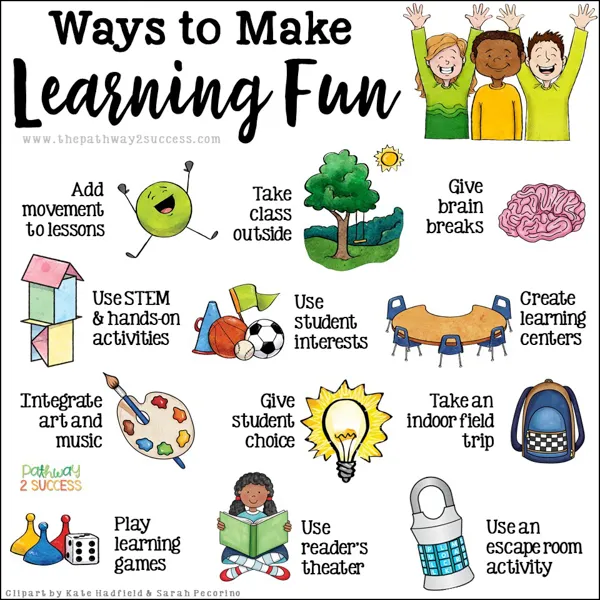
Fun is a feeling and not an activity! or is it? What is fun for you as a parent, educator, or student? Fun is at the intersection of playfulness, connection, and flow. Would you agree? When do you have fun? When was the last time you had fun? Today? Yesterday? Last week? Any further back and you know that it has been a bit of a drudgery since fun is energizing, it is a state of being present, it is in a non-polarised connection with fellow beings. How can we have everyday fun?
This is a free-to-subscribe newsletter. So, if you like my content, please subscribe to it by putting in your email ID here.
Three images of the week


Two Thoughts of the Week
Today was good. Today was fun. Tomorrow is another one. Dr. Seuss
It’s kind of fun to do the impossible. Walt Disney
One Video of the Week
Have you had your daily dose of fun? It’s not just enjoyable, it’s also essential for your health and happiness, says science journalist Catherine Price. She proposes a new definition of fun — what she calls “true fun” — and shares easy, evidence-backed ways to weave playfulness, flow, and connection into your everyday life.
Reading with Ms. Meenu: Tip of the week
Reading with Ms. Meenu
STORY WALKS
What is a Story Walk?
Picture this: It’s a spring day and everyone is just eager to get outside. Have your students pick up their clipboards and pencils and head out to the park next to the school. In front of a big tree, put the cover of a book, Mama Built a Little Nest (2014), and page one is visible a few paces away, enticing students to walk along a path that will reveal page by page the ways that different birds build their nests. It’s easy to imagine how this book would compel readers to look carefully at the trees and shrubs around them to see whether they could find any nest. And they can picture all of this too.
So, invite readers to walk along a path with staked pages of an engaging book related to the setting. The cafeteria hallway is a perfect place to offer a powerful message about finding your identity in your school community. You can arrange different types of StoryWalks such as poetry walks, book walks, story hikes, and song walks. It’s beautiful to see someone have a story experience on a river or pond, possibly called a story paddle. It is suggested to educators to take your students and have a StoryWalk together.
Keep Reading!
Meenu Gera
Consulting home and school librarian and reading guide.
Student career counseling: Opportunities and approaches
University readiness from grade 10, Imperial College, London, Batch of 2027.
Avid reader, mathematician, and athlete, Student X joined us in the middle of grade 10. We began by exploring his research interests and delving into the social issues he was passionate about. One of his primary concerns was water hygiene and the revival of Bangalore’s lakes, which inspired him to write a research paper titled “Water Pollution in Bangalore City: A Threat to Sustainable Development Goal 6.” Throughout this journey, he conducted primary data collection and visited a non-profit organization to understand their work in this area. He also interviewed several experts in the field. While immersed in this research, he actively participated in planning and organizing his school’s annual literature festival.
Student X demonstrated adaptability and a willingness to embrace guidance at every step. His attentiveness and dedication ensured that his Statement of Purpose (SOP) and Common App essay were thoughtfully crafted to meet application requirements. He has now decided to major in mathematics at Imperial College London.
Team Fermata, www.fermataco.com
Case study provided by: Fermata Career Solutions, www.fermataco.com
Dear reader,
I have been a research scientist, a journalist, and an educator for over 3 decades. I read and, I write. With this weekly newsletter, I share what I read, learn, and, experience. At the same time, I engage with students, parents, and teams of teachers across K-12 schools, higher education institutions, and ed-tech organizations.
3-2-1 Tuesdays with Ms. Niv is a newsletter you can subscribe to and enjoy your learning journey with me.
And Finally…
3-2-1 TUESDAYS WITH MS NIV
Issue #212, 30th July 2024
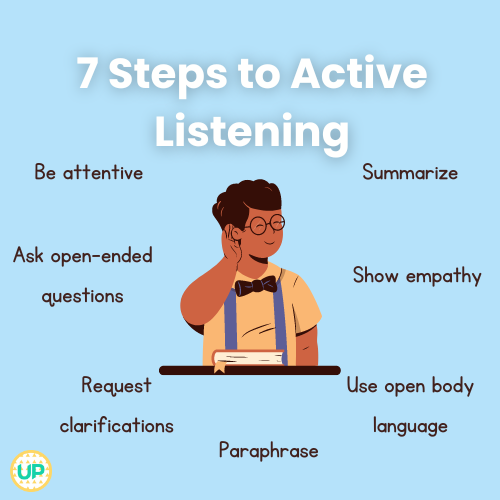
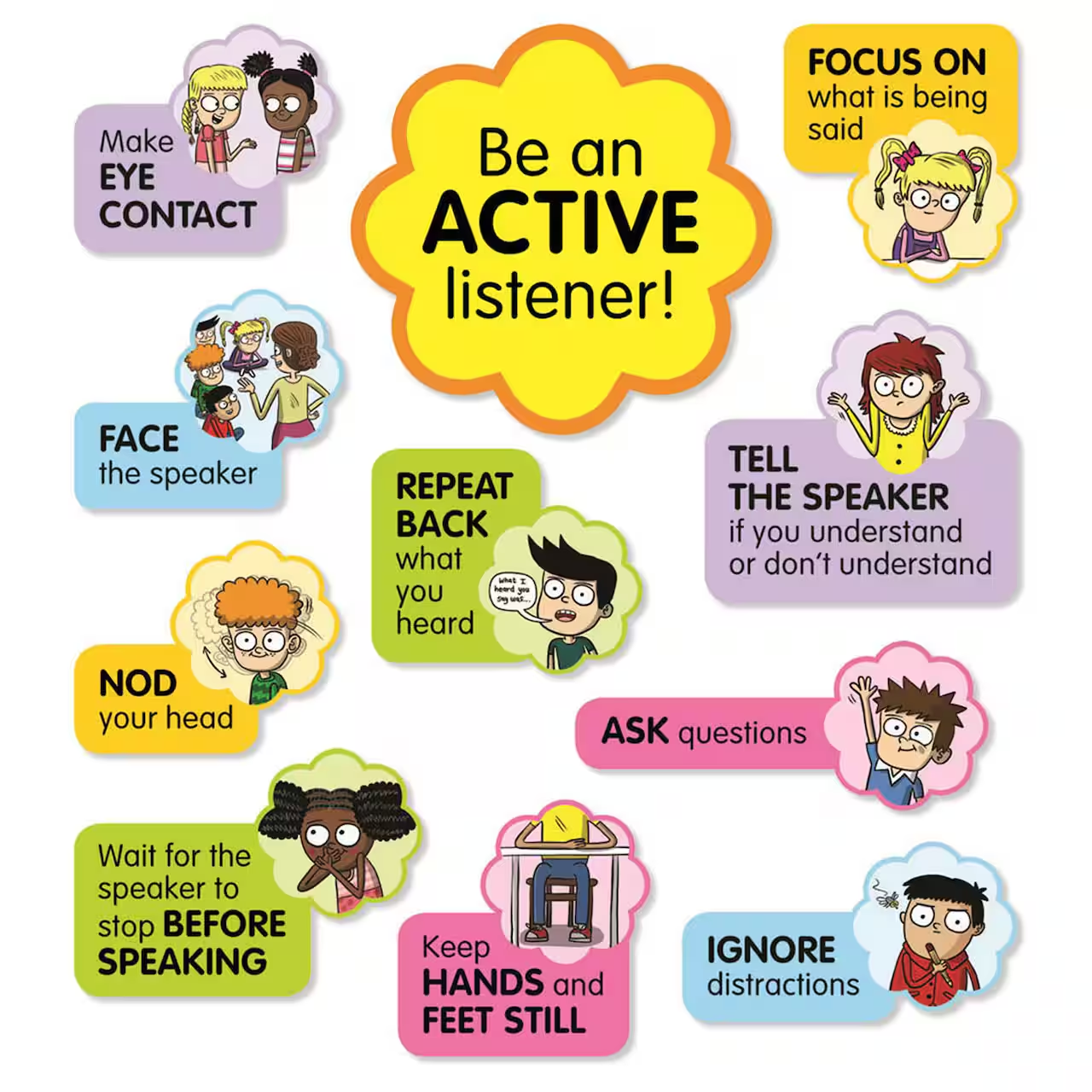
Am I fully focused on my student/my child?
Am I providing non-verbal feedback?
Am I refraining from interrupting the student/my child?
Am I asking clarifying questions?
Am I summarizing and reflecting on what the student/my child has said?
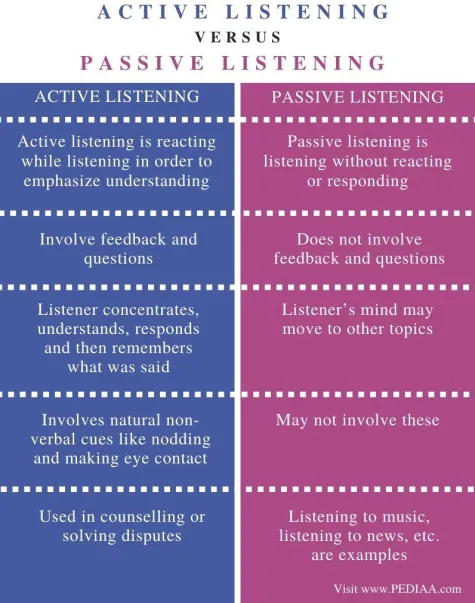
By regularly asking yourself these questions, whether you are a teacher or a parent, you can assess and improve your active listening skills.
This is a free-to-subscribe newsletter. So, if you like my content, please subscribe to it by putting in your email ID here.
Three images of the week
Two Thoughts of the Week
“I like to listen. I have learned a great deal from listening carefully. Most people never listen.”
Ernest Hemingway
“Most people do not listen with the intent to understand; they listen with the intent to reply.”
Stephen Covey
One Video of the Week
In this inspiring talk, Scott Pierce shows us that “Yes, and” is not just the first rule of improv, but it also touches on deeper lessons that we can apply to our everyday lives. Scott Pierce is a born technologist, writing his first production code for his parents’ software company at 10 years old. Pierce worked as a software developer for a variety of companies before taking a technology leadership position at of one of the South’s largest ad agencies. In his spare time, Pierce can be found working a stage as a trained improvisational actor. He likes to read, cook, and play with his cats, but he never combines cooking with his cats. He has climbed Mount Kilimanjaro, and by his own assessment, he is a mediocre musician at saxophone, guitar, and piano.
Reading with Ms. Meenu: Tip of the week
Reading with Ms. Meenu
Reading behaviors and places:
When we model reading practices in our class, children begin practicing these things that readers do, and we discuss why. For example, one day start a series of lessons on what readers do when they finish reading a book. From the discussion and our class-generated list, we learned that they might stop and think about the big ideas, reread the book, choose another one, talk about their book with a friend, or read it with a buddy. The purpose here is to model and practice reading behaviours.
· Sets the tone for creating a working literate environment.
· Let children know that they share in the responsibility for their learning.
· Builds community and together we investigate, learn, and practice what readers do.
· Fosters independence.
· Actively engage readers early on and build confidence.
· Offers kids opportunities to make informed choices about their learning.
After this modeled reading practice, you would notice reading everywhere:
· In bed
· Under a tree
· On the porch
· Up in a tree house
· Under the covers
· In School
· In a bubble bath
· On an airplane
· In the bookstore
· In the car
· Doctor’s office and
· On the couch
Keep Reading!
Meenu Gera
Consulting home and school librarian and reading guide.
Student career counseling: Opportunities and approaches
Career Counseling in Grade 11: A Journey to Success with a Master’s at Columbia University, class of 2026
Student X was not enjoying the JEE entrance exam coaching and sought our career counseling services. Through a structured process, our experts identified her academic strength in mathematics and her passion for learning. Consequently, she decided to drop the JEE coaching and focus on her academic interests. She continued with regular career mentoring sessions to overcome challenges and thrive academically.
Her strong academic performance enabled her to apply to top universities in Bangalore, where she was accepted into Christ University for a bachelor’s degree in Economics, Mathematics, and Statistics. Despite the challenges posed by COVID-19 during her second year, she thrived and thoroughly enjoyed her coursework.
Before completing her degree, Student X secured a position at Deloitte Consulting. However, after a year on the job, she realized the need to upskill and specialize further. She began exploring master’s programs in the USA, self-preparing for the GRE while working. Her dedication paid off, and she will start her MBA in Business Analytics at Columbia University in September 2024.
This journey, initiated by a pivotal decision in grade 11, exemplifies how personalized career counseling can provide the direction and confidence needed to achieve long-term career success.
Case study provided by: Fermata Career Solutions, www.fermataco.com
Dear reader,
I have been a research scientist, a journalist, and an educator for over 3 decades. I read and, I write. With this weekly newsletter, I share what I read, learn, and, experience. At the same time, I engage with students, parents, and teams of teachers across K-12 schools, higher education institutions, and ed-tech organizations.
3-2-1 Tuesdays with Ms. Niv is a newsletter you can subscribe to and enjoy your learning journey with me.
And Finally…

3-2-1 TUESDAYS WITH MS NIV
Issue #211, 23rd July 2024
“I noticed you tried several different approaches to solve this problem. That kind of persistence often leads to breakthroughs.”
“Your essay shows significant improvement in structure compared to your last one. Your outlining efforts really paid off.”
“I can see you put much time into practicing these equations. How do you feel your understanding has changed?”
“You faced some difficulties with this project but didn’t give up. What strategies helped you push through?”
“Your hard work on vocabulary is showing in your writing. What’s your plan to continue building on this progress?”
What kind of impact do you think this kind of feedback to a student/child would have if you were a teacher/parent?
Some approaches to giving effective effort-based feedback:
- Be specific: Focus on particular actions or strategies the student employed, rather than general praise.
- Acknowledge progress: Highlight improvements, even small ones, to show that effort leads to growth.
- Emphasize process: Comment on the methods and approaches used, not just the end result.
- Encourage reflection: Ask students to consider what they learned from the experience.
- Offer next steps: Suggest ways to build on their efforts or overcome challenges.
This is a free-to-subscribe newsletter. So, if you like my content, please subscribe to it by putting in your email ID here.
Three images of the week


Two Thoughts of the Week
“Nothing in this world can take the place of persistence. Talent will not: nothing is more common than unsuccessful men with talent. Genius will not; unrewarded genius is almost a proverb. Education will not: the world is full of educated derelicts. Persistence and determination alone are omnipotent. ”
– Calvin Coolidge
“I think we judge talent wrong. What do we see as talent? I think I have made the same mistake myself. We judge talent by people’s ability to strike a cricket ball. The sweetness, the timing. That’s the only thing we see as talent. Things like determination, courage, discipline, temperament, these are also talent.”
– Rahul Dravid
One Video of the Week
Anushka talks about the difference between talent and hard work. She sheds a new perspective on how talent is overrated and the need for people to embrace the idea of hard work. Anushka’s ambitions for the future are to be a zoologist, a singer/songwriter and an actor. She loves to read, rollerblade and play guitar and she loves animals
Reading with Ms. Meenu: Tip of the week
Mini-Lessons:
At the beginning of the school year, Mini-Lessons focus primarily on modeling and identifying reading behaviors. Reading behaviors are the observable things that readers do – the deliberate actions we take that connect us to our lives as readers. Think of them as the habits we keep, like keeping a running list of books we want to read, recommending books to friends, participating in book groups or even marking our places with a paperclip, bookmark, or sticky note.
When we want children to develop habits that readers keep, we must heighten their awareness by explicitly modeling and pointing out what readers do and giving them time to practice these behaviors in authentic situations using real books. Ask your students what they know about a person if he/she is a reader? Record all their responses and put them on the classroom door. This allows each child to look at those responses and try to practice themselves.
Happy Reading!
Meenu Gera
Consulting home and school librarian and reading guide.
Student career counseling: Opportunities and approaches
Career Counseling: Subjects and Career Options
One month into JEE entrance coaching, student X approached us to understand career options in physics, chemistry, mathematics, and economics if he decided to drop the coaching. He was confident about maintaining high academic scores in grades 11 and 12 but was uncertain about continuing with JEE entrance exam coaching. He took our career assessment, followed by a counseling session where we identified his academic strengths and understood his learning style and interests.
We educated both the student and his parents on various career options under different subject combinations, such as physics and mathematics, mathematics and economics, and a pure mathematics route. We also recommended that he restart his hobbies to re-energize himself for academic rigor. He is now well satisfied and happy to focus on the school curriculum while building his personal brand through his hobbies and interests.
Case study provided by: Fermata Career Solutions, www.fermataco.com
Dear reader,
I have been a research scientist, a journalist, and an educator for over 3 decades. I read and, I write. With this weekly newsletter, I share what I read, learn, and, experience. At the same time, I engage with students, parents, and teams of teachers across K-12 schools, higher education institutions, and ed-tech organizations.
3-2-1 Tuesdays with Ms. Niv is a newsletter you can subscribe to and enjoy your learning journey with me.
And Finally…

3-2-1 TUESDAYS WITH MS NIV
Issue #210, 16th July 2024
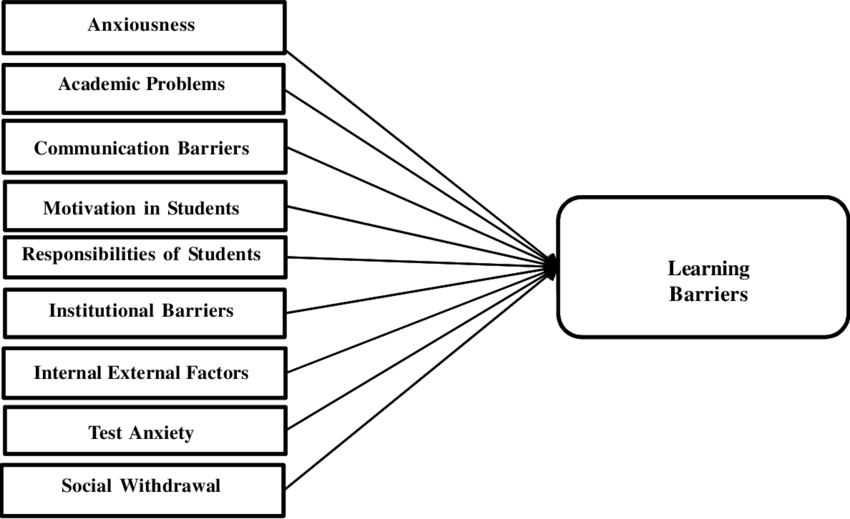
Here are 5 useful questions you can ask yourself when facing an obstacle in the context of learning or for that matter various aspects of learning, teaching, parenting:
- What specifically is challenging me right now?
- How have I overcome similar obstacles in the past?
- What resources or support can I utilize to help me through this?
- Is there a different approach I could take to understand or tackle this issue?
- What small step can I take right now to make progress, even if I can’t fully overcome the obstacle yet?
This is a free-to-subscribe newsletter. So, if you like my content, please subscribe to it by putting in your email ID here.
Three images of the week

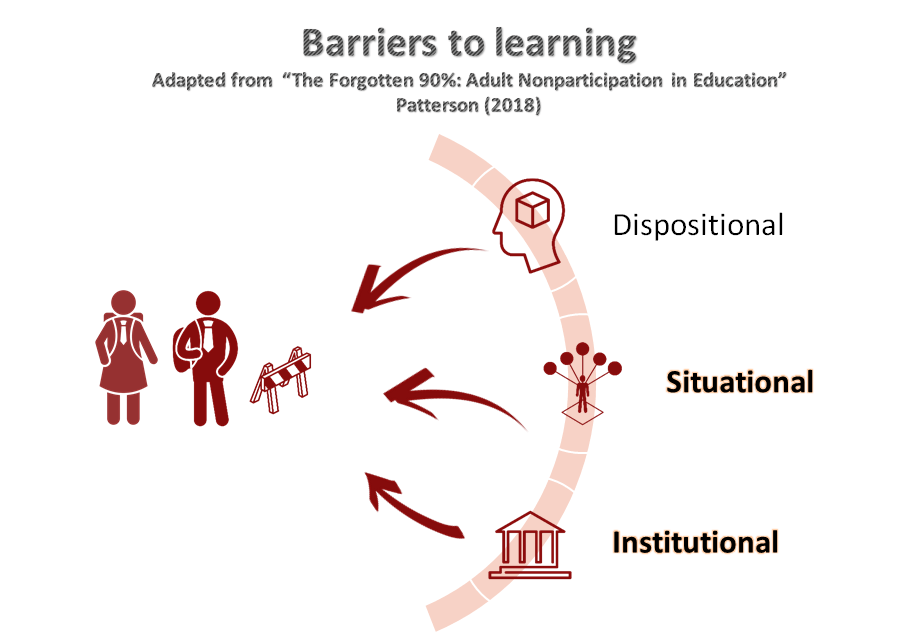
Two Thoughts of the Week
“Obstacles don’t have to stop you. If you run into a wall, don’t turn around and give up. Figure out how to climb it, go through it, or work around it.” Michael Jordan
“When there’s a setback, someone with a fixed mindset will start thinking, ‘Maybe I don’t have what it takes?’ They may get defensive and give up. A hallmark of a successful person is that they persist in the face of obstacle, and often, these obstacles are blessings in disguise.” Carol S. Dweck
One Video of the Week
Jessie Adams believes that obstacles are inevitable and are not meant to be avoided but overcome. She shares her personal stories of overcoming obstacles and her perspective on why we’re meant to challenge ourselves in life. Jessie Adams is a Quad City local native. She is a nationally recognized fitness coach, a former firefighter, and the founder of BelieveinU Fitness. She has evolved her passion for leading others to achieve their personal goals, bucket list adventures, and epic fitness challenges, through Peak Performance Coaching. Jessie has taken on her own challenges and competed on television shows such as NBC’s American Gladiators, American Ninja Warrior, and CMT’s Broken Skull Challenge. She believes nothing is impossible, and it’s never too late to go after your greatest life adventures.
Reading with Ms. Meenu: Tip of the week
Encourage Students to keep their eyes on the words while reading:
One of the most common behaviors of struggling readers is neglecting to keep their eyes on the words. They will look to us for approval or help, look at the ceiling, look at the picture for a clue, or at almost anything else to avoid the words themselves. We want those students to develop the habit of keeping their eyes on the words the entire time they are reading. After all, how can they map those phonemes to graphemes if they don’t look at the word? Always use positive reinforcement with students who struggle to keep their eyes on the words. Often award or start a point system to see the progress and this will motivate students to read! If any students look up for help, draw their attention back down, using a pencil. Then encourage them to sound out the word. We want to help students become less dependent on us and more confident.
Happy Reading!
Meenu Gera
Consulting home and school librarian and reading guide.
Student career counseling: Opportunities and approaches
University Readiness: College Essays, Batch of 2028
Student X, known for her hard work and determination, sought our assistance after facing rejections from UK universities. With a renewed focus, we aimed to apply to universities in Canada and India, providing her with the necessary guidance to tackle college application questions effectively.
Before starting the application process, we investigated the reasons behind Student X’s rejections. It became clear that her Statement of Purpose (SOP) lacked structure and essential elements that highlighted her strengths and achievements.
Our guidance was pivotal in helping Student X restructure her essays and application answers, ensuring they comprehensively covered all vital aspects of her profile. As a result of our collaboration, she received offers from the University of Toronto (UoT) with a $100,000 scholarship and Ashoka University in India. Ultimately, she chose to pursue a major in Economics at Ashoka University, where she continues to excel academically.
Case study provided by: Fermata Career Solutions, www.fermataco.com
Dear reader,
I have been a research scientist, a journalist, and an educator for over 3 decades. I read and, I write. With this weekly newsletter, I share what I read, learn, and, experience. At the same time, I engage with students, parents, and teams of teachers across K-12 schools, higher education institutions, and ed-tech organizations.
3-2-1 Tuesdays with Ms. Niv is a newsletter you can subscribe to and enjoy your learning journey with me.
And Finally…

 Nivedita Mukerjee