Nivedita Mukerjee
Education consultancy for parents and schools
3-2-1 Tuesdays with Ms. Niv
Issue #302, 14th April 2026
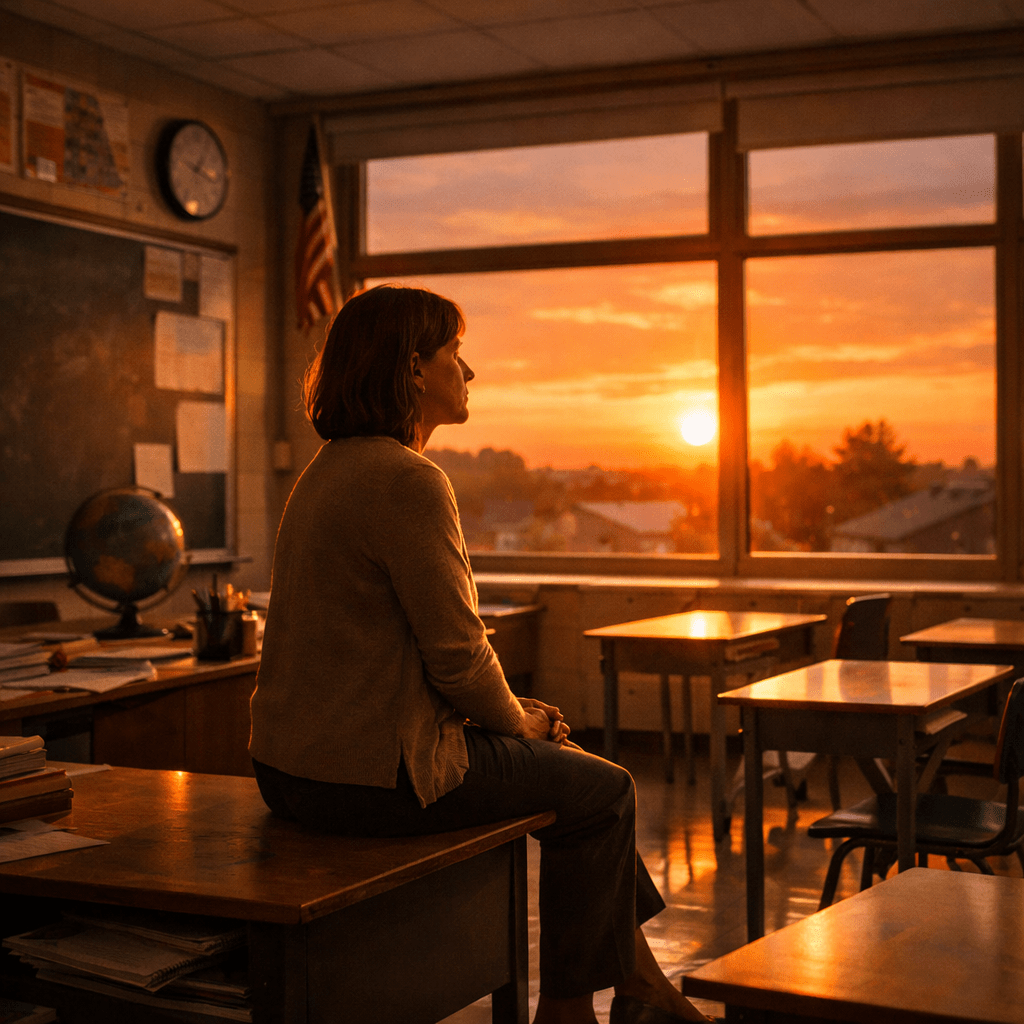
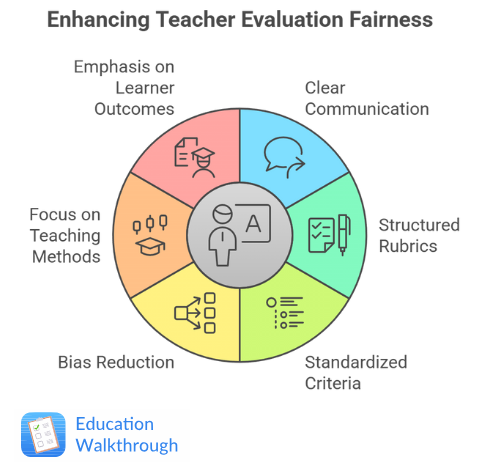
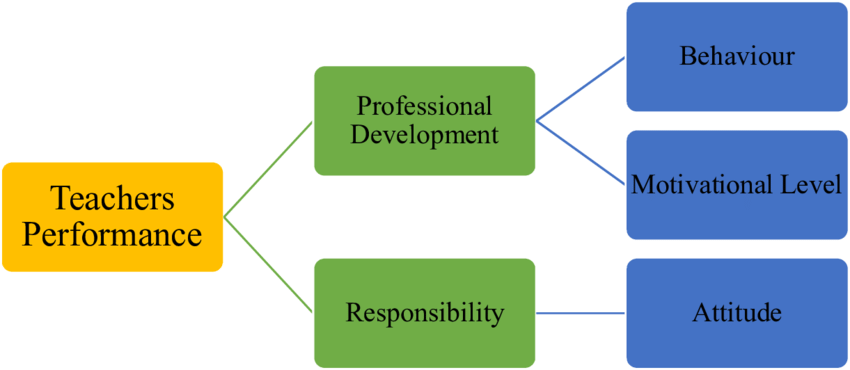
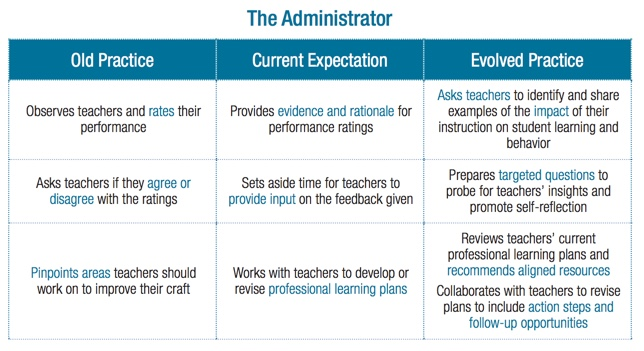
The academic year is coming to a close in most of the schools I am working with across curricula of IB, IGCSE, ICSE, CBSE, and State board. This is the time to work with school leaders on end-of-year teacher evaluation.
- What is the purpose and mindset of doing teacher evaluation? I like it to be a guide for myself to evaluate what training I should provide for the team next year, and who amongst the team can mentor which other member.
- Next in the list is the evidence and bias check. What am I basing my judgments on? Since I work with the teacher teams in the schools year-round, I look at it not as an evaluation but for clarity, motivation, and future possibilities, and try to avoid recency bias, considering the challenges that the teacher faced this year and checking on the teacher’s own growth trajectory. Do I truly understand their journey? Can I work with the school leadership to make it smoother, better next year, such that it has a definite impact on her lesson delivery as well as student and parent relationships?
- Finally, what is working well and strengthening those areas more? So that they operate more from their strengths and not over-focus on the gaps unless the teacher seeks clear support in any area s/he has identified her/himself.
Over the years, I have tried to use these opportunities to do a self-reflection as a leader, as an advisor to figure if I have been able to support and enhance my colleague’s experience and competency. How will I improve my own coaching and support systems next year? What can I do to help the teacher/s grow and not make them feel judged.
What are your thoughts? Please share with me how I can improve the news-letter to better support the community of teachers, parents and students?
This is a free newsletter for parents, educators, and students. If you like my content, please subscribe by entering your email address here.
Three Images of the Week
Two Thoughts of the Week
“Those who know do. Those that understand, teach.” – Aristotle.
“I am not a teacher, but an awakener.” – Robert Frost.
One Video of the Week
Until recently, many teachers only got one word of feedback a year: “satisfactory.” And with no feedback, no coaching, there’s just no way to improve. Bill Gates suggests that even great teachers can get better with smart feedback — and lays out a program from his foundation to bring it to every classroom.
Reading with Ms. Meenu: Tip of the week
Are there any challenges that members of Generation Z encounter when reading?
The statement that some members of Generation Z experience difficulties with intensive reading does not imply that the entire Generation Z cannot read. Recently, evidence has shown a dramatic decline in reading literacy skills, raising concerns among parents and educators. Motivation to read, especially for teenagers, poses an additional challenge.
One reason for it is fragmented attention caused by social media platforms. The OECD-linked PISA shows that students whose attention is disrupted by digital devices during classes achieve lower academic results; moreover, their leisure activities with the device typically result in poor academic performance.
Additionally, the reason for it might be a lack of extensive reading practice. According to data gathered by OECD analysis, it was found that frequent reading of fiction and extended texts correlates positively with reading performance. Students who mentioned being assigned to read long texts for their school assignments scored higher in reading texts on average. Thus, the shift towards brief texts and reading posts, captions, messages, and videos inevitably affects reading motivation.
It is also worth considering motivation for reading. For example, according to the NAEP reported in 2024, only about one-quarter of US 12th graders had a high level of interest and enjoyment in reading. When students read mostly for academic tasks instead of curiosity or pleasure, reading often starts to feel slow and tiring (National Center for Education Statistics)
How do we fix this?
· Bring back long-form reading gradually.
· Make reading social and engaging.
· Create distraction-free reading time.
· Teach students strategies to read deeply.
· Give extra support to struggling readers.
· Start at home too.
The goal is not to blame Gen Z, but to create conditions that help them practice focused and meaningful reading again.
Happy Reading!
– Meenu Gera Consulting home and school librarian, a reading guide; For more information please visit: placealibrary.ca
I Think, I Wonder, I Ask
–Dr. Shreelakshmi Subbaswami, Academic Director, Vijaya School, Hassan, Karnataka
Rethinking How We End Learning
On what note do we end our classes- a lesson, a day, a week, or even a year? We often plan how to begin, but rarely think about how we end. Yet, endings matter more than we realize.
Studies suggest that people remember experiences largely based on how they felt at the peak and at the end. In classrooms, this means the last few minutes can shape how students remember the entire learning experience. Studies also indicate that ending on a positive note can improve motivation, engagement, and willingness to return to the task.
In our lesson plans, do we consciously design this ending? If formative assessments are made accessible to all learners, they build confidence and a sense of completion. When every class ends with only challenge or correction, students may feel overwhelmed or discouraged. A small moment of success, reflection, or appreciation can make a significant difference.
This extends beyond lessons. How do we end a school day? Is it with unfinished homework or reprimands, or with a moment of gratitude or reflection? What about weekends—do students leave with pressure or with curiosity to return? Even on results day, instead of dispersing immediately, creating space for conversation can help students process and plan ahead.
Endings matter for teachers too. Difficult conversations or decisions at the end of a week often leave little room for reflection or support.
It’s not always the beginning that defines the experience, but the feeling we create at the end. Being intentional about how we end- our lessons, days, and interactions, can shape experiences in lasting ways.
Three questions for you…
- How can we end each day with a sense of meaning or reflection?
- What message do our endings leave with students about learning?
- How can schools design endings that support both students and teachers emotionally?
From the Principal’s Desk
– Suchismita Ray Gupta, Head of School, Capstone High, Hoskote, Karnataka
Teacher Appraisal : A Shift from “Judgment Day” to “Feed-Forward”
This year, we decided to try something different. We moved away from the traditional performance appraisal—the dreaded “Judgment Day” where a Principal delivers one-way feedback and replaced it with a reflection-based conversation. We asked our teachers to look inward and answer the following questions.
- What were their true successes?
- Where did they see room to grow?
- Who among their peers did they identify as mentors and how would they like to leran from them?
This small shift transformed the entire energy of the process. It stopped being an audit and started being a meaningful dialogue about impact.
The stories that emerged were incredibly moving. One teacher shared that on the last day of term, she asked her students to name their favorite classroom activities. She admitted to being “pleasantly surprised” by the variety of examples they gave. “I had actually forgotten how many meaningful engagements we have done,” she told me. In that moment of reflection, she wasn’t just looking at a checklist; she was feeling astounded by the progress she had made all year.
Perhaps most impressive was the openness regarding growth. Another teacher candidly shared her discomfort with technology. She explained how a peer had mentored her in using Canva to create engaging presentations for her classes. Rather than hiding this gap, she was inspired: “I want to learn more EdTech tools and use them regularly next year.”
Because the teachers identified these areas themselves—whether it was time management, classroom culture, or organization , they weren’t defensive. Instead, they were hungry for tips and suggestions to bridge the gap.
As the Head of Institution, this process was a revelation. It provided more than just a summary of the academic session; it gave us a “feed-forward” for the coming year. By listening to their self-set goals, we now know exactly where the institution needs to step in and provide support. We didn’t just finish an appraisal cycle; we built a roadmap for success, powered by the teachers’ own voices.
Showcase: Thrive Beyond School – A unique STEAM education project for very young learners.
– Pooja Khatter, facilitator, Thrive, Hyderabad
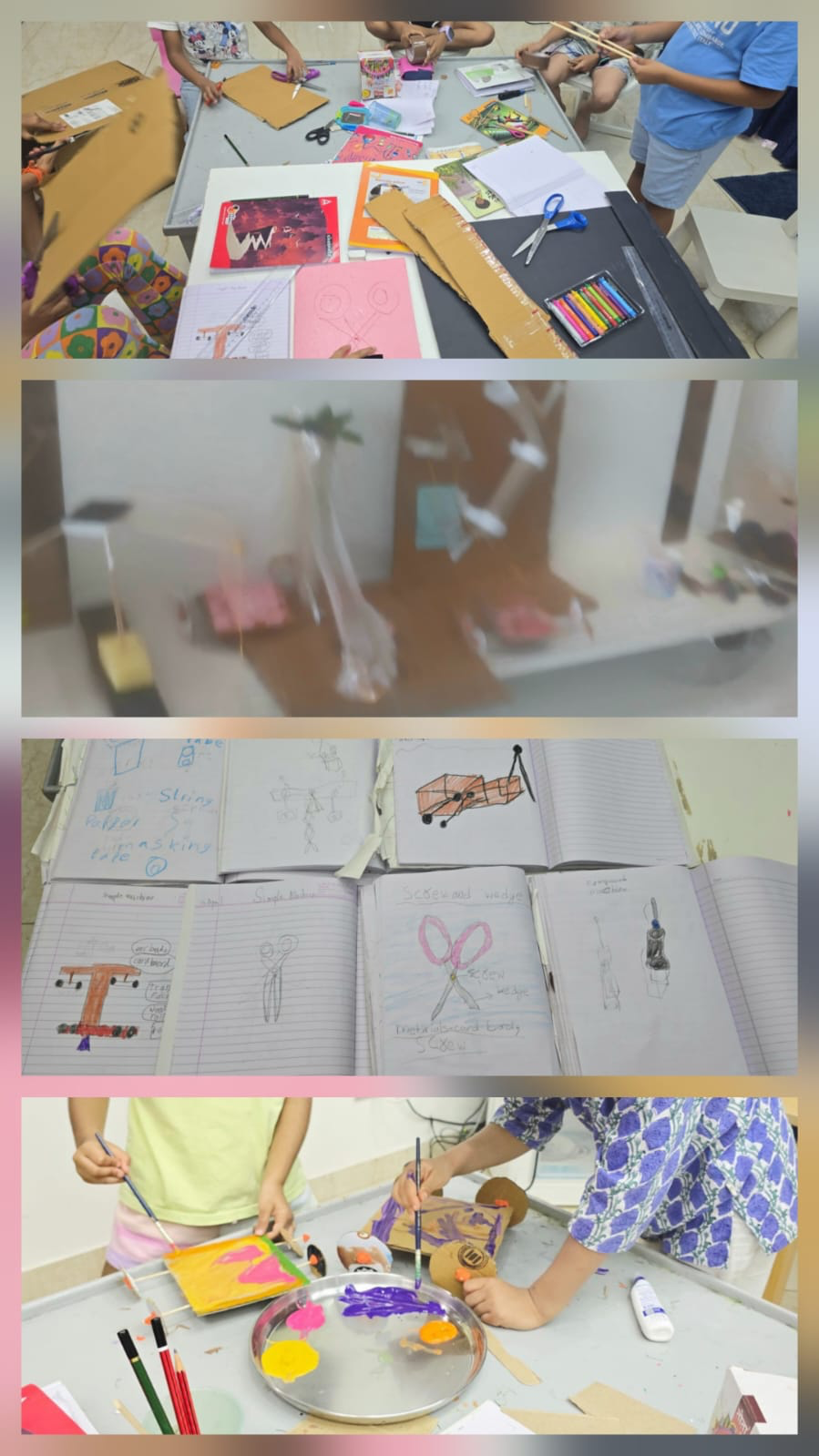
During this learning journey, the children enjoyed exploring simple and compound machines through movement, discussion, drawing, and hands-on building. They first used their bodies to act like simple machines such as a wheel, lever, pulley, and ramp, which helped them understand how machines make work easier. They then planned their own models by drawing and labelling two to three simple machines in their notebooks and sharing their ideas with friends.
The children were focused and excited as they built their compound machines using recycled materials. They used simple machines such as the wheel and axle, lever, wedge, inclined plane, and screw, showing a good understanding of how machines can work together. During sharing time, each child confidently explained their model and how it worked, while also helping their buddies. Through this experience, the children learned about simple and compound machines, teamwork, creativity, planning, and problem-solving. Rudra, Krisha: 4 years old. Maira: 6 years old. Tara: 6.9 years old. Mayra, Tashi, Neev, Yuvaan: 7 .9 years old Samyuktha, and Havishka : 8 years old
Dear reader,
I work with the school leadership team as an advisor and collaborate with teachers as a pedagogical trainer. I also help parents as a parenting counselor and regularly engage one-on-one with students as a personal guide and mentor. This weekly newsletter shares what I read, learn, and experience.
3-2-1 Tuesdays with Ms. Niv is a newsletter you can subscribe to and enjoy your learning journey with me.

