Nivedita Mukerjee
Education consultancy for parents and schools
3-2-1 Tuesdays with Ms. Niv
Issue #303, 21st April 2026
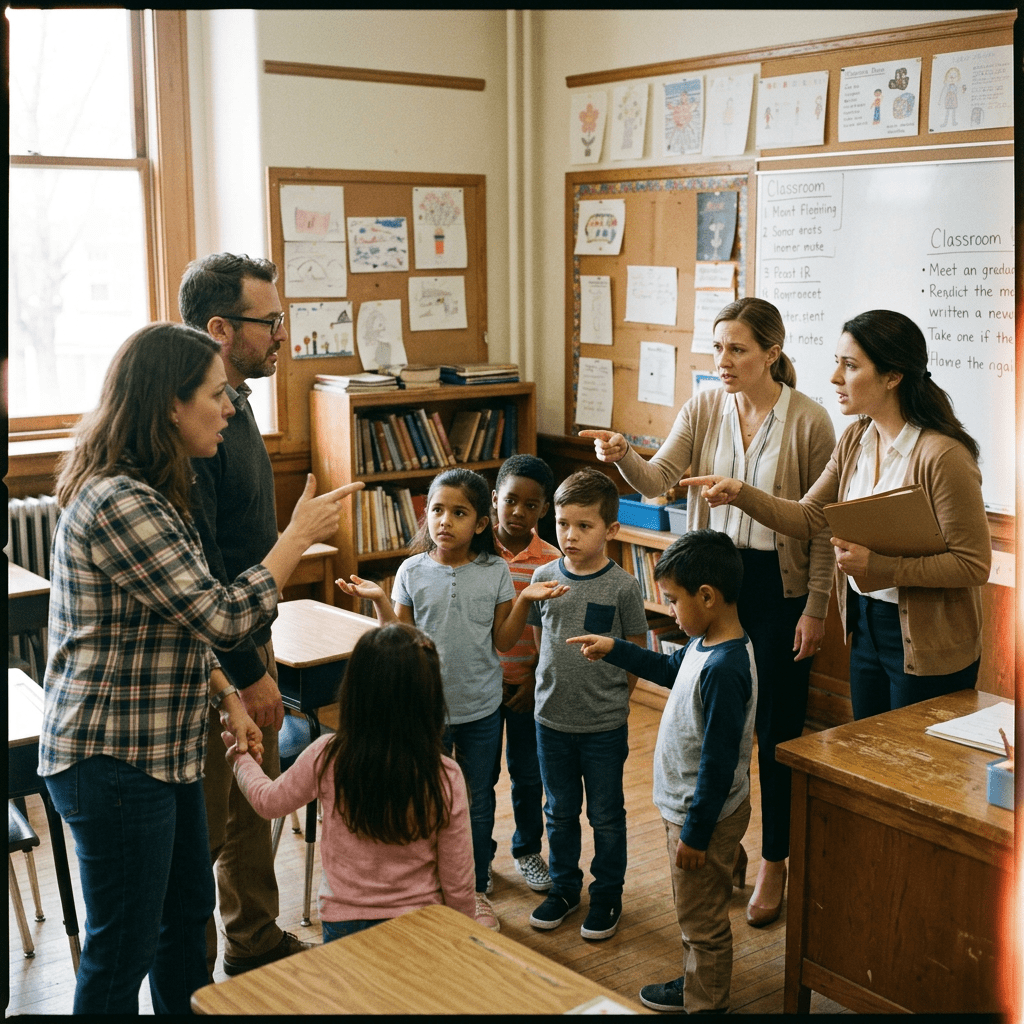
I am a good parent, I was having a bad day. I am a good teacher, I was having a bad day. I am a good colleague, I was having a bad day. I am a good student, I was having a bad day. I am a good friend I was having a bad day. You get the drift… right? One bade action or reaction does not make one a bad person. We have to walk away from blaming ourselves and have to teach our children/students to do the same, consciously and visibly. It is a life skill. We must know how to repair our mistakes authentically without taking extreme steps.
One of the schools that I work with, whose school founder and principal I respect and admire, recently faced the worst kind of loss. That of a student harming himself. A student who was scoring at the top in science and humanities, a student who was popular amongst his peers, a student whose parents could easily be called progressive. Why was the extreme step taken?
How can we work on the stories we tell ourselves over and over about an incident? Can we stop the spiral of identity into groundedness of behaviour and think again of what can be done better next time? Not sinking into despair or depression with blame, but thinking about REPAIR?
Name what happened. Take responsibility. State what you can do better next time.
This is a free newsletter for parents, educators, and students. If you like my content, please subscribe by entering your email address here.
Three Images of the Week
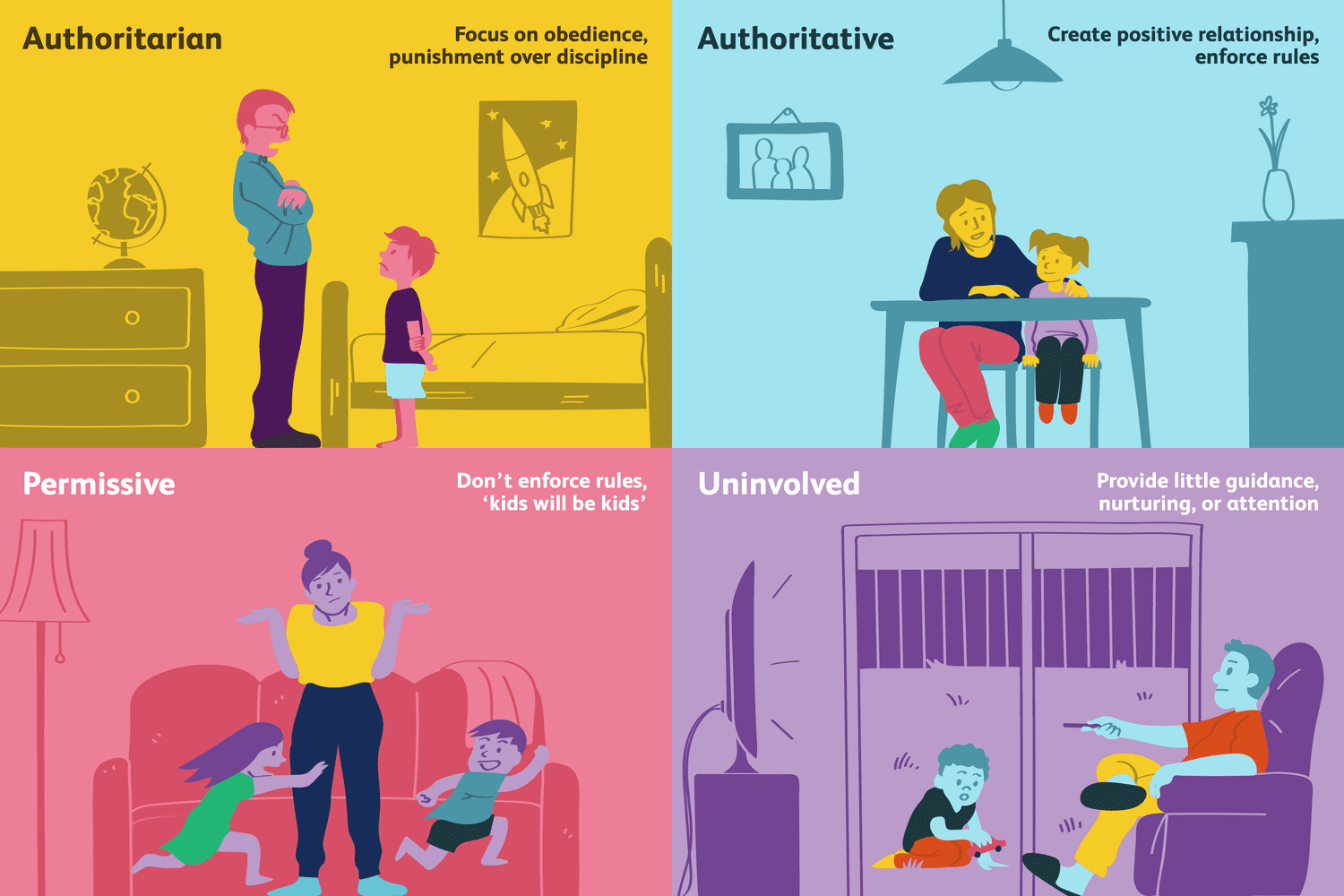
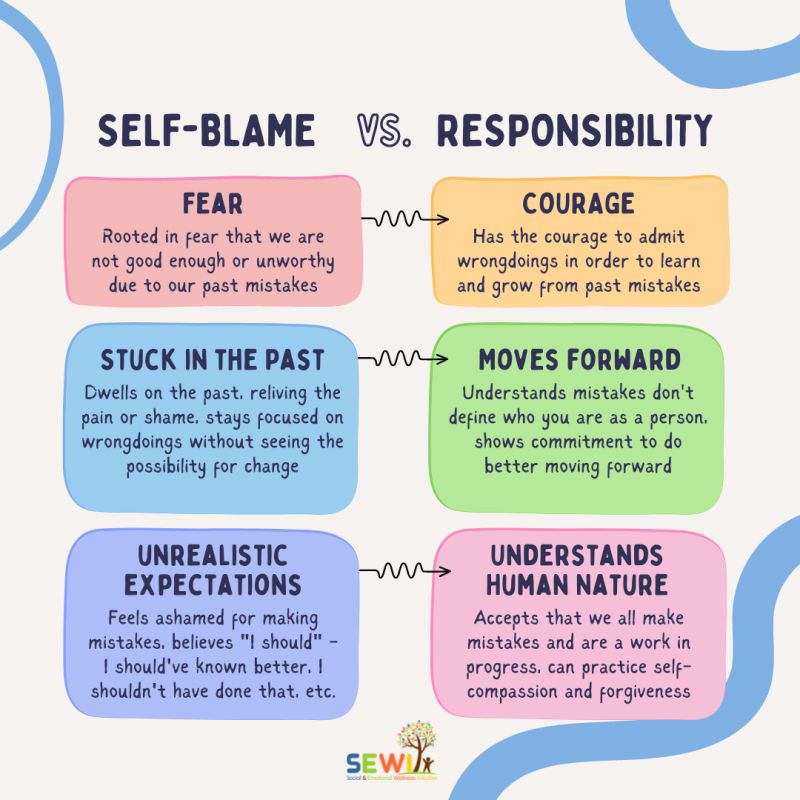
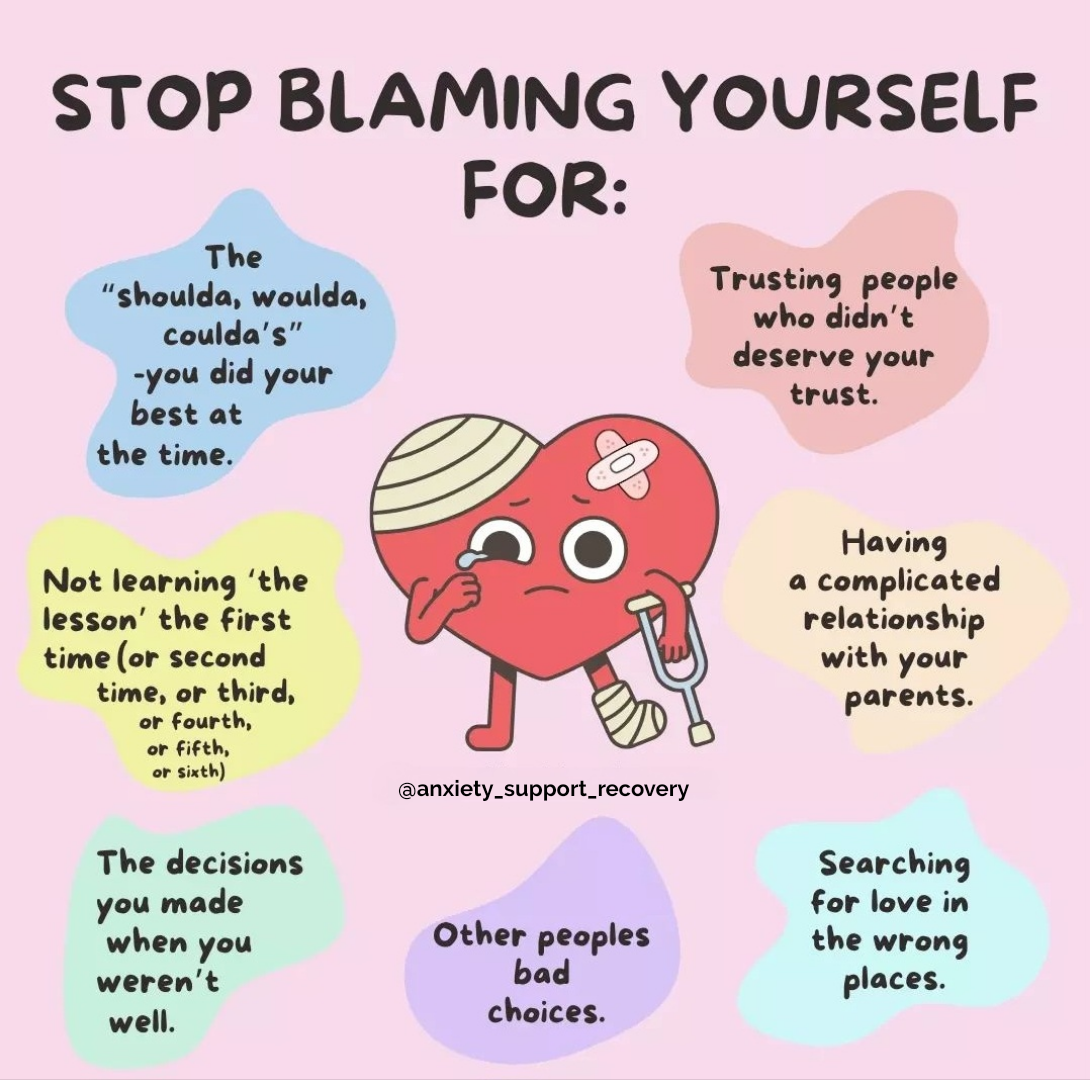
Two Thoughts of the Week
“Of most dreadful suffering, I am the cause.”
― Euripides, Electra
“Of all the horrid ramifications of child abuse, the self-beliefs formed by the child reap the greatest destruction. Abuse is the most penetrating and permanent communication possible, and it always conveys to the child one or more of several messages: ‘I caused it to happen. It’s my fault because I am bad. I don’t deserve any better.”
― Heyward Bruce Ewart III, Am I Bad? Recovering from Abuse
One Video of the Week
Everyone loses their temper from time to time — but the stakes are dizzyingly high when the focus of your fury is your own child. Clinical psychologist and renowned parenting whisperer Becky Kennedy is here to help. Not only does she have practical advice to help parents manage the guilt and shame of their not-so-great moments but she also models the types of conversations you can have to be a better parent. (Hint: this works in all other relationships too.) Bottom line? It’s never too late to reconnect.
Reading with Ms. Meenu: Tip of the week
Raise a little Reader
Stamina means sticking to something for a longer time. How often do we stick to our routines that are too challenging or just easier to give up. When you become a new parent many new routines, habits and ways of living come along. We tend to do things that involve less effort with great results. And we all know it doesn’t work.
So, let’s not take any of those routines or habits as a chore or part of a checklist. Let’s actually start enjoying it. Reading is one of the routines you might want to start with your child, and it is the best gift that you can enjoy with your little one.
Read from day one: Start a reading routine in those very first days with a newborn. Even very young babies respond to the warmth of a lap and the soothing sound of a book being read aloud.
Reread favorites: Most children love to hear their favourite stories over and over again. Rereading books provides an opportunity to hear or see something that may have been missed the first time and provides another chance to hear a favorite part.
Joys of literacy: Pick books that you know are going to be contagious! Read them in an interactive way!
Find Reading everywhere: Take time to point out letters, signs, numbers and symbols everywhere you can find them. This is so much fun when they are young! This leads to active interactions with your child, and interactions play an important role in their development.
Library visits or have a personal library: Libraries are great resources for books. Choose recommended books that are engaging to your child and develop a home library.
More Interactions: Language plays an important role in their overall development. While you read it leads to active interactions with your child and that’s where you create a bond of belonging to each other. A safe place where you share, interact and express.
Start developing these little routines and you would actually start enjoying it. And when your child comes to you holding a book and asking you to read, you will know that this simple habit has become a lifelong habit. Years after that precious moment would become your own “Once upon a time”.
Happy Reading!
– Meenu Gera Consulting home and school librarian, a reading guide placealibrary.ca
I Think, I Wonder, I Ask
–Dr. Shreelakshmi Subbaswami, Academic Director, Vijaya School, Hassan, Karnataka
The Power of Summer Vacation
Teaching is perhaps the only profession that comes with structured breaks. We often say children need these pauses to rest and reset; teachers need them just as much.
If we reflect carefully, this time is not just a luxury- it is a requirement. Teaching is not merely about completing a syllabus or meeting deadlines. It is also about observing, connecting, and transforming everyday experiences into meaningful learning moments. For that, we need to be enriched as individuals.
Vacation time offers that space—to relax, to rejuvenate, and more importantly, to experience life beyond the classroom. And how we choose to spend this time truly matters. It shapes how we return- our energy, our perspective, and the stories we carry back.
When it comes to planning vacations for children, we are thoughtful. We sign them up for summer camps, plan visits to relatives, and fill their days with activity. But as educators, we seldom extend that same intentionality to ourselves. Our vacations often become a series of social obligations—family functions and travel routines —with little thought given to personal or professional renewal.
I believe that when we consciously choose experiences that help us connect with the self, engage with society, and appreciate nature, it brings a deeper sense of joy and a richer understanding of the world. It can be visits to archaeological sites, nature trails, museums, local markets, cultural festivals, farms, or even exploring a new place. And when we return to school, they find their way into our conversations, our classrooms, and our way of being…
Three questions for you…
- What experiences during this summer break truly help me feel renewed and inspired?
- How can everyday travel or visits be turned into meaningful learning moments?
- What stories or insights do I want to bring back to the classroom after a break?
From the Principal’s Desk
– Suchismita Ray Gupta, Head of School, Capstone High, Hoskote, Karnataka
From rote to reason: Implementing the CBSE 2026-2031 roadmap at Capstone High
The 2026–27 academic session feels different. There’s a quiet but definite shift in the air. As CBSE moves more decisively in line with NEP 2020, schools are being asked to rethink something fundamental: not what we teach, but how deeply students understand it.
For many educators, this shift—from finishing the syllabus to building competencies—can feel overwhelming. At Capstone High, though, we’ve been trying to treat it less as a mandate and more as an opportunity. Not a checklist to complete, but a chance to reimagine what everyday classroom learning can look like. Here’s what that has meant for us in practice.
1. Computational Thinking and Artificial Intelligence Curriculum:
There’s a lot of excitement around AI in schools right now. But CBSE’s push to introduce Computational Thinking and AI from Grade 3 is really about something more basic: how children learn to think.
We’ve found that jumping straight into coding tools doesn’t work unless the thinking is already there. So, we start much earlier—right from Sr. KG—with puzzles, patterns, and logic-based activities. Tools like LogIQids’ adaptive Thinksheets help, but what matters more is the mindset they build. I remember watching a Grade 2 student confidently explain why a pattern worked, not just what came next. At Capstone High we are intentionally trying to build unplugged computational thinking from foundation years – as a precursor to AI skills.
2. Competency-Based Assessments:
The move toward 50% competency-based questions in board exams is probably the most talked-about change—and for good reason. It forces all of us to rethink assessment at a very basic level. At Capstone High, this hasn’t meant adding more tests. It’s meant asking better questions. Instead of “Describe photosynthesis,” we might ask: “What would happen to a plant in a carbon-rich but oxygen-poor environment?”- and instantly you can see the students are challenged to think deeply- sparking a meaningful classroom discussion. Ideally, every class should end with students analysing, evaluating, or even creating something of their own.
3. Mandatory Vocational Skill Education :
Vocational education becoming mandatory from Grade 6 is a big step. But its success depends entirely on how it’s implemented.
When treated as a separate subject, it often feels forced. When it’s integrated, it comes alive.
Some of our most interesting student work has come from collaboration across co-curricular clubs. A coding student is working with someone from the culinary club to design a nutrition tracker. Students from fashion and craft clubs teaming up with the entrepreneurship club to actually sell what they create—and figuring out pricing, budgeting, and marketing along the way.
Through such transdisciplinary projects, students aren’t just completing tasks; they’re solving problems that feel real.
4. Three Language Framework:
The three-language policy often gets reduced to logistics—what language to teach, how many periods to assign. But its intent is much richer: to build fluency, confidence, and cultural awareness.
At Capstone High, events like our annual CapLit Fest (our annual literature festival) bring literacy to life through performances, debates, and storytelling in all three languages. Our school magazine, CapsChronicle, gives students a space to write creatively—in English, Hindi, and Kannada. What stands out is not just improved language skills, but the confidence with which students switch between languages depending on context.
In conclusion, the CBSE 2026 Roadmap is a call to action for every educator to reclaim the classroom as a space for curiosity. By focusing on competency over content, we aren’t just helping students pass an exam—we are helping them navigate a complex, technology-driven world with confidence and cultural rootedness. And perhaps that’s the real goal. Not just preparing students for an exam, but helping them make sense of a world that is changing faster than any syllabus ever could.
Showcase: Thrive Beyond School – A unique STEAM education project for very young learners.
– Pooja Khatter, facilitator, Thrive, Hyderabad
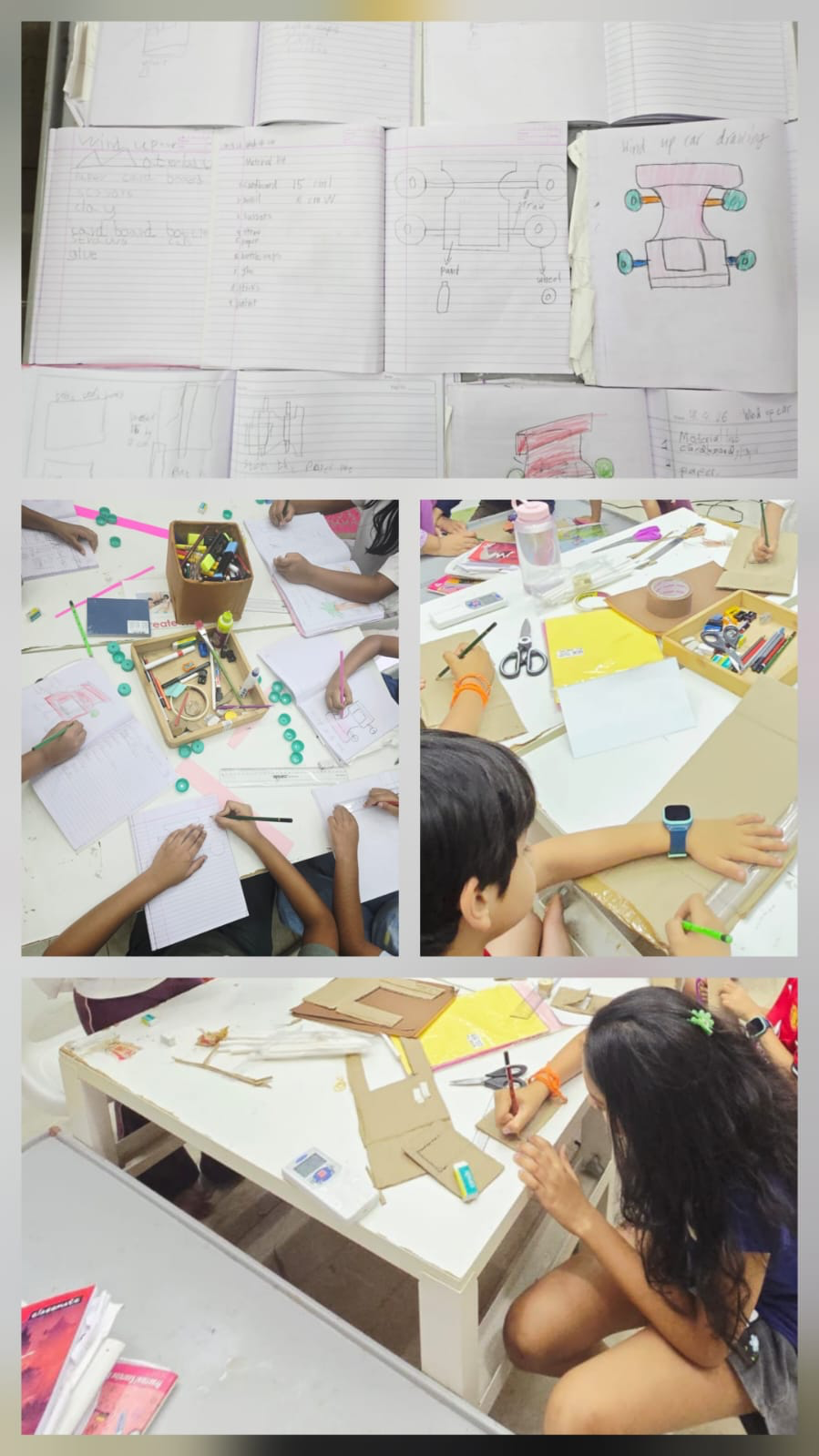
Wind-Up Car Activity
The children were very excited and focused during the wind-up car activity. They made a car from scratch using cardboard, bottle lids, straws, paper, glue, and sticks to understand force and motion.
They also learned about potential and kinetic energy and recorded their learning in their journals.
During testing, they noticed that the cars did not move as expected. This helped them understand that when something doesn’t work, we need to fix it and try again.
Overall, the class went well. The children were actively involved and learned through hands-on experience.
Age Group:
Rudra & Krisha – 4 years
Maira – 6 years
Tara – 6.9 years
Mayra, Tashi, Neev & Yuvaan – 7.9 years
Samyuktha & Havishka – 8 years
Dear reader,
I work with the school leadership team as an advisor and collaborate with teachers as a pedagogical trainer. I also help parents as a parenting counselor and regularly engage one-on-one with students as a personal guide and mentor. This weekly newsletter shares what I read, learn, and experience.
Professional development with Ms Niv : Click below to find the teacher and student workshops and trainings I currently offer:
https://docs.google.com/presentation/d/1ypWO8KpVh56vhYqAMH4XoytLRKMXvwpCAfv3l3fryJQ/edit?usp=sharing
3-2-1 Tuesdays with Ms. Niv is a newsletter you can subscribe to and enjoy your learning journey with me.

