Nivedita Mukerjee
Education consultancy for parents and schools
3-2-1 Tuesdays with Ms. Niv
Issue #307, 19th May 2026
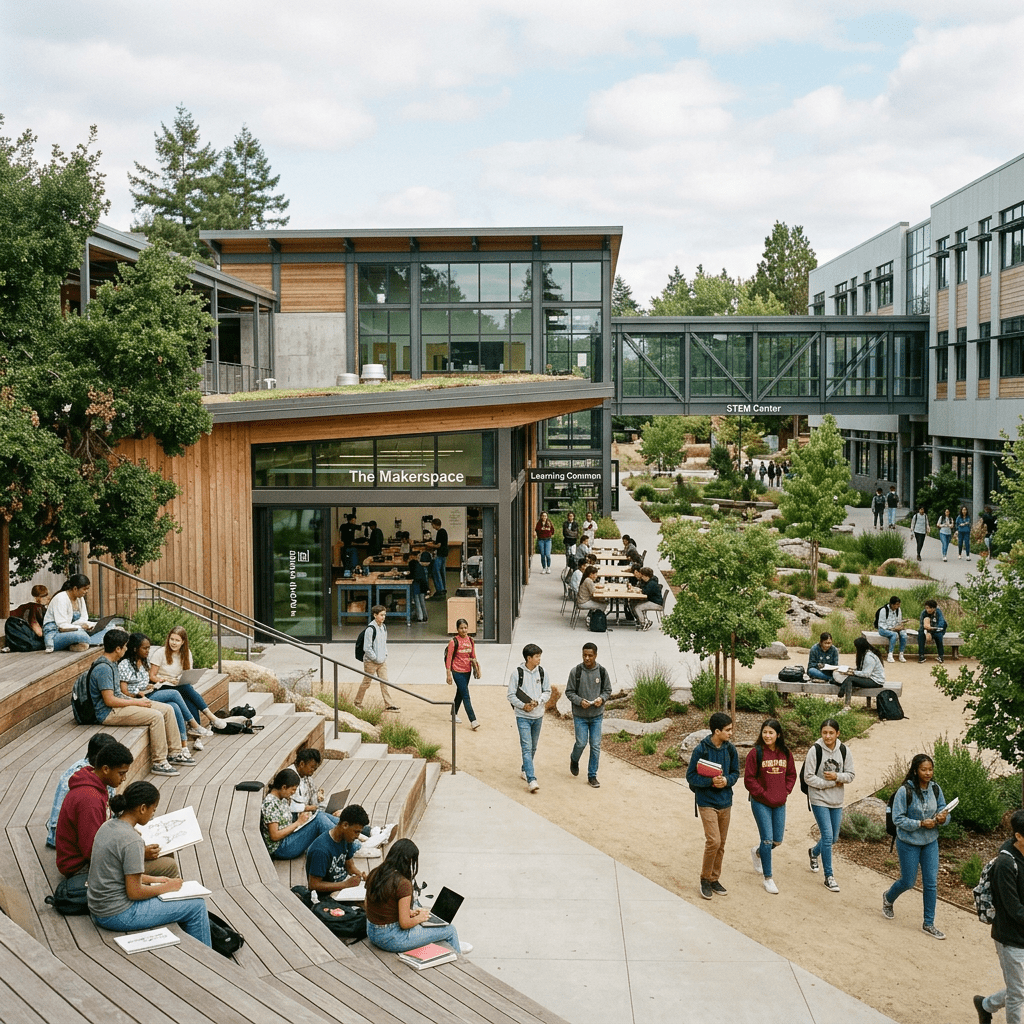
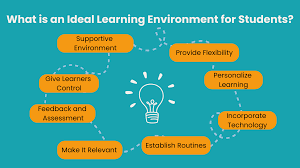
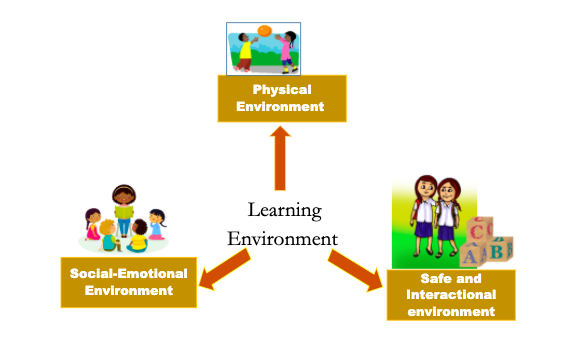
When you walk into a school, how do you assess its environment? What makes some schools more optimised for learning? What are some of the key markers of a learning community and a learning environment you are looking for as an educator to work in and/or a parent for your child? What weightage do you place on school culture, evident from the dynamics amongst the school staff and students, the administrators, and the teachers? What weightage do you place on the overall maintenance of the infrastructure of the school? What about the playgrounds, laboratories, auditorium, and/or amphitheater? Does landscaping and student/staff hangout spaces call out to you? Parking of vehicles, personal and school – does that matter to you? What about school architecture – clusters and/or rows and cells? long corridors and/or levelled and meandering learning spaces?
This is a free newsletter for parents, educators, and students. If you like my content, please subscribe by entering your email address here.
Three Images of the Week
Two Thoughts of the Week
Earth and Sky, Woods and Fields, Lakes and Rivers, the Mountain and the Sea, are excellent schoolmasters, and teach some of us more than we can ever learn from books.
John Lubbock
Sugata Mitra
One Video of the Week
You may think your childhood was normal: you had friends your age, attended school to learn from teachers, and maybe even slept in your own bedroom. Evolutionary anthropologist Dorsa Amir shows that these everyday occurrences in Western cultures are actually strange new experiences in human history that may have significant consequences for child development. Learn more at http://www.tedxcambridge.com Dorsa Amir is an evolutionary anthropologist interested in how differing cultural and ecological environments shape the developing mind. She is a postdoctoral research fellow in the Department of Psychology at Boston College and received her PhD in Anthropology from Yale University. Her research adopts a cross-cultural and developmental perspective to explore the role of the local environment in adaptively shaping behavior and preferences. She is currently investigating cross-cultural variation in the development of risk & time preferences, early life socioeconomic effects on behavior, and the role of scarcity in cognitive development.
Reading with Ms Meenu: Tip of the week
Creating a Reading Culture at Home and School
Reading is more than a skill children learn; it is a habit, a comfort, and a doorway to imagination, knowledge, and confidence. When reading becomes part of a child’s daily life at home and school, books begin to feel familiar, enjoyable, and meaningful. A strong reading culture does not happen only through assignments or reading logs. It grows when children see books as a natural part of their world.
At home, families play an important role in shaping a child’s relationship with reading. What matters most is access, encouragement, and routine. Having books within reach, setting aside a few minutes each day for reading, and talking about stories together can make a powerful difference. Even simple moments, such as reading before bedtime, visiting a library, or sharing a favourite childhood book, help children understand that reading is valuable and enjoyable.
Parents and caregivers can also support reading by giving children choice. When children are allowed to choose books based on their interests, they are more likely to feel excited about reading. Some children may enjoy adventure stories, while others may prefer comics, nonfiction, poetry, picture books, or books about animals, space, sports, or art. All reading matters. The goal is not only to finish a book, but to build a positive connection with books.
Schools also have a special responsibility in creating a reading culture. A school that values reading makes books visible, accessible, and celebrated. Classrooms, libraries, hallways, and reading corners can all become spaces that invite children to explore. Teachers and librarians can recommend books, read aloud with expression, introduce different genres, and create opportunities for students to discuss what they are reading. When children see adults enjoying books and speaking warmly about reading, they begin to see reading as something meaningful, not just academic.
Read-alouds are one of the most powerful ways to build a love of reading in school. Through voice, pauses, expression, and thoughtful questions, a read-aloud can bring a story to life. It allows children to listen, imagine, predict, question, and connect. It also creates a shared experience where every child, regardless of reading level, can participate. Read-alouds help develop vocabulary, listening skills, empathy, and critical thinking.
A strong reading culture also includes diverse books. Children need stories that reflect their own lives, families, cultures, and experiences. They also need books that introduce them to different perspectives, places, and ways of thinking. This is often described as books being mirrors, windows, and sliding glass doors. Books can help children see themselves, understand others, and step into new worlds with curiosity and compassion.
Creating a reading culture does not mean forcing children to read. It means surrounding them with opportunities, encouragement, and joy. It means making reading feel less like a task and more like an invitation. When homes and schools work together, children begin to understand that books are not only for marks, tests, or homework. Books are companions, teachers, and sources of wonder.
In the end, a reading culture is built through small, consistent actions. A story shared at bedtime. A teacher reading aloud with excitement. A librarian placing the right book in a child’s hands. A classroom that celebrates book talk. A parent listening patiently as a child reads. These moments may seem simple, but together they help children become confident, curious, and lifelong readers.
Keep Reading!
– Meenu Gera Consulting home and school librarian, a reading guide placealibrary.ca
I Think, I Wonder, I Ask
–Dr. Shreelakshmi Subbaswami, Academic Director, Vijaya School, Hassan, Karnataka
Classroom Furniture Stuck in the Past
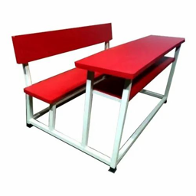
Furniture in schools is perhaps the one piece of infrastructure that has stubbornly remained unchanged even as approaches to teaching and learning have changed. Walk into many classrooms today and we still find long benches and desks, all facing the board with children mostly looking at the backs of one another’s heads. It made sense in an era where teacher-centred instruction dominated education, where learning was viewed largely through behaviourist ideas- the teacher delivered knowledge, students listened, repeated, and reproduced. But classrooms today are no longer meant to function that way. We now understand that learning thrives when children collaborate, explore, question, move, and create.
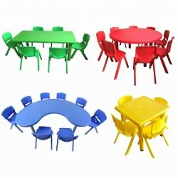
The transition in pedagogy and the resulting shift in furniture is neither quick nor easy, especially across all grades at once. Naturally, this change began in the Early Years. Young children naturally engage with spaces in different ways, some prefer sitting on the floor, some kneel, some stand while writing, some enjoy working at tables, while others choose quieter corners. Furniture that allows movement, flexibility, choice, collaboration, and has varied seating levels to support engagement and learning is far more effective than rigid rows of fixed desks ever.
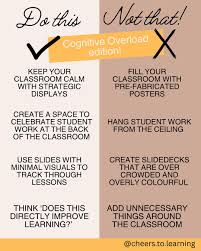
Perhaps we also need to rethink our obsession with bright-coloured furniture in preschool environments. Neutral tones often create calmer classrooms, reduce overstimulation, and allow children’s work and not the furniture to become the visual focus.
Three questions for you…
- Are our classroom choices driven by how children learn, or by trends and habits we have simply inherited?
- If pedagogy has changed, what other classroom structures remain outdated today?
- How can schools transition from fixed furniture to flexible environments, repurposing the existing resources?
From the Principal’s Desk
– Suchismita Ray Gupta, Head of School, Capstone High, Hoskote, Karnataka
PD in Your Pocket: Staying Afloat in the Teaching Game
It’s that time of year again. Across the country, schools are gearing up for a fresh academic session, and the excitement in the air is palpable. Teachers return re‑energized, eager to try out new classroom management strategies, experiment with innovative pedagogy, and design specialized remedial plans for those students they’re determined to help this year. The opening weeks are packed with professional development (PD) sessions, carefully designed to empower and inspire. Hopes are high, and the future feels bright.
Then mid‑year arrives. Inevitably, that initial enthusiasm takes a back seat. The daily grind of syllabus completion, standardized tests, school events, PTMs, remedial classes, and endless portfolio updates takes over. Teachers juggle a hundred unseen tasks just to keep the show running, and the sheer volume can quickly become overwhelming.
The hardest hit are often those new to the profession. Feeling overworked, stressed, and out of control becomes more common than not. By this point, everyone from coordinators to principals is so tied up with their own demands that finding someone to turn to for mentorship or quick guidance can feel impossible.
This is where the collective expertise of the global educator community becomes a lifesaver. Countless experienced teachers and trainers across the world regularly share free, bite‑sized content that speaks directly to the hurdles teachers face daily — time management, classroom displays, assessments, differentiation, and lesson planning. Think of it as “PD in your pocket”: accessible anywhere, anytime, right from your smartphone.
Here are five high‑quality, free online resources — blogs, videos, articles, and podcasts — that can serve as your guide when you need fresh ideas, direction, or simply reassurance that you’re not alone:
- Edutopia
Published by The George Lucas Educational Foundation, Edutopia offers phenomenal articles and videos written by expert K‑12 practitioners. From classroom inspiration to school administration, it’s a treasure trove. Their Teacher2Teacher platform is especially valuable, allowing you to post dilemmas and receive real‑world advice from educators worldwide.
- Cult of Pedagogy
Run by Jennifer Gonzalez, this site is a goldmine of blogs, podcasts, and videos focusing on the psychology of teaching and learning. It’s the ultimate go‑to for innovative lesson designs, instructional strategies, and understanding the “why” behind student behavior.
- The Unteachables Podcast
Hosted by Michelle Vance, this podcast zeroes in on practical classroom management strategies that thrive in inclusive environments. It’s geared toward empowering teachers of tweens and teens to lead with calm, clarity, and confidence.
- Truth for Teachers
Created by Angela Watson, this podcast speaks directly to teachers well‑being. With a focus on time management, productivity hacks, and work‑life balance, it’s designed to help educators prevent burnout and sustain their passion.
- Shake Up Learning
Curated by Kasey Bell, this blog and podcast offer practical tips for seamlessly incorporating digital tools and EdTech into the classroom. Perfect for teachers eager to transform learning from static consumption into dynamic, interactive experiences.
Teaching is one of the most rewarding professions in the world, but it can also feel lonely when the mid‑year slump hits. Sometimes the best professional development isn’t another workshop — it’s knowing that somewhere, another teacher has already found a way through the exact challenge you’re facing. These free, accessible resources can help every educator find their tribe. They’re a vital reminder that you are not alone on this journey, making the profession more sustainable, manageable, and joyful for the long haul.
Showcase: Thrive Beyond School – A unique STEAM education project for very young learners.
– Pooja Khatter, facilitator, Thrive, Hyderabad
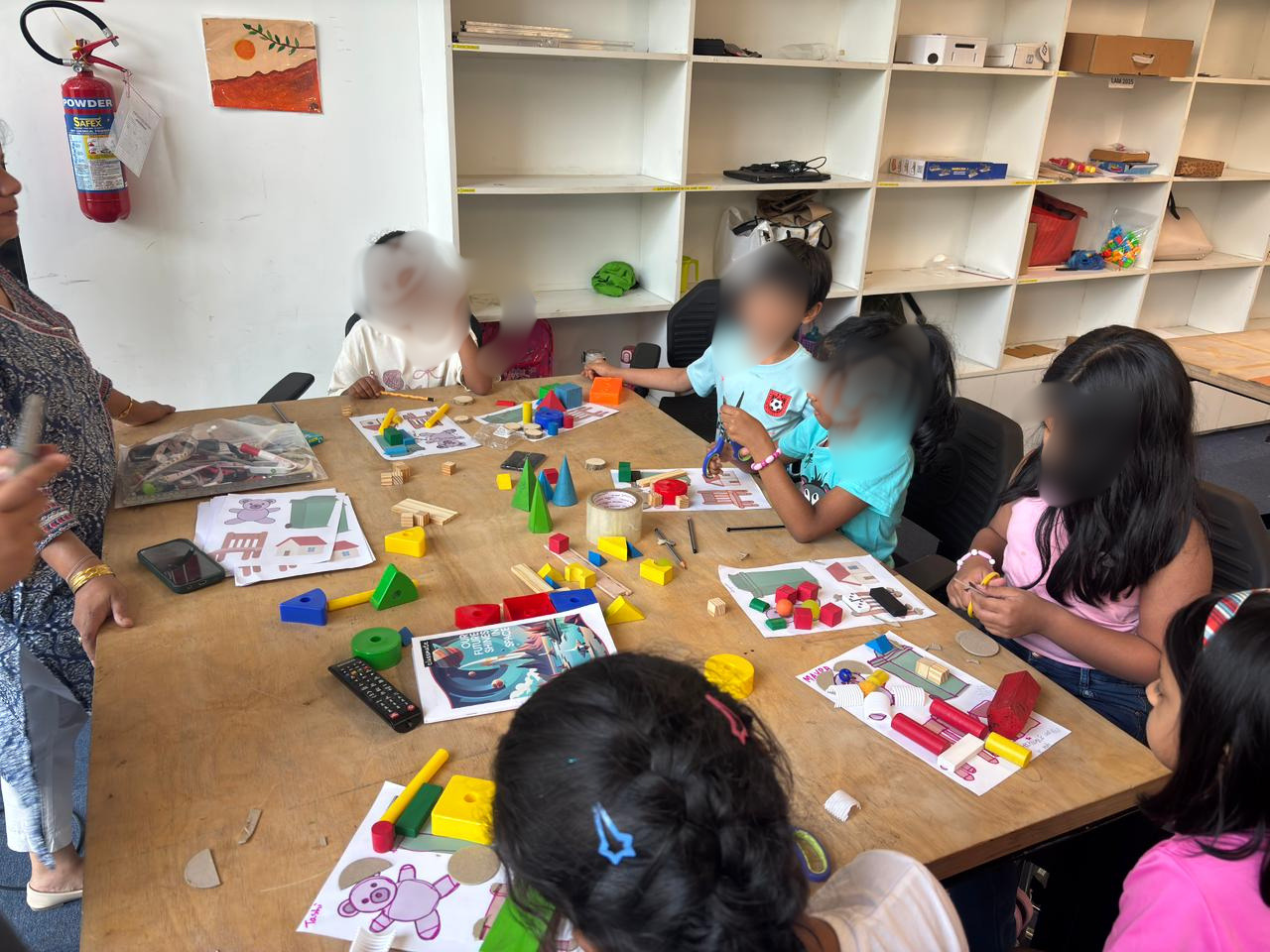
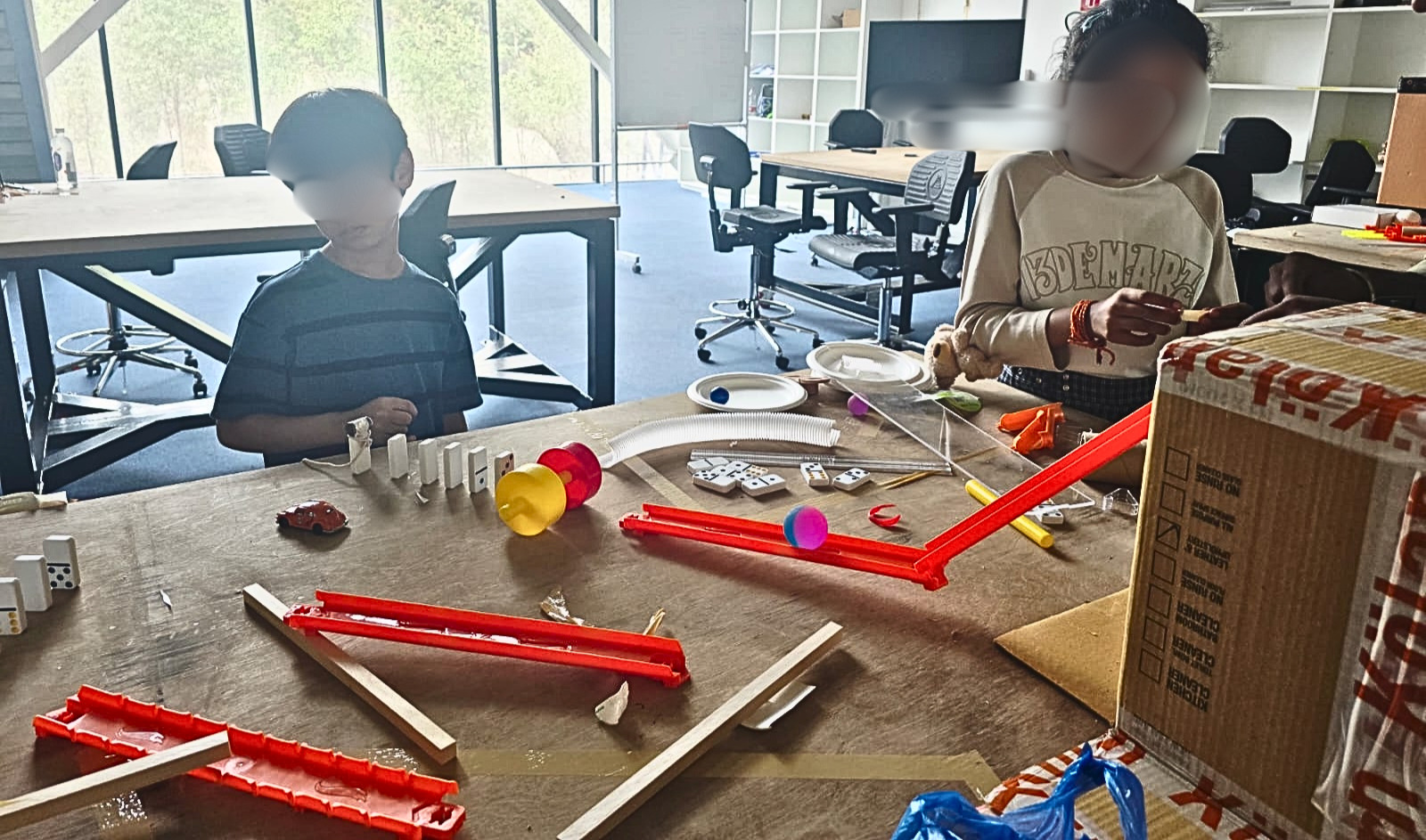
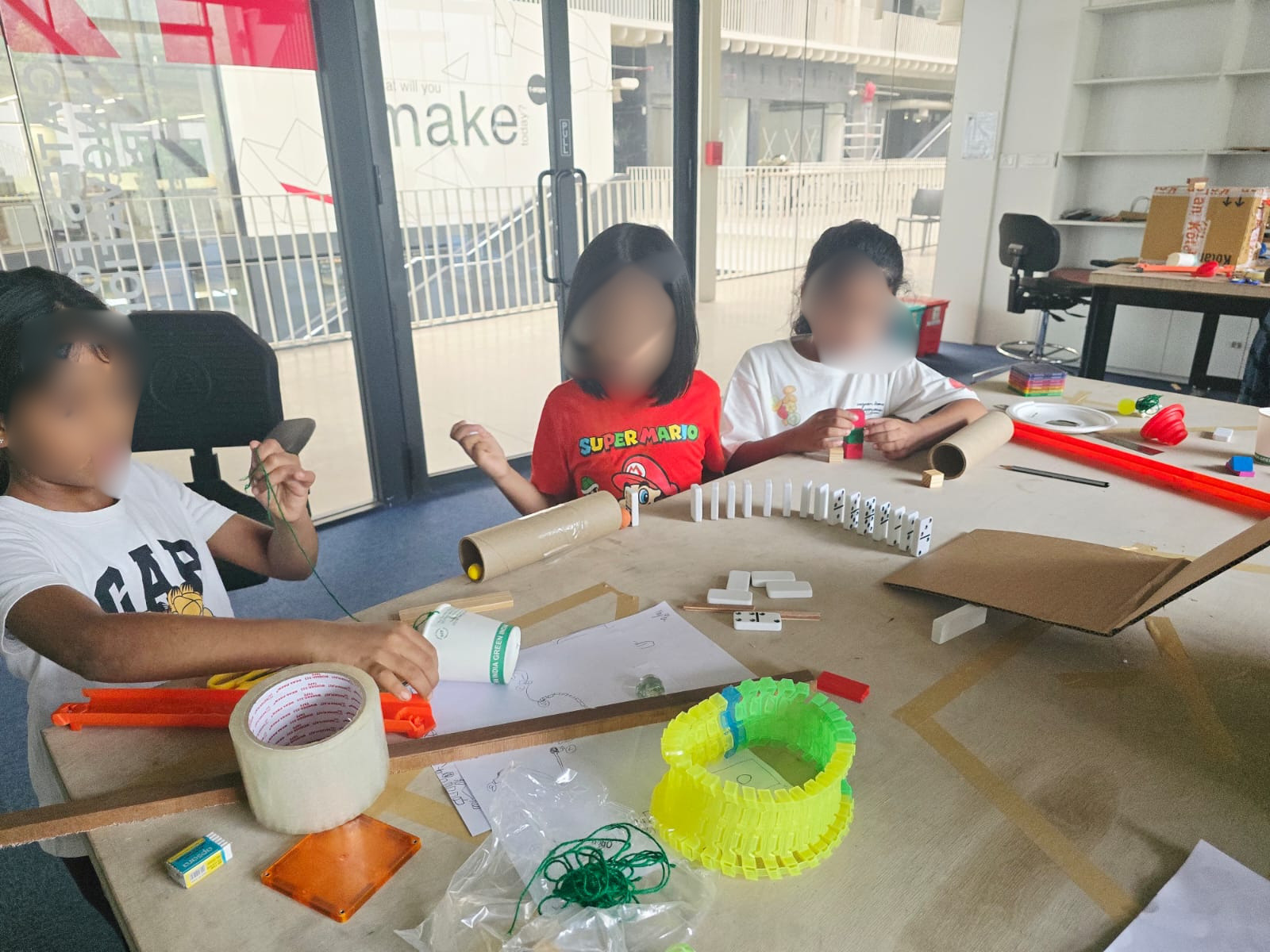
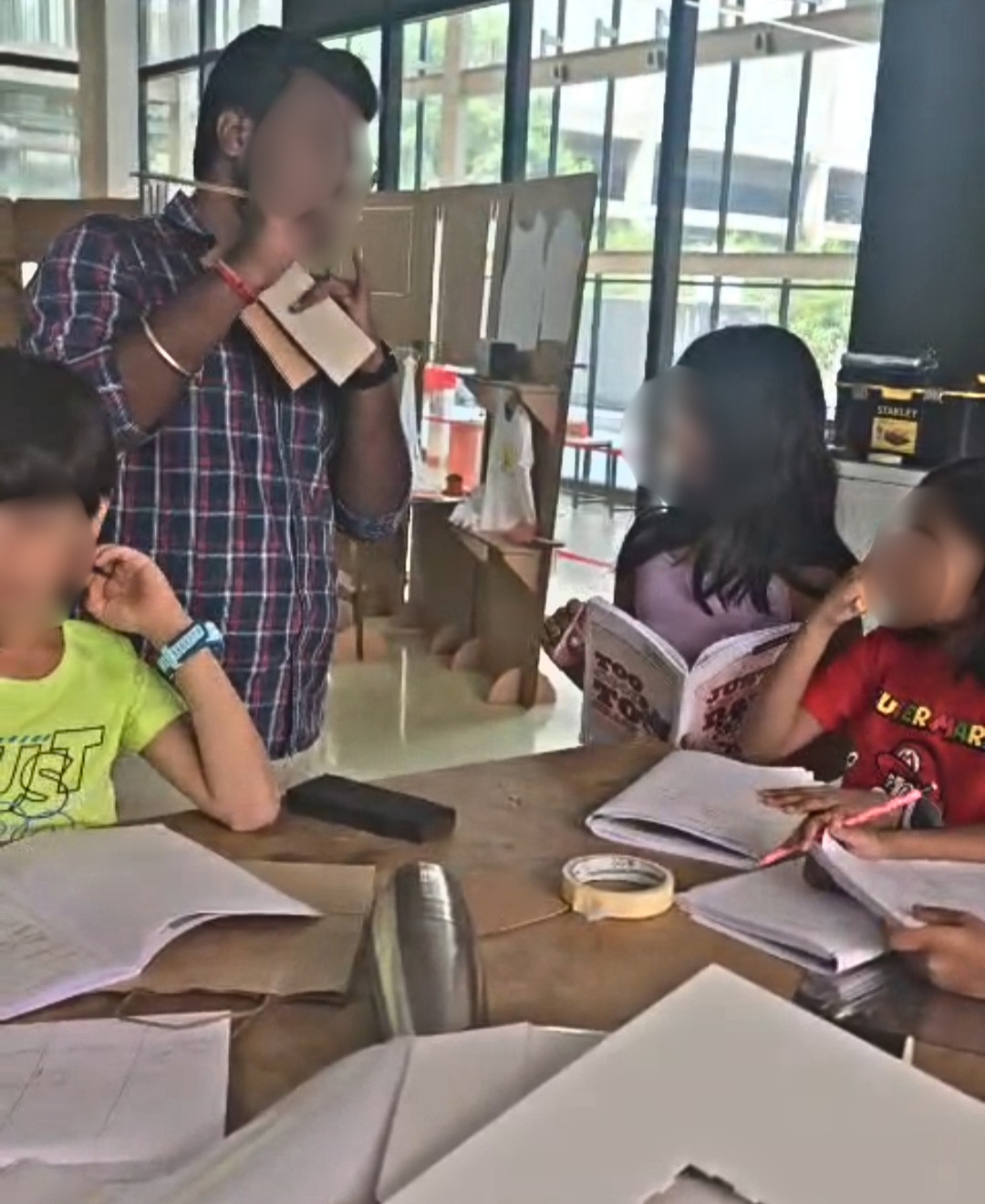
Over the past 9 exclusive workshop sessions of THRIVE @ T-Works, the children explored the exciting world of Rube Goldberg Machines, where one small action creates a chain reaction of movements. Through hands-on building, testing, observing, and redesigning, the children learned important science and engineering concepts while developing creativity, teamwork, and problem-solving skills.
During the workshop, the children explored concepts such as force and motion, kinetic and potential energy, friction, gravity, balance, sequencing, energy transfer, and cause and effect. They also applied their understanding of simple machines such as ramps, pulleys, levers, wheels, and tracks while creating their own chain reaction setups using materials like dominoes, pipes, cups, toy cars, planks, cardboard, and foam.
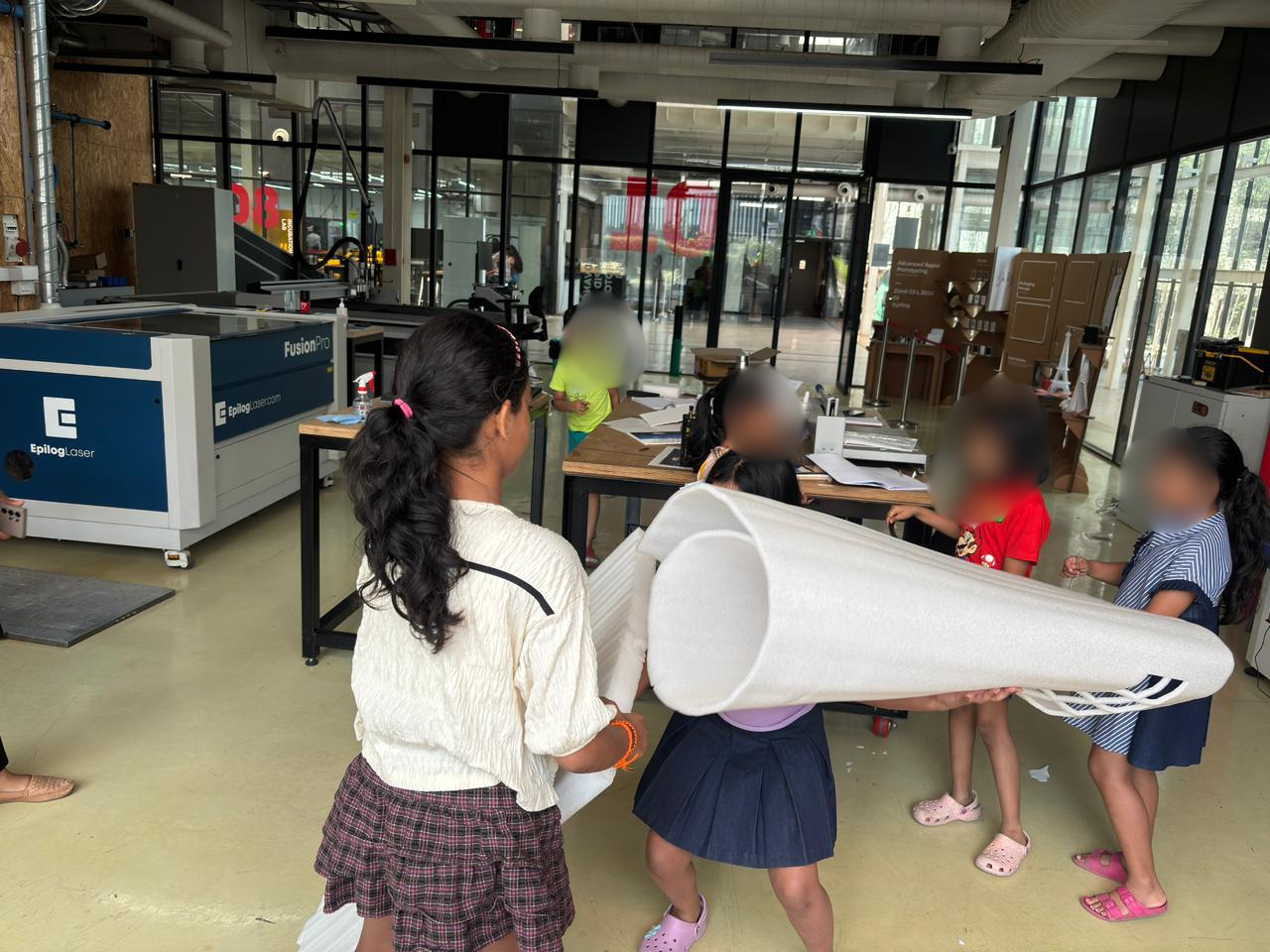
The children were encouraged to think like scientists and engineers by observing where reactions stopped, discussing possible reasons, and improving their designs through teamwork and reflection. They also explored the ARP Lab and 3D Printing Lab, where they learned about different materials, digital design, laser cutting, and 3D printing technologies.
The workshop concluded with the children successfully combining their individual setups into one large collaborative Rube Goldberg Machine with multiple triggers and connected mechanisms, showcasing their creativity, observation, teamwork, and scientific understanding through hands-on learning.
Tara – 6 years 10 months
Neev – 7 years 10 months
Tashi – 7 years 10 months
Mayra – 7 years 10 months
Havishka – 8 years 1 month
Samyuktha – 8 years 1 month
Dear reader,
I work with the school leadership team as an advisor and collaborate with teachers as a pedagogical trainer. I also help parents as a parenting counselor and regularly engage one-on-one with students as a personal guide and mentor. This weekly newsletter shares what I read, learn, and experience.
Professional development with Ms Niv : Click below to find the teacher and student workshops and trainings I currently offer:
https://docs.google.com/presentation/d/1ypWO8KpVh56vhYqAMH4XoytLRKMXvwpCAfv3l3fryJQ/edit?usp=sharing
3-2-1 Tuesdays with Ms. Niv is a newsletter you can subscribe to and enjoy your learning journey with me.


All said above by everyone is so true Today ourchildren need support in terms of number ofcteacher to student ratio Thevteacher has hardly any clue of the state of the mind of the child whether he or she is capable of leaning at that pointwise very little interaction.eoth adults both at home and school the growing prefrontal cortex has limited interaction Learning is a slow process to develop critical thinking problem solving building empathy needs more adults around the chilf
LikeLike