Nivedita Mukerjee
Education consultancy for parents and schools
3-2-1 Tuesdays with Ms. Niv
Issue #306, 12th May 2026
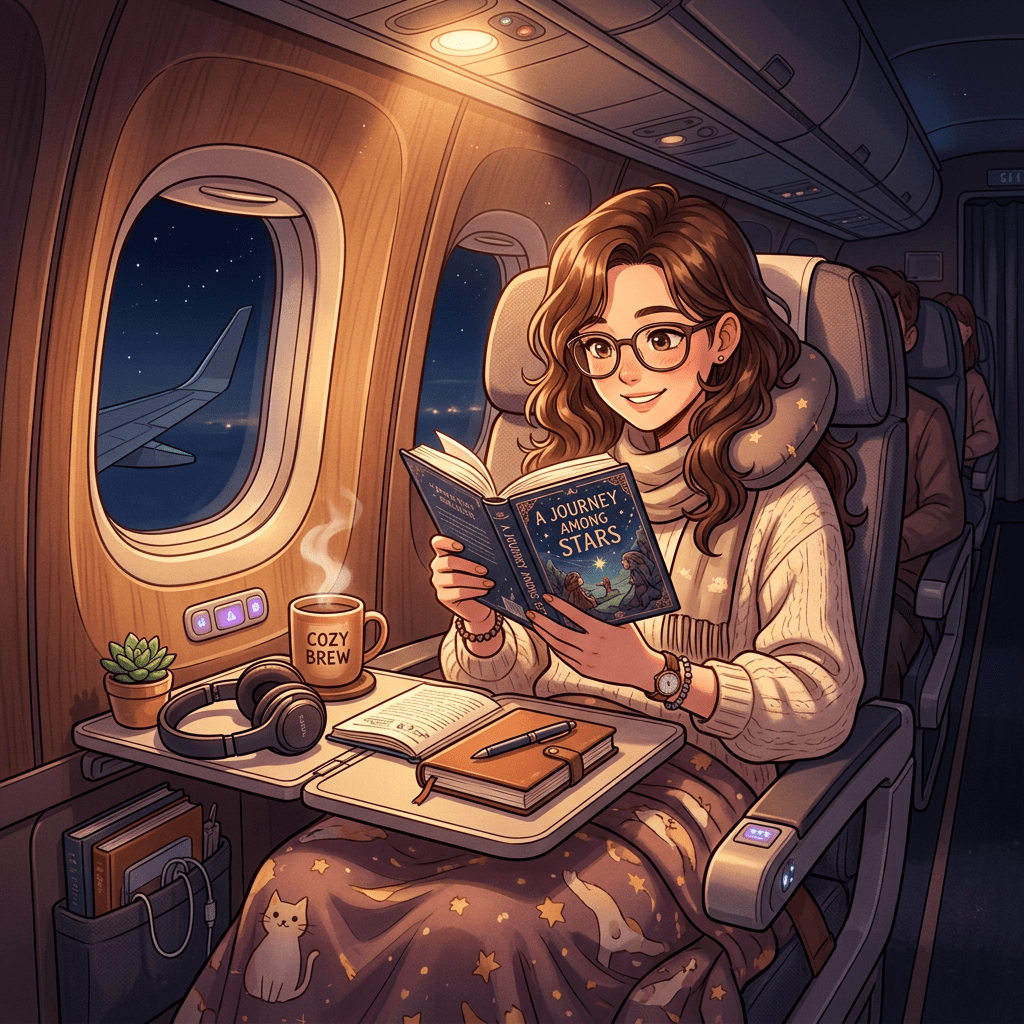
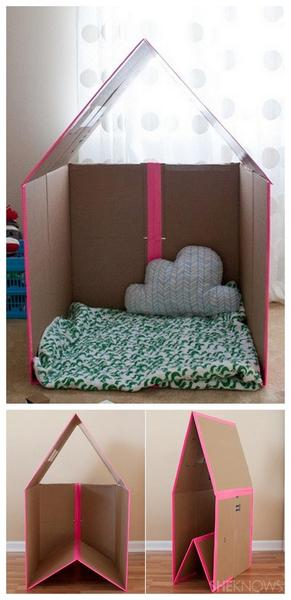
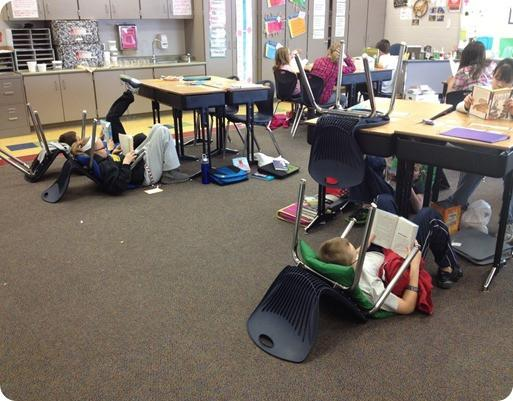
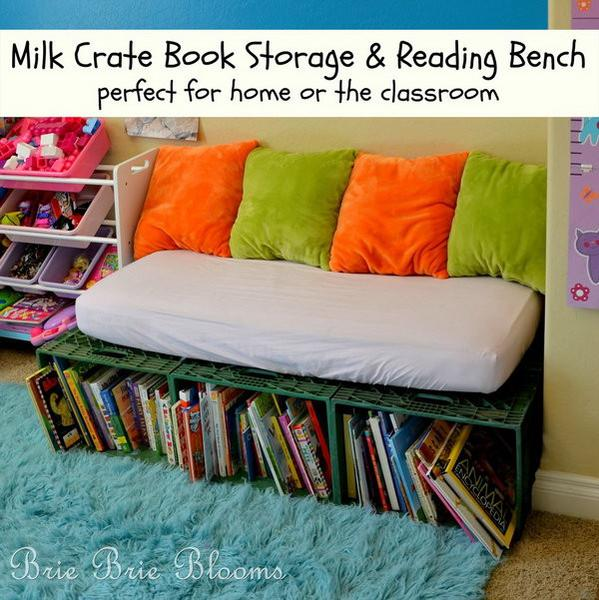
When do you read? Which are your favourite places to read in? How do you read – paper books, e-books, or audiobooks? What makes you pick what you read – a friend’s or a teacher’s recommendation? a book review? a Booker short-long list? the local book store owner? I, for one, enjoy reading in short-haul flights that I take a few of every month on my school visits, where no food or media is available, and it is an hour of great escape into a book. I also like to ‘read’ audiobooks of classics as the reader makes the classic come alive with his/her intonations. At home, I like to read in my study on a bed, which is a great relaxation for my back after hours of sitting in meetings online. What about you?
This is a free newsletter for parents, educators, and students. If you like my content, please subscribe by entering your email address here.
Three Images of the Week
Two Thoughts of the Week
‘Books are a uniquely portable magic.’ Stephen King
‘Books don’t just go with you. They take you where you’ve never been.’
One Video of the Week
It seems like students today only ever get more and more homework, more writing, and much more reading. Teachers and parents alike force kids to read but the benefits are rarely explained, the truth is that reading is not purely an academic activity but one that holistically improves the lives of consistent readers. Jade is a seventeen-year-old junior whose love of literature has inspired her to speak today about the benefits of reading.
Reading with Ms Meenu: Tip of the week
Libraries Are Open to All Ages Open shelves and quiet corners do more than hold paper pages. A place waits inside many towns where anyone walks in without needing money or status. Little ones touch picture books while older folks sit nearby checking news. Learning happens slow sometimes, other times fast, depending on who shows up that day. These rooms stay steady even when outside changes often.
Little kids find magic inside libraries. Through story hours, shared reading, rhymes, colorful books, word games – language grows along with attention and wonder. Walking into one means stepping into a place full of tales plus chances to question, dream, make things up, feel proud. Books become friends. Ideas start buzzing. Confidence quietly takes root.
Young learners find extra help at libraries when school lets out. Books just for fun sit beside ones needed for reports and projects. Homework gets easier because quiet spots exist to focus without noise. Some rooms let kids build things, tinker with tools, or try coding games. Digital tools open doors – online databases wait ready for curious minds. A child might fall into astronomy one week, drawing monsters the next. Questions grow stronger here; answers come through practice, not shortcuts. Figuring out what’s true online takes time – it happens on these shelves too. Using tech wisely? That lesson hides inside every guided search session. Interests spark fast when choices stretch wide across many topics.
Grown-ups find libraries useful, often in more than one part of life. Not only do they stock books and daily newsprints, but also guide people through resumes or online job portals. When tech feels confusing, staff step in – patient, clear, ready to explain. For those shaping a fresh path at work, tools appear exactly when needed. Learning another tongue? Programs exist that meet learners where they are. Parents discover guides on child growth, safety tips, emotional development. Workshops bring neighbors together around shared interests. Even just sitting with a novel in peace counts as value. Judgment stays outside the door; inside, curiosity moves freely. Open arms define the quiet strength found inside library walls. Whoever shows up matters less than the fact they showed up at all. Access begins without questions about income, origin, or age. Shared space grows when fairness, belonging, and support meet naturally. The weight of being accepted lands softly here.
These days, libraries keep shifting shape because what people need keeps changing too. Digital books sit alongside old paper ones, while audio versions play quietly on library devices instead. Online research tools open doors just as much as physical shelves do now. A person might walk in needing Wi-Fi, then leave having printed job forms thanks to desk help nearby. Quiet corners host study groups; louder spots welcome storytellers every Thursday morning. New residents often find guides here who speak their language and point them toward starting over. Everyone gets a turn – wheelchairs roll easily through wide gates, screens read aloud for tired eyes, noise-canceling zones soften chaos outside. Kids show up after school for puppet shows or science games nobody expects but everyone enjoys. Behind it all stands a quiet effort: making sure no one drowns in the rush of new tech piling up faster each year. . Deep inside, libraries feel like home. There, a child hears tales while sitting on the floor. A young learner finishes schoolwork at a quiet table. Someone fresh to town picks up tips and directions. Parents uncover tools they did not know existed. Older adults share thoughts over novels in cozy groups. People gather – not forced – just drawn by something steady. These spaces whisper: growing your mind isn’t just for kids. Growth tags along through every decade.
Libraries keep showing up, day after day, in neighborhoods everywhere. Because they care, they change when people’s lives shift. Listening closely comes first – then action follows. Comfort grows there, along with books, ideas, and shared moments between neighbors. What feels like a room full of shelves turns out to be something deeper: proof that belonging includes reading, sharing, help, and being seen.
Keep Reading!
– Meenu Gera Consulting home and school librarian, a reading guide placealibrary.ca
I Think, I Wonder, I Ask
–Dr. Shreelakshmi Subbaswami, Academic Director, Vijaya School, Hassan, Karnataka
When Too Much Learning Becomes Too Heavy
Last week, in my article, I reflected on how the authentic environment of children can guide curriculum planning, scope, and sequence. This week, I want to share another important consideration that often goes unnoticed while designing curriculum- cognitive overload.
In many school contexts, stand-alone subjects are still the norm. Different subject teachers plan independently, with very little interaction or integration across disciplines. During our curriculum audit this year, two things became very visible: the same concepts were appearing across different subjects in the same grade, but they were being taught in isolation. At the same time, certain months carried “heavy” concepts in multiple subjects together.
For children, especially those who struggle with processing and retention, this becomes overwhelming. Learning does not happen merely through exposure to concepts; it also depends on the learner’s ability to process, connect, and make meaning from the information being presented. Cognitive Load Theory as proposed by John Sweller, tells us that working memory is limited and children can process only a small number of new pieces of information at once. When too many demanding concepts are introduced together, learning becomes fragmented rather than meaningful. This understanding helped us to rethink curriculum planning itself. We attempted to integrate concepts across subjects, remove redundancies, and intentionally space difficult concepts across the academic year. Sometimes, helping children learn better is not about adding more strategies inside the classroom, but about designing the curriculum differently from the beginning.
We hope this shift will reduce stress for students, create more intentional teaching for educators, and allow for deeper understanding instead of rushed coverage. The science of learning should not remain a theory alone; it should shape the way we design learning experiences for children.
Three questions for you…
- What indicators in our classrooms suggest that students may be experiencing cognitive overload?
- How often do we examine the cognitive load created across the entire academic year across subjects?
- In what ways can teachers across subjects collaborate to space complex concepts more intentionally?
From the Principal’s Desk
– Suchismita Ray Gupta, Head of School, Capstone High, Hoskote, Karnataka
Curing Reading Apathy: A Reading List Curated by Teenagers
In a recent Grade 8 survey conducted in my school Capstone High , only 15% of students chose reading as their go-to leisure activity. In an era of instant-access gaming and viral TikToks, “reading apathy” is real. But as J.K. Rowling famously said, “If you don’t like to read, you haven’t found the right book.” So I sat down with students who do read – to find out which stories actually compete with a smartphone. If you’re looking for a way back to the page, one of these student-vetted titles might be your “Right Book.”
1. The Hunger Games Trilogy by Suzanne Collins
The Vibe: High-stakes survival and rebellion.
Why it clicks: It’s an adrenaline-fueled rush that mirrors the intensity of a video game. Beyond the action, it hits home by tackling reality TV culture, social inequality, and the courage it takes to stand up against an unfair system.
2. The Book Thief by Markus Zusak
The Vibe: A heartbreakingly beautiful look at humanity.
Why it clicks: A moving and authentic story of a girl in Nazi Germany that is sweet and heartbreaking all at once. It features a depiction of teenage friendship so real that the characters are easy to love and get attached to, making the emotional stakes feel deeply personal.
3. Anxious People by Fredrik Backman
The Vibe: A chaotic comedy about a failed bank robbery.
Why it clicks: It’s fast-paced and hilarious, but its secret weapon is the “Adulting Myth.” It reveals that grown-ups are often just “faking it,” giving teenagers a much-needed sigh of relief – it’s okay not to have everything figured out yet.
4. What You Are Looking For Is in the Library by Michiko Aoyama
The Vibe: Interconnected stories of hope and perspective.
Why it clicks: The plot is developed through bite-sized, interconnected stories following characters who feel down on their luck. It centers around a powerful question from the librarian: ‘What are you looking for?’ It offers a comforting message that to move forward, you don’t need your entire life chalked out—the answer often lies in a small shift in perspective found in an unexpected place.
5. Project Hail Mary & The Martian by Andy Weir
The Vibe: Survival in outer space.
Why it clicks: For the fans of science fiction and logic, these books are thrilling. They follow lone survivors using science and humor to beat impossible odds. It’s realistic, technical, and incredibly rewarding.
6. The Night Circus by Erin Morgenstern
The Vibe: A lush, magical competition.
Why it clicks: It perfectly captures the teenage feeling of being a “pawn” in a world built by adults. It’s a dreamlike love story that proves you can find your own agency and meaningful connections even when the rules are set by someone else.
7. The Thirteen Problems by Agatha Christie
The Vibe: The ultimate “whodunnit” puzzle.
Why it clicks: If you love trying to outsmart a plot twist, this is for you. Miss Marple is the ultimate underdog – she is constantly underestimated by authorities but wins because she understands the one thing teens are experts at: observing the complexities of human nature.
In conclusion, reading shouldn’t feel like homework. Whether you want to lead a revolution, solve a murder, or survive on Mars, your next great adventure is waiting on the shelf. Which one will you pick up first?
Showcase: Thrive Beyond School – A unique STEAM education project for very young learners.
– Pooja Khatter, facilitator, Thrive, Hyderabad
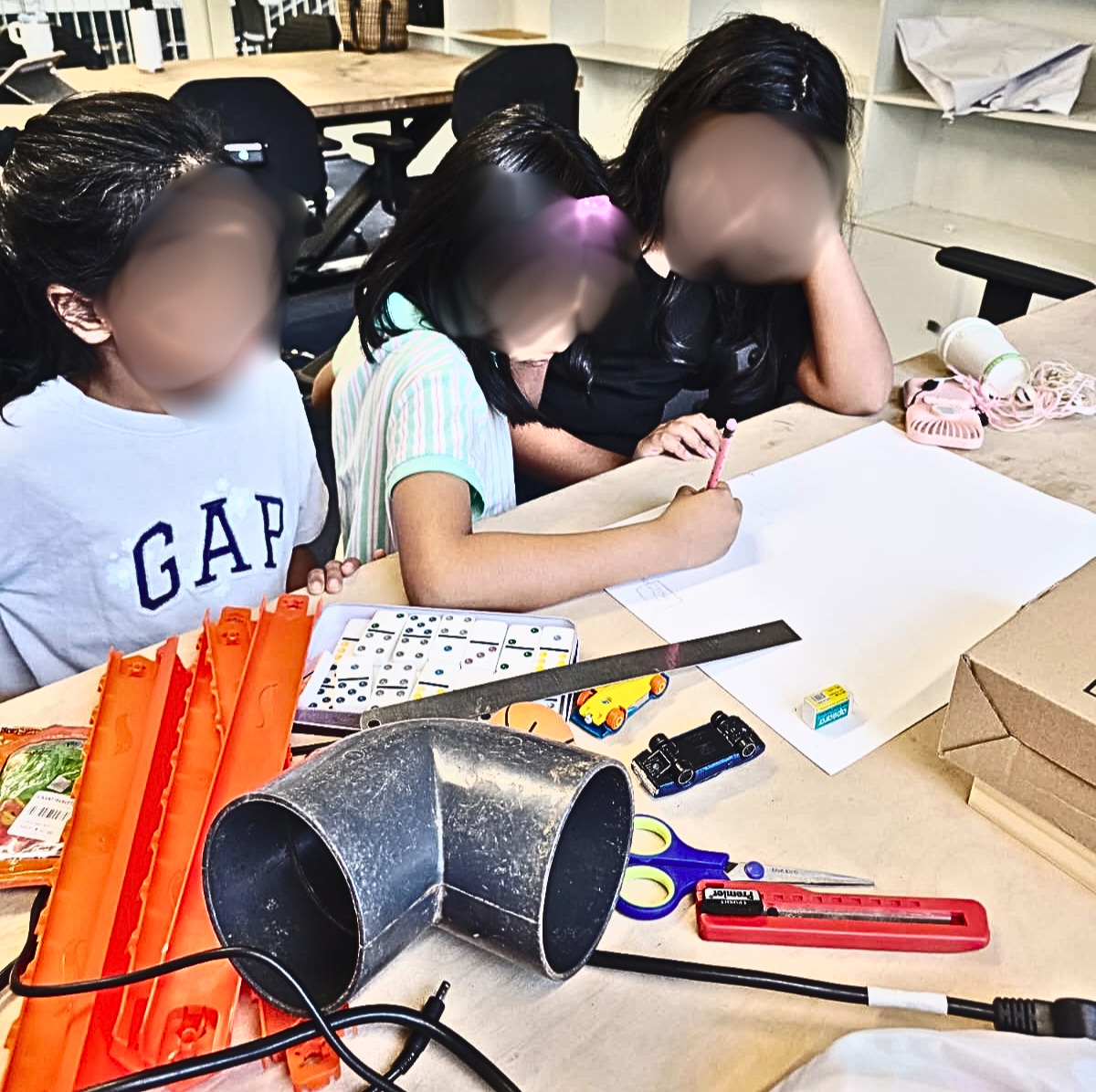
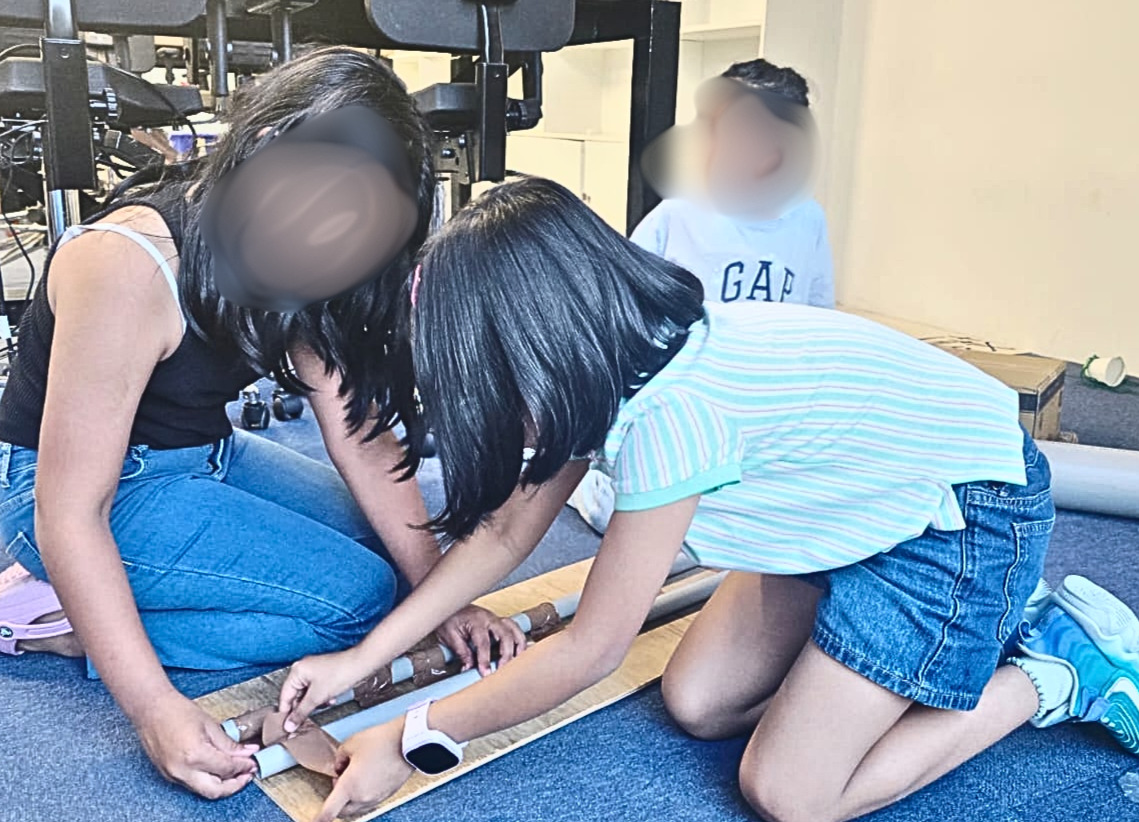
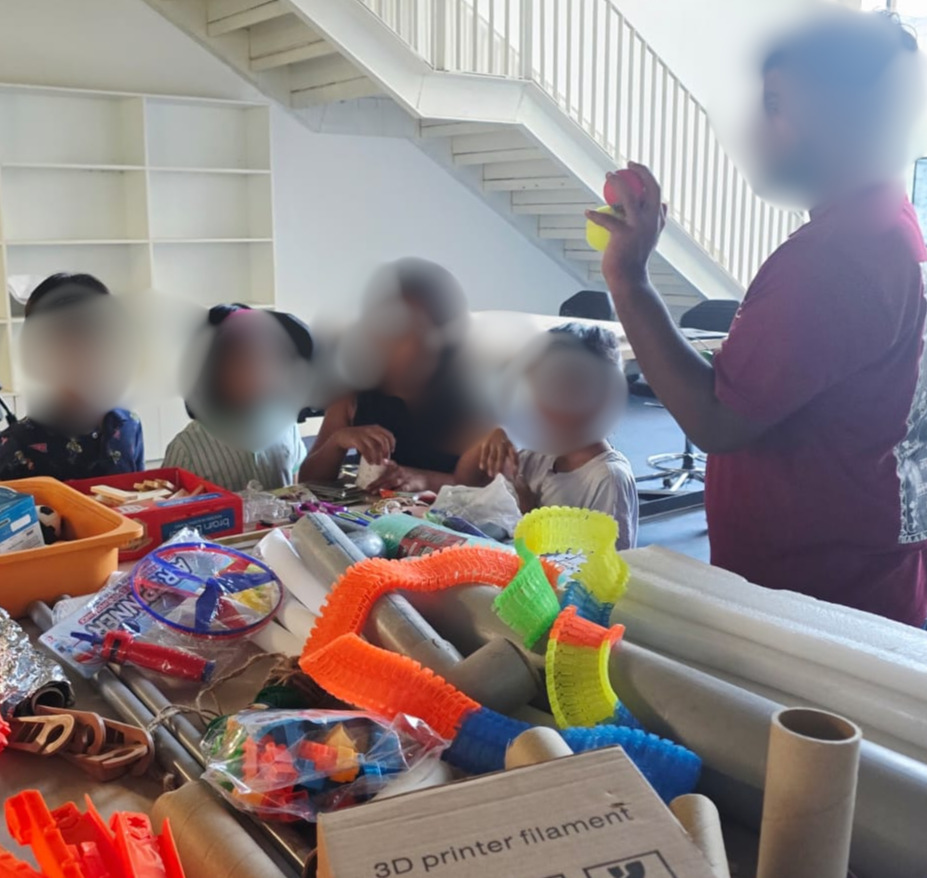
The fourth session of the Rube Goldberg machine workshop at T-works in Hyderabad focused on planning, designing, and building chain reaction setups. The children came prepared with ideas after exploring materials at home and watching videos on chain reactions. They shared their thoughts and discussed how different materials could be used to make one action lead to another. Mr. Poshan also spoke with the children about different types of materials and how they help in creating successful chain reactions.
The session was filled with teamwork, creative thinking, and problem-solving as the children worked together to build their designs. Using pipes, pulleys, cups, tracks, dominoes, planks, cars, boxes, and other materials, they carefully arranged each step and tested how one movement could trigger the next. Through this hands-on experience, the children explored concepts such as force, motion, gravity, balance, sequencing, and simple machines like ramps and pulleys. They also learned the importance of testing, improving ideas, and working together as a team.
Children who participated in the workshop:
Tara – 6.9 years
Neev, Mayra & Tashi – 7.9 years
Samyuktha & Havishka – 8.1 years
Dear reader,
I work with the school leadership team as an advisor and collaborate with teachers as a pedagogical trainer. I also help parents as a parenting counselor and regularly engage one-on-one with students as a personal guide and mentor. This weekly newsletter shares what I read, learn, and experience.
Professional development with Ms Niv : Click below to find the teacher and student workshops and trainings I currently offer:
https://docs.google.com/presentation/d/1ypWO8KpVh56vhYqAMH4XoytLRKMXvwpCAfv3l3fryJQ/edit?usp=sharing
3-2-1 Tuesdays with Ms. Niv is a newsletter you can subscribe to and enjoy your learning journey with me.

