Nivedita Mukerjee
Education consultancy for parents and schools
3-2-1 Tuesdays with Ms. Niv
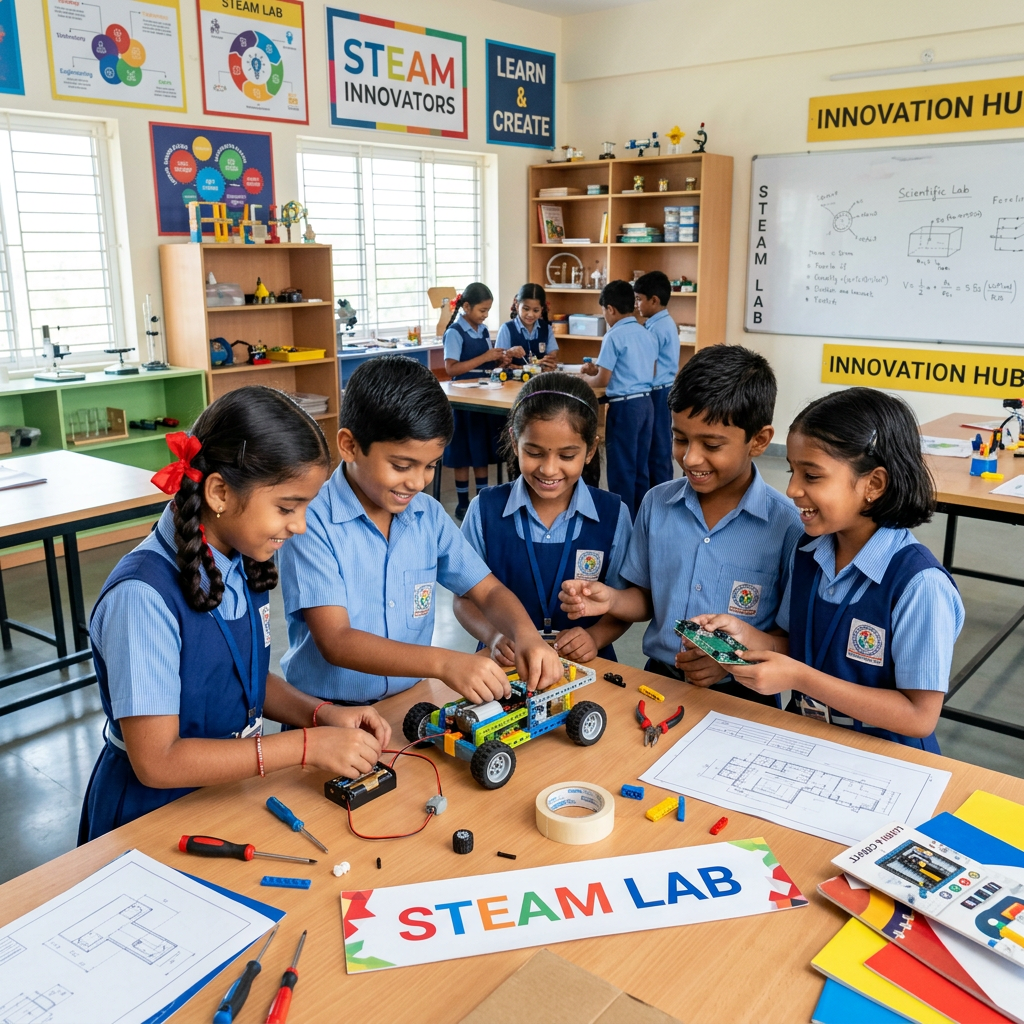
Issue #309, 2nd June 2026
How does my phone work? How does my hotel key card work? How does my smart ring work? How does my induction cooktop work? How do things around us, which we interact with every day, all the time, irrespective of our age or even economy, work? Do we understand these things? Or are we mere consumers of these things?
What do these questions have to do with education? With school? With parents and educators? With curiosity? Children approach the world with wonder and curiosity. They are sensory motor scientists. When does this attitude disappear? Can we consider starting this school year with curiosity? The foundation of all learning and knowledge? What do you think? What are you curious about today?
We want to develop student agency for their learning. Let us begin with curiosity.
This is a free newsletter for parents, educators, and students. If you like my content, please subscribe by entering your email address here.
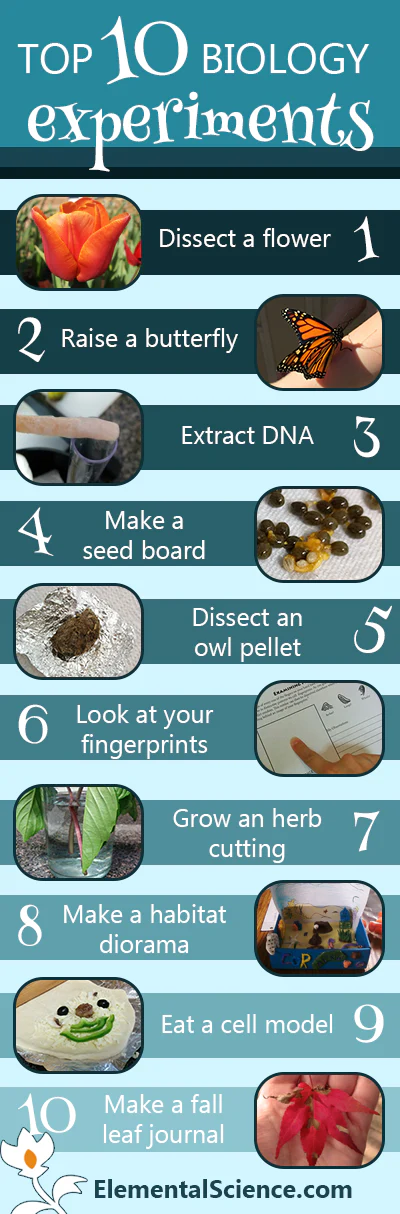
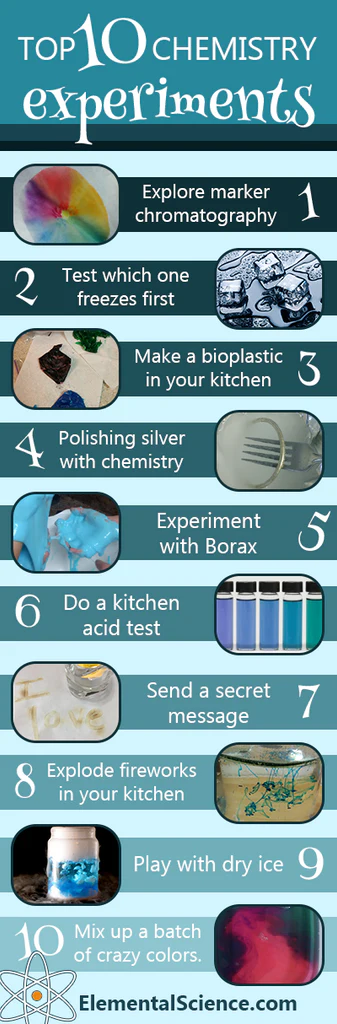
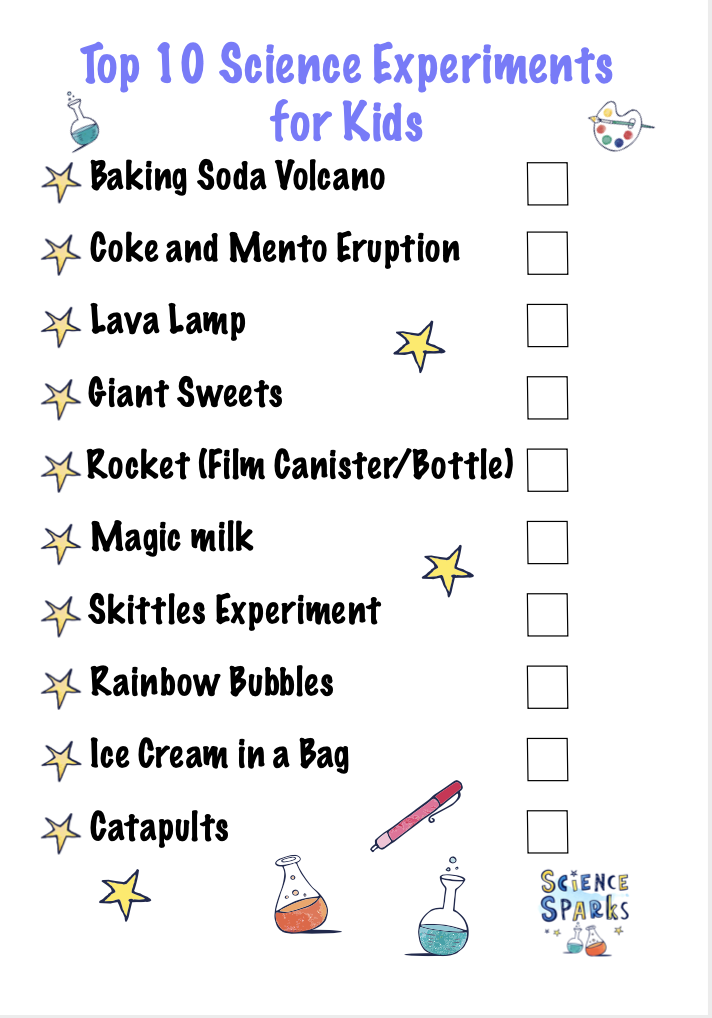
Three Images of the Week
Two Thoughts of the Week
“The important thing is not to stop questioning. Curiosity has its own reason for existence. One cannot help but be in awe when he contemplates the mysteries of eternity, of life, of the marvelous structure of reality. It is enough if one tries merely to comprehend a little of this mystery each day.” Albert Einstein
“It’s not a silly question if you can’t answer it.”
― Jostein Gaarder, Sophie’s World
One Video of the Week
Curious how stuff works? Do a hands-on experiment at home, says physicist Nadya Mason. She shows how you can demystify the world around you by tapping into your scientific curiosity — and performs a few onstage experiments of her own using magnets, dollar bills, dry ice and more.
I Think, I Wonder, I Ask
–Dr. Shreelakshmi Subbaswami, Academic Director, Vijaya School, Hassan, Karnataka
From Vacation Memories to Classroom Learning
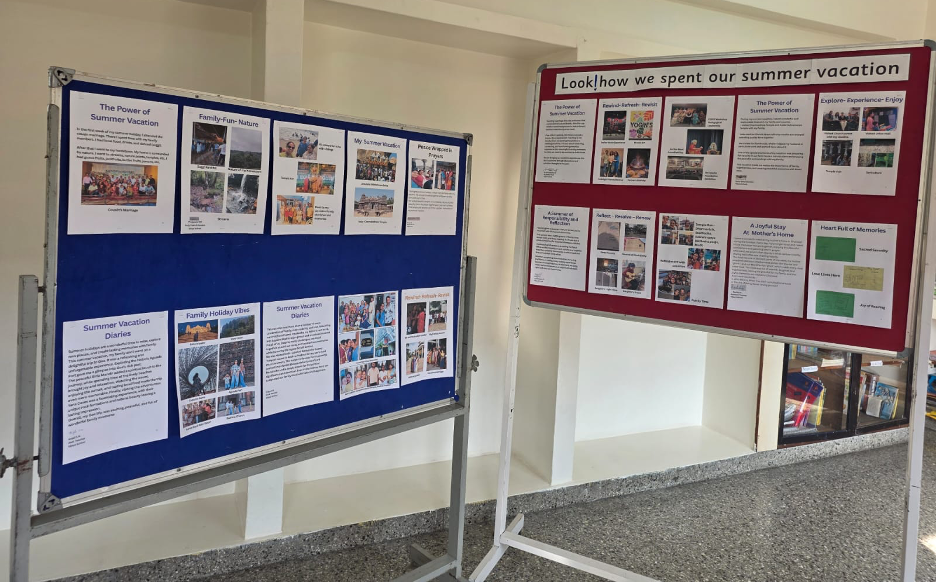
After the vacation, as teachers returned to school, we made a conscious effort to pause and reflect on our experiences. Rather than simply asking, “How was your holiday?”, we asked: What elements of our vacation experiences can find a place in our classrooms and curriculum?
As educators, reflection is an important professional habit. Experiences become learning only when we take time to think about them, make meaning of them, and connect them to our work. Without reflection, experiences often remain just as experiences.
We brought photographs and shared stories from our vacations. What emerged was far more than a display of holiday memories. It became an exercise in learning how to consciously bring authentic experiences into teaching. Themes of family surfaced naturally, cultural traditions such as Suggi dance could become part of music and movement experiences. Visits to sericulture centres could support discussions on life cycles. Archaeological sites, art forms, beaches, mountains, and forests could offer opportunities to enrich lessons across subjects.
Authentic experiences have a unique advantage over textbook examples. Our photographs come with stories, emotions, and personal connections. Also, when children see teachers sharing their own stories, they are encouraged to do the same. Gradually, we begin to know our students through their stories rather than merely through their names.
By design, this activity also developed skills in writing and organizing content. We learned to filter experiences, identify what was most relevant, and communicate our ideas in concise and meaningful ways.
An activity becomes truly powerful when it extends beyond itself and influences how we think, teach, and connect with learners.
Three questions for you…
- What authentic experiences from your own life have enriched your teaching?
- In what ways do you extend an activity beyond the activity itself?
- How can schools create opportunities for teachers to connect personal experiences with curriculum?
Dear reader,
I work with the school leadership team as an advisor and collaborate with teachers as a pedagogical trainer. I also help parents as a parenting counselor and regularly engage one-on-one with students as a personal guide and mentor. This weekly newsletter shares what I read, learn, and experience.
Professional development with Ms Niv : Click below to find the teacher and student workshops and trainings I currently offer:
https://docs.google.com/presentation/d/1ypWO8KpVh56vhYqAMH4XoytLRKMXvwpCAfv3l3fryJQ/edit?usp=sharing
3-2-1 Tuesdays with Ms. Niv is a newsletter you can subscribe to and enjoy your learning journey with me.

