Nivedita Mukerjee
Education consultancy for parents and schools
3-2-1 Tuesdays with Ms Niv
Issue #310, 9th June 2026
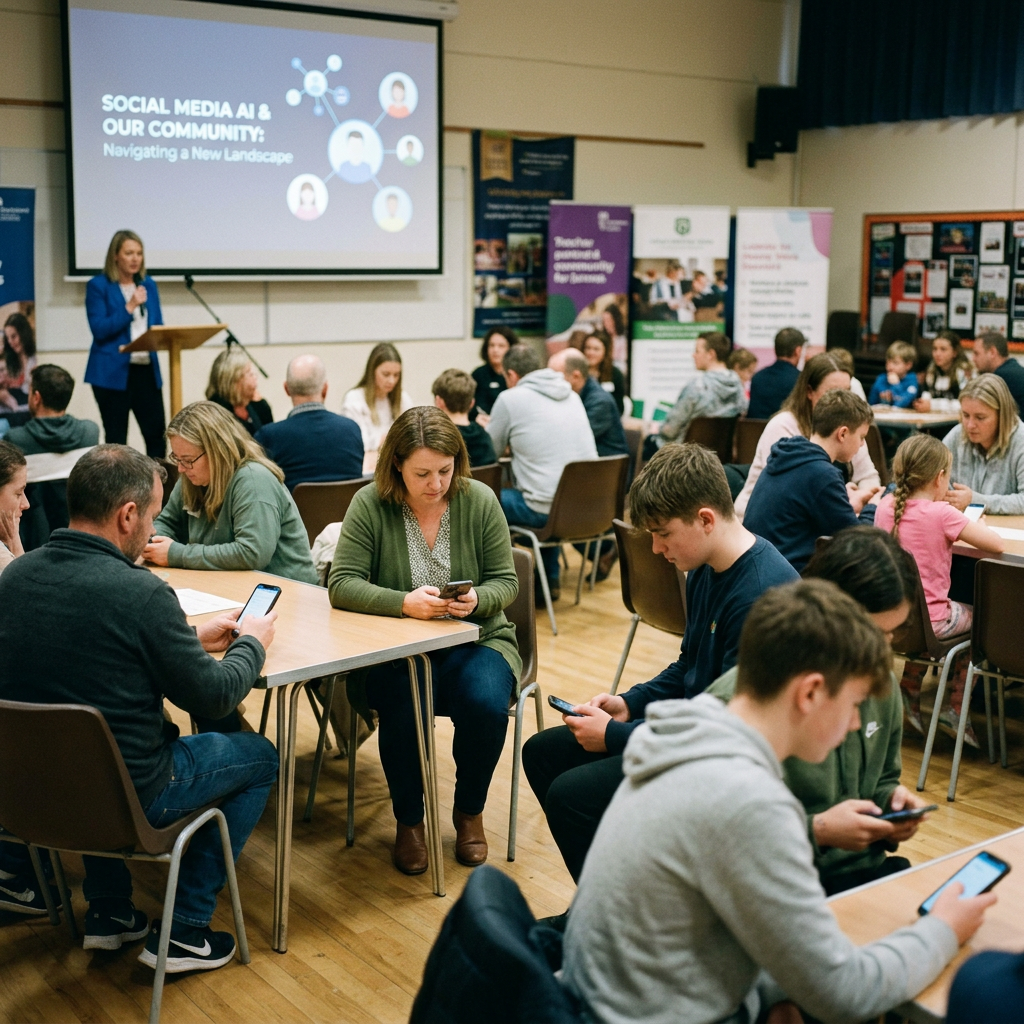
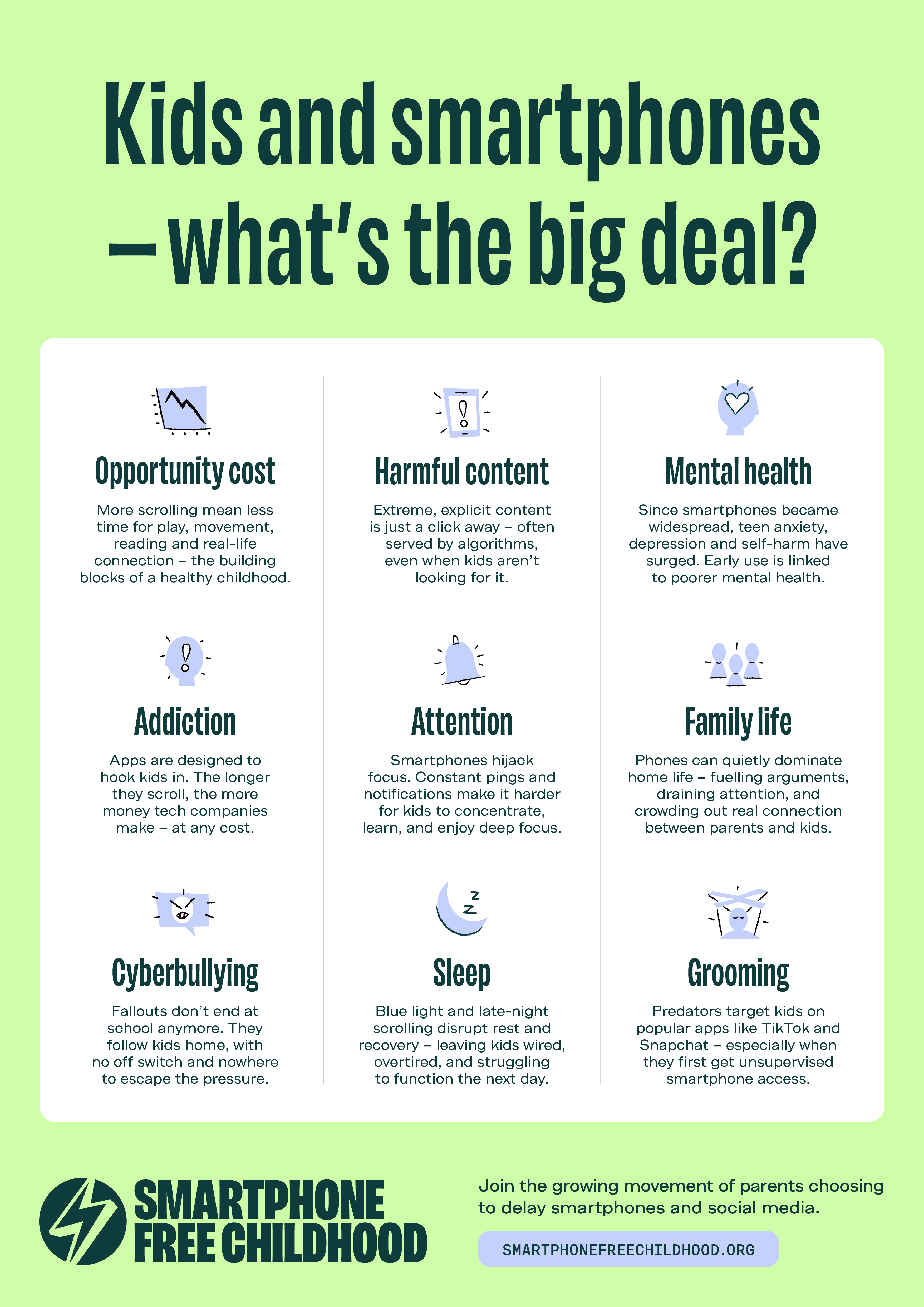
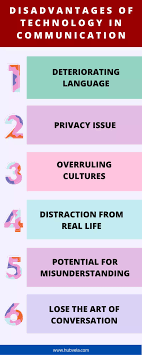
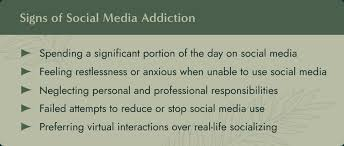
Phone-based childhood. Social media influenced teenagers. What is it doing to our children’s growing brains and to each of us as social beings when we already know that much of our social bonding involves bodies? When we eat food together. When we laugh together. We are ultrasocial beings; even the shiest and most introverted of us need to be in the company of other humans more often than we think we do.
How early is too early for putting one-to-one devices in children’s and adolescents’ hands in schools and homes? What do short videos and scrolling do to the neural connections in the brains that are trying to grow into adult brains from those of a young child?
What good or harm does ed-tech do to your child’s growing brain? Should it be on a group computer? Should there be internet or pre-loaded programs? When is a good time to put a device in your child’s hand which has an internet connection? How is it impacting the rising anxiety and depression levels of our students?
What is our plan with AI now? Would we let them take over our education spaces? Are students learning machines, or is school a social space?
How can we matter in this world if there is no human connection?
This is a free newsletter for parents, educators, and students. If you like my content, please subscribe by entering your email address here.
Three Images of the Week
Two Thoughts of the Week
“Sean Parker, one of the early leaders of Facebook, admitted in a 2017 interview that the goal of Facebook’s and Instagram’s founders was to create “a social-validation feedback loop . . . exactly the kind of thing that a hacker like myself would come up with, because you’re exploiting a vulnerability in human psychology.”
― Jonathan Haidt, The Anxious Generation: How the Great Rewiring of Childhood Caused an Epidemic of Mental Illness
There’s a danger in the internet and social media. The notion that information is enough, that more and more information is enough, that you don’t have to think, you just have to get more information – gets very dangerous. Edward de Bono
One Video of the Week
Humans aren’t just social — we’re ultrasocial, wired like bees and ants for deep connection. So what happens when smartphones take over childhood, tablets replace textbooks and AI companies infiltrate our kids’ lives? Social psychologist Jonathan Haidt lays out three principles of technoskepticism — and explains why, two years after sounding the alarm in “The Anxious Generation,” he’s more concerned (and hopeful) than ever before.
Reading with Ms Meenu: Tip of the week
How Library Professionals Build and Develop Library Collections
A library collection is much more than a group of books placed on shelves. It is a carefully planned, thoughtfully selected, and regularly updated collection of resources that reflects the needs, interests, and learning goals of its community. Library professionals play an important role in creating collections that are useful, inclusive, engaging, and relevant for readers of all ages.
The process of building a library collection is known as collection development. This involves selecting, organizing, evaluating, and maintaining books and resources so that the library continues to serve its users effectively. In a school library, this means understanding the needs of students, teachers, and the curriculum. Library professionals consider students’ reading levels, age groups, interests, languages, cultural backgrounds, and learning needs before choosing materials.
When selecting resources, library professionals use many different tools and sources. They may look at trusted book reviews, publisher catalogues, award-winning book lists, curriculum guidelines, teacher recommendations, student requests, and current reading trends. A strong school library collection includes a wide range of materials such as fiction, non-fiction, picture books, chapter books, graphic novels, biographies, reference books, digital resources, magazines, and books that represent diverse cultures and experiences.
An important part of collection development is making sure the library is inclusive. Students should be able to see themselves, their families, and their communities reflected in the books they read. At the same time, books should also introduce students to different perspectives, traditions, places, and experiences. This helps build empathy, curiosity, and respect for others.
Library professionals also review the collection regularly. They check which books are being borrowed often, which topics need more resources, and which materials may be outdated, damaged, inaccurate, or no longer useful. Removing old or unused books is called weeding. Although it may seem difficult to remove books from a library, weeding helps keep the collection fresh, accurate, attractive, and easier for students to use.
Organization is another key part of collection development. A well-organized library allows students and teachers to find what they need quickly and confidently. Clear labels, displays, cataloguing systems, age-appropriate shelving, and themed sections all help make the library more welcoming and accessible.
Building and developing a library collection is not a one-time task. It is an ongoing process that requires listening, observing, planning, and responding to the changing needs of the community. A strong library collection grows with its readers and supports learning, imagination, research, and a lifelong love of reading.
In the end, library professionals do not simply collect books. They create meaningful spaces for discovery, learning, creativity, and connection.
Keep Reading!
– Meenu Gera Consulting home and school librarian, a reading guide placealibrary.ca
I Think, I Wonder, I Ask
–Dr. Shreelakshmi Subbaswami, Academic Director, Vijaya School, Hassan, Karnataka
Curriculum and Environment Education: A Reflection
Every year, World Environment Day arrives with familiar activities—planting saplings, making posters, and taking pledges. While these initiatives are valuable, the deeper question is- How are we helping children truly connect with nature throughout the year?
One way to reflect on this is through the lens of the curriculum. If we begin with the written curriculum- the syllabus, textbooks, and learning resources, what stories about nature are children engaging with? Much of the content focuses on understanding the utility of nature: the uses of plants, the importance of forests, or the need for conservation. While such knowledge is important, connection often precedes care. Before children learn how to save nature, they need opportunities to experience it, observe it, and build relationships with it…
Next is taught curriculum. How does environmental education come alive in classrooms? Are children learning about biodiversity only through diagrams, or are they observing insects in the school garden? Are lessons confined to textbooks, or do they extend outdoors under a tree, into the neighbourhood, or through projects that encourage inquiry and action?
Another important dimension to consider is the assessed curriculum. Are we assessing only what children know about the environment, or also what they can do? Skills such as planting, composting, observing ecosystems, documenting changes, collaborating on environmental initiatives, and reflecting on responsible choices are equally important indicators of learning.
Finally, there is the hidden curriculum. What messages does the school environment communicate? Do the corridors, classrooms, and outdoor spaces invite interaction with nature? Are sustainable practices visible in everyday school life through waste management, energy conservation, environmental audits, and responsible resource use? The hidden curriculum often teaches more powerfully than any textbook.
Perhaps this Environment Day, the question is not how many trees we plant, but how deeply environmental education and sustainability are woven into what we teach, learn, and live every day in our schools.
Three questions for you…
- As educational priorities change, what happens to areas such as environmental education that may not be directly linked to high-stakes assessments?
- In what ways can environmental education be embedded into a school’s everyday practices, routines, operations, and physical spaces?
- What indicators tell us that environmental education is deeply embedded within the culture and ethos of an institution?
From the Principal’s Desk
– Suchismita Ray Gupta, Head of School, Capstone High, Hoskote, Karnataka
Building the Agentic Learner: The Antidote for a Tired Teacher
Being a teacher means constantly being on your toes. There are days when we feel it would be better if we had ten hands like the Goddess Durga, just so we could keep up with the endless multitasking. Unsurprisingly, at the end of the day, we often end up feeling tired, overworked, and overwhelmed.
From my years in the classroom, I have realized we can completely turn this dynamic around. The secret lies in creating an environment that breeds energetic, self-driven learners.Recently, I was leading a discussion with a group of teachers about our school’s reading program. They raised a very common, valid concern:
“Our students all read at completely different paces. Some are extended readers, some are at grade level, and others are emerging readers. How do we plan reflection time when they all finish their books at a different pace?”
For me, the solution was simple because it went back to our primary goal: to imbibe a genuine love for reading. To ensure we hit that goal without burning out our staff, we implemented a few student-led strategies that are working beautifully.
1. Voice and Choice in Selection
We gave students the autonomy to select their own books. While we might guide them to a specific genre or a particular author, the ultimate choice of what to read belongs to them.
2. The Self-Guided “Choice Board”
To handle staggered finishing times without the teacher needing to micromanage, we designed a Choice Board. Displayed prominently as a printed matrix in the classroom, it outlines creative tasks students can automatically transition to the moment they finish reading. Because the options are clear and self-guided, students don’t need to ask the teacher, “What do I do next?”
Our Choice Board features fun, low-prep, high-cognition activities like:
- Social Media Profile Page: Design a profile page for a favorite character, complete with a creative bio, a profile picture, and three recent status updates.
- The Alternate Illustrator: If you were the illustrator of this book, what would your new cover page look like?
- The Character Interview: Imagine you get to interview one character. Write down the five questions you would ask them.
- The Plot Twist: Write an alternate ending to the story. What changes if things go differently?
- Setting Sketch: Draw or vividly describe a major setting where the story takes place.
- Letter to the Author: Write a letter praising one specific choice the author made (like a plot twist or dialogue) and questioning another choice that confused or frustrated you.
This approach isn’t limited to reading. In any everyday classroom scenario, when we build choices into the routine and allow students to work at their own pace, learning becomes more meaningful. The teacher is freed from constantly repeating instructions, and the students transform into autonomous, agentic learners.Designing lessons that give students a voice in what they learn and choice in how they demonstrate that learning doesn’t just create a better classroom—it is the ultimate antidote to “Tired Teacher Syndrome.”
Dear reader,
I work with the school leadership team as an advisor and collaborate with teachers as a pedagogical trainer. I also help parents as a parenting counselor and regularly engage one-on-one with students as a personal guide and mentor. This weekly newsletter shares what I read, learn, and experience.
Professional development with Ms Niv : Click below to find the teacher and student workshops and trainings I currently offer:
https://docs.google.com/presentation/d/1ypWO8KpVh56vhYqAMH4XoytLRKMXvwpCAfv3l3fryJQ/edit?usp=sharing
3-2-1 Tuesdays with Ms. Niv is a newsletter you can subscribe to and enjoy your learning journey with me.

