Nivedita Mukerjee
Education consultancy for parents and schools
3-2-1 Tuesdays with Ms Niv
Issue #316, 21st July 2026
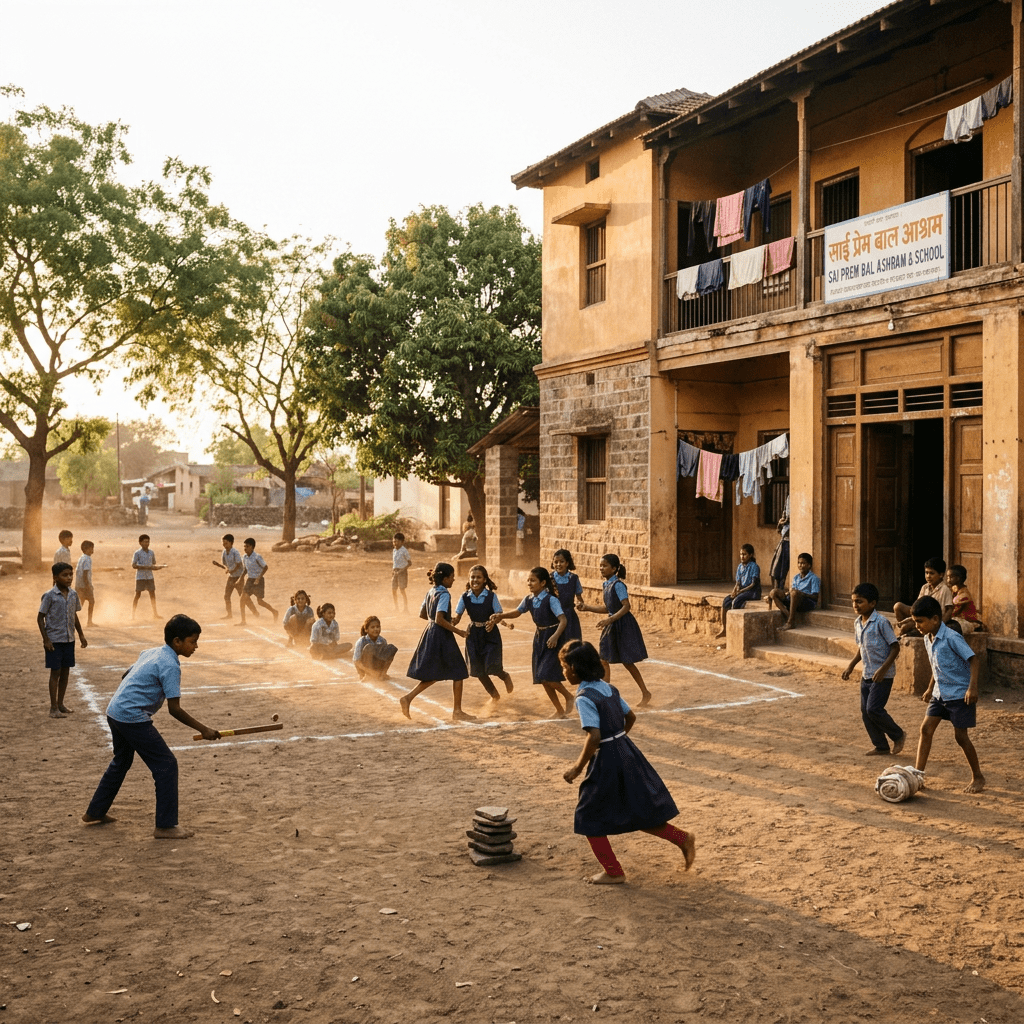
So many children have been kicking around a football in the past month, it is delightful to see them out and running about, sometimes on their own and sometimes with their parents or peers with a ball. As an advocate of learning and playing outdoors for children of all ages, it warms my heart.
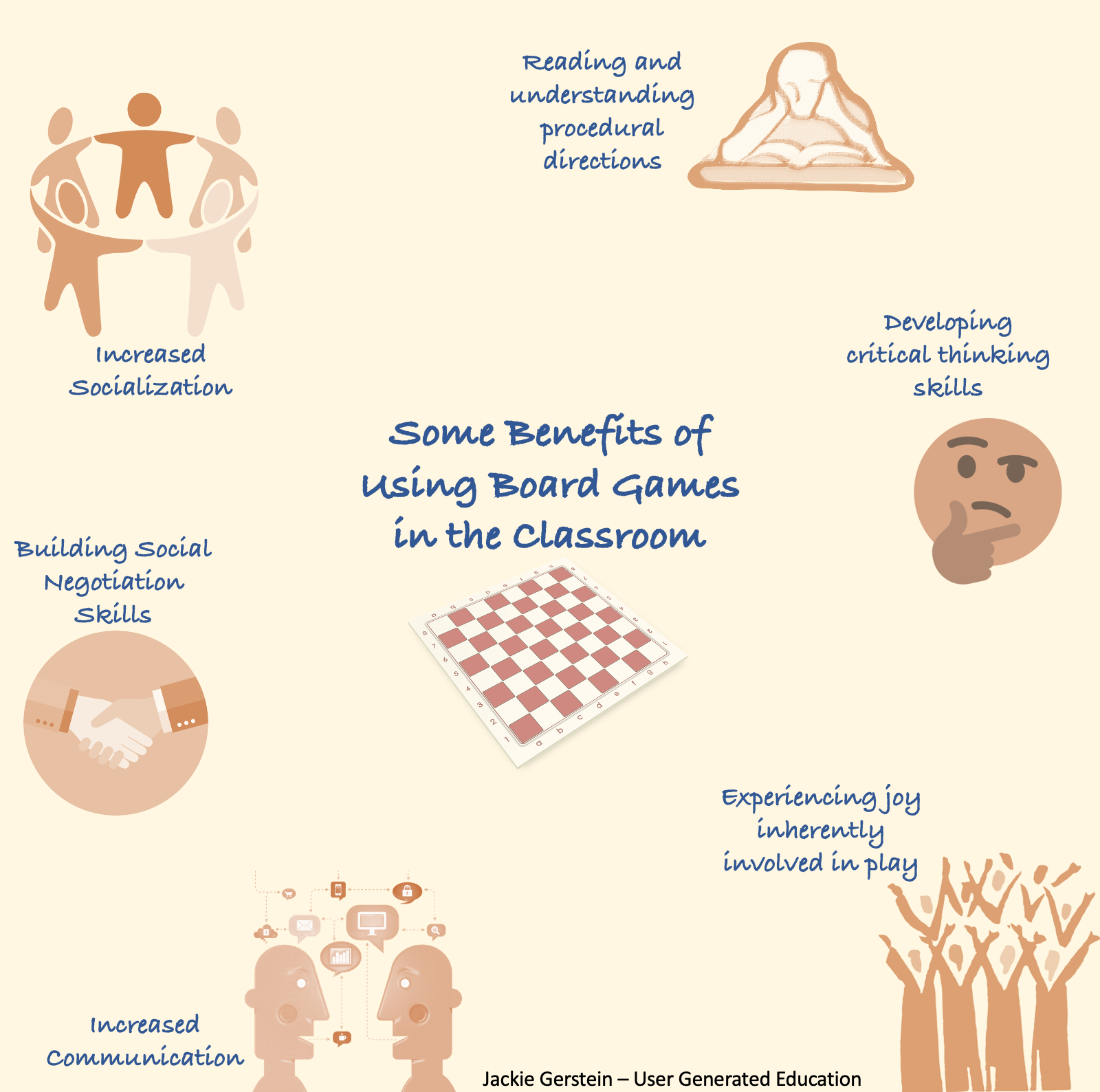
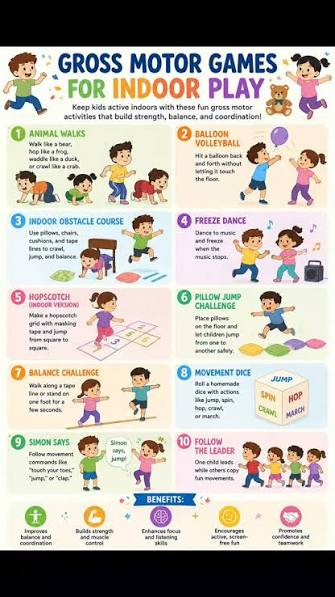
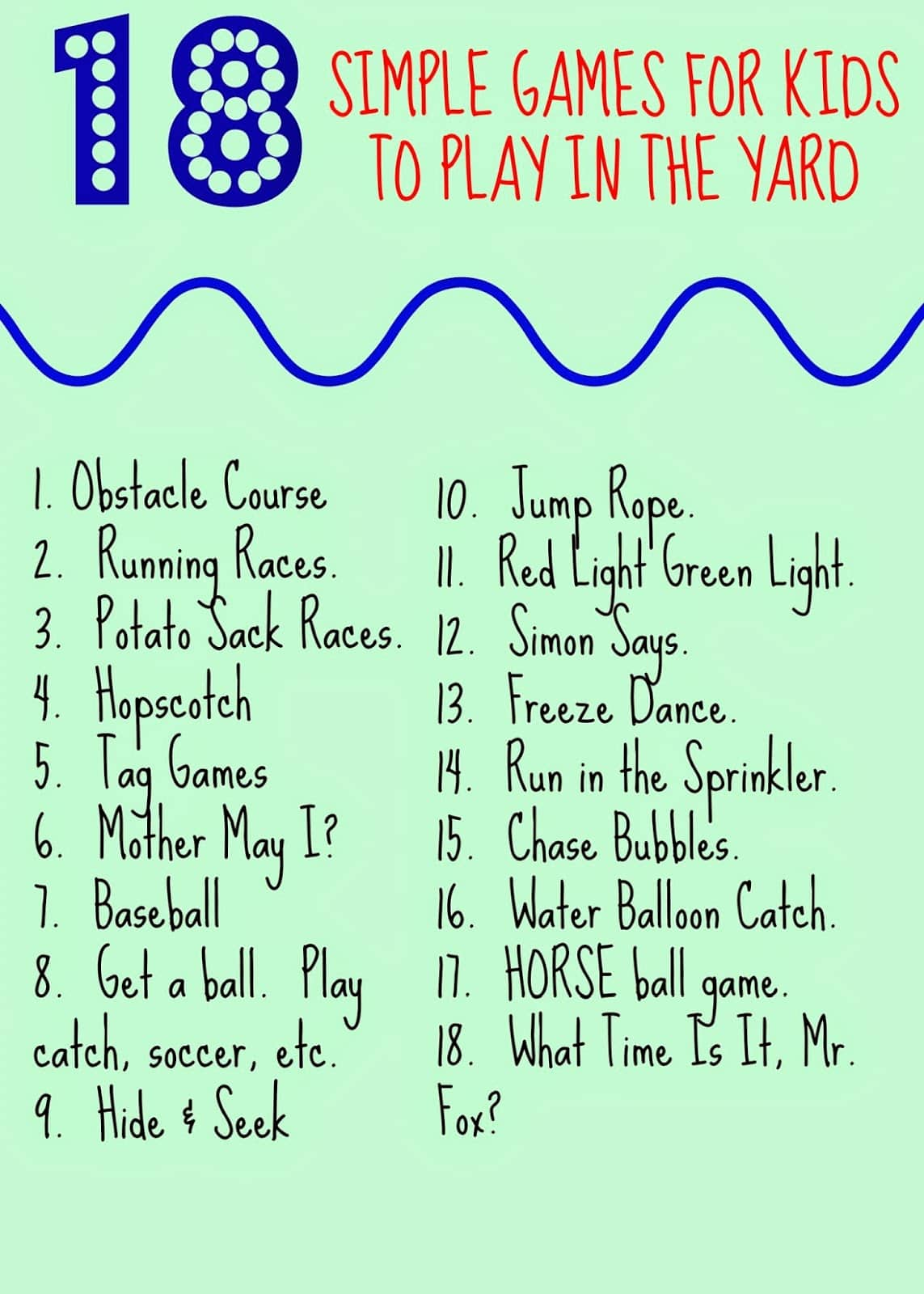
Parents and educators, use this opportunity and interest that has been created by the FIFA World Cup matches (and marketing)! It is a good time to take playing opportunities, whether a ball game or a board game, off screen!
If you are doing alphabets, play bingo, scrabble. If you are doing numbers, play Ludo, Snakes and Ladders. Not on a tablet or a phone. With physical materials.
What say? Have a ball 🙂
This is a free newsletter for parents, educators, and students. If you like my content, please subscribe by entering your email address here.
Three Images of the Week
Two Thoughts of the Week
“A toy cannot save a life, but it can save a soul.”
― Robert Dinsdale, The Toymakers
“A Toy A Day Keeps Sadness Away”
― The Unboxing Toys
One Video of the Week
Archaeologists have found material, visual, and written evidence for toys across the ancient world. In 3000 BCE Anatolia, miniature toy carriages raced through the dirt. In the Indus Valley a thousand years later, a toddler giggled at the sound of their terracotta whistle. So, what other playthings have delighted us through history? Trace the ancient origins of toys, games, and play traditions.
Reading with Ms Meenu: Tip of the Week
Libraries and Artificial Intelligence
Libraries have always adapted to new technology. Today, artificial intelligence is changing how libraries organize information, support research, improve accessibility, and serve their communities.
AI can help users find books, articles, and other resources through natural-language searches. It can also power chatbots that answer basic questions about library hours, borrowing rules, databases, and citation styles. However, AI-generated answers may be inaccurate, so users should still verify information and consult librarians when conducting important research.
AI can also make reading more accessible. Text-to-speech tools, translations, captions, summaries, and simplified explanations can support people with visual impairments, learning disabilities, or language barriers. Libraries can reduce the digital divide by providing computers, internet access, assistive technology, and staff support.
In research, AI can help generate keywords, summarize information, organize notes, and identify useful sources. However, students should not treat AI responses as reliable academic sources. Books, peer-reviewed journals, databases, and government publications should still be used and checked carefully.
Libraries also play an important role in teaching AI literacy. Users need to understand how AI works, recognize bias, protect personal information, and verify sources. The Association of College and Research Libraries recommends that library workers critically evaluate AI tools and their limitations. (ala.org)
AI may also support cataloguing, digitization, classification, and collection management. These tools can save time, but librarians should continue to make important decisions because they understand community needs, ethics, and cultural context.
There are also concerns about privacy, misinformation, bias, and copyright. AI systems may collect personal data, produce false information, or repeat stereotypes found in their training data. UNESCO recommends that AI be used in a safe, ethical, equitable, and human-centred way. (unesco.org)
AI will not replace librarians. Instead, librarians will increasingly help users evaluate AI tools, protect privacy, verify information, and develop digital and research skills.
In conclusion, AI can improve library services, accessibility, and research support. However, it must be used carefully and with human oversight. By combining technology with professional knowledge and ethical responsibility, libraries can remain trusted centres of reading, learning, and information.
References
Association of College and Research Libraries. AI Competencies for Academic Library Workers. (ala.org)
International Federation of Library Associations and Institutions. IFLA Statement on Libraries and Artificial Intelligence. (repository.ifla.org)
UNESCO. Guidance for Generative AI in Education and Research.(unesco.org)
Happy Reading!
For more information please visit: placealibrary.ca
Meenu Gera
Consulting Home and School Library Reading Guide
I Think, I Wonder, I Ask
–Dr. Shreelakshmi Subbaswami, Academic Director, Vijaya School, Hassan, Karnataka
Teaching at the Right Level: Closing Gaps, One Child at a Time
Walk into any classroom of 20 or 30 students, and you will rarely find everyone learning at the same level. Some children are at grade level, some are above grade level, while others are still building the foundational skills they need. In the foundational years, where literacy and numeracy form the basis for future learning, ensuring that every child develops these skills is essential. Gaps left unaddressed in the foundational years often become wider as children progress through school.
Summative assessments give us very little information about the exact learning level of the child. Mostly, these assessments highlight what a child cannot do without providing enough evidence of what the child already knows. When we do not have a clear picture of a learner’s current level, we tend to rely on whole-class instruction, expecting everyone to move together. This remains a common reality in many classrooms.
Teaching at the Right Level is not a new idea. The real challenge lies in translating it meaningfully into the context of every school. After experimenting with different approaches over the years, this year we are intentionally strengthening small-group instruction. We are designing learning experiences that begin where each child is, rather than where the curriculum assumes they should be. The content, pace, and teaching strategies are adapted to the learner, to steadily bring every child to grade level.
In education, we often speak about standardization, but children remind us that learning is deeply individual. When learning is contextualized to their needs and readiness, they make far greater progress.
Three questions for you…
- How can small-group teaching become a sustainable practice in our classrooms?
- What changes in classroom routines are needed to make teaching at the right level possible?
- How do we balance curriculum expectations with the learning needs of every child?
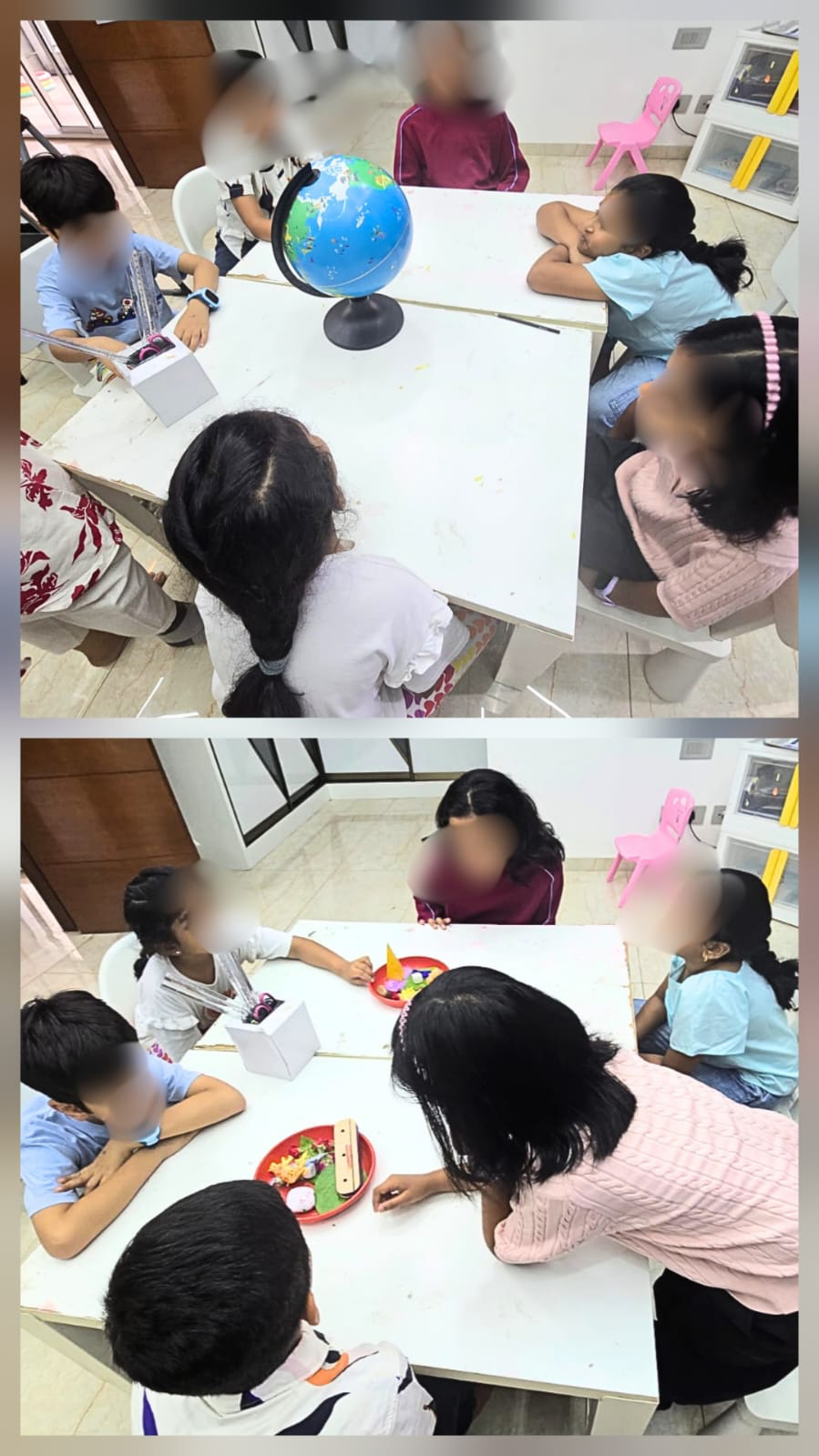
Showcase: Thrive STEAM project, Hyderabad
Pooja Khatter, facilitator
The children explored the concepts of living and non-living things, habitats, ecosystems, biotic and abiotic factors, and biodomes. They participated in discussions and activities and confidently shared their ideas with the class.
The session began with a Nature Detective activity. The children observed objects such as a rock, leaf, feather, flower, and toy animal. They discussed which objects were living and how they could identify a living thing. They shared that living things can breathe, move, and grow, while non-living things cannot. They also understood that plants are living things even though they do not move from one place to another.
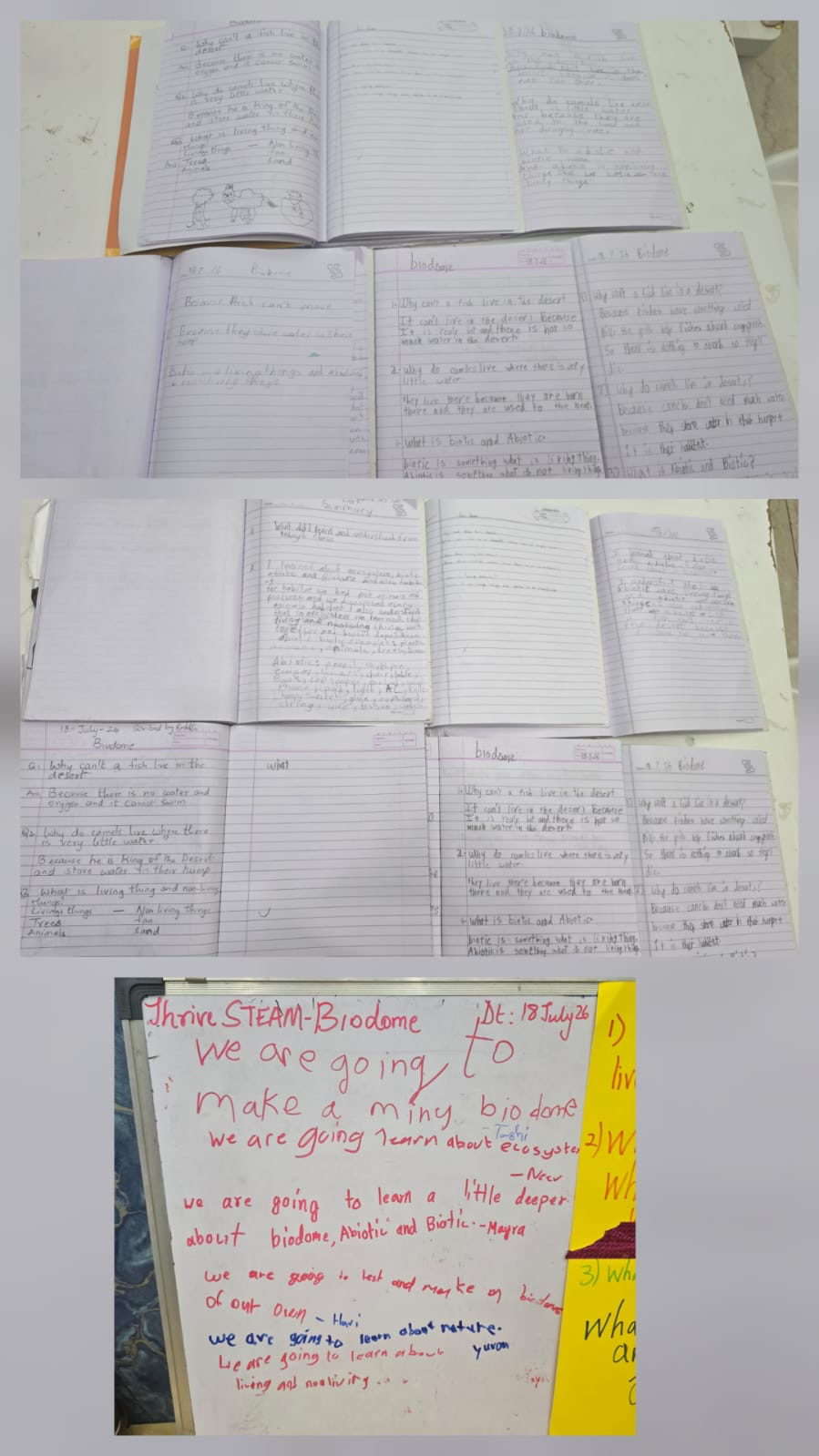
The children then explored different habitats, including forests, deserts, oceans, ponds, grasslands, and the Arctic. They matched animals to their habitats and discussed why animals live in particular places. When asked why a fish cannot live in the desert, the children explained that fish need water to live and breathe through their gills. They also understood that camels can live in the desert because they are adapted to hot weather and can survive with very little water. This helped the children understand that animals have special features and abilities that help them survive in their habitats.
The children were introduced to the terms biotic and abiotic. They learned that biotic factors are living things, such as plants, trees, animals, and humans. Abiotic factors are non-living things, such as water, air, sunlight, soil, sand, and rocks.
While learning about ecosystems, the children understood that living and non-living things are connected and work together. They gave examples from their surroundings and recognised that plants, animals, humans, water, air, sunlight, and soil are all connected within an ecosystem.
The children were also introduced to the concept of a biodome. They understood that a biodome is an enclosed environment where living and non-living things can exist and interact with one another.
At the end of the session, the children wrote about what they had learned. Their written summaries showed that they were able to recall the main concepts discussed, including ecosystems, habitats, biotic and abiotic factors, and biodomes.
Overall, the children participated with interest and enthusiasm.
Mayra: 6 years old
Neev, Tashi and Maira: 7 years 11 months old
Havishka: 8 years 3 months old
Dear reader,
My work in education includes designing learning ecosystems where students thrive, teachers grow, and schools build lasting cultures of excellence through innovative curriculum, evidence-based practice, and meaningful educational leadership.
Professional development with Ms Niv : Click below to find the teacher and student workshops and trainings I currently offer:
https://docs.google.com/presentation/d/1ypWO8KpVh56vhYqAMH4XoytLRKMXvwpCAfv3l3fryJQ/edit?usp=sharing
3-2-1 Tuesdays with Ms. Niv is a newsletter you can subscribe to and enjoy your learning journey with me.